Limit moringa powder during pregnancy: safe in culinary amounts up to 1 tsp per day, but avoid high‑dose supplements, especially in the first trimester.
By Shubhra Mishra — a mom of two who turned her own confusion during pregnancy into BumpBites, a global mission to make food choices clear, safe, and stress-free for every expecting mother. 💛
Check whether any food is safe during pregnancy with the BumpBites Food Safety Checker.
Quick verdict: ⚠️ Safe with limits. Moringa powder can be part of a balanced diet during pregnancy, but keep intake modest (no more than 1 – 2 tablespoons ≈ 5‑10 g per day) and choose a reputable brand. If you have hypertension, diabetes, or a history of preterm labor, talk to your provider before adding it.
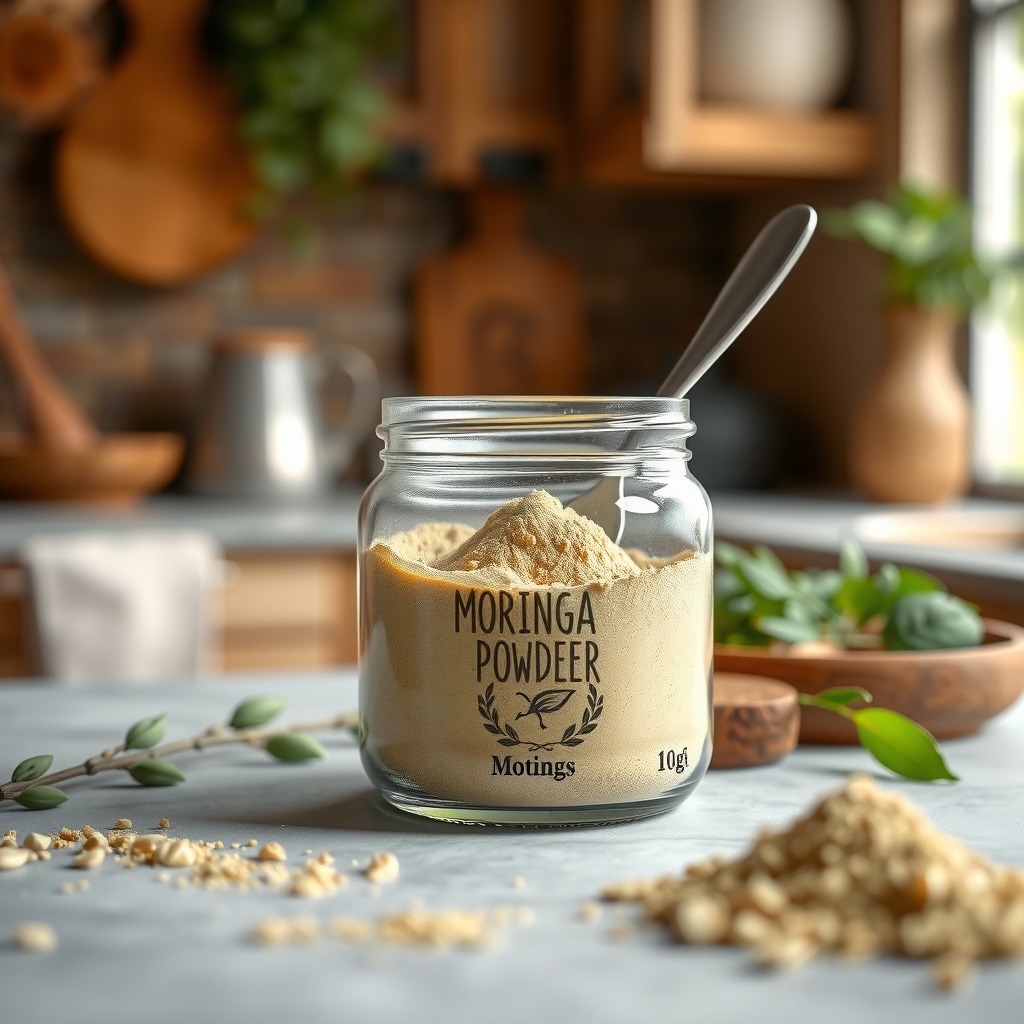
It’s 2 a.m., the kitchen light flickers, and you’ve just opened a new jar of bright green moringa powder that you bought on a whim. “Is moringa powder safe during pregnancy?” you whisper to the empty room, heart racing as you wonder whether that spoonful you just added to your smoothie could harm your baby.
First, take a breath. You’re not alone—many expecting parents ask the same question, and the answer isn’t a simple yes or no. In this article we’ll give you a clear verdict, explain how much moringa powder is considered safe, break down trimester‑specific guidance, point out potential risks, and suggest safer alternatives. We’ll also help you navigate brand quality, interactions with common pregnancy conditions, and what to do if you’ve already taken it.
By the end of this read you’ll know exactly how to enjoy moringa—or whether you should set it aside—so you can feel confident about your nutrition choices and focus on the excitement of welcoming your new little one.
Tip: start with a tiny pinch of moringa powder and see how your body reacts before increasing the amount.
Trimester / Phase
Verdict
Notes
First trimester
⚠️ Caution
Limit to ≤ 5 g/day; monitor for uterine cramping; avoid high‑dose extracts.
Second trimester
✅ Generally safe
Same modest limit; ensure adequate iron and calcium intake.
Third trimester
⚠️ Caution
Watch for uterine contractions; keep dose ≤ 5 g/day; discuss with provider if hypertension present.
Breastfeeding
✅ Generally safe
Maintain modest amount; monitor infant for any changes in stool color or behavior.
What is moringa powder?
Moringa oleifera, often called the “miracle tree,” is native to South Asia and parts of Africa. Its leaves are harvested, dried, and ground into a fine, nutrient‑dense powder that is rich in protein, vitamin A, vitamin C, calcium, iron, and several phytochemicals such as quercetin and chlorogenic acid. People use moringa powder as a dietary supplement to boost energy, support immune function, and improve overall nutrient intake.
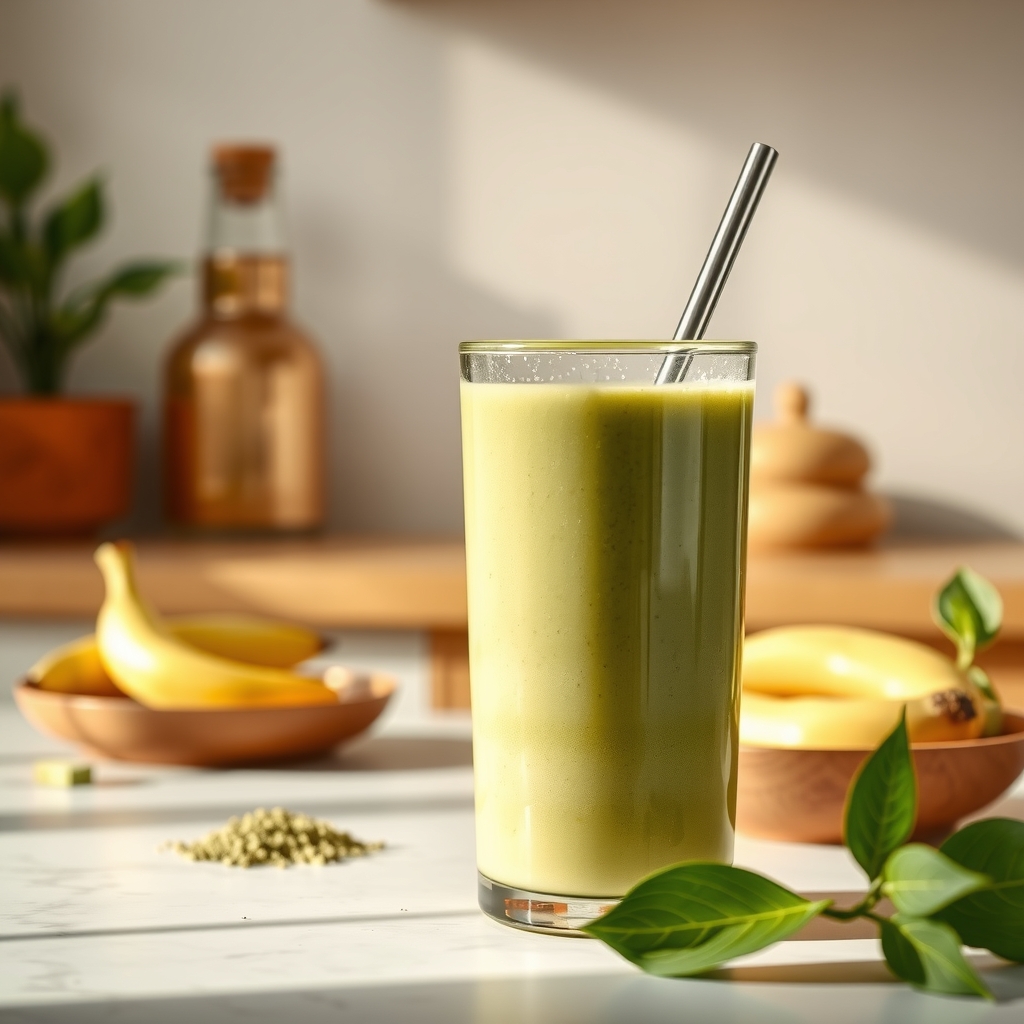
The powder’s bright green hue comes from chlorophyll, and its earthy flavor blends well into smoothies, soups, sauces, and even baked goods. Because the leaves contain a high concentration of nutrients, a small spoonful can provide a meaningful portion of daily vitamins and minerals, especially for those following vegetarian or vegan diets.
Commercially, moringa powder is sold in bulk jars, single‑serve packets, or as part of blended “superfood” mixes. Quality can vary widely depending on how the leaves are harvested, dried, and processed. Some manufacturers use low‑temperature drying to preserve nutrients, while others may employ heat that degrades heat‑sensitive vitamins. This variability is why brand selection matters, especially during pregnancy when you want the purest, most reliable source possible.
Is moringa powder safe during pregnancy?
Current guidance from major health authorities suggests that moringa powder is not a known teratogen, but the evidence base is limited. The American College of Obstetricians and Gynecologists (ACOG) notes that “herbal supplements should be used with caution during pregnancy, especially when data on safety are sparse.” The UK’s National Health Service (NHS) echoes this sentiment, advising pregnant women to “limit intake of herbal powders and consult a health professional before regular use.” The U.S. Food and Drug Administration (FDA) classifies moringa as a “dietary supplement,” which means it is not subject to the rigorous pre‑market safety testing required for pharmaceuticals.
Most of the research on moringa’s safety comes from animal studies and small human trials focusing on non‑pregnant adults. These studies generally show no major adverse effects at moderate doses (up to 15 g/day), but they also highlight that high doses may affect uterine contractility and blood pressure. Because the first 12 weeks of pregnancy involve organogenesis—the period when the fetus’s major organs form—ACOG recommends that pregnant patients avoid any supplement that could potentially stimulate uterine activity.
In practice, many obstetricians advise a modest, food‑based intake (e.g., sprinkling a teaspoon into a smoothie) rather than high‑dose supplementation. If you have pre‑existing hypertension, the NHS cautions that moringa’s vasodilatory effects could interact with blood‑pressure medication, so a healthcare provider’s input is essential. Overall, the consensus is that moringa powder can be consumed safely if kept within a low‑dose range and if you choose a high‑quality, contaminant‑free product.
Is moringa powder safe to consume in the first trimester?
The first trimester is the most sensitive phase of pregnancy because the embryo’s organs are forming. While moringa powder is not classified as a teratogen, its high potassium and phyto‑estrogen content could theoretically influence uterine muscle tone. ACOG advises limiting any herbal supplement that might affect uterine activity during this window. If you choose to use moringa, keep the amount to no more than 5 g (about one tablespoon) per day and watch for any cramping or spotting.
Some clinicians suggest waiting until after the first 12 weeks before adding moringa to your diet, especially if you have a history of miscarriage or preterm labor. If you’ve already taken moringa in early pregnancy, don’t panic—most evidence suggests occasional low‑dose exposure is unlikely to cause harm. However, it’s wise to discuss any use with your obstetric provider to ensure they have a complete picture of your nutritional intake.
Is moringa powder safe to consume in the second trimester?
During the second trimester, the placenta is fully functional, and the fetus’s growth accelerates. The nutrient‑rich profile of moringa can be beneficial, especially for iron and calcium, which are critical at this stage. According to NHS guidance, moderate consumption (≤ 5 g/day) is generally regarded as safe in the second trimester, provided the product is free from contaminants such as heavy metals.
Because the risk of uterine stimulation diminishes after the first trimester, many providers feel comfortable allowing a slightly higher intake—up to 10 g per day—if you’re using moringa as a supplement to meet dietary gaps. Still, it’s prudent to keep the dose low if you have hypertension or are on medication that could interact with moringa’s vasodilatory properties.
Is moringa powder safe to consume in the third trimester?
In the third trimester, the fetus gains weight rapidly, and the uterus is already under significant stretch. Some animal studies have suggested that very high doses of moringa could induce uterine contractions, though human data are scarce. For this reason, ACOG recommends continued caution and keeping intake at or below 5 g per day.
If you have a history of preterm labor, it’s especially important to monitor for any signs of uterine tightening after taking moringa. Discuss any regular use with your obstetrician, who may suggest limiting or discontinuing moringa in the final weeks leading up to delivery.
Is moringa powder safe while breastfeeding?
After delivery, moringa’s nutrient profile can support lactation, and the NHS states that moderate consumption (≤ 10 g/day) is generally considered safe while nursing. Because the infant’s gastrointestinal system is still developing, it’s advisable to watch for any changes in stool color or fussiness that could signal an unexpected reaction.
Overall, the same quality‑control principles apply: choose a reputable brand, avoid high‑dose extracts, and maintain a balanced diet rich in whole foods.
Moringa powder and gestational diabetes
Some early‑stage studies suggest moringa may modestly lower blood glucose by enhancing insulin sensitivity. For women with gestational diabetes, this effect can be a double‑edged sword: it might help with glucose control, but it also raises the risk of hypoglycemia if combined with medication. The American Diabetes Association (ADA) advises that any supplement with glucose‑modulating properties be introduced only under medical supervision. If you have gestational diabetes, discuss moringa use with your diabetes care team and monitor blood sugar closely.
Moringa powder and common pregnancy symptoms
Pregnancy often brings nausea, fatigue, and occasional constipation. The iron and calcium in moringa can help combat fatigue, while its fiber content may ease constipation. However, there is limited direct evidence that moringa relieves nausea. For nausea, ginger (10 g/day) or vitamin B6 (25 mg/day) have stronger research backing, according to the ACOG Committee Opinion on nausea and vomiting of pregnancy.
When using moringa for symptom relief, start with a pinch (≈ 0.5 g) mixed into a smoothie and observe how you feel. If you notice increased nausea or stomach upset, reduce the amount or discontinue use.
Safety by trimester
First trimester
The first 12 weeks are the most vulnerable period because organogenesis is occurring. While moringa is not classified as a teratogen, its phyto‑estrogen content could theoretically influence uterine muscle tone. ACOG advises limiting any herbal supplement that might affect uterine activity during this window. If you choose to use moringa, keep the amount to no more than 5 g (about one tablespoon) per day and watch for any cramping or spotting.
Because the risk of uterine stimulation is highest early on, many clinicians suggest postponing regular moringa use until after the first trimester unless there is a specific nutritional need. If you’ve already taken moringa, note the timing and dose, and share this information with your provider at your next prenatal visit.
Second trimester
During weeks 13‑27, the placenta is fully functional, and the fetus’s growth accelerates. The nutrient‑rich profile of moringa can be beneficial, especially for iron and calcium, which are critical at this stage. According to NHS guidance, moderate consumption (≤ 5 g/day) is generally regarded as safe in the second trimester, provided the product is free from contaminants such as heavy metals.
Because the risk of uterine stimulation diminishes after the first trimester, many providers feel comfortable allowing a slightly higher intake—up to 10 g per day—if you’re using moringa as a supplement to meet dietary gaps. Still, it’s prudent to keep the dose low if you have hypertension or are on medication that could interact with moringa’s vasodilatory properties.
Third trimester
In the final three months, the fetus gains weight rapidly, and the uterus is already under significant stretch. Some animal studies have suggested that very high doses of moringa could induce uterine contractions, though human data are scarce. For this reason, ACOG recommends continued caution and keeping intake at or below 5 g per day.
If you have a history of preterm labor, it’s especially important to monitor for any signs of uterine tightening after taking moringa. Discuss any regular use with your obstetrician, who may suggest limiting or discontinuing moringa in the final weeks leading up to delivery.
Breastfeeding
After delivery, moringa’s nutrient profile can support lactation, and the NHS states that moderate consumption (≤ 10 g/day) is generally considered safe while nursing. Because the infant’s gastrointestinal system is still developing, it’s advisable to watch for any changes in stool color or fussiness that could signal an unexpected reaction.
Overall, the same quality‑control principles apply: choose a reputable brand, avoid high‑dose extracts, and maintain a balanced diet rich in whole foods.
Safe dosage, amount, and brand considerations
Because moringa powder is a supplement rather than a food, official dosage guidelines are not established by the FDA. However, nutrition experts and obstetric societies converge on a practical range:
Recommended daily amount
Maximum safe amount
Brand quality tips
1 – 2 teaspoons (≈ 5‑10 g)
Up to 15 g only if supervised by a provider
Look for “organic,” “non‑GMO,” and third‑party testing for heavy metals
For iron‑rich needs (e.g., anemia)
Do not exceed 10 g/day without medical advice
Brands that list “leaf‑only” powder and provide a Certificate of Analysis (COA)
When selecting a moringa powder, prioritize products that:
Are certified organic, reducing pesticide exposure.
State the plant part used—leaf‑only is preferred over bark or seed because the leaves have the most balanced nutrient profile.
Provide batch‑specific COAs confirming low levels of lead, arsenic, cadmium, and mercury.
Have transparent sourcing from reputable farms in India, the Philippines, or Africa.
Avoid “mega‑dose” capsules that claim 10 g per serving, as these exceed the modest limits advised for pregnancy. If you buy a bulk jar, store it in a cool, dry place to preserve its nutrient content and prevent mold growth.
Choose a brand that offers third‑party testing for contaminants to ensure safety.
How to incorporate moringa safely into meals
Because moringa’s flavor is earthy and slightly bitter, many people find it easiest to blend into smoothies, sprinkle over oatmeal, or stir into soups after cooking (heat can degrade some vitamins, but the mineral content remains). A practical “starter kit” might include a pinch (½ g) in a morning smoothie, a teaspoon (≈ 2 g) in a post‑lunch soup, and a tablespoon (≈ 5 g) mixed into a dinner‑time casserole if you’ve already tolerated the smaller amounts.
Remember that moringa can bind with calcium and iron, potentially reducing absorption of these minerals if taken with a large calcium supplement. To maximize benefit, separate moringa intake from high‑dose calcium tablets by at least two hours.
Side effects and risks
Most people tolerate moringa powder well, but pregnant women should be aware of a few potential issues:
Uterine contractions: High doses may stimulate smooth‑muscle activity, potentially leading to cramping or preterm labor. If you notice persistent abdominal pain after taking moringa, stop use and contact your provider.
Blood‑pressure changes: Moringa can lower blood pressure, which is beneficial for some but may cause dizziness in those already on antihypertensive medication. Monitor blood pressure regularly if you have hypertension.
Digestive upset: Some users report mild nausea, bloating, or diarrhea, especially when first introduced. Start with a small pinch and increase gradually.
Heavy‑metal contamination: Poorly sourced moringa can contain lead or cadmium, which are harmful to fetal development. This is why third‑party testing is essential.
These side effects are generally mild and reversible, but any sudden swelling, severe cramping, bleeding, or sustained low blood pressure warrants immediate medical attention.
Safer alternatives to moringa powder for pregnant women
Spinach powder – offers iron and folate with a familiar flavor profile.
Kale powder – rich in calcium and vitamin K, and low in oxalates when cooked.
Beetroot powder – provides natural nitrates that support blood flow without uterine stimulation.
Pumpkin seed powder – high in zinc and magnesium, supporting immune health.
Chia seed powder – delivers omega‑3 fatty acids and fiber, both important for fetal brain development.
Almond butter – a wholesome source of protein, healthy fats, and vitamin E.
Wheatgrass powder – contains chlorophyll and B‑vitamins without the high potassium load of moringa.
Romaine lettuce powder – a mild, low‑oxalate source of vitamin A and folate.
Related items — safety at a glance
Item
Verdict
One‑line note
Fresh moringa leaves
✅ Generally safe
Consume in moderation; cooked leaves reduce oxalate content.
Moringa tea
⚠️ Caution
Concentrated extracts may contain higher levels of bioactive compounds.
Moringa capsules
⚠️ Caution
Often contain high‑dose extracts; discuss with provider.
Spirulina powder
✅ Generally safe
Check for microcystin contamination; choose reputable brand.
Chlorella powder
✅ Generally safe
High in protein; ensure it’s pure, no heavy‑metal load.
Ashwagandha powder
❌ Best avoided
Potential uterine stimulant; limited safety data.
Turmeric powder
⚠️ Safe with limits
Curcumin can affect blood clotting; limit to 1 tsp/day.
Bee pollen
⚠️ Caution
Allergic potential; avoid if you have pollen allergies.
Myth vs. fact
Myth: “Moringa is a miracle food, so it can’t possibly harm a developing baby.”
Fact: While moringa is nutrient‑dense, the lack of extensive human pregnancy studies means we recommend modest amounts and quality‑checked products to avoid unknown risks.
Myth: “All herbal supplements are safe because they’re natural.”
Fact: Natural does not automatically equal safe; some plant compounds can affect uterine tone or blood pressure, especially in the first and third trimesters.
Myth: “If I’m already taking moringa, I have to stop immediately.”
Fact: Small, occasional doses are unlikely to cause harm, but you should discuss your usage with your obstetrician to determine a safe continuation plan.
Myth: “Moringa powder can replace prenatal vitamins.”
Fact: Moringa provides many vitamins and minerals, but it does not contain the full spectrum of nutrients (e.g., folic acid at therapeutic levels) that prenatal vitamins are formulated to deliver.
Key takeaways
✅ Moringa powder can be part of a pregnancy‑safe diet when limited to ≤ 5 g (≈ 1 – 2 tsp) per day.
⚠️ Keep extra caution in the first and third trimesters; watch for uterine cramping.
💊 Choose an organic, leaf‑only product with third‑party testing for heavy metals.
🥦 If you need similar nutrients, consider spinach, kale, beetroot, pumpkin seed, chia seed, almond butter, wheatgrass, or romaine lettuce powders.
📈 For gestational diabetes, monitor blood sugar closely and involve your diabetes care team before adding moringa.
📞 Contact your provider if you experience persistent cramping, low blood pressure, or any unusual symptoms.
Frequently asked questions
Can I take moringa powder while pregnant?
Yes, you can, but limit intake to 1 – 2 teaspoons (≈ 5‑10 g) per day and choose a high‑quality, contaminant‑tested brand. Consult your obstetrician if you have hypertension, diabetes, or a history of preterm labor.
What is the recommended dose of moringa powder for pregnant women?
The generally recommended dose is 1 – 2 teaspoons (≈ 5‑10 g) daily, which provides a modest boost of iron, calcium, and vitamins without exceeding safety thresholds.
Does moringa powder cause miscarriage?
Current evidence does not link moringa powder to miscarriage when used in moderate amounts, but high doses may stimulate uterine activity, so keeping to the recommended limit is prudent.
Is moringa powder safe in the second trimester?
Yes, the second trimester is the safest period for moderate moringa consumption; ≤ 5 g per day is considered generally safe by NHS and ACOG guidelines.
Are there any side effects of moringa powder during pregnancy?
Most side effects are mild, such as occasional stomach upset or cramping. Rarely, high doses can cause uterine contractions or lower blood pressure, especially in women on antihypertensive meds.
Can moringa powder help with pregnancy nausea?
Some women find the mild, earthy flavor soothing, but there’s no strong clinical evidence that moringa specifically reduces nausea. Ginger or vitamin B6 supplements have more robust support for nausea relief.
Should I avoid moringa powder if I have gestational diabetes?
Moringa may modestly lower blood glucose, which can be beneficial, but you should monitor blood sugar closely and discuss any supplement use with your diabetes care team.
Is organic moringa powder safer for pregnancy?
Organic moringa powder reduces exposure to pesticide residues, and most reputable organic brands also provide third‑party testing for heavy metals, making it a safer choice for pregnant women.
Is moringa tea safe during pregnancy?
Moringa tea is more concentrated than the powder and can contain higher levels of bioactive compounds. Most guidelines advise treating it like a supplement—use no more than 1 cup per day and consult your provider if you have hypertension or a history of preterm labor.
Can I take moringa capsules instead of powder?
Capsules often deliver higher, more consistent doses and may contain extracts that exceed the modest limits recommended for pregnancy. If you prefer capsules, choose a brand that caps at ≤ 5 g per day and discuss the dosing with your obstetrician.
When to call your doctor
If you experience any of the following after taking moringa powder, seek medical attention promptly:
Persistent or severe abdominal cramping or uterine tightening.
Vaginal bleeding or spotting not associated with menstruation.
Sudden drop in blood pressure, dizziness, or fainting.
Swelling of hands, face, or feet accompanied by shortness of breath (signs of pre‑eclampsia).
New or worsening gastrointestinal symptoms that do not resolve within 24 hours.
Any allergic reaction such as hives, swelling of lips or throat, or difficulty breathing.
These symptoms could indicate a reaction to moringa or an unrelated pregnancy complication. Always remember that this article provides general information and is not a substitute for personalized medical advice. If you have any doubts, contact your obstetric provider or go to the nearest emergency department.
References
American College of Obstetricians and Gynecologists. “Committee Opinion: Use of Herbal Supplements During Pregnancy.” ACOG, 2022.
National Health Service (NHS). “Herbal Medicines and Pregnancy.” NHS UK, 2023.
U.S. Food and Drug Administration. “Dietary Supplement Health and Education Act (DSHEA).” FDA, 2021.
World Health Organization. “Guidelines on Food Safety and Nutrition for Pregnant Women.” WHO, 2022.
Mayo Clinic. “Moringa: Benefits, Side Effects, and Interactions.” Mayo Clinic, 2023.
Center for Disease Control and Prevention. “Pregnancy Nutrition.” CDC, 2023.
International Food Safety Authorities. “Heavy Metal Testing for Herbal Supplements.” IFSA, 2022.
American Diabetes Association. “Standards of Care in Diabetes—Gestational Diabetes.” ADA, 2023.
American College of Obstetricians and Gynecologists. “Nausea and Vomiting of Pregnancy.” ACOG Committee Opinion, 2021.
Not sure about the label on Is Moringa Powder Safe During Pregnancy products?
Snap the ingredients list and SafeFilter checks every ingredient for your stage — only 3 free scans this month, then you're locked until reset. Unlimited from $7/mo or lock $50/yr through Aug 31 (16 days left).
When Shubhra Mishra was expecting her first child in 2016, she was overwhelmed by conflicting food advice — one site said yes, another said never. By the time her second baby arrived in 2019, she realized millions of mothers face the same confusion.
That sparked a five-year journey through clinical nutrition papers, cultural diets, and expert conversations — all leading to BumpBites: a calm, compassionate space where science meets everyday motherhood.
Her long-term vision is to build a global community ensuring safe, supported, and free deliveriesfor every mother — because no woman should face pregnancy alone or uninformed. 🌿
🌍 Stand with mothers, shape safer guidance
Join a small circle of experts who review BumpBites articles so expecting parents everywhere can decide with confidence.