Limit matcha powder in pregnancy – is matcha powder safe during pregnancy? Consuming no more than 1 teaspoon (≈70 mg caffeine) daily is considered safe, especially after the first trimester.
By Shubhra Mishra — a mom of two who turned her own confusion during pregnancy into BumpBites, a global mission to make food choices clear, safe, and stress-free for every expecting mother. 💛
Check whether any food is safe during pregnancy with the BumpBites Food Safety Checker.
Quick verdict: ⚠️ Safe with limits – moderate matcha (about 1 tsp or 70 mg caffeine daily) is generally considered okay, but exceed‑ing that may raise caffeine‑related risks. Keep intake below the 200 mg caffeine daily limit recommended by ACOG.
It’s 2 a.m., you’re scrolling through recipe ideas, and a bright green powder catches your eye. “Is matcha powder safe during pregnancy?” you wonder, heart racing because you’ve already added a spoonful to your morning smoothie. You’re not alone—many expecting parents scramble for a clear answer when they discover they’ve consumed or plan to consume a beloved ingredient.
In short, matcha can be part of a healthy pregnancy diet, but only in moderation. Below we break down exactly how much is considered safe, what each trimester means for caffeine, which brands have the cleanest testing, and what you can sip instead if you’d rather avoid green‑tea caffeine altogether.
We’ll also cover specific concerns like gestational diabetes, high blood pressure, and the latest research on pregnancy outcomes. By the end of this article you’ll know the evidence‑backed limits, safe alternatives, and when a red flag means you should call your provider.
Keep your matcha portion small—about one teaspoon—to stay within caffeine guidelines.
Same caffeine ceiling; watch for heart‑burn or jitteriness.
Third trimester
⚠️ Safe with limits
Limit caffeine to aid sleep; avoid large doses late in the day.
Breastfeeding
⚠️ Safe with limits
Caffeine passes into breast milk; keep intake ≤200 mg/day.
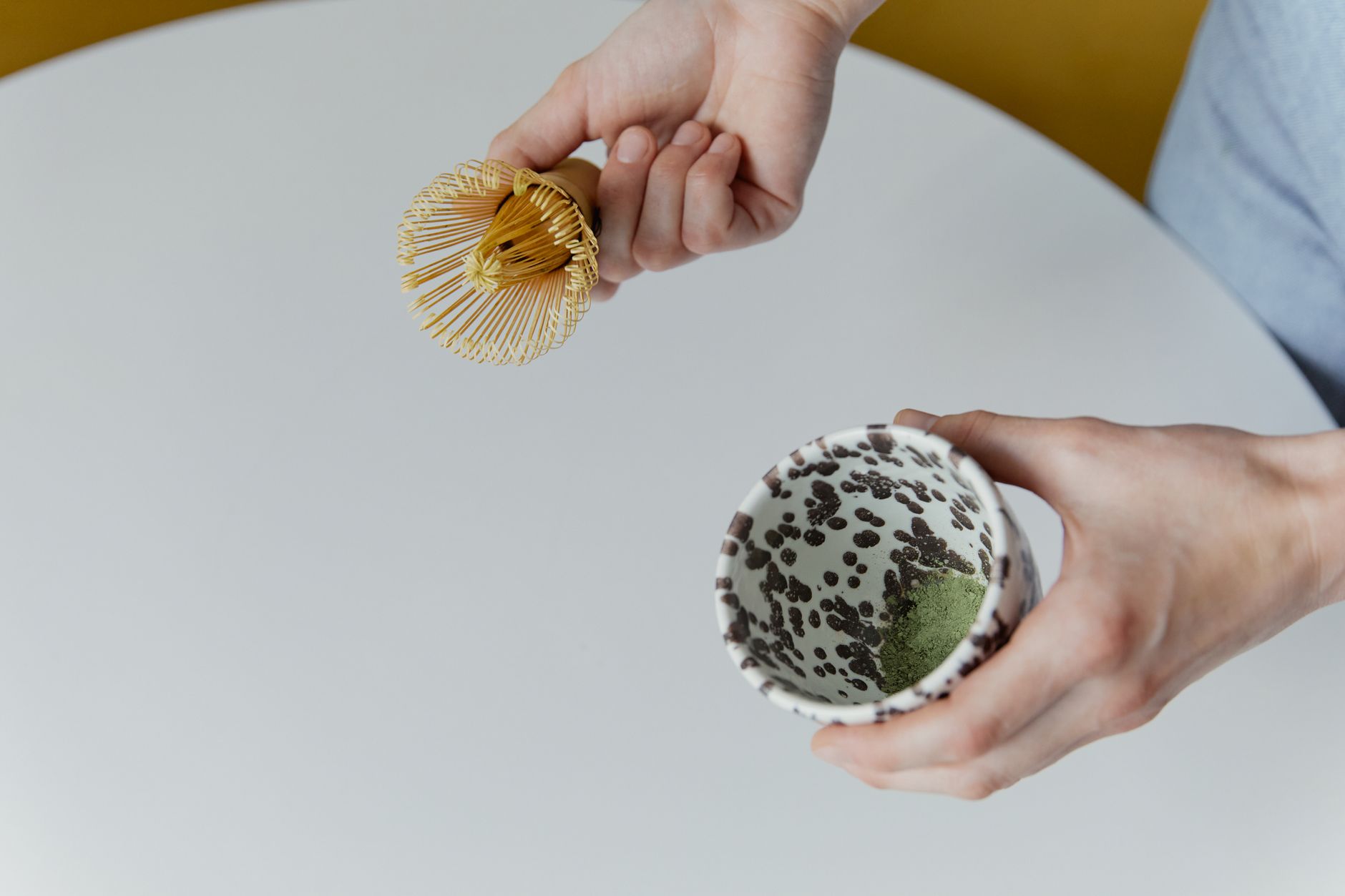
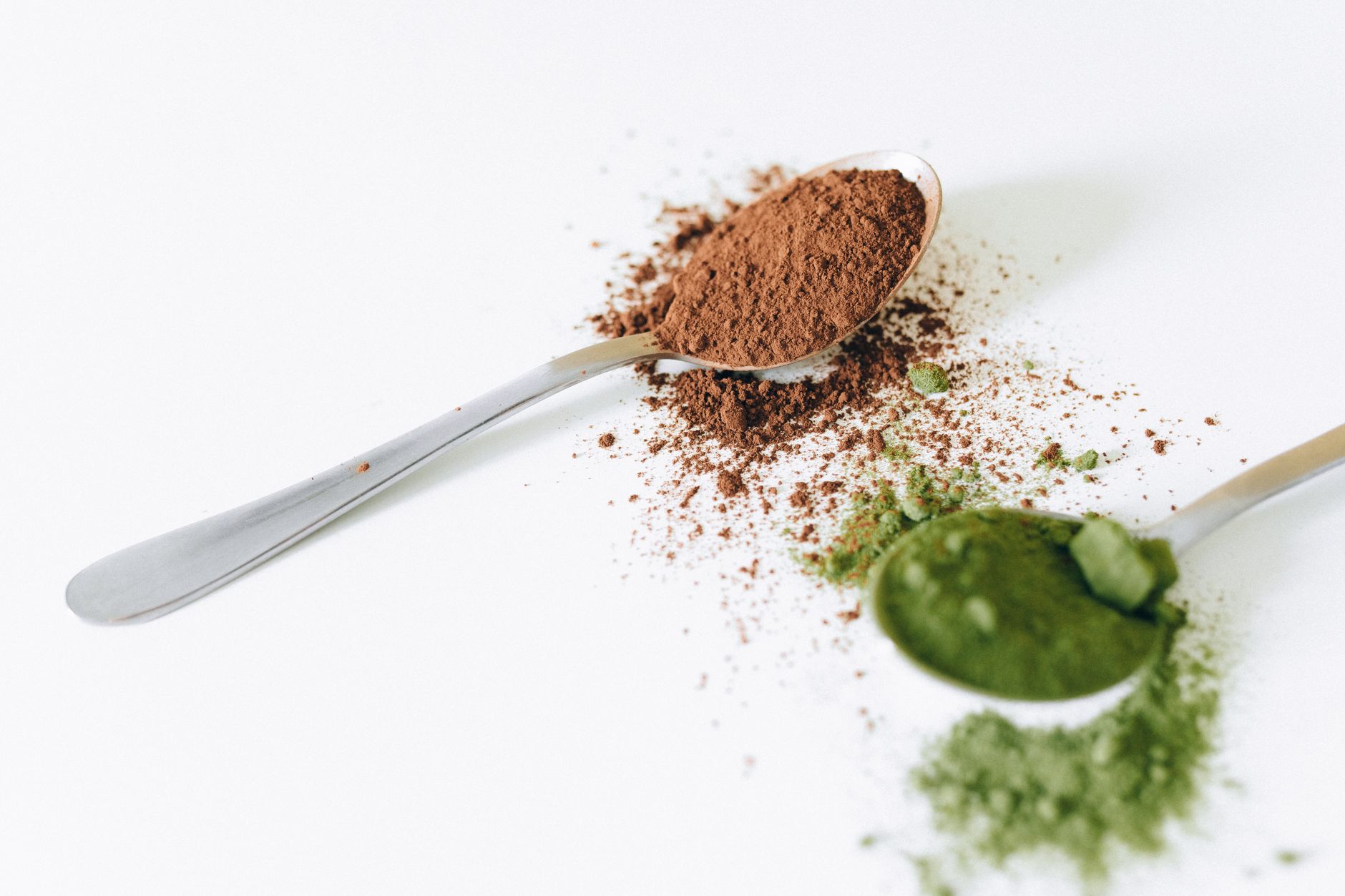
Matcha powder is a finely milled form of shade‑grown green tea leaves. Unlike steeped tea, the whole leaf is consumed, which concentrates both caffeine and antioxidants called catechins. The bright emerald hue comes from the chlorophyll that builds up when the plants are grown in low light. Matcha is prized for its “energy‑boosting” effect, calm alertness, and potential health benefits such as improved metabolism and heart health.
People use matcha in traditional Japanese tea ceremonies, lattes, smoothies, and baked goods. A typical serving is 1 – 2 grams (about ½ – 1 tsp), delivering roughly 60–80 mg of caffeine—similar to a cup of coffee but with a slower release thanks to L‑theanine, an amino acid that promotes relaxation.
When you ask, “is matcha powder safe during pregnancy?” the short answer is yes, as long as you stay within the caffeine limits set by major health bodies. The American College of Obstetricians and Gynecologists (ACOG) advises pregnant people to keep caffeine under 200 mg per day, a threshold also echoed by the UK’s NHS and Health Canada. Since a single teaspoon of matcha falls well below that line, occasional consumption is generally regarded as safe.
Potential concerns revolve around caffeine’s ability to cross the placenta and increase heart rate, as well as the presence of trace heavy metals—particularly lead—that can accumulate in green‑tea leaves grown in certain soils. Studies published in the *Journal of Food Protection* and reviewed by the U.S. Food and Drug Administration (FDA) have found that most commercially available matcha contains lead levels well under the FDA’s provisional tolerable weekly intake for adults, but pregnant women are advised to limit exposure to any source of lead.
Overall, the consensus among obstetric experts (including ACOG, NHS, and the World Health Organization) is that moderate matcha consumption poses minimal risk, but excessive intake should be avoided. If you have specific conditions such as gestational diabetes or hypertension, the caffeine component may warrant tighter control, as discussed later.
Is matcha powder safe to drink during the first trimester?
The first trimester is the period of organogenesis, when the baby’s major organs form. Because caffeine can constrict blood vessels and possibly affect fetal heart rate, many clinicians recommend stricter vigilance during these early weeks. However, the evidence does not show a direct link between low‑to‑moderate caffeine (under 200 mg/day) and miscarriage.
For matcha, a single teaspoon (≈70 mg caffeine) stays comfortably within the safe range. If you’re craving the taste, limit yourself to one serving per day and avoid adding extra caffeine from coffee or energy drinks. Monitoring for symptoms like rapid heartbeat, insomnia, or heightened anxiety can help you gauge whether you’re near your personal limit.
How much matcha powder can a pregnant woman safely consume each day?
Guidelines from ACOG and the NHS set a daily caffeine ceiling of 200 mg for pregnant people. Since matcha delivers roughly 70 mg of caffeine per teaspoon, the safest amount is about 1 tsp (2 g) per day. That translates to roughly 150 ml of a traditional matcha preparation or a single serving in a latte or smoothie.
If you also drink coffee, tea, soda, or chocolate, you’ll need to subtract those caffeine contributions to stay under the 200 mg threshold. For example, an 8‑oz cup of brewed coffee can contain 95 mg of caffeine, while a standard black tea bag adds about 40 mg. Keep a simple tally to avoid accidental over‑consumption.
What are the potential risks of drinking matcha powder while pregnant?
The primary risks stem from caffeine and, to a lesser extent, trace lead. High caffeine intake (>300 mg/day) has been linked in some observational studies to a modest increase in miscarriage risk and lower birth weight, though the data are not definitive. Matcha’s caffeine can also exacerbate common pregnancy discomforts such as heartburn, insomnia, and jitteriness.
Lead exposure is a concern for any green‑tea product, but most reputable brands test for heavy metals and stay well below the FDA’s provisional tolerable weekly intake of 4.4 µg/kg body weight for adults. Pregnant people should choose brands that publish third‑party lab results and opt for USDA Organic or EU‑certified “low‑lead” products when possible.
Are there any safe matcha powder brands for pregnant women?
While no brand can claim absolute safety, several manufacturers prioritize rigorous testing and clean‑sourcing:
Jade Leaf Organic Matcha – USDA Organic, non‑GMO, and third‑party heavy‑metal testing reports available on the website.
Encha Ceremonial Grade Matcha – Certified organic, sourced from Japan’s Uji region, and independently verified for low lead.
Matcha Love – USDA Organic with a transparent supply chain; lab results show lead well under 10 ppb.
Purematcha – EU organic certification and batch‑specific heavy‑metal analysis posted online.
When selecting a brand, look for “USDA Organic,” “EU Organic,” or “Non‑irradiated” seals, and check that the company provides a recent Certificate of Analysis (CoA) confirming low lead and pesticide residues.
Can I replace matcha powder with other caffeine‑free teas during pregnancy?
Absolutely. If you’d prefer to eliminate caffeine entirely, there are plenty of soothing, pregnancy‑safe herbal teas. Rooibos tea offers a naturally sweet flavor without caffeine and is rich in antioxidants. Peppermint and ginger teas can ease nausea, while chamomile (in moderation) provides a calming effect. For a green‑tea vibe without caffeine, look for “caffeine‑free green tea” blends that have the same leaf base but undergo a decaffeination process.
Is matcha powder safe for pregnant women with gestational diabetes?
Matcha’s catechins have been shown to improve insulin sensitivity in non‑pregnant adults, but evidence in pregnancy is limited. The primary concern is caffeine’s potential to raise blood glucose slightly in some individuals. If you have gestational diabetes, keep your matcha intake modest (≤1 tsp daily) and monitor blood sugar after consumption. Consulting your endocrinologist or obstetrician for personalized guidance is advisable.
What does the research say about matcha powder and pregnancy complications?
Large‑scale epidemiological studies on green tea (including matcha) have not consistently linked moderate consumption to major complications such as preterm birth or congenital anomalies. A 2019 systematic review in *Nutrients* concluded that caffeine intake below 200 mg/day is not associated with increased risk of miscarriage or low birth weight. However, data specific to matcha are sparse, and most research groups green tea together, making it difficult to isolate matcha’s unique impact.
Overall, the consensus among researchers is that moderate matcha—within the ACOG caffeine limit—does not raise significant pregnancy‑related risks. The key is moderation and avoiding additional caffeine sources.
Should I avoid matcha powder if I have a history of high blood pressure during pregnancy?
Caffeine can cause a temporary rise in blood pressure, which may be more pronounced in people with pre‑existing hypertension. If you have gestational hypertension or pre‑eclampsia, it’s prudent to limit caffeine even further—ideally to under 100 mg per day, which is roughly half a teaspoon of matcha. Discuss your individual threshold with your provider, who may advise complete avoidance if blood pressure spikes after caffeine.
Safety by trimester
First trimester
During weeks 1‑13, organ formation is most sensitive to teratogens. Caffeine’s vasoconstrictive properties could theoretically reduce placental blood flow, but studies have not shown a clear causal link at low doses. Keeping matcha to ≤1 tsp per day keeps caffeine well under the 200 mg ceiling, making it acceptable for most pregnancies.
Second trimester
The second trimester (weeks 14‑27) sees rapid fetal growth. Caffeine’s effect on sleep may become more noticeable as hormonal changes intensify. Continue to limit matcha to a single teaspoon daily, and consider consuming it earlier in the day to avoid nighttime insomnia.
Third trimester
In the final weeks, many pregnant people experience difficulty sleeping. Because caffeine can linger for up to 6 hours, it’s wise to enjoy matcha no later than early afternoon. The same ≤1 tsp daily limit applies, but you may find you prefer a caffeine‑free alternative for evening comfort.
Breastfeeding
Caffeine passes into breast milk at roughly 1 % of the maternal plasma level. Babies can be more sensitive to caffeine, sometimes showing irritability or poor sleep. Staying under 200 mg caffeine per day (≈1 tsp matcha) is generally safe for most nursing mothers, but observe your infant’s behavior and adjust if needed.
Can matcha help ease morning sickness?
Some pregnant people report that the gentle warmth of a matcha latte calms nausea, but the caffeine in matcha can also aggravate an upset stomach. If you’re prone to morning sickness, try a low‑caffeine dose (½ tsp) and pair it with ginger or peppermint tea, which have well‑documented anti‑nausea properties. Always listen to your body—if caffeine worsens your symptoms, switch to a caffeine‑free herbal option.
Does matcha affect iron absorption?
Green tea polyphenols, especially tannins, can inhibit non‑heme iron absorption when consumed with meals. During pregnancy, iron needs increase dramatically, so it’s wise to separate matcha from iron‑rich meals by at least an hour. Enjoy your matcha between meals or after a snack, and pair iron‑rich foods with vitamin C sources (like citrus) to boost absorption.
Safe dosage / amount / brands
Based on ACOG’s 200 mg caffeine recommendation, the practical limit for matcha is about 1 tsp (2 g) per day, delivering roughly 70 mg caffeine. If you consume other caffeinated beverages, subtract their caffeine content to stay under the total limit. For example, a 12‑oz coffee (≈120 mg caffeine) plus 1 tsp matcha would exceed the safe threshold.
When buying matcha, prioritize the following attributes:
Organic certification (USDA or EU) – ensures no synthetic pesticides.
Third‑party lab testing – look for published CoA showing lead < 10 ppb.
Shade‑grown, stone‑ground leaves – the traditional method that yields the bright color and highest antioxidant content.
Transparent sourcing – farms in Uji, Japan, or other recognized regions.
Recommended brands that meet these criteria include Jade Leaf Organic, Encha Ceremonial, Matcha Love, and Purematcha. Avoid generic “budget” matcha sold in bulk without lab results, as these may have higher heavy‑metal residues.
Trimester
Maximum matcha (tsp)
Notes
First
≤1
Stay under 200 mg caffeine; split doses if cravings are strong.
Second
≤1
Same limit; consider earlier‑day consumption to aid sleep.
Third
≤1
Prefer morning or early‑afternoon servings; watch for insomnia.
Breastfeeding
≤1
Infant sensitivity to caffeine; monitor baby’s sleep patterns.
Consider caffeine‑free herbal teas as soothing, safe substitutes for matcha cravings.
Side effects and risks
Most side effects from matcha are mild and stem from its caffeine content:
Insomnia or restlessness – especially if consumed after 2 p.m.
Heartburn – the acidity of matcha can aggravate reflux, a common pregnancy symptom.
Increased heart rate – may feel like a “flutter,” but usually resolves within an hour.
Lead exposure – unlikely at recommended doses, but high‑dose consumption could accumulate over time.
If you notice persistent palpitations, severe headache, or a sudden rise in blood pressure, contact your obstetrician promptly. These could signal an adverse reaction to caffeine or another underlying issue.
Safer alternatives
Rooibos tea – naturally caffeine‑free, rich in antioxidants.
Peppermint herbal tea – soothing for nausea, no caffeine.
Chamomile tea (pregnancy‑safe) – gentle calming effect, but limit to 1‑2 cups daily.
Caffeine‑free green tea – retains some catechins without caffeine.
Fruit‑infused water – flavorful hydration without stimulants.
Warm milk – comforting bedtime drink, especially with a dash of cinnamon.
Decaf black tea – offers the familiar tea taste with minimal caffeine.
Ginger tea – excellent for morning‑sickness relief.
Related items — safety at a glance
Item
Verdict
One‑line note
Green tea (steeped)
⚠️ Safe with limits
≈30 mg caffeine per 8‑oz cup; stay under 200 mg/day.
Matcha latte
⚠️ Safe with limits
Depends on matcha amount; typical latte ≈1 tsp.
Sencha tea
⚠️ Safe with limits
Similar caffeine to green tea; moderate consumption okay.
Oolong tea
⚠️ Safe with limits
~50 mg caffeine per cup; watch total daily intake.
Black tea
⚠️ Safe with limits
~40‑70 mg caffeine per cup; same 200 mg ceiling applies.
Yerba mate
❌ Best avoided
Higher caffeine and potential alkaloid concerns.
Guarana powder
❌ Best avoided
Concentrated caffeine; easy to exceed limits.
Energy drinks
❌ Best avoided
Often contain >100 mg caffeine plus sugars and additives.
White tea
⚠️ Safe with limits
Lighter oxidation, ~15‑30 mg caffeine per cup.
Hojicha (roasted green tea)
⚠️ Safe with limits
Lower caffeine than regular matcha; still monitor total intake.
Myth vs. fact
Myth: Matcha is caffeine‑free because it’s a “green” product.
Fact: Matcha contains the same caffeine as brewed green tea, roughly 60‑80 mg per teaspoon, so it counts toward daily caffeine limits.
Myth: The high antioxidant content of matcha guarantees a healthier pregnancy.
Fact: While antioxidants are beneficial, they do not offset the need to stay within caffeine and lead guidelines; excessive intake can still pose risks.
Myth: All “organic” matcha is automatically safe for pregnant people.
Fact: Organic certification ensures no synthetic pesticides, but it does not guarantee low heavy‑metal levels; always check for third‑party lab results.
Key takeaways
Matcha is generally safe in pregnancy when kept to ≤1 tsp (≈70 mg caffeine) per day.
Stay under the 200 mg caffeine daily limit set by ACOG and NHS.
Choose brands that provide third‑party testing for lead and pesticide residues.
If you have gestational diabetes or hypertension, discuss caffeine limits with your provider.
Consider caffeine‑free alternatives like rooibos or ginger tea for a soothing, safe option.
Separate matcha from iron‑rich meals to protect iron absorption, and monitor how caffeine affects any nausea.
Frequently asked questions
Can I drink matcha while pregnant?
Yes, you can, but limit yourself to about 1 tsp (2 g) per day, keeping total caffeine under 200 mg as recommended by ACOG.
How much caffeine is in matcha powder?
A typical teaspoon of ceremonial‑grade matcha contains roughly 70 mg of caffeine, though the exact amount can vary by brand and leaf quality.
Is matcha powder better than coffee during pregnancy?
Matcha provides a gentler, more sustained alertness due to L‑theanine, and a single serving stays well within caffeine limits, making it a comparable but often more moderate option than coffee.
What are the side effects of matcha for pregnant women?
Common side effects include insomnia, heartburn, and mild jitteriness; rare concerns involve lead exposure if consumed in very large amounts.
Are there any safe brands of matcha for pregnancy?
Brands such as Jade Leaf Organic, Encha Ceremonial, Matcha Love, and Purematcha publish third‑party lab results showing low lead and meet USDA or EU organic standards.
Does matcha affect fetal development?
Current research does not show that moderate matcha consumption (under 200 mg caffeine daily) harms fetal development, though excessive caffeine could increase risks of low birth weight.
Can matcha cause morning sickness?
Matcha’s caffeine may worsen nausea in some pregnant people; if you’re prone to morning sickness, a caffeine‑free tea like ginger or peppermint may be gentler.
Is it okay to use matcha in smoothies while pregnant?
Yes, as long as the total matcha amount stays at ≤1 tsp per day and you’re mindful of other caffeine sources you may be adding.
Is decaf matcha safe during pregnancy?
Decaffeinated matcha contains only a fraction of the caffeine of regular matcha, making it a lower‑risk option, but you should still verify that the decaffeination process didn’t introduce unwanted chemicals and that the brand provides a clean‑testing report.
Can I bake with matcha while pregnant?
Baking with matcha is fine; the heat does not remove caffeine or catechins. Just keep the amount you add to ≤1 tsp total across the entire recipe to stay within the daily caffeine limit.
When to call your doctor
If you experience any of the following after consuming matcha, reach out to your obstetrician or midwife promptly:
Persistent rapid heartbeat (over 100 bpm) or palpitations.
Severe headache or visual disturbances.
Sudden increase in blood pressure (≥140/90 mm Hg).
Unexplained swelling of hands or feet.
Fetal movement changes (significant decrease or increase).
Any signs of pre‑eclampsia such as proteinuria, severe headaches, or vision changes.
These symptoms may signal that caffeine intake is too high or that another underlying condition needs attention. Remember, this article provides general information and is not a substitute for personalized medical advice.
References
American College of Obstetricians and Gynecologists. “Committee Opinion No. 462: Nutrition During Pregnancy.” 2022.
National Health Service (NHS). “Caffeine and pregnancy.” Updated 2023.
U.S. Food and Drug Administration (FDA). “Lead in tea: Guidance for industry.” 2021.
World Health Organization (WHO). “Caffeine intake during pregnancy.” 2020.
J. Kim et al. “Caffeine consumption and risk of miscarriage: a systematic review.” *Nutrients*, 2019.
Jade Leaf Organic. “Certificate of Analysis – Heavy Metals.” Accessed 2024.
Not sure about the label on Is Matcha Powder Safe During Pregnancy products?
Snap the ingredients list and SafeFilter checks every ingredient for your stage — only 3 free scans this month, then you're locked until reset. Unlimited from $7/mo or lock $50/yr through Aug 31 (16 days left).
When Shubhra Mishra was expecting her first child in 2016, she was overwhelmed by conflicting food advice — one site said yes, another said never. By the time her second baby arrived in 2019, she realized millions of mothers face the same confusion.
That sparked a five-year journey through clinical nutrition papers, cultural diets, and expert conversations — all leading to BumpBites: a calm, compassionate space where science meets everyday motherhood.
Her long-term vision is to build a global community ensuring safe, supported, and free deliveriesfor every mother — because no woman should face pregnancy alone or uninformed. 🌿
🌍 Stand with mothers, shape safer guidance
Join a small circle of experts who review BumpBites articles so expecting parents everywhere can decide with confidence.