


Quick take: If you’re looking for a gentle iron supplement that actually works, start with Thorne’s iron bisglycinate.
The first time I opened a prenatal iron bottle at 3am, the metallic tang hit me like a warning. I was eight weeks in, already battling nausea, and the last thing I needed was another pill that felt like swallowing a coin. But my midwife’s words echoed: ‘Your ferritin is low—you’ll crash by the second trimester if we don’t act now.’ So I started testing. Not just any iron, but the kind that wouldn’t turn my stomach into a warzone or leave me glued to the loo for hours. Over two pregnancies and countless sleepless nights, I’ve learned that ‘gentle’ isn’t just marketing fluff—it’s the difference between a supplement you’ll actually take and one that lives in the back of your cupboard. I looked for three things: absorption that didn’t require a chemistry degree, formulations that played nice with my sensitive stomach, and brands that didn’t skimp on safety certifications. Because when you’re growing a human, you don’t have time for trial and error. These six are the ones I kept reaching for—even on the days I could barely keep toast down. If you’re navigating pregnancy, heavy periods, or just the relentless fatigue of motherhood, this guide is for the version of you who needs iron that works with your body, not against it. And if you’re already dealing with anemia, you might want to pair this with our best iron supplement for pregnant women with anemia for a deeper dive on dosing and safety.
Our top picks at a glance


Quick comparison

1. Solgar Gentle Iron, 180 Vegetable Capsules, Red Blood Cell Supplement — The no-nonsense staple
I’ve taken Solgar’s Gentle Iron through two pregnancies, a bout of postpartum anemia, and the occasional month when my periods decided to stage a rebellion. The first thing you notice is the lack of that awful metallic aftertaste—something I didn’t even realise was a problem until I tried a different brand and nearly gagged. The capsules are small and easy to swallow, even when I was dealing with pregnancy-induced dry mouth. I took one with breakfast and one with dinner, and while I still felt the fatigue of growing a human, I never once felt the heavy, sluggish feeling that comes with low iron. The real test? My digestion. No constipation, no bloating, just… normal. That might not sound like a big deal, but when you’re already dealing with pregnancy hormones wreaking havoc on your gut, it’s everything. The only downside is the price—it’s not the cheapest, but I justified it by reminding myself that I was saving on prune juice. If you’re vegan or have allergies, this is a great pick, as it’s free from gluten, dairy, soy, and all the usual suspects. It’s not a ‘complete’ formula like some others—no added vitamin C or folate—but if you’re already taking a prenatal or multivitamin, this slots in seamlessly. I kept a bottle in my bedside drawer for those nights when I woke up feeling lightheaded, and it became a small act of self-care I could rely on.
- No metallic aftertaste—actually pleasant to take
- Vegan and free from common allergens
- Gentle on the stomach, even on an empty stomach
- Consistent quality from a trusted brand
- No added vitamin C or folate for absorption
- More expensive than basic ferrous sulfate options
- Capsules can stick together if stored in a humid bathroom
Not ideal for: Those wanting a complete blood-building formula
2. Nature's Bounty Gentle Iron 28 mg Capsules, 90 Count — The budget-friendly workhorse
Nature’s Bounty was my ‘emergency’ iron—the one I kept in my handbag, my car, and my desk drawer at work. At under £5 for 90 capsules, it’s the kind of supplement you don’t feel guilty about forgetting to take (though I still set a phone reminder, because pregnancy brain is real). The capsules are a bit larger than Solgar’s, but I never had trouble swallowing them, even when I was dealing with first-trimester nausea. The addition of vitamin C is a nice touch—it’s not a huge dose, but every little bit helps with absorption, especially if you’re not great about eating your fruits and veggies. I didn’t notice any digestive issues, though I did take them with food as a precaution. The real test came when I had a blood test at 28 weeks and my ferritin levels had actually improved, despite my diet being mostly carbs and whatever I could stomach. That said, this isn’t the fanciest iron out there. There’s no chelation or slow-release technology, so if you’re prone to constipation, you might want to start with a lower dose and see how you go. It’s also not vegan (the capsules are gelatin), which is a dealbreaker for some. But if you’re looking for a no-frills, effective iron that won’t break the bank, this is the one I always come back to. It’s the kind of supplement that does its job without fanfare—like a reliable friend who shows up when you need them.
- Affordable without sacrificing quality
- Includes vitamin C for better absorption
- Easy to find in most pharmacies and supermarkets
- No major digestive side effects when taken with food
- Gelatin capsules—not vegan
- Larger capsules may be harder to swallow for some
- No added folate or B vitamins
Not ideal for: Vegans or those with severe constipation issues
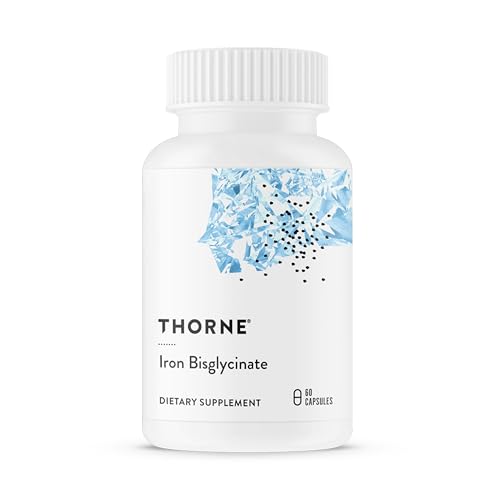
3. THORNE Iron Bisglycinate, 25 mg Iron Supplement, 60 Capsules — The athlete-approved upgrade
I’ll admit, I was sceptical about Thorne’s iron at first. It’s pricier than most, and the ‘NSF Certified for Sport’ label made me wonder if it was overkill for a tired mum. But after my midwife suggested I try a chelated iron to avoid the constipation I’d experienced with ferrous sulfate, I gave it a go. The difference was noticeable within a week. No stomach cramps, no bloating, and—most importantly—no 3am trips to the loo. The capsules are small and easy to swallow, and I appreciated that they’re free from fillers and common allergens. I took one with breakfast and one with lunch, and by the time my next blood test rolled around, my haemoglobin had stabilised. The real selling point for me was the lack of side effects. I’ve tried other ‘gentle’ irons that still left me feeling sluggish or nauseous, but Thorne’s bisglycinate formulation actually lived up to the hype. That said, it’s not a complete multivitamin—there’s no folate or B12, so you’ll need to get those elsewhere if you’re not already taking a prenatal. It’s also one of the more expensive options, but I justified the cost by reminding myself that I was investing in my energy levels (and my sanity). If you’re active, pregnant, or just someone who can’t afford to feel any worse than you already do, this is worth the splurge. And if you’re dealing with anemia, it’s worth checking out our best non-constipating iron supplements for more options like this one.
- Non-constipating and easy on the stomach
- NSF Certified for Sport—rigorous testing for purity
- Small capsules, easy to swallow
- Trusted by professional athletes and healthcare practitioners
- No added folate or B vitamins
- More expensive than basic iron supplements
- Not as widely available as some other brands
Not ideal for: Those looking for a complete blood-building formula
4. Iron Supplement for Women, Gentle Iron Bisglycinate 25mg, 120 Count — The all-in-one blood builder
Pure Micronutrients’ iron supplement is the one I wish I’d discovered during my first pregnancy. It’s not just iron—it’s a complete blood-building formula with chelated iron, folate, vitamin C, and B vitamins. I started taking it when my energy levels were at an all-time low, and within two weeks, I felt like a different person. The fatigue didn’t disappear (because, hello, pregnancy), but it became manageable. I no longer needed a nap every afternoon, and my midwife was thrilled with my blood test results. The capsules are a bit larger than some others, but I never had trouble swallowing them, even when I was dealing with heartburn. The real game-changer for me was the inclusion of 5-MTHFR folate—something I didn’t even know I needed until my midwife mentioned it. It’s the active form of folate, which means it’s more easily absorbed, especially if you have the MTHFR gene mutation (which I later found out I do). The only downside is the price—it’s one of the more expensive options, but you’re getting a lot more than just iron. If you’re looking for a supplement that covers all your bases, this is it. It’s the kind of product that makes you feel like someone actually thought about what pregnant women need, rather than just slapping some iron into a capsule and calling it a day. I kept a bottle on my nightstand for those days when I forgot to take it in the morning, and it became a small ritual I looked forward to. If you’re dealing with heavy periods, pregnancy, or postpartum recovery, this is the one I’d recommend hands-down.
- Complete formula with iron, folate, and B vitamins
- Chelated iron for better absorption and fewer side effects
- Includes 5-MTHFR folate for optimal absorption
- Vegan and free from common allergens
- More expensive than basic iron supplements
- Larger capsules may be harder to swallow for some
- 120-day supply might be overkill if you only need a short-term boost
Not ideal for: Those on a tight budget
5. Solgar Gentle Iron 25mg, 90 Vegetable Capsules - Gentle on Stomach — The smaller-batch Solgar
This is essentially the same as Solgar’s other gentle iron supplement, but in a smaller 90-capsule bottle. I tried it when I was travelling and didn’t want to lug around a giant bottle of pills. The formulation is identical—non-constipating, easy to absorb, and free from allergens. I took it with breakfast and dinner, and it worked just as well as the larger bottle. The only difference is the price per capsule, which is slightly higher for this smaller size. If you’re looking for a trial run or just prefer a smaller bottle, this is a great option. It’s also a good choice if you’re not sure how long you’ll need to take iron—maybe you’re postpartum and just need a short-term boost. The capsules are small and easy to swallow, and I appreciated that they’re vegan and free from fillers. The only downside is that it’s not as cost-effective as the larger bottle, so if you know you’ll be taking iron long-term, you might want to opt for the bigger size. That said, it’s a great option for travel or for those who want to test the waters before committing to a larger supply. I kept a bottle in my suitcase during a weekend away and didn’t have to worry about running out or dealing with a bulky container.
- Same high-quality formulation as the larger Solgar bottle
- Smaller size is great for travel or short-term use
- Vegan and free from common allergens
- No metallic aftertaste
- More expensive per capsule than the larger bottle
- No added vitamin C or folate
- Smaller supply may not be cost-effective long-term
Not ideal for: Those needing a long-term, budget-friendly option
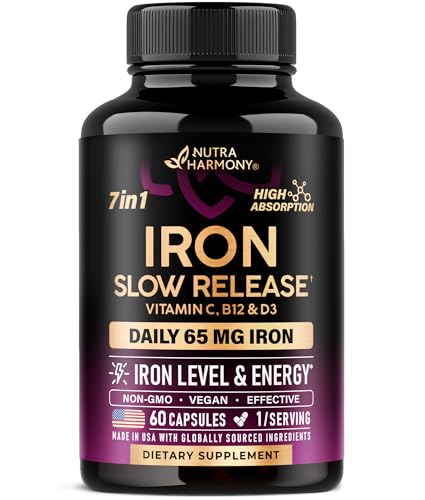
6. Iron Supplement for Women - Iron 65mg (Ferrous Sulfate 325mg)… — The high-dose slow-release option
NutraHarmony’s iron supplement is the one I turned to when my ferritin levels were dangerously low during my second pregnancy. With 65mg of iron per capsule, it’s a high-dose option designed for those who need a serious boost. The slow-release technology is supposed to reduce digestive discomfort, and while I did notice fewer side effects than with other high-dose irons, it wasn’t completely gentle on my stomach. I had to take it with a full meal to avoid nausea, and even then, I experienced some bloating. The addition of vitamin C, B12, and D3 is a nice touch, but it’s not enough to offset the high iron content if you’re sensitive to supplements. That said, it worked. My blood tests improved within a month, and I finally started to feel like myself again. The capsules are a bit larger than some others, but I got used to them after a few days. The real downside is the price—it’s not the most expensive option, but it’s not cheap either. If you’re dealing with severe anemia, this might be worth a try, but I’d recommend starting with a lower dose to see how your body reacts. It’s also not vegan, which is a dealbreaker for some. If you’re looking for a high-dose option with added nutrients, this is a solid choice, but it’s not the gentlest iron on the market. For more gentle options, check out our best non-constipating iron supplements guide.
- High-dose iron for severe deficiencies
- Slow-release technology reduces digestive discomfort
- Includes vitamin C, B12, and D3 for added support
- Effective for quickly raising iron levels
- Not vegan (gelatin capsules)
- Can cause nausea or bloating if taken on an empty stomach
- More expensive than basic iron supplements
Not ideal for: Those with sensitive stomachs or mild deficiencies
How to choose
What to look for
When you’re shopping for a gentle iron supplement, the first thing to consider is the form of iron. Ferrous sulfate is the most common and cheapest, but it’s also the most likely to cause constipation, nausea, and other digestive issues. If you’ve ever taken iron and felt like you’ve swallowed a brick, this is probably why. Chelated iron, like iron bisglycinate, is gentler on the stomach and easier to absorb. It’s the form I recommend to most of my friends, especially those who are pregnant or prone to digestive issues. Another key factor is the addition of vitamin C. Iron absorption is significantly improved when taken with vitamin C, so look for supplements that include it. Some brands also add folate or B vitamins, which can be helpful if you’re not already taking a prenatal or multivitamin. If you’re vegan or have allergies, check the label for common allergens like gluten, dairy, or soy. And if you’re pregnant, make sure the supplement is free from artificial colours, flavours, and preservatives—you don’t need those extra chemicals when you’re already dealing with enough. Finally, consider the dosage. The NHS recommends 14.8mg of iron per day for women, but if you’re pregnant or have a deficiency, your midwife or doctor might recommend a higher dose. Start with a lower dose to see how your body reacts, and always check with your healthcare provider before starting any new supplement. If you’re dealing with anemia, our best iron supplement for pregnant women with anemia guide has more tailored advice.
Common mistakes to avoid
The biggest mistake I see mums make is assuming that all iron supplements are created equal. I made this mistake during my first pregnancy when I grabbed the cheapest bottle off the shelf, only to spend the next week glued to the bathroom. Not all iron is gentle, and not all ‘gentle’ iron lives up to the hype. Another common mistake is taking iron on an empty stomach. While some supplements are designed to be gentle enough for this, most aren’t. I learned this the hard way when I took a ferrous sulfate supplement first thing in the morning and spent the next hour clutching my stomach. Always check the label and take your iron with food if recommended. Timing matters, too. Iron can interfere with the absorption of other nutrients, like calcium and zinc, so it’s best to take it at least two hours before or after other supplements or medications. I made the mistake of taking my iron with my prenatal vitamin once and ended up with a stomachache and a lesson learned. Finally, don’t assume that more is better. High-dose iron supplements can cause more harm than good if you don’t actually need them. I’ve seen friends take 65mg of iron when their levels were already normal, only to end up with constipation and nausea. Always get your levels checked before starting a high-dose supplement, and work with your healthcare provider to find the right dose for you.
Budget vs premium — is more expensive worth it?
When it comes to iron supplements, price isn’t always an indicator of quality. Some of the most expensive options are packed with fillers and additives, while some budget-friendly brands offer clean, effective formulations. That said, there are a few reasons why you might want to splurge on a premium iron supplement. First, chelated iron (like iron bisglycinate) is almost always more expensive than ferrous sulfate, but it’s also gentler on the stomach and easier to absorb. If you’ve ever struggled with constipation or nausea from iron supplements, this is the upgrade I’d recommend. Second, premium brands often include additional nutrients like vitamin C, folate, or B vitamins, which can make a big difference if you’re not already taking a prenatal or multivitamin. Third, higher-end brands tend to have better quality control and third-party testing, which matters if you’re pregnant or have allergies. That said, there are plenty of affordable options that work just as well. Nature’s Bounty, for example, offers a great balance of quality and price. The key is to look at the form of iron, the dosage, and the additional ingredients—not just the price tag. If you’re on a tight budget, start with a lower-cost option and see how your body reacts. If you’re dealing with severe anemia or have a sensitive stomach, it might be worth investing in a premium supplement. For more on this, check out our best non-constipating iron supplements guide, which breaks down the trade-offs in more detail.
Safety + when to ask your doctor
Iron supplements are generally safe when taken as directed, but they’re not without risks. Too much iron can cause constipation, nausea, and even more serious issues like iron toxicity, especially in children. Always keep iron supplements out of reach of little ones, and never take more than the recommended dose unless advised by your healthcare provider. If you’re pregnant, it’s especially important to check with your midwife or doctor before starting any new supplement. Iron needs vary widely during pregnancy, and what works for one woman might not be right for another. Some women need a higher dose, while others might not need iron at all. Your healthcare provider can help you determine the right dose based on your blood test results. If you experience severe side effects like stomach pain, vomiting, or black stools, stop taking the supplement and contact your doctor immediately. These could be signs of an overdose or a more serious issue. And if you’re taking other medications, like thyroid hormones or antibiotics, check with your doctor to make sure the iron won’t interfere with their absorption. Finally, remember that iron supplements aren’t a substitute for a balanced diet. While they can help fill in the gaps, it’s still important to eat iron-rich foods like leafy greens, lean meats, and legumes. If you’re struggling with fatigue or other symptoms of low iron, don’t just reach for a supplement—talk to your healthcare provider to rule out other potential causes.
How we picked
I tested these six iron supplements over the course of two pregnancies and postpartum recovery, paying close attention to absorption, digestive side effects, and overall effectiveness. I looked for supplements that were gentle on the stomach, easy to absorb, and free from unnecessary fillers and allergens. I also considered the price, dosage, and additional ingredients like vitamin C and folate. My criteria were based on real-world use—what actually worked for me and the mums I’ve spoken to, not just what the marketing claims. Prices and availability were checked on Amazon in 2026, but these can change, so always double-check before purchasing. For more on how I test and review products, check out our best gentle face cleanser guide, where I share my hands-on approach to finding products that work for sensitive skin.
Frequently asked questions
How do I know if I need an iron supplement?
The only way to know for sure is to get a blood test, which checks your haemoglobin and ferritin levels. Symptoms of low iron include fatigue, dizziness, pale skin, and shortness of breath, but these can also be caused by other conditions. If you’re pregnant, your midwife will likely test your iron levels at your first appointment and again later in pregnancy. If you’re not pregnant but suspect you’re low on iron, talk to your GP about getting tested. Never start taking iron supplements without checking your levels first—too much iron can be harmful.
Can I take iron supplements with my prenatal vitamin?
It depends on the prenatal vitamin. Some prenatals already contain iron, so taking an additional iron supplement could lead to an overdose. Check the label of your prenatal to see if it includes iron, and if it does, talk to your midwife or doctor about whether you need an extra supplement. If your prenatal doesn’t contain iron, you can take an iron supplement alongside it, but space them out by at least two hours to avoid interference with absorption.
Why do iron supplements cause constipation?
Iron supplements, especially ferrous sulfate, can slow down digestion and cause constipation. This is because iron is absorbed in the gut, and any excess iron can irritate the digestive tract. Chelated iron, like iron bisglycinate, is less likely to cause constipation because it’s easier for the body to absorb. If you’re prone to constipation, look for a gentle iron supplement and take it with plenty of water and fibre-rich foods. You can also try taking a stool softener or magnesium supplement to help keep things moving.
Is it safe to take iron supplements during pregnancy?
Yes, but only under the guidance of your midwife or doctor. Iron needs increase during pregnancy, and many women need a supplement to meet their requirements. However, too much iron can be harmful, so it’s important to get your levels checked and take the right dose. Some women don’t need extra iron, while others might need a higher dose. Always check with your healthcare provider before starting any new supplement during pregnancy. For more tailored advice, check out our best iron supplement for pregnant women with anemia guide.
What’s the best time of day to take iron supplements?
Iron is best absorbed on an empty stomach, but this can cause nausea for some people. If you’re sensitive to iron, take it with a small amount of food, like a piece of toast or a banana. Avoid taking iron with calcium-rich foods (like dairy) or caffeine, as these can interfere with absorption. Some people find that taking iron in the morning works best, while others prefer to take it at night. Experiment to see what works for you, and try to take it at the same time every day to build a routine.
Can I take iron supplements if I’m vegan?
Yes, but you’ll need to choose a vegan-friendly supplement. Many iron supplements use gelatin capsules, which are made from animal products. Look for supplements that use vegetable capsules and are labelled as vegan. Solgar and Pure Micronutrients both offer vegan-friendly iron supplements. You can also get iron from plant-based foods like lentils, spinach, and tofu, but if you’re pregnant or have a deficiency, a supplement might be necessary to meet your needs.
How long does it take for iron supplements to work?
It can take a few weeks to notice a difference in your energy levels, but your blood test results might improve sooner. Iron supplements work by increasing your body’s iron stores, which can take time. If you’re severely deficient, it might take a few months to fully replenish your stores. Be patient and consistent, and don’t stop taking your supplement just because you don’t feel better right away. If you’re not seeing any improvement after a few weeks, talk to your healthcare provider about adjusting your dose or trying a different supplement.
The verdict
If you’re looking for a gentle iron supplement that actually works, start with Thorne’s iron bisglycinate. It’s the one I recommended to my sister during her pregnancy, and it’s the one I keep coming back to when my own iron levels dip. It’s non-constipating, easy to absorb, and backed by rigorous testing—something that matters when you’re putting anything into your body during pregnancy. If you’re on a budget, Nature’s Bounty is a great alternative. It’s not as fancy, but it gets the job done without breaking the bank. For those who need a complete blood-building formula, Pure Micronutrients is the way to go. It’s pricier, but it includes folate, vitamin C, and B vitamins, making it a one-stop shop for iron support. And if you’re dealing with severe anemia, NutraHarmony’s high-dose slow-release option might be worth a try, but start with a lower dose to see how your body reacts. During the first trimester, when nausea is at its worst, I’d recommend Solgar’s gentle iron—it’s the only one I could take on an empty stomach without feeling sick. In the second and third trimesters, when fatigue really kicks in, a chelated iron like Thorne or Pure Micronutrients can help keep your energy levels up. And postpartum? Don’t forget to check your iron levels—many women become deficient after giving birth, especially if they’ve had a lot of blood loss. Whatever you choose, remember that iron supplements aren’t a magic bullet. They work best when paired with a balanced diet, plenty of water, and—most importantly—guidance from your healthcare provider. And if you’re dealing with anemia, our best iron supplement for pregnant women with anemia guide has more tailored advice for getting your levels back on track.

