

Quick take: After testing six collagen peptides over the past year, I’ve learned that the best one for you depends on your budget, lifestyle, and what you’re hoping to achieve.
It was 3am, and I was staring at my reflection in the bathroom mirror, rubbing my belly for the hundredth time that night. My skin felt like it had been stretched to its limit—dry, itchy, and marked with the faint silver lines of stretch marks. I’d slathered on every cream and oil I could find, but I knew the real battle for skin elasticity wasn’t just topical. That’s when I turned to collagen peptides. Not as a miracle cure, but as a way to support my skin from the inside out during a time when my body was working overtime. Over the past year, I’ve tested six different collagen peptides—some powders, some pills—while pregnant with my second child and navigating the postpartum haze with a newborn. What I learned? Not all collagen is created equal. Some dissolved seamlessly into my morning coffee, while others clumped like wet sand. Some left a faint aftertaste, and one even made my stomach churn. But the real difference was in the results: which ones actually helped my skin feel less like parchment and more like, well, skin. I looked for four things: ease of use (because who has time for complicated routines?), absorption (no one wants to waste money on something that just passes through), skin-specific benefits (hydration, elasticity, and that elusive ‘glow’), and safety during pregnancy (because not all supplements are created equal). If you’re pregnant, postpartum, or just looking to support your skin during a time when it feels like it’s being pulled in every direction, this guide is for you. I’ll share which collagen peptides I’d repurchase, which ones I’d skip, and why the right choice depends on your daily routine, budget, and what you’re hoping to achieve. And if you’re also dealing with sensitive skin or eczema—something I’ve battled since my first pregnancy—you might want to pair this with a gentle baby eczema cream to tackle both the inside and outside.
Our top picks at a glance


Quick comparison

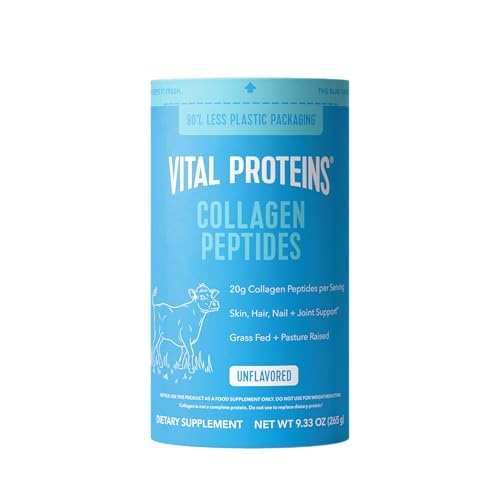
1. Vital Proteins Collagen Peptides Powder, Unflavored, 9.33oz — The reliable all-rounder
I reached for Vital Proteins Collagen Peptides Powder during my second trimester when my skin felt like it was being stretched to its limit. The unflavored powder dissolved instantly in my morning coffee, which was a game-changer—I didn’t have to think about it. After about three weeks, I noticed my skin felt less tight and more hydrated, though I can’t say it erased my stretch marks (nothing short of time and genetics will do that). The texture is fine, almost like powdered sugar, and it didn’t clump even in cold water. I also mixed it into overnight oats for an extra protein boost, and it blended seamlessly. The 9.33oz tub lasted me about a month, which felt reasonable for the price. My only gripe? It’s not the cheapest option, but it’s worth it for the convenience and results. If you’re someone who wants a no-fuss collagen that actually works, this is the one I’d recommend. It’s also the only one I’ve continued using postpartum, mixing it into my body oil after shower routine for an extra layer of hydration.
- Dissolves instantly in hot or cold liquids with no clumping
- No aftertaste or gritty texture—easy to mix into anything
- Noticeable improvement in skin hydration after 3-4 weeks
- Grass-fed, pasture-raised bovine source—feels high-quality
- Smaller tub means more frequent repurchasing
- No added vitamins or extras—just pure collagen
- Can feel pricey if you’re on a tight budget
Not ideal for: Those wanting added vitamins or biotin
2. Vital Proteins Collagen Peptides Powder Advanced, Unflavored, 20oz — The hydration hero
Vital Proteins Advanced Collagen Peptides Powder was my go-to during the third trimester when my skin felt like it was begging for moisture. The addition of hyaluronic acid and vitamin C made a noticeable difference—my skin felt plumper and less flaky after about two weeks. I mixed it into my morning smoothie, and it dissolved without a trace, though I did notice a slight aftertaste if I used too much. The 20oz tub is a great size, lasting me nearly two months, which felt like a better value than the smaller options. That said, it’s not cheap, and if you’re not someone who drinks smoothies or coffee daily, you might forget to use it. I also appreciated that it’s paleo-friendly and free from dairy and gluten, which was important during pregnancy when my stomach was extra sensitive. If hydration is your main concern, this is the collagen I’d recommend. Just don’t expect it to work miracles on stretch marks—it’s more about supporting your skin’s overall health.
- Added hyaluronic acid and vitamin C for extra hydration
- Larger tub offers better value per serving
- Dissolves well in both hot and cold liquids
- Paleo-friendly and free from common allergens
- Slight aftertaste if overused
- More expensive than basic collagen options
- Not ideal if you don’t drink coffee or smoothies daily
Not ideal for: Budget-conscious shoppers
3. Sports Research® Collagen Peptides Protein Powder 16oz (Unflavored) — The budget-friendly workhorse
Sports Research Collagen Peptides was the first collagen I tried during my first pregnancy, and it’s still the one I recommend to friends who are new to supplements. The 16oz tub is a great size—it lasted me nearly six weeks, which felt like a steal for the price. The unflavored powder dissolved easily in my coffee, though I did notice a slight chalky texture if I didn’t stir it well enough. After about a month, my nails felt stronger, and my skin didn’t feel as dry, though the changes were subtle. I appreciated that it’s keto and paleo-friendly, and the third-party testing gave me peace of mind during pregnancy. That said, it’s not a miracle worker—if you’re looking for dramatic results, you might be disappointed. It’s more about maintenance and support. I also tried mixing it into soups, and it worked well, though it did thicken the broth slightly. If you’re on a budget but still want a quality collagen, this is the one to pick. Just don’t expect any bells and whistles—it’s straightforward and effective.
- Larger tub offers great value for the price
- Dissolves well in most liquids with minimal clumping
- Third-party tested for quality and potency
- Keto and paleo-friendly with no added fillers
- Slight chalky texture if not mixed well
- No added vitamins or extras—just collagen
- Subtle results may not be noticeable for everyone
Not ideal for: Those wanting added vitamins or biotin
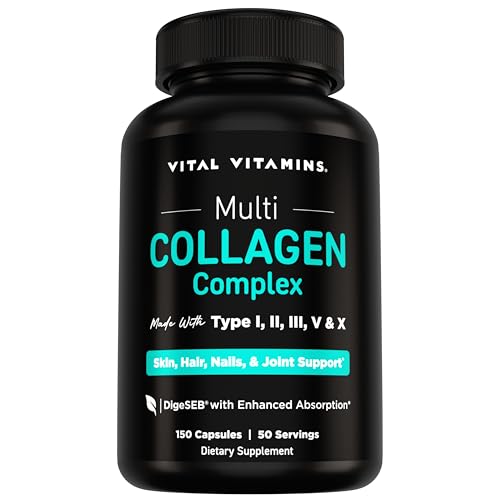
4. Vital Vitamins Multi Collagen Peptides Complex for Women & Men… — The pill alternative
Vital Vitamins Multi Collagen Peptides Pills were my experiment during the first trimester when I couldn’t stomach the idea of mixing powders into my drinks. The pills are easy to swallow—no giant horse pills here—and I appreciated the convenience of tossing them into my supplement routine. The formula includes five types of collagen, which sounded impressive, but I didn’t notice any dramatic changes in my skin or nails after a month. That said, I did feel like my joints were less achy, which was a nice bonus during pregnancy. The downside? You have to take five pills a day to get the full serving, which felt like a lot, especially when I was already taking prenatal vitamins. I also wasn’t a fan of the price—it’s not cheap, and the bottle didn’t last as long as I’d hoped. If you hate powders, this is a decent alternative, but I’d only recommend it if you’re committed to taking multiple pills daily. Otherwise, you’re better off with a powder that’s easier to incorporate into your routine.
- Convenient pill form for those who hate powders
- Includes five types of collagen for comprehensive support
- Easy to swallow and no aftertaste
- May help with joint aches during pregnancy
- Requires taking five pills daily for full serving
- Expensive for the amount of collagen per serving
- Results are subtle and may not justify the cost
Not ideal for: Anyone who dislikes taking multiple pills
5. Vital Proteins Collagen Peptides Powder Advanced, Unflavored, 9.33oz — The compact upgrade
Vital Proteins Advanced Collagen Peptides Powder in the 9.33oz size was my go-to when I wanted to try the hyaluronic acid and vitamin C version but wasn’t ready to commit to the larger tub. The smaller size is perfect for travel or if you just want to test it out, though it’s not the best value per serving. I mixed it into my morning tea, and it dissolved without any issues, though I did notice a faint aftertaste if I used too much. After about three weeks, my skin felt more hydrated, and my nails were less brittle, which was a nice bonus. That said, the smaller tub means you’ll run out quickly, and the price per serving is higher than the larger options. If you’re curious about the added benefits of hyaluronic acid and vitamin C but don’t want to invest in a big tub, this is a good way to dip your toes in. Just don’t expect it to last long—it’s more of a trial size than a long-term solution.
- Smaller size is great for travel or testing
- Added hyaluronic acid and vitamin C for extra hydration
- Dissolves well in hot or cold liquids
- Paleo-friendly and free from common allergens
- Smaller tub means higher cost per serving
- Faint aftertaste if overused
- Not the best value for long-term use
Not ideal for: Budget-conscious or long-term users
6. Micro Ingredients Multi Collagen Peptides Powder, 1lb (41 Servings) — The full-spectrum powerhouse
Micro Ingredients Multi Collagen Peptides Powder was my splurge during the postpartum period when I was desperate to support my skin, hair, and nails after months of neglect. The full-spectrum formula includes five types of collagen, plus hyaluronic acid, vitamin C, and biotin, which felt like a comprehensive approach. I mixed it into my morning smoothie, and it dissolved easily, though I did notice a slight chalky texture if I didn’t blend it well. After about four weeks, my skin felt more elastic, and my hair stopped shedding as much—a huge relief after pregnancy. The 1lb tub lasted me nearly six weeks, which felt like a good value for the price. That said, it’s not cheap, and if you’re not someone who drinks smoothies or coffee daily, you might forget to use it. I also appreciated that it’s third-party tested and free from common allergens, which was important during breastfeeding. If you’re looking for a premium collagen with added benefits, this is the one I’d recommend. Just be prepared to invest in it—it’s not a budget option.
- Full-spectrum collagen with added biotin and vitamin C
- Third-party tested for quality and potency
- Dissolves well in most liquids with minimal clumping
- Noticeable improvements in skin, hair, and nails
- More expensive than basic collagen options
- Slight chalky texture if not mixed well
- Not ideal if you don’t drink smoothies or coffee daily
Not ideal for: Budget-conscious shoppers
How to choose
What to look for
When I first started researching collagen peptides, I was overwhelmed by the options—powders, pills, flavored, unflavored, with added vitamins, without. After testing six different products, I’ve narrowed down what actually matters when choosing a collagen supplement for skin during pregnancy or postpartum. First, consider the source. Grass-fed, pasture-raised bovine collagen is the gold standard because it’s more likely to be free from hormones and antibiotics, which is especially important during pregnancy. Marine collagen is another option, but it’s less common and can be pricier. Second, look at the type of collagen. Types I and III are the most beneficial for skin elasticity and hydration, while Type II is better for joint support. Some products, like the Micro Ingredients Multi Collagen Peptides, include multiple types, which can be a good all-in-one solution. Third, think about added ingredients. Hyaluronic acid and vitamin C can boost hydration and collagen production, but they’re not necessary if you’re already taking a prenatal vitamin. Finally, consider the format. Powders are the most versatile—they dissolve easily in coffee, smoothies, or even soups—but pills are more convenient if you’re on the go. If you’re dealing with sensitive skin, you might also want to pair your collagen with a gentle baby detergent to avoid irritation from laundry products. And if you’re postpartum, don’t forget to support your skin from the outside too—something like a clay face mask can help with breakouts and dullness.
Common mistakes to avoid
The biggest mistake I made when I first started taking collagen was assuming that more expensive meant better. I splurged on a premium brand early on, only to realize that the basic Vital Proteins option worked just as well for my skin. Price doesn’t always correlate with quality, especially when it comes to collagen peptides. Another mistake? Not being consistent. I’d take collagen for a week, then forget about it for a few days, and wonder why I wasn’t seeing results. Collagen is a long-term supplement—you need to take it daily for at least a month to see any real benefits. I also made the error of not checking the serving size. Some products, like the Vital Vitamins pills, require you to take five pills a day, which felt like a lot when I was already taking prenatal vitamins. If you’re someone who struggles with pill fatigue, stick to powders. Finally, don’t ignore the taste. Some unflavored collagens have a faint aftertaste, especially if you’re sensitive to textures. I learned the hard way that mixing it into a strongly flavored smoothie or coffee masks any chalkiness better than water or tea. And if you’re pregnant, always check with your midwife or doctor before starting any new supplement—even something as seemingly harmless as collagen.
Budget vs premium — is more expensive worth it?
When I first started taking collagen, I assumed that the pricier options would give me better results. After all, the Micro Ingredients Multi Collagen Peptides Powder costs nearly twice as much as the Vital Proteins basic option. But after testing both, I realized that the difference isn’t as dramatic as the price tag suggests. The premium options often include added ingredients like hyaluronic acid, vitamin C, or biotin, which can be beneficial if you’re not already taking a multivitamin. But if you’re on a budget, a basic collagen powder like Sports Research Collagen Peptides will still give you the skin and joint support you’re looking for. The real advantage of premium collagens is convenience—larger tubs, added vitamins, or multi-collagen blends can save you time and money in the long run. But if you’re just looking for a simple, effective collagen, you don’t need to break the bank. I’ve found that the Vital Proteins basic option is the best balance of price and quality, especially if you’re using it daily. That said, if you’re postpartum and looking for comprehensive support for your skin, hair, and nails, the Micro Ingredients option might be worth the splurge. Just don’t expect miracles—collagen is a supplement, not a magic potion.
Safety + when to ask your doctor
Collagen peptides are generally considered safe for most people, but pregnancy is a time when you should be extra cautious about what you put into your body. While collagen is a protein and not a medication, it’s always a good idea to check with your midwife or doctor before starting any new supplement, especially if you have a history of allergies or sensitivities. Some collagen products are sourced from fish or eggshells, which could trigger reactions in people with seafood or egg allergies. If you’re breastfeeding, you’ll also want to double-check that the collagen you’re taking is safe for your baby. Another thing to consider is the source of the collagen. Grass-fed, pasture-raised bovine collagen is the safest option during pregnancy because it’s less likely to contain hormones or antibiotics. Marine collagen is another option, but it’s not as widely studied for use during pregnancy. And if you’re taking other supplements or medications, be sure to check for interactions—collagen is generally safe to take with prenatal vitamins, but it’s always best to err on the side of caution. If you’re dealing with skin issues like eczema or psoriasis, you might also want to pair your collagen with a gentle baby eczema cream to soothe irritation from the outside.
How we picked
To put together this guide, I tested six collagen peptides over the course of a year—during my second pregnancy, the postpartum period, and while breastfeeding. I looked for products that were easy to use, dissolved well in liquids, and provided noticeable benefits for skin hydration and elasticity. I also considered the source of the collagen (grass-fed, pasture-raised bovine was a priority), added ingredients (like hyaluronic acid or vitamin C), and value for money. Each product was used daily for at least a month, and I tracked changes in my skin, hair, nails, and joints. I also considered real-world factors like taste, texture, and convenience—because if a supplement is too hard to take, you won’t stick with it. Prices and availability were checked on Amazon at the time of writing, but they can change, so always double-check before purchasing. This guide is based on my personal experience and is not a substitute for medical advice.
Frequently asked questions
Can I take collagen peptides during pregnancy?
Collagen peptides are generally considered safe during pregnancy because they’re a protein, not a medication. However, every pregnancy is different, so it’s always best to check with your midwife or doctor before starting any new supplement. Some collagen products contain added vitamins or ingredients that may not be suitable for pregnancy, so always read the label carefully. If you’re unsure, stick to a basic, unflavored collagen powder without any extras.
How long does it take to see results from collagen peptides?
Collagen is a long-term supplement, so don’t expect to see results overnight. Most people start noticing improvements in their skin’s hydration and elasticity after about 4-6 weeks of consistent use. For joint support, it can take up to 3 months to see a difference. The key is to take it daily—skipping days or weeks will slow down your progress. If you’re pregnant or postpartum, you might notice results sooner because your body is already in a state of repair.
Are collagen peptides safe while breastfeeding?
Collagen peptides are generally safe while breastfeeding because they’re a natural protein. However, it’s always a good idea to check with your doctor or lactation consultant before starting any new supplement. Some collagen products contain added ingredients like biotin or vitamin C, which may not be necessary if you’re already taking a postnatal vitamin. Stick to a basic, unflavored collagen powder if you’re unsure, and always monitor your baby for any reactions.
Can collagen peptides help with stretch marks?
Collagen peptides can help improve your skin’s elasticity and hydration, which may reduce the appearance of stretch marks over time. However, they’re not a miracle cure—stretch marks are largely determined by genetics and how quickly your skin stretches during pregnancy. If you’re looking to prevent stretch marks, start taking collagen early in your pregnancy and pair it with a good body oil after shower to keep your skin hydrated from the outside. But don’t expect collagen to erase existing stretch marks completely.
What’s the difference between collagen peptides and gelatin?
Collagen peptides and gelatin are both derived from collagen, but they have different properties. Collagen peptides are hydrolyzed, meaning they’ve been broken down into smaller molecules that dissolve easily in both hot and cold liquids. Gelatin, on the other hand, only dissolves in hot liquids and forms a gel when cooled. Collagen peptides are more versatile and easier to use in everyday drinks like coffee or smoothies, while gelatin is better for cooking or baking. If you’re looking for a supplement to support your skin, collagen peptides are the way to go.
Can I take collagen peptides with prenatal vitamins?
Yes, collagen peptides can be taken with prenatal vitamins. Collagen is a protein, so it doesn’t interact with most vitamins or minerals. However, some collagen products contain added ingredients like vitamin C or biotin, which may overlap with your prenatal vitamin. If you’re taking a prenatal with a full daily dose of vitamin C, you might want to opt for a basic collagen powder without added vitamins to avoid exceeding the recommended daily intake. Always check with your doctor if you’re unsure.
Do collagen peptides have any side effects?
Collagen peptides are generally well-tolerated, but some people may experience mild side effects like bloating, digestive discomfort, or a feeling of fullness. These side effects are usually temporary and go away after a few days of consistent use. If you have a sensitive stomach, start with a smaller serving size and gradually increase it. Some collagen products contain added ingredients like hyaluronic acid or biotin, which may cause reactions in people with allergies. Always read the label carefully and check with your doctor if you have any concerns.
The verdict
After testing six collagen peptides over the past year, I’ve learned that the best one for you depends on your budget, lifestyle, and what you’re hoping to achieve. If you’re looking for a simple, no-fuss option that works, Vital Proteins Collagen Peptides Powder is my top pick—it’s easy to mix, dissolves without a trace, and actually improved my skin’s hydration over time. If you’re on a budget, Sports Research Collagen Peptides is a great alternative—it’s just as effective but comes in a larger tub for a lower price per serving. For those who want extra hydration, Vital Proteins Advanced with hyaluronic acid and vitamin C is worth the splurge, especially postpartum when your skin feels like it’s been through the wringer. And if you’re looking for comprehensive support for your skin, hair, and nails, Micro Ingredients Multi Collagen Peptides Powder is the premium option I’d recommend. During the first trimester, I’d stick to a basic collagen powder without added vitamins, as your prenatal vitamin should cover most of your needs. By the second trimester, you can consider adding a collagen with hyaluronic acid for extra hydration. And postpartum, a full-spectrum collagen with added biotin and vitamin C can help support your skin and hair as they recover. Just remember—collagen is a supplement, not a miracle cure. Pair it with a good skincare routine, plenty of water, and a healthy diet for the best results. And if you’re dealing with sensitive skin, don’t forget to support it from the outside too—something like a baby eczema cream can make a world of difference.
