


Quick take: If you’re looking for a body oil that does it all—absorbs quickly, hydrates well, and doesn’t break the bank—Neutrogena’s sesame oil is my top pick.
It was 3am, my third trimester, and I was standing in the bathroom, legs covered in angry red patches from eczema flare-ups. The lotion I’d been using for years suddenly felt like sandpaper, and my skin was screaming for something richer but not greasy. That’s when I realised: my usual moisturiser wasn’t cutting it anymore. Pregnancy hormones had turned my skin into a desert, and I needed a body oil that could keep up—one that absorbed quickly, didn’t leave a slick residue on my pyjamas, and actually soothed the itch. Postpartum, the stakes felt even higher; between sleep deprivation and a newborn clinging to me, I needed something I could apply one-handed while holding a baby or during a quick shower. I tested six body oils over six months, using them on damp skin, in the bath, and even as a shaving oil when I was too tired to reach for a separate product. What mattered most? Absorption speed (no one has time for a 10-minute wait), scent (strong fragrances can trigger nausea), and whether it actually improved my skin’s texture over time—not just in the moment. This isn’t about luxury; it’s about survival. Here’s what worked, what didn’t, and which oils are worth your limited time and budget.
Our top picks at a glance


Quick comparison


1. Neutrogena Body Oil Light Sesame Formula, 16 fl. oz — The reliable workhorse
I kept a bottle of Neutrogena’s sesame oil in my shower caddy for months, and it never let me down. The texture is lighter than I expected—almost like water with a hint of oil—so it absorbs in under 30 seconds, even on damp skin. I used it after every shower, and by the third trimester, my legs weren’t just less itchy; they actually felt softer. The scent is delicate, almost nutty, which was a relief when my sense of smell was heightened. It’s not a miracle worker for deep stretch marks, but it kept my skin from feeling tight or flaky. The bottle is sturdy, and the pump dispenses just the right amount, so I never wasted a drop. My only gripe? It’s not rich enough for very rough patches, like elbows or knees, so I’d layer it with a thicker cream on those spots. If you want something fuss-free that actually works, this is it.
- Absorbs almost instantly, no greasy residue
- Light, pleasant scent that doesn’t trigger nausea
- Pump bottle is easy to use one-handed
- Hydrates well for daily use on most skin types
- Not rich enough for very dry or rough patches
- Sesame oil scent might not appeal to everyone
- Bottle is large and not travel-friendly
Not ideal for: Severe dryness or eczema patches
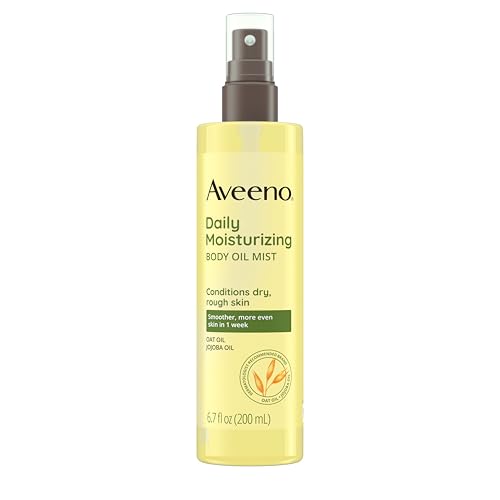
2. Aveeno Daily Moisturizing Body Oil Mist with Oat Oil and Jojoba Oil fo… — The sensitive skin saviour
Aveeno’s body oil mist was a revelation when my skin was at its most reactive. The spray format means no rubbing, which is a godsend when your skin feels like it’s on fire. I’d spritz it on after showering, and the oat oil calmed the redness almost immediately. It’s lightweight, so it doesn’t feel heavy or greasy, but it doesn’t last as long as thicker oils—by midday, I’d need to reapply if my skin was particularly dry. The scent is very mild, which I appreciated, but it fades quickly. I also used it on my baby’s dry patches (after checking with my paediatrician), and it worked well without irritating her skin. The bottle is compact and fits in my nappy bag, but the spray nozzle can clog if you don’t shake it well. If you’re dealing with pregnancy-related eczema or just sensitive skin, this is worth trying.
- Spray format is gentle and easy to apply
- Calms redness and irritation quickly
- Lightweight and non-greasy
- Mild scent, suitable for sensitive noses
- Hydration doesn’t last all day
- Spray nozzle can clog if not shaken
- Not as rich as thicker oils for very dry skin
Not ideal for: Deep, long-lasting hydration
3. Saltair Body Oil | Salt Water Vanilla After Shower Moisturizer… — The spa-like treat
Saltair’s Salt Water Vanilla oil feels like a luxury product, and it delivers. The scent is warm and comforting—like vanilla and sea salt—but not overpowering, which is rare in scented oils. It absorbs quickly, leaving my skin soft and slightly dewy, but not greasy. I loved using it after a shower when I had a few extra minutes to myself, as it made the routine feel special. The formula includes kukui and moringa oils, which seem to nourish my skin more deeply than other oils I’ve tried. That said, it’s pricey for the size, and I found myself rationing it to make it last. It’s also not the best for very dry patches, like my elbows, which needed something thicker. If you’re looking for a little indulgence and don’t mind spending more, this is a lovely choice. But for daily use, it might be overkill.
- Luxurious, subtle scent
- Absorbs quickly with a soft, dewy finish
- Nourishes skin deeply with botanical oils
- Feels like a spa treatment
- Expensive for the size
- Not rich enough for very dry patches
- Scent might be too strong for some
Not ideal for: Budget-conscious shoppers
4. Palmer's Moisturizing Body Oil, Cocoa Butter Formula (8.5 Fl Oz) — The rich, affordable hydrator
Palmer’s Cocoa Butter Oil is the thickest oil I tested, and it’s perfect for when my skin feels like sandpaper. The cocoa butter scent is strong but pleasant, and it reminds me of my mum’s old moisturiser—comforting and nostalgic. It takes a bit longer to absorb than lighter oils, so I’d apply it right after showering and wait a few minutes before getting dressed. The hydration is real, though; my stretch marks felt less itchy, and my skin stayed soft for hours. The bottle is small and travel-friendly, but the flip cap can be messy if you’re in a hurry. It’s also not the best for oily skin, as it can feel heavy. If you’re dealing with severe dryness or stretch marks, this is a great, affordable option. Just don’t expect it to absorb quickly.
- Rich hydration for very dry skin
- Affordable and travel-friendly
- Pleasant cocoa butter scent
- Helps soothe stretch marks and itchiness
- Takes longer to absorb
- Can feel heavy on oily skin
- Flip cap is messy to use
Not ideal for: Oily skin or quick absorption
5. Hempz Sweet Pineapple & Honey Melon Multi-Purpose Body Oil… — The fruity multitasker
Hempz Sweet Pineapple & Honey Melon oil is fun, fruity, and surprisingly versatile. The scent is bright and cheerful, which was a nice change from the usual vanilla or cocoa butter. It absorbs quickly and doesn’t leave a greasy residue, so I used it as a body oil, bath oil, and even a shaving oil when I was too tired to grab a separate product. The hemp seed oil base feels nourishing, and my skin felt softer after a few uses. That said, the scent is strong and lingers, which might not be ideal if you’re sensitive to fragrances or prone to nausea. It’s also not as hydrating as thicker oils, so I’d layer it with a cream for very dry patches. The bottle is sleek and easy to use, but the price is a bit high for the size. If you like fruity scents and want a multitasking oil, this is a good pick. Otherwise, there are better options for pure hydration.
- Bright, cheerful scent
- Absorbs quickly and multitasks well
- Nourishing hemp seed oil base
- Sleek, easy-to-use bottle
- Scent is strong and lingers
- Not as hydrating as thicker oils
- Pricey for the size
Not ideal for: Fragrance-sensitive skin
6. eos Cashmere Body Oil- Vanilla, 24H Moisture, Plant-Based Squalane… — The velvety soft finisher
eos Cashmere Body Oil lives up to its name—it leaves my skin feeling velvety soft, almost like I’ve been wrapped in a cashmere blanket. The vanilla scent is warm and cozy, but not overpowering, and it fades nicely throughout the day. The formula includes shea, cocoa, and argan butters, which give it a richer texture than other oils I’ve tried. It absorbs quickly, but not as fast as Neutrogena’s sesame oil, so I’d apply it right after showering and wait a minute before getting dressed. The hydration is excellent, and my skin feels smoother after just a few uses. The bottle is cute and compact, but the pump can be finicky, sometimes dispensing too much oil. It’s also on the pricier side, so I’d save it for days when I want a little extra pampering. If you love a soft, luxurious feel, this is worth the splurge.
- Leaves skin velvety soft
- Warm, cozy vanilla scent
- Rich hydration with shea and cocoa butters
- Compact and travel-friendly
- Pump can be finicky
- Pricey for the size
- Not as fast-absorbing as lighter oils
Not ideal for: Budget-conscious shoppers
How to choose
What to look for
When choosing a body oil after shower, the first thing to consider is your skin’s needs. Pregnancy and postpartum skin can be unpredictable—one day it’s dry and itchy, the next it’s oily or reactive. If you’re dealing with eczema or stretch marks, look for oils with rich, nourishing ingredients like cocoa butter, shea butter, or oat oil. These are thicker and provide longer-lasting hydration, but they can take longer to absorb. For everyday use, lighter oils like sesame or jojoba are ideal; they absorb quickly and won’t leave a greasy residue on your clothes or sheets. Scent is another important factor. Strong fragrances can trigger nausea during pregnancy, so opt for mild or unscented options if your sense of smell is heightened. If you’re using the oil in the bath or as a shaving oil, check the ingredients to ensure they won’t irritate your skin. Finally, consider the application method. Pump bottles are convenient and easy to use one-handed, while spray bottles are great for hard-to-reach areas or sensitive skin that can’t tolerate rubbing. Flip caps can be messy, especially if you’re in a hurry, so think about your daily routine and what will work best for you.
Common mistakes to avoid
One of the biggest mistakes I see parents make is choosing a body oil based solely on scent or packaging. While it’s tempting to pick something that smells amazing or looks pretty on your shelf, it’s more important to consider how it works with your skin. For example, I loved the fruity scent of Hempz’s pineapple oil, but it was too strong for my pregnancy-sensitive nose, and I ended up using it less often. Another mistake is assuming that all oils are created equal. Thicker oils like Palmer’s Cocoa Butter are fantastic for deep hydration, but they can feel heavy and take longer to absorb, which isn’t ideal if you’re in a rush. On the other hand, lighter oils like Neutrogena’s sesame oil absorb quickly but might not be enough for very dry patches. It’s also easy to overlook the application method. Spray bottles are convenient, but they can clog or dispense unevenly if not shaken well. Finally, don’t wait until your skin is already dry and itchy to start using a body oil. Applying it after every shower, even when your skin feels fine, can help prevent dryness and keep your skin soft and supple. Start early, and you’ll thank yourself later.
Budget vs premium — is more expensive worth it?
The short answer? Not always. Some of the best body oils I tested were mid-range or budget options, like Neutrogena’s sesame oil or Palmer’s cocoa butter oil. These deliver excellent hydration without breaking the bank. Premium oils, like Saltair’s Salt Water Vanilla or eos’s Cashmere oil, offer a more luxurious experience—think spa-like scents, richer textures, and ingredients like argan or moringa oil. But are they worth the extra cost? It depends on what you’re looking for. If you want a little indulgence and don’t mind spending more, premium oils can make your daily routine feel special. They’re also a great option if you’re looking for a gift or something to use on special occasions. However, if you’re on a tight budget or need something for everyday use, a mid-range or budget oil will do the job just as well. For example, Aveeno’s oat oil mist is affordable and perfect for sensitive skin, while Neutrogena’s sesame oil is a reliable all-rounder. The key is to match the oil to your skin’s needs, not the price tag. If you’re dealing with severe dryness or stretch marks, a richer, more affordable oil like Palmer’s might be a better fit than a pricier, lighter option.
Safety + when to ask your doctor
Body oils are generally safe to use during pregnancy and postpartum, but there are a few things to keep in mind. First, avoid oils with strong synthetic fragrances if you’re prone to nausea or headaches, as these can be triggering. If you have sensitive skin or a history of allergies, patch-test any new oil before applying it all over your body. Apply a small amount to your inner arm and wait 24 hours to check for redness or irritation. If you’re using a body oil in the bath, be cautious, as oils can make the tub slippery. Always check with your midwife or paediatrician before using any product on your baby’s skin, even if it’s marketed as gentle. Some oils, like those with essential oils or strong fragrances, may not be suitable for newborns. If you’re breastfeeding, avoid applying oils to your chest or nipples, as some ingredients can be harmful if ingested by your baby. Finally, if you notice any unusual reactions, like increased itching, redness, or rashes, stop using the oil and consult your healthcare provider.
How we picked
I tested these six body oils over six months, using them during my third trimester and postpartum. My criteria were simple: absorption speed, hydration effectiveness, scent (especially important during pregnancy), and ease of use. I used each oil after showering, in the bath, and as a shaving oil to see how versatile they were. I also paid attention to how my skin felt over time—not just immediately after application. Price, ingredients, and application method were also considered, as well as how well each oil suited different skin types, from sensitive to very dry. Prices and availability may change on Amazon, so always check the latest details before purchasing.
Frequently asked questions
Can I use body oil on my face?
Most body oils are formulated for thicker skin on your body, so they might be too heavy or pore-clogging for your face. If you want to use an oil on your face, look for one specifically labelled as non-comedogenic or suitable for facial use. Some oils, like jojoba or squalane, are lighter and can work well for both face and body. Always patch-test first, and if you’re unsure, check with your dermatologist or midwife.
Will body oil help with stretch marks?
Body oils can help keep your skin hydrated and supple, which may reduce the appearance of stretch marks or prevent new ones from forming. However, they won’t eliminate existing stretch marks completely. Oils with cocoa butter, shea butter, or vitamin E are often recommended for this purpose. The key is to apply them consistently, starting early in your pregnancy, and to keep your skin well-moisturised. If stretch marks are a major concern, talk to your midwife or dermatologist about other options.
Is it safe to use body oil in the bath?
Yes, but with caution. Adding a few drops of body oil to your bath can help hydrate your skin, but it can also make the tub slippery. Be careful when getting in and out of the bath, and consider using a non-slip mat. Some oils, like Neutrogena’s sesame oil, are specifically designed for bath use, while others may not be as effective. Avoid using oils with strong fragrances if you’re sensitive to scents, and always rinse the tub afterward to prevent residue buildup.
Can I use body oil on my baby?
Some body oils are gentle enough for babies, but it’s important to choose one that’s free of fragrances, essential oils, and other potential irritants. Aveeno’s oat oil mist is a good option, as it’s formulated for sensitive skin and is fragrance-free. Always patch-test first, and avoid applying oil to broken or irritated skin. Check with your paediatrician before using any new product on your baby, especially if they have eczema or other skin conditions.
How often should I use body oil?
For best results, apply body oil after every shower or bath, while your skin is still damp. This helps lock in moisture and keeps your skin hydrated throughout the day. If your skin is very dry, you can reapply as needed, especially in areas prone to dryness or itchiness. During pregnancy, it’s a good idea to use body oil daily to keep your skin supple and reduce the risk of stretch marks. Listen to your skin—if it feels dry or tight, it’s time to moisturise.
Can body oil replace my regular moisturiser?
Body oils can be a great alternative to lotions or creams, especially if you prefer a lighter, more natural option. However, they may not provide the same level of hydration as thicker creams, particularly if you have very dry skin. If you’re using an oil as your primary moisturiser, look for one with rich ingredients like shea butter or cocoa butter. You can also layer an oil over a cream for extra hydration. Experiment to see what works best for your skin type and needs.
What’s the best way to apply body oil?
The best time to apply body oil is right after showering, while your skin is still damp. This helps lock in moisture and allows the oil to absorb more effectively. Start with a small amount—usually a few drops or sprays—and warm it between your palms before applying. Massage it into your skin using gentle, circular motions, focusing on areas that tend to be dry, like elbows, knees, and feet. If you’re using a spray oil, hold the bottle close to your skin and mist evenly, then massage in. Avoid applying too much, as this can leave a greasy residue.
The verdict
If you’re looking for a body oil that does it all—absorbs quickly, hydrates well, and doesn’t break the bank—Neutrogena’s sesame oil is my top pick. It’s lightweight, reliable, and perfect for daily use, especially during pregnancy when your skin needs extra care. For those on a budget, Palmer’s Cocoa Butter Oil is a fantastic option, particularly if you’re dealing with severe dryness or stretch marks. It’s thicker and takes longer to absorb, but the hydration is worth it. If your skin is sensitive or reactive, Aveeno’s oat oil mist is a lifesaver. The spray format is gentle and easy to apply, and it calms redness almost instantly. For a little luxury, Saltair’s Salt Water Vanilla oil is a treat, but it’s pricey for everyday use. First trimester? Stick with mild, unscented options to avoid nausea. Second and third trimester? You can experiment with richer oils as your skin’s needs change. Postpartum, focus on what’s easy to apply one-handed and won’t irritate your baby’s skin if you’re breastfeeding. Whatever you choose, start early and use it consistently—your skin will thank you.

