Yes, a 2‑week‑old can board a plane, but there are several risks to consider:
- Ear pressure changes can cause discomfort and, rarely, temporary hearing loss.
- Immune system vulnerability makes newborns more prone to infections in the closed cabin environment.
- Temperature fluctuations can be more pronounced at high altitudes, though modern cabins are climate‑controlled.
Guidelines from the CDC and AAP for traveling with a newborn include:
- Schedule a pre‑flight check‑up to confirm the baby’s health.
- Keep feeding (breast or bottle) on hand for takeoff and landing to help equalize ear pressure.
- Dress the baby in layers and bring a small blanket for temperature changes.
- Practice good hand hygiene and use a clean surface for changing diapers.
Many parents find that a quick, soothing feed or a pacifier during ascent and descent dramatically reduces ear‑pain episodes. If your baby has a history of ear infections, ask your pediatrician whether a short‑term nasal decongestant is appropriate—always under medical guidance.
Beyond the immediate risks, consider the cabin’s air quality. While commercial aircraft filter air through HEPA filters, the close proximity of passengers can still increase exposure to colds and other respiratory viruses. The CDC recommends limiting travel for infants under 2 months if a contagious illness is circulating in the community (CDC, 2024).
Best time to fly with a newborn to avoid germs
Early morning flights (before 9 a.m.) often have fewer passengers, which can translate to lower exposure to germs. Additionally, choosing a direct flight limits the number of times you and your baby must navigate crowded terminals.
Flying with a 3‑month‑old vs. 6‑month‑old: Which is easier for parents?
Both ages have their pros and – cons:
For most parents, a 3‑month‑old is easier because the infant often naps on the plane and is still primarily breast‑ or bottle‑fed, which simplifies feeding schedules. However, a 6‑month‑old may be more content sitting upright and can be distracted with a few soft toys.
Consider your own routine: if you can manage frequent feeds and diaper changes, the younger baby may be the smoother option. If you prefer a longer, uninterrupted sleep, a 6‑month‑old who can settle for a longer stretch might be preferable.
Another factor is the infant’s temperament. Some 3‑month‑olds are naturally more “sleepy” and can be soothed with a gentle rocking motion, while many 6‑month‑olds have developed stronger preferences for toys and visual stimulation, which can be helpful for keeping them occupied during a long flight.
How to prepare a baby for their first flight: Step‑by‑step checklist
Preparation is the difference between a frazzled experience and a calm journey. Below is a comprehensive checklist you can print and bring to the airport.
- Book early – Secure a bassinet seat (if available) and request a bulkhead row for extra space.
- Medical clearance – Get a brief note from your pediatrician confirming the baby is fit to travel.
- Travel documents – Have a passport (for international) or a birth certificate (for domestic U.S.) ready.
- Pack the diaper bag (see detailed list below).
- Plan feeding – Schedule a feed 30 minutes before takeoff and another just before landing.
- Comfort items – Bring a favorite blanket or soft toy.
- Sanitizing supplies – Pack alcohol‑based wipes and hand sanitizer for surfaces.
- Seat selection – Choose an aisle seat for easier bathroom access, unless you prefer a window for a view.
- Timing – Aim for a flight that aligns with your baby’s usual nap or feeding schedule.
Beyond the list, think about logistics on the day of travel. Arrive at the airport with extra time to accommodate stroller check‑in, security screening, and potential last‑minute diaper changes. A calm demeanor at the security checkpoint can help soothe a nervous infant, so consider feeding or offering a pacifier while you go through the metal detector (NHS, 2023).
What to pack in a diaper bag for a flight with a baby
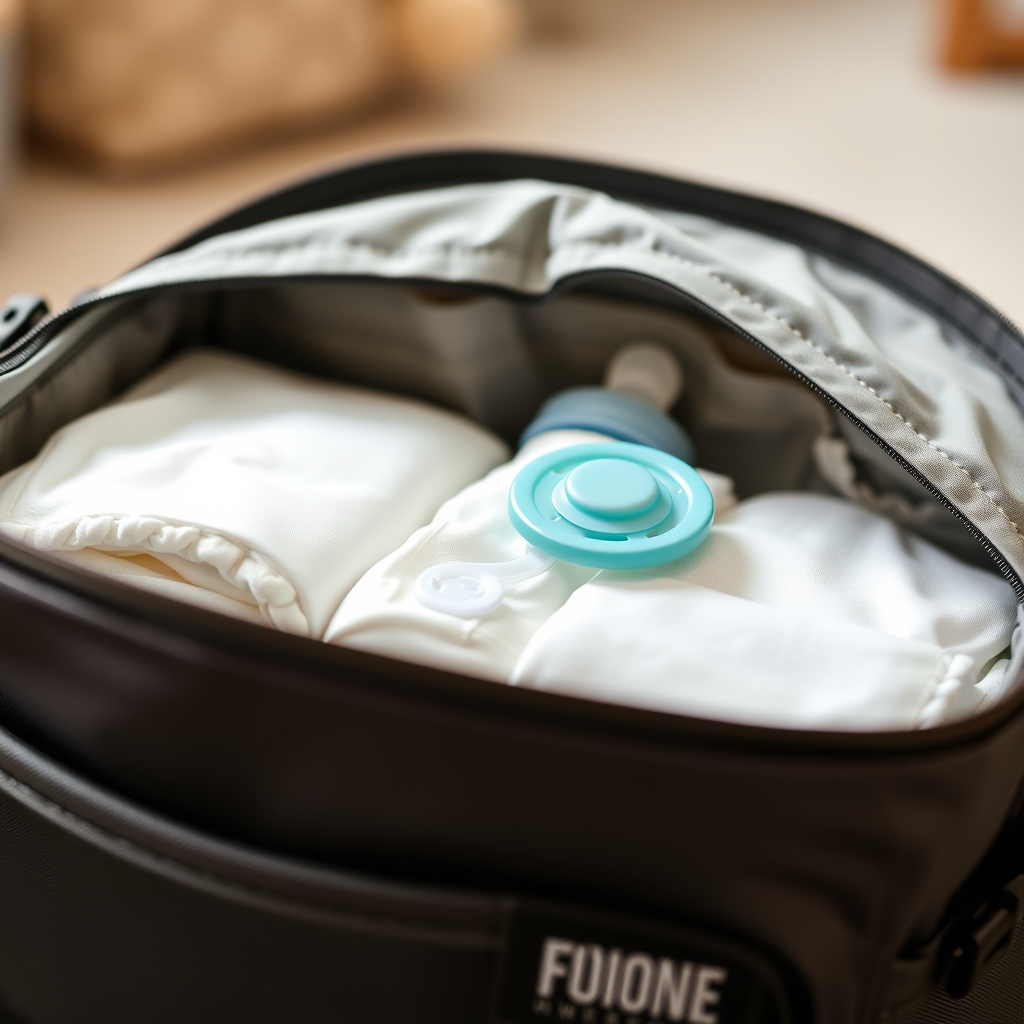
Keep the bag organized by using zippered compartments or small pouches. This makes quick diaper changes at the lavatory far less stressful. A well‑structured bag also reduces the chance of forgetting a crucial item, which can be a major source of anxiety during travel.
Does flying affect a baby's ears? How to prevent ear pain during takeoff and landing
Changes in cabin pressure can cause a temporary blockage of the Eustachian tube, leading to ear pain. Babies have narrower tubes, so the risk is higher than for adults.
Here are evidence‑based strategies (American Academy of Otolaryngology – Head & Neck Surgery):
- Feeding at altitude – A breastfeed or bottle feed during ascent and descent creates a swallowing motion that equalizes pressure.
- Pacifier – Sucking on a pacifier works similarly to feeding.
- Gentle ear massage – Lightly massage the cheek near the ear to encourage tube opening.
- Stay hydrated – For older infants, offering a sip of water (if age‑appropriate) can help.
If your baby shows signs of persistent ear pain (crying, pulling at ears, fever) after the flight, contact your pediatrician. In rare cases, severe barotrauma can lead to temporary hearing loss that resolves on its own.
For infants with a history of frequent ear infections, some clinicians recommend a short course of a decongestant or an antihistamine before travel, but only under medical supervision (AAP, 2023). Always discuss medication use with your provider to avoid adverse effects.
Best airlines for flying with a baby: Policies and amenities compared
Airlines differ in age restrictions, bassinet availability, and infant‑friendly services. Below is a snapshot of major carriers popular in the U.S. and Europe.
All listed airlines allow infants under 2 years to travel on a parent’s lap for a reduced fee, but policies can change. Always confirm bassinet eligibility when you book, as they’re limited and often assigned on a first‑come, first‑served basis.
When choosing an airline, also consider the availability of “infant care kits” that typically include ear plugs, a small blanket, and a diaper bag. These kits can be a lifesaver for first‑time flyers, providing items you might otherwise forget.
How to book a bassinet seat for baby on a plane
1. **Call the airline directly** after you’ve booked your tickets; agents can lock in a bassinet for you.
2. **Select a bulkhead seat** in the airline’s seat‑map during online check‑in, if the option appears.
3. **Confirm the request** 24 hours before departure via the airline’s app or website.
4. **Arrive early** (at least 2 hours before domestic, 3 hours before international) to ensure the bassinet is ready.
What documents do you need to fly with a baby under 1 year old?
Travel documentation varies by destination:
- Domestic U.S. flights – A certified birth certificate or passport is sufficient. The TSA accepts a hospital‑issued birth certificate for infants under 2 years.
- International flights – A passport is mandatory for every traveler, regardless of age. Some countries also require a visa or a notarized parental consent form.
- European Union – A national ID card (if issued) or passport; the EU does not accept birth certificates alone.
Always carry a copy of the infant’s vaccination record in case customs asks for proof of immunizations.
Do babies need a passport for domestic flights?
In the United States, no. However, many airlines prefer a passport or an official photo ID for infants to streamline the check‑in process. It’s a good habit to have a passport ready, especially if you might later decide on an international trip.
Is it better to fly with a baby during the day or at night?
Both options have merits, but most pediatric experts and seasoned parents lean toward **daytime flights** for these reasons:
- Natural lighting helps keep the baby’s circadian rhythm stable.
- Cabin staff are generally more attentive during the day when the cabin is busier.
- Airport services (like stroller rentals) are fully operational.
- Noise levels are lower than on many overnight flights, which can be louder due to reduced cabin lighting and increased engine sounds.
If you do choose a night flight, try to align it with your baby’s usual bedtime and bring a familiar lullaby or white‑noise app to encourage sleep. Some parents report that the quieter cabin after the initial climb can be a boon for sleeping infants.
Daytime flights also give you a larger window to handle any unexpected diaper changes or feedings, as airport staff are more readily available and there are typically more restrooms open. For families traveling with a newborn, the extra daylight can make logistics smoother.
Vaccination and health checks before traveling with a baby
Before any trip, verify that your baby’s immunizations are up to date. The CDC recommends that infants have received at least the first doses of Hepatitis B, DTaP, Hib, Polio, and PCV13 before traveling abroad (CDC, 2024). If you’re traveling to a region where additional vaccines (such as Hepatitis A or Typhoid) are advised, discuss timing with your pediatrician to ensure the baby’s immune system can respond safely.
Beyond vaccines, schedule a pre‑travel well‑baby visit. During this appointment, your provider can:
- Assess the infant’s weight gain and overall health.
- Provide a travel‑specific health certificate if required by the destination.
- Suggest any prophylactic measures, such as a short‑course of a safe, age‑appropriate antiviral medication for regions with high influenza activity.
Having a written note from your pediatrician can also smooth the security checkpoint process, especially if you need to carry breast milk, formula, or medication in larger quantities than usual (U.S. TSA, 2023).
Managing jet lag and sleep rhythm for infants on long flights
Jet lag can affect even the youngest travelers, disrupting feeding patterns and mood. The key to minimizing its impact is gradual adjustment. If you’re crossing multiple time zones, start shifting the baby’s bedtime by 15–30 minutes a day a few days before departure, aligning with the destination’s daytime (NHS, 2023).
During the flight, create a familiar sleep environment:
- Use a portable, breathable sleep sack that mimics the baby’s usual blanket.
- Play a consistent white‑noise track that you’ll also use at the destination.
- Keep the lighting low to signal nighttime, even if the cabin is bright.
After arrival, expose the baby to natural daylight during the day and keep the room dark in the evening. This helps reset the circadian clock more quickly. Most infants settle back into a regular schedule within 3–4 days, but if your baby seems unusually irritable, a brief consultation with your pediatrician can rule out other causes.
Traveling with a newborn during flu season or a pandemic
Seasonal flu and viral outbreaks add another layer of caution. The CDC advises that infants younger than 6 months are at higher risk for severe flu complications. If you must travel during flu season, ensure that any household members and caregivers have received their flu vaccines (CDC, 2024). For COVID‑19 or other pandemic concerns, follow the latest guidance from the WHO and local health authorities regarding testing, masking, and vaccination status.
Practical steps include:
- Pack an extra set of masks for anyone in close contact with the baby.
- Bring a small bottle of hand sanitizer (alcohol‑based) for quick clean‑ups after touching surfaces.
- Choose airports and airlines that have enhanced air‑filtration systems and visible cleaning protocols.
When possible, schedule travel during off‑peak weeks when crowds are thinner, and consider a refundable ticket in case health advisories change. These precautions can reduce the risk of exposing your newborn to respiratory viruses while still allowing you to meet essential travel needs.
Myth vs. fact
Myth: Newborns should never fly because the cabin air is too dry.
Fact: While cabin humidity is low, a well‑hydrated newborn (through regular feeds) typically tolerates the environment fine. Use a humidifier at home before the flight to keep skin moisturized.
Myth: You must buy a separate ticket for a baby under 2 months.
Fact: Most airlines allow infants under 2 months to travel on a parent’s lap for a reduced fee, though some (like Emirates) have a minimum age of 2 weeks for international travel.
Myth: Ear pain is unavoidable on flights.
Fact: Feeding, pacifiers, or a gentle swallow during ascent and descent can prevent most pressure‑related discomfort.
Key takeaways
- Most pediatricians recommend waiting until your baby is 2–3 months old for the first flight.
- Ear‑pressure issues are mitigated by feeding or using a pacifier during takeoff and landing.
- Choose airlines that offer bassinet seats and have clear infant‑age policies.
- Pack a well‑organized diaper bag with diapers, wipes, feeding supplies, and a few comfort items.
- Daytime flights usually align best with a baby’s natural rhythm and provide more staff support.
- Always have proper documentation: birth certificate for domestic U.S. travel, passport for international trips.
- Check vaccinations and schedule a pre‑travel well‑baby visit to ensure your infant is protected.
- When crossing time zones, use gradual light exposure and familiar sleep cues to ease jet lag.
Frequently asked questions
What is the best age to take a baby on a plane?
The consensus among pediatricians is 2–3 months, as the infant’s immune system and ear structures are more mature, reducing the risk of infection and barotrauma.
Can flying damage a baby's ears?
Flying can cause temporary ear pressure discomfort, but it rarely causes permanent damage. Feeding, pacifiers, or a gentle swallow during ascent and descent equalizes pressure and prevents most issues.
Do babies need ID to fly?
In the U.S., a birth certificate or passport suffices for domestic flights. International travel always requires a passport, and some countries also ask for a visa or parental consent form.
How do I protect my baby from germs on a plane?
Practice hand hygiene, use disinfecting wipes on tray tables, keep the baby’s hands covered with a light glove or mitten, and limit contact with high‑traffic surfaces. Feeding on demand also helps maintain the baby’s natural defenses.
Is it safe to fly with a 1‑month‑old baby?
Yes, if the infant is healthy and the airline permits travel for infants as young as 14 days. Consult your pediatrician, pack essential supplies, and use feeding techniques to manage ear pressure.
What is the best seat for a baby on a plane?
Bulkhead rows with bassinet access are ideal for infants under 2 years. If a bassinet isn’t available, an aisle seat near the front of the cabin provides quicker bathroom access and easier boarding.
How can I soothe a crying baby on a plane?
Offer a feed or pacifier, gently massage the ears, use a familiar blanket or soft toy, and try a calming lullaby or white‑noise app. If the baby remains upset, a brief walk up and down the aisle (when safe) can help reset the mood.
Can I use a car seat on a plane for my baby?
Yes, many airlines allow a certified infant car seat in the cabin, which can be safer than a lap‑hold position. Make sure the seat is approved for aircraft use (look for the “✈” sticker) and check the airline’s policy before booking.
What’s the easiest way to handle diaper changes in the aisle?
Bring a compact, fold‑out changing pad and use a zip‑lock bag for soiled diapers. Choose an aisle seat near a lavatory, and ask the flight attendant for a clean changing table or a spare seat‑back cover if needed.
When to see a doctor / specialist
If your baby experiences any of the following after a flight, contact your pediatrician promptly:
- Persistent ear pain lasting more than an hour.
- Fever above 100.4 °F (38 °C) within 24 hours of travel.
- Signs of respiratory distress (rapid breathing, wheezing).
- Severe diaper rash that does not improve with routine care.
- Any unusual lethargy or difficulty feeding.
These symptoms may indicate an ear infection, respiratory illness, or other condition that warrants professional evaluation. The article is for informational purposes only and does not replace personalized medical advice.
References
- American Academy of Pediatrics. “Traveling with Infants and Young Children.” 2023.
- Centers for Disease Control and Prevention. “Travel Health – Infants.” Updated 2024.
- Federal Aviation Administration. “Airline Policies for Infants.” 2022.
- American Academy of Otolaryngology – Head & Neck Surgery. “Ear Barotrauma in Children.” 2023.
- World Health Organization. “International Travel and Health – Children.” 2023.
- Delta Air Lines. “Travel with Infants and Children.” 2024.
- British Airways. “Flying with Babies and Children.” 2024.
- National Institute of Child Health and Human Development. “Infant Immune Development.” 2023.
- U.S. Transportation Security Administration. “Traveling with Children.” 2023.
- National Health Service (UK). “Traveling with Babies.” 2023.
- American College of Obstetricians and Gynecologists. “Travel Recommendations for Pregnant and Post‑Partum Women.” 2023.
- World Health Organization. “Vaccination Guidelines for Travelers.” 2024.