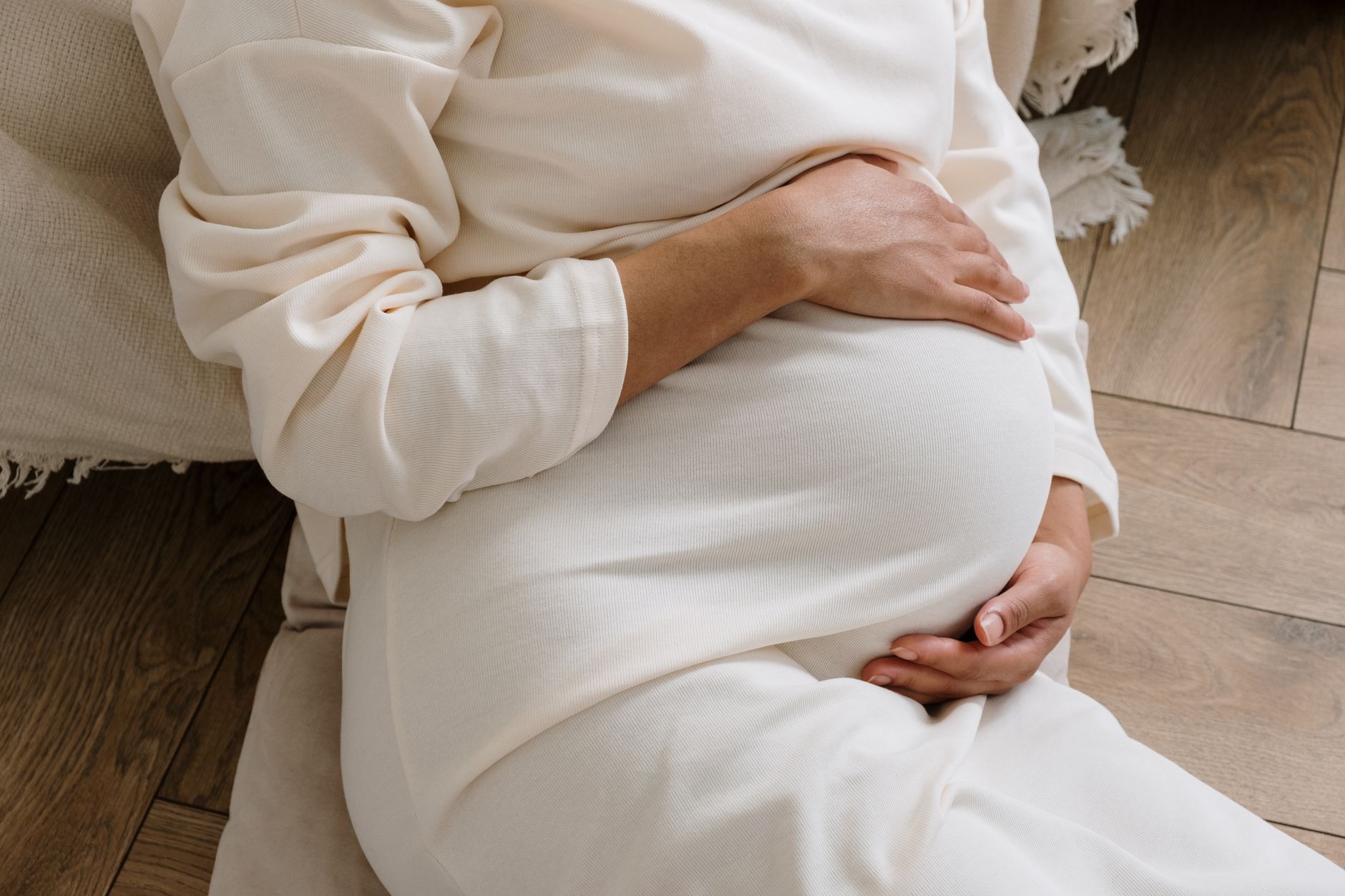
Bending over while pregnant is generally safe throughout all trimesters when using proper technique. Learn how to bend safely, when to be cautious, and doctor's advice to protect your back and baby.
By Shubhra Mishra — a mom of two who turned her own confusion during pregnancy into BumpBites, a global mission to make food choices clear, safe, and stress-free for every expecting mother. 💛
Check whether any food is safe during pregnancy with the BumpBites Food Safety Checker.
Quick verdict: ✅ Generally safe with modifications. Bending over while pregnant is typically safe for both you and your baby when done correctly, especially by squatting rather than bending at the waist. As your pregnancy progresses, you'll need to adjust your technique and listen to your body to prevent discomfort and maintain balance.
That sudden need to pick up a dropped key, tie your shoe, or even pet your furry friend can bring a jolt of anxiety when you're pregnant. "Is bending over while pregnant safe?" you might wonder, especially if you've heard old wives' tales or experienced a sudden cramp. Many expecting parents find themselves Googling this exact question at odd hours, worried about harming their baby or causing pain.
The good news is that for most pregnancies, bending over is generally safe. Your baby is well-protected within your uterus and amniotic fluid. However, as your body changes – your belly grows, your center of gravity shifts, and your ligaments loosen – the way you bend over will likely need to adapt. Improper technique can lead to back pain, balance issues, or discomfort like round ligament pain, particularly in later trimesters.
At BumpBites, we understand these everyday worries. This article will walk you through everything you need to know about bending over while pregnant safe, from the safest techniques to trimester-specific advice, common concerns like round ligament pain, and when it’s best to ask for help. We’ll also cover safer alternatives and provide guidance on when to consult your healthcare provider.
Trimester/Phase
Verdict on Bending Over
Notes
First Trimester
✅ Generally Safe
Minimal physical changes, so bending over is usually comfortable. Focus on proper technique (squatting) early on to build good habits.
Second Trimester
⚠️ Safe with Modifications
Growing belly can start to impact balance and make bending at the waist less comfortable. Back pain or round ligament pain may begin. Prioritize squatting.
Third Trimester
⚠️ Safe with Modifications / ❌ Best Avoided (for bending at waist)
Significant belly size makes bending at the waist difficult and potentially risky for balance. Back strain and round ligament pain are common. Squatting with support is preferred; consider alternatives.
While Breastfeeding
✅ Generally Safe
Post-delivery, your body is recovering. Bending is safe, but ease back into activities. Listen to your body, especially if you had a C-section or pelvic floor issues.
What is Bending Over While Pregnant?
When we talk about "bending over," it's important to distinguish between different movements. Generally, it refers to inclining your upper body forward, often to reach something on the ground. There are two primary ways people bend:
Bending at the waist: This involves hinging forward primarily from your hips, often with straight or slightly bent knees. Your back muscles do a lot of the work, and your torso moves towards your legs.
Squatting: This involves lowering your entire body by bending your knees and hips, keeping your back relatively straight and upright. Your core and leg muscles bear the load, and your center of gravity remains more stable.
During pregnancy, the physical changes in your body can make bending over, especially at the waist, more challenging and potentially uncomfortable. Your growing uterus shifts your center of gravity forward, putting extra strain on your lower back. Hormones like relaxin loosen your ligaments and joints, making them more pliable but also less stable. This combination means that while the act of bending itself doesn't directly harm your baby, the *way* you bend and the *impact* it has on your body can become a concern for your comfort and safety.
Is Bending Over Safe During Pregnancy?
Yes, for most healthy pregnancies, bending over while pregnant is generally safe, particularly when you use proper body mechanics. The biggest concern isn't typically for the baby, who is cushioned by amniotic fluid and your strong uterine walls, but rather for the pregnant person's comfort, balance, and musculoskeletal health.
The American College of Obstetricians and Gynecologists (ACOG) encourages pregnant individuals to remain active and continue with most daily activities, including those that involve bending, provided they feel comfortable and use safe techniques. The key is to avoid actions that cause pain, strain, or put you at risk of losing balance and falling.
As your pregnancy progresses, your expanding uterus will shift your center of gravity, making you more prone to losing balance. Additionally, the hormone relaxin, which helps loosen ligaments in preparation for birth, can also affect other joints, making them less stable. This means that bending at the waist can put increased strain on your lower back and pelvic joints. To mitigate these effects, obstetricians and physical therapists often recommend squatting instead of bending at the waist to pick up items. Squatting keeps your back straighter, engages your stronger leg muscles, and maintains better balance, making bending over while pregnant safe and comfortable for longer.
Prioritize squatting over bending at the waist to protect your back and maintain balance as your pregnancy progresses.
Is Bending Over Safe During Early Pregnancy?
During the first trimester, your body undergoes significant internal changes, but your external physical appearance and center of gravity remain largely the same. This means that bending over while pregnant, in the early weeks, is generally very safe and usually comfortable. Your uterus is still small and well-protected within your pelvis, so there's no direct risk to the baby from the physical act of bending.
However, the first trimester can bring symptoms like nausea, fatigue, and dizziness. If you experience sudden dizziness when changing positions, such as standing up quickly after bending, take it slow. It's a good time to start practicing good body mechanics, like squatting instead of bending at the waist, to build habits that will serve you well as your pregnancy progresses. This proactive approach ensures you're already comfortable with safer movements before your belly starts to grow and your balance becomes more affected.
Bending Over in the Second Trimester: What to Know
As you enter the second trimester, your baby and uterus will begin to grow more rapidly, and your belly will become more noticeable. This is when you might start to feel the effects of your changing body on everyday movements like bending over. Your center of gravity will gradually shift forward, which can make bending at the waist feel less stable and put more strain on your lower back.
Many pregnant individuals also start to experience round ligament pain during the second trimester. This sharp, jabbing pain in the lower abdomen or groin can be triggered by sudden movements, including quick or improper bending. To minimize this, we recommend moving slowly and deliberately, and truly adopting the squatting technique. Continue to listen to your body; if any movement causes discomfort or pain, it's a sign to adjust your technique or seek an alternative way to accomplish the task. Making these adjustments now will help keep bending over while pregnant safe and comfortable.
Risks of Bending Over in the Third Trimester
The third trimester brings the most significant physical changes and challenges when it comes to bending over. Your belly will be at its largest, making it physically difficult to bend at the waist without compressing your abdomen. This position can also place immense strain on your lower back, which is already working harder due to the increased weight and forward shift in your center of gravity.
The risk of losing balance and falling also increases significantly in the third trimester. Your ligaments are at their loosest due to relaxin, and your swollen feet or general clumsiness can contribute to instability. While a fall doesn't always harm the baby (who is still well-protected), it can lead to injuries for you, such as sprains, fractures, or, in rare cases, placental abruption, which requires immediate medical attention. For these reasons, bending at the waist should be largely avoided in the third trimester. Prioritize squatting with support if needed, and don't hesitate to use aids or ask for help with tasks that require you to reach low to the ground. Keeping bending over while pregnant safe becomes a top priority for preventing injury.
The Safest Way to Bend Over While Pregnant (Squatting vs. Bending)
When you need to reach something on the ground during pregnancy, the safest and most recommended method is to squat, not bend at the waist. This distinction is crucial for protecting your back, maintaining balance, and minimizing discomfort.
Why Squatting is Preferred
Protects your back: Squatting keeps your spine in a more neutral alignment, engaging your stronger leg and glute muscles rather than straining your lower back. Bending at the waist puts significant pressure on your lumbar spine, which is already under stress from your growing belly.
Maintains balance: By keeping your torso more upright and distributing your weight evenly through your legs, squatting helps maintain your center of gravity, reducing the risk of losing balance and falling.
Strengthens muscles: Regular squatting (when done correctly) can actually strengthen your core, glutes, and leg muscles, which are beneficial for supporting your body during pregnancy and preparing for labor.
Avoids abdominal compression: Squatting allows you to lower your body without compressing your belly, which can be uncomfortable or even painful in later trimesters.
How to Squat Safely While Pregnant
Stand with feet shoulder-width apart: Turn your toes out slightly if that feels more comfortable.
Keep your back straight: Imagine you have a straight line from your head to your tailbone.
Lower your hips: As if you're sitting into a chair. Keep your chest up and shoulders back.
Engage your core: Gently draw your belly button towards your spine (without holding your breath) to support your back.
Keep knees over ankles: Don't let your knees cave inward or go far past your toes.
Use support if needed: If you're feeling unsteady, hold onto a sturdy piece of furniture or a counter for balance as you lower and rise.
Rise slowly: Push up through your heels to return to a standing position, exhaling as you rise. Avoid sudden, quick movements.
While bending at the waist might be a quick reflex, consciously choosing to squat ensures bending over while pregnant safe and more comfortable throughout your journey.
Can Bending Over Harm Your Baby or Cause Miscarriage?
This is one of the most common and anxious questions pregnant people have, and it's important to provide clear reassurance: In almost all cases, bending over while pregnant, even if done improperly, will not harm your baby or cause a miscarriage.
Your baby is incredibly well-protected inside your uterus. The uterine walls are strong and muscular, and the amniotic fluid acts as a powerful shock absorber, cushioning your baby from external bumps and movements. Think of it like a tiny, perfectly engineered airbag. The physical act of bending your body does not directly impact the baby or increase the risk of miscarriage.
Miscarriages, especially in the first trimester, are most often caused by chromosomal abnormalities or other factors unrelated to physical activity. While a severe fall *could* potentially lead to complications (which is why maintaining balance is important), the normal bending and squatting motions of daily life pose no direct threat to your baby's development or the continuation of your pregnancy. So, if you've been bending over without thinking, please take a breath – your baby is safe.
Bending Over with Round Ligament Pain or Sciatica
Both round ligament pain and sciatica are common complaints during pregnancy that can be exacerbated by bending over. Understanding how to manage these can make bending over while pregnant safe and less painful.
Round Ligament Pain
Round ligaments are two cord-like structures that support the uterus, running from the top sides of the uterus down into the groin. As your uterus grows, these ligaments stretch. Sudden movements, like quickly bending, twisting, coughing, or sneezing, can cause them to spasm, resulting in a sharp, jabbing pain in your lower abdomen or groin. This pain is usually brief but can be intense.
Tips for bending with round ligament pain:
Slow down: Avoid sudden movements. Lower yourself into a squat slowly and rise just as gradually.
Engage your core: Before bending, gently engage your core muscles to provide extra support to your abdomen.
Warm-up: Light stretching before activities that require bending can sometimes help.
Change positions gradually: If you've been sitting or lying down, ease into standing before attempting to bend.
Sciatica
Sciatica occurs when the sciatic nerve, which runs from your lower back down your leg, becomes compressed or irritated. During pregnancy, this can happen due to the pressure of the growing uterus on the nerve, or changes in posture that affect your spine and pelvis. Symptoms include sharp, shooting pain, numbness, or tingling that radiates from your lower back, through your buttocks, and down one leg.
Tips for bending with sciatica:
Maintain a neutral spine: Focus intensely on keeping your back straight and using your legs when squatting. Avoid any twisting motions while bending.
Support your back: Consider a maternity support belt, which can help stabilize your pelvis and lower back, reducing pressure on the sciatic nerve.
Avoid prolonged positions: Don't stay bent over for long periods. If you need to work at a low level, kneel instead of remaining in a squat.
Gentle stretches: Specific prenatal yoga or stretches recommended by a physical therapist can help alleviate sciatic pain.
If you experience persistent or severe round ligament pain or sciatica, always discuss it with your healthcare provider. They can offer personalized advice and may recommend physical therapy to help manage your symptoms and ensure bending over while pregnant safe and comfortable.
When Should You Stop Bending Over During Pregnancy?
While bending over while pregnant safe is generally true with modifications, there are times when you should significantly reduce or stop bending over, especially bending at the waist. These situations are primarily related to your comfort, safety, and any specific medical advice you receive.
Severe Pain: If bending, even with proper technique, consistently causes sharp, intense, or persistent pain in your back, abdomen, or pelvis, it’s a clear sign to stop and re-evaluate. This could indicate musculoskeletal strain or other issues.
Loss of Balance/Dizziness: If you frequently feel dizzy, lightheaded, or unsteady when bending or rising, the risk of falling outweighs the benefit. This is especially critical in the third trimester.
Difficulty Breathing: In later pregnancy, bending forward can compress your diaphragm, making it harder to breathe. If you find yourself gasping for air, it's time to stop.
Increased Round Ligament Pain or Sciatica: While mild discomfort can be managed, if bending consistently triggers severe or prolonged round ligament pain or exacerbates sciatica, it’s best to avoid it.
Doctor's Advice: If your healthcare provider has advised you to limit certain movements due to a specific pregnancy complication (e.g., placenta previa, premature labor risk), always follow their guidance.
Physical Inability: Sometimes, your belly simply becomes too large to comfortably bend at the waist. Don't force it; seek alternatives.
Remember, "stopping bending over" often means stopping bending at the waist and instead using safer alternatives like squatting, kneeling, or using tools and assistance. It's about modifying the movement, not necessarily stopping all low-level tasks entirely.
Practical Tips to Avoid Excessive Bending
Even with safe techniques like squatting, constantly bending over can become tiring or uncomfortable. Here are some practical tips to minimize the need for excessive bending over while pregnant, making your daily life easier and keeping bending over while pregnant safe:
Elevate frequently used items: Store items you use often (like laundry detergent, pet food, or kids' toys) on higher shelves or counters.
Use long-handled tools: Invest in a long-handled dustpan and brush, a grabber tool for dropped items, or a shoehorn for putting on shoes.
Slide, don't lift: If an item is on the floor, try to slide it with your foot to a higher surface rather than bending to pick it up immediately.
Sit down for tasks: When folding laundry, sorting items, or even giving a bath to an older child, pull up a chair to reduce the need to bend or squat repeatedly.
Organize your home: Declutter floors and low surfaces to reduce the number of items you might need to pick up.
Dress mindfully: Choose slip-on shoes or shoes with Velcro closures instead of laces. Wear clothes that are easy to put on and take off without extensive bending.
Ask for help: Don't hesitate to ask your partner, family, or friends for assistance with tasks that require a lot of bending, especially in the later trimesters. This is a sign of strength, not weakness.
Kneel instead of squatting: For tasks that require you to be at floor level for a longer duration, kneeling on a soft pad can be more comfortable than repeated squatting.
Tools like grabbers and shoehorns can significantly reduce the need for bending over, making daily tasks easier.
What to Do If You Feel Pain After Bending Over
It's common to experience some aches and pains during pregnancy, and bending over can sometimes trigger or worsen them. If you feel pain after bending over while pregnant, don't panic, but do pay attention to your body. Here’s a guide on what to do:
Stop and Rest: Immediately stop the activity and find a comfortable position to rest. Lie down on your side with a pillow between your knees if your back is aching, or sit in a supportive chair.
Assess the Pain:
Mild, temporary ache: If it's a mild, dull ache that resolves quickly with rest, it might just be muscle strain or round ligament pain. This is often normal.
Sharp, persistent pain: If the pain is severe, sharp, doesn't go away, or is accompanied by other symptoms, it warrants more attention.
Apply Heat or Cold: For muscle aches or back pain, a warm compress or heating pad on a low setting (never directly on your belly) can provide relief. Some people find cold packs more effective for acute pain.
Gentle Movement/Stretching: After a short rest, try very gentle movements or stretches if they feel comfortable. Pelvic tilts or cat-cow stretches can sometimes help alleviate back discomfort.
Hydrate: Dehydration can sometimes contribute to muscle cramps and discomfort. Ensure you're drinking plenty of water.
Review Your Technique: Reflect on how you were bending. Were you squatting? Was it a sudden movement? Adjust your technique for future instances.
Monitor for Other Symptoms: Watch out for any accompanying symptoms such as vaginal bleeding, fluid leakage, strong contractions, severe headaches, or vision changes. These are signs to call your doctor immediately.
If the pain is severe, doesn't improve with rest, or if you have any other concerning symptoms, always err on the side of caution and contact your healthcare provider. They can assess your situation and provide personalized advice, ensuring bending over while pregnant safe for your specific circumstances.
Safer Alternatives to Bending Over
Reducing the need to bend over can significantly improve comfort and safety during pregnancy. Here are several safer alternatives to bending over, each with a brief explanation:
Squatting: The gold standard for reaching low items. Lower your body by bending your knees and hips, keeping your back straight and engaging your core and leg muscles.
Kneeling: For tasks that require you to be at floor level for a longer period (e.g., cleaning, playing with a toddler), kneeling on a soft pad can be more comfortable and stable than repeated squatting.
Using a grabber tool: An extendable reacher tool allows you to pick up dropped items without any bending or squatting, preserving your back and balance.
Asking for assistance: Don't hesitate to ask your partner, family members, or even a helpful stranger for help with tasks that require bending, especially if you're feeling tired or unstable.
Sitting to pick up items: If you're already seated or can easily sit on the floor, it can be a much safer and more comfortable way to gather items around you without straining.
Using a long-handled dustpan: Avoid stooping or bending at the waist when sweeping by using a dustpan with an extended handle.
Sliding objects with feet: For lightweight items on the floor, you can often nudge or slide them closer to a piece of furniture or a wall with your foot, then pick them up from a higher, more accessible height.
Related Pregnancy Activities — Safety at a Glance
Understanding the nuances of various physical activities during pregnancy can be overwhelming. Here's a quick look at other common movements and their general safety during pregnancy:
Activity
Verdict
Notes
Lifting heavy objects while pregnant
❌ Best Avoided / ⚠️ Safe with Limits
Generally discouraged, especially heavy lifting. Can increase risk of back injury, strain, and potentially premature labor (though rare). If you must lift, use proper leg technique and keep weight close to body. Consult your doctor for specific weight limits.
Twisting while pregnant
⚠️ Safe with Limits
Avoid sudden, sharp twisting motions, especially at the waist, as this can strain ligaments (like round ligaments) and the lower back. Gentle, controlled twists are often part of prenatal exercise, but listen to your body.
Reaching overhead while pregnant
⚠️ Safe with Limits
Generally safe, but be mindful of balance, especially in later trimesters. Avoid overstretching or reaching for heavy items that could pull you off balance. Keep items you need frequently within easy reach.
Sleeping on your back while pregnant
❌ Best Avoided (after 20 weeks)
Not recommended after the first trimester as the weight of the uterus can compress major blood vessels (vena cava), reducing blood flow to you and the baby. Side sleeping, especially on the left, is preferred.
Standing for long periods while pregnant
⚠️ Safe with Limits
Can lead to swelling, varicose veins, and back pain. Take frequent breaks to sit or walk around. Elevate your feet when resting. Compression stockings can help.
Sitting cross-legged while pregnant
✅ Generally Safe
Often comfortable and can help open the hips. Listen to your body; if it causes hip or knee pain, adjust your position. Regular movement is key.
Stretching while pregnant
✅ Generally Safe
Highly recommended for flexibility and comfort. Focus on gentle, controlled stretches. Avoid overstretching due to relaxin, and don't bounce. Prenatal yoga or Pilates can be excellent.
Myth vs. Fact About Bending Over in Pregnancy
Myth: Bending over will squash or hurt the baby.
Fact: Your baby is incredibly well-protected inside your uterus by strong muscles and amniotic fluid. Bending over, even with a large belly, does not squash or directly harm the baby. The primary concern is for your comfort, balance, and musculoskeletal health.
Myth: You should avoid all bending over from the moment you get a positive pregnancy test.
Fact: In early pregnancy, your body hasn't changed significantly, and bending over is generally very safe and comfortable. The need to modify or reduce bending, especially at the waist, becomes more relevant as your belly grows and your center of gravity shifts in the second and third trimesters. Practicing safe techniques early on is beneficial, but there's no need to stop completely.
Myth: Bending over can cause early labor or miscarriage.
Fact: Normal daily activities like bending over do not cause miscarriage or induce early labor in a healthy pregnancy. Miscarriages are usually due to chromosomal issues, and premature labor is caused by other factors. While a severe fall *could* be problematic, the act of bending itself doesn't trigger these events.
Key Takeaways
Bending over while pregnant is generally safe when done correctly, especially by squatting.
Prioritize squatting over bending at the waist to protect your back, maintain balance, and avoid abdominal compression.
Your baby is well-protected; bending does not directly harm them or cause miscarriage.
Listen to your body and slow down, especially if you experience round ligament pain or sciatica.
Modify your movements and use aids like grabber tools or ask for help, particularly in the later trimesters.
Stop and consult your doctor if you experience severe pain, dizziness, or any other concerning symptoms after bending.
Gentle stretching and proper body mechanics are key to staying comfortable and safe during pregnancy.
Frequently Asked Questions
Can bending over hurt the baby?
No, bending over while pregnant does not typically hurt the baby. Your baby is securely cushioned by amniotic fluid and the strong walls of your uterus, providing ample protection from the physical act of bending. The main concerns are for your balance, comfort, and potential strain on your back.
What happens if you bend over too much while pregnant?
Bending over too much, especially bending at the waist, can lead to discomfort for the pregnant person. This can include increased lower back pain, exacerbated round ligament pain, and a greater risk of losing balance. It doesn't directly harm the baby, but it can make daily activities more challenging and uncomfortable for you.
Is it okay to squat while pregnant?
Yes, squatting is not only okay but highly recommended during pregnancy. It's considered the safest way to pick up items from the floor, as it keeps your back straight, engages your leg muscles, and helps maintain balance. Squatting can also strengthen muscles beneficial for labor and delivery.
Can bending over cause miscarriage in early pregnancy?
No, bending over does not cause miscarriage in early pregnancy. Miscarriages are most commonly due to chromosomal abnormalities or other medical factors, not everyday physical activities like bending. Your baby is well-protected, even in the earliest stages of pregnancy.
When should pregnant women stop bending over?
Pregnant women don't usually need to stop bending over completely, but they should modify their technique, especially in the second and third trimesters. The recommendation is to stop bending at the waist and instead switch to squatting, or use aids and ask for help, particularly if bending causes pain, dizziness, or balance issues.
Why does it hurt when I bend over while pregnant?
Pain when bending over while pregnant is often due to the physical changes in your body. Your growing belly shifts your center of gravity, straining your lower back. Hormones like relaxin loosen ligaments, making joints less stable. This can lead to back pain, round ligament pain (sharp groin pain), or exacerbated sciatica, especially with improper bending technique.
Is it safe to pick up a toddler while pregnant?
Picking up a toddler while pregnant can be safe if done correctly, but it becomes increasingly challenging and potentially risky as your pregnancy progresses. Always squat to lift, keeping your back straight and the toddler close to your body. As your belly grows, consider having your toddler climb onto your lap or a higher surface, or ask for help, to minimize strain and fall risk.
Can bending over cause contractions?
Generally, normal bending over or squatting does not cause contractions. However, intense physical exertion or activities that significantly strain your abdominal muscles could theoretically trigger Braxton Hicks contractions (practice contractions), which are typically harmless. If you experience regular, painful contractions after bending, or any other concerning symptoms, contact your doctor.
When to Call Your Doctor
While bending over while pregnant is generally safe, certain symptoms warrant immediate medical attention. Always trust your instincts and call your healthcare provider if you experience any of the following:
Severe or persistent pain: Especially if it's not relieved by rest, or if it's accompanied by other concerning symptoms.
Vaginal bleeding or fluid leakage: Any amount of bleeding or fluid loss from the vagina after bending, or at any time, needs to be checked.
Strong, regular contractions: If you experience contractions that become stronger, closer together, or don't go away, especially before 37 weeks.
Dizziness, lightheadedness, or fainting: If you feel like you might pass out, or actually do, after bending or at any time.
Sudden, severe swelling: Particularly in your face or hands.
Headache that is severe or doesn't go away: Especially if accompanied by vision changes.
Any fall: Even if you feel fine, it's always best to get checked by your doctor after a fall during pregnancy, especially in the later trimesters.
This information is for educational purposes only and is not a substitute for professional medical advice. Always consult with your healthcare provider for any questions or concerns about your health or pregnancy.
References
American College of Obstetricians and Gynecologists (ACOG). Exercise During Pregnancy and Postpartum Period. Committee Opinion No. 804. Obstet Gynecol. 2020 Apr;135(4):e178-e188.
Not sure about the label on Bending Over While Pregnant Safe products?
Snap the ingredients list and SafeFilter checks every ingredient for your stage — only 3 free scans this month, then you're locked until reset. Unlimited from $7/mo or $50/yr.
When Shubhra Mishra was expecting her first child in 2016, she was overwhelmed by conflicting food advice — one site said yes, another said never. By the time her second baby arrived in 2019, she realized millions of mothers face the same confusion.
That sparked a five-year journey through clinical nutrition papers, cultural diets, and expert conversations — all leading to BumpBites: a calm, compassionate space where science meets everyday motherhood.
Her long-term vision is to build a global community ensuring safe, supported, and free deliveriesfor every mother — because no woman should face pregnancy alone or uninformed. 🌿
🌍 Stand with mothers, shape safer guidance
Join a small circle of experts who review BumpBites articles so expecting parents everywhere can decide with confidence.