For the vast majority of pregnant people, a belly button that sticks out is simply a cosmetic change. However, there are a few scenarios where the bulge could signal a complication that deserves a closer look.
- Umbilical hernia: A true hernia occurs when a portion of the intestine pushes through a weakness in the abdominal wall at the navel. It may feel like a soft, movable lump that can increase in size when you cough or strain.
- Infection or inflammation: Redness, warmth, drainage, or severe pain around the navel could indicate an infection, which needs prompt treatment.
- Rapid, painful swelling: Sudden expansion accompanied by sharp pain could suggest a strangulated hernia—a medical emergency.
Most protruding navels are benign, but keeping an eye on these warning signs helps you know when to call your provider.
These complications are relatively rare; most clinicians will perform a quick visual and tactile exam and, if anything seems atypical, may order an ultrasound to rule out herniation or infection. Early detection ensures any necessary treatment can be planned safely for you and your baby.
Beyond the typical stretching, several medical conditions can cause a belly button to bulge:
- Umbilical hernia: As described, a pre‑existing weakness can become more evident as the abdomen expands.
- Diastasis recti: This is a separation of the rectus abdominis muscles that can create a bulge along the midline, sometimes making the navel appear more prominent.
- Excessive fluid retention (edema): Generalized swelling can affect the belly button area, though it usually comes with swelling in the hands and feet.
- Abdominal wall tumors (rare): While extremely uncommon, any growth in the abdominal wall could alter the shape of the navel.
Most of these conditions are either pre‑existing or develop gradually, and they are manageable with proper medical guidance.
Studies and obstetric surveys indicate that up to 70 % of pregnant people notice some change in their belly button shape by the third trimester. The prevalence is high because the uterus’s upward growth reaches the level of the umbilicus, applying direct pressure.
While exact numbers vary by population, the consensus among obstetricians (e.g., the American College of Obstetricians and Gynecologists—ACOG) is that a protruding navel is a normal part of the pregnancy journey for most women. It rarely requires intervention unless accompanied by pain or other concerning signs.
Cross‑cultural research shows similar rates worldwide, suggesting that the phenomenon is driven more by anatomy and hormonal shifts than by lifestyle or ethnicity. This consistency reinforces the notion that a bulging belly button is a standard physiological response.
This side‑by‑side view helps you spot key differences and decide whether a quick self‑check is enough or it’s time to call your provider.
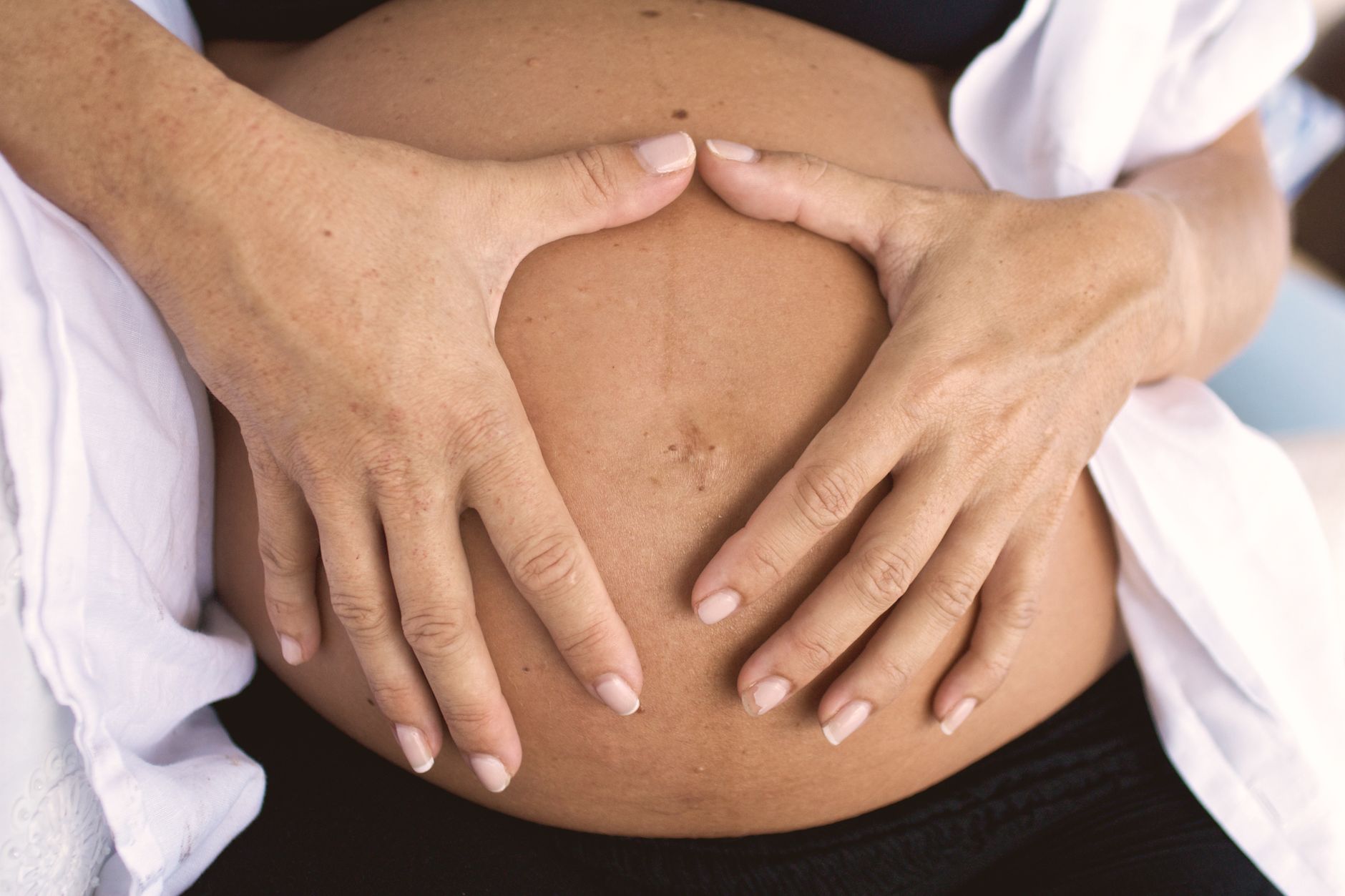
Most people report little to no pain from a belly button that sticks out. The sensation is usually a mild pulling or stretching feeling, similar to the rest of the abdomen as it expands. However, a few women experience discomfort:
- Skin irritation: Friction from clothing or a wet diaper can irritate the stretched skin around the navel.
- Itching: Hormonal changes can cause itching, especially if the skin becomes dry.
- Pressure pain: If a hernia forms, you might feel a sharp ache when pressing on the area.
When discomfort is mild, simple home care—keeping the area clean, using breathable fabrics, and applying a gentle moisturizer—often resolves it. Persistent or worsening pain should prompt a medical evaluation.
If pain escalates quickly, especially with nausea or vomiting, it may indicate a strangulated hernia, which requires immediate attention. In such cases, an urgent ultrasound or surgical consult is the standard of care.
Here are practical steps you can take to keep the area comfortable and healthy:
- Maintain hygiene: Gently wash the navel with warm water and a mild, fragrance‑free soap. Pat dry—avoid rubbing.
- Moisturize: Apply a thin layer of hypoallergenic lotion or a silicone‑based gel to prevent dryness and cracking.
- Choose breathable clothing: Soft cotton tops, seamless leggings, and maternity bras reduce friction.
- Use a belly band: A supportive, stretchy maternity band can distribute pressure evenly, easing tension on the navel.
- Avoid heavy lifting: Sudden strain can increase intra‑abdominal pressure, aggravating any underlying hernia.
These simple habits keep the skin supple and lower the chance of irritation.
After delivery, many women notice that their belly button looks different—sometimes flatter, sometimes more pronounced. This change is part of the body’s natural remodeling process as the uterus shrinks and the abdominal muscles regain tone.
Two primary factors drive the post‑pregnancy shape:
- Diastasis recti recovery: As the rectus muscles reunite, the navel may settle into a smoother contour.
- Skin elasticity: The skin’s ability to contract after being stretched determines whether the navel returns to its pre‑pregnancy depth.
In most cases, the belly button gradually settles within a few weeks to a few months. Some women choose to accentuate a flatter navel with a cosmetic “navel tuck” or a simple scar‑revision procedure, but these are optional and should be discussed with a dermatologist or plastic surgeon.
For those who experience lingering bulging, targeted core rehabilitation under the guidance of a pelvic‑floor physical therapist can help tighten the midline and improve the navel’s appearance over time.
Immediately after delivery, the belly button may appear larger because the abdominal wall is still relaxed. As the uterus contracts and the muscles tighten, the navel often shrinks back toward its original size. If it remains noticeably larger, it could be due to lingering diastasis recti or excess skin. Gentle core‑strengthening exercises—approved by your provider—can assist in restoring muscle tone and encouraging a smoother belly button contour.
Postpartum belly button healing tips
To support healing and a comfortable transition:
- Keep the area clean: After bathing, gently pat the navel dry. If you have a C‑section scar nearby, follow your surgeon’s wound‑care instructions.
- Use a silicone scar gel: Once the incision is fully healed, silicone can improve skin elasticity and reduce raised scarring.
- Wear supportive garments: Post‑partum belly bands or snug‑fit maternity shirts can help the abdominal wall settle evenly.
- Engage in gentle core work: Pelvic tilts, diaphragmatic breathing, and therapist‑guided exercises can aid in closing the midline gap.
- Stay hydrated and nourished: Adequate protein and vitamin C support skin repair.
These steps are gentle, safe, and promote a smoother recovery for both your belly button and overall abdominal health.

While most changes are harmless, certain signs warrant a prompt medical evaluation. Keep an eye out for the following red‑flag symptoms:
- Sudden, sharp pain that doesn’t improve with rest.
- Rapid swelling that feels firm or tender.
- Redness, warmth, or drainage from the navel.
- A bulge that you can push in (reducible) but reappears when you cough.
- Fever or chills accompanying any of the above.
If you notice any of these, contact your obstetrician, midwife, or a primary care provider right away. They may refer you to a surgeon or a gastroenterologist for further evaluation.
Many providers will first perform a focused physical exam and, if needed, order a bedside ultrasound. This non‑invasive test can differentiate a simple stretch from a true hernia, guiding safe management throughout the remainder of your pregnancy.
Yes. An umbilical hernia is a weakness in the abdominal wall that allows tissue—often a bit of intestine—to protrude through the navel. Pregnancy can exacerbate a pre‑existing hernia or reveal a subtle one because of the increased intra‑abdominal pressure.
Symptoms of a hernia include a soft lump that may enlarge when you stand, cough, or strain, and sometimes a dull ache. If you suspect a hernia, your provider can perform a physical exam and, if needed, order an ultrasound to confirm the diagnosis. Treatment may involve monitoring during pregnancy and, in some cases, surgical repair after delivery.
Diastasis recti—separation of the two halves of the rectus abdominis—can mimic a protruding belly button. The difference lies in the location and feel of the gap. To self‑check, lie on your back with knees bent, place one hand behind your head, and use the other hand to feel the midline about two inches above and below the navel while gently lifting your head. If you feel a palpable gap that widens when you contract the core, you may have diastasis recti.
Unlike a true hernia, diastasis recti usually feels softer and does not produce a distinct lump that bulges with coughing. The NHS advises that if you’re unsure, a mid‑wife or physiotherapist can perform a definitive assessment and recommend safe, targeted exercises.
Physical therapists who specialize in prenatal and postpartum care often use palpation and ultrasound to quantify the width of the separation, helping to tailor a rehabilitation program that avoids worsening the gap.
Staying active during pregnancy helps maintain muscle tone and reduces the risk of excessive abdominal stretching. Gentle, low‑impact activities such as prenatal yoga, pelvic tilts, and modified side‑lying planks keep the core engaged without putting excessive pressure on the navel.
When you choose an exercise, focus on “drawing in” the belly button toward the spine (the “abdominal hollowing” technique) rather than sucking it in forcefully. This encourages proper activation of the deep transverse abdominis, which can help limit the degree of bulging. The American College of Obstetricians and Gynecologists (ACOG) recommends at least 150 minutes of moderate‑intensity aerobic activity per week for most pregnant people, provided there are no contraindications.
Incorporating diaphragmatic breathing—slow, deep breaths that expand the belly on inhalation—can also support the core without straining the umbilical area. Always check with your provider before starting a new routine, especially if you have a known umbilical hernia or significant diastasis recti. A certified prenatal fitness specialist can tailor movements to protect the navel while strengthening the surrounding muscles.
Postpartum belly button scar management and skin health
After delivery, many women notice changes in skin texture around the navel, especially if they had a C‑section or a large stretch mark. Proper scar care can improve elasticity and reduce discoloration. Silicone scar sheets or gels, approved by the FDA, are often first‑line treatments because they create a moist environment that encourages organized collagen formation.
In addition to silicone products, vitamin C serums and gentle exfoliation (once the incision is fully healed) can brighten the area. Sun protection is crucial—UV exposure can darken scar tissue and delay healing. Applying a broad‑spectrum sunscreen with at least SPF 30 daily, even when indoors, follows the recommendations of the American Academy of Dermatology (AAD).
Nutrition also plays a role; foods rich in zinc, protein, and antioxidants support collagen remodeling. Staying hydrated and eating a balanced diet with plenty of fruits, vegetables, and lean proteins can enhance skin recovery.
For women who notice persistent bulging or want a smoother appearance, a delayed “navel tuck” procedure can be discussed with a board‑certified plastic surgeon. This minor outpatient surgery re‑approximates the skin and underlying tissue, often yielding a flatter, more symmetrical navel.
Hormones such as estrogen, progesterone, and relaxin surge during pregnancy. Estrogen promotes increased blood flow and skin hydration, while progesterone and relaxin soften ligaments and connective tissue. This hormonal cocktail can make the skin around the umbilicus more pliable, allowing it to stretch more easily.
While these changes are generally harmless, they can also contribute to minor skin irritation or itching. Using fragrance‑free moisturizers and avoiding tight, non‑breathable fabrics can help mitigate any discomfort caused by hormone‑driven skin sensitivity.
Finding comfortable outfits is a simple way to reduce irritation. Look for tops and dresses with a “v‑neck” or “wrap” style that doesn’t press directly against the navel. Seamless maternity leggings and soft‑cotton underwear also minimize friction.
Many maternity brands now offer “belly‑button‑friendly” panels—extra stretch or cut‑outs around the umbilical area. Pairing these pieces with a supportive belly band can provide both aesthetic confidence and functional comfort throughout the third trimester.
If you love a little sparkle, consider temporary, skin‑safe options such as adhesive belly button stickers that stay on for a few days. These are generally harmless because they don’t penetrate the skin.
For existing piercings, keep the area clean with saline solution and avoid tight clothing that could tug on the jewelry. Most clinicians recommend postponing new piercings until at least six months postpartum, allowing the abdominal wall to regain its strength and reducing infection risk.
Myth vs. fact
Myth: A belly button that sticks out always means you have a hernia.
Fact: In most pregnancies, the protrusion is simply a normal stretch of skin and muscle. A true hernia is less common and usually accompanied by pain or a distinct lump.
Myth: You must avoid all activity if your belly button bulges.
Fact: Gentle movement, including approved prenatal yoga and walking, is generally safe and can help maintain abdominal tone. Only avoid heavy lifting or activities that cause sharp pain.
Myth: After delivery, the belly button will always return to its original shape.
Fact: While many women see the navel flatten, some may notice a lasting change due to skin elasticity or diastasis recti. Cosmetic options exist if you prefer a different appearance.
Key takeaways
- A protruding belly button is common in the third trimester and usually harmless.
- Watch for pain, rapid swelling, redness, or discharge—these may signal a hernia or infection.
- Maintain good hygiene, moisturize, and choose breathable, supportive clothing for comfort.
- Postpartum, the navel often flattens as the abdomen regains tone, but lingering changes can occur.
- If red‑flag symptoms appear, seek medical evaluation promptly to rule out complications.
- Consult your provider before starting any core‑strengthening exercises or considering surgical options.
Frequently asked questions
Yes. As the uterus expands, the skin and muscles around the navel stretch, often causing the belly button to become more prominent. This is a normal part of many pregnancies.
Absolutely. Up to 70 % of pregnant people notice a bulging navel by the third trimester, and it typically reflects the natural growth of the abdomen rather than a problem.
The main causes are uterine expansion, hormonal softening of connective tissue, and weight gain that puts pressure on the abdominal wall. In rare cases, a pre‑existing umbilical hernia or diastasis recti can become more noticeable.
Most of the time, no. However, if you experience sharp pain, sudden swelling, redness, or a lump that you can push in and out, contact your provider right away.
Usually not. The only notable risk is if the bulge is due to an umbilical hernia that becomes incarcerated, which can cause bowel obstruction—a medical emergency. Prompt evaluation can prevent complications.
Keep the area clean and moisturized, wear soft breathable fabrics, use a supportive maternity belly band, and avoid heavy lifting. If pain persists, your provider may recommend a gentle ultrasound to rule out a hernia.
Most clinicians advise avoiding belly button jewelry while pregnant because the stretching skin can increase irritation or infection risk. If you already have a piercing, keep it clean, avoid tight clothing, and discuss any concerns with your provider.
Many providers suggest waiting at least 6–12 months postpartum before getting a new piercing. This allows the abdominal wall and skin to fully heal, reducing the chance of infection and ensuring the navel’s shape is stable.
What should I do if I notice sudden swelling around my navel?
Sudden swelling, especially if it’s painful or accompanied by redness, should be evaluated promptly. Contact your obstetrician or midwife right away; they may order an ultrasound to determine whether a hernia or other issue is present.
Gentle skin moisturizers, silicone gels, and supportive maternity bands can help the skin stay supple and reduce the appearance of a bulge. There are no proven “quick‑fix” home remedies, and any persistent concerns should be discussed with a health professional.
When to see a doctor
If you notice any of the following, schedule an appointment promptly. Your obstetrician, midwife, or a general practitioner can assess the situation and refer you to a surgeon or gastroenterologist if needed.
- Severe or worsening pain around the navel.
- Rapid swelling that feels firm or tender.
- Redness, warmth, or pus draining from the belly button.
- A bulge that enlarges when you cough, sneeze, or strain.
- Fever or chills accompanying any of the above.
This article is for informational purposes only and does not replace personalized medical advice. Always discuss any concerns with your health‑care provider.
References
- American College of Obstetricians and Gynecologists (ACOG). “Physical Changes in Pregnancy.” 2023.
- National Institute of Diabetes and Digestive and Kidney Diseases (NIDDK). “Umbilical Hernia.” 2022.
- Harvard T.H. Chan School of Public Health. “Pregnancy Weight Gain and Body Changes.” 2021.
- American Society of Plastic Surgeons. “Umbilical Hernia Repair.” 2023.
- World Health Organization (WHO). “Maternal Health Guidelines.” 2022.
- International Journal of Obstetrics & Gynecology. “Diastasis Recti in Pregnancy.” 2020.
- American Academy of Dermatology (AAD). “Skin Care During Pregnancy.” 2023.
- National Health Service (NHS). “Umbilical Hernia and Pregnancy.” 2022.
- U.S. Food and Drug Administration (FDA). “Silicone Gel for Scar Management.” 2021.
- American College of Obstetricians and Gynecologists (ACOG). “Physical Activity and Exercise During Pregnancy.” 2020.
- National Institute of Health (NIH). “Relaxin Hormone and Pregnancy.” 2021.
- American Physical Therapy Association. “Prenatal Core Rehabilitation Guidelines.” 2022.



