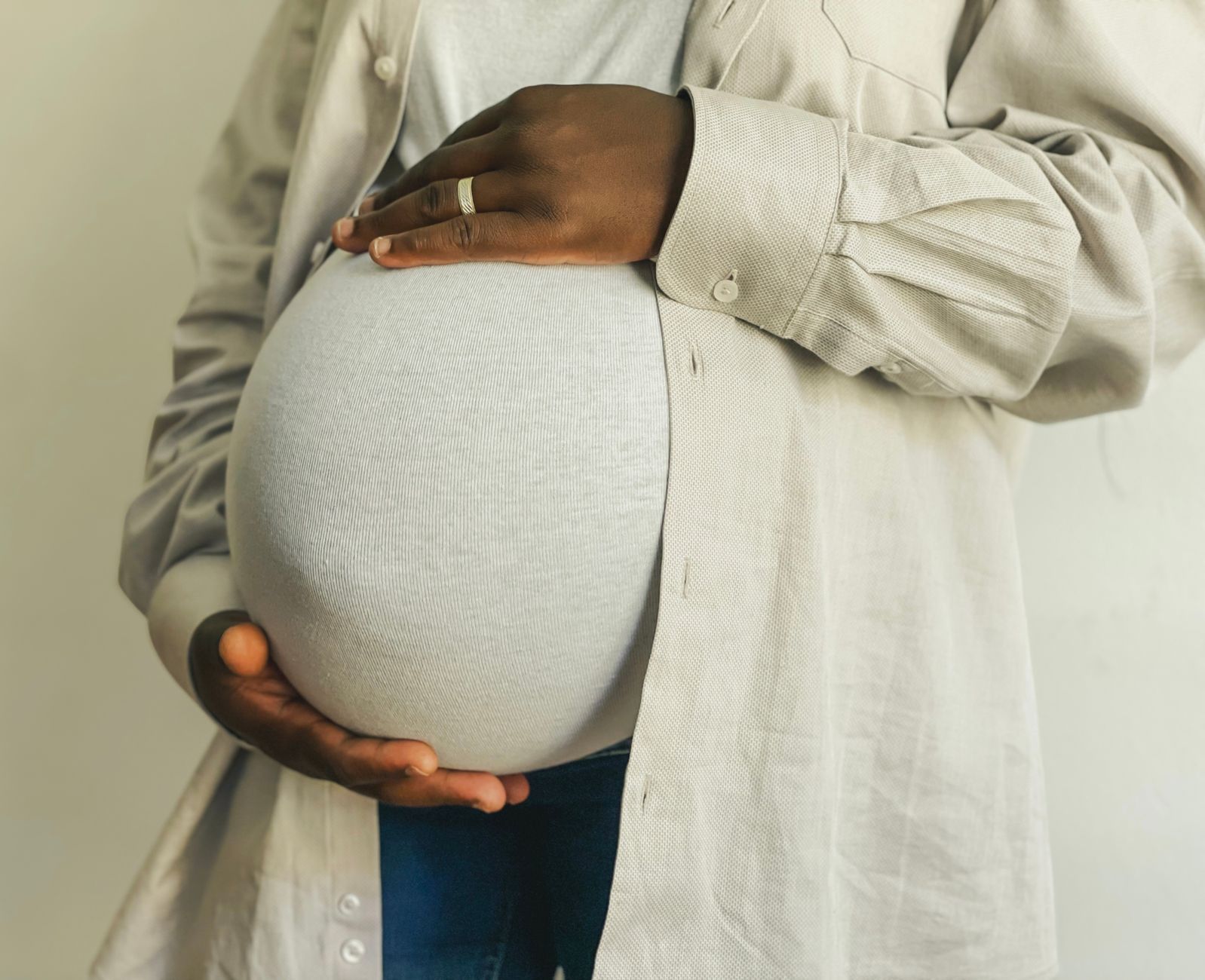
In the early weeks (weeks 1‑13), many people notice a faint ache or tingling around the navel. This is usually due to hormonal changes that soften connective tissue, making the area more sensitive to even minor stretching.
Typical first‑trimester signs include:
- Light pulling or tugging around the belly button
- Occasional mild cramping that resolves quickly
- Increased sensitivity after meals or when bending over
These symptoms are generally benign. However, because early pregnancy also carries a higher risk of ectopic pregnancy and miscarriage, it’s important to differentiate normal stretching from red‑flag signs.
Practical coping tips for first‑trimester navel discomfort include staying hydrated, avoiding tight waistbands, and using a warm compress after meals if you notice a tightening sensation. Gentle pelvic tilts performed while lying on your back can also relieve pressure without stressing the abdomen.
If the pain is accompanied by any of the following, contact your provider promptly:
- Severe abdominal pain that doesn’t improve with rest
- Vaginal bleeding or spotting
- Dizziness, fainting, or a rapid heart rate
- Fever or chills
These could indicate an ectopic pregnancy, infection, or early miscarriage, all of which require medical evaluation.
The short answer: most belly button discomfort is not a sign of miscarriage or ectopic pregnancy. Nonetheless, certain patterns of pain warrant attention.
Miscarriage‑related pain usually presents as intense cramping that feels like strong menstrual cramps, often accompanied by bleeding. An ectopic pregnancy—where the embryo implants outside the uterus—can cause sharp, unilateral lower‑abdominal pain, sometimes radiating to the shoulder, and may be accompanied by fainting or vaginal bleeding.
Because the navel is centrally located, pain from an ectopic pregnancy can occasionally be felt near the belly button, but this is rare. The Centers for Disease Control and Prevention (CDC) advises that any sudden, severe abdominal pain in early pregnancy should be evaluated promptly, regardless of its exact location.
In practice, clinicians assess the whole clinical picture—pain quality, location, associated symptoms, and vital signs—before ordering ultrasounds or labs. If you have any doubt, a brief call to your OB‑GYN’s office can provide peace of mind and guide next steps.
Nausea is a common first‑trimester symptom. When nausea is severe, it can lead to frequent vomiting, which irritates the stomach lining and may cause referred pain near the navel. If you notice that the pain spikes after a bout of vomiting, consider gentle hydration and small, frequent meals. If nausea and pain persist, discuss it with your obstetrician.
Most relief methods are simple, low‑risk, and can be done at home. Below is a comparison of common strategies.
Below are step‑by‑step instructions for three of the safest options.
Warm compress
- Heat a clean washcloth in warm water (not boiling).
- Wring out excess water and place it over the belly button for 10‑15 minutes.
- Repeat up to three times a day if needed.
- Wash your hands thoroughly.
- Apply a small amount of pregnancy‑safe moisturizer.
- Using the pad of your thumb, make slow, circular motions around the navel for 30 seconds.
- Stop if you feel any sharp pain.
Prenatal yoga stretch
- Sit on a firm cushion with knees slightly apart.
- Place both hands on either side of the belly button.
- Inhale, gently arch your lower back, and exhale as you lean forward a few centimeters, feeling a mild stretch.
- Hold for 5‑10 seconds; repeat three times.
All of these methods are endorsed by the Mayo Clinic as safe for most pregnancies. If any technique causes worsening pain, discontinue it and consult your provider.
Additional low‑risk options include using a heating pad set to low, applying a cool pack if the area feels inflamed, and practicing diaphragmatic breathing to reduce overall tension. Remember that comfort is personal—what works for one person may feel uncomfortable for another, so feel free to experiment within safe boundaries.
As the belly expands, the navel can become more prominent, and food‑related bloating can amplify the pressure around it.
After the bump grows: The skin stretches more, and the umbilical area may feel tighter. Wearing a supportive maternity belt can redistribute pressure and minimize focal discomfort.
After eating: Full stomachs push the intestines upward, increasing intra‑abdominal pressure. This can make the belly button feel sore, especially if you’ve eaten a large or gas‑producing meal.
Tips to reduce post‑meal belly‑button pain
- Eat smaller, more frequent meals instead of three large ones.
- Choose low‑FODMAP foods if you notice excessive gas (e.g., avoid beans, onions, and certain fruits).
- Stay upright for at least 30 minutes after meals to aid digestion.
- Apply a warm compress after a heavy meal if the navel feels tight.
Staying well‑hydrated and incorporating a gentle walk after meals can also help move gas through the intestines, reducing pressure on the navel. If you experience persistent bloating, discuss dietary adjustments with a registered dietitian.
Most belly button aches are harmless, but certain signs signal that professional evaluation is needed. Use the checklist below to decide.
- Sudden, sharp pain that doesn’t subside after a few minutes.
- Pain accompanied by vaginal bleeding, spotting, or fluid loss.
- Fever (temperature ≥ 100.4°F / 38°C) or chills.
- Severe abdominal cramping that feels like labor.
- Persistent nausea, vomiting, or inability to keep fluids down.
- Visible bulge or protrusion at the navel that changes size.
- Redness, swelling, or discharge from the belly button.
If any of these appear, call your OB‑GYN, midwife, or urgent care line right away. In emergency situations—especially heavy bleeding or fever—go to the nearest emergency department.
Many providers now offer telehealth appointments for non‑urgent concerns. If your pain is mild but you’re unsure, a quick video visit can give you personalized reassurance and determine whether an in‑person exam is needed.
Round ligament pain is a classic pregnancy complaint, often confused with belly button discomfort. Understanding the distinction helps you describe symptoms accurately to your provider.
Both pains are common and usually not a cause for alarm. However, if you’re unsure, describing the exact location and trigger to your clinician can help rule out rare complications. Keeping a short symptom diary—note the time, activity, and any accompanying sensations—can also be a helpful tool for your next appointment.
Yes. An umbilical hernia occurs when tissue pushes through a weak spot in the abdominal wall near the navel. Pregnancy increases intra‑abdominal pressure, which can exacerbate a pre‑existing hernia or cause a new one.
Signs of a hernia include:
- A soft bulge that becomes more noticeable when you cough, sneeze, or stand.
- Discomfort that lessens when lying down.
- Redness or warmth over the bulge (possible sign of strangulation).
If you suspect an umbilical hernia, your obstetrician will likely refer you to a general surgeon. Most hernias are managed conservatively during pregnancy, with close monitoring and a supportive belly band. Surgical repair is usually postponed until after delivery unless complications arise.
Imaging—usually an ultrasound—can confirm the diagnosis without exposing you to radiation. In rare cases where the hernia becomes incarcerated (trapped), urgent surgical evaluation may be required to prevent tissue damage.
What about belly button pain after delivery (postpartum)?
After birth, many people notice lingering navel tenderness. The reasons can include:
- Residual stretching of the skin and ligaments.
- Post‑delivery hormonal shifts that affect connective tissue.
- Scar tissue formation if you had a C‑section or episiotomy near the abdomen.
- Changes in posture while caring for a newborn.
Most postpartum belly button pain resolves within a few weeks. Gentle skin moisturizers, supportive belly wraps, and light stretching can aid recovery. If the pain persists beyond six weeks, becomes sharp, or is accompanied by a visible lump, schedule a follow‑up with your OB‑GYN or a postpartum wound clinic.
It’s also common to experience heightened skin sensitivity after breastfeeding, as hormone fluctuations continue. Using fragrance‑free, hypoallergenic moisturizers can help keep the area comfortable while the skin regains its elasticity.

Nutrition plays a subtle role in how your skin and connective tissue respond to stretching. Prenatal vitamins—particularly those containing vitamin C, zinc, and collagen‑supporting nutrients—help maintain skin elasticity and promote tissue repair.
While a prenatal vitamin won’t stop your belly button from feeling tight, adequate intake can reduce the likelihood of skin tearing and may lessen itching or irritation. If you’re already taking a prenatal supplement, ensure it includes at least 85 mg of vitamin C (the recommended daily amount for pregnant people) and a source of zinc, both of which support collagen synthesis.
Can vitamin deficiency cause navel discomfort?
Severe deficiencies, such as low vitamin C (scurvy) or zinc, can weaken skin and connective tissue, potentially amplifying stretch‑related discomfort. However, outright deficiency is rare in well‑nourished pregnant people who take a prenatal vitamin. If you notice unusually dry, cracked skin around the navel, discuss your supplement regimen with your obstetrician or a registered dietitian.
UTIs are common in pregnancy due to hormonal changes that relax the ureters and increase bladder volume. While the primary symptoms are burning during urination and frequent urges, some people experience referred pain that radiates toward the lower abdomen, occasionally reaching the belly button.
Because the nerves that supply the bladder and lower abdomen overlap, a UTI can masquerade as generalized abdominal discomfort. Distinguishing a UTI from ligament‑related pain is important, as untreated infections can lead to kidney involvement and increase the risk of preterm labor.
- Lower‑abdominal pressure or dull ache that worsens after a full bladder.
- Feeling of heaviness around the navel after drinking fluids.
- Mild fever (often less than 101°F) without other infection signs.
- Cloudy or foul‑smelling urine accompanying the abdominal sensation.
If you experience any of these urinary symptoms alongside navel discomfort, a urine dipstick test at your prenatal visit can quickly rule in or out a UTI. Prompt antibiotic treatment—chosen for safety in pregnancy—is key to preventing complications.
Choosing a supportive maternity belly band
A well‑fitting belly band can alleviate belly button pressure by providing gentle, even compression. When shopping, look for bands made from breathable, moisture‑wicking fabrics that have adjustable hook‑and‑loop closures. Avoid overly tight bands, which can restrict blood flow and worsen discomfort.
Many brands offer “bump‑friendly” designs that accommodate a growing uterus while still offering support around the navel. Some also include a built‑in pocket for a heating pad or a small pillow for added comfort during sleep.
How to wear a belly band safely
- Place the band around your lower abdomen, just below the belly button.
- Adjust the closure so the band feels snug but not constricting— you should be able to slip a finger underneath.
- Wear it for short periods (1‑2 hours) while standing or walking; remove it when lying down or sleeping.
- Check skin daily for redness or irritation; wash the band according to the manufacturer’s instructions.
If you notice tingling, numbness, or worsening pain while using a band, discontinue use and consult your provider. In some cases, a physical therapist can recommend custom‑fit support garments that target specific ligament strains.
Myth vs. fact
Myth: Belly button pain always means something is wrong with the baby.
Fact: In most cases the pain is a normal stretch or ligament issue; only a small fraction signal complications.
Myth: You should avoid all movement if you feel any navel pain.
Fact: Gentle, pregnancy‑approved stretches often relieve the discomfort and improve circulation.
Myth: A hernia will always require immediate surgery during pregnancy.
Fact: Most umbilical hernias are monitored and repaired after delivery unless they become strangulated.
Key takeaways
- Belly button pain is common and usually harmless, caused by skin stretching, ligament strain, or increased pressure.
- First‑trimester pain is often mild; severe or sudden pain with bleeding, fever, or vomiting warrants urgent medical attention.
- Safe relief methods include warm compresses, gentle massage, prenatal yoga stretches, supportive belly bands, and staying well‑hydrated.
- Distinguish belly button pain from round‑ligament pain by location, trigger, and quality of sensation.
- Umbilical hernias can cause navel pain, but most are managed conservatively until after birth.
- Postpartum navel tenderness typically fades within weeks; persistent or worsening pain should be evaluated.
- Proper nutrition, especially adequate vitamin C and zinc, supports skin elasticity and may lessen stretch‑related discomfort.
- UTIs can present with referred belly‑button pain; watch for urinary symptoms and seek prompt testing.
Frequently asked questions
Yes, most pregnant people experience some degree of navel discomfort due to stretching skin and ligament changes. It’s usually mild and can be eased with warm compresses and gentle stretches.
Only if it’s sudden, sharp, or accompanied by bleeding, fever, severe cramping, or a visible bulge. Those symptoms may indicate a hernia, infection, miscarriage, or ectopic pregnancy and require prompt evaluation.
Early hormonal shifts soften connective tissue, making the navel more sensitive to stretching. Small increases in uterine size and occasional gas can also create a pulling sensation.
Call your provider if you notice any of the following: intense or persistent pain, bleeding, fever, a growing bulge, redness or discharge from the navel, or pain that interferes with daily activities.
Try a warm compress for 10‑15 minutes, gentle belly‑button massage with moisturizer, prenatal yoga stretches, or a supportive maternity belly band. Stay hydrated and avoid tight clothing.
It can be. An umbilical hernia may present as a bulge that worsens with coughing or standing. If you notice a protruding lump at your navel, discuss it with your OB‑GYN for evaluation.
Yes. Prenatal‑approved stretches such as seated side bends, gentle cat‑cow on hands‑and‑knees, and pelvic tilts can relieve tension without stressing the abdomen.
Most low‑impact activities—like walking, swimming, or prenatal yoga—are safe and may actually reduce discomfort by improving circulation. Avoid high‑impact or deep‑twist movements that strain the ligaments. If any exercise worsens the pain, stop and talk to your provider.
Yes. Incisions near the abdomen can lead to scar tissue and altered sensation around the navel. Gentle scar massage, as recommended by your surgeon, and staying hydrated can help the tissue heal. If pain is persistent or accompanied by redness or drainage, seek medical review.
When to see a doctor / specialist
While most belly button discomfort is benign, the following red‑flag symptoms should prompt an immediate call to your healthcare provider or a trip to the emergency department:
- Sudden, sharp pain that does not improve with rest.
- Vaginal bleeding, spotting, or fluid loss.
- Fever ≥ 100.4°F (38°C) or chills.
- Severe cramping resembling labor contractions.
- Visible bulge or protrusion at the navel that changes size.
- Redness, warmth, or discharge from the belly button.
- Persistent nausea, vomiting, or inability to keep fluids down.
For these concerns, the appropriate specialist is typically your obstetrician‑gynecologist (OB‑GYN) or a maternal‑fetal medicine specialist if you have high‑risk factors. If a hernia is suspected, a referral to a **general surgeon** may be made for imaging and management.
This article is for informational purposes only and does not replace personalized medical advice. Always discuss any new or worsening symptoms with your own healthcare provider.
References
- American College of Obstetricians and Gynecologists (ACOG). “Common Discomforts in Pregnancy.” 2023.
- Mayo Clinic. “Round ligament pain during pregnancy.” Updated 2022.
- Centers for Disease Control and Prevention (CDC). “Pregnancy complications.” 2023.
- National Institute of Child Health and Human Development (NICHD). “Umbilical hernia and pregnancy.” 2021.
- Harvard T.H. Chan School of Public Health. “Nutrition during pregnancy.” 2022.
- World Health Organization (WHO). “Maternal health guidelines.” 2022.
- American Academy of Pediatrics (AAP). “Postpartum care for mothers.” 2023.
- American Academy of Dermatology (AAD). “Skin changes in pregnancy.” 2022.
- National Institute of Diabetes and Digestive and Kidney Diseases (NIDDK). “Urinary tract infections in pregnancy.” 2021.
- American Society of Plastic Surgeons (ASPS). “Umbilical hernia repair guidelines.” 2023.