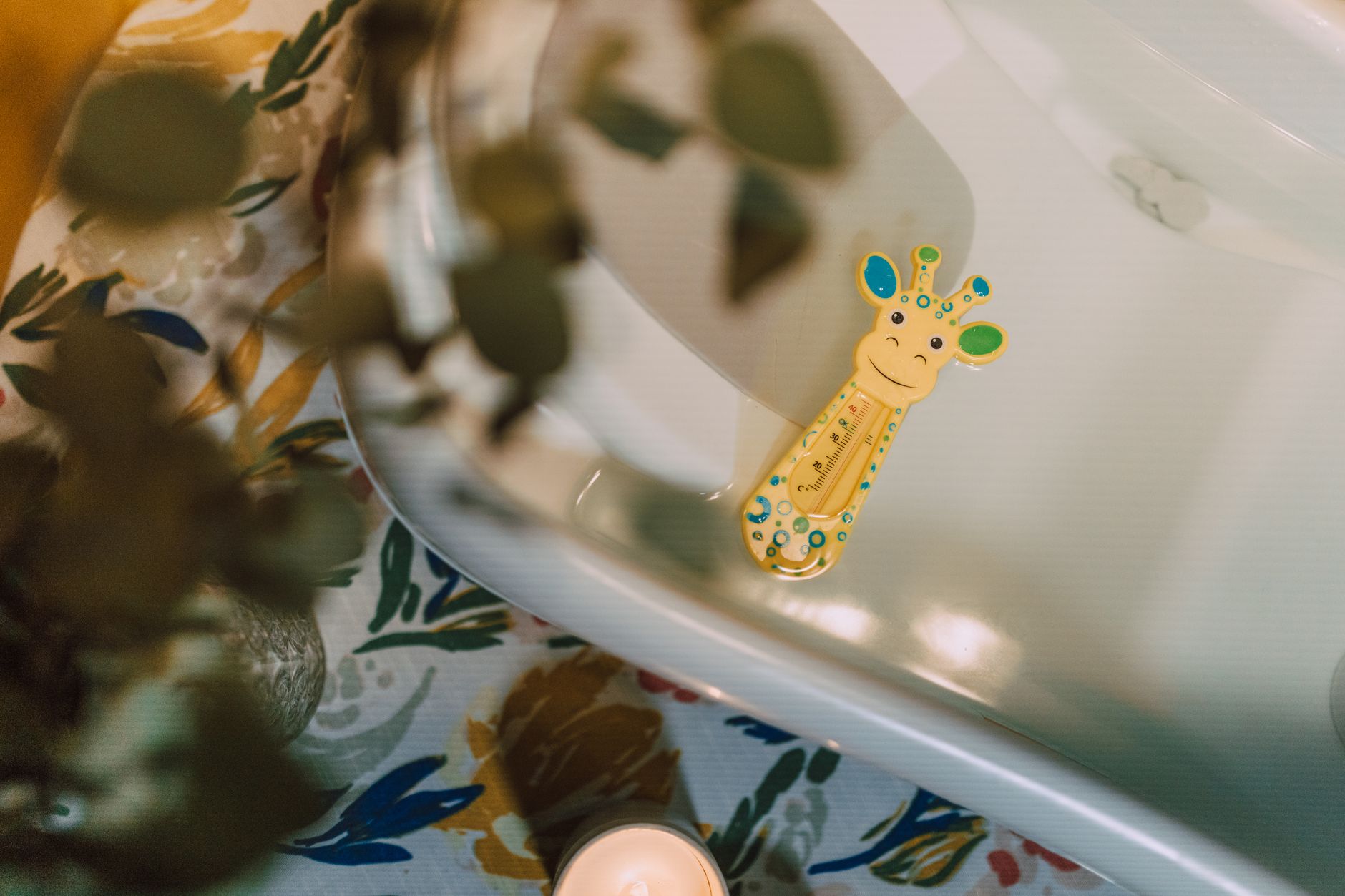
Even if you don’t have a dedicated baby bath thermometer, there are reliable “hand‑test” methods that many parents trust. The most common is the wrist test: dip the inside of your wrist or elbow into the water for a few seconds. The skin on the inner wrist is more sensitive than the palm, so it gives a quick sense of warmth. This area is thinner and more comparable to a baby's delicate skin, making it a better indicator than your hand, which is accustomed to handling warmer temperatures.
If the water feels comfortably warm—neither hot nor cool—you’re likely within the safe range. Another technique is the “elbow dip” method: place the tip of your elbow in the water for about five seconds. If you can keep it there without flinching, the temperature is usually safe. The sensation should be pleasant, not requiring you to quickly withdraw your arm. If it feels even slightly too warm, it's definitely too hot for your baby.
These tactile checks are especially handy when you’re traveling or don’t have a thermometer on hand. However, they are less precise than a digital readout, so it’s wise to double‑check with a thermometer as soon as possible. They serve as a good initial check, but for absolute certainty, a thermometer is always recommended. Always stir the water thoroughly before testing to ensure there are no hidden hot or cold pockets.
For added confidence, you can use a kitchen timer while performing the wrist test. Check the water after three minutes of running; if it feels warm, it’s often still within the 96‑100°F window, assuming the water hasn’t cooled too much. This method can help standardize your tactile check and make it more consistent.
What is the safe bath water temperature range for infants in Fahrenheit?
Beyond newborns, the safe temperature range expands slightly as a child’s skin matures. Their skin develops more protective layers, and their internal thermoregulation becomes more efficient, allowing for a slightly broader comfort zone. However, caution is still paramount, as their skin remains more sensitive than an adult's.
These numbers are guidelines, not hard rules. The key is to monitor your child’s reaction: if they turn away, squirm, or appear distressed, the water is likely out of range. A happy, relaxed baby is the best indicator that the temperature is just right. As children grow, they may also start to express preferences, like enjoying slightly warmer water for longer play. Always prioritize their comfort and safety over strict adherence to the highest end of the range.
Premature babies (<37 weeks gestation) are often advised to stay on the lower end—around 96‑98°F—because their thermoregulation is still developing. Your neonatologist will give you the exact target based on the baby’s birth weight and health status. For these vulnerable infants, even small temperature fluctuations can be impactful.
Seasonal changes can also affect perceived temperature. In winter, the water may feel colder when you first fill the tub, so you might need to add a little extra warm water to stay within the range. Conversely, in summer, a naturally warmer room might mean the water cools less quickly, or even feels warmer initially, so always re-test. Always ensure the room temperature itself is comfortable to prevent chilling once the baby is out of the water.
Can you use a regular kitchen thermometer to check baby bath temperature?
Yes. A standard digital kitchen thermometer that reads in Fahrenheit is perfectly suitable for checking bath water temperature. Just make sure the probe is clean and you avoid submerging the entire device, which could damage it. Many kitchen thermometers are designed for quick and accurate readings, making them a practical and affordable alternative to specialized baby bath thermometers.
Here’s a quick step‑by‑step:
- Turn on the thermometer and set it to “Fahrenheit.”
- Dip the probe a few inches into the water, avoiding the tub’s bottom where heat may concentrate.
- Wait for the reading to stabilize (usually a few seconds).
- Remove the probe, dry it, and store it safely.
If you’re using a glass‑tube or mercury thermometer, handle it with extreme care—breakage can be hazardous due to sharp glass and toxic mercury. Digital models are more durable, quicker, and often have a “hold” function that lets you read the temperature after you remove the probe. Before first use, or periodically, you can check the thermometer's accuracy by placing it in a glass of ice water (it should read 32°F / 0°C) or boiling water (212°F / 100°C at sea level).
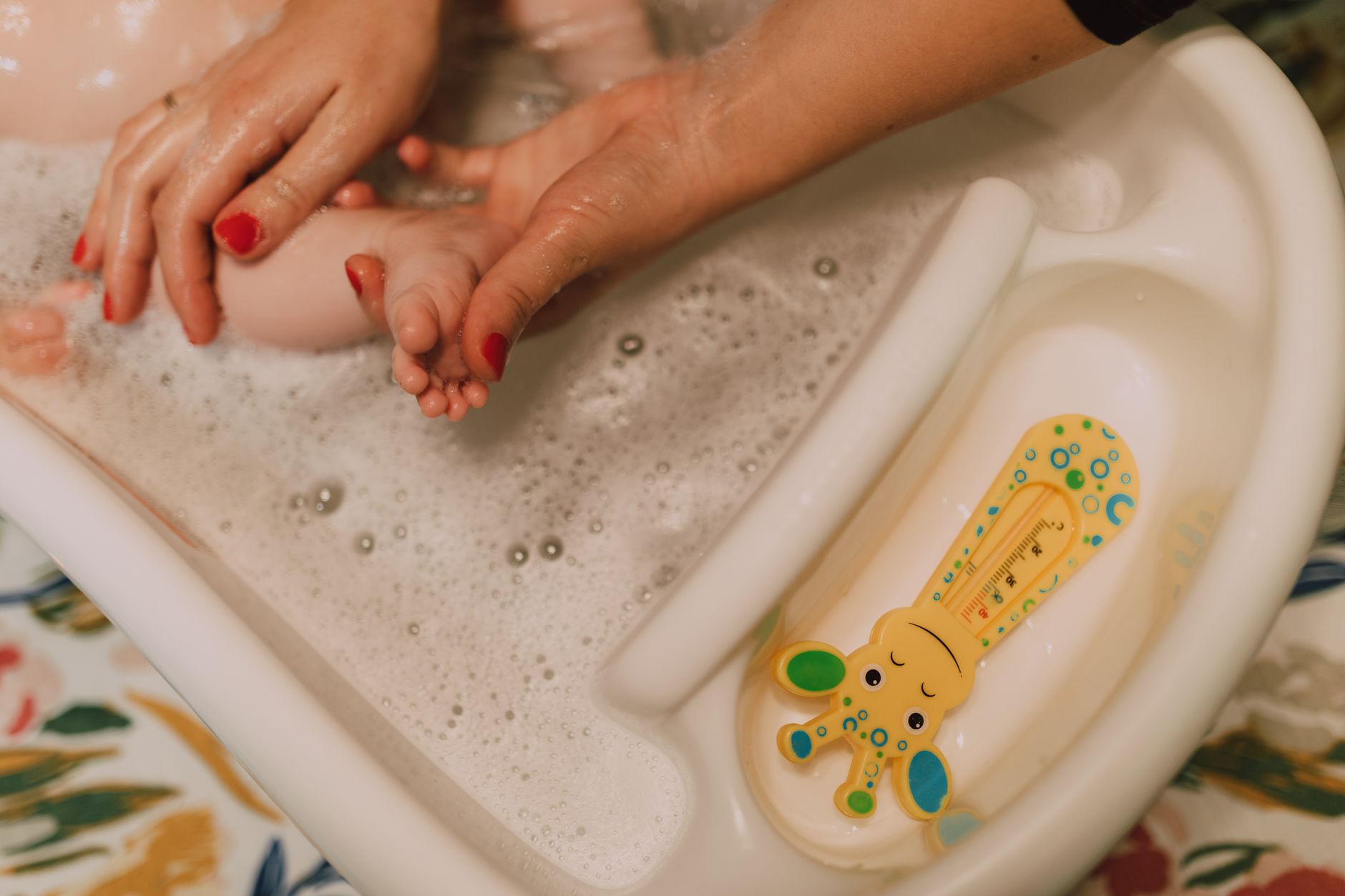
For parents who prefer a dedicated device, the best baby bath thermometer for accurate Fahrenheit readings combines a waterproof probe with an easy‑read digital display. Look for models that are FDA‑approved and have a temperature range of at least 70°F‑120°F, which covers all typical bath scenarios. Some even float in the water or have color-changing indicators, adding a fun element for older babies while still providing crucial safety information.
What are the effects of water that is too hot or too cold on a baby's skin?
Water that is too hot can cause immediate burns, ranging from mild erythema (redness) to more severe first‑degree burns. Newborn skin can blister after just a few seconds of exposure to water above 104°F (40°C). Second-degree burns, characterized by deeper blistering and pain, can occur rapidly at even slightly higher temperatures. Beyond burns, excessive heat can strip the skin’s natural oils, leading to dryness, irritation, and eczema flare‑ups, compromising the skin's delicate barrier function.
Conversely, water that is too cold can trigger a physiological stress response. Babies may shiver, become fussy, or experience a drop in core temperature—especially in the first weeks of life when thermoregulation is immature. Prolonged exposure to cold water can also increase the risk of hypothermia, a serious condition that requires medical attention. Symptoms of hypothermia include lethargy, cold and pale skin, and slow or shallow breathing. If you suspect hypothermia, remove the baby from the cold water immediately, wrap them in warm towels, and seek emergency medical care.
Some parents notice that overly warm water exacerbates existing skin conditions like cradle cap or atopic dermatitis. The skin barrier becomes more permeable, allowing irritants to penetrate more easily, which can lead to increased discomfort and inflammation. For babies with sensitive skin, maintaining the ideal temperature range is not just about safety, but also about protecting their skin health long-term.
Anecdotal reports from mothers in our community highlight that babies often turn their heads away or push against the tub when the water feels off. These non‑verbal cues are important signals that the temperature is outside the comfort zone. Always pay close attention to your baby's body language; they are communicating their discomfort even before they can speak.
How often should you adjust bath water temperature as your baby grows?
As infants develop, their skin becomes thicker and their ability to self‑regulate temperature improves. This means you can gradually raise the target temperature, but changes should be modest and based on the child’s age. The transition from a tiny newborn to a curious toddler involves significant physiological changes that influence their comfort with water temperature.
Here’s a practical timeline:
- 0‑2 months: Keep water between 96‑100°F. Check before every bath. Their skin is most delicate, and their internal thermostat is still developing.
- 3‑6 months: You may increase to 98‑101°F if the baby seems comfortable. At this stage, babies are starting to gain more weight and their skin barrier is strengthening.
- 6‑12 months: A range of 99‑102°F is usually safe. Babies are often sitting up and splashing more, and their enjoyment of the bath becomes a key factor.
- 12‑24 months (toddler): Water can be warmed to 100‑104°F, but always test before entry. Toddlers have much more mature thermoregulation, but their skin is still more sensitive than an adult's.
When moving from one age bracket to the next, add no more than 1‑2°F and observe the baby’s reaction for a few days. If they squirm or seem startled, lower the temperature back down. It's a gradual process of learning your child's unique comfort zone, always prioritizing their safety. Don't feel pressured to increase the temperature if your child is happy at a slightly lower setting.
Seasonal shifts also matter. In colder months, you might need to add a splash of warm water midway through the bath to keep the temperature from dropping below 96°F. In summer, a quick test after a few minutes can prevent the water from warming too much, especially if the room is naturally warmer. The duration of the bath also plays a role; longer baths, especially for older children who love to play, will naturally see water temperature drop more significantly over time.
To gradually cool down bath water for a toddler, add a cup of cool (room‑temperature) water every 30 seconds while gently stirring with your hand. This method avoids sudden temperature shocks that can startle the child. Similarly, if you need to warm the water, add small amounts of warmer water slowly while stirring and re-testing to prevent creating hot spots.
How does the recommended temperature differ between the US and other countries?
Guidelines are remarkably consistent across high‑income nations, but subtle differences exist. In the United States, the AAP’s 96‑100°F range is the standard. The United Kingdom’s National Health Service (NHS) suggests a similar band—37°C (≈ 99°F) for newborns, with a ±2°C tolerance. Canada’s Health Canada aligns closely with the U.S., citing 37°C ± 1°C. This global consensus underscores the critical importance of preventing burns and hypothermia in infants.
In contrast, some European countries use Celsius as the primary unit and give a broader range of 36‑38°C (96.8‑100.4°F) for infants up to six months. Australia’s Royal Children’s Hospital recommends 37°C ± 0.5°C, emphasizing that water “should feel warm, not hot.” These slight variations often reflect different cultural preferences for warmth or typical indoor heating practices, but the underlying safety principles remain the same.
The variations largely stem from different measurement preferences (Fahrenheit vs. Celsius) and cultural expectations about warmth. Regardless of location, the core principle remains: water should be warm enough to be comfortable but not hot enough to burn. When traveling internationally, it’s always wise to convert temperatures to your familiar unit and use a reliable thermometer to ensure you're within safe limits. Trusting your local health authority's guidance, if available, is also a good practice, as they will factor in regional environmental conditions.
What is the best baby bath thermometer for accurate Fahrenheit readings?
When shopping for a baby bath thermometer, look for these features:
- Water‑proof digital display: Easy to read even when splashed, often with large, clear numbers.
- Wide temperature range: At least 70°F‑120°F to cover all bath scenarios, from cooling down to initial filling.
- Fast response time: Gives a stable reading within 3‑5 seconds, so you're not waiting around.
- Safety certifications: FDA‑approved or CE‑marked, ensuring it meets recognized safety standards for baby products.
- Floating design: Many popular models float, making them easy to retrieve and read in the tub.
- Temperature alerts: Some thermometers have a color-changing display or an audible alarm if the water is too hot or cold.
Top‑rated models (as of 2026) include the ThermoWorks PocketTemp and the Safety 1st® Baby Bath Thermometer. Both provide clear Fahrenheit readouts, have a sturdy clip for tub sides, and are backed by positive parent reviews on Amazon and parenting forums. Other popular options include floating animal-shaped thermometers that make bath time more engaging for older babies while still serving their primary safety function.
While specialized baby thermometers are convenient, a standard digital kitchen thermometer—like the ThermoPop™—offers comparable accuracy at a lower price point. Just ensure you keep the probe clean and store it away from the bathroom’s humidity. When choosing, consider your budget, how often you'll be bathing your baby, and whether you prefer the convenience of a dedicated baby product or the versatility of a multi-purpose kitchen tool.
How to keep bath water temperature consistent during a bath?
Maintaining a steady temperature can be tricky when the water cools quickly or heats up from prolonged running. This is especially true for longer baths where babies love to play. A consistent temperature ensures your baby remains comfortable and safe throughout their bath time ritual.
- Pre‑fill the tub to the desired level: Fill the tub first, then test the temperature. Adding water later can create hot or cold spots. This allows the water to mix thoroughly and for you to get an accurate reading before your baby enters.
- Use a temperature‑controlled bathtub: Some modern baby tubs have built‑in thermostatic controls that keep water within a set range. These can be a significant investment but offer peace of mind by actively regulating the water.
- Stir gently with your hand: A slow swirl distributes heat evenly, preventing hot pockets near the faucet or cooler spots on the surface. Do this before and periodically during the bath.
- Cover the tub when not in use: A simple silicone lid or even a large towel can retain warmth for the next bath if you're preparing in advance, or help slow cooling during the bath itself.
- Check the temperature every few minutes: Re‑dip your wrist or thermometer, especially if the bath lasts more than 10 minutes. Water can cool surprisingly quickly, particularly in colder rooms.
- Control the room temperature: A warm bathroom (ideally 75-78°F or 24-26°C) will help prevent the bath water from cooling too rapidly and keep your baby from getting chilled once they are out of the water.
- Warm towels nearby: Having a warm towel ready immediately after the bath helps to lock in body heat and prevent shivering, contributing to the overall comfort experience.
For parents who love gadgets, the H2O Smart Bath (available on major retailers) syncs with a smartphone app and alerts you when the temperature drifts outside the preset range. While not essential, such tools provide peace of mind for first‑time parents. Remember, constant supervision is the most important safety measure during bath time, regardless of how advanced your equipment is.
Faucet safety and preventing scalding burns
While the bath water temperature is crucial, protecting your baby from direct contact with hot tap water is equally important. Scalding from a faucet can cause severe burns much faster than hot bath water itself. Even a brief touch can result in a serious injury due to the high temperature of water directly from the hot tap.
To prevent these types of burns, consider installing anti-scald devices. Thermostatic mixing valves can be installed directly onto your water heater or individual faucets, limiting the maximum temperature of the hot water that comes out. The U.S. Consumer Product Safety Commission (CPSC) recommends setting your water heater thermostat to no higher than 120°F (49°C) to prevent scalding injuries throughout your home. This simple adjustment can significantly reduce the risk for everyone, especially children and the elderly.
When filling the tub, always run cold water first, then gradually add hot water until the desired temperature is reached. When turning off the water, turn off the hot tap first, then the cold. This ensures that only cold water is left in the faucet spout, preventing any residual hot water from causing a burn if your baby accidentally touches it. Never leave your baby unattended, even for a second, while the water is running or while they are in the tub, as they can quickly reach for the faucet.
Considering room temperature and bath duration
The environment surrounding the bath can significantly impact your baby's comfort and safety. A perfectly warmed bath can quickly become uncomfortable if the room itself is too cold, leading to chills or a rapid drop in your baby's body temperature. Aim for a comfortable room temperature, typically between 75°F and 78°F (24°C and 26°C), before you even start filling the tub. This ensures a gentle transition for your baby from the warm water to the air.
Before bath time, take a few minutes to prepare the bathroom. Close any windows or doors to eliminate drafts, and if necessary, use a small space heater to warm the room (placed safely away from water and your baby). Have warm, soft towels and a fresh change of clothes ready and within arm's reach. This preparation minimizes the time your baby is exposed to cooler air and helps maintain their core body temperature, making the entire experience more pleasant and less stressful for both of you.
Regarding bath duration, for newborns, baths should be kept short—around 5 to 10 minutes. Their delicate skin can dry out with prolonged exposure to water, and they can lose body heat quickly. As babies grow into toddlers, bath time can be extended to 15-20 minutes, especially if they enjoy splashing and playing. However, always monitor the water temperature throughout, as it will naturally cool over time. If your baby starts to shiver, looks pale, or becomes unusually fussy, it's a sign that they might be getting cold, and it's time to end the bath.
Creating a soothing and safe bath routine
Bath time can be more than just a hygiene task; it's a wonderful opportunity for bonding, sensory exploration, and relaxation for your baby. Establishing a consistent and soothing routine can help your baby anticipate and enjoy the experience, making it a cherished part of your day. The key is to approach it calmly and with all necessary preparations in place.
Begin by gathering all your supplies: a soft washcloth, gentle baby soap or cleanser (tear-free and fragrance-free are best for sensitive skin), clean towels, a fresh diaper, and clothes. Having everything within reach means you'll never have to leave your baby unattended. Once the water is at the ideal temperature and the room is warm, gently lower your baby into the tub, supporting their head and neck. Talk or sing softly to them, maintaining eye contact to reassure them. Focus on gentle, deliberate movements, avoiding any sudden splashes that might startle them.
After the bath, wrap your baby immediately in a warm, dry towel, gently patting their skin dry rather than rubbing. Apply a mild, hypoallergenic moisturizer to lock in hydration, especially if your baby has dry or sensitive skin. Dress them quickly in comfortable clothes. This post-bath routine helps maintain their body temperature and can be a calming transition to bedtime, if bath time is part of your evening ritual. Remember, the most important rule of bath time is to never, ever leave your baby unattended, even for a second. Safety first ensures a truly soothing and happy experience.
Myth vs. fact
Myth: You can judge water temperature by how it feels to your hand alone.
Fact: Your skin is less sensitive than a baby’s, so a “warm” hand test can still be too hot for an infant. Always use a thermometer or the inner‑wrist test for accuracy, as the skin on your palm is much tougher and less sensitive to heat.
Myth: Water temperature doesn’t need to be checked after the first few seconds.
Fact: The water can cool quickly, especially in cooler rooms or if the bath lasts longer than 5-10 minutes. Re‑checking every 3‑5 minutes ensures the temperature stays within the safe range and your baby remains comfortable.
Myth: Premature babies need the same temperature as full‑term infants.
Fact: Premature infants often require a slightly lower maximum—around 96‑98°F—because their thermoregulation is immature, and their skin is even more delicate and prone to heat loss or burns.
Myth: Boiling water and letting it cool is a safe way to prepare bath water for a newborn.
Fact: While some traditional practices involve boiled water, it's unnecessary and can be dangerous due to the risk of accidental burns while handling. Safe tap water at the correct temperature is perfectly fine for baby baths, provided it's tested with a thermometer.
Key takeaways
- Safe bath water temperature for baby fahrenheit is 96‑100°F for newborns; the range widens slightly as the child grows.
- Use a digital thermometer or the inner‑wrist/elbow test to verify temperature before each bath.
- A regular digital kitchen thermometer works fine; just keep it clean and set to Fahrenheit.
- Water that’s too hot can burn; water that’s too cold can cause chills or hypothermia.
- Adjust the temperature gradually as your baby ages and watch for seasonal changes and bath duration.
- Consider a temperature‑controlled tub or a reliable baby bath thermometer for peace of mind.
- Always prioritize faucet safety by setting your water heater to 120°F (49°C) and running cold water first.
- Ensure the bathroom is warm (75-78°F / 24-26°C) and all supplies are ready before starting the bath.
Frequently asked questions
What temperature is safe for a baby’s bath?
For newborns, aim for 96‑100°F (35.5‑37.8°C). As babies get older, you can increase the upper limit to about 104°F (40°C) for toddlers, but always test before each bath and observe your child's comfort level. The goal is comfortably warm, not hot.
How can I tell if bath water is too hot for my baby?
Feel the water on the inside of your wrist or elbow. If it feels hot enough to make you pull away quickly, it’s likely too hot for your baby. A digital thermometer reading above 104°F (40°C) is a clear red flag and means the water must be cooled immediately.
Is 100°F water safe for a newborn?
Yes. 100°F (37.8°C) sits at the top of the recommended range for newborns and is generally comfortable. Just double‑check with a thermometer and watch for any signs of distress, ensuring your baby is relaxed and happy in the water.
Can a baby get burned in a bath even if the water feels warm?
Absolutely. Adult skin can tolerate higher temperatures than a baby’s delicate skin. Water that feels “warm” to you can still be above 102°F (38.9°C), which may cause a burn in a newborn. Always use a thermometer or the inner-wrist test for accurate assessment.
Do I need a thermometer to check bath water temperature?
While you can use the wrist test, a thermometer provides the most accurate reading and reduces guesswork, offering greater peace of mind. A cheap digital kitchen thermometer works perfectly for this purpose and is a worthwhile safety investment.
How often should I change the bath water temperature for a baby?
Check the temperature at the start of each bath, then re‑test every 3‑5 minutes if the bath lasts longer than 10 minutes. Adjust as needed, especially in colder rooms, to maintain a consistent and comfortable temperature for your baby.
What should I do if my baby seems uncomfortable during a bath?
Immediately remove the baby, dry them gently, and check the water temperature. If the water was too hot or cold, adjust accordingly. If the baby continues to cry or shows signs of a burn or hypothermia, contact your pediatrician right away.
What is the ideal room temperature for a baby bath?
The ideal room temperature for a baby bath is between 75°F and 78°F (24°C and 26°C). A warm room helps prevent your baby from getting chilled when they are out of the water, making the transition from the tub much more comfortable.
How long should a baby bath last?
For newborns, keep baths short, around 5 to 10 minutes, to prevent skin dryness and heat loss. As babies get older and enjoy splashing, you can extend bath time to 15-20 minutes, but always monitor the water temperature and your baby's comfort.
When to see a doctor
If your baby shows any of the following after a bath, call your pediatrician right away:
- Red, blistering, or peeling skin that looks like a burn.
- Persistent shivering, lethargy, or a low body temperature (below 97°F / 36.1°C).
- Unexplained fussiness that lasts more than 30 minutes after the bath.
- Signs of an allergic reaction, such as hives or swelling, possibly from bath products.
- Any signs of distress, difficulty breathing, or unusual behavior that concerns you.
These symptoms may indicate a thermal injury, hypothermia, or an underlying skin condition that needs professional evaluation. This article is for informational purposes only and does not replace personalized medical advice from your healthcare provider.
References
- American Academy of Pediatrics. “Safe Water Temperatures for Infant Baths.” AAP Clinical Report, 2022.
- National Health Service (UK). “Bathing your baby – safe temperature guidelines.” NHS, 2023.
- Centers for Disease Control and Prevention. “Preventing Burn Injuries in Children.” CDC, 2021.
- World Health Organization. “Thermal safety for infants and young children.” WHO, 2020.
- Harvard T.H. Chan School of Public Health. “Infant skin care and temperature regulation.” Harvard Health Publishing, 2024.
- ThermoWorks. “PocketTemp Digital Thermometer – Product specifications.” ThermoWorks, 2025.
- Safety 1st®. “Baby Bath Thermometer – User Manual.” Safety 1st, 2024.
- American College of Obstetricians and Gynecologists. "Newborn Care." ACOG, 2023.
- U.S. Consumer Product Safety Commission. "Scald Prevention." CPSC, 2022.