Quick take: For most infants with eczema, a lukewarm bath 2–3 times a week is enough, but you can bathe daily if you keep the water short, use gentle cleansers, and lock in moisture right after. ✅ If your baby’s skin looks redder or more irritated after a bath, trim the frequency, lower the temperature, or skip the bath altogether and talk to your pediatrician.
Seeing your newborn’s skin turn pink, flaky, or itchy can feel like an endless loop of worry. You might wonder whether that nightly splash is helping or hurting. The good news is that bathing—when done thoughtfully—can actually soothe eczema and improve the skin’s barrier. This guide walks you through the evidence‑based “bath frequency for baby with eczema,” covering everything from how often to soak, to the perfect water temperature, the safest cleansers, and the best moisturizers to seal in hydration. We’ll also unpack common myths, give you a quick‑reference table of treatment options, and tell you exactly when to call a specialist.
Whether you’re a first‑time parent, a caregiver, or a seasoned mom looking for an updated 2024 guideline, the answers below are grounded in recommendations from the American Academy of Dermatology (AAD), the National Eczema Association (NEA), and pediatric dermatology experts. Let’s dive in, one gentle splash at a time.
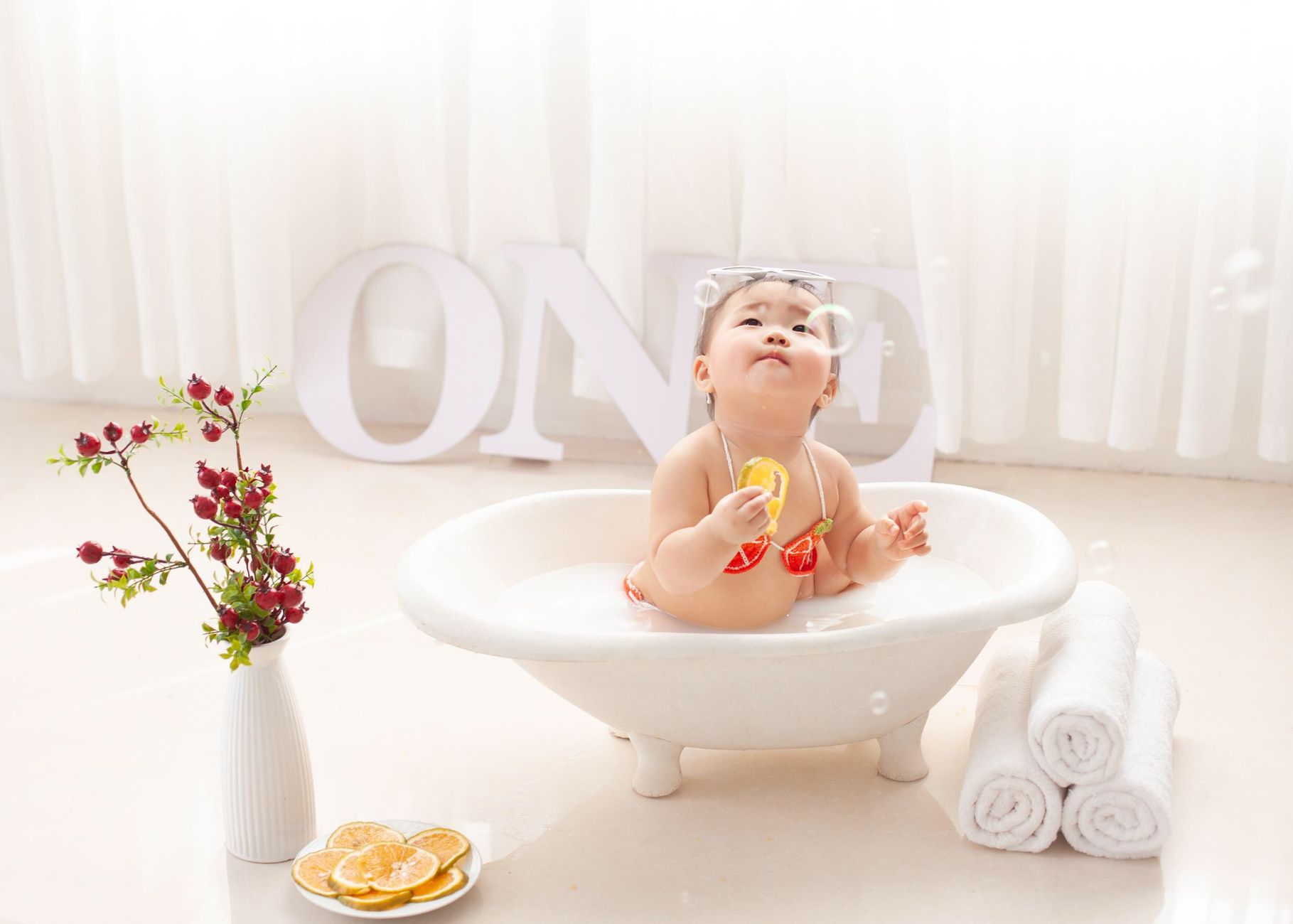
How often should I bathe my baby with eczema?
Bath frequency is a balancing act. Too few baths can let sweat, dirt, and irritants sit on the skin, while too many can strip away the natural oils that protect a fragile barrier. The National Eczema Association’s 2024 guidelines suggest that most infants with mild‑to‑moderate eczema benefit from bathing 2–3 times per week. For babies with more severe flare‑ups, a short daily bath—no longer than 5 minutes—can be soothing, provided you follow the rest of the routine carefully.
Here’s a quick decision tree:
- Mild eczema (occasional dry patches): Bath every 2–3 days.
- Moderate eczema (frequent itching, weeping lesions): Bath 4–5 times per week, or daily if the skin tolerates it.
- Severe eczema (extensive redness, crusting, or infection): Daily short baths are often recommended, but always under pediatric guidance.
Remember, the goal isn’t to keep the baby “clean” in the traditional sense; it’s to hydrate, calm inflammation, and remove potential irritants. If you notice increased redness or weeping after a bath, scale back the frequency or shorten the soak.
What does “eczema baby bath frequency guidelines 2024” actually recommend?
The 2024 update from the AAD and NEA emphasizes three core principles: water temperature, duration, and immediate moisturization. The guidelines state that a lukewarm bath (around 92–100°F / 33–38°C) taken for no longer than 5–10 minutes, followed by a moisturizer applied within three minutes, is the safest approach. Frequency should be individualized based on the baby’s skin response, not a one‑size‑fits‑all schedule.
Tips for preventing eczema flare‑ups during bathing
• Keep the bathroom warm to avoid a sudden temperature drop after the bath.
• Use a soft cotton washcloth—no scrubbing.
• Pat the skin dry gently (more on drying below).
• Apply a fragrance‑free, barrier‑repair ointment immediately.
These small adjustments can make a big difference, especially on days when the skin feels extra sensitive. Even a modest change in water temperature or drying technique can turn a routine bath from a trigger into a soothing ritual.
Best bath routine for infants with eczema flare‑ups
When a flare‑up hits, the bath becomes a therapeutic ritual rather than a routine chore. A “best” routine follows a simple four‑step sequence: prep, soak, cleanse, and moisturize.
- Prep the space: Fill the tub with lukewarm water (92–100°F). Add a splash of colloidal oatmeal or a diluted bleach solution (if prescribed) to the water.
- Soak briefly: Place the baby in the tub for 5 minutes max. This limits exposure to water that can leach lipids from the skin.
- Cleanse gently: Use a fragrance‑free, non‑soap cleanser (see next section). Avoid rubbing or vigorous scrubbing.
- Moisturize within three minutes: Pat dry and slather a thick ointment—petrolatum or a ceramide‑rich cream—while the skin is still damp.
This routine works for both flare‑ups and maintenance days. The key is consistency: the same steps, same temperature, same moisturizers.
How to choose baby bath products for eczema‑prone skin
Look for products that meet these criteria:
- Fragrance‑free: Scents often contain allergens.
- Sulfate‑free: Sodium lauryl sulfate can be harsh.
- pH‑balanced (around 5.5–6.5): Mirrors the natural acidity of healthy skin.
- Contains barrier‑supporting ingredients: Ceramides, hyaluronic acid, or oat extracts.
Brands such as Cetaphil Baby, Aveeno Baby, and Eucerin Baby are frequently recommended by pediatric dermatologists. Always patch‑test a new product on a small skin area before full use.
When choosing a cleanser, also consider the baby’s age. Newborns have an especially delicate stratum corneum, so a “syndet” cleanser (synthetic detergent) that mimics the skin’s natural surfactants is often the safest bet. The American Academy of Pediatrics (AAP) echoes this advice in its 2023 skin‑care guidance for infants.
What temperature is safe for a baby with eczema bath?
Water that’s too hot can trigger a flare by increasing skin inflammation and stripping natural oils. The safest range is 92–100°F (33–38°C), which feels warm to the touch but not scalding. A quick tip: test the water with the inside of your wrist or elbow—if it feels comfortably warm, it’s likely within the safe range.
Effects of hard water on infant eczema during baths
Hard water contains high levels of calcium and magnesium, which can leave a mineral residue on the skin, worsening dryness and irritation. A study by the American Academy of Dermatology found that using a water softener or adding a gentle, pediatric‑approved cleanser can reduce eczema severity by up to 30% in hard‑water regions.
If you suspect hard water, consider installing a shower filter or using a diluted vinegar rinse (1 tsp white vinegar per gallon of bath water) after the bath to neutralize mineral buildup. Always rinse thoroughly afterward.
In the United Kingdom, the NHS advises families living in hard‑water areas to use a mild, fragrance‑free cleanser and to finish each bath with a brief “soft‑water rinse” of distilled water when possible. This simple step can keep the skin’s barrier from becoming overly dry.
Can daily baths worsen eczema in newborns?
Daily baths are not inherently harmful, but they can exacerbate eczema if the routine is too long, too hot, or uses irritating cleansers. Newborns have a thinner stratum corneum, making them more vulnerable to moisture loss. The AAD advises that if you choose daily baths, keep them under 5 minutes, use lukewarm water, and apply a thick moisturizer immediately afterward.
When to skip a bath for a baby with eczema
Skip a bath if any of the following occur:
- Skin is oozing or weeping—water can spread infection.
- There’s a confirmed bacterial or viral infection—wet skin can worsen spread.
- Severe dryness after a previous bath—your baby’s skin may need a “dry day” to recover.
On “skip” days, focus on sponge‑wiping with a warm, damp washcloth and re‑apply moisturizer.
Skipping a bath doesn’t mean neglecting skin hygiene. A gentle sponge‑wipe with a soft cloth can remove sweat and debris while keeping the barrier intact.
Should I use soap or cleanser for a baby with eczema during baths?
Traditional soaps are typically alkaline and can strip the skin’s natural barrier. For eczema‑prone infants, a gentle, fragrance‑free cleanser is the safer choice. Look for products labeled “syndet” (synthetic detergent) or “non‑soap cleanser.” These are formulated to cleanse without disrupting the skin’s pH.
Choosing the right cleanser
Key ingredients to look for:
- Colloidal oatmeal: Soothes itching.
- Glycerin: Draws moisture into the skin.
- Panthenol (vitamin B5): Supports barrier repair.
Avoid cleansers with:
- Fragrances, dyes, or essential oils.
- Harsh surfactants like sodium lauryl sulfate.
- Alcohol‑based formulas.
The FDA’s 2022 guidance on infant skin‑care products emphasizes that “ingredients known to cause irritation, such as fragrance and certain preservatives, should be avoided in products intended for babies with atopic dermatitis.” This reinforces the need for truly “fragrance‑free” labeling.
How long should a baby with eczema stay in the bath?
Time is the hidden variable that can turn a therapeutic soak into a barrier‑breaking exposure. Aim for 5–10 minutes maximum. Longer baths increase the risk of transepidermal water loss (TEWL), which can leave the skin drier after drying. If you’re using a bath additive like colloidal oatmeal, the soak can be slightly longer (up to 15 minutes) because the oats provide a protective film.
Practical tip for timing
Set a gentle timer on your phone or use a kitchen timer. When the alarm sounds, gently lift the baby out and begin the drying process immediately.
Keeping the bath short also helps maintain a calm environment. Babies can become overstimulated by prolonged water exposure, which may increase itching and lead to more scratching later.
What after‑bath moisturizers work best for infant eczema?
Moisturizing within three minutes of exiting the tub locks in water and reinforces the skin barrier. The most effective options are ointments and thick creams that contain ceramides, hyaluronic acid, or petrolatum.
Whichever you choose, the rule of thumb is “the thicker, the better” for eczema. Ointments seal in moisture better than lotions.
How to dry a baby with eczema after a bath
Pat—not rub. Use a soft, 100% cotton towel and dab the skin until it’s just moist. Avoid vigorous wiping, which can cause micro‑tears. Some parents find that a “pat‑dry and then apply moisturizer” routine reduces friction and prevents new irritation.
Patting also helps keep the skin’s natural lipids intact, which is especially important after a warm soak that may have already softened the barrier.
Is it okay to use oatmeal bath for baby eczema?
Colloidal oatmeal baths are a time‑tested, dermatologist‑endorsed remedy for soothing itchy skin. The AAD notes that an oatmeal soak can reduce itching and improve barrier function, especially during flare‑ups. To prepare, add 1–2 cups of finely ground colloidal oatmeal to a lukewarm bath (about 2 L of water). Let it dissolve fully before placing your baby in the tub.
Safety considerations for oatmeal baths
• Ensure the oatmeal is finely milled; coarse particles can irritate the eyes.
• Limit the soak to 10–15 minutes.
• Rinse lightly with clean water if your baby’s skin feels sticky.
• Oatmeal baths are safe for newborns, but always consult your pediatrician if there’s a known allergy to oats.
Because oatmeal is a natural source of beta‑glucan, it can also help reinforce the skin’s barrier while calming inflammation, making it a gentle adjunct to your daily routine.
Eczema baby bath frequency guidelines 2024 (symptoms checklist, treatment options, and natural remedies)
Bringing everything together, here’s a concise reference for the modern parent.
Symptoms checklist for infant eczema
- Red, inflamed patches that may be dry or weepy.
- Intense itching—often noticeable when the baby rubs their face or limbs.
- Scaly or crusty skin, especially on cheeks, scalp, and flexural areas.
- Thickened (lichenified) skin after repeated scratching.
- Signs of infection: yellow crust, pus, or sudden worsening of redness.
Treatment options comparison
Natural remedies with evidence
- Colloidal oatmeal: Multiple studies, including a 2022 review in the Journal of Dermatological Treatment, show reduced pruritus scores.
- Sunflower seed oil: A 2021 RCT found that daily application improved TEWL and reduced flare frequency.
- Probiotic‑rich foods (for older infants): Emerging evidence suggests gut‑skin axis benefits, but always discuss with a pediatrician before introducing.
Hard water mitigation tips
• Install a whole‑house water softener or a point‑of‑use filter.
• Add a cup of white vinegar to the bath water to bind minerals.
• Rinse the baby with a final “clean” bath of distilled water if hard water is unavoidable.
When to see a specialist
If your baby shows any of the following, schedule an appointment with a pediatric dermatologist:
- Persistent swelling, crusting, or oozing despite proper bathing and moisturization.
- Signs of infection (pus, foul odor, fever).
- Severe itching that disrupts sleep or feeding.
- Unclear diagnosis—if you’re unsure whether it’s eczema or another condition.
Early specialist involvement can prevent chronic skin changes and guide you on prescription‑strength treatments.
Bath additives for eczema: safe options and how to use them
Beyond plain water, a few additives can enhance the soothing power of a bath without compromising the skin barrier. The key is to choose products that are **hypoallergenic, fragrance‑free, and backed by pediatric research**.
- Colloidal oatmeal: As discussed earlier, 1–2 cups per full tub creates a milky soak that reduces itching. Use it on flare‑up days and rinse lightly if the skin feels sticky.
- Chamomile tea: A mild, anti‑inflammatory herb. Brew a strong tea, strain, and add ¼ cup to the bath. Chamomile is generally safe for infants, but watch for rare allergic reactions.
- Diluted bleach (sodium hypochlorite): For recurrent Staphylococcus aureus colonization, a 0.005% solution (1 tsp bleach in 1 gal water) can be used once a week. Follow the AAP’s 2023 guidance on bleach baths for infants.
- Gentle oil emulsions: A few drops of pure sunflower seed oil mixed into the water can help reduce TEWL, especially in hard‑water areas. Ensure the oil is 100 % pure and free of added fragrances.
Always add additives **after** the water reaches the correct temperature, and stir gently to avoid bubbles that could irritate the eyes. After the soak, a quick “rinse‑and‑pat‑dry” helps remove any residue that might otherwise sit on the skin.
Traveling with an eczema‑prone baby: bath and skin‑care on the go
Family trips often mean hotel bathrooms, unfamiliar water, and limited product options. Planning ahead can keep your baby’s skin happy even when you’re away from home.
- Pack a travel‑size cleanser: A 100 ml “syndet” cleanser that meets the same fragrance‑free criteria as your home brand.
- Bring a portable water‑softening filter: Small, pump‑action filters fit most hotel showerheads and reduce mineral load.
- Use a “dry‑day” strategy: If the hotel’s water feels too hot or hard, skip the bath and opt for a sponge‑wipe with warm, distilled water.
- Maintain the moisturizer routine: Keep a small jar of petrolatum or a pre‑measured tube of ceramide cream in your diaper bag so you can apply it within three minutes of any bath.
Travel can also be stressful for babies, and stress can exacerbate eczema. A brief, calming massage with a fragrance‑free oil after the bath can lower cortisol levels and improve sleep, as noted by the National Institute of Child Health and Human Development (NICHD) in its 2022 guide on infant soothing techniques.
Understanding water hardness and pH: what matters for eczema
Two water characteristics most affect eczema‑prone skin: **hardness** (mineral content) and **pH** (acidity). Hard water, rich in calcium and magnesium, leaves a film that can trap irritants and dry the skin. Alkaline water (pH > 7) can disturb the skin’s natural acid mantle, which typically sits around pH 5.5.
Testing your home water is easy—simply use a strip kit from a hardware store. If the hardness exceeds 150 ppm, consider a softener. For pH, a range of 6.5–7.5 is generally safe; if it’s higher, a mild vinegar rinse (1 tsp per gallon) can bring it down. The NHS recommends these adjustments for families dealing with atopic dermatitis, noting that “even modest changes in water quality can translate into fewer flare‑ups.”
By paying attention to these invisible factors, you can create a bathing environment that supports the skin’s barrier rather than undermining it.
Myth vs. fact
Myth: “The more you bathe, the cleaner the skin, so eczema will improve.”
Fact: Over‑bathing can strip natural oils, worsening eczema. The key is short, lukewarm baths with immediate moisturization.
Myth: “Soap always cleanses better than a cleanser.”
Fact: Traditional soaps are alkaline and can irritate eczema‑prone skin. Fragrance‑free, pH‑balanced cleansers are gentler and just as effective.
Myth: “Oatmeal baths are only for older children.”
Fact: Colloidal oatmeal is safe for newborns and can relieve itching during flare‑ups, as long as the water is not too hot and the soak is brief.
Key takeaways
- Bath 2–3 times a week is ideal for mild eczema; short daily baths work for moderate‑to‑severe cases.
- Use lukewarm water (92–100°F) and keep the soak under 10 minutes.
- Choose fragrance‑free, sulfate‑free cleansers or gentle syndet cleansers.
- Pat‑dry gently and apply a thick ointment within three minutes.
- Colloidal oatmeal, sunflower seed oil, and proper water softening are evidence‑based natural aids.
- If skin worsens after a bath, reduce frequency, temperature, or skip the bath and seek pediatric advice.
- When traveling, bring travel‑size products and consider a portable water filter to maintain skin‑care consistency.
- Testing water hardness and pH can prevent hidden irritants that trigger flare‑ups.
Frequently asked questions
How many baths per week are safe for a baby with eczema?
Most experts recommend 2–3 baths per week for mild eczema. For moderate or severe cases, daily short baths (5 minutes) are acceptable if followed by immediate moisturization. Always watch for increased redness or irritation as a signal to adjust frequency.
What water temperature is recommended for an eczema‑prone infant?
Lukewarm water between 92–100°F (33–38°C) is safest. Test the temperature on the inside of your wrist; it should feel warm, not hot. Avoid hot water, which can aggravate inflammation and dry out the skin.
Should I use fragrance‑free soap for my baby's eczema bath?
Rather than traditional soap, opt for a fragrance‑free, sulfate‑free cleanser (often labeled “syndet”). These maintain the skin’s natural pH and reduce the risk of irritation. If you do use soap, ensure it’s specifically formulated for sensitive, eczema‑prone skin.
Can a bath make my baby's eczema worse?
Yes, if the bath is too hot, too long, or uses harsh cleansers. Over‑bathing can strip natural oils, leading to increased dryness and flare‑ups. Follow the guidelines for temperature, duration, and post‑bath moisturizing to minimize risk.
What is the best way to moisturize after bathing a baby with eczema?
Apply a thick, fragrance‑free ointment or cream within three minutes of exiting the tub while the skin is still slightly damp. Petrolatum, ceramide‑rich creams, or oatmeal‑based lotions are all effective. Pat gently—don’t rub.
Is an oatmeal bath safe for newborns with eczema?
Yes. Colloidal oatmeal baths are gentle and can soothe itching. Use 1–2 cups of finely ground oatmeal in lukewarm water, limit the soak to 10–15 minutes, and rinse lightly if the skin feels sticky. Consult your pediatrician if your baby has a known oat allergy.
When should I call my pediatrician about my baby's eczema?
Reach out if you notice signs of infection (pus, yellow crust, fever), severe itching disrupting sleep or feeding, or if the rash spreads despite proper bathing and moisturization. A specialist can prescribe prescription‑strength treatments and rule out other conditions.
How do I know if my home water is contributing to my baby’s eczema?
If your baby’s skin feels unusually dry after baths, or flare‑ups seem to worsen in certain seasons, test the water hardness and pH. Hard water (>150 ppm) or alkaline water (pH > 7) can irritate the skin. Adding a water softener or a mild vinegar rinse can often improve symptoms.
Can I use a regular baby shampoo on eczema‑prone skin?
Most baby shampoos are formulated to be mild, but many still contain surfactants that can disturb the skin’s pH. Look for a “fragrance‑free, sulfate‑free” label, or stick with a dedicated eczema‑safe cleanser for the body and use the shampoo only on the scalp if needed.
When to see a doctor / specialist
If any of the following red‑flag symptoms appear, schedule an appointment promptly:
- Rapidly spreading redness or swelling.
- Weeping, oozing, or crusted lesions.
- Fever, chills, or overall malaise.
- Persistent itching that interferes with feeding or sleep.
- Signs of secondary infection (pus, foul odor).
For these concerns, a pediatric dermatologist or your child’s primary care provider can assess the severity, order appropriate tests, and tailor a treatment plan that may include prescription topical steroids, calcineurin inhibitors, or bleach baths. Remember, this article is for information only and does not replace personalized medical advice.
References
- American Academy of Dermatology. “Management of Atopic Dermatitis in Infants.” 2024 clinical guidance.
- National Eczema Association. “Eczema Care Guidelines for Babies.” Updated 2024.
- American Academy of Pediatrics. “Skin Care for Infants with Atopic Dermatitis.” Pediatrics, 2023.
- Journal of Dermatological Treatment. “Colloidal Oatmeal Baths for Atopic Dermatitis: A Systematic Review.” 2022.
- Harvard Health Publishing. “Hard Water and Skin Health.” 2023.
- American Academy of Dermatology. “Topical Therapies for Pediatric Atopic Dermatitis.” 2022.
- International Journal of Cosmetic Science. “Sunflower Seed Oil in Infant Skin Barrier Repair.” 2021.
- National Institute of Arthritis and Musculoskeletal and Skin Diseases (NIAMS). “Atopic Dermatitis Overview.” 2024.
- National Institute of Child Health and Human Development (NICHD). “Infant Soothing Techniques.” 2022.
- U.S. Food and Drug Administration (FDA). “Guidance for Industry: Infant Skin‑Care Products.” 2022.
- National Health Service (NHS). “Water Hardness and Skin Conditions.” Updated 2023.
- American College of Obstetricians and Gynecologists (ACOG). “Skin Care Recommendations for Newborns.” 2023.



