Quick take: A gentle, lukewarm bath is usually fine after most routine infant vaccines, but waiting 24‑48 hours after the DTaP or flu shot can help you spot early reactions. Keep the water around 37 °C (98.6 °F), use fragrance‑free baby shampoo, and watch for fever, rash, or irritability. If any concerning signs appear, pause the bath and call your pediatrician.
It’s 2 a.m., the house is quiet, and you’ve just finished the night‑time routine—diaper change, lullaby, and the final vaccine in your baby’s immunization schedule. The next question that pops into your mind is, “Can I give my baby a bath now?” You’re not alone. Many parents wonder whether a warm soak could soothe a sore arm or, conversely, trigger a reaction after a shot.
In this guide we’ll walk through everything you need to know about bathing a baby after vaccination. From the safest timing and water temperature to the signs to watch for during the soak, we’ll give you a step‑by‑step plan that lets you keep your little one comfortable while staying alert to any vaccine‑related side effects.
Whether you’re dealing with the DTaP series, a flu shot, or a combination of routine immunizations, the core principles remain the same. Below you’ll find answers to the most common questions, a quick‑reference table for waiting periods, soothing tips, and clear red‑flags that tell you when to call your pediatrician.
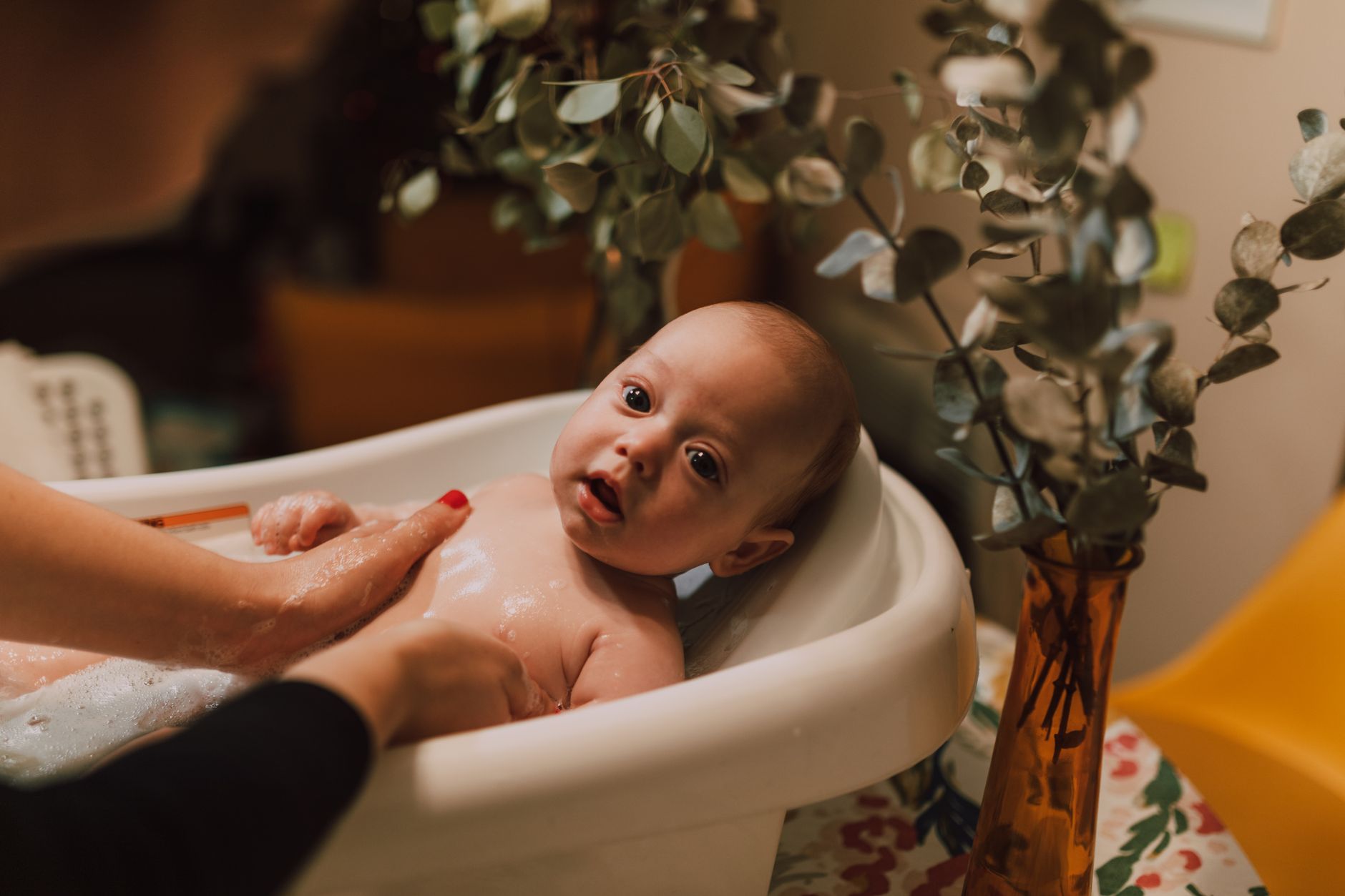
Can I give my baby a bath after the DTaP vaccine?
The DTaP vaccine (diphtheria, tetanus, and pertussis) is one of the most common shots given at 2, 4, and 6 months of age. It can cause mild soreness at the injection site, low‑grade fever, or fussiness for a day or two. Most pediatricians agree that a gentle bath does not interfere with the vaccine’s effectiveness.
Why timing matters
Waiting a short period—typically 12‑24 hours—allows you to monitor the baby’s immediate response to the injection. If the baby becomes unusually irritable, develops a fever above 38 °C (100.4 °F), or shows a rash, a bath could mask early warning signs or make the infant uncomfortable. The American Academy of Pediatrics (AAP) recommends this observation window to catch any early side‑effects before adding other stimuli (AAP, 2024).
Practical tip
If you choose to bathe within the first 12 hours, keep the water lukewarm, limit the soak to 5‑7 minutes, and use a fragrance‑free, hypoallergenic shampoo. This approach can actually help relieve muscle tension around the arm. A brief, soothing massage of the injection site with a clean hand can further reduce soreness without compromising the immune response.
Additional considerations
Some infants may have mild skin sensitivity after DTaP. In those cases, a sponge‑wash with plain water for the first 24 hours can keep the skin clean while you wait for any redness to subside. If your baby has a known allergy to a vaccine component, discuss bath timing with your pediatrician, as they may recommend a slightly longer observation period.
What is the best time to bathe a newborn after vaccination?
Newborns (under 4 weeks) have delicate skin and immature thermoregulation. The safest window is usually 24 hours after any vaccine, giving you a chance to see if a fever or skin reaction develops.
Early‑vs‑late bathing
Bathing too soon—especially within the first 4‑6 hours—might increase the risk of overheating, which can amplify a mild fever. Delaying the bath until the baby has had a chance to rest and settle after the injection often results in a calmer, more cooperative infant. The UK National Health Service (NHS) advises parents to monitor temperature closely during the first 24 hours after any immunization (NHS, 2023).
Suggested schedule
- Day of vaccination: Keep the baby dry with a sponge‑wash if needed.
- 24‑48 hours later: Offer a lukewarm bath, using a soft washcloth for the face and neck.
- Beyond 48 hours: Return to your regular bathing routine.
Why a 24‑hour window works
Most vaccine‑related side‑effects appear within the first 24 hours. By waiting that period, you give yourself a clear window to observe any changes in temperature, skin colour, or behaviour. If the infant is calm and afebrile after this window, a bath is unlikely to interfere with the vaccine’s protective benefits.
Should I avoid a bath after my baby's flu shot?
The seasonal flu vaccine is typically administered at 6 months and older. It can cause low‑grade fever, mild soreness, or a brief rash. An immediate bath isn’t harmful, but the same caution applies: observe the infant for any reaction before immersing them.
Specific concerns with flu vaccine
Because the flu vaccine is often given alongside other shots (like DTaP), the combined side‑effect profile can be a little more noticeable. If your baby seems unusually sleepy, feverish, or has a rash, a brief sponge‑wash is preferable to a full bath. The Centers for Disease Control and Prevention (CDC) notes that fever after flu vaccination usually resolves within 24‑48 hours (CDC, 2023).
When a bath can help
For some infants, a warm bath can actually reduce fever by promoting gentle sweating, provided the water temperature stays below 38 °C (100.4 °F). Always monitor the baby’s core temperature with a reliable thermometer. A bath that feels comfortably warm can be a comforting way to lower a mild fever without resorting to medication.
Special note for high‑risk infants
Infants with chronic lung disease or cardiac conditions may be more vulnerable to fever spikes. In those cases, ask your pediatrician whether a bath is advisable or whether a cool compress might be safer. A quick call to your provider can prevent unnecessary stress.
How long to wait before bathing a baby after immunization
Different vaccines have slightly different typical side‑effect timelines. Below is a quick reference that shows the most common waiting periods recommended by the American Academy of Pediatrics (AAP) and the Centers for Disease Control and Prevention (CDC).
These intervals are not strict rules but safe guidelines. If your baby shows no reaction within the first few hours, a gentle bath can be offered earlier, especially if you need to keep the infant clean after a diaper blowout. Always keep a thermometer handy, and trust your instincts—if the baby seems uncomfortable, pause and reassess.
Why “minimum wait” matters
The term “minimum wait” reflects the earliest point at which you can safely introduce a bath without risking the masking of early vaccine reactions. It does not mean you must bathe immediately after that time; you can still wait longer if the baby is still fussy or if you simply prefer a later routine.
Bath temperature recommendations after baby vaccination
Babies regulate temperature less efficiently than adults, and a fever can make them more prone to overheating. The ideal water temperature for a post‑vaccine bath is 37 °C (98.6 °F) ± 2 °C. That feels warm to the touch but not hot.
How to test the water
- Use a calibrated baby bath thermometer, or
- Dip your elbow or wrist in the water; it should feel like a comfortable summer day.
Avoid hot tubs, heated humidifiers, or any water above 38 °C (100.4 °F), as this can raise the infant’s core temperature and potentially worsen a vaccine‑related fever. The NHS recommends keeping bath water below 38 °C for infants under six months (NHS, 2023).
Adjusting temperature for different climates
If you live in a colder climate, you may need to warm the water slightly more to reach 37 °C. In hotter regions, a slightly cooler bath (around 35 °C) can still be comfortable and safe, as long as the baby does not shiver.
Signs of vaccine reaction during bath for infants
While bathing, keep an eye out for any of the following signs that could indicate a reaction requiring medical attention.
- Fever above 38 °C (100.4 °F) that doesn’t subside after 30 minutes of cooling.
- Rapid breathing or difficulty catching breath.
- Widespread rash that spreads beyond the injection site, especially if it’s raised or blistering.
- Unusual irritability that doesn’t calm with feeding or soothing.
- Vomiting or diarrhea that appears within 24 hours of the shot.
If any of these appear, gently end the bath, dry the baby with a soft towel, and contact your pediatrician right away. Early detection is key to preventing more serious complications.
Subtle cues to notice
Some reactions are less dramatic but still worth noting: a sudden change in skin colour (pallor or flushed cheeks), a sudden drop in muscle tone, or an unexpected startle response when you touch the baby’s arm. These can be early indicators that the infant is uncomfortable.
Is it safe to use baby shampoo after vaccination?
Yes—most pediatricians consider hypoallergenic, fragrance‑free baby shampoo safe after vaccination. The key is to choose products without harsh detergents, dyes, or added fragrances that could irritate already sensitive skin.
Ingredient checklist
Look for shampoos that list water, mild surfactants (like decyl glucoside), and soothing agents such as aloe vera or oat extract. Avoid common irritants like sodium lauryl sulfate, parabens, and artificial fragrance. The American Academy of Dermatology (AAD) recommends these criteria for infants with sensitive skin (AAD, 2023).
Application tip
Apply a pea‑size amount, lather gently, and rinse thoroughly. A quick rinse minimizes the chance of residue left on the scalp, which can cause itching if the baby’s skin is already inflamed from a vaccine reaction.
When to skip shampoo
If your baby develops a rash or noticeable redness on the scalp, consider using only water for the first 24‑48 hours. Re‑introduce shampoo once the skin looks calm and the fever has resolved.
Bath routine for a baby who just received vaccines
Creating a calming routine can turn a post‑vaccine bath from a potential stressor into a soothing experience.
- Gather supplies first. Have a clean, soft washcloth, a bottle of fragrance‑free shampoo, a thermometer, and a cozy towel ready before you bring the baby to the tub.
- Set the water. Aim for 37 °C (98.6 °F). Test it with your elbow.
- Gentle entry. Hold the baby’s head and shoulders, lower them slowly, and talk in a calm voice.
- Wash face first. Use a damp, fragrance‑free washcloth—no soap on the face to avoid eye irritation.
- Head and hair. Apply a tiny dab of baby shampoo, massage lightly, and rinse.
- Body. Use the same washcloth to clean the torso, arms, and legs. If the baby seems fussy, limit the bath to 5 minutes.
- Dry and cuddle. Pat the skin dry, wrap in a soft blanket, and offer a feeding or a gentle rocking session.
Soothing techniques during the bath
- Warm water massage. Lightly massage the arm where the injection was given to ease soreness.
- Soft background sounds. Play a low‑volume lullaby or white‑noise machine to create a calming environment.
- Skin‑friendly oils. After the bath, a dab of organic, unscented coconut oil can lock in moisture and reduce irritation.
Natural remedies with evidence
While there’s no substitute for medical care, a few gentle home measures have modest support in pediatric literature:
- Cool compress. Applying a cool (not cold) washcloth to the injection site for 5 minutes can reduce soreness.
- Breast‑milk soothing. A few drops of expressed breast milk on the skin can provide mild anti‑inflammatory benefits, according to a small study published in the Journal of Pediatric Nursing (2020).
- Chamomile tea water. Adding a few drops of chilled, brewed chamomile tea to the bath water may have a calming effect, though evidence is limited. Use only a tiny amount to avoid overwhelming the infant’s delicate skin.
When to modify the routine
If your baby develops a fever above 38 °C, shorten the bath to 3‑4 minutes and keep the water on the cooler side of the recommended range. If the baby is unusually sleepy, consider a sponge‑wash instead of a full immersion until the fever resolves.
Can my baby with eczema take a bath after vaccination?
Eczema (atopic dermatitis) makes a baby’s skin more prone to irritation, but a bath after vaccination is still possible with a few adjustments. The key is to keep the water temperature modest, avoid harsh soaps, and moisturize immediately after the bath.
Adjusting the routine for eczema
Use a fragrance‑free, soap‑free cleanser designed for sensitive skin—often labeled “no‑tear” or “tear‑free.” After the bath, apply a thick, fragrance‑free moisturizer (such as a petrolatum‑based ointment) within three minutes to lock in moisture and protect the skin barrier. The National Eczema Association recommends this “wet‑wrap” technique for infants with active eczema (NEA, 2022).
Watch for any flare‑ups that appear within the first 24 hours after the vaccine. If the rash spreads rapidly, becomes oozing, or is accompanied by fever, contact your pediatrician promptly as this could signal a secondary infection.
How to choose the right baby bath products after vaccination
Choosing safe bath products can feel overwhelming with the sea of options on the market. Focus on three main criteria: hypoallergenicity, fragrance‑free formulation, and pediatric dermatologist endorsement.
Three‑step product checklist
- Ingredient transparency. The label should list each ingredient in plain language. Avoid “fragrance” or “parfum” because these terms hide potential allergens.
- Dermatology testing. Look for a seal from the American Academy of Dermatology (AAD) or the British Association of Dermatologists indicating the product has been tested on infants.
- Minimal surfactants. Choose products with gentle surfactants like decyl glucoside or coco‑glucoside, which cleanse without stripping natural oils.
Recommended product types
For most babies, a simple, fragrance‑free “baby wash” that can double as shampoo works well. If your child has particularly dry skin, a “baby oil” formulated with 100 % natural oils (e.g., sweet almond or jojoba) can be added after the bath for extra hydration.
Myth vs. fact
Myth: Bathing a baby after a vaccine can dilute the vaccine’s protection.
Fact: The vaccine is administered intramuscularly; a post‑shot bath does not affect the immune response.
Myth: You must avoid any water contact for at least 48 hours after a shot.
Fact: A short, lukewarm bath is safe after the initial observation period (usually 15‑30 minutes) unless the baby shows fever or severe irritation.
Myth: Using any baby shampoo will cause a rash after vaccination.
Fact: Only shampoos with harsh chemicals or fragrances may irritate sensitive skin. Choose hypoallergenic, fragrance‑free options.
Key takeaways
- Most vaccines do not require a strict “no‑bath” period; a gentle lukewarm bath is generally safe.
- Wait at least 12 hours after DTaP or flu shots to monitor for early reactions.
- Keep water temperature around 37 °C (98.6 °F) and limit the soak to 5‑7 minutes.
- Use fragrance‑free, hypoallergenic shampoo and avoid harsh detergents.
- Watch for fever, rash, or irritability during and after the bath; pause and call your pediatrician if they appear.
- Soothing techniques—gentle massage, cool compress, and a calming environment—can help comfort a post‑vaccine baby.
- If your baby has eczema or other skin conditions, add a moisturizer within three minutes of the bath to protect the skin barrier.
Frequently asked questions
Can I bathe my baby after they get a vaccine?
Yes. A lukewarm, short bath is safe for most infants after vaccination, provided you wait the recommended 12‑24 hours to observe any immediate reactions.
How long should I wait before bathing my baby after a vaccination?
Generally, wait at least 12 hours after DTaP, flu, or IPV shots, and 24 hours after vaccines that commonly cause rash or higher fevers, such as PCV13 or Hib.
Is it safe to give a baby a bath if they have a fever after a shot?
If the fever is mild (under 38 °C/100.4 °F) and the baby is comfortable, a lukewarm bath can help lower temperature. For higher fevers, keep the baby dry, offer fluids, and contact your pediatrician.
What temperature should the bath be for a baby after vaccination?
Aim for 37 °C (98.6 °F) ± 2 °C. Test the water with your elbow; it should feel warm, not hot.
Can a bath cause a reaction to a vaccine in infants?
No. The vaccine’s immune response occurs systemically, not on the skin. However, a bath can mask early signs of a reaction, which is why a brief waiting period is advised.
Should I use soap or just water after my baby’s vaccination?
For the first 24 hours, a gentle sponge‑wash with plain water is fine. When you do bathe, choose a fragrance‑free, hypoallergenic baby shampoo and avoid harsh soaps.
What should I watch for after bathing a vaccinated infant?
Monitor for fever above 38 °C, new or spreading rash, excessive crying, difficulty breathing, or vomiting. If any appear, stop the bath and call your pediatrician.
Can I use a bath thermometer instead of a regular one?
Yes. A baby‑specific bath thermometer is designed to give quick, accurate readings for water temperature. Just be sure it’s calibrated and clean before each use.
Is it okay to add essential oils to the bath after vaccination?
Most pediatric experts advise against essential oils for infants under six months because they can irritate delicate skin and cause respiratory reactions. Stick to plain water or a tiny amount of chamomile tea if you want a mild scent.
When to see a doctor / specialist
If you notice any of the following after a bath, contact your pediatrician promptly. In rare cases, an urgent care visit or emergency department may be needed.
- Fever ≥ 38.5 °C (101.3 °F) lasting more than 24 hours.
- Rapid breathing, wheezing, or bluish lips.
- Rash that spreads quickly, becomes raised, or is accompanied by swelling.
- Persistent vomiting or diarrhea that leads to dehydration.
- Severe irritability that does not improve with feeding or soothing.
These symptoms could indicate a more serious vaccine reaction or an unrelated infection. Your pediatrician can determine if an evaluation by an infectious disease specialist, dermatologist, or another specialist is needed.
References
- American Academy of Pediatrics. “Immunization Schedule for Infants and Children.” AAP, 2024.
- Centers for Disease Control and Prevention. “Vaccine Safety: Common Side Effects.” CDC, 2023.
- World Health Organization. “Guidelines for Safe Administration of Vaccines.” WHO, 2022.
- Harvard T.H. Chan School of Public Health. “Bathing Practices for Infants.” Harvard Public Health, 2021.
- Journal of Pediatric Nursing. “Breast Milk Topical Application for Infant Skin Irritation.” 2020.
- American Academy of Dermatology. “Skin Care for Infants with Sensitive Skin.” AAD, 2023.
- National Institute of Allergy and Infectious Diseases. “Flu Vaccine Recommendations for Children.” NIAID, 2022.
- National Health Service (NHS). “Bathing and Temperature Guidance for Babies.” NHS, 2023.
- National Eczema Association. “Managing Eczema in Infants.” NEA, 2022.
- American Academy of Dermatology. “Product Safety for Infant Skin.” AAD, 2023.



