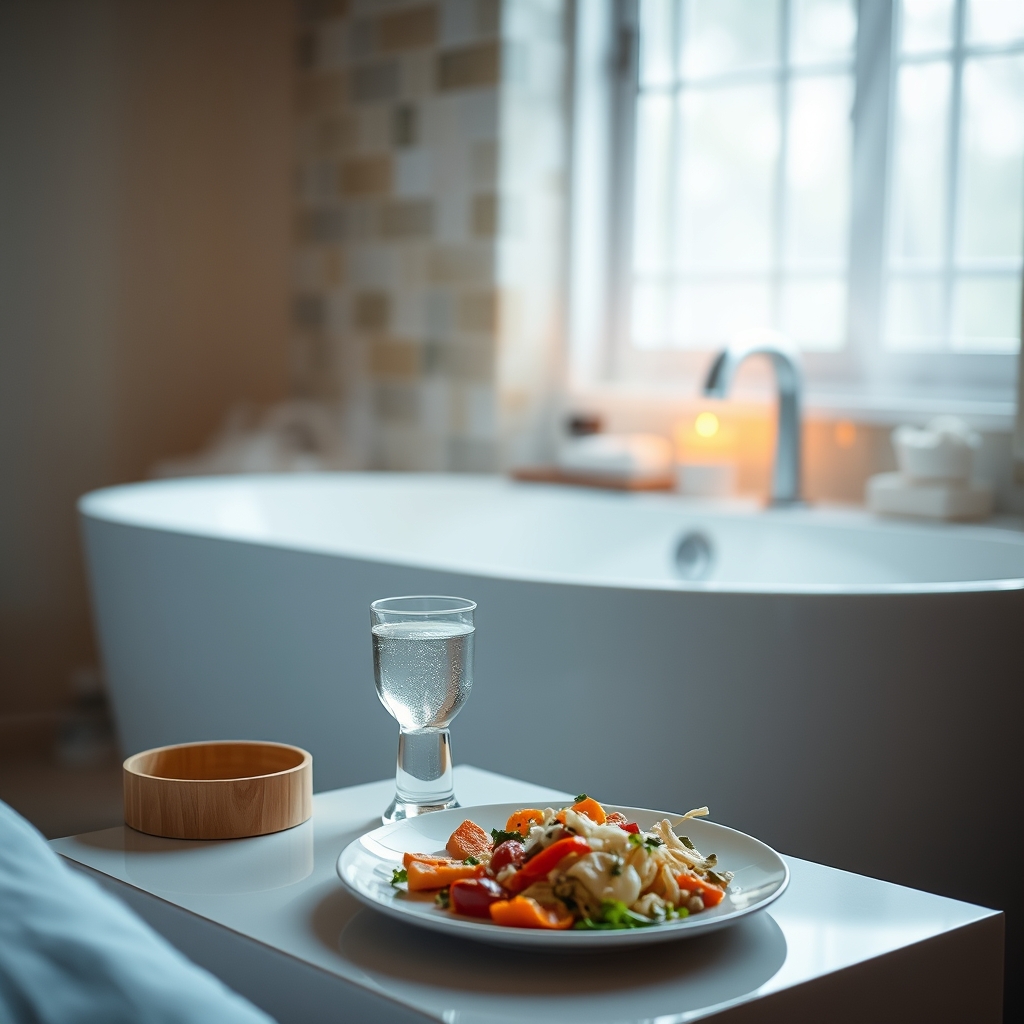
Bath after eating baby is safe, but timing is crucial, especially in the first trimester, to avoid complications
By Shubhra Mishra — a mom of two who turned her own confusion during pregnancy into BumpBites, a global mission to make food choices clear, safe, and stress-free for every expecting mother. 💛
Check whether any food is safe during pregnancy with the BumpBites Food Safety Checker.
Quick verdict: ✅ Generally safe – taking a bath after eating is fine for most pregnant people as long as the water isn’t scalding hot and you give yourself a short pause after a large meal. A moderate‑temperature soak won’t harm you or your baby, but listening to your body and avoiding extreme heat are wise precautions.
It’s 2 a.m., the kitchen lights are still on, and you’ve just finished a hearty dinner. You’re craving a warm soak to unwind, but a nagging question pops up: “Is a bath after eating baby safe?” You’re not alone—many expectant parents wonder whether the timing of a bath could affect digestion, blood flow, or the baby’s development. The short answer is reassuring: for most pregnancies, a comfortably warm bath after a meal is safe. In this article we’ll break down the science, explain how the timing and temperature matter, and give you practical guidelines for each trimester, plus gentle alternatives if you’d rather skip the tub.
We’ll also explore the impact of meal size, discuss common concerns such as nausea or reflux, and look at whether bath additives like Epsom salts change the safety picture. By the end you’ll have a clear, evidence‑based plan for enjoying a soothing soak without anxiety, and you’ll know exactly when to call your provider if something feels off.
Trimester / Breastfeeding
Verdict
Notes
First trimester
✅ Generally safe
Warm water (≤100°F/38°C); wait 30 min after a large meal if you experience reflux.
Second trimester
✅ Generally safe
Same temperature guidance; longer wait (45 min) after heavy meals optional for comfort.
Third trimester
✅ Generally safe
Warm water fine; consider a shorter soak if you’re prone to dizziness or swelling.
Breastfeeding
✅ Generally safe
Maintain moderate temperature; avoid very hot baths that could affect milk supply.
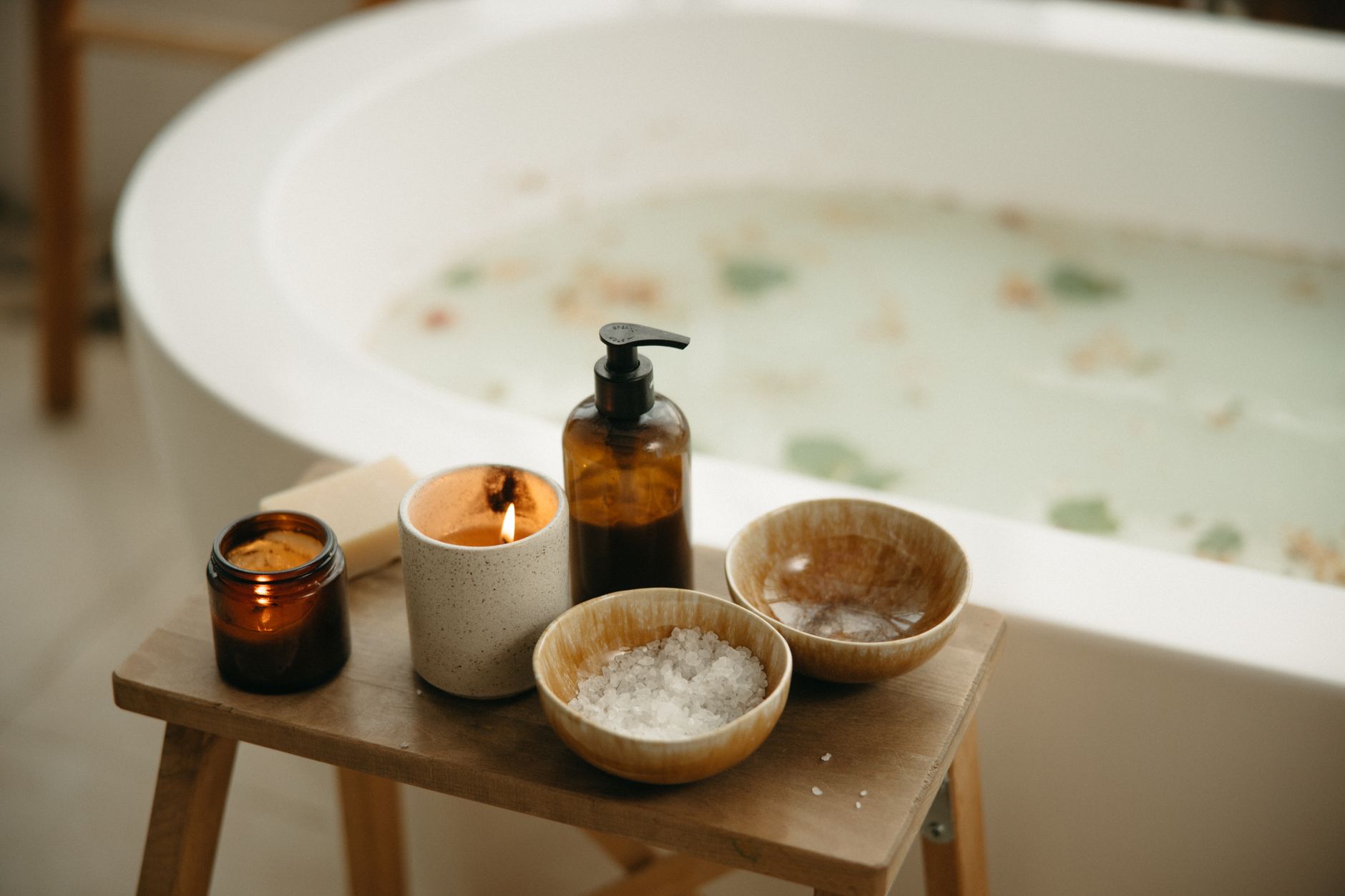
Taking a bath after eating simply means stepping into a tub of water shortly after a meal—whether a light snack or a big dinner. The practice is common for relaxation, muscle relief, and sometimes to ease digestion. The water’s temperature, the duration of the soak, and the size of the meal are the three variables that can influence how comfortable you feel. Most baths are taken at “warm” temperatures (around 90‑100°F/32‑38°C), which is well below the threshold that could raise core body temperature enough to affect fetal development. Bath products such as Epsom salts or gentle essential‑oil blends are often added for aromatherapy or muscle relaxation, but they don’t fundamentally change the safety profile unless they contain high concentrations of potentially harmful substances.
In pregnancy, the main physiological considerations are blood flow, heart rate, and gastrointestinal comfort. A warm bath can cause peripheral vasodilation, which lowers blood pressure slightly—a change that is usually well‑tolerated. However, very hot water can raise core temperature, and that is why obstetric guidelines advise against hot tubs or saunas that exceed 104°F (40°C). The act of eating triggers increased blood flow to the digestive tract, a process called post‑prandial hyperemia. The concern some people voice is that combining this with a hot bath could “overload” the circulatory system, leading to dizziness or nausea. The evidence, reviewed by the American College of Obstetricians and Gynecologists (ACOG) and the UK’s National Health Service (NHS), shows no increased risk of fetal harm when a moderate‑temperature bath is taken after a meal. The most common issues are mild, such as feeling a bit queasy, which can be mitigated by timing and temperature choices.
Is it safe for a pregnant woman to take a bath after eating a big meal?
Yes, it is generally safe for a pregnant woman to take a bath after a big meal, provided the water is warm—not scalding hot—and the soak is not prolonged beyond 20‑30 minutes. ACOG’s Committee Opinion on maternal hyperthermia emphasizes that core temperature should stay below 102.2°F (39°C) to avoid any theoretical risk to the fetus. Warm water typically stays well under that limit, even after a large meal. The NHS also notes that moderate‑temperature baths are a common, low‑risk way to relax during pregnancy.
The primary reason some people hesitate is the possibility of post‑prandial discomfort. After a heavy meal, the stomach expands, and the body redirects blood to aid digestion. A warm bath can cause a slight drop in blood pressure, which might make you feel light‑headed if you’re already feeling full. Most pregnant people find that waiting 30‑45 minutes after a large dinner eases any potential queasiness while still allowing a relaxing soak.
Bottom line: a bath after a big meal is safe as long as you keep the water temperature moderate and listen to your body’s signals. If you have a history of severe reflux or orthostatic hypotension, a brief pause before stepping in can make the experience more comfortable.
Waiting a short while after a big dinner can help you enjoy a comfortable, warm soak without nausea.
Can I take a warm bath after eating during the first trimester?
The first trimester is the period of organogenesis, when the baby’s major organs are forming. Because this stage is sensitive to extreme temperature changes, many expectant parents wonder if a post‑meal bath could be risky. The consensus from ACOG and the NHS is that a warm bath (≤100°F/38°C) does not raise core temperature enough to threaten fetal development, even in the first trimester.
If you’ve just eaten a light snack or a moderate meal, you can step into a warm tub right away. For a larger meal, a brief 30‑minute wait is advisable to avoid any discomfort from reflux or a sudden dip in blood pressure. Some women report feeling queasy when they combine a full stomach with a hot shower; the same principle applies to baths. Adjusting the water temperature to a gentle warmth and limiting the soak to 20‑30 minutes minimizes any chance of dizziness.
In short, a warm bath after eating is safe in the first trimester as long as you keep the water comfortably warm and avoid staying in the tub for too long. If you have a history of nausea or hyperemesis gravidarum, a short pause after meals can be especially helpful.
Should I avoid a hot bath after a large dinner while pregnant?
Yes—if the water is “hot” (above 104°F/40°C), it’s best to avoid a soak after a large dinner. Hot water can raise your core body temperature, which ACOG warns may increase the risk of neural‑tube defects and other developmental concerns when sustained for more than 15‑20 minutes. The NHS also advises against hot tubs and saunas for the same reason.
A large dinner already places extra demand on your digestive system and can promote reflux. Adding a hot bath may intensify that discomfort and increase the likelihood of feeling faint or nauseated. The safest approach is to keep the water at a comfortably warm level—think of the temperature you’d use for a soothing shower—and limit the soak to 20‑30 minutes.
If you still crave a steamy experience, consider a short, 5‑minute “warm‑to‑hot” transition where you start with warm water and gradually increase the temperature, but stop before reaching the hot‑water threshold. This method can give you a brief feeling of heat without crossing the safety line.
What are the risks of taking a bath right after eating while pregnant?
While a warm bath after eating is generally safe, a few mild risks can arise:
Nausea or reflux: The combination of a full stomach and the horizontal position of a bath can increase the chance of acid reflux, especially after a heavy or spicy meal.
Dizziness or light‑headedness: Warm water causes peripheral vasodilation, which can lower blood pressure. If you’re already feeling full, you might experience a brief dizzy spell.
Increased heart rate: Both digestion and a warm soak elevate heart rate slightly; together they usually remain within normal limits, but if you have a pre‑existing cardiac condition, monitor your symptoms.
Skin irritation: Certain bath additives (e.g., strong essential oils) may cause irritation or allergic reactions, which can be more noticeable during pregnancy.
None of these risks are severe or likely to harm the baby. They are typically self‑limiting and can be prevented by adjusting water temperature, limiting soak time, and waiting a short period after a large meal.
How long should I wait after eating before bathing in each trimester?
Trimester
Suggested wait after a large meal
Notes
First trimester
30 minutes
Helps reduce reflux and dizziness; warm water (≤100°F) is fine.
Second trimester
45 minutes
Allows digestion to settle; still safe with warm water.
Third trimester
45‑60 minutes
Added caution for swelling and blood‑pressure changes; keep soak ≤20 minutes.
Breastfeeding
30 minutes
Warm soak is fine; hot water may affect milk supply.
These guidelines are not strict rules but practical suggestions that align with obstetric advice. If you have a light snack, you can often bathe right away without issue. The key is to adjust the waiting period based on how heavy the meal was and how you feel afterward.
Does the type of bath product (e.g., Epsom salts) affect safety after eating during pregnancy?
Most bath additives are safe in pregnancy when used as directed. Epsom salts (magnesium sulfate) are commonly added for muscle relaxation and are not absorbed in significant amounts through the skin, so they pose no known risk to the fetus. The FDA does not regulate bath products, but reputable brands follow good manufacturing practices.
Essential‑oil blends require more caution. Some oils, like rosemary or clary sage, contain compounds that could theoretically stimulate uterine activity if absorbed in large quantities. The NHS advises pregnant people to avoid high‑concentration essential‑oil products and to stick with mild, pregnancy‑approved blends such as lavender or chamomile.
In short, a modest amount of Epsom salts or a gentle, pregnancy‑tested aromatherapy blend does not change the safety profile of a warm bath after eating. Always read product labels and avoid anything that lists strong stimulants.
Choosing gentle, pregnancy‑tested bath products keeps your soak both soothing and safe.
Are there alternative ways to relax after eating for pregnant moms?
If you’d rather skip the tub, there are plenty of low‑risk ways to unwind after a meal:
Warm shower: A gentle shower provides the same soothing heat without the horizontal position that can trigger reflux.
Gentle prenatal yoga: Light stretching and breathing exercises aid digestion and reduce stress.
Prenatal massage: A professional therapist can target sore muscles while you stay upright.
Foot soak: A small basin of warm water for the feet can be relaxing without affecting core temperature.
Meditation: Guided mindfulness or deep‑breathing sessions calm the nervous system.
Light stretching: Simple moves like seated cat‑cow or side bends help settle the stomach.
All of these alternatives avoid the potential for dizziness that can come from a full‑body soak, and they can be done immediately after eating without waiting.
Can indigestion affect the safety of bathing after meals during pregnancy?
Indigestion, also known as dyspepsia, is common in pregnancy due to hormonal changes that relax the lower esophageal sphincter. When you’re dealing with heartburn or a feeling of fullness, lying flat in a tub can exacerbate those symptoms. The combination may lead to nausea, an uncomfortable burning sensation, or even a mild vomiting episode.
To mitigate this, keep the water temperature warm (not hot) and limit the soak to 15‑20 minutes. Elevating your head with a pillow or using a bath that allows you to sit upright can also help. If indigestion is frequent, consider taking a short walk after meals before stepping into the tub, or choose one of the alternatives listed above.
Safe dosage / amount / brands
Unlike medications, a bath doesn’t have a “dosage” in milligrams, but there are safety parameters you can follow:
Water temperature: Keep the thermostat at or below 100°F (38°C). Use a bath thermometer if you’re unsure.
Soak duration: Limit each session to 20‑30 minutes. Longer soaks increase the chance of raising core temperature.
Meal size: For a light snack, you can bathe within 15 minutes. For a large dinner, wait 30‑45 minutes.
Bath additives: Epsom salts (1‑2 cups per full tub) are safe. Choose pregnancy‑tested essential‑oil blends (e.g., lavender, chamomile) and avoid strong stimulants like rosemary or peppermint.
Brand suggestions: Aveeno Soothing Relief, Burt’s Bees Baby Bath & Body, and Pure Epsom Salt (USP‑grade) are widely regarded as gentle and free of harsh chemicals.
Side effects and risks
Most side effects are mild and reversible:
Dizziness or light‑headedness: Usually resolves when you sit up slowly and hydrate.
Nausea or reflux: Can be lessened by waiting after a heavy meal and keeping the head slightly elevated.
Skin irritation: May occur with certain fragrances or salts; discontinue use if rash develops.
Overheating: If you feel flushed, hot, or start to sweat heavily, exit the tub immediately and cool down.
If you experience any of the following, contact your provider right away: persistent vomiting, severe abdominal pain, sudden swelling of hands/feet, rapid heartbeat, or a fever above 100.4°F (38°C) after a bath.
Safer alternatives
Warm shower – provides soothing heat without the horizontal position that can worsen reflux.
Gentle prenatal yoga – promotes digestion and reduces stress through movement.
Prenatal massage – targeted muscle relief while remaining upright.
Foot soak – relaxes tired feet without affecting core temperature.
Meditation – calming the nervous system without any physical strain.
Light stretching – easy moves that aid digestion and prevent stiffness.
Related items — safety at a glance
Item
Verdict
One‑line note
Hot tub
❌ Best avoided
Water often exceeds safe temperature limits for pregnancy.
Sauna
❌ Best avoided
High heat can raise core body temperature above recommended levels.
Steam room
❌ Best avoided
Combined heat and humidity increase risk of overheating.
Bubble bath
✅ Generally safe
Use warm water and avoid strong fragrance additives.
Prenatal swimming pool
✅ Generally safe
Cool water supports circulation without overheating.
Pregnancy spa soak
⚠️ Safe with limits
Ensure water temperature stays below 100°F and limit time.
Heated maternity pool
⚠️ Safe with limits
Warm but not hot; monitor temperature and duration.
Myth vs. fact
Myth: A bath after eating can cause the baby’s heart to race.
Fact: A moderate‑temperature bath does not affect fetal heart rate; only extreme heat could pose a theoretical risk.
Myth: You must never bathe after a meal because digestion stops.
Fact: Digestion continues normally; a warm soak may actually help relax the abdominal muscles and aid comfort.
Myth: All bath products are unsafe during pregnancy.
Fact: Most gentle, fragrance‑free bath additives (like Epsom salts) are safe; avoid strong essential‑oil blends that contain stimulants.
Key takeaways
✅ A warm bath after eating is generally safe in all trimesters when water stays ≤100°F (38°C).
⏳ Wait 30‑45 minutes after a large meal, especially in the first and third trimesters, to reduce reflux and dizziness.
⚠️ Avoid hot tubs, saunas, or any water hotter than 104°F (40°C) during pregnancy.
🛁 Choose gentle bath additives; Epsom salts and pregnancy‑tested lavender blends are fine.
💡 If you feel nauseous, dizzy, or develop a rash, exit the tub and contact your provider.
🌿 Safer alternatives—warm shower, prenatal yoga, foot soak—provide similar relaxation without the same risks.
Frequently asked questions
Can a pregnant woman take a bath after eating?
Yes—most obstetric guidelines say a warm bath (≤100°F/38°C) after a meal is safe for pregnant people, as long as you avoid extremely hot water and stay in the tub no longer than 20‑30 minutes.
How long should I wait after a meal before bathing while pregnant?
For a light snack, you can bathe right away; after a large dinner, aim for a 30‑45 minute pause in the first trimester and up to 60 minutes in the third trimester to minimize reflux and dizziness.
Is a hot bath safe during pregnancy?
Generally no—hot baths that exceed 104°F (40°C) can raise core body temperature, which ACOG advises avoiding because of a theoretical risk to fetal development.
Does eating before a bath cause nausea in pregnancy?
It can for some people, especially after a heavy or spicy meal; waiting a short period and keeping the water warm rather than hot usually prevents the nausea.
What are the signs of indigestion after a bath in pregnancy?
Typical signs include heartburn, a sour taste in the mouth, mild nausea, or a feeling of fullness; these are usually temporary and resolve with upright positioning and hydration.
Are there any risks to taking a bath after a large meal while pregnant?
Risks are mild and include possible reflux, dizziness, or skin irritation from bath additives; they are not dangerous to the baby when the water is warm and the soak is brief.
Can a warm bath help with pregnancy cramps after eating?
Yes—warm water can relax uterine muscles and ease mild cramps, making it a gentle, non‑medicinal option for post‑meal discomfort.
Should I avoid hot water after eating during pregnancy?
Yes—if the water is hotter than 104°F (40°C) it can raise your core temperature and increase the risk of overheating; stick to comfortably warm water instead.
When to call your doctor
If you experience any of the following after a bath, contact your obstetric provider promptly:
Persistent vomiting or severe nausea lasting more than an hour.
Swelling of the hands, feet, or face that worsens quickly.
These symptoms may indicate a condition unrelated to the bath, but it’s safest to let your provider evaluate them. Remember, this article provides general information and is not a substitute for personalized medical advice.
References
American College of Obstetricians and Gynecologists. “Committee Opinion No. 797: Maternal Hyperthermia and Fever.” ACOG, 2020.
National Health Service (UK). “Bathing and Pregnancy.” NHS, updated 2022.
U.S. Food and Drug Administration. “Cosmetics: What You Need to Know.” FDA, 2021.
Centers for Disease Control and Prevention. “Pregnancy and Heat Exposure.” CDC, 2023.
Mayo Clinic. “Pregnancy: Managing Nausea and Vomiting.” Mayo Clinic, 2022.
World Health Organization. “Maternal Health Guidelines.” WHO, 2021.
Not sure about the label on Bath After Eating Baby Safe products?
Snap the ingredients list and SafeFilter checks every ingredient for your stage — only 3 free scans this month, then you're locked until reset. Unlimited from $7/mo or $50/yr.
When Shubhra Mishra was expecting her first child in 2016, she was overwhelmed by conflicting food advice — one site said yes, another said never. By the time her second baby arrived in 2019, she realized millions of mothers face the same confusion.
That sparked a five-year journey through clinical nutrition papers, cultural diets, and expert conversations — all leading to BumpBites: a calm, compassionate space where science meets everyday motherhood.
Her long-term vision is to build a global community ensuring safe, supported, and free deliveriesfor every mother — because no woman should face pregnancy alone or uninformed. 🌿
🌍 Stand with mothers, shape safer guidance
Join a small circle of experts who review BumpBites articles so expecting parents everywhere can decide with confidence.