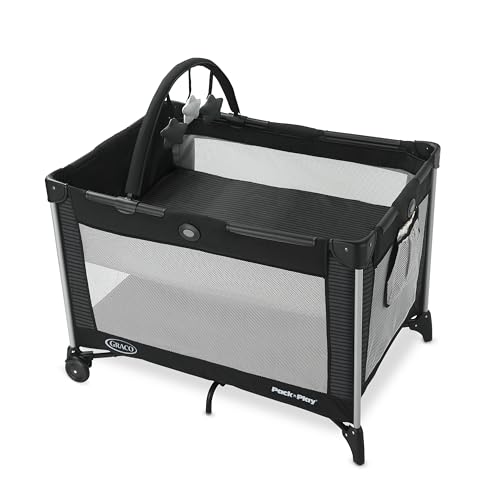
Quick take: For most newborns, a bassinet offers a cozy, space‑saving sleep spot, while a pack n play adds flexibility, higher weight limits, and extra features like a changing station. Safety standards are similar, but the right choice depends on your sleep‑space, travel needs, budget, and whether you plan to co‑sleep. Compare weight limits, portability, cost, and cleaning ease before deciding which side of the bassinet vs pack n play debate works best for your family.
Imagine it’s 2 a.m. and you’re juggling a half‑full diaper bag, a dim‑lit nursery, and the soft whimper of a newborn who just woke up. You glance at the tiny crib‑like bassinet beside your bed, wonder if the pack n play in the corner could be a safer, more versatile option, and then worry about whether either meets the strict safety standards you’ve read about. You’re not alone—many new parents face the same midnight dilemma.
In this guide we break down the bassinet vs pack n play comparison step by step. We’ll walk you through safety guidelines, weight and age limits, bedside‑sleep possibilities, transition timing, travel practicality, cleaning routines, price points, and co‑sleeping considerations. Along the way, we’ll sprinkle real‑world stories from parents who’ve tried both, answer the most common “people also ask” queries, and give you a clear checklist for making a confident, evidence‑based decision.
By the end you’ll know exactly which sleep solution aligns with your nursery layout, lifestyle, and peace‑of‑mind. Let’s get started.
Bassinet vs pack n play safety guidelines for newborns
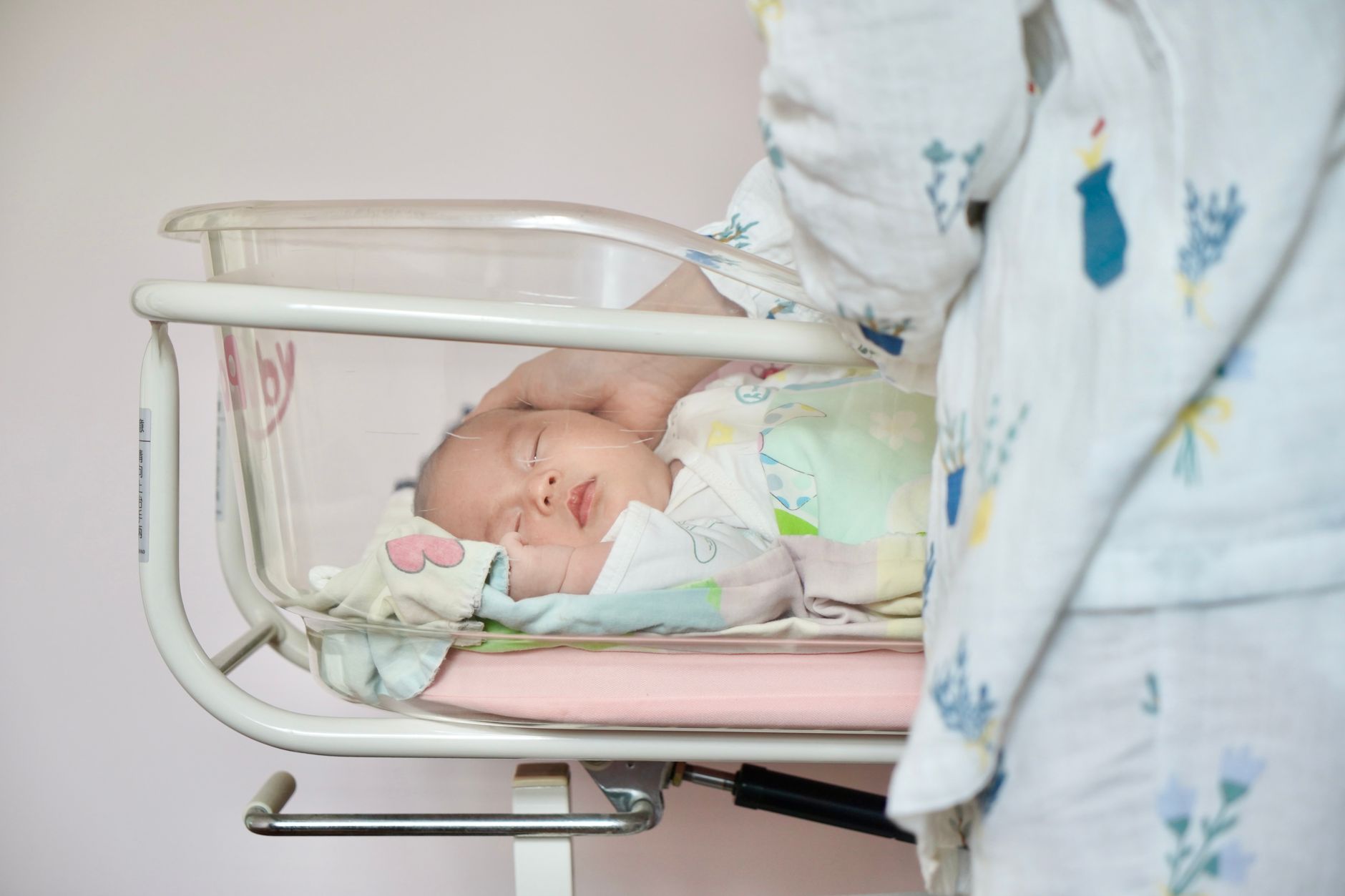
Both bassinets and pack n plays must meet the same baseline safety standards set by the Consumer Product Safety Commission (CPSC) in the United States and the European Committee for Standardization (EN) in the UK and EU. The key certifications to look for are:
- CPSC 16 CFR Part 1150 – ensures that the product has a sturdy frame, no hazardous gaps, and a safe mattress fit.
- ASTM F1169 – a voluntary standard for infant sleep surfaces that covers slat spacing (no more than 2 cm/0.8 in), side height, and firmness.
- EN 71‑1 & EN 71‑3 – European standards for mechanical and chemical safety.
- JPMA (Joint Premature Infant Association) seal – often found on products designed for preemies, indicating extra‑low weight limits and tighter tolerances.
Beyond certification, safe sleep practices apply equally to both:
- Place your baby on their back every time.
- Use a firm, flat mattress that fits snugly without gaps.
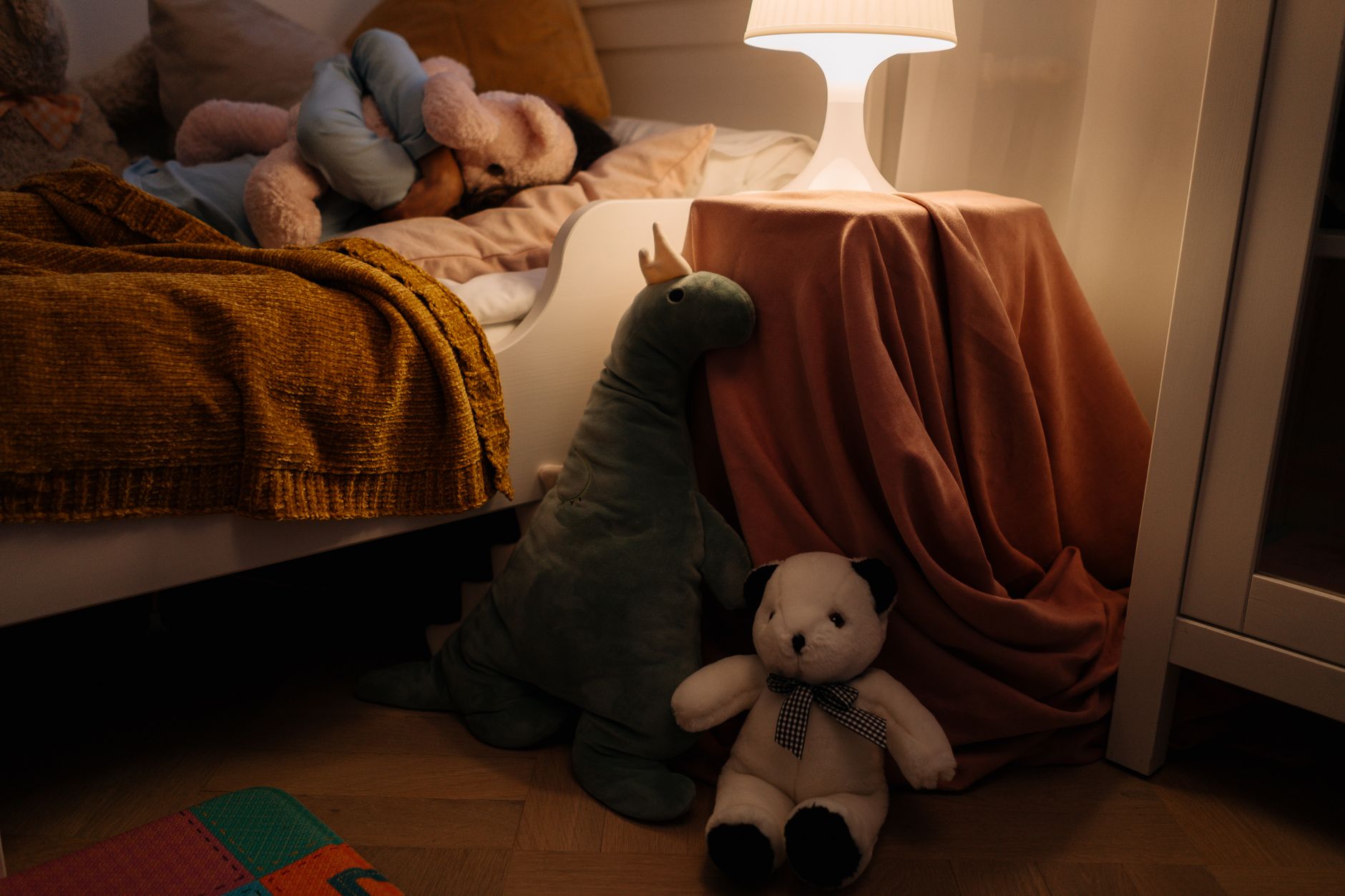
- Avoid pillows, blankets, bumper pads, or stuffed animals inside the sleep space.
- Keep the sleep area away from cords, blinds, and window treatments.
- Maintain a room temperature between 68‑72 °F (20‑22 °C).
One mother, “Lena,” told us she initially chose a pack n play because it seemed “more secure.” After reading the safety label, she realized the bassinet she liked also met the same ASTM standards. She now uses the bassinet for nighttime sleep and the pack n play for daytime naps, confident that both are equally safe when used correctly.
Do pack n plays meet the same safety standards as cribs?
Yes. Pack n plays that are labeled as “crib‑compatible” must pass the same CPSC and ASTM requirements as a standard crib. Look for the “Safe for Newborns” logo on the packaging, and verify that the slats or mesh panels are no more than 2 cm apart.
Weight limits and age recommendations for bassinets and pack n plays
Weight capacity is the most concrete difference between a bassinet and a pack n play. Most bassinets support infants from birth up to 15–20 lb (6.8–9 kg) and stop at about 4–6 months, depending on the baby’s growth rate. Pack n plays often start at a newborn weight limit of 6–10 lb and can hold up to 30–35 lb (13.6–15.9 kg), extending usability through the toddler years.
Here’s a quick snapshot:
Because weight limits vary by brand, always check the manufacturer’s specifications before purchase. If you have a larger newborn—common with twins or babies born after 40 weeks—starting with a pack n play may be more practical.
What is the weight limit for a bassinet?
Most modern bassinets list a maximum of 15–20 lb (6.8–9 kg). If your baby exceeds this range, the bassinet should be retired to prevent tipping or the baby slipping out.
Can a pack n play serve as a bedside bassinet?
Many parents love the idea of a “bedside sleep” setup—keeping the baby within arm’s reach for nighttime feeds and soothing. Some pack n plays are designed with a “bassinet attachment” or a low‑profile “sleep mode” that mimics a traditional bassinet’s height.
Key factors to consider:
- Height compatibility: The pack n play’s mattress should sit level with your bed’s mattress surface. Some models have adjustable legs or a “low‑profile” setting that brings the sleeping surface down to around 20 in (51 cm) from the floor.
- Stability: Ensure the pack n play won’t wobble when you reach over it. Look for a sturdy base and lockable wheels.
- Side access: A mesh side panel that opens wide can function like a bassinet’s side rail, allowing easy nighttime access.
One dad, “Mark,” swapped his newborn’s bassinet for a pack n play with a bassinet attachment after learning it could be lowered to bedside height. He reported smoother night feeds because the baby didn’t have to be lifted from a higher surface.
Is a pack n play safe for newborns?
Yes, if the product is labeled “newborn‑compatible” and you follow the manufacturer’s assembly instructions, a pack n play is safe for newborns. Verify the slats or mesh are close‑spaced and that the mattress fits tightly.
When to transition: moving from a bassinet to a pack n play
Transition timing isn’t one‑size‑fits‑all; it hinges on developmental milestones and weight. Here are the most common cues:
- Rolling over: If your baby rolls from front to back or vice‑versa (usually 3–5 months), they may be ready to move to a pack n play that offers more space.
- Sitting up: When the baby can sit unsupported (around 6 months), the bassinet’s low sides become a safety hazard.
- Weight limit reached: Exceeding the bassinet’s maximum weight is a clear sign to transition.
- Climbing attempts: Any attempt to climb out of the bassinet warrants immediate transition to prevent falls.
Transitioning doesn’t have to be abrupt. Some families keep both items for a few weeks, using the bassinet for nighttime and the pack n play for daytime naps. This dual‑setup can smooth the adjustment for both baby and parents.
Best age to transition from bassinet to pack n play
Most experts, including the American Academy of Pediatrics (AAP), suggest moving to a pack n play by 4–6 months, or sooner if the baby meets any of the cues above.
Travel and portability: portable pack n play vs stationary bassinet
If you travel often—visiting grandparents, taking weekend trips, or moving homes—the portability of a pack n play can be a game‑changer. Here’s how they compare:
- Size & weight: Pack n plays fold into a compact rectangle (often under 15 lb/6.8 kg). Stationary bassinets are bulkier and usually weigh 12–18 lb (5.4–8.2 kg) without a foldable frame.
- Setup time: Most pack n plays click into place within 30 seconds. Bassinets may require assembly of a frame and mattress.
- Versatility: Many pack n plays double as a changing station, a playpen, and a travel crib. Bassesins are single‑purpose.
- Durability: Because pack n plays are designed for frequent moving, they often have reinforced joints and reinforced fabric.
Family friend “Sofia” once packed a lightweight pack n play for a weekend getaway to a cabin. She praised the ability to set it up on a hardwood floor without a separate crib sheet—something she’d have to bring for a traditional bassinet.
Cleaning and maintenance: how to keep a bassinet and pack n play fresh
Infant sleep spaces can quickly become a breeding ground for dust mites, spills, and diaper leaks. Regular cleaning extends the life of your product and maintains a healthy environment for your baby.
Cleaning a bassinet
- Mattress: Most bassinets use a firm, foam mattress covered with a washable, waterproof liner. Strip the liner weekly and machine‑wash on a gentle cycle.
- Frame: Wipe down the wooden or metal frame with a damp cloth and mild soap. Avoid submerging any wooden parts.
- Accessories: If the bassinet includes a canopy or storage basket, spot‑clean with a mild detergent.
Cleaning a pack n play
- Fabric panels: Many pack n plays have removable, machine‑washable fabric covers. Follow the manufacturer’s temperature guidelines (usually cool or warm wash).
- Plastic base: Wipe the base with a solution of 1 part vinegar to 3 parts water to disinfect.
- Mattress: Like the bassinet, use a waterproof liner and wash the liner regularly.
Both products benefit from a monthly deep clean—vacuum the mattress and wipe all seams to prevent hidden grime.
Cost comparison: price of top‑rated bassinets vs pack n plays
Budget is often the deciding factor. Below is a price range for three popular models in each category, based on 2024 retail listings (U.S. dollars). Prices include the sleep surface but not optional accessories.
While bassinets often carry a higher price tag, they may include premium features like built‑in vibration or nightlights. Pack n plays typically offer more versatility for a lower price, especially when you consider the additional changing station or playpen. If your budget is tight, look for sales during major holidays—many retailers discount both categories by 20‑30 %.
Budget‑friendly bassinet alternatives to pack n play
If you love the cozy feel of a bassinet but want a lower price, consider these options:
- DIY wooden bassinets from reputable kits (often $80‑$120).
- Second‑hand bassinets from reputable retailers—ensure they meet current safety standards and have no recalls.
- Mini‑cribs that double as bassinets; they usually support up to 20 lb and cost $150‑$180.
Co‑sleeping considerations: which is better for parents who share a bed?
Co‑sleeping—where parents and baby share the same sleep surface—can be beneficial for breastfeeding, bonding, and quick nighttime soothing. However, safety is paramount. Here’s how each product fits into a co‑sleeping routine:
- Bassinet: When placed directly beside the adult bed (often called a “side‑bassinette”), it provides a separate, safe sleep surface while keeping the baby within arm’s reach. The low side rail can be lowered for easy access, but the bassinet must remain on a stable floor, not on a mattress.
- Pack n play: Some models have a “bedside” mode that lowers the mattress to the same height as the adult bed, essentially creating a “mini‑crib” next to you. It offers extra storage and can be used as a standalone sleep space later.
Both options prevent the risks associated with true bed‑sharing (e.g., adult rollover, soft bedding). The American Academy of Pediatrics advises using a separate surface—whether a bassinet or pack n play—adjacent to the parents’ bed for the safest co‑sleeping arrangement.
Which option is better for co‑sleeping parents?
If you prioritize a low‑profile, space‑saving design, a bassinet with a side‑rail that can be lowered is ideal. If you value long‑term versatility (e.g., using the same item as a playpen later), a pack n play with a bedside mode may be more economical.
Special scenarios: twins, small spaces, and budget‑friendly alternatives
Bassinet vs pack n play for twins
For twins, a single bassinet is rarely sufficient unless you have a double‑size model, which is rare and often expensive. Pack n plays shine here: many come with a larger interior that can accommodate two infants side‑by‑side, and some offer a “dual‑bassinet” attachment. However, always check the combined weight limit—most dual‑bassinet packs n plays cap at 30 lb total.
How to choose between a bassinet and a pack n play for small spaces
If floor space is at a premium, consider the footprint:
- Bassinet: Typically 28 × 40 in (71 × 102 cm) and sits close to the bed, freeing up surrounding floor space.
- Pack n play: When folded, it occupies a vertical space of about 30 × 30 in (76 × 76 cm) but needs a larger open area while in use.
For tiny apartments, a bassinet that can convert into a crib may be the most space‑efficient solution.
Recommended mattress thickness for bassinets and pack n plays
Both products work best with a mattress no thicker than 2–3 in (5–7.5 cm). Thicker mattresses can create gaps that pose a suffocation hazard. Ensure the mattress fits tightly within the frame—no more than a quarter‑inch (6 mm) of space around the edges.
Pack n play with bassinet attachment
Some manufacturers offer a “bassinet attachment” that converts the top of a pack n play into a lower‑profile sleep area for newborns. Features often include: a removable, firm mattress, a low side rail, and a detachable canopy. This hybrid option lets you start with a pack n play for travel and later convert it into a traditional bassinet without buying a second product.
Safety recall history of popular bassinets and pack n plays
Recalls are rare but worth monitoring. The U.S. Consumer Product Safety Commission (CPSC) maintains a searchable database. Notable recent recalls include:
- 2022: Fisher‑Price Pack n Play with a faulty leg lock that could collapse.
- 2021: Graco Bassinest Swivel due to a detachable side rail that could detach.
- 2020: Halo Bassinest due to a loose wiring issue with the built‑in nightlight.
Always register your product with the manufacturer and check the CPSC website for updates before use.
Choosing the right bassinet or pack n play for a nursery theme
The aesthetic of your nursery often influences the final purchase decision. Modern minimalism, coastal breezes, or classic pastel palettes each have products that blend style with safety. Look for finishes that are free of harmful chemicals—painted wood should be low‑VOC (volatile organic compounds) and fabrics should be free of flame‑retardant chemicals that have been linked to respiratory irritation, per guidance from the U.S. Environmental Protection Agency (EPA).
When matching a theme, consider modular designs that allow you to swap accessories (canopies, storage baskets, or decorative skirts) without compromising safety standards. A neutral‑colored bassinet can serve as a timeless base, while a pack n play with interchangeable fabric panels lets you refresh the look as your child grows.
Environmental impact and sustainability of baby sleep furniture
Eco‑conscious parents often wonder how their sleep gear affects the planet. Look for products made from sustainably sourced wood, recycled plastics, or organic cotton fabrics. The Sustainable Furnishings Council (SFC) recommends checking the “Forest Stewardship Council (FSC)” label for wood and the “Global Recycled Standard (GRS)” for recycled materials.
Pack n plays, because of their multi‑functionality, may reduce the need for separate changing tables and playpens, potentially lowering overall material consumption. However, they often contain more synthetic fabrics, which may not be biodegradable. A bassinet built from solid wood can be a lasting heirloom if you plan to use it for multiple children, reducing waste over time.
When disposing of a product, many manufacturers offer take‑back or recycling programs. Check the brand’s website for a “green disposal” policy before sending it to a landfill.
Myth vs. fact
Myth: A pack n play is always safer than a bassinet because it has higher weight limits.
Fact: Safety depends on proper use, certification, and adherence to safe‑sleep guidelines—not on weight capacity alone.
Myth: You can keep a newborn in a bassinet forever as long as you like.
Fact: Once a baby can sit up, rolls over, or exceeds the bassinet’s weight limit, staying in the bassinet can increase the risk of falls.
Myth: A bassinet is too small for twins.
Fact: Some bassinets are designed for twins, but most families find a pack n play with a dual‑bassinet attachment more practical.
Key takeaways
- Both bassinets and pack n plays meet CPSC and ASTM safety standards; choose the one that fits your lifestyle.
- Weight limits differ: bassinets usually cap at 15–20 lb, while pack n plays can hold up to 35 lb.
- Pack n plays offer bedside‑sleep modes, travel convenience, and longer usability.
- Bassinet‑style sleep spaces are space‑saving and often come with premium features like vibrations.
- Maintain safe‑sleep practices—flat mattress, no loose bedding, and back‑sleep position—regardless of product.
- Check for recalls and register your product for updates.
Frequently asked questions
Is a pack n play safe for newborns?
Yes, provided the model is labeled “newborn‑compatible,” meets CPSC/ASTM standards, and you use a firm, well‑fitting mattress. Follow the manufacturer’s weight limit (usually 6–10 lb) and keep the sleep surface free of pillows or blankets.
Can a newborn sleep in a pack n play?
Absolutely—newborn‑compatible pack n plays are designed for infants from birth. Make sure the side panels are close‑spaced (≤2 cm) and the mattress fits snugly to avoid gaps.
What is the weight limit for a bassinet?
Most bassinets support up to 15–20 lb (6.8–9 kg). Always check the specific product’s label; exceeding the limit can cause tipping or the baby to slip out.
Do pack n plays meet the same safety standards as cribs?
Yes. Pack n plays that are marketed as “crib‑compatible” must comply with the same CPSC and ASTM guidelines as standard cribs, including slat spacing and structural integrity.
How long can a baby use a bassinet?
Typically until the baby reaches 4–6 months, rolls over, sits up unaided, or exceeds the weight limit. At that point, transition to a pack n play or crib for safety.
Can you use a pack n play as a bedside sleeper?
Many pack n plays have a “bedside” or “low‑profile” mode that lowers the mattress to the same height as an adult bed, making them suitable for bedside sleeping. Verify the model’s height adjustment and stability before use.
What should I do if my baby outgrows the bassinet?
Move the baby to a pack n play that meets the weight limit, or transition to a full‑size crib. Keep the sleep environment safe by maintaining a firm mattress and following back‑sleep guidelines.
Are there any health concerns with using a pack n play for extended periods?
Extended use is safe as long as the product’s weight limit and age recommendations are followed. The AAP notes that prolonged time in a confined space may limit a child’s ability to explore movement, so it’s advisable to provide ample supervised floor time once the baby can roll and crawl.
How do I know if my baby’s sleep environment is too warm?
Feel the baby’s neck or back; they should feel warm, not hot or sweaty. A room temperature of 68‑72 °F (20‑22 °C) is recommended by the AAP. If you notice excess sweating, remove extra layers and ensure good air circulation.
When to see a doctor / specialist
If you notice any of the following, contact your pediatrician promptly:
- Persistent breathing difficulties or pauses while sleeping.
- Sudden weight loss or failure to gain weight.
- Signs of overheating (excessive sweating, flushed skin) while the baby is in the sleep space.
- Any injury or bruising that could indicate a fall from the sleep surface.
- Concerns about developmental milestones—especially if the baby rolls or sits earlier than expected.
These symptoms may point to underlying health issues that require professional evaluation. Your pediatrician can also advise on the safest sleep setup for your child’s specific needs.
References
- Consumer Product Safety Commission (CPSC). “Safety Standards for Infant Sleep Products.” 2023.
- American Academy of Pediatrics (AAP). “Safe Sleep Recommendations.” Updated 2022.
- ASTM International. “Standard Specification for Infant Sleep Products (ASTM F1169).” 2021.
- Joint Premature Infant Association (JPMA). “Guidelines for Low‑Weight Infant Sleep Surfaces.” 2022.
- National Center for Product Safety (CPSC Recall Database). “Recent Recalls of Infant Sleep Products.” 2023.
- Harvard T.H. Chan School of Public Health. “Infant Sleep Environment.” 2023.
- British Standards Institution (BSI). “EN 71‑1 Safety Requirements for Toys.” 2020.
- American Academy of Pediatrics. “Co‑Sleeping Guidelines.” 2021.
- Fisher‑Price Product Safety Manual. “Pack ‘n Play Safe Use Instructions.” 2023.
- Graco Product Guide. “Bassinest Safety and Usage.” 2022.
- U.S. Environmental Protection Agency (EPA). “Low‑VOC Paints and Coatings.” 2021.
- Sustainable Furnishings Council (SFC). “Guidelines for Eco‑Friendly Baby Furniture.” 2022.