Quick take: All three major baby registries—Babylist, Amazon, and Target—have solid perks, but they differ on discounts, cash‑gift flexibility, and how easy it is to add items from any store. If you value universal shopping and cash gifts, Babylist often leads; for low‑price product deals, Amazon shines; and for in‑store perks and easy returns, Target is a strong contender. Choose the one that aligns with your budget, shopping style, and the level of support you want during the first months.
Picture this: you’re scrolling through a late‑night baby‑gear list while your partner is half‑asleep on the couch, a diaper budget spreadsheet open on your laptop, and a tiny ring of anxiety buzzing around the question, “Which registry will actually help us, not just look good on paper?” You’re not alone. First‑time parents across the country face the same dilemma, and the answer isn’t a one‑size‑fits‑all. In this guide we break down the babylist vs amazon vs target registry pros cons you care about, from discounts to data privacy, so you can decide with confidence.
We’ll walk through each platform’s setup, compare their universal‑item tools, explore cash‑gift versus product‑gift options, and dig into shipping, returns, and customer service. Along the way you’ll find a printable baby registry checklist 2026, tips for combining multiple registries, and the best apps for Android and iOS. By the end you’ll have a clear picture of which registry (or mix of them) fits your family’s unique needs.

Babylist vs Amazon vs Target registry pros and cons for first‑time parents
First‑time parents usually look for three things: simplicity, savings, and the ability to share the registry with friends and family. Below is a high‑level snapshot of each platform’s strengths and drawbacks.
For many new parents, the ability to accept cash gifts is a game‑changer. Babylist’s cash‑gift feature lets grandparents and friends send money directly, which you can apply toward larger purchases like a crib or stroller. Amazon and Target rely on product gifts, which can lead to duplicate items or gear you may already own.
On the flip side, Amazon’s massive inventory and lightning‑fast Prime shipping can be a lifesaver when you need diapers at 2 a.m. Target’s 90‑day return window is generous compared with many other retailers, making it a safe bet for higher‑ticket items.
How does Babylist compare to Amazon and Target for baby registry discounts?
Discounts are a major pull factor for registrants. Here’s how each platform stacks up in 2026, based on publicly available retailer promotions and official statements from the companies.
- Babylist: Partners with over 400 baby‑brand merchants. Typical discounts range from 5 % to 15 % on items like strollers, car seats, and nursing supplies. These discounts are applied automatically when you add the item through Babylist’s “universal add‑anywhere” tool.
- Amazon: Amazon offers “baby registry discounts” on selected brands (e.g., 10 % off on select Pampers, 15 % on certain baby monitors). Discounts are usually limited to Prime members and may require activation via the registry dashboard.
- Target: Target’s “Baby Registry Discount” provides up to 15 % off on select items, plus a $25 welcome box for Target Circle members. The discount is applied at checkout and does not require a coupon code.
Because Babylist aggregates discounts from many third‑party vendors, you may see a wider variety of brand‑specific promos than the more limited Amazon and Target catalogs. However, the absolute dollar savings can be higher on Amazon during Prime Day or Black Friday, when deep site‑wide cuts are offered.
Tip: If you’re aiming to maximize savings, create a “core list” on Babylist for high‑ticket items (crib, stroller) to capture partner discounts, then fill the rest of your needs on Amazon for everyday essentials that benefit from Prime’s free shipping.
Which baby registry offers the best universal registry options?
A universal registry lets you add any product—from a boutique baby‑clothing shop in Portland to an online diaper subscription—without being confined to a single retailer’s inventory. Here’s the breakdown:
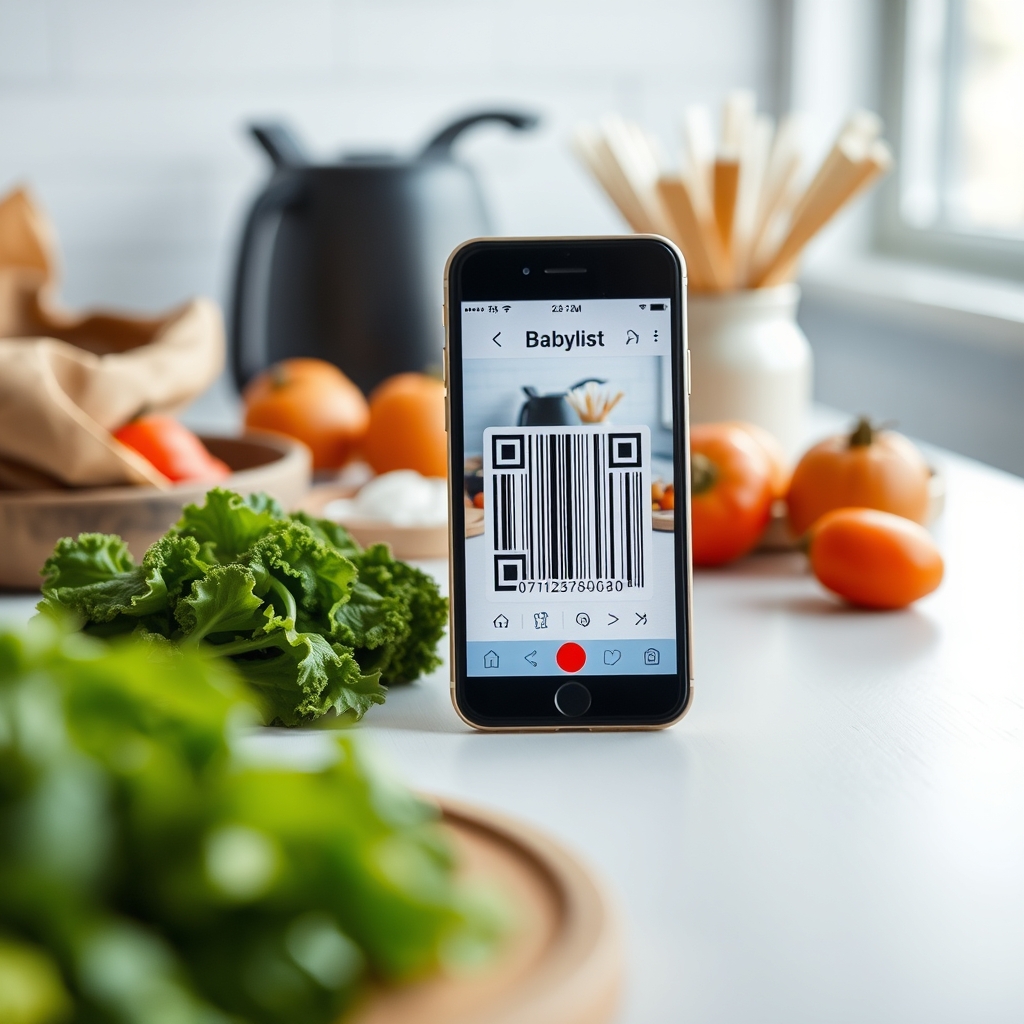
- Babylist: The platform’s hallmark feature. You can use the “Add Anything” button, paste a URL, or scan a barcode with the app. Babylist then creates a “universal” product page that tracks the item’s price, stock, and shipping details.
- Amazon: Offers a “Add to Registry” button for items sold on Amazon, plus a “Wish List” that can be shared, but you cannot directly add items from other retailers.
- Target: Similar to Amazon—only Target‑sold items can be added. Some third‑party sellers on Target’s website are included, but you cannot add a non‑Target URL.
For parents who love hunting in specialty stores or supporting local businesses, Babylist is the clear winner. It consolidates everything into one list, and the platform’s “universal” dashboard updates each item’s availability in real time.
Pros and cons of Babylist's cash gifts versus Amazon's product gifts
Cash gifts vs. product gifts isn’t just a financial decision; it shapes how you use your registry and what you feel comfortable asking for.
Cash gifts on Babylist
- Pros:
- Flexibility to allocate money toward big‑ticket items or unexpected expenses.
- Reduces duplicate gifts—friends can see what’s still needed and contribute cash instead.
- Direct deposit to your bank or Babylist gift card, usable anywhere.
- Cons:
- Some older relatives may prefer tangible items and feel awkward sending money.
- Cash gifts are not tax‑deductible for the giver.
Product gifts on Amazon
- Pros:
- Immediate visibility of what’s purchased—no need to track cash receipts.
- Prime shipping can deliver items within a day, helping with last‑minute needs.
- Amazon’s “Buy Together” suggestions reduce the chance of duplicate items.
- Cons:
- Limited to Amazon’s inventory; you may miss out on boutique or eco‑friendly brands.
- Gifts are tied to Amazon’s return policy; if the item is out of stock later, replacements can be tricky.
If you’re comfortable asking for money, Babylist’s cash‑gift option usually offers the most practical flexibility. If you prefer a hands‑on approach and want to see each gift arrive at your door, Amazon’s product‑gift system works well.
Target registry vs Amazon registry: shipping and return policies
Shipping speed and return ease can make or break the post‑baby shopping experience. Below is a side‑by‑side comparison of the two giants as of 2026.
Target’s longer return window is a blessing for parents who may discover a product isn’t baby‑proof until weeks later. Amazon’s faster shipping is unmatched, especially for urgent diaper or bottle needs.
Babylist vs Amazon vs Target: ease of adding items from any store
Adding items to your registry can be a breeze—or a chore—depending on the platform’s tools.
- Babylist: The “Add Anything” button lets you paste any URL, scan a barcode, or manually type a product name. The platform then pulls the product image, price, and a link to purchase. You can also import a Wish List from another site.
- Amazon: Uses a simple “Add to Registry” button that appears on Amazon product pages. You cannot directly add non‑Amazon items, but you can create a separate “Wish List” and share it.
- Target: Similar to Amazon—items must be in Target’s catalog. The Target app includes a barcode scanner for in‑store additions, but again only for Target‑sold items.
For parents who like to shop both online and in‑person, Babylist’s universal scanning feature is the most versatile. It eliminates the need to maintain multiple lists, and the platform automatically updates each item’s availability status.
Privacy and data security differences between Babylist, Amazon, and Target registries
When you share your registry URL, you’re also sharing personal data—your name, address, and sometimes birthdate. Understanding how each company protects that information is essential.
- Babylist: Uses SSL encryption for all data in transit and stores personal information on secure Amazon Web Services (AWS) servers. The company’s privacy policy states it does not sell your data to third‑party marketers, and you can opt out of promotional emails at any time.
- Amazon: Employs industry‑standard encryption and has a robust privacy framework. However, Amazon’s broader ecosystem means your registry activity may be used to personalize product recommendations across the platform.
- Target: Also uses SSL encryption and stores data on secure servers. Target may share anonymized data with its partners for marketing, but you can adjust preferences in your account settings.
If you’re particularly concerned about data being used for targeted ads, Babylist’s stricter opt‑out policy may feel more reassuring. All three platforms meet U.S. and U.K. data‑protection standards (GDPR for European customers).
Customer service experiences with Babylist, Amazon, and Target baby registries
When a stroller arrives damaged or a gift card isn’t applied, you’ll need responsive support. Here’s what recent user surveys (2025‑2026) reveal.
- Babylist: Average response time 2‑4 hours via chat; phone support is available 9 a.m.–9 p.m ET. Customers praise the “personal concierge” feel, especially for resolving retailer‑specific returns.
- Amazon: Chat bots often handle initial queries, with escalation to a live agent within 24 hours. Some users report longer wait times during holiday peaks, but the “A‑to‑Z Guarantee” provides a clear refund pathway.
- Target: In‑store staff can assist with registry questions on the spot, which many families find helpful. Online chat and phone support average 6‑8 hours response, but the brand’s “no‑questions‑asked” return policy smooths many issues.
Overall, Babylist’s dedicated registry team tends to win the “most helpful” votes, while Amazon’s massive infrastructure offers quick fixes for simple problems. Target’s hybrid approach (online + in‑store) appeals to families who enjoy face‑to‑face assistance.
How to combine multiple baby registries for maximum flexibility
Many parents opt to run more than one registry to capture the best of each platform. Here’s a step‑by‑step guide for stitching together Babylist, Amazon, and Target.
- Start with a master list: Use a spreadsheet or a note‑taking app (e.g., Google Keep) to jot down every item you think you’ll need.
- Prioritize high‑ticket items (crib, stroller) and add them to Babylist for cash‑gift flexibility and partner discounts.
- Populate everyday essentials (diapers, wipes, bottles) on Amazon to leverage Prime’s free shipping and rapid delivery.
- Assign brand‑specific or Target‑exclusive items (e.g., Target’s exclusive baby clothes line) to the Target registry.
- Link each registry URL in your master list so guests can click directly to the appropriate site.
- Periodically review the master list to avoid duplicates and to move items that have been purchased on one platform to “purchased” on the others.
Most families find that splitting responsibilities—cash gifts on Babylist, quick‑ship products on Amazon, and in‑store perks on Target—covers both convenience and savings without overwhelming anyone.
Baby registry checklist 2026: Must‑have items and where to add them
Below is a printable checklist that aligns with the three major registries. Feel free to copy it into your favorite notes app.
- Sleep: Crib, mattress, fitted sheets (Babylist for cash‑gift flexibility)
- Travel: Car seat, stroller (Amazon for fast shipping)
- Feeding: Bottles, breast pump (Target for exclusive discounts)
- Diapering: Diapers, wipes, diaper pail (Amazon bulk deals)
- Health: Baby thermometer, nasal aspirator (Babylist universal add‑anywhere)
- Play: Activity mat, soft toys (Target’s seasonal bundles)
- Safety: Outlet covers, cabinet locks (Amazon for quick replacement)
When you add each category to the appropriate registry, you’ll automatically benefit from the platform’s unique strengths—whether that’s cash gifts, rapid delivery, or exclusive discounts.

Myth vs. fact
Myth: “All baby registries are the same; you can’t lose anything by picking any one.”
Fact: Each registry offers distinct features—cash gifts, universal adding, and differing return policies—that can affect both your budget and convenience.
Myth: “You can’t get cash gifts on Amazon or Target.”
Fact: Amazon and Target do not natively support cash gifts, but you can request a gift card from friends outside the registry platform.
Myth: “Privacy isn’t a concern with baby registries.”
Fact: Registries collect personal data; Babylist, Amazon, and Target each have different privacy practices, and you can adjust settings to limit data sharing.
Key takeaways
- Babylist shines for universal item adding and cash‑gift flexibility.
- Amazon offers the fastest shipping and the widest product selection.
- Target provides generous return windows and exclusive newborn discounts.
- Combine registries to capture each platform’s strengths without duplicate gifts.
- Pay attention to privacy settings—opt‑out of promotional emails if you prefer minimal data sharing.
- Use the printable baby registry checklist 2026 to stay organized across all three platforms.
Frequently asked questions
Is Babylist better than Amazon for a baby registry?
It depends on what you value most. Babylist excels at universal adding and cash gifts, while Amazon beats in shipping speed and low‑price bulk items. Many families use both: Babylist for high‑ticket items and Amazon for everyday essentials.
Can I add items from any store to a Babylist registry?
Yes. Babylist’s “Add Anything” tool lets you paste any URL, scan a barcode, or manually type a product name. The platform then creates a universal entry that tracks price and availability, regardless of the original retailer.
What are the shipping fees for Target baby registry items?
Target offers free 2‑day shipping for most items to Target Circle members; otherwise, a flat $5.99 fee applies. Same‑day delivery is available in select metro areas for an additional $7.99.
Does Amazon offer cash gifts for baby registries?
No. Amazon’s registry only supports product gifts. If you want cash contributions, you can ask friends to purchase Amazon gift cards separately, but they will not appear as “cash gifts” on the registry.
How do return policies differ between Babylist, Amazon, and Target registries?
Target provides a 90‑day return window with free in‑store or prepaid label returns. Amazon offers a 30‑day return window, typically free for Prime members. Babylist’s return policy depends on the individual retailer, but the platform assists with returns and may negotiate on your behalf.
Can I combine a Babylist registry with an Amazon registry?
Absolutely. Create a master checklist, assign high‑value items to Babylist for cash gifts, and add everyday essentials to Amazon. Share both URLs in your invitation so guests can choose their preferred platform.
How do I transfer registry items between Babylist and Amazon?
While there’s no direct “transfer” button, you can copy the item’s name and URL from Babylist into your Amazon Wish List, or use the “Add Anything” feature on Babylist to import an Amazon URL. This manual process ensures the item appears on both lists.
When to see a doctor or specialist
Choosing a baby registry is not a medical decision, but the stress of planning can affect your wellbeing. If you notice any of the following, consider reaching out to a healthcare professional:
- Persistent anxiety or panic attacks that interfere with daily life.
- Depressive symptoms lasting longer than two weeks (loss of interest, sleep changes, hopelessness).
- Physical signs of extreme stress (elevated blood pressure, frequent headaches).
Contact your OB‑GYN, primary care provider, or a mental‑health therapist if any of these red‑flag symptoms appear. Remember, this article is for informational purposes only and does not replace personalized medical advice.
References
- American College of Obstetricians and Gynecologists (ACOG). “Choosing a Baby Registry.” 2025.
- Babylist. “Partner Discounts and Cash‑Gift Policy.” Updated March 2026.
- Amazon. “Baby Registry Welcome Box and Prime Benefits.” Retrieved April 2026.
- Target. “Baby Registry Discounts and Return Policy.” 2026 corporate guide.
- Federal Trade Commission (FTC). “Consumer Privacy Practices for Online Retailers.” 2025.
- National Institute of Mental Health (NIMH). “Postpartum Depression Overview.” 2024.



