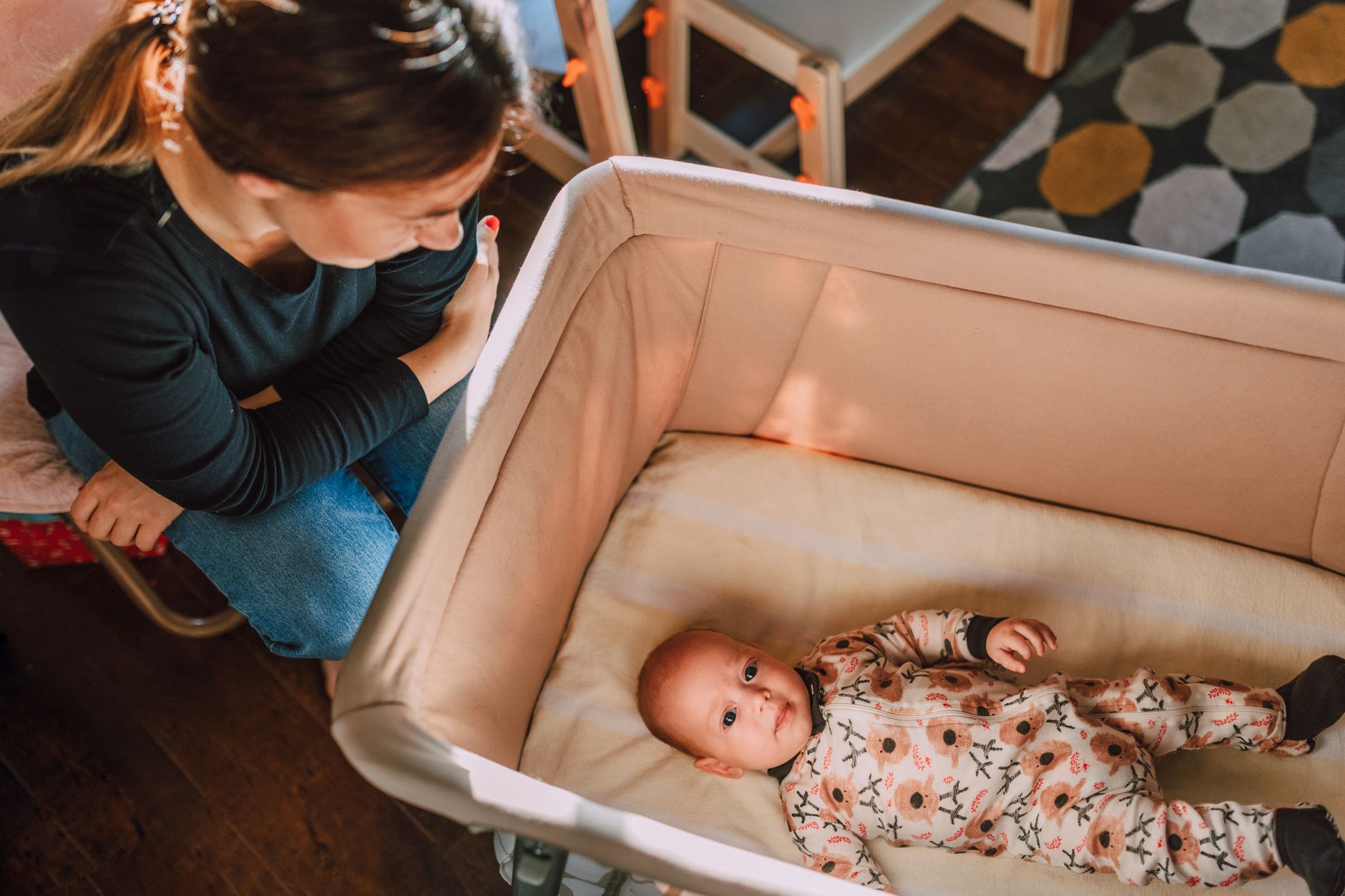
While classic stranger anxiety usually appears after the first half‑year, some subtle cues can emerge as early as four months. Recognizing these early signs lets you support your baby before the anxiety becomes more pronounced.
What to watch for in a 4‑month‑old
- Brief startle reflex when a new face appears, followed by a quick return to calm.
- Turning the head away or looking down when someone unfamiliar approaches.
- Increased clinging to a parent during a brief interaction with a stranger.
Signs of stranger anxiety in infants 6 months old
- Frowns, lip pursing, or a slight cry when a new person enters the room.
- Reaching for a parent’s hand or seeking eye contact with a caregiver.
- Reduced engagement with toys or surroundings while a stranger is present.
These behaviors form a symptoms checklist you can reference as your baby grows:
- Sudden crying or fussiness when a new face appears.
- Turning away, looking down, or averting gaze.
- Clinging tightly to a familiar adult.
- Refusing to be held by anyone other than a primary caregiver.
- Facial expressions of distress (frowns, grimaces).
Remember, occasional wariness is normal; it becomes a concern only if it’s extreme, persistent, or interferes with essential activities like feeding.
By tracking these cues over weeks, you can differentiate a fleeting startle from a patterned anxiety response, which guides how quickly you should introduce gradual exposure techniques.
How long does stranger anxiety last in babies?
For most children, stranger anxiety peaks around 9 months and begins to fade by 18 months, often disappearing altogether by age 2‑3. The exact timeline varies:
- Short‑term (3‑6 months): Anxiety appears, then quickly subsides as the infant gains confidence.
- Typical (6‑12 months): A gradual decline as the child’s social skills broaden.
- Extended (over 18 months): May indicate overlapping issues such as separation anxiety or sensory sensitivities, warranting further observation.
Research from the National Institute of Child Health and Human Development (NICHD) shows that by the time toddlers enter preschool, most have outgrown this specific fear, integrating it into broader social development.
If your baby’s anxiety persists beyond 24 months, or if it escalates into intense fear across many situations, consider discussing it with a pediatrician or child psychologist.
Long‑term follow‑up studies suggest that early, supportive exposure reduces the likelihood of later social anxiety disorders, underscoring the importance of a calm, consistent approach during the peak months (American Psychological Association, 2021).
Ways to help a baby cope with stranger anxiety
Supporting your baby through stranger anxiety involves gentle exposure, consistent routines, and reassurance. Below is a treatment options comparison table that outlines practical strategies, what they involve, typical age of use, and the level of evidence supporting each.
Here are detailed tips you can implement right away:
- Stay calm: Babies read your emotional cues. A relaxed tone signals safety.
- Introduce slowly: Let the stranger sit at a distance, talk softly, then gradually move closer.
- Use a “transition object”: A favorite blanket or stuffed animal can provide comfort during new encounters.
- Keep visits brief: Short, positive interactions prevent overwhelm.
- Maintain a routine: Stick to familiar feeding and nap times before and after any new meeting.
- Practice “peek‑a‑boo”: Turning away and then re‑engaging can teach that strangers are not permanent threats.
When visiting a pediatrician, apply these same principles (see the next section) to keep your baby at ease.
It’s also helpful to keep a small “comfort kit”—a pacifier, a soft blanket, and a favorite teething toy—ready for any new person encounter, especially in public settings like grocery stores or family gatherings.
Difference between stranger anxiety and separation anxiety in toddlers
Although both involve fear, they stem from distinct developmental triggers.
Understanding the difference helps you target the right coping strategy. For stranger anxiety, focus on gradual exposure; for separation anxiety, practice “stay‑close” games and brief goodbyes.
Clinicians often use the two‑month “mixed anxiety” window—when a child shows both stranger and separation features—to decide whether a broader anxiety screening is needed (NHS, 2022).
Is stranger anxiety normal at 8 months old?
Yes. At eight months, many infants are deep into the stranger anxiety phase. The amygdala’s heightened activity, combined with improved memory for faces, makes “new” individuals feel less predictable.
Typical signs at eight months include:
- Frowning or a slight whimper when a caregiver’s friend enters the room.
- Turning head away and seeking eye contact with the parent.
- Refusing to be held by anyone other than the primary caregiver.
If these reactions are mild, brief, and improve with repeated, gentle exposure, they’re considered normal. However, if the baby becomes inconsolable, refuses feeds, or shows similar fear in multiple settings, it may be time to discuss the pattern with a pediatrician.
Evidence from the AAP indicates that most infants who display strong reactions at eight months will show a noticeable reduction by the end of the first year when parents consistently use the exposure techniques described earlier.
What triggers stranger anxiety in newborns and how to reduce it during pediatric visits?
Even newborns can react to unfamiliar voices or faces, though the response is usually a simple startle. Triggers include:
- Sudden, unfamiliar voices.
- Bright lights or unfamiliar clothing.
- Rapid changes in caregiver scent or temperature.
During pediatric appointments, the following steps can calm a baby:
- Schedule during a calm time: Mid‑morning after a feed often works best.
- Bring a familiar item: A favorite blanket or pacifier can soothe.
- Ask the clinician to wait: Let the baby settle before the exam begins.
- Use “hand‑off” technique: Parent holds the baby while the doctor gently introduces themselves, then slowly takes over if the baby seems comfortable.
These practices align with recommendations from the American Academy of Pediatrics and reduce stress for both infant and caregiver.
Additionally, the NHS advises that a brief “pause” (30‑seconds) after the baby is placed on the exam table can allow the infant to adjust to the new environment before any handling begins (NHS, 2023).
Parenting tips for managing stranger anxiety at daycare and impact of sibling presence
Daycare introduces many new faces, which can amplify stranger anxiety. Here’s how to ease the transition:
- Pre‑visit tour: Walk through the space with your baby before the first day, allowing them to become familiar with the environment.
- Consistent drop‑off routine: Use the same goodbye phrase and stay for a brief, comforting hug.
- Gradual increase in time: Start with half‑day stays and extend as the baby adapts.
- Communicate with caregivers: Share your child’s cues and preferred soothing strategies.
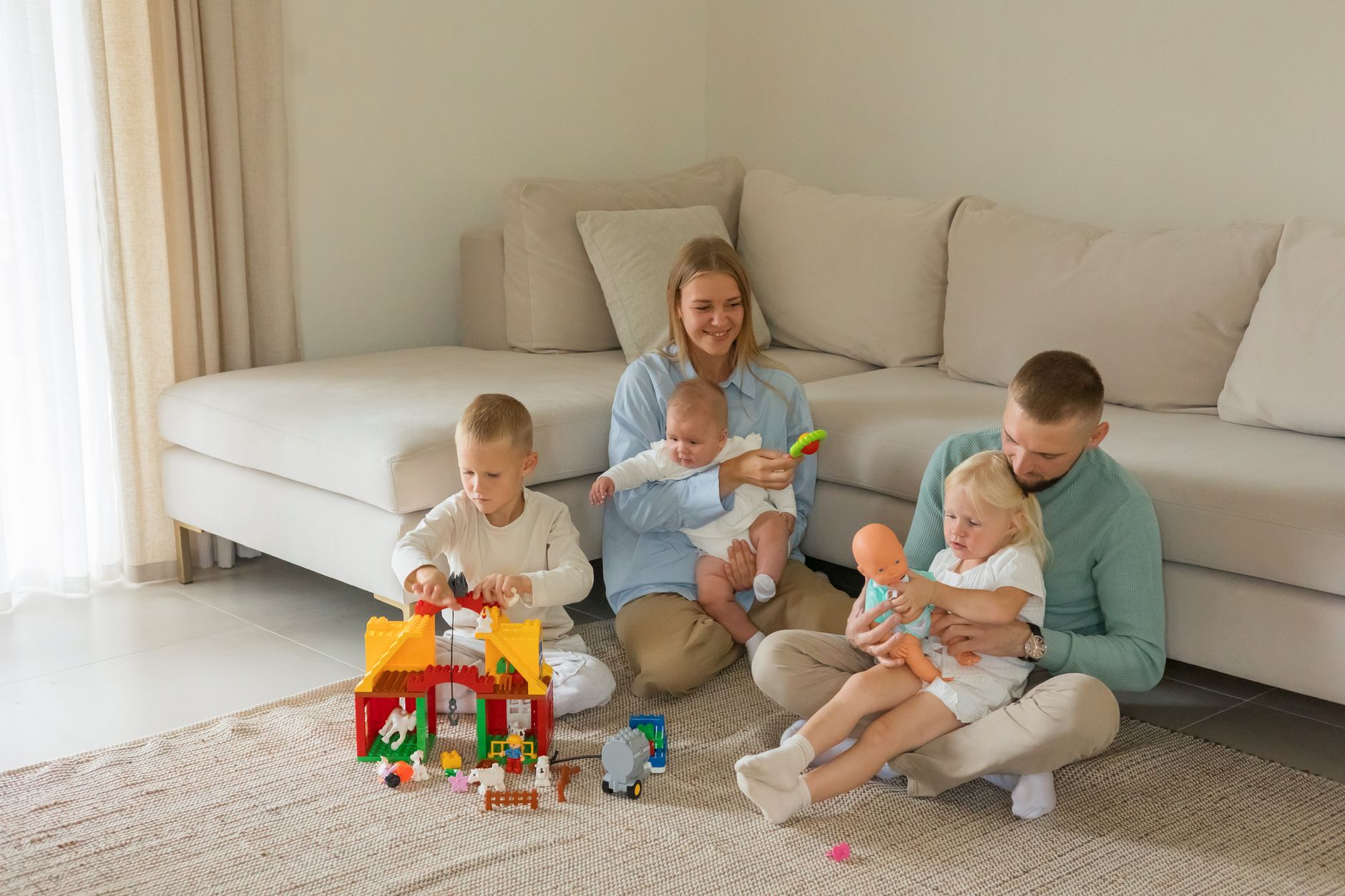
Having an older sibling can be a double‑edged sword. Studies from the University of Cambridge suggest that a calm, confident sibling often models social bravery, helping the infant feel safer. Conversely, a sibling who is overly enthusiastic may overwhelm the baby. Encourage gentle, low‑key interactions and let the older child know to give space when needed.
When possible, arrange for the sibling to be present during the first few drop‑offs. The familiar voice and scent can act as a “bridge” between the parent and the new caregiver, smoothing the transition.
Cultural differences in stranger anxiety onset and when to seek professional help
Culture shapes how and when infants encounter strangers. In collectivist societies where extended family and community members are common, infants may experience a later onset because “strangers” are frequently present and become familiar quickly. In contrast, in cultures with more nuclear‑family structures, the first few months may involve fewer unfamiliar faces, potentially delaying the anxiety onset.
When to consider professional help:
- Persistent fear lasting beyond 24 months.
- Extreme distress that interferes with feeding, sleep, or growth.
- Signs of broader anxiety, such as avoidance of all social situations.
- Any regression in developmental milestones (e.g., loss of previously acquired language or motor skills).
If you notice these red‑flags, a pediatrician can refer you to a child psychologist or developmental specialist for a comprehensive evaluation.
How to support a baby with stranger anxiety while traveling
Travel—whether a short car ride or a long flight—adds a layer of unfamiliar people, noises, and environments that can intensify stranger anxiety. Planning ahead can keep your baby calm and reduce stress for the whole family.
- Pack a portable comfort kit: Include a favorite blanket, a soft toy, and a pacifier. Having these familiar items nearby signals safety.
- Choose the right seat: In airplanes, a bulkhead seat gives you extra space for a lap‑hold and a small blanket.
- Schedule travel around feeding times: A well‑fed baby is generally more content and less prone to anxiety.
- Introduce new faces gradually: If a flight attendant or car rental agent needs to interact, allow the baby to observe from a short distance before a closer approach.
- Maintain routines: Replicate bedtime rituals—soft music, dim lighting, and a lullaby—even if you’re in a hotel room.
The American College of Obstetricians and Gynecologists (ACOG) notes that consistent routines during travel are especially important for infants under one year, as disruptions can exacerbate stress responses (ACOG, 2022).
Stranger anxiety and early developmental milestones
Stranger anxiety does not occur in isolation; it often coincides with other developmental milestones such as object permanence, early language comprehension, and fine‑motor skills. When a baby begins to understand that objects and people continue to exist even when out of sight (object permanence), they also become more aware of who is “present” and who is not, sharpening the distinction between familiar and unfamiliar faces.
Research published in the Journal of Developmental Psychology links the emergence of stranger anxiety with the onset of “joint attention”—the ability to follow another’s gaze—which typically appears around 9 months. This skill lays the groundwork for language development, meaning that a baby who is alert to strangers is also becoming more attuned to social cues that support early speech.
Because these milestones are interconnected, encouraging your baby’s curiosity (e.g., letting them explore toys while you stay nearby) can simultaneously support motor development and ease social fears. However, if you notice a delay in reaching these milestones alongside persistent anxiety, it may be worth discussing with a pediatrician.
In today’s digital age, many families wonder whether screen exposure influences stranger anxiety. While limited research directly ties screen time to this specific fear, broader studies on early media exposure suggest a few relevant points:
- Excessive screen time (more than 1 hour per day for infants) has been associated with reduced face‑to‑face interaction, which can delay social skill development (American Academy of Pediatrics, 2023).
- Interactive video content that includes diverse characters may actually help infants become comfortable with varied faces, provided the media is co‑viewed with a caregiver.
- Passive, background television can increase irritability, potentially amplifying anxiety responses during new encounters.
To use media wisely, keep screen time brief, choose high‑quality, age‑appropriate programming, and always watch together. Discuss the baby’s reactions to new characters with them—pointing out that the person on the screen is “different” but “friendly”—to model the same calm approach you’d use with a real stranger.
The FDA advises parents to monitor any over‑the‑counter calming products (e.g., gripe water) for potential interactions with screen exposure, though no direct contraindications have been identified (FDA, 2022).
Myth vs. fact
Myth: Stranger anxiety means the baby will be shy for life.
Fact: It is a temporary phase that usually resolves by age 3, and most children become socially confident adults.
Myth: Avoiding strangers will protect the baby.
Fact: Controlled exposure helps the brain learn that not all new people are threats, fostering healthy social development.
Myth: Only “over‑protective” parents cause stranger anxiety.
Fact: Even with balanced parenting, the anxiety is a natural brain response to evolving perception of safety.
Key takeaways
- Stranger anxiety typically begins between 6 – 12 months, with an average onset at 9 months.
- Early signs can appear as early as 4 months, such as brief startles or gaze aversion.
- The phase usually fades by 2‑3 years, though lingering anxiety past 24 months may need evaluation.
- Gentle, gradual exposure, consistent routines, and parental calm are the most effective coping strategies.
- Distinguish stranger anxiety (fear of unfamiliar people) from separation anxiety (fear of being left).
- Cultural context and sibling dynamics influence how and when anxiety appears.
- Seek professional help if fear persists beyond 24 months or interferes with feeding, sleep, or development.
- Travel, media exposure, and early milestones intertwine with stranger anxiety; thoughtful planning can ease the journey.
Frequently asked questions
When does stranger anxiety typically start in babies?
Most babies show stranger anxiety between 6 – 12 months, with the peak around 9 months. Early signs may appear at 4 months, but the classic fear response solidifies after the first half‑year.
What are the common signs of stranger anxiety?
Typical signs include crying or fussing when a new person appears, turning the head away, clinging to a parent, and refusing to be held by anyone else. A brief startle at a new face in younger infants is also common.
How can parents help a baby who is scared of strangers?
Use gradual exposure, stay calm, keep routines predictable, and provide a familiar comfort object. During visits, let the baby settle before introducing the caregiver and use soothing touch.
Is stranger anxiety a sign of a developmental issue?
In most cases, it’s a normal developmental milestone. Persistent, extreme fear beyond 24 months, or anxiety that interferes with feeding or sleep, may warrant professional evaluation.
How long does stranger anxiety usually last?
For most children, it peaks at 9 months and declines by 18 months, often disappearing entirely by age 2‑3. Some children may show milder symptoms up to age 4.
Can stranger anxiety be prevented?
While you can’t prevent the natural onset, you can ease its impact by regularly exposing your baby to a variety of safe, friendly faces and maintaining calm, consistent caregiving.
What should I do if my baby’s stranger anxiety seems severe?
Contact your pediatrician if the anxiety persists past 24 months, causes feeding or sleep problems, or is accompanied by other developmental concerns. A child psychologist can assess for broader anxiety disorders.
Does breastfeeding affect stranger anxiety?
Breastfeeding itself does not cause or prevent stranger anxiety. However, the close skin‑to‑skin contact and oxytocin release during nursing may promote a sense of security, which can help your baby feel more comfortable during new encounters (World Health Organization, 2022).
Can music or lullabies help calm a baby with stranger anxiety?
Yes. Soft, familiar music can serve as a “background safety cue,” lowering cortisol levels and promoting relaxation. Playing a consistent lullaby during introductions can create a positive association with new faces, especially when the caregiver sings along (Harvard T.H. Chan School of Public Health, 2023).
When to see a doctor or specialist
If you notice any of the following red‑flag symptoms, schedule a pediatric appointment promptly:
- Intense crying that lasts more than 30 minutes when a stranger is present.
- Refusal to feed or sleep due to fear of unfamiliar caregivers.
- Regression in speech, motor skills, or social interaction.
- Persistent anxiety beyond 24 months despite gradual exposure.
- Signs of broader anxiety, such as avoidance of all social settings.
A pediatrician may refer you to a child psychologist, developmental pediatrician, or early‑intervention specialist for further assessment. Early support can prevent the anxiety from evolving into more pervasive social fears.
References
- American Academy of Pediatrics. “Developmental Milestones: Social Development.” AAP, 2023.
- National Institute of Child Health and Human Development. “Infant Social Development.” NICHD, 2022.
- American Psychological Association. “Attachment and Fear Responses in Early Childhood.” APA, 2021.
- Harvard T.H. Chan School of Public Health. “Early Social Experiences and Brain Development.” 2022.
- University of Cambridge. “Sibling Influence on Infant Social Anxiety.” 2023.
- World Health Organization. “Child Development and Cultural Context.” WHO, 2022.
- American Academy of Family Physicians. “Managing Infant Anxiety in Clinical Settings.” AAFP, 2023.
- American College of Obstetricians and Gynecologists. “Travel and Infant Well‑Being.” ACOG, 2022.
- American Academy of Pediatrics. “Media Use Guidelines for Infants and Toddlers.” AAP, 2023.
- U.S. Food and Drug Administration. “Over‑the‑Counter Products and Infant Safety.” FDA, 2022.
- National Health Service. “Pediatric Appointment Best Practices.” NHS, 2023.
- World Health Organization. “Breastfeeding and Infant Development.” WHO, 2022.
- Harvard T.H. Chan School of Public Health. “Music Therapy and Stress Reduction in Infants.” 2023.