

Quick take: Your baby's first year is a whirlwind of growth, marked by exciting developmental milestones in gross motor, fine motor, language, cognitive, and social-emotional skills. While every baby develops at their own unique pace, a general timeline can offer a helpful guide. Focus on enjoying their journey and consult your pediatrician if you have concerns about significant delays or regressions.
The first year of your baby's life is an extraordinary journey, a blur of tiny triumphs and rapid growth. From their very first smile to their wobbly first steps, each new skill is a moment to cherish. But for many new parents, this exciting time can also bring a quiet hum of worry: Is my baby on track? Are they doing what they "should" be doing?
You're not alone if you've found yourself scrolling through endless forums at 3 AM, comparing your little one to others, or wondering if that missed milestone is cause for concern. The truth is, development isn't a race, and babies unfold at their own unique pace. What matters most is a consistent pattern of progress, not hitting every single milestone on a specific day.
This guide offers a comprehensive look at your baby's first year milestones checklist, breaking down what to expect month-by-month across key developmental domains. We'll explore how to support your baby's growth through play and interaction, understand normal variations, and most importantly, identify when it’s time to have a chat with your pediatrician. Our goal isn't to create more worry, but to equip you with clear, reassuring information so you can celebrate every precious step.
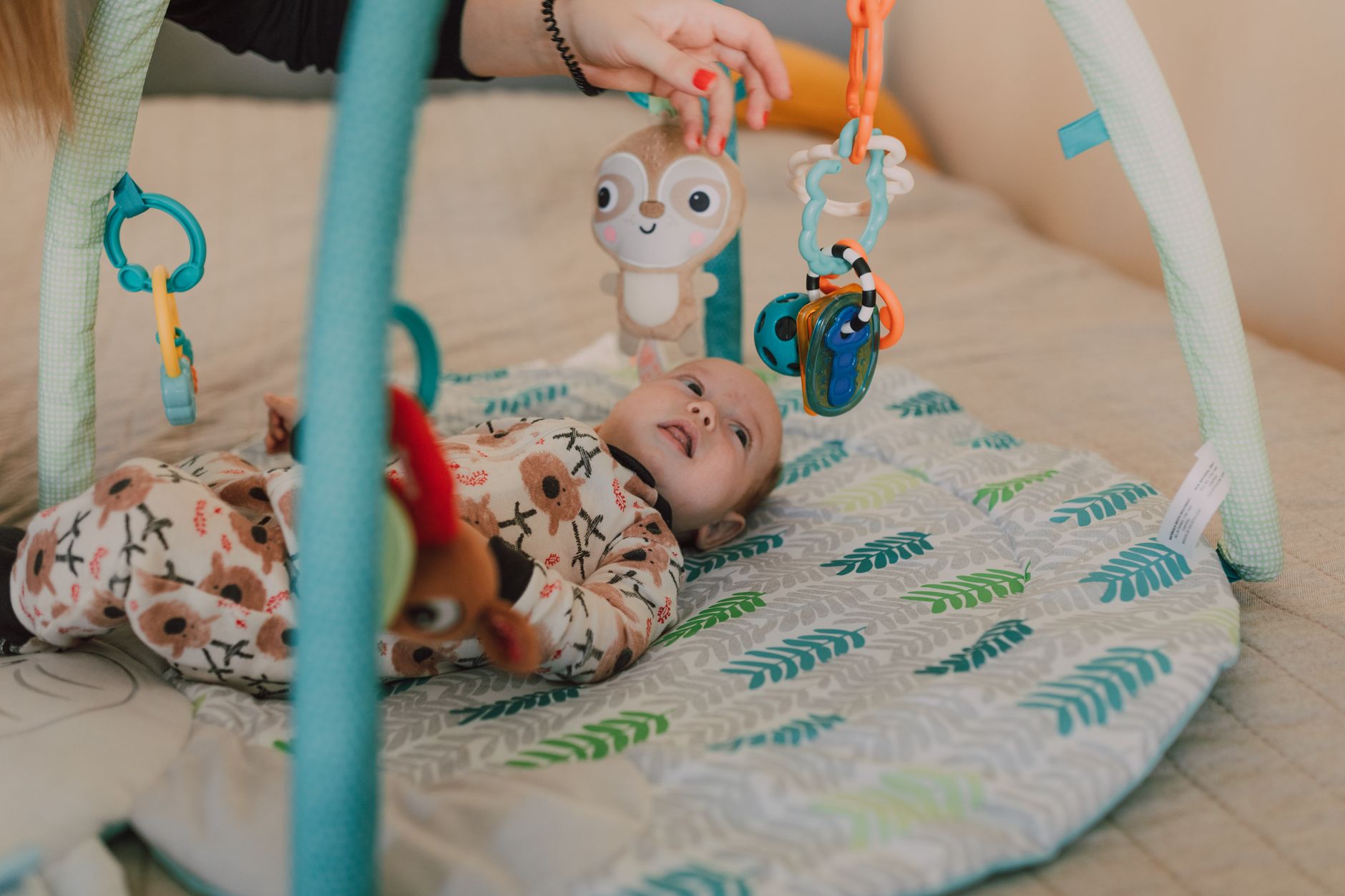
Your Baby's First Year Milestones: A Month-by-Month Checklist
Understanding your baby's developmental journey involves looking at several key areas. These "domains" work together, with progress in one often supporting growth in another. Here’s a quick overview of what we'll be tracking:
- Gross Motor Skills: These involve large muscle movements, like holding their head up, rolling over, sitting, crawling, and eventually walking.
- Fine Motor Skills: These are about smaller, more precise movements, especially with their hands and fingers, such as grasping toys, picking up small objects, and self-feeding.
- Language and Communication Skills: This includes everything from cooing and babbling to understanding words, responding to their name, and eventually saying their first words.
- Cognitive Skills: This covers how your baby thinks, learns, solves problems, and understands the world around them – like object permanence, cause and effect, and exploring their environment.
- Social-Emotional Skills: This refers to how your baby interacts with others, expresses emotions, forms attachments, and develops a sense of self. It includes smiling, making eye contact, showing preferences, and comforting themselves.
Below is a general baby milestones by month checklist, based on guidance from the American Academy of Pediatrics (AAP) and the Centers for Disease Control and Prevention (CDC). Remember, these are averages, and your baby might be a little ahead in some areas and a little behind in others, and that's usually perfectly normal.
| Age | Gross Motor | Fine Motor | Language & Communication | Cognitive | Social-Emotional |
|---|---|---|---|---|---|
| Birth-1 Month | Lifts head briefly when on tummy; moves arms and legs equally. | Keeps hands fisted; brings hands to mouth. | Cries to express needs; makes small throaty noises. | Looks at faces; prefers human face to objects. | Calms when picked up or spoken to; startles to loud noises. |
| 2 Months | Holds head up and pushes up with arms when on tummy; smoother arm/leg movements. | Opens and shuts hands; holds objects briefly when placed in hand. | Coos and gurgles; turns head towards sounds. | Watches faces intently; begins to follow things with eyes. | Begins to smile spontaneously; enjoys looking at people. |
| 4 Months | Holds head steady, unsupported; pushes down on legs when feet are on hard surface; may roll from tummy to back. | Reaches for toys with one hand; brings hands to mouth; uses hands to support self when sitting. | Babbles with expression; copies sounds heard; laughs. | Looks around at new things; shows curiosity about things; tries to get things that are out of reach. | Smiles spontaneously at people; responds to affection; enjoys playing with people and might cry when playing stops. |
| 6 Months | Rolls both ways (tummy to back, back to tummy); begins to sit without support; rocks back and forth, may crawl backward. | Passes objects from one hand to the other; brings objects to mouth; picks up small objects using a raking grasp. | Responds to own name; begins to say consonant sounds (e.g., "baba," "mama"); makes sounds to get attention. | Puts things in mouth to explore; reaches for things; begins to find partially hidden objects. | Recognizes familiar faces; likes to look at self in a mirror; responds to other people's emotions. |
| 9 Months | Sits without support; crawls; pulls to stand; cruises holding onto furniture. | Picks up small objects with pincer grasp (thumb and forefinger); bangs two objects together; claps hands. | Understands "no"; uses a variety of babbling sounds ("mamama," "bababa"); may say "mama" or "dada" indiscriminately. | Looks for objects that are dropped; plays peek-a-boo; understands object permanence. | May be clingy with familiar adults; shows stranger anxiety; waves "bye-bye." |
| 12 Months | Gets to a sitting position independently; pulls to stand and walks holding on to furniture; may take a few steps without support. | Puts objects into containers and takes them out; drinks from a cup without a lid (with help); holds crayon and makes marks. | Responds to simple spoken requests; says "mama" and "dada" specifically; uses simple gestures like shaking head "no." | Explores things in different ways (shaking, banging, throwing); finds hidden things easily; copies gestures. | Plays games like "pat-a-cake"; shows affection; shows fear in some situations; uses objects correctly (e.g., drinks from a cup, brushes hair). |
When Do Babies Roll Over, Sit Up, and Crawl? Understanding the Timeline
Rolling Over
Most babies start to roll from tummy to back around 4 months, and from back to tummy around 5-6 months. Some babies might surprise you by rolling earlier, while others might take a bit longer. The key is providing plenty of supervised tummy time, which strengthens the neck, shoulder, and back muscles essential for rolling.
- To encourage rolling: Place toys slightly out of reach to the side during tummy time, encouraging them to twist and reach. Gently guide their hips to initiate the roll.
Sitting Up
Independent sitting usually begins between 6 and 8 months. Initially, they'll need support, often propping themselves up with their hands. With practice, their core muscles strengthen, allowing them to sit unsupported for longer periods. By 8 months, many babies can get into a sitting position on their own.
- To encourage sitting: Provide a supportive environment, like a boppy pillow or seated in a corner of a couch, always with supervision. Gradually reduce support as they gain strength.
Crawling
Crawling is a big one, typically appearing between 7 and 10 months. There are many styles of crawling – classic hands-and-knees, commando crawl (on their belly), bottom scooting, or even rolling to get where they want to go. Some babies skip traditional crawling altogether and go straight to cruising or walking, which is also normal.
- To encourage crawling: More floor time! Place enticing toys just beyond their reach. Get down on the floor with them and demonstrate crawling movements.
It's important to remember that the sequence of these milestones can sometimes differ. For instance, a baby might sit before rolling or vice versa. What's most important is that your baby is showing progress and an interest in moving and exploring their environment. If you notice a significant delay across multiple motor skills or a regression (losing a skill they once had), that's when a conversation with your pediatrician is warranted.
Nurturing Early Communication: How to Encourage Language Development in Infants
Language development begins long before your baby says their first word. From birth, infants are absorbing the sounds, rhythms, and meanings of language around them. As a modern mom, you have countless opportunities every day to foster these crucial skills. Here’s how to encourage language development in infants 0-12 months:
Talk, Talk, Talk!
This is the simplest and most powerful tool. Narrate your day: "Mama's changing your diaper now," "We're going to the kitchen to get a bottle," "Look at the big doggie!" Use "parentese" – that slightly higher-pitched, singsong voice with exaggerated vowels. Babies are naturally drawn to it. Respond to their coos and babbles as if they're having a full conversation, taking turns in the "dialogue."
Read Together
Even newborns benefit from hearing your voice and seeing pictures. As they grow, they'll start to engage more with board books, pointing at pictures, and eventually turning pages. Reading exposes them to a wide vocabulary and helps them understand the structure of stories. Make it a daily ritual, even for just a few minutes.
Sing Songs and Play Games
Nursery rhymes, lullabies, and simple action songs ("Pat-a-Cake," "Itsy Bitsy Spider") are fantastic for language development. They introduce rhythm, repetition, and often link words to actions, helping build associations. These interactions also strengthen your bond, which is vital for all areas of development.
Respond to Their Cues and Sounds
When your baby babbles, babble back! When they point, name the object they're pointing to. This teaches them that their attempts at communication are valued and effective. Encourage them to imitate sounds and gestures.
Introduce Simple Gestures
Before words, babies use gestures. Teach them "bye-bye" by waving, "up" by reaching, or "more" by tapping their hands together. This gives them a way to communicate their needs and desires before they have the verbal skills, reducing frustration and building confidence. You can also name body parts as you play or dress them: "Where's your nose? There it is!"
Remember that every interaction is a learning opportunity. Limit screen time, especially for infants, as it doesn't offer the same rich, interactive language experience that human interaction does. The more you engage with your baby, the more their language skills will flourish.
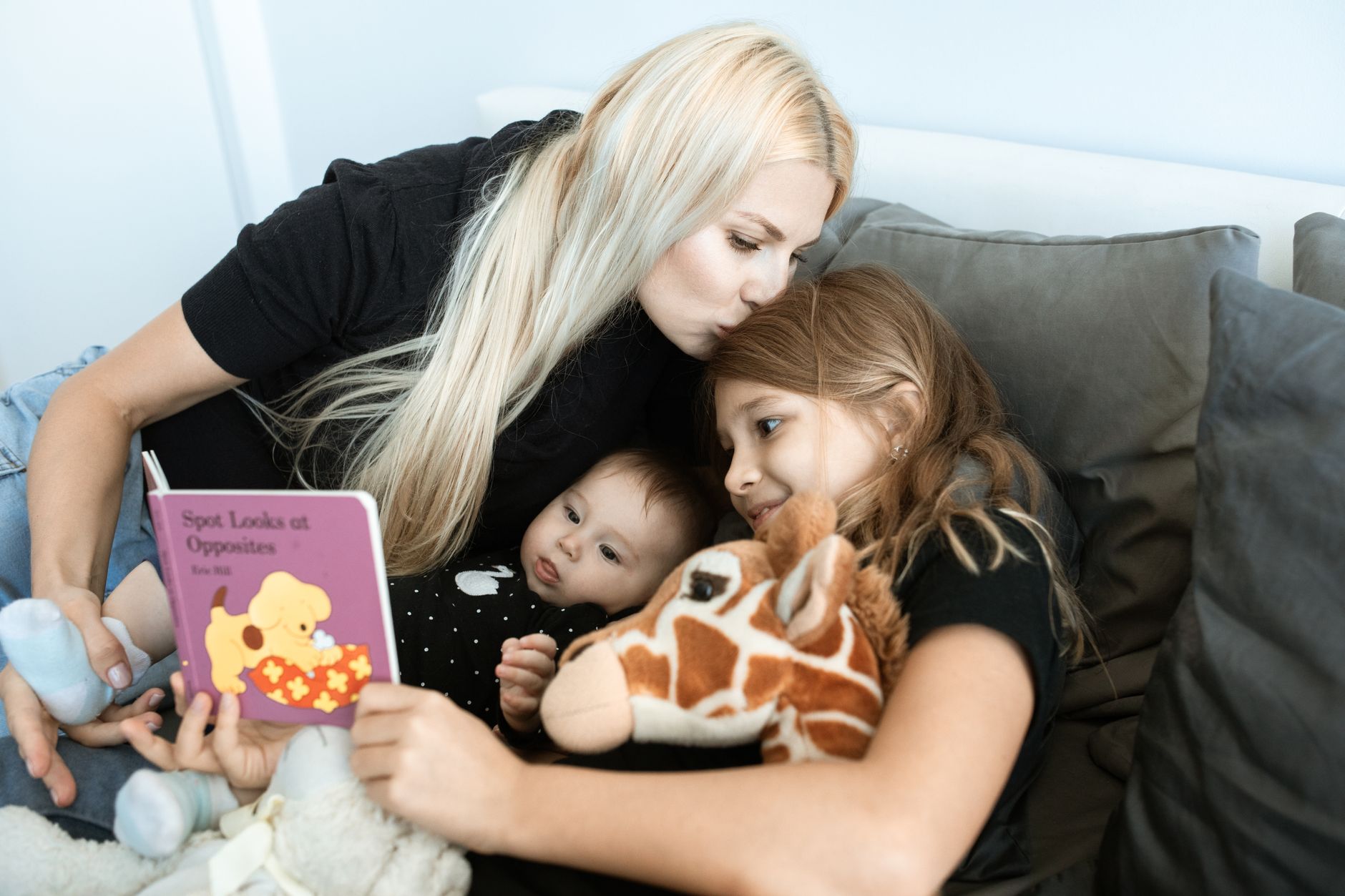
Beyond Movement: Cognitive and Social Milestones in the First Year
While physical milestones often grab the spotlight, your baby's cognitive and social-emotional growth are equally profound. These areas of development shape how they understand the world, form relationships, and express themselves. For example, what are the cognitive and social milestones for a 6 month old baby? At six months, a baby is beginning to put things in their mouth to explore, reach for objects, and recognize familiar faces. They're smiling spontaneously and responding to your emotions, showing a burgeoning sense of self and connection.
Cognitive Milestones: How Babies Learn and Understand
- Object Permanence: A huge cognitive leap, usually emerging around 8-9 months. This is the understanding that objects still exist even when you can't see them. This is why games like peek-a-boo are so thrilling for babies in this stage! They learn that when you disappear, you will reappear.
- Cause and Effect: Early on, babies learn that their actions have consequences. Shaking a rattle makes noise, crying brings comfort. By 6-9 months, this becomes more sophisticated – they might drop a toy repeatedly to see you pick it up, or push a button to make a sound.
- Problem-Solving: Initially, this might look like trying to reach a toy that's just out of grasp. By 9-12 months, they might pull a blanket to get a toy closer or try to fit shapes into a sorter (even if they don't get it right yet!).
- Exploration: Babies are tiny scientists. They explore with all their senses – touching, tasting, shaking, banging. Provide safe, varied objects for them to manipulate.
Social-Emotional Milestones: Connecting with the World
- Smiling and Eye Contact: From the earliest weeks, babies use these to connect. A "social smile" (responding to your smile) typically emerges around 2 months, a truly heartwarming milestone.
- Attachment: Babies form strong bonds with their primary caregivers. This attachment helps them feel secure and allows them to explore the world confidently. By 6-9 months, they'll show clear preferences for familiar people and may become distressed when separated (separation anxiety).
- Stranger Anxiety: Often appearing around 8-12 months, this is when babies become wary or fearful of unfamiliar people. It's a normal and healthy sign of discerning who is safe and who isn't.
- Emotional Expression: Beyond crying, babies begin to express a wider range of emotions – joy, excitement, frustration, anger. They also start to "read" your emotions and respond accordingly.
- Self-Awareness: Around 9-12 months, babies start to recognize themselves in mirrors and understand that they are separate from others. They might point to their reflection or show pride in their achievements.
To foster these vital skills, engage in responsive parenting. Respond to their cries, smiles, and attempts at interaction. Play games like peek-a-boo, offer choices (even simple ones like "Do you want the red block or the blue block?"), and allow them safe opportunities to explore and interact with their environment and others.
Play and Learning: Fun Activities to Support Your Baby's Development
Play isn't just fun for babies; it's their primary way of learning and growing! Every giggle, reach, and babble during play is building neural connections and strengthening emerging skills. Here are some fun activities to support baby's first year development across all domains:
Tummy Time Adventures
From day one, supervised tummy time is crucial. Start with just a few minutes, several times a day, and gradually increase. Place interesting toys in front of them, lie down with them, or use a tummy time mat with sensory elements. This strengthens neck, back, and core muscles, essential for rolling, sitting, and crawling.
Sensory Exploration
Babies learn through their senses. Provide opportunities to touch different textures (soft blankets, crinkly toys, smooth blocks), listen to various sounds (rattles, music, your voice), and see contrasting colors and patterns. A "sensory basket" with safe, everyday items (a wooden spoon, a soft cloth, a sturdy brush) can be wonderfully engaging. Remember, babies will put things in their mouths, so ensure all items are clean and safe for oral exploration. For tips on expanding their palate, check out our guide on first foods checklist by month.
Reading and Story Time
As mentioned, reading is vital for language, but it's also a cozy, bonding activity that stimulates cognitive development. Point to pictures, ask questions ("Where's the kitty?"), and make animal sounds. Even if they don't understand the words, they're absorbing the rhythm of language and the joy of connection.
Mirror Play
Babies are fascinated by faces, and their own reflection is no exception. Place an unbreakable mirror in their play area. Watch as they coo, smile, and eventually interact with their reflection. This supports self-awareness and social development.
Cause-and-Effect Toys
Toys that respond to your baby's actions (e.g., a button that plays music, blocks that fall when pushed, shape sorters) teach them about cause and effect. This is a fundamental cognitive concept. Simple actions like dropping a toy and watching you pick it up also teach this lesson!
Movement and Music
Dance with your baby, gently bounce them, or let them kick to music. This fosters gross motor skills, rhythm, and provides joyful social interaction. Sing songs with actions, like "Pat-a-Cake" or "Wheels on the Bus," to link language with movement.
"Object Hiding" Games
Once your baby starts to understand object permanence (around 8-9 months), play games where you partially or fully hide a toy and encourage them to find it. This strengthens problem-solving and cognitive skills.
The best "toys" are often simple, open-ended items and, most importantly, your engaged presence. Limit electronic devices, as they can't replicate the crucial back-and-forth interaction that fuels healthy development. Creating a safe, stimulating environment where your baby can explore freely is one of the greatest gifts you can give them.
Understanding Normal Variation: Is Your Baby Developing on Track?
One of the biggest sources of parental anxiety is the "comparison trap." We see other babies, hear stories from friends, or scroll social media, and suddenly worry if our own child is "behind." It's natural to wonder, "is my baby developing normally first year signs?" The crucial thing to remember is that development is a broad spectrum, not a rigid timeline.
The "Window" of Development
Instead of thinking of milestones as hard deadlines, think of them as "windows" during which a skill typically emerges. For example, a baby might start walking anywhere from 9 to 18 months and still be considered perfectly on track. Genetics, temperament, and even environmental factors all play a role in how and when skills develop.
- Early Bloomers vs. Late Developers: Some babies are quick to roll or crawl, while others might take their time, focusing their energy on different skills, like language. Both are normal.
- "Skill Stacking": Sometimes, babies seem to pause in one area of development while making rapid progress in another. They might be mastering language skills, for example, and then suddenly make a big leap in motor skills.
- Personality Matters: A very cautious baby might take longer to try walking independently, preferring to cruise for longer, while a more adventurous baby might dive right into it.
Focus on the Overall Pattern, Not Individual Days
What pediatricians look for is a consistent pattern of progress. Is your baby showing curiosity? Are they trying new things? Are they engaging with you? A baby who is consistently exploring, learning, and interacting, even if they hit some milestones a little later than average, is generally developing normally. If you're interested in the broader financial landscape of raising a child, our article on the cost of baby first year breakdown can provide additional context.
Trust Your Gut, But Seek Professional Guidance
While we encourage you to relax and enjoy your baby's unique journey, your parental intuition is powerful. If you have a persistent feeling that something isn't quite right, or if your baby seems to be losing skills they once had, it's always appropriate to discuss your concerns with your pediatrician. They are your best resource for personalized guidance and can offer reassurance or suggest further evaluation if needed. Don't let the fear of being "over-anxious" stop you from advocating for your child.
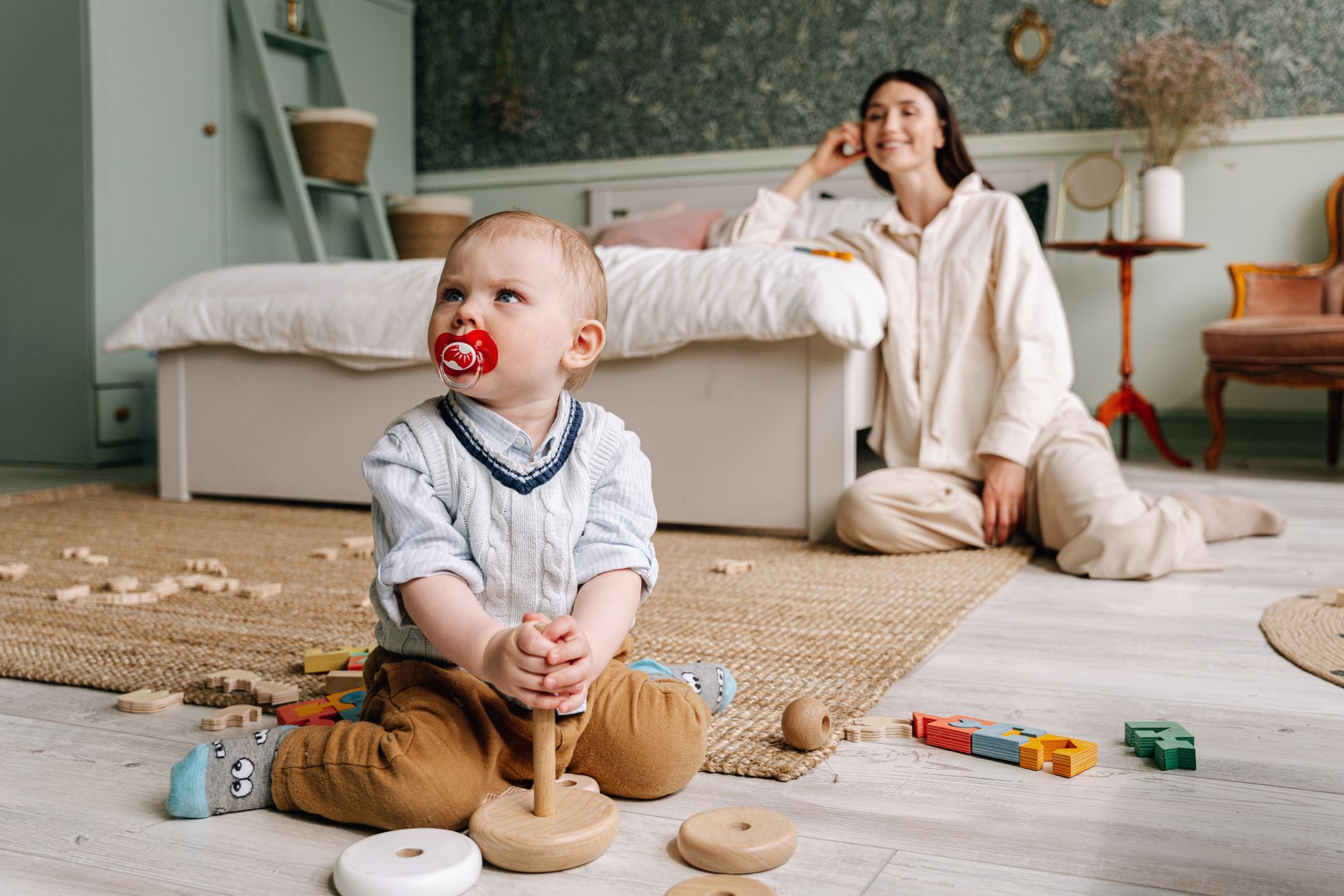
Red Flags and Reassurance: When to Contact Your Pediatrician
While developmental timelines offer a general guide, it's crucial to know when a potential delay might warrant a closer look. Most of the time, minor variations are nothing to worry about. However, there are certain signs and red flags that suggest it's time to contact pediatrician about missed baby milestones or other developmental concerns. Early intervention can make a significant difference, so never hesitate to reach out if you have a persistent worry.
General Red Flags (0-12 Months)
- Loss of previously learned skills: This is perhaps the most significant red flag. If your baby was doing something (like babbling, rolling, or making eye contact) and then stops, it warrants immediate attention.
- Lack of response to sounds or loud noises: By 4 months, babies should turn their head toward sounds. By 6 months, they should respond to their name.
- Lack of eye contact or reciprocal smiles: By 2-3 months, babies should be making good eye contact and offering social smiles.
- Stiffness in limbs or floppy body posture: Persistent muscle stiffness or being unusually floppy can indicate a motor development issue.
- Not bringing hands to mouth by 4 months: This can be a sign of motor or sensory issues.
- Not reaching for objects by 4-5 months: A lack of interest in interacting with their environment.
- Not babbling or making a variety of sounds by 7 months: While first words come later, babbling is an important precursor.
- Not bearing weight on legs by 7 months: If they collapse when you try to stand them up.
- Not responding to their name by 9 months: This could indicate hearing or cognitive concerns.
- Not showing interest in games like peek-a-boo by 9-10 months: This can be a sign of a lack of engagement.
- Not pointing or using other gestures by 12 months: Gestures are a key part of early communication.
- Persistent asymmetry in movement: If your baby consistently uses one side of their body more than the other, or always rolls to one side.
When in Doubt, Talk to Your Pediatrician
Remember, this list is not exhaustive, and one isolated concern might not mean anything. However, if you notice several of these signs, or if you simply have an uneasy feeling, trust your instincts. Your pediatrician is your partner in your child's health and development. They can provide a professional assessment, offer reassurance, or recommend early intervention services if appropriate. You are your child's best advocate.
Reaching the First Birthday: What to Expect as Your Baby Turns One
The first birthday is a monumental occasion, marking the transition from infancy to toddlerhood. It's a time of celebration, reflection, and anticipation of the exciting developments yet to come. As your baby turns one year old, milestones often become even more dynamic and clearly demonstrate their growing independence and understanding of the world.
Key Milestones Around 12 Months
- First Steps (or almost!): Many babies take their first independent steps around their first birthday, though some may still be cruising furniture or perfecting their crawl. The range for walking is broad, typically between 9 and 18 months.
- First Words: While "mama" and "dada" might have been heard earlier, around 12 months, babies often start using 1-3 meaningful words, like "ball," "dog," or "no!" They understand many more words than they can say.
- Pointing and Gesturing: Pointing to desired objects, waving "bye-bye," and shaking their head "no" are powerful forms of communication that grow significantly around this age.
- Imitation: Your one-year-old will love to imitate you – talking on a toy phone, stirring a pot, or mimicking your facial expressions. This is how they learn social behaviors and problem-solving.
- Following Simple Directions: They can likely follow one-step commands, especially if accompanied by a gesture, like "Give me the ball" or "Come here."
- Playing with Objects: They'll enjoy putting objects into containers and taking them out, stacking a few blocks, or exploring how different toys work.
- Showing Preferences: They'll have strong opinions about favorite foods, toys, and even people! They might also show more clear signs of separation anxiety.
The Toddler Transition
As they enter their second year, your child will continue to refine these skills and develop new ones at an astonishing rate. Their language will explode, their motor skills will become more coordinated, and their personality will shine through even more. They'll become more assertive, curious, and independent. This period is often characterized by a push for autonomy, leading to both delightful discoveries and the occasional tantrum.
Celebrate their individuality and the incredible progress they've made. The first year is foundational, laying the groundwork for all future learning and development. You've done an amazing job nurturing this tiny human into a vibrant, curious one-year-old!
Myth vs. Fact: Debunking Common Milestone Misconceptions
There's a lot of advice and old wives' tales floating around about baby development. Let's clear up some common myths:
Myth: All babies should hit milestones at the exact same age.
Fact: Every baby is unique and develops at their own pace. There's a wide "normal" range for most milestones. What's important is consistent progress, not hitting a specific date on the calendar.
Myth: My baby skipping crawling and going straight to walking is a sign of advanced development.
Fact: While some babies do skip crawling, it's not necessarily "advanced." Crawling helps develop important cross-lateral brain connections and core strength. If your baby skips crawling, ensure they get plenty of floor time and opportunities for varied movement to build these foundational skills.
Myth: Using baby walkers helps babies walk earlier.
Fact: The American Academy of Pediatrics (AAP) actually discourages the use of baby walkers. They can be dangerous (leading to falls down stairs or access to hazards), and they can actually *delay* walking by preventing babies from developing the necessary balance and leg muscles. Floor play and push walkers (which babies stand behind and push) are much safer and more beneficial.
Key Takeaways
- Your baby's first year is a period of rapid development across gross motor, fine motor, language, cognitive, and social-emotional skills.
- Milestones are best viewed as broad "windows" of time, not strict deadlines, with significant individual variation being normal.
- Active engagement through talking, reading, singing, and various forms of play is crucial for supporting all areas of development.
- Trust your parental intuition; if you have persistent concerns about your baby's development, especially if they lose a previously learned skill, contact your pediatrician.
- Avoid the "comparison trap" and celebrate your baby's unique developmental journey.
Frequently Asked Questions About Baby Milestones
What are the 5 major milestones for a baby?
While there are many milestones, five major ones often highlighted include: a social smile (around 2 months), sitting unsupported (6-8 months), crawling (7-10 months), saying first words (9-12 months), and taking first

