Quick take: Baby registry rules etiquette are all about thoughtful planning, clear communication, and staying within a budget that feels comfortable for you. Start with the must‑have items, set a realistic spending limit, invite the right people, and keep the list flexible—especially after a gender reveal. When duplicates or returns happen, handle them calmly and let the registry’s policies guide you.
Imagine it’s 2 a.m.; you’ve just opened a pregnancy test, and a wave of excitement—mixed with a little anxiety—rushes through you. You start picturing cribs, bassinets, and the adorable onesies you’ll soon need. It’s a wonderful moment, but the next day you might wonder: “Where do I even begin with a baby registry?” You’re not alone. Thousands of first‑time parents sit where you are, scrolling through endless product pages, trying to balance what they really need with what feels expected.
That’s where baby registry rules etiquette come in. By setting clear expectations, you protect your budget, avoid awkward gift situations, and make the whole process enjoyable for you and your guests. In this guide we’ll walk through every step—what to include, how much to spend, who to invite, when to update the list, and how to manage duplicates—so you can create a registry that feels right for you and your growing family.
We’ll also explore gender‑neutral and eco‑friendly options, compare the top registry websites, and give you printable checklists and myth‑busting facts. By the end, you’ll have a complete, step‑by‑step plan that respects baby registry etiquette while staying true to your style and budget.
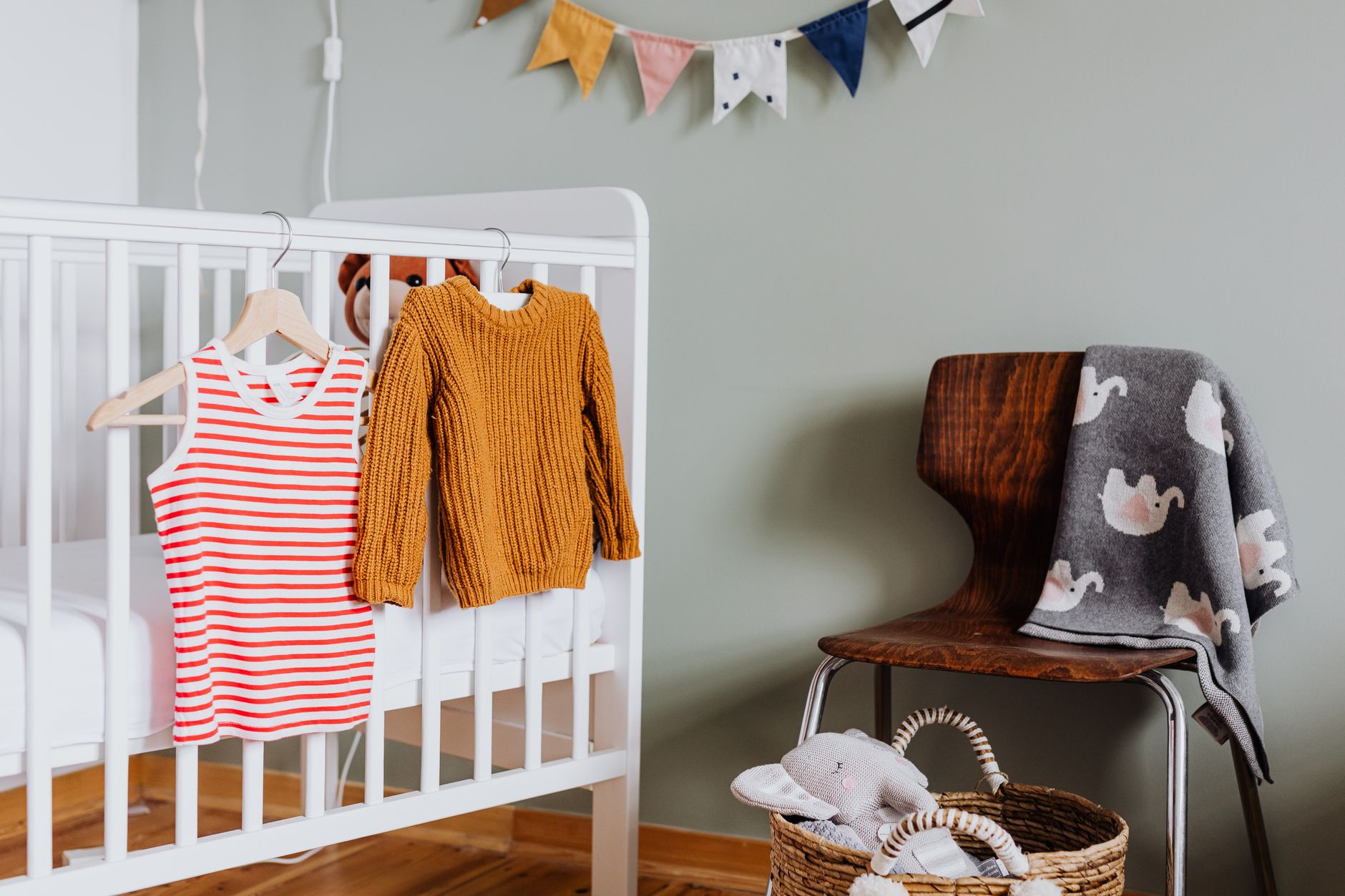
What are the essential baby registry items for first‑time parents?
First‑time parents often feel pressure to include everything under the sun. The key is to focus on core categories that cover daily needs, safety, and comfort. Below is a concise checklist that captures the basics without overwhelming you.
Core categories
- Sleep: Crib or bassinet, firm mattress, fitted sheets, sleep sacks.
- Feeding: Nursing pillow, bottle‑feeding set (bottles, nipples, sterilizer), breast pump (if you plan to pump), high‑chair (later stage).
- Diapering: Changing table or pad, diaper‑pouch (for on‑the‑go), wipes, diaper rash cream.
- Travel: Infant car seat (must be installed before leaving the hospital), stroller, diaper bag.
- Bathing: Baby bathtub, gentle washcloths, hooded towels, baby shampoo/soap.
- Clothing: Onesies, sleepers, socks, hats—preferably in size 0–3 months to start.
- Health & safety: Infant thermometer, nail clippers, baby monitor, first‑aid kit.
- Play & development: Soft toys, play mat, bouncer or swing (optional).
These items form the backbone of any registry. If you’re unsure about a product’s quality, look for endorsements from the American Academy of Pediatrics (AAP) or the Consumer Product Safety Commission (CPSC). Many parents find it helpful to start with a short list—about 30–40 items—and then expand based on feedback from friends and family.
How many items should be on a baby registry?
While there’s no hard rule, most experienced parents aim for 40–60 items. This range provides enough variety for guests to choose a price point that fits their budget, yet stays manageable for you to track. If you’re feeling overwhelmed, break the list into “must‑have” (core categories) and “nice‑to‑have” (extras like a swing or a diaper‑genie). This approach keeps the registry organized and makes it easier for guests to see which items are most needed.
How to set a budget for your baby registry without overspending?
Setting a realistic budget early on prevents the dreaded “I can’t afford this” feeling later. Here’s a step‑by‑step method that works for most couples.
Step 1: Determine your overall budget
Start by reviewing your current financial picture—monthly expenses, savings goals, and any upcoming milestones (like a home purchase). Many experts recommend allocating 5‑10 % of your annual household income to newborn essentials. For a household earning $80,000, that translates to $4,000–$8,000.
Step 2: Break down costs by category
Use a simple spreadsheet or a printable checklist (downloadable here) to assign an estimated cost to each core category. Below is a sample budget breakdown based on average U.S. prices:
Adjust the percentages based on your priorities. If you already own a stroller, you can allocate less to travel and more to sleep or clothing.
Step 3: Leverage sales and registries
Most major retailers offer a “registry discount” of 10‑15 % on items you purchase after the baby shower. Sign up early, watch for seasonal sales (Black Friday, end‑of‑summer), and use coupon codes. This strategy stretches your budget without compromising quality.
Step 4: Set a per‑guest spending guide
Gentle hints can be added to your registry page: “We love contributions toward our travel gear (average $100) or a diaper fund.” This lets guests know where you need help most and reduces the chance of duplicate high‑price items.

Baby registry etiquette: who should be invited to contribute?
Inviting the right people to contribute can feel tricky, especially when you have a large extended family or a tight‑knit friend group. The golden rule is to keep the invitation list aligned with the guest list of your baby shower and any upcoming events where you’ll be celebrating the pregnancy.
Primary guests
Close family (parents, siblings, grandparents) and the friends you plan to invite to the shower should automatically be included. If you’re hosting a virtual shower, you can share the registry link in the invitation email.
Extended family and coworkers
For extended relatives (cousins, aunts, uncles) and coworkers, consider whether you’ll be inviting them to the shower or a later celebration. If not, it’s perfectly acceptable to exclude them from the registry—most people understand that registries are a way to streamline gifting, not a demand for everyone to contribute.
Polite ways to manage expectations
- Include a brief, friendly note on the registry page: “Your love and support mean the world to us—please feel free to choose any item that fits your budget.”
- Offer alternative gift ideas, such as a contribution to a baby fund or a homemade meal, for guests who prefer not to buy a physical item.
- Respect cultural norms—some families expect grandparents to give larger, heirloom‑type gifts. If that’s the case, discuss expectations privately before finalizing the list.
When to update your baby registry after a gender reveal?
A gender reveal can be a joyous milestone, but it also prompts a practical question: “Do I need to change my registry?” The answer depends on how gender‑specific the items on your list are.
Assess the current items
If most of your registry items are gender‑neutral (e.g., a white crib, unisex blankets, or a convertible car seat), you may not need any changes. However, if you’ve added pink or blue clothing, themed nursery décor, or color‑coded accessories, consider swapping those for neutral versions.
Timing your updates
Update the registry within a week of the reveal to give guests enough time to see the changes before the shower. Most major retailers allow you to edit the list up to 60 days after the event, but it’s courteous to make changes as soon as possible.
Communicating the change
Send a short note with the updated registry link, thanking guests for their flexibility. A simple message works: “We’re excited to share our baby’s gender! We’ve updated the registry to include a few new items—feel free to browse at your convenience.” This keeps the tone upbeat and avoids any confusion.
How to choose gender‑neutral baby registry items?
Gender‑neutral items are a great way to keep the registry flexible and inclusive. They also simplify returns and reduce the chance of ending up with clothing that doesn’t fit the baby’s eventual gender expression.
Key features to look for
- Color palette: Neutrals like mint, mustard, gray, and earth tones work year‑round.
- Design: Simple patterns—stars, clouds, animal silhouettes—avoid stereotypical pink or blue motifs.
- Functionality: Convertible car seats, cribs that grow with the child, and reusable cloth diapers are inherently gender‑neutral.
- Material: Organic cotton, bamboo, and sustainably sourced woods work for any baby.
Popular gender‑neutral categories
Clothing: onesies in cream, olive, or navy; swaddles with geometric prints. Nursery décor: wooden mobile, neutral‑tone wall art, soft‑glow nightlights. Feeding: stainless‑steel bottles, silicone breast‑pump accessories, and a versatile high‑chair.
Where to find them
Many online retailers now have dedicated “gender‑neutral” filters. Websites such as Target, Amazon, and buybuy BABY let you select “unisex” under the color or theme options. For eco‑conscious shoppers, specialty stores like EarthHero and The Little Green Company curate gender‑neutral, sustainable collections.
What items can be safely removed from a baby registry list?
Even the best‑intentioned registry can become cluttered with items that aren’t truly needed. Here’s a quick guide to trimming the list without feeling guilty.
Common items to reconsider
- Wipe warmers: Helpful but not essential; most parents use room‑temperature wipes.
- High‑tech baby monitors: Basic audio monitors work just as well for many families.
- Specialty bottles (e.g., anti‑colic, angled): One standard bottle style often suffices.
- Multiple diaper pails: One well‑placed pail is enough; a second tends to be redundant.
- Extensive clothing for newborn size: Babies outgrow size 0 quickly; focus on 0‑3 months and 3‑6 months.
How to decide what to cut
Ask yourself: “Do I already have this? Will I use it daily? Is it a safety‑critical item?” If the answer is “no” for any of these, consider removing it. You can always add items later if you discover a need.
Alternative solutions
Borrowing items from friends—like a white‑noise machine or a swaddle—can be a budget‑friendly alternative. Many parenting groups on social media have “swap” threads where you can trade gently used gear.
How to handle duplicate gifts on a baby registry?
Duplicates happen, especially with popular items like strollers or car seats. The goal is to manage them gracefully while respecting the giver’s generosity.
Preventing duplicates
Most registries automatically flag items that have already been purchased. However, if you’re using multiple platforms, cross‑check the purchase logs regularly. Adding a “don’t duplicate” note on high‑priced items can also help.
When duplicates occur
- Contact the giver promptly: A polite message—“Thank you so much! We’ve already received a stroller, would you consider a different item?”—lets them know you appreciate the gesture.
- Offer a gift‑exchange option: Many retailers allow you to exchange duplicates within a set period.
- Redirect to a diaper fund: If an exchange isn’t possible, suggest adding the duplicate’s value to a diaper‑fund or a future‑use savings account.
Keeping it positive
Remember that duplicates are a sign of enthusiasm, not a mistake. A brief thank‑you note, perhaps with a photo of the baby using the gift, reinforces the giver’s goodwill.
Best baby registry websites for modern parents
Choosing the right platform can streamline the entire process—from adding items to tracking purchases. Below is a comparison of the most popular registries based on features important to today’s families.
For tech‑savvy parents who want a single, universal link, Amazon and Target offer the most flexibility. If sustainability is a priority, EarthHero and BuyBuy BABY provide robust eco‑friendly filters and curated collections.
Eco‑friendly baby registry items and return policies explained
Going green doesn’t mean compromising on safety or functionality. Below are key categories where you can make an eco‑conscious choice, plus a quick guide to navigating returns.
Top eco‑friendly picks
- Clothing: Organic cotton onesies, bamboo swaddles, and recycled‑polyester blankets.
- Diapers: Cloth diapers made from GOTS‑certified fabrics or biodegradable bamboo disposables.
- Feeding: Glass bottles, stainless‑steel nipples, and silicone breast‑pump accessories.
- Nursery furniture: FSC‑certified wood cribs, non‑toxic paint finishes, and mattress made from natural latex.
Understanding return policies
Most major retailers allow returns within 30 days for unopened items and up to 90 days for larger furniture pieces. Keep receipts and original packaging—especially for safety‑critical items like car seats, which often have stricter return windows due to safety standards set by the National Highway Traffic Safety Administration (NHTSA). If you’re registering with multiple sites, create a simple spreadsheet to track each item’s return deadline.
Myth vs. fact
Even with the best intentions, myths about baby registries can creep in. Let’s set the record straight.
Myth: You must include every possible baby item on your registry.
Fact: A well‑curated list of essential items (about 40–60) is sufficient. Extra “nice‑to‑have” items can be added later if needed.
Myth: It’s rude to exclude grandparents from the registry.
Fact: Registry etiquette focuses on who you invite to the shower or celebration. Grandparents can give a heartfelt card, a contribution to a fund, or a handmade gift instead of selecting from the list.
Myth: Gender‑specific items are necessary for a themed nursery.
Fact: Gender‑neutral items are versatile, reduce the need for returns, and let you decide the look of the nursery later.
Key takeaways
- Start with core categories—sleep, feeding, diapering, travel, bathing, health, and play.
- Set a realistic budget (5‑10 % of household income) and break it down by category.
- Invite only those attending your shower or celebration to keep the registry focused.
- Update the list promptly after a gender reveal, swapping any color‑specific items.
- Choose gender‑neutral, eco‑friendly products to simplify returns and honor sustainability.
- Track purchases across platforms to avoid duplicates, and handle any that occur with gratitude and clear communication.
Frequently asked questions
What should I include in a baby registry?
Focus on essentials: a safe crib, firm mattress, car seat, stroller, basic feeding supplies, diapering basics, and a few comfort items like a swaddle or a nightlight. Add optional extras—like a swing or a high‑chair—once the core list feels complete.
Is it okay to have a baby registry for a second child?
Absolutely. Many families create a “mini‑registry” for items they need again (e.g., a second car seat) while omitting things they already own. Be transparent with guests about which items are repeats.
How many items are too many on a baby registry?
While there’s no universal limit, 40–60 items usually strike a good balance. If you find yourself listing over 80 items, consider trimming to core categories and adding “nice‑to‑have” items later.
Should I share my baby registry link publicly?
Only share it with people you plan to invite to your shower or a related celebration. Public links can attract uninvited guests and increase the chance of duplicate or unwanted gifts.
Can I add items to my baby registry after the baby shower?
Yes. Most registries allow you to edit the list for up to 60 days after the shower. Adding items later can be helpful if you discover new needs or if you’re creating a “post‑shower” wish list.
What is the proper etiquette for gifting from a baby registry?
Choose an item within your budget, check the registry’s purchase status to avoid duplicates, and include a heartfelt note. If you’re unsure about the price range, look for the registry’s suggested contribution guide.
When to see a doctor or specialist
While a baby registry is primarily a planning tool, safety concerns can arise with certain products. If you notice any of the following, consult a pediatrician or a certified child‑product safety specialist:
- Car seat that does not meet NHTSA standards or has a cracked frame.
- Crib slats that are spaced too widely (more than 2 ¼ inches apart).
- Any product with a recall notice—check the CPSC’s website for updates.
- Allergic reactions to fabrics or cleaning products—talk to your pediatrician about hypoallergenic alternatives.
Remember, this article provides general guidance and is not a substitute for personalized medical advice. Always discuss product safety concerns with your health provider.
References
- American Academy of Pediatrics. “Safe Sleep Recommendations.” 2023.
- Consumer Product Safety Commission. “Child Product Safety.” Updated 2024.
- National Highway Traffic Safety Administration. “Car Seat Safety.” 2022.
- Target. “Sustainable Baby Registry Guide.” 2024.
- BuyBuy BABY. “Eco‑Friendly Baby Essentials.” 2023.
- Harvard T.H. Chan School of Public Health. “Choosing Sustainable Baby Products.” 2023.
- International Association of Providers of Babies (IAPB). “Registry Best Practices.” 2024.



