Quick take: Start your baby registry early, focus on safety‑first essentials like a crib, car seat, and stroller, then add budget‑friendly, space‑saving, and eco‑conscious items that fit your family’s unique needs. Use a printable checklist, track gifts, and update your list as your baby grows to keep stress low and joy high. ✅
It’s 2 a.m. and you’re scrolling through endless baby‑gear ads, wondering which ones you really need. You’ve just learned you’re expecting, and the idea of a “baby registry” feels both exciting and overwhelming. You’re not alone—millions of first‑time parents face the same question: “What should I actually put on my registry?” This guide walks you through a complete baby registry essentials checklist that balances safety, budget, space, and sustainability, so you can feel confident about every item you add.
We’ll break down the classic must‑haves, show you how to tailor the list for small apartments, twins, or a premature baby, and give you printable tools to stay organized. Along the way you’ll see real‑world stories from parents who’ve been in your shoes, learn common myths, and get quick answers to the most frequently asked questions. By the end, you’ll have a clear, actionable plan for building a registry that works for you—no more guessing, no more duplicate gifts.
What items are essential for a newborn baby registry checklist?
Every newborn needs a core set of safe, functional items that support basic care, sleep, and travel. While personal preferences vary, the following gear consistently appears on expert‑recommended lists from the American Academy of Pediatrics (AAP) and the UK’s NHS.
Safety‑first basics
- Infant car seat: A rear‑facing seat that meets U.S. Federal Motor Vehicle Safety Standard 213 or European ECE R44/04. Install it before you leave the hospital.
- Crib or bassinet: Must meet ASTM F1169 (U.S.) or BS EN 716‑1 (U.K.) standards. A firm mattress with a snug‑fit sheet is essential for safe sleep.
- Stroller: Choose a model that converts to a travel system with your car seat for seamless outings.
- Baby monitor: Audio or video monitors with encrypted signals protect privacy while giving peace of mind.
Feeding and soothing essentials
- Breast pump (if you plan to pump) and storage bags.
- Bottles and nipples (if bottle‑feeding), preferably BPA‑free.
- Soft, washable burp cloths and bibs.
- White‑noise machine or soft music player for better sleep.
Changing and hygiene basics
- Changing pad with a washable cover.
- Diapers (newborn size) and wipes—consider a bulk starter pack.
- Gentle, fragrance‑free baby wash and shampoo.
- Thermometer for fevers.
These items form the backbone of any baby registry essentials checklist. Once you’ve secured them, you can layer on optional comforts and style pieces that suit your lifestyle. Tip: When you receive a product, check the label for certification numbers and keep the manual handy for future reference.

Budget‑friendly baby registry essentials for first‑time parents
Registering on a budget doesn’t mean compromising safety. Many retailers offer “welcome boxes,” registry discounts, and free returns, which can stretch your dollars further. Here’s how to get the most bang for your buck.
Prioritize multi‑use items
- Convertible crib: Grows from a newborn crib to a toddler bed, saving future purchases.
- Travel system: A stroller that clicks onto your car seat eliminates the need for a separate stroller.
- Reusable cloth diapers: Though the upfront cost is higher, they pay off over time and reduce waste.
Take advantage of cash‑back and registry programs
Major department stores like Target, Walmart, and Amazon offer up to 20 % cash back on registry purchases. Sign up early, add items to multiple stores, and compare prices. Many baby boutiques also provide a “gift‑with‑purchase”—think a free diaper bag or a set of swaddles.
Buy gently used gear safely
Second‑hand items can be a gold mine, especially larger pieces like cribs and high‑chairs. Look for reputable sources—local parenting groups, consignment shops, or the “Certified Pre‑Owned” sections of online marketplaces. Always verify that the item meets current safety standards and has no missing or broken parts.
By focusing on these budget‑friendly strategies, you can build a comprehensive baby registry essentials checklist without breaking the bank. Remember to keep receipts and warranty information; many manufacturers honor warranties even when the product is bought secondhand.
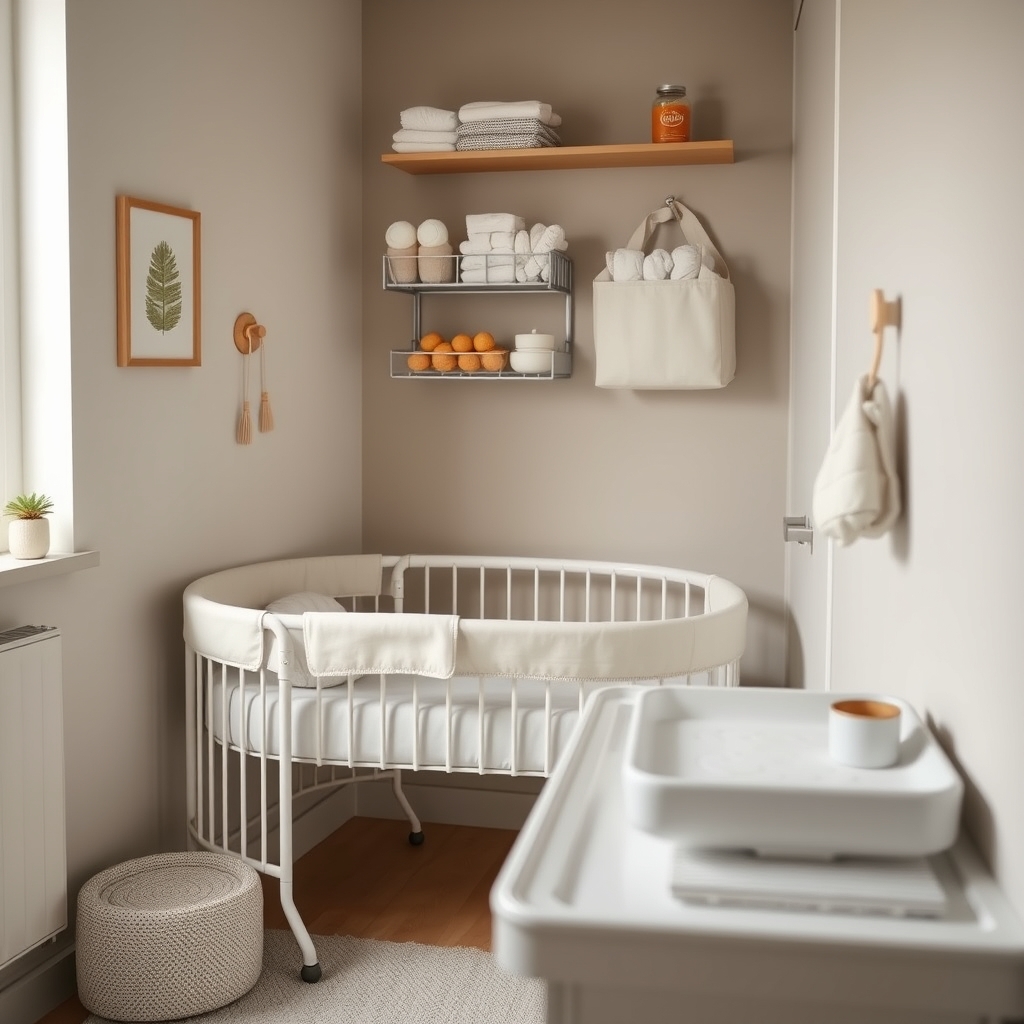
Must‑have baby gear for a small apartment baby registry
Living in a compact space adds a layer of decision‑making. The goal is to maximize functionality while minimizing footprint.
Space‑saving gear
- Mini‑crib or portable bassinet: Look for models that fold flat and can double as a changing station.
- All‑in‑one stroller‑car seat combo: A sleek travel system saves closet space.
- Wall‑mounted diaper caddy: Keeps wipes, creams, and diapers within reach without taking up floor space.
Multi‑functional furniture
A high‑chair that converts into a booster seat, or a rocking chair with built‑in storage, reduces the number of separate pieces you need.
Organizational hacks
Use clear bins labeled by category (sleep, diaper, feeding) that can slide under the crib. A hanging organizer on the back of a door can hold small items like pacifiers and teething toys.
Eco‑friendly baby registry items checklist
More parents are seeking sustainable options that protect the planet and their baby’s health. Here’s a concise eco‑friendly baby registry items checklist that balances green choices with practicality.
Materials to look for
- Organic cotton or bamboo for clothing, blankets, and burp cloths—GOTS‑certified fabrics avoid harmful pesticides.
- Solid wood (preferably FSC‑certified) for cribs, toys, and high‑chairs—ensures responsible forestry.
- Stainless steel or glass bottles—free of BPA and other plastics.
- Natural rubber or silicone teething toys—no PVC or phthalates.
Reusable options
Cloth diapers, washable nursing pads, and silicone feeding sets reduce waste. Many brands now offer starter kits that include all the basics.
Green certification symbols
Look for labels like “EPA Safer Choice,” “Eco‑Label,” or “Green Seal.” These indicate third‑party verification of environmental claims.
How to prioritize baby registry items when space is limited
When closet space is at a premium, you need a clear method for deciding what goes on your list first.
Step‑by‑step prioritization process
- Identify safety‑critical items: Car seat, crib, and monitor must be top of the list.
- Choose multi‑use pieces: Convertible cribs, travel systems, and high‑chairs that grow with your child.
- Rank by daily use: Items you’ll need multiple times a day (diapers, wipes, a changing pad) outrank occasional accessories.
- Consider storage solutions: If you have a small dresser, limit items that require separate storage, like large toy bins.
- Set a “later” pile: Keep a separate list for non‑essential, nice‑to‑have items you can add after the baby’s first month.
Use a printable checklist to stay organized
Download our baby registry checklist printable (PDF) and mark items as “essential,” “optional,” or “later.” This visual aid helps you see at a glance what fits your space and budget.
Best baby registry essentials for twins
Registering for twins adds a layer of duplication, but you can still keep the list manageable with smart choices.
Duplicate or shared gear?
- Two car seats: Required for each child—look for a “twin pack” with matching colors but separate seats.
- One double stroller: A side‑by‑side or tandem model replaces two single strollers, saving space and money.
- Two cribs or one large‑size crib: Some parents opt for a single, larger crib that accommodates both newborns safely.
Comparison table: Twin‑friendly gear options
Practical tips
Register early—ideally in the second trimester—so you have time to source twin‑specific items. Many retailers offer “buy one, get one 50 % off” deals on twin gear, which can stretch your budget.
What to include in a baby registry for a premature baby
Premature infants have unique needs, especially regarding temperature regulation, feeding, and medical monitoring.
Specialized gear
- Premie‑friendly incubator blankets: Lightweight, breathable fabrics that keep the baby warm without overheating.
- Adjustable‑height crib: Allows you to lower the mattress as the baby grows, supporting NICU‑style positioning.
- Specialized feeding supplies: Small‑bore bottles, pre‑emie nipples, and a breast pump with low‑suction settings.
- Pulse oximeter: A home‑use device (with physician guidance) to monitor oxygen levels.
Consult your neonatologist
Ask your doctor which items are medically recommended. Many hospitals provide a “premature baby registry” list that aligns with hospital discharge plans.
Baby registry checklist printable and how to use it
Having a tangible, printable list helps you track items, avoid duplicates, and communicate clearly with friends and family.
What the printable includes
- Columns for “Essential,” “Optional,” and “Later.”
- Space to note brand preferences, color choices, and size.
- A gift‑tracking section where you can mark who bought what, making thank‑you notes easier.
How to integrate the printable with online registries
Most major registries (Target, Amazon, BuyBuy Baby) let you export your list as a CSV file. Upload that file into the printable template to keep everything in sync. Update the sheet after each purchase, and share a link with your support network.
Baby registry must‑haves for a girl (and items to avoid)
Gender‑neutral gear is increasingly popular, but if you’re leaning toward a pink‑themed nursery, here’s a balanced approach.
Must‑have items (gender‑neutral)
- White or neutral‑colored crib bedding—easily swapped later.
- Soft blankets in pastel hues—pink, mint, or lavender, depending on preference.
- Gender‑neutral toys (soft blocks, plush animals) that can grow with the child.
Items to avoid
- Hard‑plastic “princess” cribs or beds with ornate railings—often not up to safety standards.
- Overly scented lotions or wipes—fragrances can irritate sensitive newborn skin.
- Single‑use disposable products (e.g., paper plates) that add waste without benefit.
Choosing versatile, safe items now means you won’t need to replace them if you decide on a different color scheme later.
With dozens of online registries and mobile apps, picking the right one can feel overwhelming. Consider these factors before you create an account:
- Integration with multiple retailers: Platforms like Babylist let you add items from any store, giving you flexibility if you find a better price elsewhere.
- Cash‑back and reward programs: Some registries partner with credit‑card reward programs (e.g., Chase Freedom) that add extra points on purchases.
- User‑friendly interface: A clean dashboard makes it easy to edit categories, add notes, and track gifts in real time.
- Privacy and data security: Look for SSL encryption and clear privacy policies; the FDA recommends using sites that comply with the Health Insurance Portability and Accountability Act (HIPAA) for any health‑related product claims.
Many parents start with a primary retailer (Target or Amazon) for convenience, then supplement with a universal registry like Babylist for specialty items. Whichever you choose, keep a master spreadsheet so you can compare prices across sites.
Tips for registering with cash‑back and reward programs
Cash‑back isn’t just a marketing gimmick; it can add up to hundreds of dollars when you’re buying big‑ticket items.
- Register your credit card before you shop: Some cards automatically apply cash‑back for purchases at partner stores; others require you to activate the offer.
- Use “welcome box” promotions wisely: Stores often give a free bundle (e.g., a diaper set) when you add a certain number of items. Combine this with a coupon from a reward‑point site for extra savings.
- Track expiration dates: Cash‑back offers usually expire 30–90 days after the purchase. Set calendar reminders so you don’t miss a rebate.
- Combine with price‑matching policies: Retailers like Walmart and Target will match a lower price found within a set window, which can be stacked with cash‑back.
When you’re done, download the statements that show the cash‑back credit; they’ll serve as proof if a retailer asks for verification.
Safety checklist for buying used baby gear
Second‑hand shopping can be a lifesaver for a tight budget, but safety must come first. Follow this quick checklist before you bring any pre‑owned item home.
- Verify the model year: Safety standards evolve. For cribs, ensure the model complies with ASTM F1169 (post‑2014) or BS EN 716‑1 (post‑2010).
- Inspect for wear and damage: Look for cracked slats, missing screws, or broken hinges. Any sign of compromise means the item should be retired.
- Check the recall status: Search the Consumer Product Safety Commission (CPSC) database or the manufacturer’s website using the serial number.
- Confirm cleanability: Fabric items should be machine‑washable or have removable covers that can be laundered at high temperatures.
- Ask for the original manual: It often contains safety warnings and assembly instructions that are crucial for proper use.
When in doubt, reach out to the manufacturer’s customer service line—they can confirm whether a specific unit meets current safety criteria.

Myth vs. fact
Myth: You need a separate registry for each child.
Fact: Many retailers allow you to add “second‑child” sections to an existing registry, making it easier for friends to see what you already have.
Myth: All baby gear must be brand‑new for safety.
Fact: Gently used items that meet current safety standards are perfectly fine and can be a cost‑saving choice.
Myth: You must buy a pink‑themed nursery for a baby girl.
Fact: Color preferences are personal; gender‑neutral setups are safe, functional, and often more reusable.
Key takeaways
- Start your baby registry essentials checklist early—ideally by the second trimester.
- Prioritize safety‑critical items: car seat, crib, and stroller.
- Choose multi‑use, space‑saving gear for small apartments and twins.
- Consider eco‑friendly materials like organic cotton and solid‑wood furniture.
- Use a printable checklist to track gifts, avoid duplicates, and streamline thank‑you notes.
- Consult specialists (neonatologist, pediatrician) when registering for a premature baby.
- Leverage cash‑back, reward programs, and reputable second‑hand sources to stretch your budget.
Frequently asked questions
What are the most important items on a baby registry?
The core items are an infant car seat, a safe crib or bassinet, a travel‑system stroller, and a baby monitor. These meet safety guidelines from the AAP and NHS and cover sleep, travel, and monitoring needs.
How many items should I include on my baby registry?
Most experts recommend 30–50 items, balancing essential, optional, and “later” categories. A concise list helps friends and family see what you truly need without feeling overwhelmed.
Do I need a separate registry for twins?
No. You can add a “second‑child” or “twin” section to your existing registry, keeping all items in one place. Many retailers even provide twin‑specific bundles that simplify the process.
What are the best budget‑friendly baby registry items?
Look for convertible cribs, travel‑system strollers, and reusable cloth diapers. Take advantage of store‑wide registry discounts, cash‑back offers, and gently used certified gear for big‑ticket items.
When should I start my baby registry?
Begin in the second trimester (around 20 weeks) to give you ample time to research, add items, and share the list with loved ones before your due date.
Are there any safety considerations for baby registry items?
Yes. Verify that cribs meet ASTM F1169 or BS EN 716‑1 standards, that car seats comply with FMVSS 213 or ECE R44/04, and that any used items have no missing parts. Always install car seats using a professional inspection or a certified “car seat check” at a fire station.
How can I avoid duplicate gifts?
Track gifts in the “gift‑tracking” column of your printable checklist and regularly update the online registry. Many platforms also send automatic notifications when an item is purchased.
What if I’m registering for a baby with special health needs?
Work closely with your pediatrician or neonatologist to identify any medical‑grade equipment—such as specialized bottles, temperature‑controlled blankets, or home pulse oximeters. Adding these items early ensures they’re available when you need them.
When to see a doctor or specialist
If you notice any of the following, contact your pediatrician or a relevant specialist right away:
- Persistent jaundice or yellowing of the skin after the first two weeks.
- Difficulty breathing or a cough that doesn’t improve within a few days.
- Unexplained fever (temperature ≥ 38 °C/100.4 °F) in a newborn.
- Signs of unsafe gear—e.g., a car seat that does not click securely, a crib with broken slats, or a stroller that wobbles.
- For premature infants, any sudden changes in feeding patterns, oxygen saturation, or weight gain should be discussed with a neonatologist.
This article is for informational purposes only and does not replace personalized medical advice. Always discuss product choices and safety concerns with your health care provider.
References
- American Academy of Pediatrics. “Safe Sleep for Babies.” 2023. AAP.org.
- National Health Service (UK). “Choosing a Car Seat.” 2024. NHS.uk.
- U.S. Consumer Product Safety Commission. “Crib Safety Guidelines.” 2022. CPSC.gov.
- Environmental Protection Agency. “Safer Choice Program.” 2023. EPA.gov.
- Target Registry Guide. “How to Set Up a Baby Registry.” 2024. Target.com.
- World Health Organization. “Recommendations for Infant Feeding.” 2023. WHO.int.
- American College of Obstetricians and Gynecologists. “Maternal and Neonatal Health.” 2024. ACOG.org.
- Harvard T.H. Chan School of Public Health. “Benefits of Cloth Diapers.” 2022. HSph.harvard.edu.
- British Nursing Association. “Registering for Twins.” 2023. BNA.org.uk.
- National Institute of Child Health and Human Development. “Premature Birth Guidelines.” 2023. NICHD.nih.gov.
- Consumer Product Safety Commission. “Recall Database.” 2024. CPSC.gov.
- American Academy of Dermatology. “Choosing Safe Baby Products.” 2023. AAD.org.
- Federal Trade Commission. “Cash‑Back and Reward Programs Guidance.” 2022. FTC.gov.



