Quick take: If your baby is turning away from the breast but happily takes a bottle, it’s usually a reversible pattern caused by factors like nipple confusion, flow preferences, or temporary discomfort. Stay calm, try a step‑by‑step re‑introduction plan, and enlist support from a lactation consultant if the refusal persists or your milk supply drops.
It’s 2 a.m. and you’re sitting on the floor, bottle in hand, while your little one scoffs at the breast you’ve spent months nurturing. You wonder, “Did I just break the bond?” You’re not alone. Many parents report that after a few weeks of bottle feeding—whether it’s expressed milk, formula, or a mixture—the baby seems to prefer the predictable flow and pauses at the breast. The good news? Most babies can be guided back to the breast with patience, a few practical tricks, and the right support.
In this guide we’ll walk through why this happens, how to spot the signs, and exactly what to do to bring breastfeeding back into the routine. We’ll also recommend bottle types that minimize confusion, explain how pumping can help (or not), and give you long‑term strategies so the breast stays the primary source of nutrition.
Read on for a step‑by‑step plan, real‑world tips from other families, and clear answers to the most common questions like “Why does my baby refuse the breast but take a bottle only?” and “How long does it take to get back to breastfeeding?”

Why does my baby refuse the breast but take a bottle only?
Understanding the “why” is the first step toward a solution. Babies are tiny detectives; they’ll gravitate toward what feels easiest, most comfortable, and most predictable. Here are the most common reasons a baby might turn away from the breast while happily accepting a bottle:
- Flow differences. A bottle’s nipple often delivers milk faster than a breast, especially if the baby is hungry. The rapid flow can feel like a “milk shower,” which some babies love.
- Nipple confusion. When a baby switches between breast and bottle, the mouth‑muscle movements differ. This can temporarily make latching onto the breast feel awkward.
- Comfort or pain. Teething, a sore nipple, or a breast engorgement can make the breast uncomfortable, while a bottle bypasses those sensations.
- Routine changes. Introducing a bottle during night feeds, especially if a different caregiver does the feeding, can create a pattern where the baby expects a bottle at certain times.
- Temperature and texture. Expressed milk or formula may be cooler or warmer than the breast, and the bottle’s plastic can feel different from skin.
- Preference for a pacifier or other sucking object. Some infants develop a strong sucking reflex for pacifiers, which can compete with the breast.
Is it normal for a baby to refuse the breast but take a bottle at night?
Yes, many parents notice a night‑time pattern where the baby prefers a bottle. Darkness, a disrupted sleep cycle, or a caregiver’s routine can reinforce the habit. The key is to keep the breast as the primary source of nutrition, even at night, and to use the bottle sparingly.
Can teething cause a baby to refuse the breast but take a bottle?
Teething often makes the breast feel painful because the baby’s gums are sore. The smooth, hard surface of a bottle nipple can be less irritating, so the baby may switch temporarily. Offer a chilled teething ring before feeds and keep the breast skin clean and moisturized to reduce friction.
What if my baby only takes the bottle from dad?
Babies can develop a “partner preference” if they associate a particular caregiver with the bottle. This isn’t a problem as long as the breast remains the main source of nutrition. Encourage dad to help with skin‑to‑skin cuddles and gentle breast‑feeding attempts to keep the connection strong.
How do I tell if my baby is truly rejecting the breast or just fussy?
Look for consistent patterns. A baby who consistently turns away, fusses, or falls asleep at the breast for several feedings is likely refusing. In contrast, occasional fussiness—perhaps due to a wet diaper or a sleepy moment—doesn’t indicate a problem.
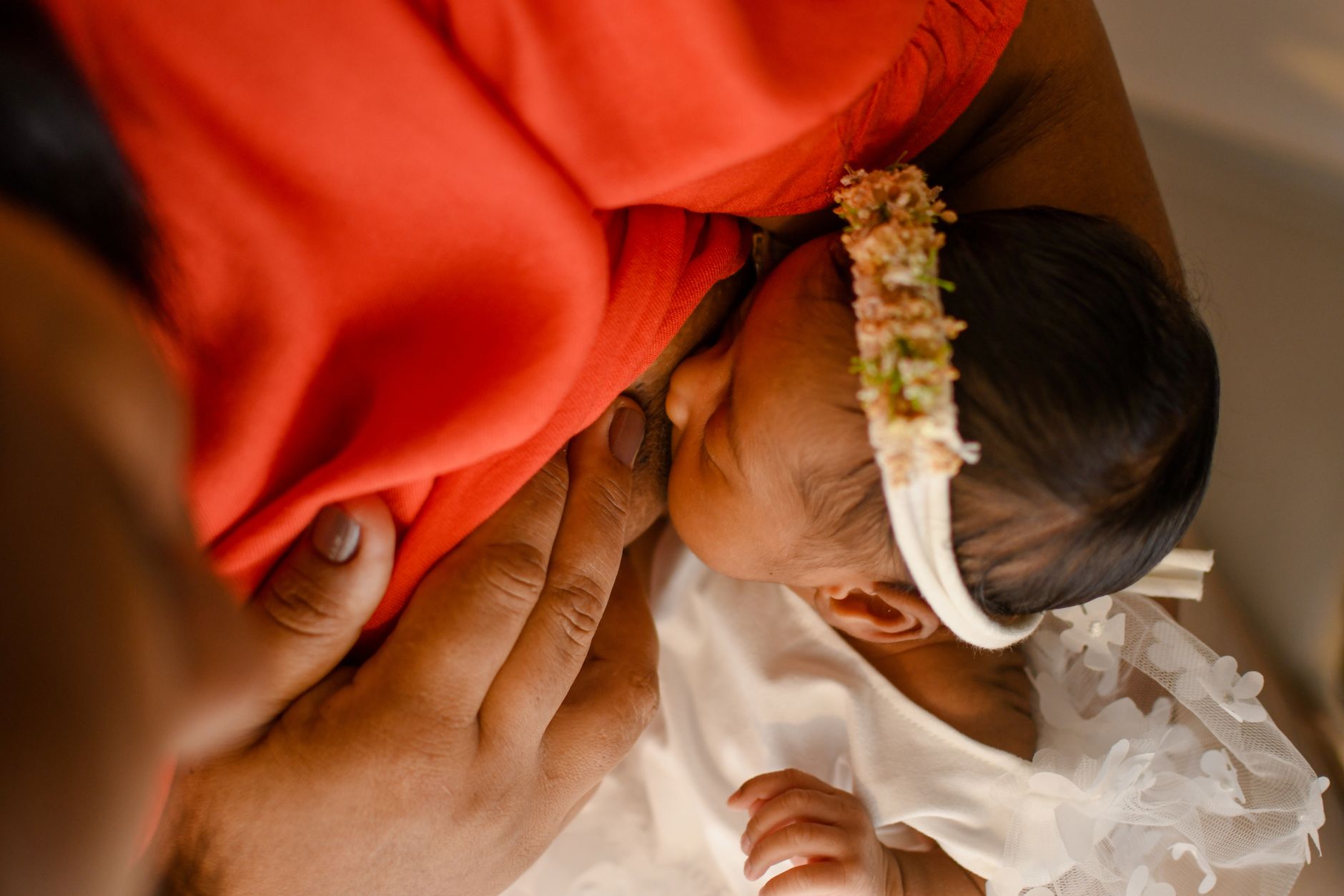
How can I get my baby to take the breast after they’ve developed a bottle preference?
Re‑establishing the breast as the primary source of nutrition takes patience and a systematic approach. Below is a step‑by‑step plan that many families have found successful.
- Reduce bottle feeds gradually. Cut back by 5–10 ml every 24 hours. Replace the removed portion with a brief breast‑only attempt.
- Offer the breast first. When your baby shows any sign of hunger—smacking lips, rooting—present the breast before reaching for the bottle.
- Use skin‑to‑skin. Place your baby against your chest for 10–15 minutes before feeding. The warmth and scent can stimulate the birth‑right reflex.
- Try different breastfeeding positions. The football hold, side‑lying, or laid‑back position can make the latch easier, especially if the baby is used to a bottle angle.
- Keep the environment calm. Dim lights, soft music, and a quiet room reduce distractions that might make the baby cling to the bottle.
- Offer shorter, more frequent breast feeds. Babies accustomed to the quick flow of a bottle may need more time to adjust. Smaller, more frequent sessions can help.
- Consider a lactation consultant. If latching remains difficult after a week of consistent effort, a professional can assess latch, milk supply, and any underlying issues.
Formula can be sweeter and thicker than breast milk, which sometimes makes the breast feel less appealing. Follow the same gradual reduction plan, but also try mixing a small amount of expressed breast milk into the formula bottle for a week, then slowly increase the breast‑milk ratio.
How do I transition baby from bottle back to breast?
Start with a “nurse‑first” rule for every feeding, even if the baby only takes a few sucks before falling asleep. Pair each nursing attempt with a soothing cuddle to reinforce the bond. Over a two‑week period, the baby will often shift back to the breast as the primary source.
Baby suddenly refuses the breast but takes a bottle—what should I do right now?
A sudden change can be alarming, but there are immediate steps you can take to calm the situation and protect your milk supply.
- Stay calm and keep the breast accessible. Stress hormones can reduce let‑down, making the baby’s experience even harder.
- Offer a brief breast feed. Even a few sucks can stimulate prolactin and maintain supply.
- Check for physical issues. Look for cracked nipples, engorgement, or mastitis—conditions that can make the breast painful.
- Hydrate and rest. Adequate fluid intake supports milk production.
- Use a breast pump. If the baby won’t latch, pumping for 10–15 minutes after a feeding can keep supply up while you work on re‑latching.
When should I consider pumping as a solution?
Pumping can be a bridge while you troubleshoot the latch. Aim for 8–12 sessions a day, mirroring the baby's usual feeding schedule. Store expressed milk in clean containers and offer it in a bottle only when the breast truly refuses, not as a replacement.
Can nipple confusion cause my baby to refuse the breast only?
Nipple confusion is a real, though often overstated, concern. It occurs when a baby’s sucking pattern adapts to the bottle’s flow, making the breast feel unfamiliar. However, most infants can switch back if the transition is managed gently.
How to identify nipple confusion versus other causes
Look for these clues:
- Rapid sucking on the bottle but slow, hesitant latching on the breast.
- Refusal only after bottle feeds, but willingness to breastfeed after a long gap.
- Preference for a specific bottle type or flow that mimics the breast.
If the baby refuses the breast even after a few hours without a bottle, other factors—such as pain, illness, or supply issues—may be at play.
What are the best bottles for breastfed babies to avoid breast refusal?
The right bottle can make a huge difference. Look for a nipple that mimics the breast’s shape, softness, and flow.
Choose a slow flow for newborns (1–2 ml / min) and gradually move to medium as the baby matures. Avoid nipples that are too fast; they can reinforce the bottle‑only habit.
How long does it take for a baby to return to breastfeeding after a bottle preference?
Recovery time varies, but most babies adjust within 1–3 weeks if the plan is consistent. Factors influencing speed include the baby’s age, how long the bottle has been used, and whether any physical discomfort (e.g., sore nipples) is present.
- 0–3 days: Baby may still prefer the bottle but will start to show interest in the breast.
- 4–7 days: Frequent breast attempts (even brief) stimulate supply; the baby may begin to latch for a few minutes.
- 8–14 days: Most infants settle into a mixed routine, gradually reducing bottle volume.
- 15+ days: If the breast is consistently the primary source, the baby often drops the bottle entirely.
If after three weeks the baby still refuses the breast, consider a professional lactation evaluation.
What are the signs my baby prefers a bottle over the breast, and how can I fix it?
Early detection helps prevent a deeper habit.
- Consistent turning away from the breast. The baby opens the mouth, looks away, or falls asleep after a few sucks.
- Faster feeding with the bottle. The baby finishes a bottle in minutes but takes much longer at the breast.
- Increased fussiness after breast feeds. The baby may become irritable soon after a breast session, seeking the bottle again.
- Preference for a specific caregiver’s bottle. The baby will only take the bottle from one person.
How to fix the preference
Implement these strategies:
- Limit bottle feeds to night‑time only. This keeps the breast as the primary daytime source.
- Use a breast‑like nipple. See the table above for recommended options.
- Increase skin‑to‑skin contact. Ten minutes before each feed can boost the baby’s instinct to nurse.
- Offer the breast first, even if the baby only takes a few sucks. Consistency reinforces the habit.
Does pumping help if my baby refuses the breast but takes a bottle?
Pumping can be a double‑edged sword. It maintains supply, but if used as a primary feeding method, it may further cement the bottle habit. Use pumping strategically.
When to pump
- After a failed nursing attempt. Pump for 5–10 minutes to relieve engorgement and preserve supply.
- Between scheduled feedings. Mimic the baby’s natural feeding rhythm.
- As a backup. Store expressed milk for occasional bottle feeds, not as the main source.
How to pump without reinforcing bottle preference
Choose a gentle, hands‑free pump that allows you to stay close to the baby. While pumping, keep the baby nearby for skin‑to‑skin contact or offer a pacifier if needed, but avoid offering the bottle immediately after pumping.
Long‑term strategies to prevent bottle preference and keep breastfeeding thriving
Even after you’ve re‑established the breast, staying proactive helps avoid future setbacks.
- Keep the breast as the primary source. Offer a bottle only for expressed milk or medication.
- Involve partners in bonding. Let them hold the baby skin‑to‑skin, help with burping, and assist with diaper changes, but keep bottle feeding to a minimum.
- Maintain a consistent feeding schedule. Predictable times reduce the baby’s desire for “quick‑fix” bottle feeds.
- Monitor supply. Regularly check that you’re producing enough milk; low supply can drive bottle reliance.
- Seek help early. If you notice refusal patterns lasting more than a week, contact a lactation consultant or pediatrician.
Myth vs. fact
Myth: “If my baby takes a bottle, they’ll never want to breastfeed again.”
Fact: Most babies can be guided back to the breast with consistent, patient effort. The preference is often temporary.
Myth: “Nipple confusion is inevitable after the first bottle.”
Fact: Confusion is a real possibility but can be avoided with slow‑flow nipples and gradual reduction of bottle feeds.
Myth: “Pumping will solve a refusal problem on its own.”
Fact: Pumping maintains supply but does not replace the need for direct nursing to stimulate latch and bonding.
Key takeaways
- Identify the root cause—flow, pain, routine, or confusion—before choosing a solution.
- Gradually reduce bottle feeds while offering the breast first at every opportunity.
- Choose slow‑flow, breast‑like bottles to minimize nipple confusion.
- Use skin‑to‑skin contact and calming environments to encourage nursing.
- Pumping can preserve supply, but it should supplement, not replace, direct breastfeeding.
- Seek a lactation consultant if refusal persists beyond two weeks or if you notice supply drops.
Frequently asked questions
Why would a baby refuse the breast but take a bottle?
Babies often prefer the predictable flow, temperature, or convenience of a bottle. Painful nipples, teething, or a night‑time routine that includes a bottle can also drive the preference.
How do I get my baby to take the breast after bottle feeding?
Offer the breast first, keep skin‑to‑skin contact, reduce bottle feeds gradually, and use a slow‑flow nipple that mimics the breast. Consistency is key.
Is it normal for a baby to prefer a bottle over breastfeeding?
It’s common, especially after early introduction of bottles. While not “abnormal,” it warrants attention to prevent long‑term reliance on bottles.
Can nipple confusion cause a baby to refuse the breast?
Yes, but it’s usually temporary. Using a slow‑flow bottle nipple and limiting bottle feeds can help the baby readjust to the breast.
What are the best bottles for breastfed babies to prevent refusal?
Brands like Medela Calma, Comotomo Natural, and Philips Avent Natural have soft, breast‑shaped nipples and slow flow options that reduce confusion.
How long does it take to go back to breastfeeding after a bottle preference?
Most babies adjust within 1–3 weeks with consistent effort. If no progress after three weeks, consult a lactation professional.
When should I seek help from a lactation consultant?
Seek help if the baby refuses the breast for more than seven days, if you notice a drop in milk supply, or if you experience pain, cracked nipples, or signs of mastitis.
When to see a doctor or specialist
If you notice any of the following, contact a pediatrician or lactation consultant promptly:
- Persistent refusal of the breast for > 7 days despite attempts.
- Signs of infection: redness, swelling, fever, or flu‑like symptoms.
- Severe nipple pain, cracked nipples, or bleeding that doesn’t improve.
- Sudden drop in milk supply leading to inadequate weight gain for the baby.
- Concern about dehydration or the baby not gaining weight appropriately.
These red‑flags may indicate an underlying medical issue that requires professional assessment.
References
- American Academy of Pediatrics. “Breastfeeding and the Use of Human Milk.” 2023 Clinical Report.
- La Leche League International. “Nipple Confusion and Bottle Feeding.” Updated 2022.
- World Health Organization. “Infant Feeding: Guidelines for the First 2 Years.” 2022.
- International Lactation Consultant Association. “When to Seek Professional Support.” 2023.
- Academy of Nutrition and Dietetics. “Choosing the Right Bottle for Breastfed Infants.” 2021.
- National Institute of Child Health and Human Development. “Breast Milk Production and Supply.” 2022.



