Quick take: The safest option for most families is a UL‑listed, tamper‑resistant (TR) outlet or a sturdy outlet plate that fully encloses the receptacle. Caps are cheap but can be removed by curious hands; sliding and plug‑in covers work well on standard outlets but need extra care on GFCI or USB models. Choose the type that fits your wall, budget, and how mobile your little one is, and always test the cover after installation.
Late one night, you hear the soft thump of a curious toddler’s hand on a wall outlet. Your heart skips a beat, but you also know you’ve taken the first step toward a safer home. Baby‑proofing electrical outlets is one of the most effective ways to prevent shocking accidents, yet the market is crowded with caps, plates, sliding covers, plug‑in guards, and tamper‑resistant (TR) outlets. This guide walks you through every decision point—what type of outlet cover is safest for babies, how to match it to your home, and where to find reliable products in 2026.
We’ll start with the science behind each cover type, compare key features, and give you a step‑by‑step installation plan that won’t damage your drywall. Whether you live in a city apartment, a suburban house, or a rental, you’ll finish this article with a clear answer to the question “baby proofing outlets which type” applies to you.
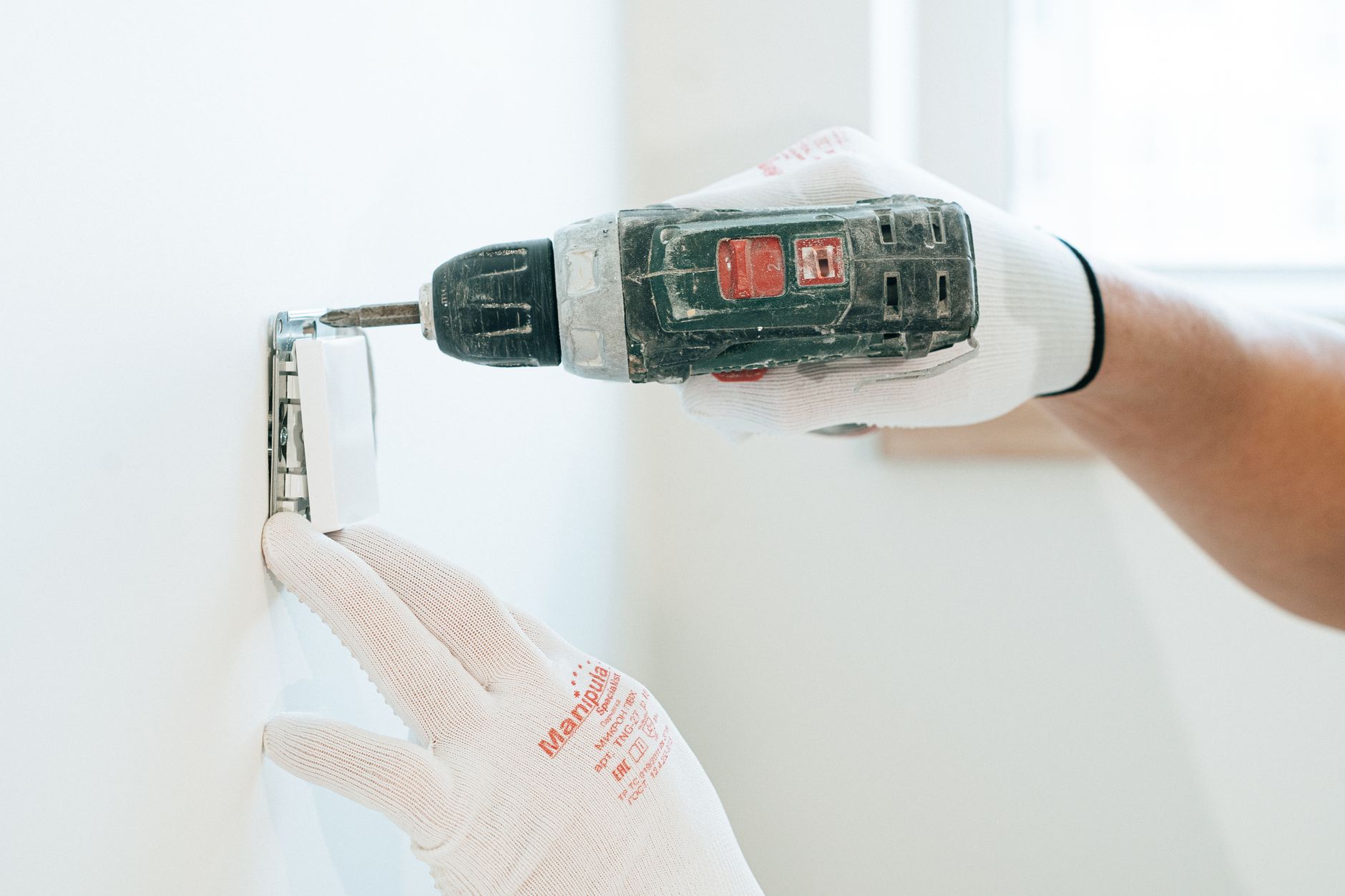
What type of outlet cover is safest for babies?
The safest choice is a UL‑listed, tamper‑resistant (TR) outlet. TR outlets have built-in shutters that block the insertion of foreign objects unless both slots are engaged simultaneously—something a baby’s finger cannot do. When a TR outlet isn’t an option (for example, in older homes where rewiring is impractical), a heavy‑duty outlet plate made of metal or high‑impact plastic is the next best protection. These plates completely cover the receptacle and are secured with screws, making them far harder for a child to pry off.
Caps—often called outlet plugs or baby plugs—are the cheapest alternative, but they rely on friction and can be pulled out by an eager toddler. Sliding covers (the ones that glide over the outlet) and plug‑in guards (which plug into the receptacle) are also UL‑listed and provide a solid barrier, yet they may not fit snugly on every outlet style, especially on GFCI or USB ports.
In short, rank safety from highest to lowest: TR outlet > metal outlet plate > sliding/plug‑in cover > plastic cap. Choose the highest tier you can install without extensive electrical work, and you’ll have the strongest line of defense against accidental shocks.
How to choose the right baby‑proofing outlet cover for your home
Start by inventorying the outlets in each room. Note whether they are standard 120 V duplex, GFCI (ground‑fault circuit interrupter), USB‑integrated, or specialty outlets for appliances. Next, consider the material of your walls—drywall, plaster, or wood paneling—as this influences the mounting method. Finally, think about your budget and aesthetic preferences; some families favor low‑profile metal plates that blend with décor, while others prioritize a bright, colorful cap that serves as a visual reminder.
Here’s a quick decision tree:
- New construction or recent remodel? Install TR outlets at the circuit breaker; they meet the latest NEC (National Electrical Code) requirements.
- Existing standard outlets? Choose a metal outlet plate with screws for durability.
- Rental unit where you can’t replace outlets? Opt for a high‑impact sliding cover that adheres with removable adhesive strips.
- GFCI or USB outlets? Verify that the cover’s dimensions match the recessed space; many manufacturers label “compatible with GFCI.”
Remember to verify the product’s UL or ASTM certification—this ensures it has passed rigorous safety testing. A quick glance at the packaging for the UL symbol (a circle with “UL” inside) will save you from low‑quality imports that could break or crack.
Sliding vs. plug‑in outlet covers: which is safer for babies?
Both sliding and plug‑in covers are UL‑listed and designed to stay in place when properly installed. Sliding covers glide over the outlet and lock into a groove, while plug‑in guards occupy the receptacle like a plug, sealing the holes with a snug fit.
Safety comparison:
Overall, plug‑in guards provide a slightly higher level of child resistance because they mimic a real plug and need both slots to be aligned to disengage. However, sliding covers are often preferred in rentals because they leave no permanent marks on the wall.
Are tamper‑resistant outlets better than standard outlets for baby proofing?
Yes. Tamper‑resistant (TR) outlets are engineered to stop foreign objects from being inserted. The internal shutters open only when equal pressure is applied to both slots—a condition that a finger or a plastic toy cannot meet. This design eliminates the need for separate caps or plates, reducing clutter and the chance of a cover being lost or removed.
TR outlets meet the 2020 NEC requirement for new residential construction, and many states have adopted the standard for all new builds. While they are more expensive—typically $2–$5 more per outlet than a standard duplex—the added safety and long‑term durability often justify the cost. For families with infants and toddlers, a TR outlet is the gold standard for “baby proofing outlets which type” you should aim for.
If retrofitting a home, you can replace existing outlets with TR models without rewiring, as they use the same voltage and amperage. An electrician can perform the swap in a few minutes per outlet, and many DIY‑savvy parents tackle it with a screwdriver and a voltage tester, provided they follow safety guidelines and turn off the circuit breaker.
How to install baby‑proof outlet covers without damaging the wall
Follow these step‑by‑step instructions to protect both your child and your drywall:
- Turn off power. Switch off the circuit breaker that controls the outlet. Use a voltage tester to confirm the outlet is dead.
- Choose the mounting method. For screw‑on plates, locate the existing mounting holes. If the wall is plaster, pre‑drill a small pilot hole to avoid cracking.
- Apply adhesive strips. For sliding covers, clean the wall with a mild detergent, dry it, then press the adhesive strip firmly for 30 seconds.
- Secure the cover. Align the cover with the outlet, then tighten the screws just enough to hold it snugly—over‑tightening can strip the wall.
- Test the fit. Gently tug on the cover; it should not move. For plug‑in guards, insert them fully and try to pull them out—resistance indicates proper installation.
- Restore power. Turn the breaker back on and double‑check that the cover does not interfere with the outlet’s function.
Tip: If you’re renting, opt for removable adhesive strips that claim “no residue” to keep your security deposit safe. Avoid using nails or permanent screws unless you have permission from the landlord.

Best baby‑proofing outlet covers for apartments versus houses
Living in an apartment often means you cannot replace the actual outlet, so you’ll rely on removable covers. In a house, you have the flexibility to upgrade the outlet itself.
Apartment‑friendly options (no permanent changes):
- High‑impact sliding covers with adhesive‑backed bases.
- Plug‑in guards made of durable polymer that snap in and stay put.
- Plastic caps with a built‑in locking tab for extra security.
House‑friendly options (permanent upgrades):
- UL‑listed tamper‑resistant (TR) outlets installed at the breaker box.
- Metal outlet plates with screw mounts for a sleek, long‑lasting barrier.
- Combination plates that include a built‑in TR mechanism.
Cost comparison (2026 average U.S. prices):
For renters, the sliding cover offers the best balance of safety and reversibility. Homeowners who can modify wiring should prioritize TR outlets and metal plates for lasting protection.
Can I use outlet covers on GFCI outlets for baby safety?
Yes, but you must select a cover that is specifically labeled “compatible with GFCI.” GFCI outlets have a recessed “test” and “reset” button that can be blocked by a poorly sized cover, rendering the safety feature inaccessible. Most manufacturers now produce GFCI‑compatible sliding covers and plug‑in guards that leave the button exposed while still sealing the receptacle slots.
If you install a standard cap on a GFCI outlet, you risk two problems: the cap may not fit snugly, and the child‑proofing function of the GFCI (which trips when a current leak is detected) could be compromised. Always test the outlet after installing the cover—press the “test” button; the indicator light should illuminate, confirming the GFCI remains operational.
Pros and cons of outlet caps versus outlet plates for baby proofing
Both caps and plates protect infants, but they differ in durability, aesthetic, and install complexity.
In households where toddlers are highly mobile and love to explore, a metal plate offers the best long‑term security. If you need a quick, inexpensive solution for a few hard‑to‑reach spots, caps can be a stop‑gap measure—just remember to replace them as your child grows.
Baby‑proofing outlets cost guide 2026 and where to buy them online
The 2026 market offers a wide price range. Here’s a quick snapshot:
- Plastic caps: $0.50–$1 each. Bulk packs of 100 are often under $30.
- Sliding covers: $2–$4 each. Many retailers sell 12‑pack kits for $25–$35.
- Plug‑in guards: $1.50–$3 each. Look for UV‑resistant polymer versions.
- Metal outlet plates: $3–$6 each. Bronze or brushed‑nickel finishes add a premium look.
- Tamper‑resistant outlets: $8–$12 each (including the device). Professional installation may add $30–$50 per outlet.
Reliable online sources include:
- Amazon – extensive selection, user reviews, and Prime shipping.
- Walmart – budget‑friendly bulk packs.
- Home Depot – in‑store pickup for metal plates and TR outlets.
- Target – stylish, kid‑themed caps that match nursery décor.
- Lowe’s – expert advice and occasional electrician services.
When shopping, filter results by “UL listed” and “child‑proof” to avoid low‑quality imports. Reading the “Q&A” section on product pages can reveal hidden issues like incompatibility with recessed GFCI outlets.
Myth vs. fact
Myth: “Any plastic cap will keep my baby safe.”
Fact: Only UL‑listed caps that meet ASTM F963 standards are guaranteed to resist removal and breakage.
Myth: “If I have a tamper‑resistant outlet, I don’t need any extra covers.”
Fact: TR outlets protect against insertion, but the exposed face can still be a visual cue for a curious toddler. Adding a low‑profile plate provides an extra barrier and can be aesthetically pleasing.
Myth: “Outlet covers are only for infants; toddlers don’t need them.”
Fact: Children up to age 4 frequently explore walls, and the risk of shock remains until they have the coordination to avoid outlets entirely.
Key takeaways
- TR outlets are the safest “baby proofing outlets which type” option if you can replace the device.
- For rentals, choose sliding or plug‑in covers that leave no permanent marks.
- Metal outlet plates outlast plastic caps and work on standard, GFCI, and USB outlets.
- Always verify UL or ASTM certification before purchasing.
- Test each cover after installation and re‑check every 3–6 months for wear.
- Keep a small screwdriver or voltage tester handy for routine inspections.
Frequently asked questions
Do I need to replace all outlets for baby proofing?
No. You can protect existing outlets with caps, sliding covers, or plug‑in guards. Replacing every outlet with tamper‑resistant models is ideal but not required unless you’re remodeling.
Can baby proof outlet covers be removed later?
Yes. Most caps and plug‑in guards are designed for easy removal. Metal plates stay on the wall, but you can unscrew them if needed. Adhesive‑backed sliding covers can be peeled off without damage when you’re ready to move.
What is the difference between a tamper‑resistant outlet and a child‑proof outlet?
“Tamper‑resistant” refers to a built‑in safety feature that blocks foreign objects. “Child‑proof” is a broader term that includes any cover—caps, plates, or external guards—added to make an outlet safe for children.
How often should I check baby outlet covers for wear?
Inspect them every 3–6 months, or sooner if you notice cracks, loose screws, or if your child has been particularly active around the wall.
Are outlet covers safe for pets as well as babies?
Yes, most covers prevent both small pets and children from inserting objects. However, larger dogs may chew on plastic caps, so choose durable metal plates if you have a pet that likes to chew.
Do outlet covers affect the grounding of the electrical system?
No. Properly designed covers do not interfere with the grounding conductor. Ensure the cover fully encloses the receptacle without touching the grounding slot.
Can I install a tamper‑resistant outlet myself?
If you have basic electrical knowledge, turn off the breaker, remove the old outlet, and replace it with a TR model using a screwdriver. If you’re unsure, hiring a licensed electrician is the safest route.
When to see a doctor or specialist
If your child experiences any of the following, call your pediatrician immediately:
- Visible burns or redness after contact with an outlet.
- Unusual crying, vomiting, or loss of consciousness after an electrical incident.
- Signs of electrical shock such as muscle twitching or difficulty breathing.
For concerns about the electrical system itself—such as frequent tripping of GFCI devices, odd smells, or flickering lights—consult a licensed electrician. Our guide is informational only and does not replace personalized medical or professional advice.
References
- American National Standards Institute (ANSI) & ASTM International. “ASTM F963 – Standard Consumer Safety Specification for Toy Safety.” 2023.
- U.S. Consumer Product Safety Commission (CPSC). “Child Safety and Electrical Shock Prevention.” Updated 2025.
- National Electrical Code (NEC) 2020 Edition, Article 210.12 – Tamper‑Resistant Receptacles.
- Underwriters Laboratories (UL). “UL Listing Directory – Child‑Resistant Electrical Devices.” Accessed 2026.
- American Academy of Pediatrics (AAP). “Safe Sleep and Home Safety Guidelines.” 2024.
- Home Depot. “Installing Tamper‑Resistant Outlets – DIY Guide.” 2026.
- Harvard T.H. Chan School of Public Health. “Home Safety: Electrical Hazards.” 2025.
- Electrical Safety Foundation International (ESFI). “Understanding GFCI and TR Outlets.” 2025.



