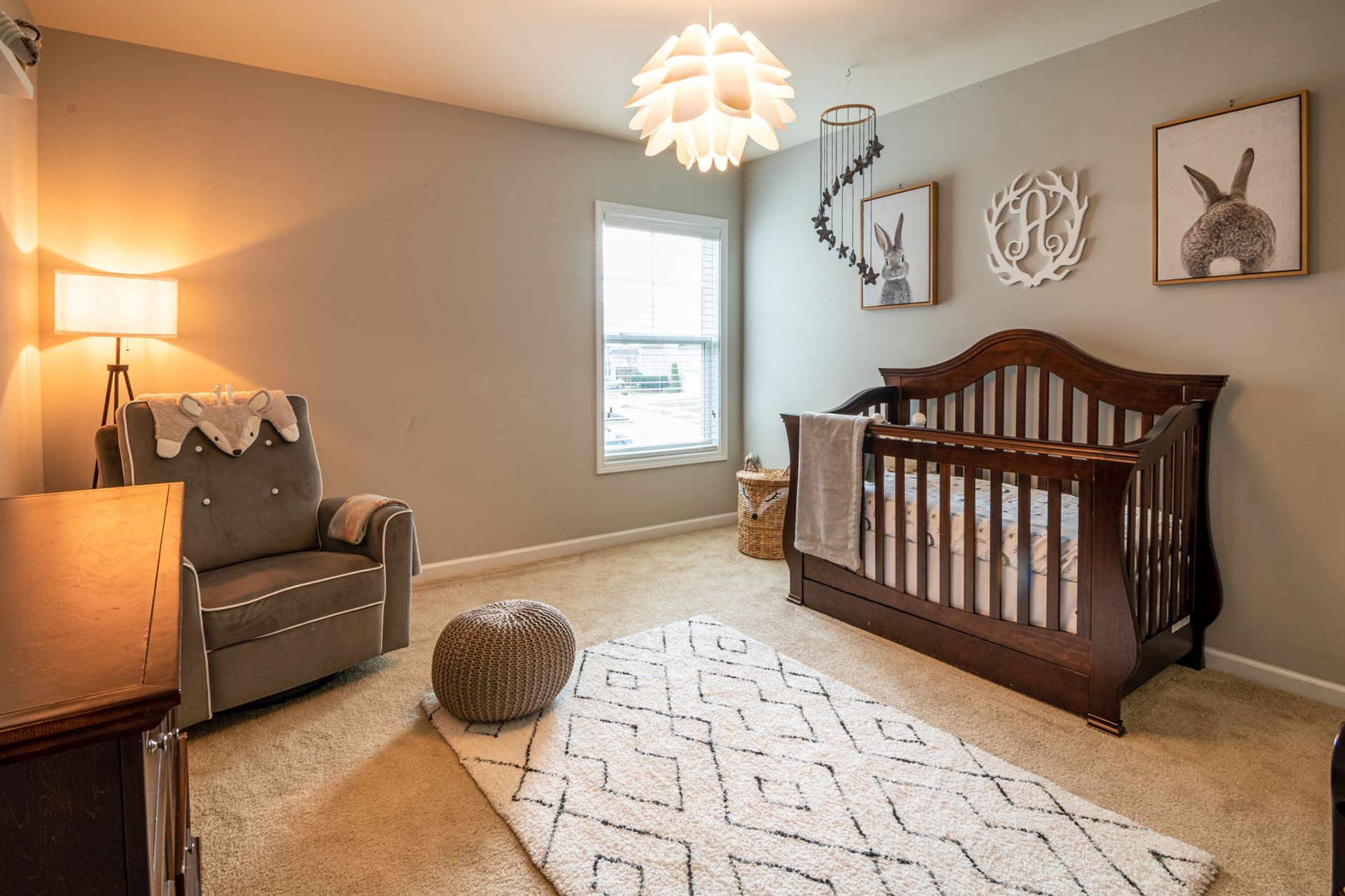
Safety doesn’t have to break the bank. Many of the most effective fixes are DIY or low‑cost purchases you can find at a hardware store, discount retailer, or online marketplace.
What are the cheapest high‑impact baby proofing products?
- Outlet covers: $0.50–$1 each for simple plug‑in caps.
- Corner protectors: Foam cushions for sharp table edges cost $1–$2 per piece.
- Cabinet locks: Magnetic locks or adhesive strips are $2–$5 per set.
- Door stops: Rubber wedges prevent doors from slamming shut; often under $1.
- Window guards: Basic metal or plastic guards can be installed for $10–$15 per window.
DIY tricks that save money
Use items you already own: a baby blanket can double as a cushion on a hard floor, a tension rod can hold a curtain that blocks access to a high shelf, and a pool noodle cut lengthwise makes an instant corner guard. For stair gates, a tension rod combined with a baby gate can be a temporary solution while you budget for a permanent gate.
Budget‑friendly product comparison
Even on a shoestring budget, you can cover the most dangerous spots first: outlets, corners, and stairs. Then add the rest as you go. The key is to prioritize hazards that are within arm’s reach when your baby starts to sit, crawl, or pull‑up.
Baby proofing checklist for 6‑month‑old
At six months, many babies begin to sit up, pull themselves to a stand, and explore everything within arm’s reach. Your checklist should evolve to match this newfound mobility.
Which areas become high‑risk at six months?
- Low furniture: Coffee tables, low bookshelves, and side tables become climbable.
- Floor‑level hazards: Small objects, loose cords, and pet toys can be swallowed.
- Bathroom items: Shampoo bottles and toothbrushes sit within easy reach.
What specific actions should you take?
- Secure all furniture to the wall with brackets or straps.
- Place a soft, non‑slip rug in any play area.
- Move cleaning supplies, vitamins, and medications to a high cabinet with a child‑proof lock.
- Install a soft‑close toilet lid and keep the bathroom door closed when not in use.
- Check that all cords (blinds, electronics) are clipped above 5 feet.
Sample 6‑month checklist
Revisit this list every month as your baby gains strength, and add new items when you notice fresh curiosities. For example, if you see your infant reaching for a pet’s water bowl, it’s a cue to secure the bowl or place a barrier.
Importance of baby proofing the home
Accidents are the leading cause of injury in children under five, according to the U.S. Consumer Product Safety Commission (CPSC). Simple preventive steps can reduce the risk of falls, burns, and poisonings by up to 90 %.
Why does early baby proofing matter?
Babies develop motor skills rapidly. A child who can crawl at nine months may explore a previously harmless corner by eleven months. By baby‑proofing early, you create a safe “learning playground” that encourages exploration without exposing the child to dangerous objects.
What are the long‑term benefits?
- Peace of mind: Parents sleep better knowing the environment is safe.
- Reduced medical costs: Preventing injuries avoids ER visits and potential long‑term complications.
- Confidence building: A safe home lets toddlers practice independence, fostering healthy development.
In short, a well‑executed baby proofing checklist protects both your child and your family’s wellbeing. The American Academy of Pediatrics (AAP) emphasizes that a proactive safety plan is a cornerstone of healthy child development (AAP, 2022).
Baby proofing checklist for stairs and hallways
Stairs are the number‑one cause of falls for toddlers. A single misstep can lead to serious head injuries. Hallways, though flat, become hazardous when toys or clutter block the path.
What safety equipment should you prioritize?
- Stair gates: Choose a gate that meets the CPSC safety standards and fits the width of your staircase.
- Non‑slip stair treads: Apply adhesive rubber pads to each step to reduce slipping.
- Handrails: Ensure handrails are securely anchored and free of gaps.
- Hallway declutter: Store toys in bins with lids; keep cords out of the walking path.
Installation tips for gates
Mount the gate at the top of the stairs for extra stability. Use a pressure‑mounted gate only if your stair railing is sturdy; otherwise, a hardware‑mounted gate provides a more reliable anchor. Test the gate daily—push and pull to confirm it doesn’t wobble.
Stair safety comparison
For most families, a hardware‑mounted gate offers the best peace of mind, especially if you have a larger toddler. Hallway safety is often overlooked; a quick “5‑second sweep” each evening—checking for stray toys, cords, or loose rugs—can prevent tripping hazards before they become accidents.
Baby proofing checklist for kitchen and bathroom
The kitchen and bathroom hold the most acute hazards—hot liquids, sharp objects, and cleaning chemicals. Treat each as a separate safety zone.
Kitchen safety essentials
- Stove knob covers: Silicone caps prevent little fingers from turning burners on.
- Oven lock: A latch that disables the oven’s temperature dial.
- Cord management: Use zip ties or cord covers to keep appliance cords out of reach.
- Cabinet locks: Install magnetic locks on lower cabinets that store knives, dish soap, and small appliances.
- Floor safety: Place non‑slip mats near the sink and clean spills immediately.
Bathroom safety essentials
- Toilet lid lock: Prevents curious hands from pulling the lid.
- Bath thermometer: Use a digital thermometer to ensure water stays below 100 °F (38 °C).
- Non‑slip bath mat: Keep it in place with suction cups.
- Medicine cabinet lock: Store all medications, vitamins, and cosmetics out of reach.
- Shampoo dispenser: Choose a pump that requires more force than a child can apply.
Common kitchen and bathroom mistakes
Leaving pot handles turned toward the edge, placing cleaning sprays on low shelves, and keeping towels within arm’s reach are frequent oversights. A quick visual scan—“Can a child see and reach this item?”—helps spot hidden dangers. The FDA’s guidance on child‑resistant packaging (2023) reinforces that even seemingly “harmless” items like liquid soap should be stored out of reach.
Creating a baby proofing checklist for grandparents’ house
Visiting grandparents can be a joyous experience, but older homes often lack modern safety features. A portable checklist makes it easy to bring baby‑proofing tools on the road.
What items should you bring?
- Portable outlet covers (10‑pack).
- Travel‑size corner protectors for low tables.
- Reusable cabinet locks that don’t require drilling.
- Non‑slip floor mats for any uneven surfaces.
- Window guards that attach with suction cups or tension rods.
How to assess the grandparents’ home quickly
Walk through each room with a “reach test”: imagine your child’s height (around 30 inches for a 12‑month‑old) and note anything they could grasp. Prioritize outlets, stairways, and kitchen counters. Use the portable checklist to tick off fixes before bedtime.
Sample portable checklist
Having these items on hand means you can make the grandparents’ home safe without a major renovation. If a grandparent’s house has narrow stairways, a pressure‑mounted gate that fits the railing can be a quick, non‑intrusive solution.
Baby proofing checklist for outdoor spaces
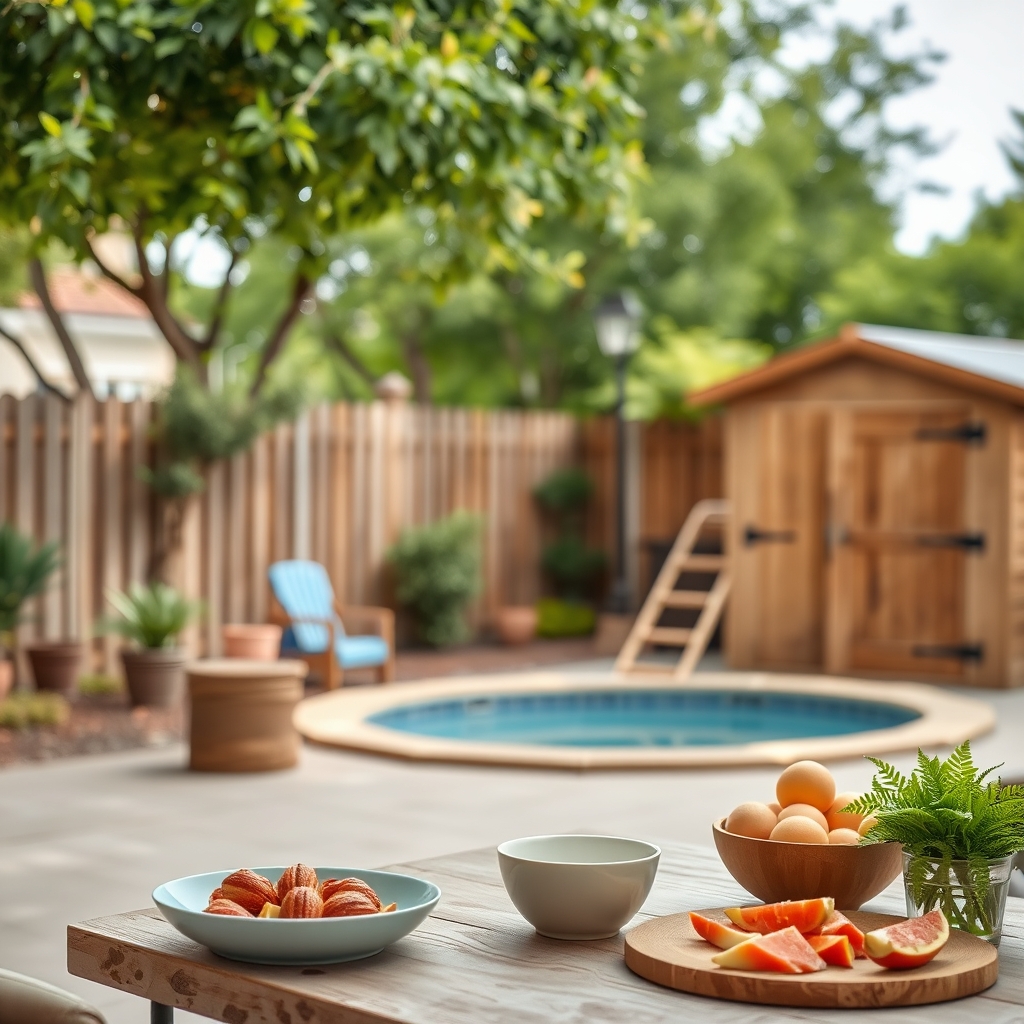
Backyards, patios, and parks are wonderful places for exploration, but they present unique hazards: pools, tools, and uneven terrain.
What outdoor safety measures are essential?
- Pool fencing: A four‑foot fence with self‑locking gates is required by most local codes.
- Tool storage: Keep garden tools, chemicals, and lawnmower keys in a locked shed.
- Play equipment: Ensure swings, slides, and trampolines have safety‑rated padding and are anchored.
- Sun protection: Provide a shaded area and use sunscreen on exposed skin.
- Ground safety: Cover sharp edges with rubber mulch or sand.
Portable outdoor checklist
Even on a tight budget, a simple gate latch, a few corner protectors, and a regular visual sweep keep outdoor adventures safe. The NHS advises that regular “outdoor safety walks” with a child‑sized measuring stick can reveal hidden risks that an adult eye might miss (NHS, 2023).
Baby proofing checklist for 12‑month‑old (toddler)
By the time your baby hits the one‑year mark, they’re likely cruising, climbing, and testing boundaries. This stage introduces new hazards such as low tables, door handles, and small appliances.
High‑risk zones for a 12‑month‑old
- Low tables and coffee tables: Toddlers can pull themselves up to reach objects on top.
- Door handles: Interior doors that swing freely can lead to “door‑slam” injuries.
- Small appliances: Toasters and coffee makers sit at a perfect height for curious hands.
Action steps
- Install “door knob covers” or a magnetic latch on interior doors.
- Use a “table edge guard” on all low tables; foam padding works well.
- Move small appliances to a higher counter or store them in a locked cabinet.
- Continue to anchor all furniture, but also check the stability of larger items like dressers that may now be used as climbing aids.
Re‑evaluate your toddler’s checklist every two weeks. If you notice your child repeatedly reaching for a particular object, treat that as a signal to add a barrier or relocate the item.
Baby proofing checklist for homes with pets
Pets bring joy, but they also add a layer of complexity to baby safety. From hidden toys to stray pet food, a pet‑friendly baby proofing plan keeps both family members safe.
- Pet food bowls: Filled bowls are easy for a baby to tip over, creating a slipping hazard.
- Pet toys: Small plush toys can be choking hazards for infants.
- Pet doors: Some homes have “pet flaps” that a child could push open unintentionally.
- Pet grooming tools: Scissors, clippers, and brushes can be sharp.
Safety strategies
- Place pet food bowls on a non‑slip mat and keep them out of reach once your baby starts crawling.
- Store pet toys in a high cabinet or a locked bin; keep only large, non‑chewable toys in the baby’s play area.
- Use a child‑proof latch on any pet door, or install a “one‑way” pet flap that only opens from the outside.
- Keep grooming tools in a locked drawer and never leave them on a countertop where a baby could grab them.
According to the American Veterinary Medical Association (AVMA, 2022), supervising interactions between babies and pets is essential—not just for physical safety, but also to foster a positive bond.
Baby proofing checklist for moving to a new home or rental
Moving can be stressful, and safety often takes a back seat. A fresh start is the perfect moment to embed safety into the layout before your baby begins to explore.
Pre‑move safety audit
- Walk through each room with a “baby‑height” ruler (about 30 inches tall) and note any low windows, exposed outlets, or sharp corners.
- Check the landlord’s policies: many rentals are required to have window guards or may restrict permanent modifications—plan for removable solutions.
- Identify “danger zones” such as basements, attics, or garage doors that open onto the street.
- Install temporary outlet covers and corner protectors right away.
- Place a safety gate at any staircase, even if you plan to install a permanent one later.
- Secure any heavy furniture before the baby starts to pull up.
- Set up a “baby‑only zone” in the living room with a soft play mat and keep all hazardous items out of sight.
Keeping a printed copy of the checklist in your new home’s kitchen drawer ensures you’ll revisit it as you unpack and settle in. If you’re renting, the UK government’s renting guide suggests communicating any safety modifications with your landlord to avoid disputes later.
Myth vs. fact
Many parents hear conflicting advice. Here are the most common misconceptions.
Myth: “If my baby can’t crawl yet, I don’t need to baby proof.”
Fact: Babies develop strength quickly; many can sit and pull up before they crawl. Hazards on the floor become reachable as soon as they can sit upright.
Myth: “Baby gates are only necessary for the top of stairs.”
Fact: A gate at the bottom of the stairs prevents a toddler from re‑entering the stairwell after climbing up.
Myth: “All baby proofing products are interchangeable.”
Fact: Products are tested to meet specific safety standards. A CPSC‑approved outlet cover is far more reliable than a generic rubber plug.
Key takeaways
- Start with a room‑by‑room baby proofing checklist that matches your child’s developmental stage.
- Prioritize outlets, stairs, kitchen, and bathroom—these are the highest‑risk zones.
- Budget‑friendly options like plug‑in outlet covers and foam corner protectors can be effective while you plan larger upgrades.
- Revisit the checklist every few months, especially after a new milestone (crawling, standing, walking).
- Carry a portable set of baby‑proofing tools for visits to relatives or rentals.
- Include outdoor safety measures such as pool fencing and secure tool storage.
- Consider additional hazards when you have pets, are moving, or are caring for a toddler who can climb.
Frequently asked questions
What are the most important things to baby proof in a house?
The top priorities are electrical outlets, stairways, kitchen counters, and bathroom cabinets. Securing furniture, covering sharp corners, and installing window guards round out the basic safety net.
How do I baby proof my home on a tight budget?
Focus on low‑cost items: plug‑in outlet covers, adhesive cabinet locks, foam corner protectors, and DIY solutions like pool noodles for edge padding. Prioritize high‑risk areas first, then add upgrades as your budget allows.
What are some common baby proofing mistakes to avoid?
Leaving cords within reach, using faulty or expired safety products, and neglecting to secure furniture are frequent errors. Always test gates for stability and double‑check that locks are properly installed.
How often should I review and update my baby proofing checklist?
Check your checklist every 2–3 months, or after each major milestone (crawling, standing, walking). Seasonal changes—like adding a heater or changing décor—also warrant a fresh look.
What are some baby proofing products that are worth the investment?
Products that meet CPSC or ASTM standards—such as hardware‑mounted stair gates, magnetic cabinet locks, and certified outlet covers—offer the best protection and durability.
How can I ensure my baby’s safety in the kitchen and bathroom?
Use stove knob covers, keep dangerous items in locked cabinets, install non‑slip mats, and always supervise your child in these rooms. A digital water thermometer helps keep bath temperature safe.
Are there any safety signs that mean I should call my pediatrician right away?
If your baby falls from a height, ingests a suspicious substance, or shows signs of a burn (redness, blistering), call your pediatrician or go to the nearest emergency department immediately.
What should I do if my baby shows signs of choking while exploring a new room?
Perform infant choking first‑aid—back blows and chest thrusts—if you’re trained. Even if the object appears dislodged, seek medical evaluation right away to rule out lingering airway obstruction.
How can I baby proof a home that has both stairs and a sliding glass door?
Install a sturdy gate on the stairs and a “safety latch” on the sliding door that requires two hands to open. Both should meet CPSC or ASTM safety standards. Keep the latch out of reach of a toddler’s grasp.
When to see a doctor / specialist
If your baby experiences any of the following, seek medical attention promptly:
- Unexplained bruising or swelling after a fall.
- Signs of poisoning: vomiting, lethargy, or unusual behavior after possible ingestion.
- Burns larger than a dime or any depth beyond a superficial reddening.
- Persistent crying after a suspected injury, especially if the baby cannot be consoled.
- Any loss of consciousness or seizure activity.
These symptoms may indicate a serious injury that requires a pediatrician’s evaluation, an emergency‑room visit, or a referral to a specialist such as a pediatric orthopedist or neurologist.
This article is for informational purposes only and does not replace personalized medical advice. Always consult your health care provider before making safety decisions that could affect your child’s health.
References
- U.S. Consumer Product Safety Commission (CPSC). Safety standards for baby products. 2023.
- American Academy of Pediatrics (AAP). Home safety for infants and toddlers. 2022.
- National Safety Council. Preventing childhood injuries. 2023.
- Harvard T.H. Chan School of Public Health. Environmental hazards and child development. 2021.
- Centers for Disease Control and Prevention (CDC). Poison prevention for children. 2022.
- International Association of Child Safety Professionals. Guidelines for baby‑proofing rentals. 2023.
- American College of Obstetricians and Gynecologists (ACOG). Recommendations for infant safety in the home. 2024.
- National Health Service (NHS). Home safety checks for families. 2023.
- Food and Drug Administration (FDA). Child‑resistant packaging guidance. 2023.
- American Veterinary Medical Association (AVMA). Safe interactions between pets and children. 2022.