Quick take: Babies typically begin to grasp object permanence between 4 months and 8 months of age. You can gauge progress with simple hide‑and‑seek games, and if your infant shows little interest by 9 months, a pediatrician’s developmental screening may be helpful. Supporting this skill with daily play, consistency, and responsive parenting sets the stage for later language and emotional regulation.
It was 3 a.m. when you found yourself watching your newborn stare intently at a toy that had just vanished beneath a blanket. Your heart raced—was this a sign of trouble, or just a normal part of growing up? You’re not alone. Many parents wonder exactly when and how their little one learns that objects continue to exist even when out of sight. This guide unpacks the science, the milestones, and the everyday strategies that help your child develop object permanence—a cornerstone of cognitive and emotional growth.
In the pages ahead, we’ll walk through the typical age range, easy home assessments, red‑flags that merit a professional check‑in, and playful activities that nurture this skill. Whether you’re a first‑time parent, a caregiver, or a curious family member, you’ll find clear answers to questions like “at what age do babies understand object permanence?” and “how does object permanence affect separation anxiety?” Let’s dive in, with confidence and compassion.
At what age do babies understand object permanence?
Object permanence is the understanding that objects continue to exist even when they cannot be seen, heard, or touched. In infancy, this concept emerges gradually, moving from a vague sense that things may reappear to a firm expectation that they will.
Research from the American Academy of Pediatrics (AAP) and the National Institute of Child Health and Human Development (NICHD) shows that most infants begin to demonstrate basic object permanence around 4 months. By 6 months, many will actively search for hidden objects, and by 8 months the skill is usually solidified enough for them to anticipate that an object will reappear.
Here’s a quick snapshot of the typical timeline:
The phrase baby object permanence age develop captures this developmental window. While some infants may show early signs at 3 months, others might need a little longer. Genetics, temperament, and the richness of daily interactions all play a role. In most cases, the progression follows the pattern above, but remember that each child’s timeline is unique.

How to test my baby's object permanence development at home
Observing your infant’s reactions to simple hide‑and‑seek scenarios is the easiest way to gauge their baby object permanence age develop progress. Below are three age‑appropriate tests you can try, each with a brief explanation of what you’re looking for.
1. The “towel drop” (4‑5 months)
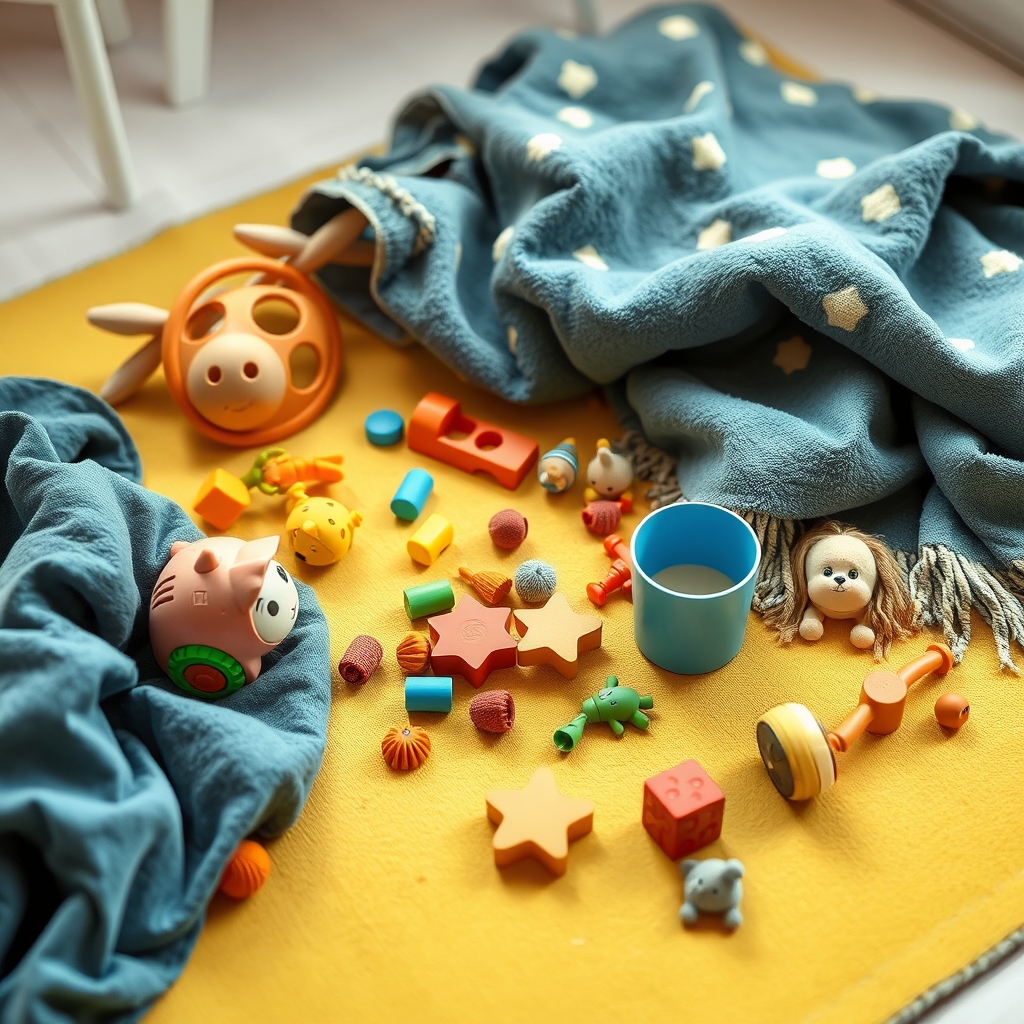
Place a favorite rattle on a high‑contrast towel. Cover it with a second towel while your baby watches. Watch for a brief pause followed by a glance toward the covered spot. A look of surprise or a reaching gesture suggests early object permanence.
2. The “cup lift” (6‑7 months)
Hide a small toy under a clear plastic cup. Let your baby see the toy, then cover it. Most infants at this stage will lift the cup to retrieve the toy. If they instead turn away or lose interest, it may indicate they haven’t fully grasped the concept yet.
3. The “box search” (8‑12 months)
Place a soft ball inside a small box with a removable lid. Show the ball, close the lid, and then step away for a few seconds. Return and observe whether your baby attempts to open the box. The desire to open the container and retrieve the object demonstrates a solidified object permanence.
When you conduct these tests, keep the environment calm and free of distractions. Note how long it takes for your baby to respond and the intensity of their reaction. These observations become valuable data points you can share with your pediatrician during routine well‑baby visits.
Signs my baby has not yet developed object permanence
While variations in timing are normal, certain patterns may signal a delay in object permanence development—an early indicator of broader cognitive concerns. Watch for the following signs:
- Consistent lack of interest when toys disappear—even after repeated exposure.
- Failure to search for hidden objects by 9 months, despite clear visual cues.
- Minimal reaction to “peek‑a‑boo” games; the baby may smile, but does not show surprise.
- Extended periods of disengagement after a favorite object is taken away, without attempts to retrieve it.
- Limited joint attention, meaning the child does not follow an adult’s pointing to locate hidden items.
If you notice two or more of these behaviors persisting beyond 9 months, consider discussing them with your child’s pediatrician. Early developmental screening can differentiate a simple temperament difference from a more significant delay that may benefit from early intervention services.
Object permanence milestones for 6‑month‑old babies
At six months, many infants are on the cusp of active object search. Below is a detailed checklist you can use to assess whether your 6‑month‑old is hitting typical milestones.
- Looks longer at a toy that disappears under a cloth than at a toy that simply rolls away.
- Attempts to lift a blanket or cloth covering a hidden object, even if the effort is clumsy.
- Shows a brief smile of surprise when an object reappears.
- Reaches for a partially hidden toy, indicating an understanding that the toy is still there.
- Begins to anticipate where an object might reappear after a short pause.
Meeting at least three of these items usually signals that your infant’s baby object permanence age develop trajectory is on track. Remember, infants develop at their own pace; missing one item does not automatically indicate a problem.
How does object permanence affect a baby's separation anxiety?
Separation anxiety typically emerges between 6 months and 2 years, and it is closely linked to the infant’s grasp of object permanence. When a baby understands that a parent’s “away” status is temporary, they are better equipped to tolerate short separations.
Conversely, if object permanence is still forming, a child may interpret a parent’s departure as a permanent loss, leading to heightened distress. This is why you might notice a dramatic increase in fussiness when you leave the room after 6 months—your baby now knows you exist but cannot see you.
Supporting object permanence can therefore ease separation anxiety. Simple, consistent routines—such as always saying “I’ll be right back” while placing a comforting object within reach—help reinforce the idea that you will return, reducing the emotional intensity of the parting.
Activities to improve object permanence in infants
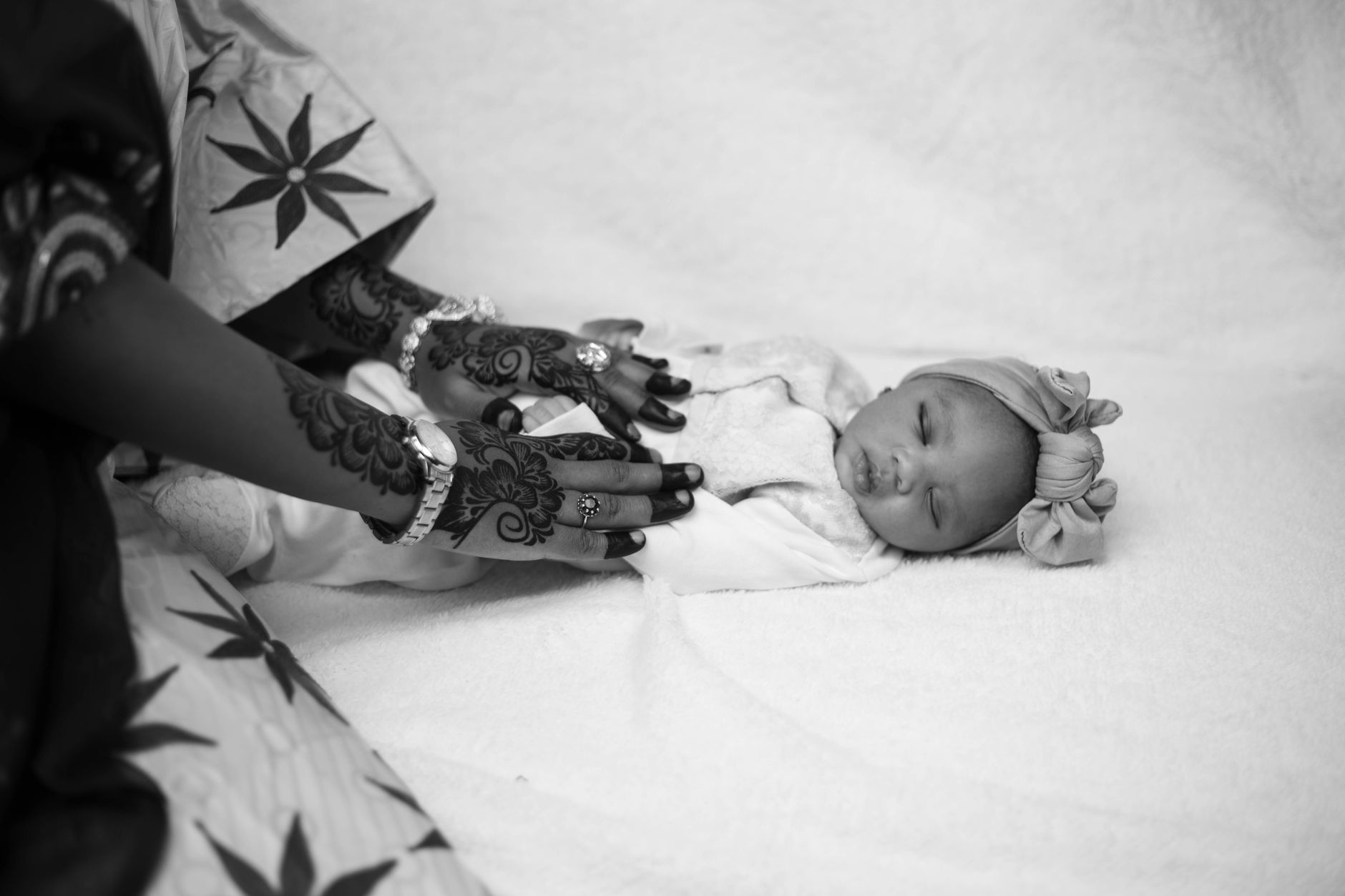
Play is the most effective way to nurture object permanence. Below are age‑appropriate activities, each paired with a brief “why it works” note.
Here are step‑by‑step instructions for the “cup lift” game mentioned earlier:
- Gather a small, transparent cup and a bright, noisy toy.
- Show the toy to your baby, then place it under the cup while they watch.
- Pause for a few seconds, then encourage your child with a gentle “Can you get it?”
- Celebrate any attempt, even if the cup isn’t fully lifted—positive reinforcement strengthens learning.
Consistency is key. Aim for short, daily sessions (5‑10 minutes) rather than lengthy, occasional play. The brain of a six‑month‑old is primed for repeated, focused exposure.
Difference between object permanence and memory in babies
Both object permanence and memory involve retaining information, but they address distinct cognitive processes.
- Object permanence is a specific understanding that objects continue to exist when out of sight. It is a milestone in sensorimotor development (Piaget’s Stage 2).
- Memory is broader—it includes recognizing faces, recalling sounds, and storing experiences over short (working) and long (episodic) periods.
In practice, a baby may remember that a favorite song was sung yesterday (memory) while still not grasping that a hidden toy still exists (object permanence). The two skills often develop in parallel, and strengthening one can support the other. For example, playing “peek‑a‑boo” not only teaches object permanence but also reinforces short‑term memory of the toy’s location.
Myth vs. fact
Myth: Babies are born knowing that objects exist even when they can’t see them.
Fact: Object permanence is a learned skill that typically emerges between 4 months and 8 months, as neural pathways mature.
Myth: If a baby doesn’t react to “peek‑a‑boo,” they are developmentally delayed.
Fact: Some infants simply have a calmer temperament; however, persistent lack of response past 9 months warrants a professional check.
Myth: Object permanence is unrelated to language development.
Fact: Studies from the National Institute of Child Health and Human Development show that early object permanence predicts later vocabulary growth, likely because both rely on the brain’s ability to hold information mentally.
Key takeaways
- Object permanence typically develops between 4 months and 8 months of age.
- Simple home tests—like the towel drop, cup lift, and box search—help you gauge progress.
- Signs of delayed development include lack of searching behavior by 9 months and minimal surprise at hidden objects.
- Strong object permanence skills ease separation anxiety and lay groundwork for language and problem‑solving.
- Playful, daily activities such as peek‑a‑boo and hidden‑toy games actively support this milestone.
- If concerns persist, consult a pediatrician or developmental specialist for a thorough evaluation.
Frequently asked questions
What is object permanence in babies?
Object permanence is the understanding that objects continue to exist even when they are out of sight. It’s a core milestone of the sensorimotor stage, typically emerging between 4 months and 8 months.
When does object permanence typically develop?
Most infants start showing signs of object permanence around 4 months, become more active in searching for hidden items by 6 months, and have a firm expectation of object continuity by 8 months.
Can a baby recognize hidden objects before 6 months?
Yes—some babies as early as 3–4 months may display surprise when an object disappears, but the reliable ability to search and retrieve hidden items usually solidifies after 6 months.
Why does my baby get upset when I leave the room?
Separation anxiety often coincides with the development of object permanence. When a child knows you exist but can’t see you, they may feel distress, interpreting the absence as a temporary loss.
How can I help my baby learn object permanence?
Engage in daily “peek‑a‑boo,” hidden‑toy games, and gentle encouragement of searching behaviors. Consistency, positive reinforcement, and a calm environment all boost learning.
Is lack of object permanence a sign of developmental delay?
Persistent absence of object‑search behavior after 9 months can indicate a delay and should be discussed with a pediatrician. Early screening allows for timely intervention if needed.
When to see a doctor or specialist
If your infant shows two or more of the following red‑flag signs, it’s time to schedule a professional evaluation:
- Little to no reaction to hidden‑object games by 9 months.
- Consistent inability to locate a toy after it’s covered, even with repeated attempts.
- Prolonged disengagement from favorite objects that have been taken away.
- Absence of joint attention (not following a caregiver’s pointing).
Discuss these concerns with your pediatrician, who may refer you to a developmental pediatrician or early‑intervention specialist. Early assessment can differentiate typical variation from a condition that benefits from targeted support.
References
- American Academy of Pediatrics. “Developmental Milestones: Sensorimotor Development.” AAP, 2023.
- National Institute of Child Health and Human Development. “Object Permanence and Early Cognitive Development.” NICHD, 2022.
- American Psychological Association. “Early Childhood Cognitive Development.” APA, 2021.
- Harvard T.H. Chan School of Public Health. “Play and Brain Development in Infancy.” Harvard, 2020.
- World Health Organization. “Early Childhood Development Guidelines.” WHO, 2022.



