Quick take: A baby memory book is a personal scrapbook of milestones, photos, and tiny treasures that can be as simple or elaborate as you like. Whether you choose a printable DIY kit, a digital app, or a handcrafted album, organizing by month and adding keepsakes like footprints keeps the memories safe for years to come. You don’t need a big budget—creative ideas, reusable supplies, and a few thoughtful touches make a beautiful record that you and your family will cherish.
It’s 2 a.m., the house is quiet, and you’ve just captured your newborn’s first yawn on video. You stare at the screen, feeling a mix of awe and a sudden urge to “save” this moment. You’re not alone—millions of parents search for ways to keep those fleeting weeks from slipping away. A baby memory book does exactly that: it turns a handful of photos and a few handwritten notes into a lasting story of your child’s first year.
In this guide we’ll walk you through baby memory book ideas that fit any budget, style, and family situation. From printable PDFs you can download at home to digital apps that sync across devices, we’ll cover creative, organized, and safe ways to preserve those priceless milestones. You’ll learn how to arrange entries month by month, add photos and footprints, involve dads and grandparents, and even tailor a book for twins or a premature infant.
By the end of this article you’ll have a clear roadmap to start (or finish) a memory book that feels uniquely yours—no matter if you’re a seasoned scrapbooker or a first‑time parent with a blank notebook. Let’s turn those tiny moments into a treasured keepsake.
Creative baby memory book ideas for newborns
Newborns change fast, so the best memory‑book ideas capture the softness of skin, the smell of first‑time cuddles, and the tiny details that disappear in a blink. Here are three creative ways to make those first weeks unforgettable.
Simple keepsake pages
Start with a “Firsts” page that includes a baby’s birth certificate copy, a hospital bracelet, and a small envelope for the first pair of tiny socks. Add a handwritten note about the emotions you felt when you first held your baby. Many readers tell us that this tactile page becomes a favorite when they flip through the book years later.
Sensory elements
Incorporate textures that remind you of the newborn experience. Attach a piece of the soft, pink hospital blanket (or a fabric swatch that mimics its feel) to a page titled “Snuggle Spot.” A small pocket for a lock of hair—secured in a clear, acid‑free sleeve—preserves the delicate strands without breaking them.
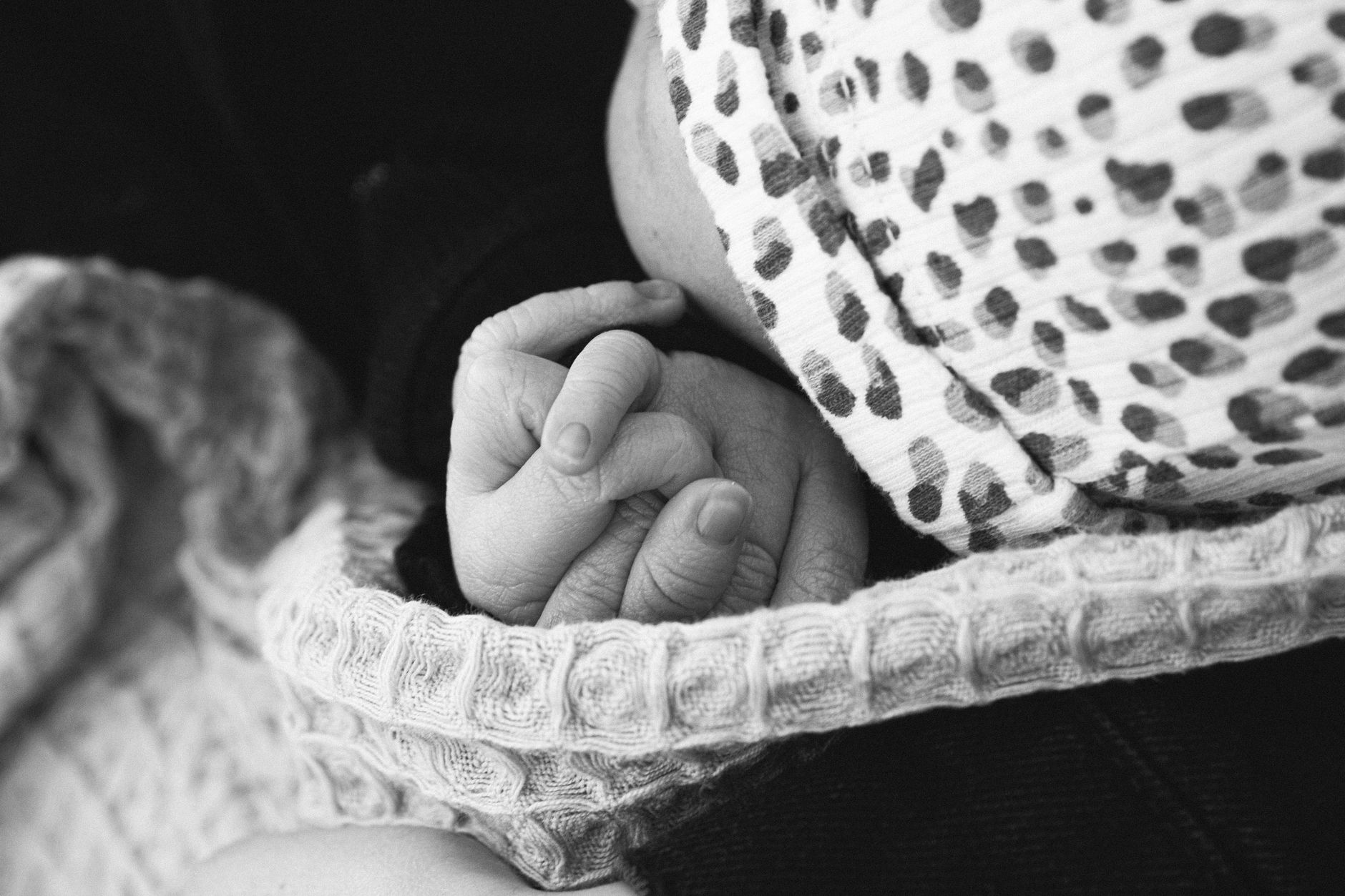
Take a fresh‑ink footprint on the day of birth and again at one month. Place the prints side by side on a “Footprint Timeline” page. Pair each set with a candid photo from that same day—perhaps a sleepy selfie or a close‑up of tiny fingers. The contrast between the growing prints and the blossoming smile tells a visual story without words.
How to organize a baby memory book by month
Month‑by‑month organization is the most popular method because it mirrors a baby’s rapid development. It also makes it easy to locate a specific milestone later on.
Monthly timeline layout
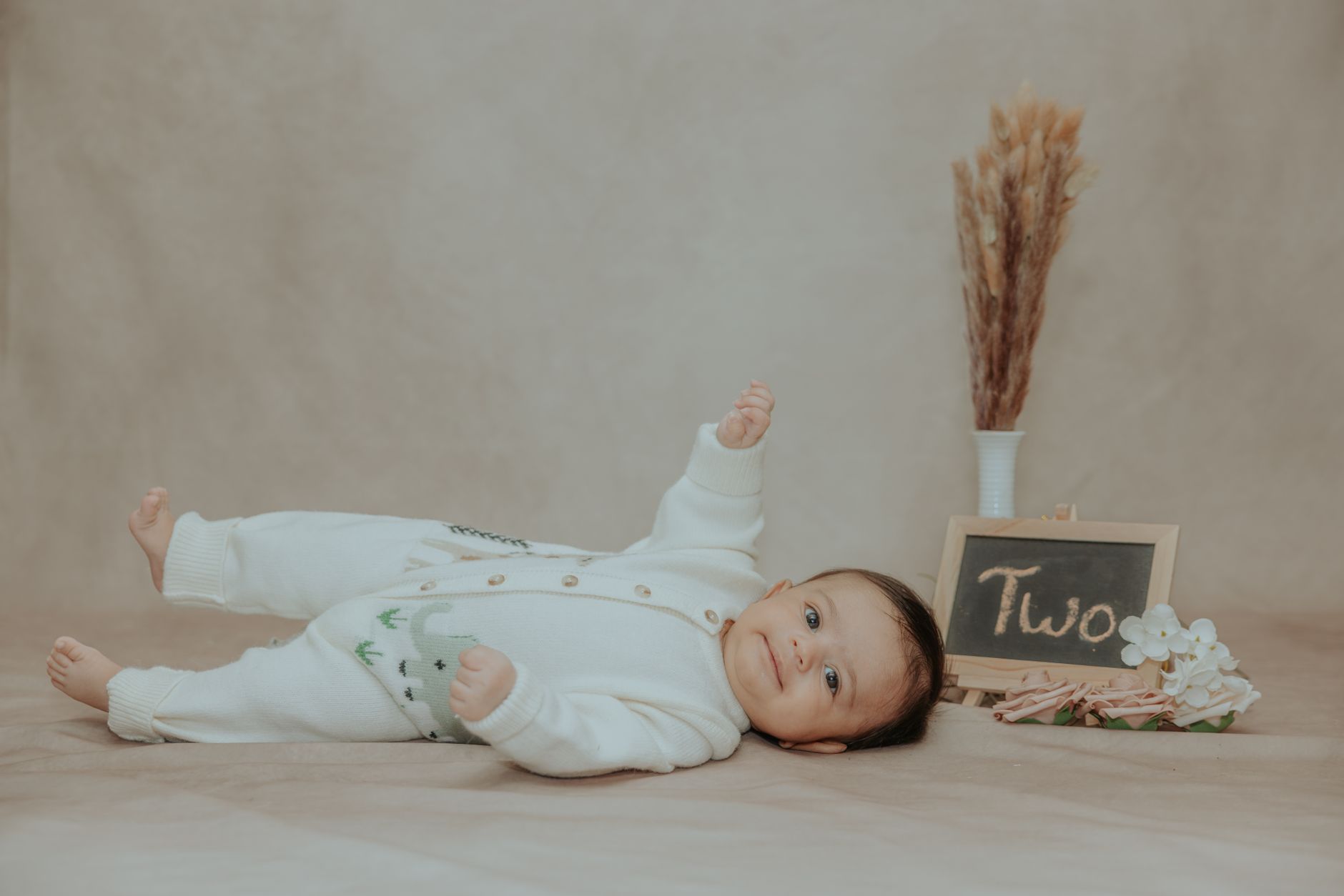
Begin each month with a bold heading—e.g., “Month 1: First Smiles.” Below, list key milestones like “first latch,” “first laugh,” and “first tummy time.” Use bullet points for quick reading, then add a photo collage that captures the month’s highlights. A simple table can help you track which milestones you’ve already documented.
Thematic alternatives
If a strict monthly format feels restrictive, try organizing by themes such as “Firsts,” “Family,” and “Sensory Experiences.” This approach works well for twins (see the next section) and for families who want to highlight holidays or special outings alongside monthly growth.
Keeping keepsakes safe
Store paper items in acid‑free sleeves, and seal hair or footprint samples in clear, archival‑grade plastic pouches. These materials prevent yellowing and tearing, ensuring your memories stay vibrant for decades. The International Council of Museums recommends using polyethylene or polypropylene pouches for long‑term preservation.
Budget‑friendly baby memory book ideas
Creating a beautiful memory book doesn’t have to cost a fortune. Below are practical ways to keep expenses low while still crafting a keepsake that feels luxurious.
Upcycling household supplies
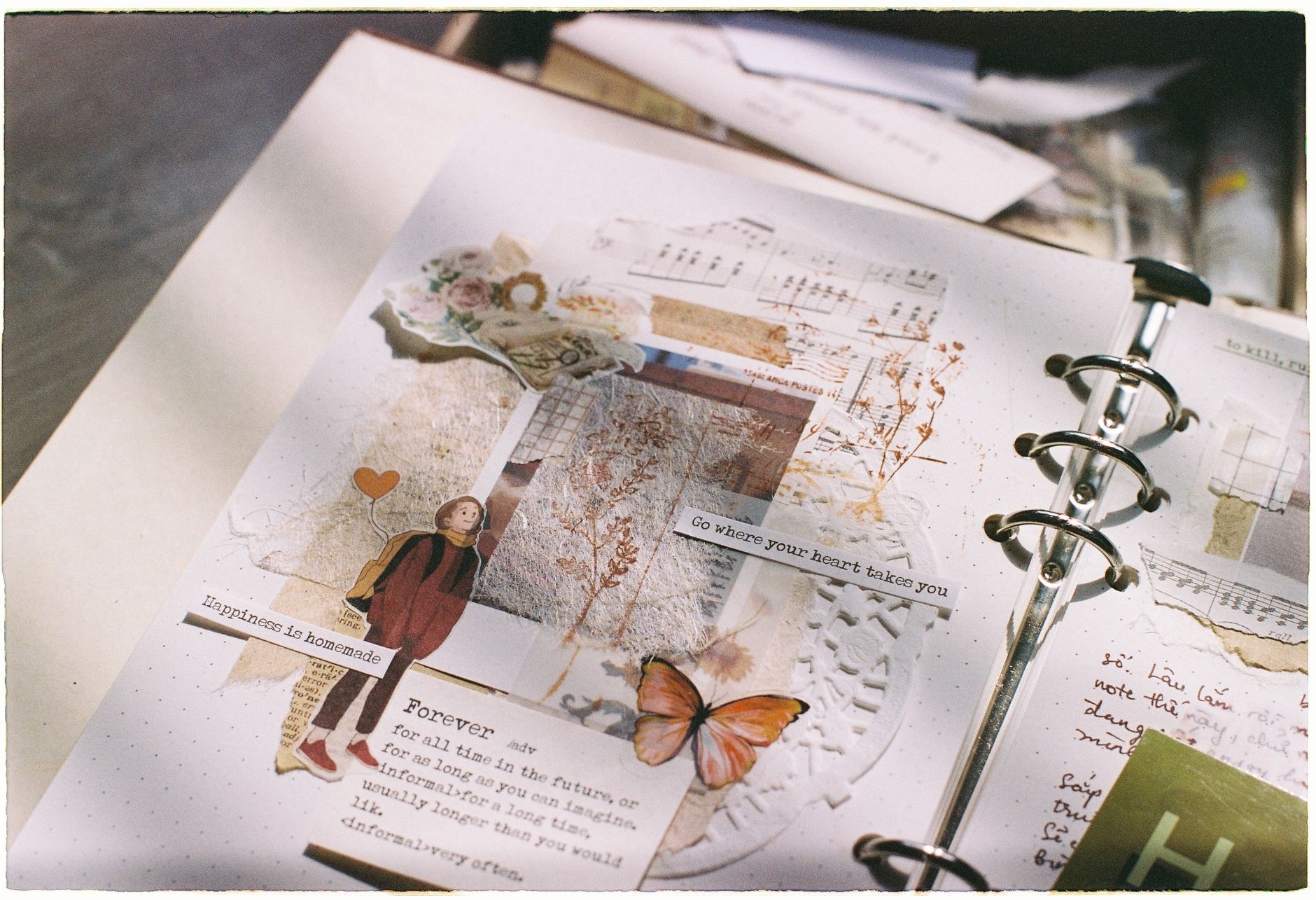
Use old greeting cards, cereal boxes, or binder paper as the base for pages. A plain cardboard box can become a sturdy cover—just cover it with decorative scrapbook paper or fabric scraps from a previous project. Many parents report that repurposed materials add a unique, personalized flair.
Printable PDF resources
Search for “baby memory book ideas printable PDF” and you’ll find dozens of free templates from reputable parenting blogs and nonprofit organizations. Download a set of monthly pages, print them on standard 8.5 × 11‑inch paper, and bind them with a simple ring‑binder or ribbon. This method eliminates the need for a pricey pre‑made album.
Cost‑cutting tips for supplies
- Buy stickers and stamps in bulk from discount stores.
- Use a regular office printer—high‑resolution inkjet prints look just as clear as specialty photo prints.
- Swap supplies with other parents; a community “craft swap” can provide stamps, patterned paper, and even small keepsake containers.
Digital baby memory book templates and apps
If you’re comfortable with technology, a digital memory book offers convenience, backup safety, and the ability to share instantly with family members across the world.
Top apps for baby memory keeping
Here are three widely used platforms, each with a free tier:
- Tinybeans – Provides monthly prompts, secure cloud storage, and easy sharing options. The app is endorsed by the American Academy of Pediatrics for its privacy standards.
- Lifecake – Focuses on high‑resolution photo albums and allows you to create printable photo books directly from the app.
- BabyBook – Offers customizable templates and a “milestone tracker” that syncs with Apple Health and Google Fit.
Pros and cons of digital vs. physical books
How to blend digital and physical
Many families print favorite digital pages each year and insert them into a physical album. This hybrid method gives you the convenience of a digital tracker and the sentimental value of a tactile book.
Unique baby memory book ideas for twins
Twins present a special challenge: you want to celebrate each child’s individuality while also honoring their shared journey.
Parallel pages
Design side‑by‑side spreads—one half for each twin. Use matching colors or patterns to keep the layout harmonious, then add a “Twin Milestones” section that records moments they experience together, like the first joint giggle or synchronized sleep pattern.
Joint milestones
Create a “Together” page for events that happen simultaneously, such as the first family photo, the first holiday celebration, or the first time they both say “mama.” Including both babies’ footprints on the same sheet emphasizes their bond.
Customizable printable kits
Search for “twin baby memory book printable PDF” to find templates that already include duplicate pages. Print two sets, then use different colored pens or stickers to personalize each child’s side.
Baby memory book ideas for first birthday milestones
The first birthday is a major milestone that deserves a dedicated section in any memory book. Here’s how to make that celebration shine.
Birthday page layout
Start with a bold title—“My First Birthday.” Add a photo of the cake, a snapshot of the birthday outfit, and a short narrative about the party (who was there, what the baby’s reaction was). Include a “Wish Box” where family members can write short wishes that you’ll paste onto the page later.
Keepsake ideas for the birthday
- Place the birthday invitation in a clear envelope.
- Attach a small piece of the birthday cake wrapper (if clean) in a sealed pocket.
- Include a printed copy of the birthday song lyrics that were sung.
Transitioning to the next year
At the end of the birthday page, write a short “Looking forward” note—what you hope to see in the second year. This practice turns a snapshot into a forward‑looking narrative that encourages reflection.
DIY baby memory book ideas with printable pages
For hands‑on parents who love craft projects, printable pages provide a flexible foundation that can be customized with stickers, stamps, and handwritten notes.
How to print and assemble
Download a set of PDF templates that include monthly frames, prompt boxes, and pockets for keepsakes. Print on heavy‑weight cardstock (around 80‑100 lb) for durability. Fold the pages in half, punch a hole at the top, and bind them with a decorative ring‑binder or a ribbon. You’ll have a book that can grow as your child does.
Customizing for moms, dads, and family members
Include dedicated sections where each parent can add their own perspective. For example, a “Dad’s Diary” page with a space for his handwritten thoughts, or a “Grandma’s Letter” pocket where grandparents can slip in a note. This makes the memory book a collaborative family project.
Ideas for premature babies
Premature infants often have a different timeline of milestones. Use a “Adjusted Age” column on each monthly page to note the baby’s corrected age, and add a special “Tiny Warrior” page that celebrates each medical milestone, such as the first time they breathed without assistance.
Keeping keepsakes safe
To preserve delicate items like hair or a first tooth, place them in sealed, acid‑free plastic packets before tucking them into pockets. For footprints, use a non‑toxic ink pad and press the print onto archival‑grade paper; then seal the paper in a clear pouch. This method prevents smearing and protects the imprint from humidity.
Myth vs. fact
Myth: You need an expensive, pre‑made album to create a meaningful memory book.
Fact: Simple, upcycled materials or free printable PDFs can produce a beautiful, personalized keepsake.
Myth: Digital memory books are less sentimental than paper ones.
Fact: Digital books allow for easy sharing, backup, and the inclusion of videos that paper cannot capture.
Myth: Only mothers should write in the memory book.
Fact: Dads, grandparents, and siblings can all contribute, enriching the narrative with diverse perspectives.
Key takeaways
- Start early—capture newborn moments with photos, footprints, and tiny keepsakes.
- Choose a format (physical, digital, or hybrid) that matches your lifestyle and budget.
- Organize entries month by month or by theme for easy navigation.
- Use acid‑free sleeves and plastic pouches to preserve delicate items long‑term.
- Include contributions from all family members to create a shared story.
- For twins or premature babies, tailor pages to reflect individual and joint milestones.
Frequently asked questions
What should I include in a baby memory book?
Begin with basics—birth details, a first‑photo collage, and a space for a footprint. Add milestones (first smile, first crawl), favorite outfits, hospital bracelets, and handwritten notes from parents. Include keepsakes like a lock of hair, a small piece of a blanket, and family letters for a well‑rounded record.
How often should I update a baby memory book?
Most parents update monthly, aligning with rapid developmental changes. Some choose to add entries after each major milestone (e.g., first word, first step). A quick weekly note in a digital app can also keep the timeline accurate without overwhelming you.
Can I create a baby memory book digitally?
Yes. Apps like Tinybeans, Lifecake, and BabyBook let you upload photos, record milestones, and store footprints as scanned images. Digital books offer cloud backup, easy sharing, and the ability to print favorite pages later.
What are some affordable baby memory book ideas?
Use printable PDF templates, upcycle cardboard or old greeting cards for covers, and buy stickers in bulk from discount stores. Repurpose household items—cereal boxes for pockets, ribbon from gift wrap for binding—to keep costs low while adding personal flair.
Use a non‑toxic ink pad designed for infants, press the foot onto archival‑grade paper, and let it dry completely. Seal the paper in a clear, acid‑free plastic pouch before inserting it into the book. This protects the print from smudging and humidity.
Are there specific memory book ideas for twins?
Yes. Create parallel pages for each child, a joint “Twin Milestones” spread, and use matching color schemes to keep the layout cohesive. Printable twin kits often include duplicate pages that you can personalize with each baby’s name.
What if I notice a developmental delay while documenting milestones?
Document the observation, but also reach out to your pediatrician promptly. Early evaluation can help identify any concerns and guide appropriate interventions.
When to see a doctor or specialist
If you notice any of the following while updating your memory book, contact your pediatrician right away:
- Failure to reach typical milestones (e.g., no head control by 3 months, no smile by 2 months).
- Unusual muscle tone, persistent limpness, or rigidity.
- Feeding difficulties that affect weight gain.
- Any signs of infection, rash, or persistent fever.
This article provides general guidance on creating a baby memory book and is not a substitute for professional medical advice. Always discuss health‑related concerns with your health care provider.
References
- American Academy of Pediatrics. “Developmental Milestones.” 2023. https://www.aap.org
- Centers for Disease Control and Prevention. “How Much Sleep Do Babies and Toddlers Need?” 2022. https://www.cdc.gov
- International Council of Museums. “Guidelines for the Preservation of Paper and Photographs.” 2021.
- Harvard T.H. Chan School of Public Health. “Preserving Family Memories.” 2022.
- Tinybeans. App description and privacy policy. 2024.
- Lifecake. Product overview. 2024.
- National Association of Professional Organizers. “DIY Memory Keeping Tips.” 2023.



