Quick take: You’ll typically get your baby’s health insurance card within 7‑14 days after the hospital discharge, but you can request a temporary digital card right away. Adding a newborn to an employer‑sponsored plan or enrolling in Medicaid/CHIP follows a clear step‑by‑step process—just have the birth certificate, Social Security number, and your own insurance info handy. If the card is delayed, call your insurer’s member services and ask for a provisional card while you wait.
Congratulations on the newest member of your family! While you’re busy soaking up those first‑few‑hours of snuggles, a practical question looms: “When will my newborn have a health insurance card?” It’s normal to feel a mix of excitement and anxiety—especially when you hear the term “baby insurance card timeline enrollment” and wonder if you’ve missed a deadline.
Here’s the bottom line: most insurers issue a temporary digital card within 24‑48 hours of adding the baby to your plan, and the physical card arrives by mail in about a week to two weeks. The exact timing depends on whether you’re using a private employer‑sponsored plan, Medicaid, or the Children’s Health Insurance Program (CHIP). This guide walks you through every step of the enrollment process, the paperwork you’ll need, cost considerations, and what to do if anything goes wrong.
Read on for a complete, 2024‑2026‑up‑to‑date roadmap. We’ll answer the specific questions you’re typing into Google, compare Medicaid, CHIP, and private coverage, and give you a checklist you can print and keep next to the diaper bin.
When will my newborn receive their health insurance card after birth?
Most private insurers promise to generate a temporary insurance card for a newborn within 24‑48 hours after you submit the enrollment information. The physical card—usually a plastic card with a barcode—typically arrives in the mail within 7‑14 days. If you’re enrolled in Medicaid or CHIP, the timeline can be slightly longer, often 10‑21 days, because state agencies run a separate verification process.
Key factors that influence the timeline include:
- How quickly you submit the enrollment paperwork. The moment you log into your employer portal or call the insurer’s member services, the clock starts.
- Whether you’ve already obtained a Social Security number (SSN) for your baby. If the SSN is pending, the insurer may issue a provisional card pending verification.
- State processing speed. Some states (e.g., California, New York) have automated Medicaid enrollment that can issue cards in under 10 days, while others may take longer.
To minimize waiting time, request the temporary digital card as soon as you confirm the newborn’s addition to the plan. Most insurers have an online portal where you can download a PDF or view a mobile card instantly.
How to add a baby to my existing health insurance plan in 2026
Adding a newborn to an existing plan in 2026 follows a standard “open enrollment” exception that applies any time a qualifying life event occurs—birth being the most common. Here’s the step‑by‑step process:
- Gather required documents. You’ll need the baby’s birth certificate, the infant’s SSN (or a request receipt), and your own insurance ID.
- Log into your employer’s benefits portal. Look for the “Add a Dependent” or “Life Event” section. Many portals have a dedicated “Newborn” button that pre‑populates the necessary fields.
- Enter the baby’s information. Include full name, date of birth, gender, and SSN. Double‑check for typos; a single digit error can delay the card.
- Select coverage level. Most plans automatically enroll the baby in the same coverage tier as the primary employee (e.g., “Employee + Family”). If you have a high‑deductible health plan (HDHP) paired with a health‑savings account (HSA), confirm whether the baby can be added to the same HSA.
- Submit the enrollment. After you click “Submit,” you’ll receive a confirmation email with a reference number. Keep this email for future follow‑up.
- Request a temporary card. Most insurers will email a PDF version or allow you to view a mobile card in their app. Save or print it for immediate use.
- Wait for the mailed card. Expect delivery within 7‑14 days. If you haven’t received it after two weeks, call member services with your reference number.
Because 2026 introduces a few updated privacy rules (HIPAA 2026), insurers may ask for additional consent forms. Make sure you read any electronic signatures carefully before submitting.
Steps to enroll a newborn in Medicaid versus private insurance
Choosing between Medicaid and private coverage depends on household income, state eligibility rules, and the benefits you need. Below is a side‑by‑side comparison of the enrollment steps for each option.
If you qualify for Medicaid, the program automatically covers most preventive services (immunizations, well‑baby visits) at no cost. Private plans often require co‑pays for office visits, but they may offer a broader network of pediatric specialists.
Timeline for receiving a baby insurance card after hospital discharge
After the hospital discharge, the “baby insurance card timeline enrollment” process kicks into gear. Here’s a day‑by‑day breakdown you can share with your partner:
- Day 0 (discharge day): Ask the hospital’s discharge planner to confirm that the newborn’s SSN has been filed with the Social Security Administration (SSA). Most hospitals submit this electronically within hours.
- Day 1‑2: Log into your employer’s benefits portal or call your insurer. Submit the newborn’s information and request a temporary digital card.
- Day 3‑5: Expect an email confirmation and a PDF of the temporary card. If you’ve applied for Medicaid, the state may still be processing eligibility.
- Day 6‑10: The insurer prints the physical card and sends it via standard mail. If you opted for express mailing (often an extra $5‑$10), it may arrive by Day 7.
- Day 11‑14: Card should be in your mailbox. Verify the name, member ID, and coverage dates. If anything looks off, call the member services line immediately.
Most parents report that the first card arrives in the second week after discharge. If you haven’t seen it by Day 15, contact the insurer with your reference number and ask for a re‑issue.

What documents are required to enroll a newborn in health insurance?
Having the right paperwork on hand is the single biggest factor that prevents enrollment delays. Below is a concise checklist you can print and keep on the fridge:
- Birth certificate. The official state‑issued document. A photocopy is usually acceptable, but the original speeds up verification.
- Social Security number (SSN). Most parents receive the infant’s SSN within 1‑2 weeks of the hospital filing. If it’s still pending, you can provide the SSA receipt (Form SS‑5).
- Parent’s health insurance ID card. Needed to link the newborn to the existing family plan.
- Proof of income (for Medicaid/CHIP). Recent pay stubs, a tax return, or a letter from your employer.
- Completed enrollment forms. Many insurers have an online “Newborn Add‑On” form; for Medicaid, you’ll fill out a state‑specific application.
- Signed consent for electronic communications. Required under the 2026 HIPAA updates for sharing digital cards.
If any of these items are missing, the insurer will typically place the enrollment on hold until the document is provided. Keep copies of each document and a note of the date you submitted them.
How long does it take for a newborn’s insurance card to arrive in the mail?
On average, a newborn’s physical insurance card arrives within 7‑14 days after the insurer processes the enrollment. This window can stretch to 21 days for Medicaid in states with slower processing times. The following factors can lengthen the wait:
- Incomplete paperwork or missing SSN.
- High volume of new births during peak seasons (e.g., summer months).
- Manual verification required for out‑of‑state insurance plans.
- Postal delays.
To stay proactive, track the “reference number” you received after submission. Most insurers have an online portal where you can view the status—look for a “Card Issued” or “Mailing Pending” flag.
Employer‑sponsored plans are generally the most straightforward to update, but each company has its own portal quirks. Follow these universal steps:
- Locate the benefits portal URL. This is often found on your HR intranet or the welcome email you received when you first enrolled.
- Navigate to the “Life Events” section. Choose “Birth of a child” from the dropdown menu.
- Enter the newborn’s details. Include full name, DOB, gender, and SSN. If the SSN is pending, select “Will be provided shortly.”
- Choose the coverage tier. Most plans automatically add the baby to the “Employee + Family” tier; you can confirm this in the summary screen.
- Review cost impact. Some employers increase the monthly premium by $30‑$70 for an added dependent. The portal will display the new total.
- Submit and save confirmation. After submission, you’ll receive an email with a confirmation number—store this in a safe place.
- Request a temporary card. Click the “Print temporary card” or “Add to mobile app” button. This card works for all doctor visits and pharmacy pickups.
Don’t forget to update any automatic payment accounts (e.g., HSA contributions) if your plan’s deductible changes with the addition of a dependent.
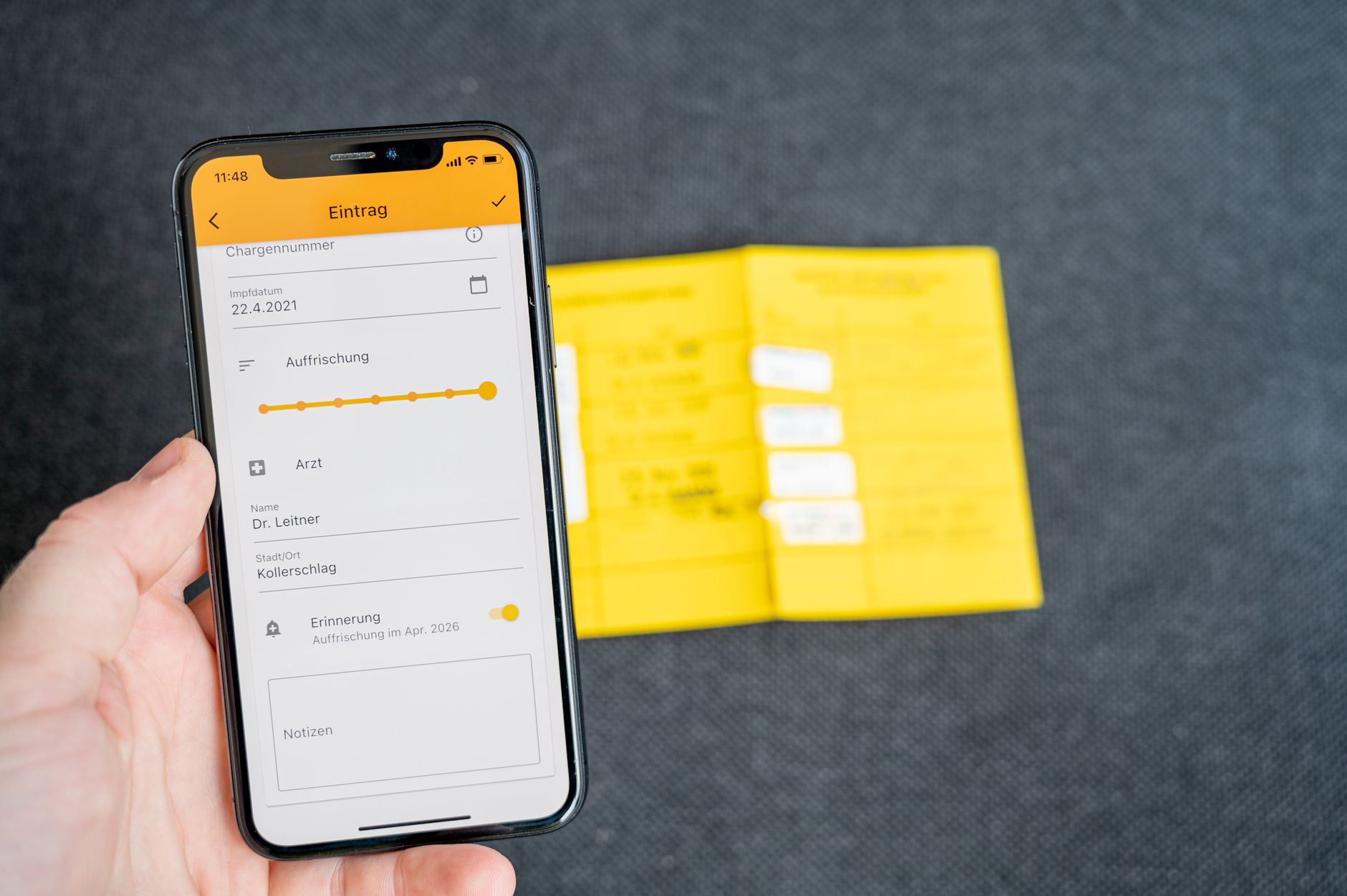
Baby health insurance enrollment deadline 2026 and cost of adding a newborn to a family health plan
Under the Affordable Care Act, you have a 60‑day window from the date of birth to enroll a newborn in your existing health plan. Some states extend this to 90 days for Medicaid/CHIP, but the federal rule remains 60 days for private plans.
Cost considerations vary:
- Employer‑sponsored plans. Adding a newborn typically raises the monthly family premium by $30‑$70, depending on the tier. Some employers cover the extra cost as a “dependent subsidy.”
- Marketplace plans. If you purchase insurance through the Health Insurance Marketplace, the newborn is added automatically to your existing plan without a premium increase during the special enrollment period.
- Medicaid/CHIP. Most states provide coverage for infants at little or no cost. Occasionally, a nominal monthly contribution (< $5) is required.
Remember to check whether your employer’s plan offers a “flexible spending account” (FSA) or “health savings account” (HSA) that can offset the added premium.
Difference between CHIP and Medicaid for infants, how to get a temporary insurance card, and what to do if the baby insurance card is delayed
Both CHIP and Medicaid serve children, but they differ in eligibility thresholds and benefits:
- Eligibility. Medicaid covers children in families with income up to 138 % of the federal poverty level (FPL). CHIP extends coverage up to 200‑300 % of the FPL, depending on the state.
- Benefits. CHIP often focuses on routine pediatric care—well‑child visits, immunizations, and dental services—while Medicaid includes a broader range of services, such as mental‑health treatment and specialist referrals.
- Cost. CHIP may require a small monthly premium for families above the Medicaid threshold; Medicaid is generally free for eligible infants.
If you need a temporary card while waiting for the mailed version, most insurers (including state Medicaid agencies) will issue a “proof of coverage” letter or a PDF card that you can print. Here’s how to request it:
- Call the member services number on the back of your own insurance card.
- Provide the newborn’s name, DOB, and SSN (or receipt).
- Ask for a “temporary insurance card” or “proof of enrollment.”
- Request the document be emailed to you so you can forward it to your pediatrician.
If the card is delayed beyond the typical 14‑day window, take these steps:
- Verify mailing address. Confirm the insurer has your correct home address.
- Check the enrollment status. Log into the insurer’s portal; many have a “Card Status” page.
- Call member services. Reference your enrollment confirmation number and ask for a re‑issue.
- Ask for an expedited card. Some insurers will mail a replacement via priority mail for a small fee (often waived for newborns).
How to switch newborn from parents' plan to own plan after age 1
When your child turns one, you may want to move them to a separate policy—perhaps because you’re adding a new adult dependent, or you’ve found a plan with better pediatric coverage. Here’s the process:
- Review the open enrollment calendar. Most insurers allow a “special enrollment period” (SEP) for dependents turning 12 months old, but you’ll need to act before the next open enrollment window.
- Compare plans. Use the marketplace or your employer’s plan comparison tool to evaluate premiums, deductibles, and pediatric benefits.
- Gather documents. You’ll need the child’s birth certificate, SSN, and current insurance card.
- Enroll the child. Follow the standard enrollment steps for a new dependent, but select “add as primary” rather than “dependent.”
- Cancel coverage on the original plan. After the new plan is active (usually the first day of the following month), contact the original insurer to terminate the child’s coverage to avoid duplicate premiums.
Keep a copy of the cancellation confirmation and ensure there’s no coverage gap. Most insurers will coordinate benefits if both plans are active for a brief overlap.
Myth vs. fact
Myth: “I can wait until the next open enrollment to add my baby.”
Fact: Birth is a qualifying life event, and you have a 60‑day window (often shorter for private plans) to add your newborn without waiting for the annual open enrollment.
Myth: “Medicaid and CHIP are the same thing for infants.”
Fact: While both provide low‑cost coverage, Medicaid eligibility is based on a lower income threshold, and it typically covers a wider range of services than CHIP.
Myth: “The temporary digital card isn’t accepted at the pharmacy.”
Fact: Most pharmacies accept the PDF or mobile version of the card for prescription fills. If a pharmacy refuses, ask to speak with the manager and show the enrollment confirmation; they can usually verify coverage on the spot.
Key takeaways
- Enroll your newborn within 60 days of birth to avoid coverage gaps.
- Gather the birth certificate, SSN, and your own insurance ID before starting the enrollment.
- Private employer plans often issue a temporary digital card within 24‑48 hours; mailed cards arrive in 7‑14 days.
- Medicaid and CHIP have different income thresholds—check your state’s eligibility calculator.
- If the card is delayed, verify your address, check the portal status, and request a re‑issue.
- When your child turns one, you can switch them to a separate plan during a special enrollment period.
Frequently asked questions
Can I get a health insurance card for my baby before the hospital discharge?
Yes. As soon as the hospital files the newborn’s SSN with the Social Security Administration, you can log into your insurer’s portal and request a temporary digital card. Most insurers issue it within 24‑48 hours, even before you leave the hospital.
Do I need to enroll my newborn in insurance within a certain timeframe?
Under the ACA, you have a 60‑day window from the date of birth to add the baby to your existing plan. Medicaid and CHIP may extend this to 90 days in some states, but it’s safest to enroll as soon as possible.
What is the difference between Medicaid and CHIP for newborns?
Medicaid covers infants in families with income up to 138 % of the federal poverty level and includes a full range of services, often at no cost. CHIP extends coverage to families with higher incomes (up to 200‑300 % of the FPL) and may require a small monthly premium, but it still covers essential pediatric care.
How can I expedite the delivery of my baby’s insurance card?
Request a temporary digital card immediately after enrollment. If you need the physical card faster, ask the insurer about priority mailing (often free for newborns). Verify your mailing address and consider using a “mail‑hold” service if you’re traveling.
Will my baby’s insurance card have the same coverage as my own plan?
When you add a newborn as a dependent, the baby receives the same benefit tier as the primary policyholder. This means the same deductible, co‑pay, and network coverage. However, some plans have separate “pediatric” benefits that may apply only to children under 18.
What should I do if my baby’s insurance card never arrives?
First, log into the insurer’s portal to check the card status. If it shows “pending,” verify that the address is correct and that the SSN has been processed. Call member services with your enrollment reference number and request a re‑issue or an expedited card.
When to see a doctor or specialist
If you notice any of the following, contact a healthcare professional or your insurance representative promptly:
- Denied claim for a routine newborn visit or immunization.
- Sudden loss of coverage after the initial enrollment confirmation.
- Incorrect information (name, DOB, SSN) on the insurance card.
- Unexpected out‑of‑pocket costs for services that should be covered.
In these cases, reach out to your insurer’s member services first; they can often resolve billing errors. If the issue involves a claim denial for a medical service, speak with your pediatrician’s billing office, who can help appeal the decision. For Medicaid or CHIP concerns, contact your state’s Medicaid office or a local health navigator.
Remember, this article provides general information and is not a substitute for personalized medical or legal advice. Always consult your health insurance provider, employer benefits administrator, or a qualified professional for decisions specific to your situation.
References
- Centers for Medicare & Medicaid Services (CMS). “Medicaid Eligibility and Enrollment.” 2024.
- U.S. Department of Health & Human Services. “Children’s Health Insurance Program (CHIP) Overview.” 2024.
- U.S. Department of Labor. “Health Benefits: Life Events and Special Enrollment.” 2023.
- American Academy of Pediatrics (AAP). “Guidelines for Health Insurance Coverage for Infants.” 2023.
- National Conference of State Legislatures. “State Medicaid and CHIP Income Eligibility.” 2024.
- Employer Health Benefits Survey. “Cost Impact of Adding a Dependent in 2026.” 2025.
- Social Security Administration. “How to Obtain a Social Security Number for a Newborn.” 2024.
- Health Insurance Portability and Accountability Act (HIPAA) Updates 2026. “Electronic Consent Requirements.” 2026.



