Quick take: Baby heat rash (miliaria) is usually harmless and clears up on its own, but gentle home care and smart prevention can ease discomfort and keep it from becoming a bigger problem. Stay cool, keep skin dry, and call your pediatrician if the rash spreads, blisters, or shows signs of infection.
Imagine it’s a sweltering July afternoon. You’ve just finished a quick diaper change, and you notice tiny red bumps spreading across your newborn’s back and neck. Your heart skips a beat—“Is this something serious?” you wonder. You’re not alone. Many parents discover heat rash, also called miliaria, for the first time during those sticky summer months. The good news is that with a few simple steps, you can treat the irritation and prevent it from returning.
In this guide we’ll walk you through everything you need to know about baby heat rash treatment prevention. We’ll define what miliaria looks like, explain why it shows up in newborns, outline step‑by‑step home care, and share evidence‑based prevention tips—like the best baby powder, clothing choices, and safe natural remedies. We’ll also help you tell the difference between heat rash, diaper rash, and other skin issues, and let you know exactly when a pediatrician should be called.
By the end of this article you’ll feel confident handling a heat rash episode, protecting your baby’s delicate skin, and knowing which products are safe for everyday use. Let’s get started.

How to treat baby heat rash at home
Most cases of baby heat rash clear up in a few days with simple, non‑medicinal care. The goal is to cool the skin, reduce sweating, and keep the area clean and dry.
Step‑by‑step home treatment
- Cool the skin. Gently place a cool, damp washcloth on the affected area for 5–10 minutes, three times a day. Avoid ice‑cold water, which can cause discomfort.
- Pat dry, don’t rub. After cooling, lightly pat the skin with a soft towel. Rubbing can irritate the tiny sweat ducts even more.
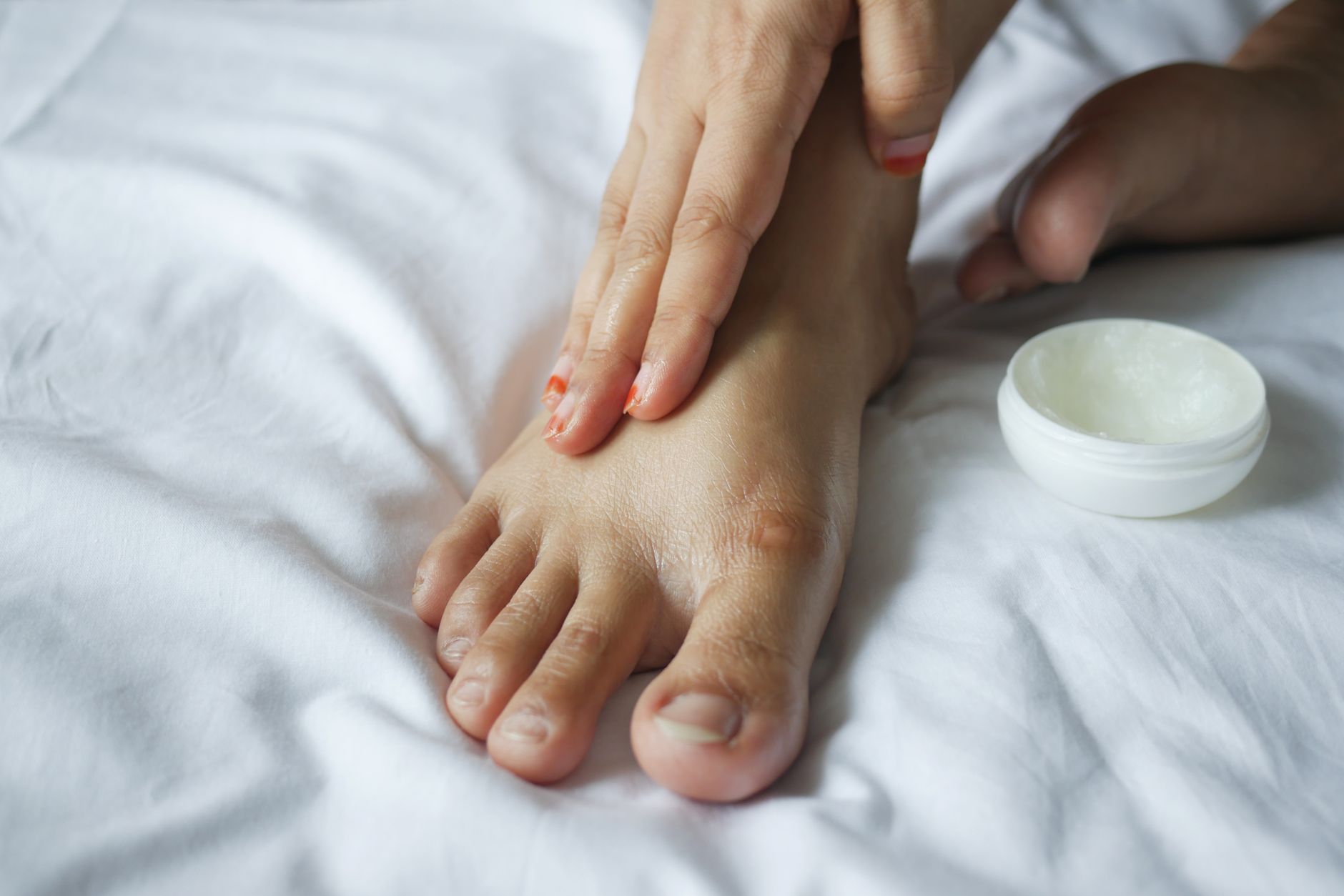
- Apply a barrier ointment. Choose a fragrance‑free, hypoallergenic ointment such as petroleum jelly or a zinc oxide cream. This creates a protective seal that reduces friction.
- Use a mild, fragrance‑free cleanser. If you need to wash the area, use a gentle baby wash that is free of dyes and harsh surfactants. Rinse thoroughly and pat dry.
- Limit clothing. Dress your baby in a single, breathable layer made of cotton or bamboo. Avoid synthetic fabrics that trap heat.
- Monitor for improvement. Within 48–72 hours the bumps should start to fade. If they persist longer, or if you notice blisters or oozing, move on to the next section.
What to avoid
- Heavy creams with added fragrances or alcohol, which can worsen irritation.
- Over‑the‑counter steroid creams unless prescribed—these can thin infant skin if used improperly.
- Excessive bathing in hot water; keep baths lukewarm and brief.
Natural remedies for baby heat rash relief
Many parents ask whether natural options can soothe the rash. The following have limited but reassuring evidence from pediatric dermatology sources:
- Oatmeal paste. Grind plain, unflavored oatmeal into a fine powder, mix with cool water to a paste, and apply for 10 minutes before rinsing.
- Aloe vera gel. Use pure, 100 % aloe gel (no added scents). It offers a cooling effect and may reduce redness.
- Chamomile tea compress. Brew a weak chamomile tea, cool it, and apply a soaked cloth to the rash for a few minutes.
These remedies are generally safe, but always patch‑test a small area first and stop if the rash worsens.
What causes heat rash in newborns and infants
Heat rash, medically known as miliaria, occurs when sweat ducts become blocked and sweat leaks into the surrounding skin. In babies, the tiny ducts are especially prone to clogging.
Common risk factors
- Overheating. High ambient temperatures (above 30 °C/86 °F) or a hot, humid environment increase sweating.
- Heavy clothing. Layers made from synthetic fabrics trap heat and moisture.
- Occlusive diapers. Tight, non‑breathable diapers can create a micro‑climate that encourages sweating on the diaper area.
- Fever. Illnesses that cause fever raise body temperature and sweat production.
- Immature sweat glands. Newborns have underdeveloped sweat glands, making them more vulnerable to blockage.
Does baby lotion cause heat rash?
Most pediatric dermatologists, including the American Academy of Dermatology (AAD), note that fragrance‑free, water‑based baby lotions are unlikely to cause miliaria. However, lotions that contain heavy oils or occlusive ingredients can trap moisture and worsen an existing rash. If you suspect a lotion is contributing, switch to a minimalist formula and observe for changes over 24–48 hours.
Baby heat rash after bathing tips
Bathing can be a trigger if the water is too hot or the baby stays in the tub for too long. Aim for a lukewarm temperature (around 37 °C/98.6 °F) and limit baths to 5–10 minutes. After bathing, gently pat the skin dry and immediately apply a thin barrier ointment if you anticipate a hot environment later.
When is baby heat rash a sign of something serious
Most miliaria cases are benign, but certain signs indicate a need for prompt medical evaluation.
Red‑flag symptoms
- Rapid spreading of the rash beyond the typical areas (neck, back, chest).
- Development of blisters, pustules, or oozing lesions.
- Fever above 38 °C (100.4 °F) that persists for more than 24 hours.
- Signs of infection: increased warmth, swelling, or a foul odor.
- Persistent itching that disrupts sleep or feeding.
If any of these appear, contact a pediatrician or urgent care clinic right away. An underlying infection or a more serious skin condition such as impetigo or eczema may be present.
When to see a dermatologist
Persistent rash lasting more than two weeks, or recurrent episodes despite preventive measures, may warrant a referral to a pediatric dermatologist. Specialists can rule out conditions like atopic dermatitis or fungal infections, which require different treatments.
Best baby powder or ointment for heat rash prevention
Choosing the right product can make a big difference in baby heat rash treatment prevention. Below is a comparison table of commonly recommended options.
For most parents, a talc‑free powder made from arrowroot starch combined with a thin layer of petroleum jelly offers the best balance of moisture absorption and barrier protection. Avoid powders that contain talc, as the FDA has raised concerns about inhalation risk in infants.
How to apply powder safely
Shake a small amount onto your hand first, then gently dust the baby’s back, neck, and skin folds. Keep your hand away from the baby’s face to prevent inhalation.
How to keep baby cool and prevent heat rash in hot weather
Preventing heat rash is largely about managing temperature and moisture.
Environmental strategies
- Air conditioning or fans. Keep indoor temperatures between 22–24 °C (71–75 °F). Use a ceiling fan on a low setting and ensure airflow isn’t directed straight at the baby.
- Shade outdoors. In a stroller or carrier, use a breathable, UV‑protective canopy to keep direct sun off the skin.
- Hydration. While babies get fluids from breast milk or formula, ensure feeding intervals aren’t too long in heat, as dehydration can increase sweating.
Clothing choices
Dress your baby in one layer of loose‑fitting, natural‑fiber clothing. A single cotton onesie or a bamboo‑blend romper works well. Avoid swaddling or multiple layers unless the environment is cool.
How to dress baby to avoid heat rash in summer
- Choose a lightweight, breathable outfit with a wide neck opening.
- Leave one arm or leg slightly uncovered if the baby is comfortable, to allow air circulation.
- Use a wide‑brimmed hat made of soft cotton to protect the head without trapping heat.
Cooling practices
After a nap, you can place a cool, damp towel on the baby’s back for a few minutes. A small, portable evaporative cooler (mist‑free) can also help in a well‑ventilated room.

Difference between baby heat rash and diaper rash
Both conditions cause red, irritated skin, but they differ in cause, location, and treatment.
Key distinctions
Signs baby heat rash vs allergic reaction
An allergic reaction often involves hives (raised, itchy welts) that appear suddenly and can spread quickly, sometimes accompanied by swelling of the face or lips. Heat rash develops more gradually and is confined to sweat‑prone areas. If you’re uncertain, monitor the rash for at least a few hours; if it worsens or you notice swelling, seek medical advice.
How long does baby heat rash usually last
In most cases, miliaria resolves on its own within 3–7 days when the skin is kept cool and dry. Mild cases may clear in as little as 24 hours, while more extensive rashes can linger up to two weeks.
Factors that influence duration
- Environmental temperature. Prolonged heat exposure lengthens healing time.
- Skin care routine. Consistent cooling and barrier use speed recovery.
- Underlying conditions. If the baby has eczema or a compromised immune system, the rash may persist longer.
Recurrence
Heat rash can reappear during future hot spells. Implementing preventive strategies—such as the ones outlined in this guide—greatly reduces the chance of recurrence.
Myth vs. fact
Clearing up common misconceptions helps you feel confident in caring for your baby.
Myth: Talc baby powder is the best way to keep a baby's skin dry.
Fact: Modern pediatric guidelines favor talc‑free powders (e.g., arrowroot starch) because talc can pose inhalation risks, especially for infants.
Myth: Steroid creams are necessary for any heat rash.
Fact: Most baby heat rash cases improve without steroids. Overuse of topical steroids can thin infant skin and increase infection risk.
Myth: If the rash looks red, it must be an infection.
Fact: Heat rash often appears red but is not infectious unless the skin breaks and bacteria enter. Watch for pus, foul odor, or fever to differentiate infection.
Key takeaways
- Baby heat rash (miliaria) is caused by blocked sweat ducts and usually resolves in a few days with cooling and dryness.
- Keep your infant’s environment cool (22–24 °C), dress in breathable cotton, and limit layers.
- Use talc‑free baby powder or a thin layer of petroleum jelly as a barrier; avoid heavy, scented creams.
- Natural remedies like oatmeal paste or pure aloe vera can provide soothing relief, but patch‑test first.
- Seek medical care if the rash spreads, blisters, becomes painful, or is accompanied by fever.
- Consistent prevention—cool environment, breathable clothing, and gentle skin care—reduces recurrence.
Frequently asked questions
Can a baby get heat rash from a diaper?
Yes. While diaper rash is more common, the occlusive nature of diapers can trap heat and moisture, leading to miliaria in the diaper area. Keeping the diaper area breathable and changing diapers frequently helps prevent both types of rash.
Is it safe to use baby powder on a heat rash?
Using a talc‑free, fragrance‑free baby powder (such as arrowroot starch) is generally safe and can help absorb excess moisture. Avoid powders that contain talc or added fragrances, as they may irritate the skin or pose inhalation risks.
How quickly should a heat rash clear up on a newborn?
Most mild cases improve within 24–48 hours with proper cooling and a barrier ointment. If the rash persists beyond 7 days or worsens, contact your pediatrician.
What temperature can cause heat rash in infants?
Temperatures above 30 °C (86 °F) combined with high humidity increase the risk. Even indoor rooms that feel warm can trigger miliaria if the infant is overdressed.
Can heat rash lead to infection in babies?
Heat rash itself is not infectious, but if the skin cracks or blisters burst, bacteria can enter and cause an infection. Watch for increased redness, swelling, warmth, or pus, and seek medical care if these signs appear.
Should I see a pediatrician for my baby's heat rash?
Consult a pediatrician if the rash spreads rapidly, develops blisters or pus, is accompanied by a fever, or if you’re unsure whether it’s heat rash or another condition like eczema or an allergic reaction.
How does humidity affect baby heat rash?
High humidity reduces sweat evaporation, making it more likely for sweat ducts to become blocked. Using a dehumidifier or air conditioner in humid climates can lower the risk.
When to see a doctor / specialist
While most baby heat rash cases are harmless, keep an eye out for these red‑flag symptoms. If any appear, call your pediatrician or visit urgent care promptly.
- Fever ≥ 38 °C (100.4 °F) lasting more than 24 hours.
- Rapid spreading of the rash beyond typical sweat‑prone areas.
- Blistering, oozing, or foul‑smelling discharge.
- Severe itching that interferes with sleep or feeding.
- Swelling of the face, lips, or extremities (possible allergic reaction).
For persistent or recurrent rashes, a referral to a pediatric dermatologist may be appropriate. Your pediatrician can also evaluate for underlying conditions such as eczema or a fungal infection that require targeted therapy.
References
- American Academy of Dermatology. “Miliaria (Heat Rash).” 2023. Accessed July 2024.
- American Academy of Pediatrics. “Skin Care for Infants and Young Children.” Pediatrics, vol. 152, no. 4, 2023.
- National Institute of Arthritis and Musculoskeletal and Skin Diseases (NIAMS). “Heat Rash (Miliaria).” Updated 2022.
- World Health Organization. “Guidelines for Infant Care in Hot Climates.” 2021.
- Harvard T.H. Chan School of Public Health. “Cooling Strategies for Babies in Warm Weather.” 2022.
- American Academy of Dermatology. “Choosing Safe Baby Powders.” 2023.
- British National Formulary for Children (BNFC). “Topical Treatments for Infant Skin Conditions.” 2024.



