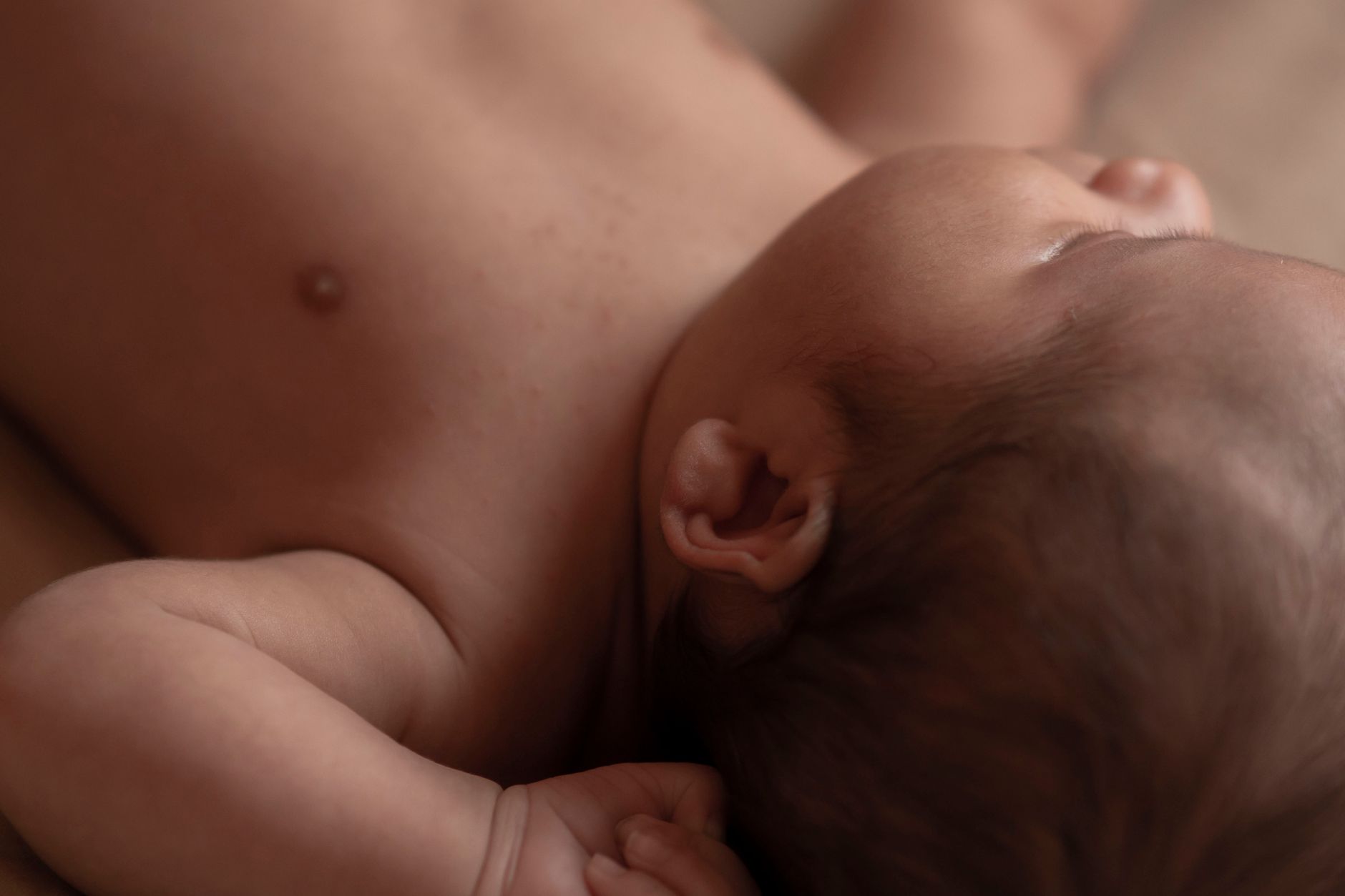
Concerned about a baby head bump? When to worry and when to relax. Learn key signs, timing for doctor visits, and essential safety guidance to protect your little one.
By Shubhra Mishra — a mom of two who turned her own confusion during pregnancy into BumpBites, a global mission to make food choices clear, safe, and stress-free for every expecting mother. 💛
Check whether any food is safe during pregnancy with the BumpBites Food Safety Checker.
Quick verdict: ⚠️ Talk to your doctor first. While many baby head bumps are minor and not serious, any head injury in an infant or toddler warrants careful monitoring and often a call to your pediatrician for guidance. Always seek immediate medical attention if you observe red-flag symptoms.
That heart-stopping moment when your baby takes an unexpected tumble or bangs their head can send even the calmest parent into a spiral of worry. One minute they're happily exploring, the next there's a thud, a cry, and a sudden silence that feels deafening. You pick them up, check for bumps, and immediately start Googling "baby head bump when to worry." We've all been there, staring at our little one's head, trying to decipher if that small bruise is just a bruise, or something more serious.
The good news is that babies are surprisingly resilient, and most minor head bumps don't result in serious injury. Their skulls are flexible, and their brains are cushioned by fluid. However, because their brains are still developing and their skulls are thinner than an adult's, head injuries in infants and toddlers require careful attention. This article is designed to help you understand when a baby head bump warrants immediate medical attention, what signs to look for, and how to monitor your little one after an incident, so you can feel more confident and less anxious in those critical moments.
It's natural to feel anxious after your baby hits their head. Knowing what to look for can help you respond appropriately.
Baby Head Bump: General Concern Level
While a "baby head bump" isn't an item to be consumed during pregnancy, understanding the general concern level based on your baby's age and the nature of the bump is crucial for parents. Here's a snapshot of what to keep in mind:
Baby's Age/Stage
Verdict (General Concern Level)
Notes (Key Considerations)
Newborn (0-3 months)
⚠️ High Vigilance Required
Newborns are most vulnerable due to their delicate skulls and developing brains. Any head bump, even minor, warrants immediate medical evaluation.
Infant (3-12 months)
⚠️ Moderate to High Vigilance
As they become mobile, bumps are more common. Still, their skulls are thin, and signs of injury can be subtle. Consult your pediatrician.
Toddler (1-3 years)
⚠️ Moderate Vigilance
More frequent falls and bumps as they learn to walk and climb. Most are minor, but watch closely for concussion symptoms.
Breastfeeding Parents
✅ Indirect Impact
A baby's head bump can cause significant stress for the parent, potentially affecting milk supply or the breastfeeding relationship. Prioritize parental well-being and seek support.
What is a Baby Head Bump?
A
baby head bump refers to any impact to an infant or toddler's head, ranging from a slight knock to a more significant fall or collision. These incidents are incredibly common as babies grow and develop new motor skills. From rolling off a changing table, falling from a high chair, to stumbling while learning to walk, head bumps are an almost inevitable part of early childhood.
The skull, while protective, is not fully fused in infants, featuring fontanelles (soft spots) and sutures that are still open. This flexibility offers some protection but also means that the brain inside is still very vulnerable. The brain itself is cushioned by cerebrospinal fluid, but a forceful impact can cause the brain to move within the skull, leading to bruising, swelling, or even more serious internal injuries. Parents often worry about the immediate visible signs, like a bruise or a "goose egg," but the real concern lies with potential internal damage that isn't immediately apparent. Understanding the mechanics behind a baby head bump is the first step in knowing how to respond.
Is a Baby Head Bump Always Serious?
No, a baby head bump is not always serious, but it should always be treated with caution and careful observation. Most head injuries in infants and toddlers are minor and result in nothing more than a temporary bump or bruise. Their developing skulls and the fluid surrounding their brains offer a surprising amount of protection against everyday tumbles. The American Academy of Pediatrics (AAP) emphasizes that while head injuries are a leading cause of childhood disability and death, the vast majority are mild and do not result in long-term complications.
However, differentiating between a minor bump and a serious one can be challenging, especially because babies and toddlers cannot articulate their symptoms. What might seem like a small fall can sometimes lead to an internal injury like a concussion or, in rare cases, bleeding in the brain (intracranial hemorrhage). This is why vigilance is key. The concern isn't just about the visible injury, but about what might be happening internally. Therefore, while not every baby head bump is serious, every head bump requires careful monitoring and, often, a consultation with your pediatrician to ensure your child's safety and your peace of mind.
Safety in Newborns (0-3 months)
Newborns are the most vulnerable to head injuries due to their extremely delicate skulls and undeveloped neck muscles. Even a minor baby head bump in this age group can be serious. Their fontanelles (soft spots) are still open, and their brains are rapidly developing, making them more susceptible to damage from impact. The most common causes of head injuries in newborns include falls from beds or changing tables, being dropped, or injuries related to child abuse (Shaken Baby Syndrome). The Centers for Disease Control and Prevention (CDC) highlights the severe risks associated with abusive head trauma in infants.
If your newborn experiences any head bump, no matter how minor it seems, you should seek immediate medical attention. Do not delay. Watch for any changes in feeding, sleep patterns, irritability, vomiting, or swelling. Early intervention is critical for newborns. Your doctor will assess the situation, and may recommend imaging tests like a CT scan if there's significant concern, though these are often avoided unless absolutely necessary due to radiation exposure.
Safety in Infants (3-12 months)
As infants become more mobile—learning to roll, sit, crawl, and pull themselves up—the likelihood of a baby head bump increases significantly. Falls from furniture, high chairs, or down stairs become more common. While their skulls are slightly stronger than a newborn's, they are still thin and vulnerable. Their developing coordination means they often don't have the protective reflexes of older children or adults.
After a head bump, observe your infant closely for at least 24-48 hours. Look for persistent crying, changes in alertness, vomiting (especially repeated or forceful), refusal to feed, swelling, or bruising. Any loss of consciousness, even brief, warrants an immediate emergency room visit. The American Academy of Pediatrics (AAP) recommends contacting your pediatrician for advice after any head injury in this age group, even if your baby seems fine initially. They can help you assess the severity and guide your monitoring.
Safety in Toddlers (1-3 years)
Toddlers are constantly on the move, exploring their environment, climbing, and running, which means head bumps are an almost daily occurrence for some. Most of these are minor tumbles that result in a cry, a quick hug, and then back to playing. Their skulls are stronger, and their brains are more developed, offering better protection than infants. However, concussions become a more significant concern in this age group.
After a baby head bump, observe your toddler for symptoms like persistent headache, dizziness, balance problems, irritability, changes in mood or behavior, difficulty concentrating, or sleep disturbances. Repeated vomiting, unusual sleepiness, or difficulty waking them up are red flags requiring immediate medical attention. Encourage rest and avoid overstimulation. The National Institute of Neurological Disorders and Stroke (NINDS) provides guidance on recognizing and managing concussions in young children. Always err on the side of caution and call your pediatrician if you have any doubts about a baby head bump when to worry.
Safety for Breastfeeding Parents
While a baby head bump directly affects the baby, the stress and anxiety experienced by a breastfeeding parent can have an indirect impact on their milk supply and overall well-being. The stress hormone cortisol can temporarily inhibit oxytocin, the hormone responsible for milk let-down, potentially leading to a temporary dip in supply. However, this is usually short-lived. Most breastfeeding parents find that once the immediate crisis is managed and their anxiety subsides, their milk supply returns to normal.
It's crucial for breastfeeding parents to prioritize their own emotional and physical health during such stressful times. Lean on your support system, delegate tasks, and ensure you're staying hydrated and nourished. If you notice a persistent drop in milk supply, contact a lactation consultant for support. Remember, taking care of yourself allows you to better care for your baby. Your pediatrician will focus on the baby's injury, but your well-being as a parent is also an important part of the family's recovery process.
Factors Influencing Baby Head Bump Severity
Unlike medication or food, a baby head bump doesn't have a "dosage" or "safe amount." Instead, its severity is influenced by several factors related to the impact itself. Understanding these can help you assess the situation, though they should never replace professional medical advice:
Factor
Impact on Severity
Notes for Parents
Height of Fall
Higher falls generally lead to more severe impacts.
A fall from a high chair (several feet) is more concerning than a fall from sitting height (a few inches).
A bump on carpet or grass is less likely to cause serious injury than one on a hard floor or pavement.
Point of Impact
Impact to the back or side of the head often less serious than front. Soft spots (fontanelles) are very vulnerable.
Any direct hit to the fontanelles or temples warrants immediate medical attention.
Object of Impact
Sharp or heavy objects increase risk of skull fracture or deeper injury.
Hitting a sharp corner is more dangerous than bumping into a soft toy.
Baby's Age
Younger babies (newborns, infants) are more vulnerable.
A fall that might be minor for a toddler could be very serious for a newborn.
Initial Reaction
Immediate crying is often a good sign; delayed crying or no crying is concerning.
Crying immediately indicates pain and consciousness. If they don't cry or are unusually quiet, seek help.
While these factors provide a framework, remember that every baby and every bump is unique. When in doubt, always contact your pediatrician for guidance on a baby head bump when to worry.
Side Effects and Risks of a Baby Head Bump
While most baby head bumps are minor, it's crucial to be aware of the potential side effects and risks, which can range from mild to severe. Knowing these can help you identify when to seek urgent medical care.
Mild Head Injury Symptoms (Watchful Waiting)
Bump or "Goose Egg": Swelling on the scalp is common and often looks worse than it is. Applying a cold compress can help.
Bruising: Discoloration around the impact site.
Mild Pain: The baby cries immediately but then settles and returns to normal activity.
Brief Irritability: May be a little fussier than usual for a short period.
Serious Head Injury Symptoms (Call Your Doctor or Seek Emergency Care Immediately)
Loss of Consciousness: Even a brief moment of being "out."
Repeated Vomiting: More than one or two episodes, especially if forceful.
Changes in Alertness: Becoming unusually sleepy, difficult to wake, or less responsive than usual.
Persistent or Worsening Headache: (For toddlers who can express it) or continuous crying in infants that can't be soothed.
Balance Problems or Difficulty Walking: Stumbling, dizziness, or coordination issues.
Seizures: Any uncontrolled shaking or jerking movements.
Changes in Pupil Size or Reaction: One pupil larger than the other, or pupils not reacting to light.
Clear Fluid or Blood from Nose or Ears: This could indicate a skull fracture.
Soft Spot (Fontanelle) Bulging: In infants, a bulging fontanelle could indicate increased pressure.
Significant Bruising or Swelling: Especially if it's accompanied by other symptoms or located on the face/eyes.
Behavioral Changes: Extreme irritability, listlessness, or unusual quietness.
Difficulty with Speech or Vision: (For older toddlers).
The U.S. National Library of Medicine (NIH MedlinePlus) provides comprehensive information on head injuries and when to seek medical help. Always trust your parental instincts. If something feels "off" after a baby head bump, it's always best to consult a medical professional.
Creating a safe environment at home is one of the most effective ways to prevent serious head bumps.
Safer Alternatives: Preventing Baby Head Bumps
Since a "baby head bump" is an event rather than an item, "safer alternatives" refers to preventative measures and strategies to minimize the risk of head injuries. Prevention is always the best approach, especially when considering a baby head bump when to worry. Here are key strategies:
Child-Proof Your Home: Install safety gates at the top and bottom of stairs, secure furniture to walls to prevent tipping, cover sharp corners with protectors, and keep floors clear of tripping hazards.
Supervise Actively: Never leave infants or toddlers unattended, especially on elevated surfaces like changing tables, beds, or sofas. Even a quick turn of your back can lead to a fall.
Use Appropriate Car Seats: Ensure your baby is always in an age- and size-appropriate car seat, correctly installed, to protect them during car travel.
Safe Play Environments: Choose playgrounds with soft surfaces (mulch, sand, rubber mats) under equipment. Avoid equipment that is too high or complex for your child's age.
Proper Gear for Activities: Use helmets for activities like cycling, scootering, or even riding in a bike trailer, once your child is old enough.
Secure High Chairs and Strollers: Always use the safety straps and harnesses in high chairs, strollers, and shopping carts to prevent falls.
Educate Caregivers: Ensure anyone caring for your child is aware of safety protocols and the importance of constant supervision.
Awareness of Shaken Baby Syndrome: Never shake a baby. If you feel overwhelmed, place your baby safely in their crib and step away to compose yourself, or call for help. The National Association of Children's Hospitals and Related Institutions (NACHRI) provides resources on preventing abusive head trauma.
Related Items – Safety at a Glance
When you're worried about a baby head bump, it's common to also worry about other sudden infant concerns. Here's a quick look at the safety verdict for common baby emergencies:
Related Concern
Verdict
One-Line Note
Baby Falling Off Bed
⚠️ High Vigilance
Always a concern, especially for newborns and infants; assess height and impact surface.
Baby Choking
❌ Immediate Emergency
Requires immediate first aid (back blows/chest thrusts) and emergency medical services.
Baby Fever
⚠️ Talk to Doctor
Fever in a newborn (<3 months) is an emergency; for older babies, monitor and consult pediatrician.
Baby Rash
⚠️ Talk to Doctor
Usually mild, but some rashes (e.g., petechiae, purpura) can indicate serious illness; consult pediatrician.
Baby Seizure
❌ Immediate Emergency
Requires immediate medical attention; call 911.
Baby Breathing Difficulties
❌ Immediate Emergency
Signs like wheezing, rapid breathing, or retractions require urgent medical care; call 911.
Baby Swallowed Small Object
⚠️ High Vigilance
Risk depends on size and type of object; seek medical advice immediately, especially if battery or magnet.
Baby Sprained Ankle
⚠️ Talk to Doctor
Rare in infants, more common in toddlers; pain, swelling, difficulty weight-bearing warrant a doctor's visit.
Myth vs. Fact
There are many misconceptions about baby head bumps that can either cause unnecessary panic or lead to underestimating a serious situation. Let's clear some of them up:
Myth: If my baby cries immediately after a head bump, they're definitely fine.
Fact: Immediate crying is often a good sign, indicating consciousness and pain response, which is reassuring. However, it doesn't rule out the possibility of a serious injury. Some serious injuries can have delayed symptoms. You still need to monitor your baby closely for 24-48 hours, looking for any changes in behavior or physical symptoms, even if they cried right away and seemed to recover quickly.
Myth: You should never let a baby sleep after a head bump.
Fact: It's generally okay for a baby to sleep after a minor head bump, especially if it's their usual nap or bedtime and they are exhibiting no red-flag symptoms. What's important is that you can easily rouse them from sleep. If your baby is unusually sleepy or difficult to wake, that's a red flag. The American Academy of Pediatrics (AAP) suggests that waking a child periodically after a minor head injury is often unnecessary and can disrupt their natural healing process, as long as they are otherwise acting normally. If you're concerned about a baby head bump when to worry, always check with your pediatrician.
Myth: A "goose egg" means the injury is serious.
Fact: A "goose egg" (a visible bump or swelling) actually means the impact was mostly absorbed by the scalp, which has a rich blood supply and swells easily. While it can look alarming, it's often a sign that the skull itself may not have taken the brunt of the force. Injuries that cause internal bleeding without external swelling can sometimes be more concerning because they are less visible. However, a large or rapidly growing goose egg should still be monitored, and any associated symptoms warrant medical attention.
Key Takeaways
Most baby head bumps are minor, but any head injury in an infant or toddler requires careful monitoring.
Newborns (0-3 months) are the most vulnerable; any head bump warrants immediate medical evaluation.
Monitor your baby for at least 24-48 hours after a head bump, looking for changes in behavior, alertness, or physical symptoms.
Red-flag symptoms like loss of consciousness, repeated vomiting, difficulty waking, or seizures require immediate emergency medical attention.
Prevention through child-proofing and active supervision is the best strategy to minimize the risk of head injuries.
Always trust your parental instincts; if you're worried about a baby head bump when to worry, contact your pediatrician.
Frequently Asked Questions
When should I worry about a baby hitting their head?
You should worry and seek medical advice for a baby head bump if your baby is under 3 months old, falls from a significant height, hits a hard surface, or if they show any red-flag symptoms like loss of consciousness, repeated vomiting, unusual sleepiness, or persistent crying that cannot be consoled.
What are the signs of a serious head injury in a baby?
Signs of a serious head injury include loss of consciousness (even brief), repeated vomiting, difficulty waking or unusual sleepiness, seizures, clear fluid or blood from the nose or ears, a bulging soft spot (fontanelle) in infants, significant changes in alertness or behavior, or pupils of unequal size.
How long should I monitor my baby after a head bump?
You should monitor your baby closely for at least 24-48 hours after a head bump, even if they seem fine initially. Many serious symptoms can be delayed, so continued vigilance during this period is crucial. Keep an eye on their sleep patterns, feeding, mood, and any new physical symptoms.
Can a baby get a concussion without losing consciousness?
Yes, a baby or toddler can absolutely get a concussion without losing consciousness. Loss of consciousness is a possible symptom, but not a requirement for a concussion diagnosis. Other signs like irritability, changes in sleep, feeding difficulties, or balance issues are common in young children with concussions.
When should I call 911 for a baby head injury?
Call 911 immediately if your baby experiences loss of consciousness, has a seizure, is bleeding heavily from the head, has clear fluid or blood coming from their nose or ears, is unresponsive, has difficulty breathing, or if you suspect a serious fall or abusive head trauma.
What if my baby hits their soft spot?
If your baby hits their soft spot (fontanelle), it warrants immediate medical attention, especially if the impact was direct or forceful. While the fontanelles are covered by a tough membrane, an impact directly on them could potentially affect the brain beneath more easily. A bulging fontanelle after an injury is a significant red flag.
Is it normal for a baby to be sleepy after hitting head?
It's normal for a baby to be a little tired or want to nap after a minor head bump, especially if it's their usual sleep time. However, unusual sleepiness, difficulty waking them, or being less responsive than normal is a red flag and requires immediate medical evaluation. You should be able to rouse your baby easily.
What are the signs of internal bleeding in a baby's head?
Signs of internal bleeding in a baby's head can include a persistent or worsening headache (in toddlers), repeated vomiting, unusual sleepiness or difficulty waking, irritability, seizures, a bulging soft spot, changes in pupil size, poor feeding, or an expanding bruise on the scalp that isn't just a "goose egg." These are all emergency signs.
When to Call Your Doctor
While we've covered many scenarios, it's always better to be safe than sorry when it comes to your baby's head. Here's a clear guide on when to contact your pediatrician or seek immediate medical care after a baby head bump:
If your baby is a newborn (under 3 months old) and experiences any head bump.
If your baby falls from a height greater than their own height.
If your baby hits their head on a very hard surface (concrete, tile, pavement).
If there is any loss of consciousness, even for a moment.
If your baby has repeated or forceful vomiting.
If your baby is unusually sleepy, difficult to wake, or less alert/responsive than normal.
If your baby has a seizure.
If you notice any clear fluid or blood coming from their nose or ears.
If an infant's soft spot (fontanelle) appears bulging.
If your baby develops a significant, rapidly growing bump or bruise on their head, especially if it's not directly at the impact site.
If your baby's crying is persistent, high-pitched, or cannot be consoled.
If you notice any changes in their walking, balance, or coordination (for toddlers).
If your baby's pupils are unequal in size or don't react normally to light.
If you have any gut feeling that something is wrong, even if your baby isn't showing obvious symptoms. Your parental instincts are powerful.
This information is for educational purposes only and is not a substitute for professional medical advice, diagnosis, or treatment. Always seek the advice of your physician or other qualified health provider with any questions you may have regarding a medical condition.
Not sure about the label on Baby Head Bump When To Worry products?
Snap the ingredients list and SafeFilter checks every ingredient for your stage — only 3 free scans this month, then you're locked until reset. Unlimited from $7/mo or $50/yr.
When Shubhra Mishra was expecting her first child in 2016, she was overwhelmed by conflicting food advice — one site said yes, another said never. By the time her second baby arrived in 2019, she realized millions of mothers face the same confusion.
That sparked a five-year journey through clinical nutrition papers, cultural diets, and expert conversations — all leading to BumpBites: a calm, compassionate space where science meets everyday motherhood.
Her long-term vision is to build a global community ensuring safe, supported, and free deliveriesfor every mother — because no woman should face pregnancy alone or uninformed. 🌿
🌍 Stand with mothers, shape safer guidance
Join a small circle of experts who review BumpBites articles so expecting parents everywhere can decide with confidence.