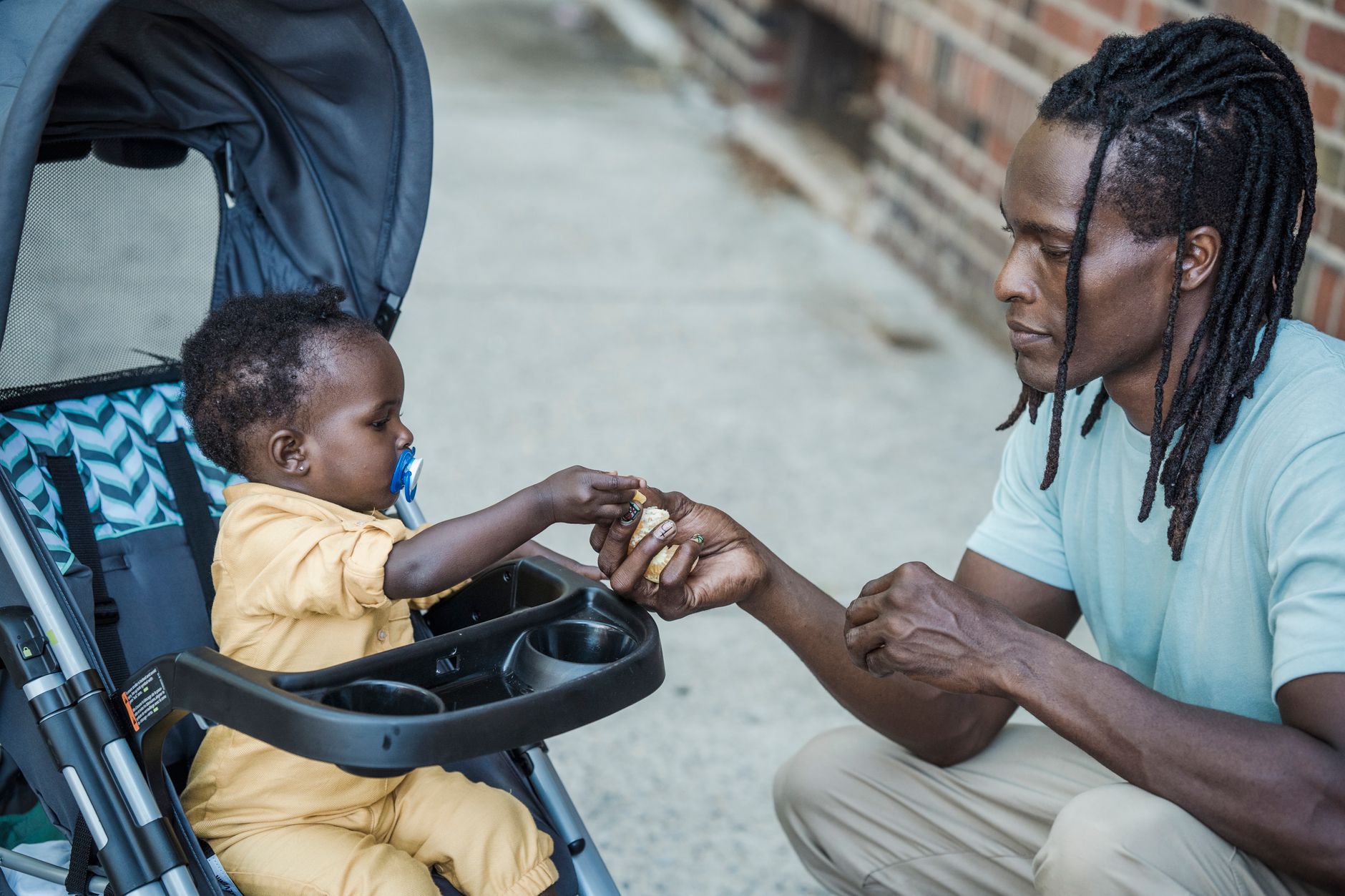
Gripe water dosage for babies varies by weight and age. Learn the correct baby gripe water dosage by weight for 2026, safety tips, and when to consult a doctor for your infant's comfort.
By Shubhra Mishra — a mom of two who turned her own confusion during pregnancy into BumpBites, a global mission to make food choices clear, safe, and stress-free for every expecting mother. 💛
Check whether any food is safe during pregnancy with the BumpBites Food Safety Checker.
Quick take: While many parents search for `baby gripe water dosage by weight`, most commercial gripe water products provide dosage instructions based on your baby's age, which typically correlates with general weight ranges. Always follow the specific instructions on the product label, as formulations vary. It's crucial to consult your pediatrician before introducing any new supplement, especially for newborns or premature babies, and to be aware of potential side effects.
The sound of a baby crying inconsolably can be one of the most heart-wrenching and exhausting experiences for new parents. You’ve tried everything — feeding, burping, diaper changes, rocking, shushing — but the fussiness, gas, or colic persists. In these moments of desperation, many parents turn to remedies like gripe water, a traditional herbal supplement designed to soothe upset tummies.
As you stand in the pharmacy aisle, overwhelmed by choices, you might find yourself wondering, "how much `baby gripe water` should I give?" or "is the `dosage by weight` different for my little one?" It’s a common and important question, especially when you’re dealing with a tiny, delicate system. The good news is that understanding how to safely and effectively use gripe water is achievable with the right information.
This comprehensive guide from BumpBites will walk you through everything you need to know about `baby gripe water dosage by weight` (and age), its ingredients, potential side effects, and when to consider alternatives. Our goal is to empower you with accurate, evidence-based information so you can make informed decisions for your baby's comfort and well-being.
What is Gripe Water, and How Did It Become a Go-To for Baby Fussiness?
Gripe water is a liquid herbal supplement primarily marketed to relieve gas, colic, hiccups, and general fussiness in infants. Its history dates back to the mid-19th century in England, where a pharmacist named William Woodward developed a formula to treat "fen fever" in babies, which often presented with digestive upset. His original formula was quite different from what we see today, notoriously containing alcohol, sugar, and various herbs.
Over the decades, the formulation of gripe water has evolved significantly. While historically it contained ingredients like dill oil, fennel, ginger, and sometimes even bicarbonate of soda, the key distinction is that modern gripe water sold in the US, UK, and other Western countries is typically alcohol-free and often sugar-free. These newer formulations aim to provide relief using gentle herbal extracts that are thought to calm the digestive system and reduce gas.
Parents often reach for gripe water when traditional soothing methods aren't working, and their baby is showing signs of discomfort such as drawing their legs up to their chest, excessive burping or passing gas, or prolonged periods of crying that resemble colic. The idea is that the herbal ingredients can help break up gas bubbles, soothe stomach cramps, and provide a calming effect. It’s important to remember that gripe water is considered a dietary supplement, not a medication, and its effectiveness can vary from baby to baby.
How to Determine Gripe Water Dosage Based on Your Baby's Weight?
When you're searching for `gripe water dosage based on baby's weight`, it’s natural to assume that heavier babies might need more, just like with some medications. However, for most commercially available gripe water products, the dosage is primarily determined by your baby's age, not their precise weight. This is a crucial distinction and one that can sometimes be confusing for parents.
The reason for this age-based recommendation lies in the nature of gripe water as a supplement, rather than a drug with a specific pharmacological effect tied to body mass. Manufacturers typically formulate their products with a general safety margin for different age groups, assuming that babies within a certain age range will fall into a typical weight bracket. For instance, a 1-month-old baby, regardless of whether they are on the higher or lower end of the weight spectrum for their age, will generally receive the same recommended dose as another 1-month-old.
Therefore, the most critical step in determining the correct dosage is always to read and strictly follow the instructions provided on the specific gripe water product label you are using. Do not guess or rely on dosage information from other brands, as formulations, concentrations of active ingredients, and recommended dosages can differ significantly. If the label *does* provide specific `baby gripe water dosage by weight` instructions, then follow those precisely. Otherwise, defer to the age-based guidance.
Before giving your baby gripe water for the first time, especially if they are a newborn or have any underlying health conditions, it's always best to consult with your pediatrician. They can provide personalized advice and ensure that gripe water is a safe and appropriate option for your little one, taking into account their individual health profile and any medications they might be taking.
Gripe Water Dosage Chart by Age and Weight for Infants
As we've discussed, while you might be looking for a `gripe water dosage chart by age and weight for infants`, most manufacturers primarily base their recommendations on age. This approach simplifies dosing for parents and accounts for the general developmental stages of a baby's digestive system. However, understanding how age correlates with typical weight ranges can still be helpful for context.
Below is a general example of how gripe water dosages are often categorized by age. Please remember that this is a *sample chart only* and you must always refer to the specific product label for the exact dose and instructions for the gripe water you are using. Different brands use different concentrations of ingredients, which directly impacts the recommended dosage.
Baby's Age
Typical Weight Range (Approximate)
Common Gripe Water Dosage (Example)
Frequency (Example)
Under 1 month (e.g., 2 weeks old)
5-9 lbs (2.3-4.1 kg)
Consult pediatrician; some brands not recommended. If approved, often 1.25 mL (1/4 tsp)
Up to 3-6 times in 24 hours, or as needed
1 to 6 months
9-18 lbs (4.1-8.2 kg)
2.5 mL (1/2 tsp)
Up to 3-6 times in 24 hours, or as needed
6 months and older
18+ lbs (8.2+ kg)
5 mL (1 tsp)
Up to 3-6 times in 24 hours, or as needed
Notice that for babies under 1 month (or sometimes under 2 weeks), many brands either do not recommend gripe water or suggest consulting a healthcare professional first. This is due to the delicate nature of a newborn's digestive system and the potential for adverse reactions. Always check the "minimum age" instruction on the label.
When administering gripe water, use the dropper or syringe provided with the product. Measure carefully to avoid over-dosing. Administer it slowly, directing the liquid towards the side of your baby's cheek, allowing them to swallow at their own pace. This helps prevent choking or spitting up. Remember, the goal is to provide relief, not to force a specific amount down if your baby is resisting.
Always use the provided dropper or syringe to measure gripe water accurately and administer it slowly to your baby.
Is Gripe Water Safe for Newborns and Premature Babies?
The question of whether `gripe water is safe for newborns and premature babies` is a critical one, and it's where caution is paramount. Many healthcare providers and even gripe water manufacturers themselves advise against giving gripe water to very young infants, especially those under two weeks old or premature babies, without explicit medical guidance.
Newborns, particularly premature infants, have extremely immature digestive systems. Their gut microbiomes are still developing, and their ability to process and metabolize various substances is limited. Introducing herbal extracts or other ingredients found in gripe water can potentially overwhelm their system, leading to adverse reactions. These reactions could range from mild digestive upset to more serious concerns like allergic reactions or interactions with other developing bodily functions.
For premature babies, the risks are even higher. Their organs are still developing, and they are more susceptible to infections and complications. Giving them any unprescribed supplement carries a greater potential for harm. The American Academy of Pediatrics (AAP) generally recommends against using herbal remedies like gripe water for infants, citing a lack of robust scientific evidence for their efficacy and potential safety concerns, especially in vulnerable populations like newborns.
If your newborn or premature baby is experiencing significant fussiness, gas, or colic-like symptoms, your first step should always be to consult their pediatrician. They can rule out underlying medical conditions, such as reflux, allergies, or other digestive issues, that require specific medical treatment. Your doctor can also suggest safe and evidence-based strategies for soothing your baby, which may include specific feeding techniques, burping methods, or, if appropriate, medical interventions.
What Ingredients Are Recommended in Safe Gripe Water, and Which Should You Avoid?
When choosing a gripe water, understanding the ingredients is key to ensuring you're selecting a safe and potentially effective product for your baby. Many parents are specifically looking for the `best gripe water for colic newborn`, and this often comes down to ingredient integrity.
Recommended Ingredients
Modern, safer gripe water formulations typically focus on a blend of natural herbal extracts known for their carminative (gas-relieving) and soothing properties. Common and generally well-tolerated ingredients include:
Fennel: Often used to relieve gas and bloating, and to calm intestinal spasms.
Ginger: Known for its anti-nausea and digestive-aiding properties, it can help soothe an upset stomach.
Chamomile: A mild sedative herb, often included for its calming properties to help reduce fussiness and promote relaxation.
Lemon Balm: Similar to chamomile, it's used for its calming and mild antispasmodic effects.
Dill Oil: Another traditional carminative herb, thought to help with gas and digestive comfort.
Sodium Bicarbonate (Baking Soda): Some formulas include a small amount to neutralize stomach acid, but this can be controversial. Excessive use or high doses can interfere with natural stomach acid production, which is important for digestion and fighting bacteria. Look for very small amounts if present.
Many reputable brands also ensure their products are free from common allergens and irritants.
Ingredients to Avoid in Gripe Water
To ensure your baby's safety, it's crucial to check labels carefully and avoid gripe water formulations that contain:
Alcohol: The original gripe water contained alcohol, which is absolutely not safe for infants and can have serious neurological and developmental consequences. Always ensure the product is clearly labeled "alcohol-free."
Sucrose (Sugar) or High Fructose Corn Syrup: Added sugars are unnecessary for infants and can contribute to dental problems, upset stomachs, and potentially promote a preference for sweet tastes. Look for "sugar-free" options.
Artificial Sweeteners: While an alternative to sugar, artificial sweeteners like aspartame or sucralose are generally not recommended for infants due to lack of research on long-term effects in this age group.
Artificial Colors and Flavors: These additives offer no health benefits and can sometimes trigger sensitivities or allergic reactions in babies. Natural flavors derived from fruits or vegetables are generally preferred.
Parabens: These are preservatives that some studies have linked to potential health concerns. Many parents prefer paraben-free products.
Gluten, Dairy, Soy: If your baby has known allergies or sensitivities, always check for these common allergens. Many brands offer free-from versions.
By carefully scrutinizing the ingredient list, you can select a gripe water that aligns with current safety recommendations and minimizes potential risks for your baby. When in doubt, always discuss your choice with your pediatrician.
How Often Can I Give My Baby Gripe Water Safely?
Understanding `how often can I give my baby gripe water safely` is just as important as knowing the correct dosage. Overuse, even of seemingly benign herbal remedies, can lead to adverse effects or mask underlying issues that need medical attention. The general rule of thumb is to always adhere to the frequency guidelines provided on the specific gripe water product label.
Most gripe water brands recommend administering a dose up to a maximum of 3 to 6 times within a 24-hour period. It's usually suggested to give the dose as needed, meaning only when your baby is showing signs of discomfort like gas, hiccups, or fussiness. It's not intended for continuous, preventative use throughout the day or night. If you find yourself needing to give gripe water more frequently than recommended, or if your baby's symptoms persist despite its use, it's a clear signal to consult your pediatrician.
Another important consideration is how long `gripe water takes to work for gas`. Many parents hope for instant relief, and some babies may respond quickly, often within 10-30 minutes, as the liquid helps to break down gas bubbles or soothe spasms. However, for others, the effect might be more subtle or take longer, or they may not respond at all. Gripe water is not a guaranteed cure, and individual responses vary widely.
It's also crucial to consider the cumulative effect of ingredients. Even natural herbs, when given too frequently, can potentially lead to digestive upset or other issues. For instance, some gripe waters contain sodium bicarbonate, and excessive amounts can alter the baby's delicate stomach pH. Always maintain adequate spacing between doses as recommended on the label, typically at least 30 minutes to an hour, to allow the previous dose to work and to avoid overwhelming your baby's system.
Think of gripe water as a temporary aid, not a long-term solution. If your baby's discomfort is chronic or severe, or if you find yourself reaching for gripe water constantly, it's time for a conversation with your healthcare provider to investigate other causes and solutions.
Common Side Effects of Gripe Water and When to Stop Use
While gripe water is generally considered safe when used as directed, it's important for parents to be aware of `common side effects of gripe water and when to stop` using it. Even natural ingredients can cause reactions in sensitive infants. Recognizing these signs early can help you protect your baby's health.
Potential Side Effects
Allergic Reactions: This is the most serious concern. Signs of an allergic reaction can include:
Hives or rash on the skin
Swelling of the face, lips, or tongue
Difficulty breathing or wheezing
Vomiting or diarrhea
Increased fussiness or crying after administration
If you observe any of these symptoms, especially difficulty breathing, seek immediate medical attention.
Digestive Upset: Paradoxically, some babies may experience increased gas, bloating, constipation, or diarrhea. This could be due to a sensitivity to one of the herbal ingredients or the sodium bicarbonate. For example, some parents report, "can gripe water cause constipation in babies?" and yes, while not common, it is a possibility, especially if a baby is sensitive to certain ingredients or if the product contains excessive sodium bicarbonate.
Vomiting or Spitting Up: If your baby consistently vomits or spits up more than usual after receiving gripe water, it could be a sign of intolerance or that the product is irritating their stomach.
Increased Fussiness: If your baby becomes more agitated or uncomfortable after taking gripe water, it's a sign that it's not helping and might even be making things worse.
Choking or Gagging: While not a side effect of the ingredients, improper administration can lead to choking, especially if the baby resists or if the liquid is given too quickly. Always administer slowly with the provided dropper or syringe.
When to Stop Gripe Water Use
You should stop giving your baby gripe water immediately if:
You notice any signs of an allergic reaction.
Your baby's symptoms worsen or change in an concerning way after taking it.
Your baby experiences new symptoms like severe diarrhea, constipation, or persistent vomiting.
Your baby becomes more fussy or irritable after receiving a dose, indicating it's not providing relief.
You find yourself needing to give gripe water more often than the label recommends, or for prolonged periods, and your baby's discomfort isn't improving. This suggests there might be an underlying issue that needs medical assessment.
Always trust your parental instincts. If something feels off or you're concerned about any reaction, discontinue use and contact your pediatrician promptly. It's better to be cautious when it comes to your baby's health.
Gripe Water Alternatives for Colic, Gas, and Fussiness: What Else Helps?
When your baby is suffering from colic, gas, or general fussiness, and gripe water isn't providing enough relief (or if you prefer not to use it), there are many other evidence-based and practical alternatives to explore. The goal is often to address the root causes of discomfort and provide gentle soothing. Many parents also compare "gripe water vs gas drops for infant gas relief," and understanding the differences can help.
Non-Pharmacological Soothing Techniques
Burping Techniques: Ensuring your baby is thoroughly burped during and after feedings can prevent gas buildup. Try different positions: over your shoulder, sitting on your lap, or lying across your arm.
Bicycle Legs and Tummy Time: Gently moving your baby's legs in a bicycle motion can help release trapped gas. Tummy time, supervised, can also help strengthen abdominal muscles and encourage gas expulsion.
Warm Bath or Warm Compress: A warm bath can relax your baby, and a warm (not hot) compress on their tummy can soothe discomfort.
Swaddling and White Noise: Recreating a womb-like environment with snug swaddling and calming white noise (like a fan or special app) can be incredibly effective for fussy babies, especially those with colic.
Paced Bottle Feeding: For bottle-fed babies, paced feeding allows them to control the flow of milk, reducing the amount of air swallowed. Use a slow-flow nipple and take breaks to burp.
Upright Feeding and Holding: Keeping your baby in an upright position during and for 20-30 minutes after feedings can help with reflux and reduce gas.
Gentle Infant Massage: A gentle tummy massage, moving clockwise around the belly button, can help stimulate digestion and relieve gas.
Probiotics: Some studies suggest certain probiotic strains, like Lactobacillus reuteri (DSM 17938), may help reduce crying time in breastfed infants with colic. Always consult your pediatrician before giving any probiotic.
Gripe Water vs. Gas Drops
Many parents wonder about the difference between gripe water and gas drops. While both aim to relieve infant gas, they work in different ways and have different active ingredients.
Feature
Gripe Water
Gas Drops (Simethicone)
Primary Mechanism
Herbal extracts (fennel, ginger, chamomile) believed to soothe digestive system and break up gas bubbles.
Simethicone works by breaking down large gas bubbles into smaller ones, making them easier for the baby to pass.
Active Ingredients
Varies by brand; often fennel, ginger, chamomile, sometimes sodium bicarbonate.
Simethicone (an anti-foaming agent).
Evidence Base
Limited scientific evidence; efficacy largely anecdotal. Considered a supplement.
More scientific evidence supporting its mechanism of action for gas, though studies on colic relief are mixed. Considered a drug.
Safety Profile
Generally safe when alcohol/sugar-free; potential for allergic reactions or digestive upset from herbs.
Generally considered very safe; not absorbed into the bloodstream. Minimal side effects.
Recommended Age
Varies by brand (often 1 month+ or 2 weeks+).
Can often be used from birth, always check label and consult pediatrician.
Targeted Relief
Aims to soothe a broader range of symptoms (gas, hiccups, fussiness).
Specifically targets gas bubbles.
For babies experiencing `gripe water for reflux in babies`, it's important to note that neither gripe water nor gas drops are specifically designed or proven to treat reflux (GERD). Reflux is a medical condition where stomach contents come back up into the esophagus. While some ingredients in gripe water *might* offer mild soothing, it won't address the underlying cause of reflux. If you suspect your baby has reflux, characterized by frequent spitting up (especially projectile), refusal to feed, arching back during or after feeding, or poor weight gain, consult your pediatrician. They may recommend specific feeding strategies, thickened feeds, or in some cases, medication.
Ultimately, finding what works best for your baby often involves a process of trial and error, combined with careful observation and guidance from your healthcare provider. One BumpBites reader shared, "We tried gripe water, then gas drops, but what truly helped our little one with her evening fussiness was a combination of gentle tummy massage and holding her upright after every feed. It wasn't a quick fix, but it made a world of difference."
Gentle infant massage, particularly clockwise strokes on the tummy, can be a soothing alternative for gas relief.
When Should You Not Give Gripe Water to Your Baby?
Knowing `when should you not give gripe water to your baby` is just as important as knowing when and how to use it. There are specific situations where administering gripe water could be inappropriate, ineffective, or even harmful. Prioritizing your baby's safety and seeking professional medical advice is paramount in these instances.
You should absolutely avoid giving gripe water to your baby if:
They are under the minimum age specified on the product label. Many gripe waters are not recommended for babies younger than 1 month or 2 weeks old due to their immature digestive systems and increased sensitivity. For premature babies, always consult a pediatrician first, regardless of the label's age recommendation.
Your baby has a known allergy or sensitivity to any of the ingredients. Always check the ingredient list carefully, especially if your baby has known allergies to certain herbs, sugars, or preservatives.
Your baby exhibits symptoms of a serious medical condition. Gripe water is for minor, temporary digestive discomfort. If your baby has symptoms like a high fever, projectile vomiting, blood in their stool, severe diarrhea, persistent inconsolable crying that seems more than just fussiness, lethargy, poor feeding, or signs of dehydration, these are red flags that require immediate medical attention, not gripe water.
Their fussiness is accompanied by other concerning symptoms. If your baby is refusing to feed, not gaining weight appropriately, has a distended or hard belly, or seems generally unwell, these are signs that a pediatrician needs to investigate.
Your baby has been diagnosed with a specific medical condition that could be exacerbated by gripe water. For example, if your baby has certain kidney or liver conditions, or a rare metabolic disorder, introducing new substances could be risky. Always check with your doctor if your baby has any existing medical diagnoses.
You suspect your baby has severe reflux (GERD). As mentioned, gripe water is not a treatment for reflux. If your baby is suffering from GERD, they need appropriate medical management.
The gripe water product has expired or been improperly stored. Always check the expiration date and follow storage instructions (e.g., refrigeration after opening) to ensure product integrity and safety.
In essence, if you're unsure, if the symptoms are severe or persistent, or if your parental instincts are telling you something more serious is going on, put the gripe water aside and contact your pediatrician. Gripe water should never delay seeking professional medical advice for concerning symptoms.
Myth vs. Fact: Gripe Water Misconceptions
Myth: Gripe water is a miracle cure for colic.
Fact: Colic is defined as crying for more than three hours a day, three days a week, for at least three weeks, in an otherwise healthy baby. While gripe water may provide temporary relief from gas and general fussiness that can contribute to colic, it is not a cure for colic itself. Colic often resolves on its own as a baby's digestive and nervous systems mature, typically by 3-4 months of age.
Myth: All gripe waters are the same, so any brand will do.
Fact: Gripe water formulations vary significantly between brands. They can contain different herbal ingredients, concentrations, and sometimes even different preservatives or sweeteners. Some older or less reputable brands might still contain alcohol or excessive sugar, which are harmful to infants. Always read the ingredient list and label carefully, and choose products that are alcohol-free, sugar-free, and free from artificial colors/flavors.
Myth: Because gripe water is "natural," it's completely harmless and can be given freely.
Fact: While modern gripe water is generally made with natural ingredients, "natural" does not automatically mean "harmless." Even herbal ingredients can cause side effects or allergic reactions in sensitive individuals. Over-dosing can lead to digestive upset, and frequent use can potentially mask more serious underlying medical conditions that require a doctor's attention. Always use gripe water according to the label's directions and consult a pediatrician if you have concerns.
Key Takeaways
Gripe water dosage is typically based on your baby's age, not their precise weight, so always follow the product label's instructions.
Never give gripe water to babies younger than the age recommended on the label, especially newborns or premature infants, without consulting a pediatrician.
Choose gripe water that is alcohol-free, sugar-free, and free from artificial colors or flavors.
Administer gripe water using the provided dropper or syringe, slowly, and direct towards the side of the cheek to prevent choking.
Be aware of potential side effects like allergic reactions (hives, swelling, difficulty breathing) or increased digestive upset; stop use and call your doctor if these occur.
Gripe water is a temporary remedy for minor discomfort; it is not a cure for colic or a substitute for medical evaluation of persistent or severe symptoms.
Explore non-pharmacological alternatives like burping techniques, tummy massage, paced feeding, and swaddling for gas and fussiness relief.
Frequently Asked Questions
Is gripe water safe for a 1-month-old?
Many gripe water brands are formulated to be safe for babies 1 month and older, or even 2 weeks and older. However, it's crucial to check the specific product label for its minimum age recommendation. Always consult your pediatrician before introducing any new supplement to a young infant, especially to ensure it's appropriate for your baby's individual health needs and to rule out any underlying medical conditions.
How much gripe water can I give my 2-week-old?
The safety and dosage of gripe water for a 2-week-old baby depend heavily on the specific brand and its formulation. Some brands explicitly state "not for use under 1 month" or "consult your doctor for babies under 1 month." If a product's label does provide instructions for this age group, it will typically be a very small dose, such as 1.25 mL (1/4 teaspoon). Always prioritize consulting your pediatrician before giving gripe water to a baby so young.
What is the best brand of gripe water for gas?
BumpBites cannot recommend specific brands, as "best" can be subjective and depends on individual baby's responses. Instead, focus on choosing a brand that is clearly labeled alcohol-free, sugar-free (or naturally sweetened with agave or vegetable glycerin), and free from artificial colors, flavors, and parabens. Look for formulas with well-known soothing herbs like fennel, ginger, and chamomile. Always check the ingredient list and consult your pediatrician for guidance.
Does gripe water help with baby's sleep?
Gripe water is not intended as a sleep aid. Its primary purpose is to relieve digestive discomfort like gas, hiccups, or fussiness. If a baby's fussiness or gas is preventing them from sleeping, then relieving that discomfort *might* indirectly lead to a calmer baby who can sleep better. However, it should not be used solely to promote sleep, and any persistent sleep issues should be discussed with your pediatrician.
Can gripe water cause constipation in babies?
While not a common side effect, gripe water can potentially cause constipation in some babies. This might occur if a baby is sensitive to certain herbal ingredients or if the formulation contains sodium bicarbonate in a higher concentration, which can sometimes affect digestive regularity. If you notice your baby becoming constipated after starting gripe water, discontinue use and consult your pediatrician.
How do you give gripe water to a baby without a syringe?
Most gripe water products come with a dedicated dropper or oral syringe for accurate dosing, which is the safest and most recommended method. If you've lost it, do not use a kitchen spoon or guess the amount. You could try to obtain a replacement oral syringe from a pharmacy or use a clean, disinfected measuring spoon specifically designed for infant medication (1/4 tsp or 1/2 tsp). However, for precise `baby gripe water dosage by weight` or age, the included syringe is best. Alternatively, you could mix the dose into a very small amount of expressed breast milk or formula if your baby struggles with direct administration, ensuring they consume the full amount.
When to See a Doctor or Specialist
While `baby gripe water` can offer temporary relief for minor fussiness, it's crucial to know when your baby's symptoms warrant a visit to the pediatrician. Never delay seeking medical advice for concerning symptoms, as these could indicate a more serious underlying condition. Contact your pediatrician immediately if your baby exhibits any of the following:
High fever: Any fever in a newborn (under 2 months) requires immediate medical attention.
Projectile vomiting: Especially if it's frequent or forceful.
Blood in stool or urine: Even small amounts should be investigated.
Severe, persistent diarrhea or constipation: Beyond typical infant variations.
Unusual lethargy or unresponsiveness: If your baby is unusually sleepy, difficult to wake, or not interacting.
Signs of dehydration: Fewer wet diapers, dry mouth, sunken soft spot (fontanelle), no tears when crying.
Refusal to feed or poor weight gain: If your baby is consistently not feeding well or not gaining weight as expected.
Inconsolable crying that lasts for hours: Especially if accompanied by arching of the back or signs of pain.
Difficulty breathing or rapid breathing: Or any signs of distress.
Any rash, hives, or swelling: Especially around the face, indicating a potential allergic reaction.
If you are concerned: Always trust your parental instincts. If something feels wrong, don't hesitate to call your doctor.
This article is for informational purposes only and is not a substitute for professional medical advice, diagnosis, or treatment. Always seek the advice of your pediatrician or other qualified health provider with any questions you may have regarding a medical condition.
References
American Academy of Pediatrics (AAP). (n.d.). Herbal Remedies. Retrieved from https://www.healthychildren.org/English/ages-stages/baby/feeding-nutrition/Pages/Herbal-Remedies.aspx
Mayo Clinic. (2024). Colic: What to do when baby won't stop crying. Retrieved from https://www.mayoclinic.org/diseases-conditions/colic/diagnosis-treatment/drc-20371079
National Institutes of Health (NIH). (2023). Gas in the Digestive Tract. National Institute of Diabetes and Digestive and Kidney Diseases (NIDDK). Retrieved from https://www.niddk.nih.gov/health-information/digestive-diseases/gas-digestive-tract
Food and Drug Administration (FDA). (n.d.). Dietary Supplements. Retrieved from https://www.fda.gov/food/dietary-supplements
World Health Organization (WHO). (2009). Infant and young child feeding: Model chapter for textbooks for medical students and other health professionals. Retrieved from https://www.who.int/publications/i/item/9789241597494
Savino, F., et al. (2010). Lactobacillus reuteri (DSM 17938) in infantile colic: a randomized, double-blind, placebo-controlled trial. Pediatrics, 126(3), e528-e533.
Not sure about the label on Baby Gripe Water Dosage By Weight products?
Snap the ingredients list and SafeFilter checks every ingredient for your stage — only 3 free scans this month, then you're locked until reset. Unlimited from $7/mo or lock $50/yr through Aug 31 (5 days left).
When Shubhra Mishra was expecting her first child in 2016, she was overwhelmed by conflicting food advice — one site said yes, another said never. By the time her second baby arrived in 2019, she realized millions of mothers face the same confusion.
That sparked a five-year journey through clinical nutrition papers, cultural diets, and expert conversations — all leading to BumpBites: a calm, compassionate space where science meets everyday motherhood.
Her long-term vision is to build a global community ensuring safe, supported, and free deliveriesfor every mother — because no woman should face pregnancy alone or uninformed. 🌿
🌍 Stand with mothers, shape safer guidance
Join a small circle of experts who review BumpBites articles so expecting parents everywhere can decide with confidence.