Quick take: A fever in a 6‑month‑old is usually defined as a temperature ≥ 100.4°F (38°C) when taken rectally. Most fevers will settle within 24‑48 hours with simple home care—hydration, gentle fever reducers, and close monitoring. Call your pediatrician right away if the baby shows any sign of serious illness, such as difficulty breathing, persistent vomiting, or a rash that doesn’t fade. This guide—baby fever 101 what to do 6 month old—covers everything from measuring temperature accurately to safe medication dosing and red‑flag symptoms you shouldn’t ignore.
Imagine it’s 2 a.m. You hear a soft whimper from the crib, and when you check on your little one, their forehead feels warm. Your heart races: “Is this a fever? Do I need to rush to the ER?” You’re not alone. Many parents experience that sudden, sleepless worry, and the answers are often buried in dense medical jargon.
In this baby fever 101 what to do 6 month old guide, we’ll walk you through the basics of what counts as a fever, how to measure it correctly, safe ways to bring it down, and exactly when professional help is needed. You’ll also find practical tips on keeping your infant hydrated, gentle home remedies, and a clear checklist of red‑flag symptoms that signal a more serious problem.
By the end of the article you’ll feel confident handling a fever at home, knowing the right doses of medication, recognizing warning signs, and understanding how to support your baby’s recovery without unnecessary panic.
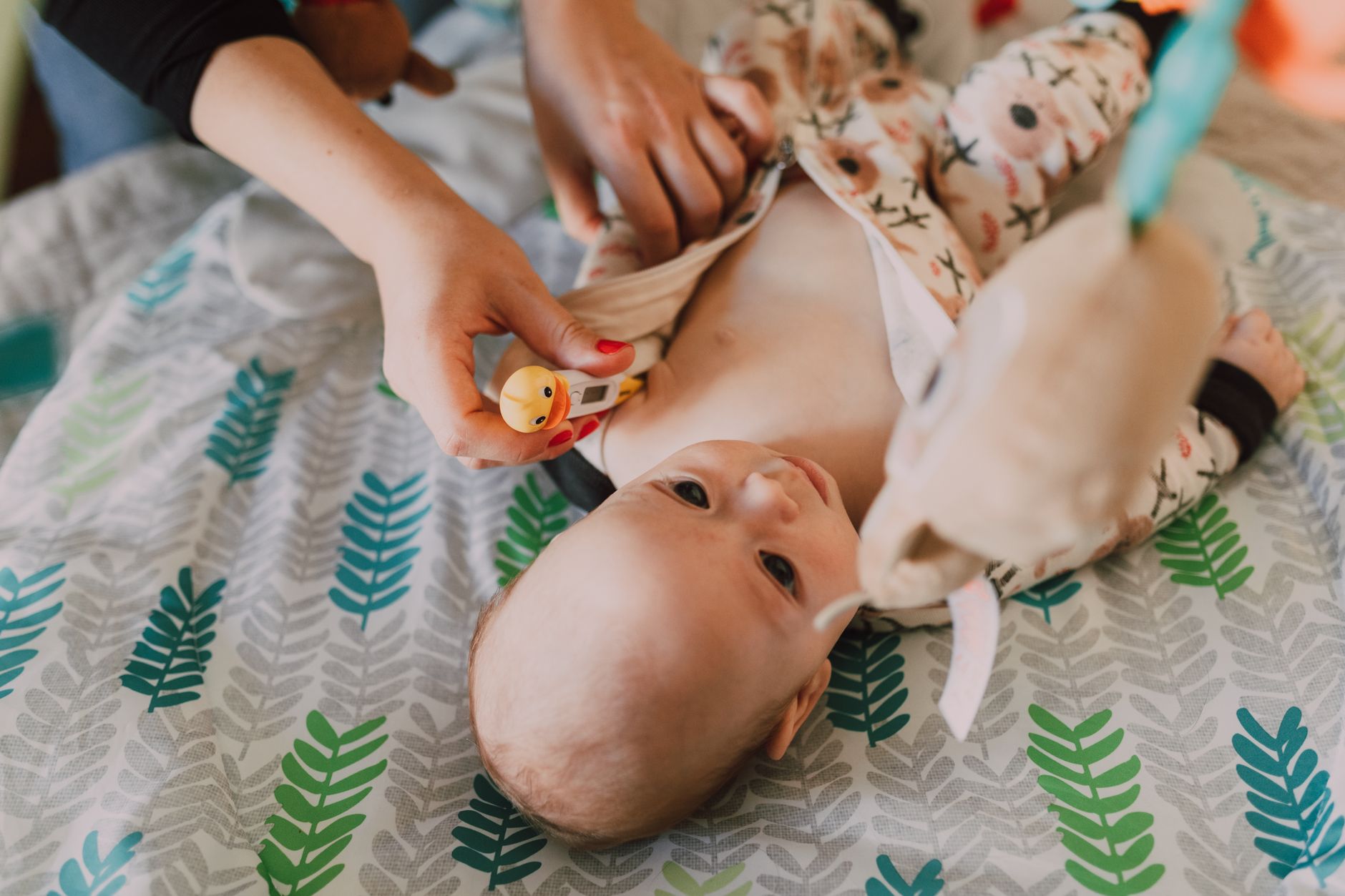
What temperature is considered a fever in a 6 month old baby?
According to the American Academy of Pediatrics (AAP), a fever in infants under one year is defined as a rectal temperature of ≥ 100.4°F (38°C). If you use an axillary (under‑arm) method, add about 0.5°F (0.3°C) to the reading, because axillary measurements tend to be lower. Oral thermometers are not reliable for babies this young, and ear‑canal readings can be inaccurate if the ear canal isn’t fully open.
Normal temperature ranges for a six‑month‑old vary slightly throughout the day. A healthy infant may have a temperature anywhere from 97.9°F (36.6°C) to 99.5°F (37.5°C) when taken rectally. Anything higher than 100.4°F (38°C) should be considered a fever, while a reading between 100.0°F and 100.4°F might be a low‑grade fever that still warrants observation.
It’s also useful to understand the difference between a fever and a heat rash. Heat rash, or prickly heat, appears as tiny red bumps that feel warm to the touch but does not raise core body temperature. If your baby’s skin feels hot and the temperature reading is normal, you’re likely dealing with a heat rash rather than a fever.
How to monitor baby temperature accurately at six months
1. Choose the right thermometer. A digital rectal thermometer is the gold standard for infants. Tip: Have a dedicated infant thermometer that you keep in a clean, dry place.
2. Prepare the thermometer. Apply a small amount of petroleum jelly to the tip—this lubricates and protects the delicate rectal lining.
3. Position your baby safely. Lay your baby on their back on a firm surface, gently lift their legs, and insert the thermometer no more than ½ inch (about 1 cm) into the rectum.
4. Wait for the beep. Most digital thermometers give a clear signal when the reading is stable. Record the temperature immediately.
5. Clean the thermometer. Rinse with warm, soapy water and store it in a protective case.
If a rectal thermometer isn’t available, a temporal artery scanner can be a reasonable alternative, but be aware that readings can be affected by sweating or ambient temperature.
How to safely reduce fever in a 6 month old infant at home?
Most fevers are the body’s natural response to infection and don’t need aggressive treatment. However, keeping your baby comfortable and preventing overheating is important. The following steps are endorsed by the CDC and the AAP:
- Light clothing. Dress your infant in a single layer of breathable cotton. Avoid blankets or heavy sleepers.
- Room temperature. Keep the room at a comfortable 68‑72°F (20‑22°C). Use a fan on low to circulate air, but avoid direct drafts on the baby.
- Cool compress. Apply a lukewarm (not cold) washcloth to the forehead, neck, and armpits for a few minutes. This can help lower skin temperature without shocking the system.
- Medication. When the temperature reaches ≥ 102°F (38.9°C) or the baby appears uncomfortable, give an age‑appropriate dose of either acetaminophen (Tylenol) or ibuprofen (Motrin), as described below.
It’s tempting to use “home remedies” like herbal teas or over‑the‑counter cough syrups, but the FDA warns that many of these products are not formulated for infants under one year and can cause more harm than good. Stick to proven methods and consult your pediatrician before trying any non‑pharmaceutical approach.
When should I call the pediatrician for a 6 month old with a fever?
For infants younger than three months, any fever ≥ 100.4°F (38°C) warrants immediate medical attention. For six‑month‑olds, the threshold is slightly higher, but you should still call the pediatrician if any of the following occur:
- Fever persists for more than 24 hours despite home care.
- Temperature rises above 104°F (40°C) or drops suddenly below 96°F (35.5°C) after a fever.
- Baby is unusually irritable, lethargic, or difficult to awaken.
- Persistent vomiting, diarrhea, or inability to keep fluids down.
- Signs of dehydration (see next section).
- Rash that spreads quickly, does not fade with pressure, or looks like bruising.
- Difficulty breathing, rapid heartbeat, or chest indrawing.
If you’re ever in doubt, a quick call to your pediatrician’s after‑hours line can provide peace of mind and guidance on whether an urgent visit is needed.
What are the signs of serious illness in a febrile 6 month old baby?
A fever itself is often benign, but certain accompanying signs suggest a more serious infection that requires prompt evaluation. The following checklist can help you decide when to seek emergency care:
- Bulging fontanelle (soft spot on the head) that feels tense or bulging.
- Seizures or stiffening of the body.
- Persistent crying that cannot be soothed.
- Extreme sleepiness or inability to wake.
- Rapid breathing (more than 50 breaths per minute) or grunting.
- Blue or gray discoloration around the lips or fingertips.
- Sudden drop in temperature after a high fever.
- Unexplained rash that looks like petechiae (tiny red spots).
Any of these signs should prompt an immediate trip to the nearest emergency department or a call to emergency services.
Can I give ibuprofen or acetaminophen to a 6 month old with fever?
Both acetaminophen and ibuprofen are considered safe for infants over 6 months when dosed correctly. The key differences are:
To calculate the dose, weigh your baby (most pediatric records have the weight). For example, a 6‑month‑old weighing 7 kg would receive 70‑105 mg of acetaminophen (≈ 2‑3 mL of infant liquid) or 35‑70 mg of ibuprofen (≈ 2‑4 mL of infant liquid). Always use the dosing syringe that comes with the medication and double‑check the concentration on the label.
Never give aspirin to infants, as it’s linked to Reye’s syndrome—a rare but serious condition.
How to tell if a fever is caused by a vaccine reaction in a 6 month old?
Vaccines can cause low‑grade fevers as a normal immune response. Typical vaccine‑related fever characteristics include:
- Onset 12‑48 hours after immunization.
- Temperature usually stays below 101.5°F (38.6°C).
- Fever lasts 1‑2 days and resolves without medical intervention.
- Accompanying mild irritability or soreness at the injection site.
If the fever spikes higher than 102°F (38.9°C), persists beyond 48 hours, or is accompanied by a rash not typical of the vaccine, contact your pediatrician. The CDC’s Immunization Safety Office provides detailed guidance on distinguishing routine vaccine reactions from more concerning events.
What fluids and feeding tips help a 6 month old recover from fever?
Fever increases metabolic demand and can lead to rapid fluid loss, especially if the baby is sweating or has a runny nose. Keeping hydration up is crucial:
- Breast milk or formula. Continue regular feeds; these provide both fluids and essential nutrients.
- Water. Small sips of boiled‑then‑cooled water (about 1‑2 oz) can be offered if the baby seems thirsty, but avoid large volumes that may fill the stomach and reduce appetite.
- Electrolyte solutions. Products like Pedialyte are safe for infants over 6 months. Offer ½‑1 oz every 30‑60 minutes if diarrhea is present.
- Pureed fruits. Soft, cool purees such as banana or apple can be soothing and provide additional fluids.
When the baby’s appetite is low, focus on frequent, small feedings rather than forcing a full bottle. A calm, quiet feeding environment—dim lights, gentle rocking—can help the infant feel safe enough to eat.
How long does a fever typically last in a 6 month old baby?
For most viral infections, a fever in a six‑month‑old will resolve within 24‑48 hours, especially if you’ve used appropriate fever reducers and kept the infant hydrated. Bacterial infections can cause longer‑lasting fevers, often beyond 72 hours, and may be accompanied by worsening symptoms.
If a fever persists for more than 3 days despite home care, or if it reappears after a brief drop, schedule a pediatric evaluation. Persistent fevers may indicate an underlying condition such as urinary tract infection, ear infection, or, less commonly, a more systemic illness.
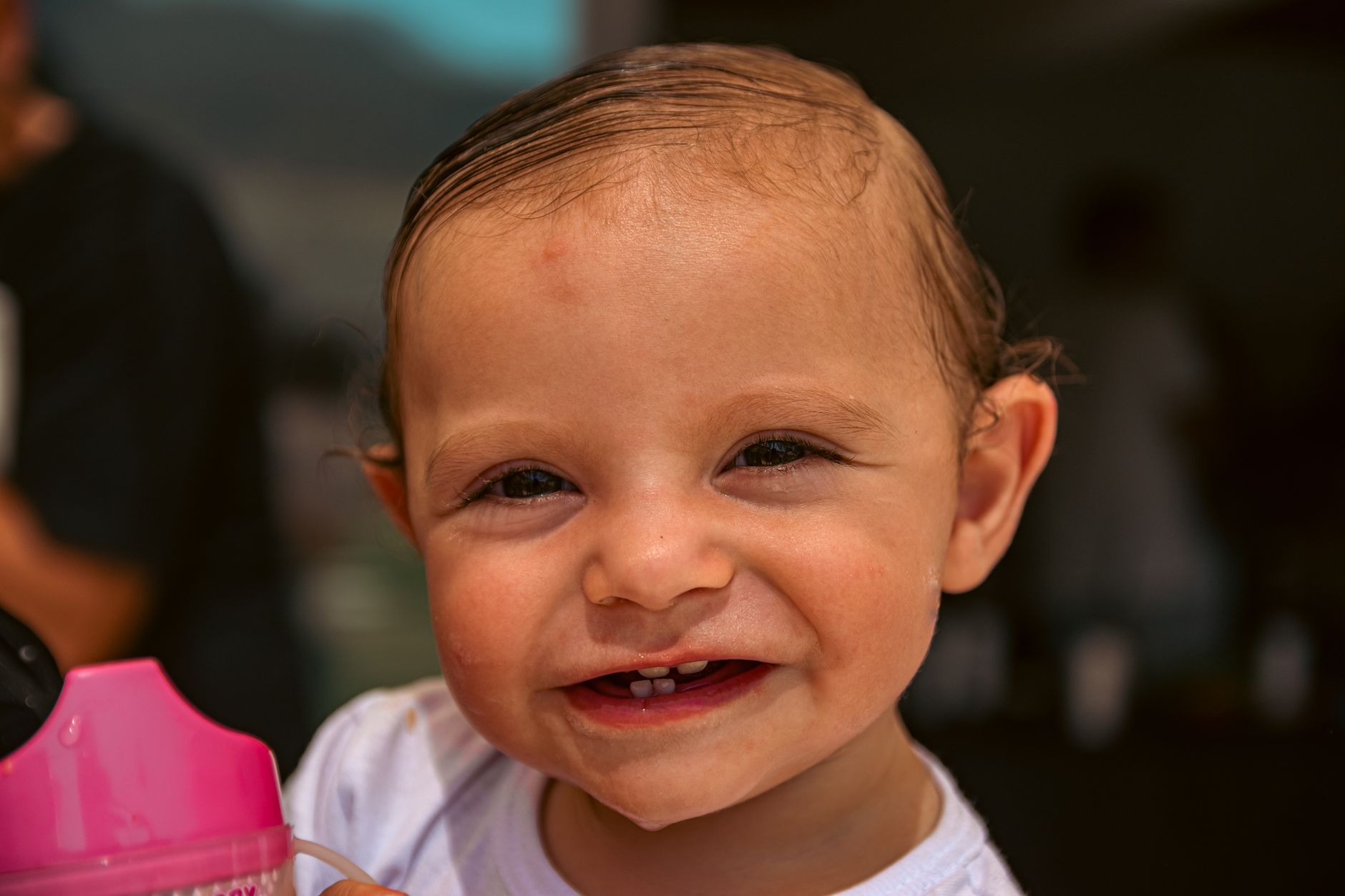
Home remedies for infant fever 6 months old
While medication remains the mainstay of fever control, some gentle, evidence‑based home measures can complement treatment:
- Lukewarm sponge bath. Use tepid water (around 98‑100°F (36.5‑37.8°C)) and gently sponge the body. Avoid cold water, which can cause shivering and increase core temperature.
- Cool‑mist humidifier. Adding moisture to the air can ease nasal congestion that often accompanies fever, helping the baby breathe more comfortably.
- Gentle rocking or swaddling. A calm environment can reduce stress‑related temperature spikes. Ensure the swaddle isn’t too tight, especially around the chest.
- Probiotic‑rich foods. If your baby has already started solids, a small serving of plain yogurt may support gut health, which is linked to immune function. This is optional and should be introduced gradually.
These strategies are safe when used in moderation and should never replace medication if the fever is high or the baby is uncomfortable.
Myth vs. fact
Myth: “A fever always means a serious infection.”
Fact: Most fevers in infants are caused by benign viral infections that resolve on their own. However, vigilance is essential because certain fever patterns can signal more serious disease.
Myth: “You should give a baby a cold bath to bring down the fever quickly.”
Fact: Cold baths can cause shivering, which actually raises core temperature. A lukewarm sponge bath is the safest method.
Myth: “Ibuprofen isn’t safe for babies under one year.”
Fact: Ibuprofen is approved for infants ≥ 6 months when dosed correctly, offering an effective alternative to acetaminophen, especially when inflammation is involved.
Key takeaways
- Fever in a 6‑month‑old is defined as a rectal temperature ≥ 100.4°F (38°C).
- Use a digital rectal thermometer for the most accurate reading.
- Acetaminophen (10‑15 mg/kg) and ibuprofen (5‑10 mg/kg) are safe when given at proper intervals.
- Hydration—breast milk, formula, or electrolyte solution—is crucial during a fever.
- Call your pediatrician if the fever lasts > 24 hours, spikes > 104°F, or is accompanied by red‑flag symptoms.
- Gentle home remedies (lukewarm sponge bath, humidifier) can support comfort but don’t replace medication.
Frequently asked questions
What is the normal fever temperature for a 6 month old?
A fever is generally recognized at a rectal temperature of ≥ 100.4°F (38°C). Temperatures between 99.5°F and 100.4°F are considered low‑grade and should be monitored.
Should I give my 6 month old ibuprofen for a fever?
Yes, ibuprofen is safe for infants ≥ 6 months at a dose of 5‑10 mg per kilogram of body weight every 6‑8 hours. Always use the provided dosing syringe and follow the label instructions.
How often should I check my baby's temperature when they have a fever?
Check the temperature every 3‑4 hours while the fever persists, or sooner if the baby seems unusually uncomfortable or shows new symptoms.
When is a fever in a 6 month old considered an emergency?
Seek emergency care if the temperature exceeds 104°F (40°C), if the baby has a bulging fontanelle, persistent vomiting, difficulty breathing, or shows extreme lethargy.
Can a fever be a sign of a serious infection in a 6 month old?
While many fevers are caused by common viruses, persistent or high fevers—especially with red‑flag signs—can indicate a bacterial infection that requires medical evaluation.
What fluids are safe for a 6 month old with a fever?
Continue breast milk or formula as the primary source. Small sips of water or an age‑appropriate oral rehydration solution (e.g., Pedialyte) are also safe.
How long should I expect a fever to last in a six‑month‑old?
Most viral fevers resolve within 24‑48 hours. If the fever persists beyond 72 hours or worsens, contact your pediatrician.
When to see a doctor or specialist
Red‑flag symptoms that require prompt medical attention:
- Temperature ≥ 104°F (40°C) or a sudden drop below 96°F (35.5°C).
- Bulging or tense fontanelle.
- Persistent vomiting, diarrhea, or inability to keep fluids down.
- Seizures, stiffening, or unresponsiveness.
- Rapid breathing (> 50 breaths per minute) or chest indrawing.
- Rash that doesn’t fade with pressure or looks like petechiae.
- Blue or gray discoloration around lips or fingertips.
If any of these appear, call your pediatrician immediately or go to the nearest emergency department. For ongoing or recurrent fevers, the specialist you’ll likely see is a pediatric infectious disease physician or a pediatrician with a focus on immunology.
Disclaimer: This article provides general information and is not a substitute for personalized medical advice. Always consult your healthcare provider for concerns specific to your child.
References
- American Academy of Pediatrics. Fever in Infants and Children: Clinical Practice Guideline, 2023.
- Centers for Disease Control and Prevention. Fever and Your Child, 2022.
- World Health Organization. Integrated Management of Childhood Illness, 2021.
- U.S. Food and Drug Administration. Acetaminophen and Ibuprofen Labeling, 2022.
- National Institute of Child Health and Human Development. Pediatric Temperature Measurement, 2022.
- Harvard T.H. Chan School of Public Health. Hydration in Infants, 2023.
- American Academy of Pediatrics. Immunization Safety, 2023.
- American College of Emergency Physicians. Fever Management in Infants, 2022.



