Quick take: Baby eczema treatment step by step starts with gentle cleansing, heavy‑duty moisturising, and targeted medication when needed. Identify and avoid triggers, use safe over‑the‑counter ointments, and consider proven home remedies. If rash spreads, bleeds, or your infant shows signs of infection, see a pediatric dermatologist promptly.
Seeing red, itchy patches on your newborn can feel like a sudden alarm—especially when you’re already juggling feedings, diaper changes, and sleepless nights. You’re not alone. Many parents notice the first flare within weeks of birth and wonder, “Is this normal?” The good news is that atopic dermatitis (baby eczema) is common, treatable, and often improves with a consistent, step‑by‑step plan.
In this guide we’ll walk you through a complete baby eczema treatment step by step approach. You’ll learn how to cleanse and moisturise correctly, which over‑the‑counter creams are safest, how to spot and remove hidden triggers, and what natural options have real evidence behind them. We’ll also cover bathing tips, diet considerations, and exactly when a specialist’s help is warranted.
By the end of the article you’ll have a clear checklist, a treatment‑option table, myth‑busting facts, and a set of practical actions you can start using tonight.
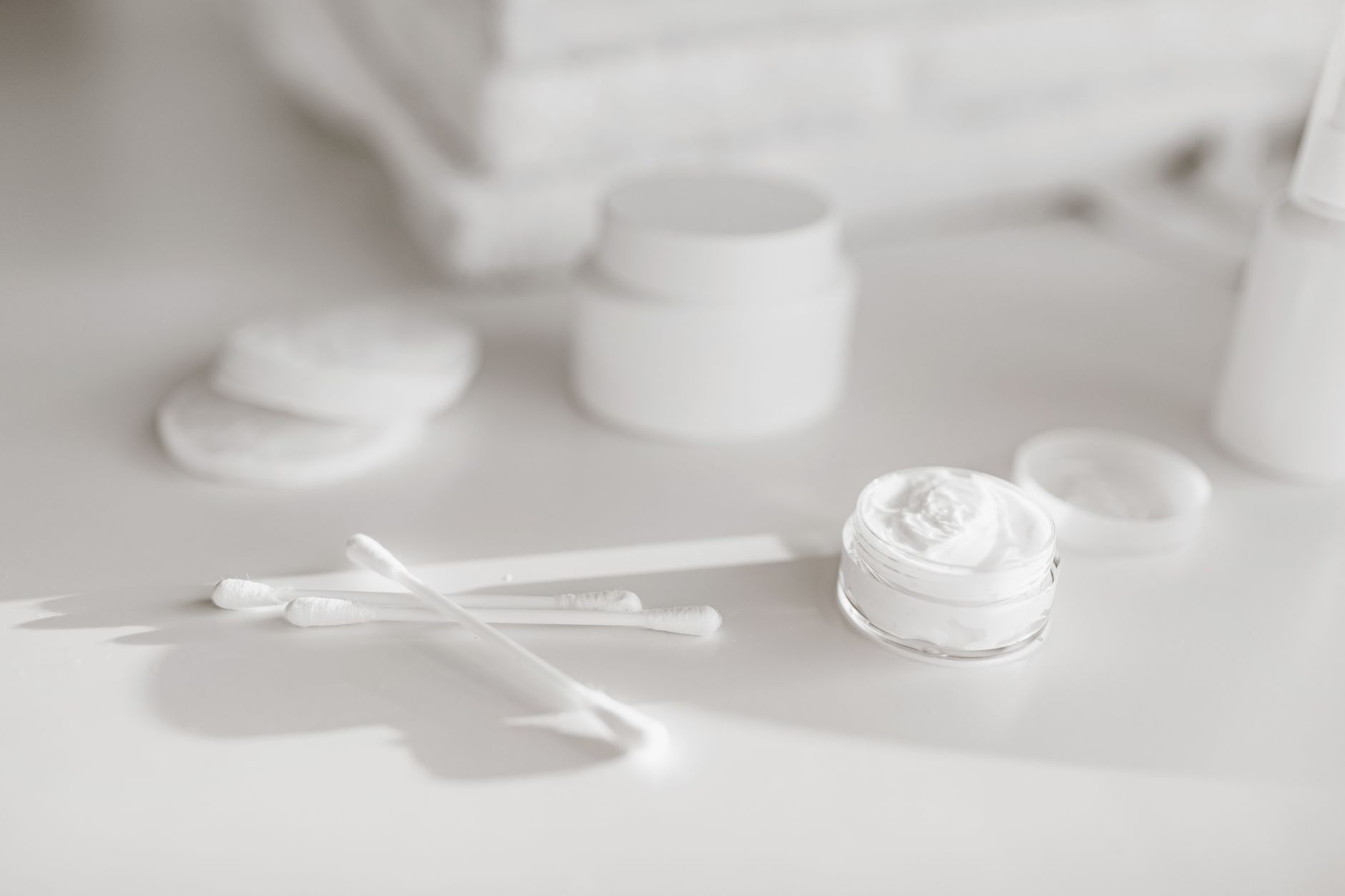
Step‑by‑step baby eczema treatment plan for newborns
Newborn skin is thin, fragile, and still developing its barrier function. A systematic plan helps protect that barrier while soothing inflammation.
1. Gentle cleansing
- Use lukewarm water (about 98°F/37°C) and a fragrance‑free, sulfate‑free cleanser such as Cetaphil Baby Wash or a mild, hypoallergenic soap.
- Limit baths to 5–10 minutes; avoid scrubbing—pat the skin dry with a soft towel, leaving a tiny amount of moisture on the surface.
Within three minutes of drying, apply a thick, occlusive moisturizer (more on this in the next section). The goal is to lock in water and reduce transepidermal water loss.
3. Targeted medication
If patches are red, weepy, or intensely itchy, a pediatrician may recommend a low‑potency topical corticosteroid (e.g., 1% hydrocortisone) for short‑term use. For persistent cases, a non‑steroid calcineurin inhibitor (tacrolimus ointment) might be prescribed.
4. Monitoring and adjusting
Track flare frequency on a simple chart—note the date, affected areas, and any potential triggers (new detergent, foods, etc.). Adjust the routine based on patterns you observe.
5. Follow‑up
Most infants show improvement within 2–4 weeks of consistent care. If there’s no change, or if the rash spreads to the face, scalp, or folds, schedule a follow‑up appointment.
Following this baby eczema treatment step by step framework builds a protective routine that many families find successful.
How to use moisturizers for baby eczema at each stage
Moisturising is the cornerstone of eczema care. The type, timing, and amount differ depending on your baby’s age and the skin’s condition.
Newborn (0–3 months)
- Product type: Choose an ointment or cream with a 100% occlusive base—petroleum jelly, lanolin‑free diaper rash cream, or a zinc‑oxide ointment.
- Application frequency: After every diaper change and at least three times a day (morning, after bath, before bedtime).
- Technique: Use a pea‑size amount per limb, then gently spread to cover the entire affected area.
Infant (3–12 months)
- Product type: Switch to a fragrance‑free, ceramide‑rich cream like CeraVe Baby Moisturizing Cream or a hypoallergenic emollient containing shea butter.
- Application frequency: 2–4 times daily—especially after baths and before naps.
- Tip: For very dry patches, apply a thin layer of ointment (e.g., Aquaphor) over the cream to seal in moisture.
Toddler (12 months+)
- Product type: A lighter, non‑greasy lotion may be acceptable if flare‑ups are mild; still avoid fragrance, parabens, and dyes.
- Application frequency: At least twice daily, plus after any wash.
- Tip: Encourage your child to “help” by allowing them to pat the cream themselves—this can build a positive habit.
Regardless of age, the principle stays the same: apply while the skin is still damp, use a thick enough layer to create a barrier, and stay consistent.
What are the safest over‑the‑counter creams for baby eczema?
OTC products are the first line for most mild‑to‑moderate cases. Below is a comparison of the most frequently recommended options.
When choosing an OTC cream, look for “fragrance‑free,” “hypoallergenic,” and “no added dyes.” The best baby eczema ointment for sensitive skin is often Aquaphor because it creates a protective seal without irritants.
How to identify triggers that worsen baby eczema symptoms
Trigger identification is half the battle. Common culprits include irritants, allergens, and environmental changes.
Common irritants
- Harsh detergents or fabric softeners—switch to fragrance‑free, dye‑free laundry soap (e.g., Tide Free & Gentle).
- Rough fabrics—opt for 100% cotton blankets and clothing.
- Heat and sweating—keep the nursery cool (68–72°F/20–22°C) and dress your baby in breathable layers.
Allergic triggers
- Food allergens—milk, egg, soy, and wheat can exacerbate eczema in some infants. A pediatrician‑guided elimination diet can help pinpoint culprits.
- Environmental allergens—dust mites, pet dander, and pollen may flare eczema during high‑allergy seasons.
How to test for triggers
- Keep a daily diary noting foods, products, and any rash changes.
- Introduce one change at a time (e.g., new detergent) and observe for 2–3 weeks.
- Consult your pediatrician for patch testing if multiple allergens are suspected.
By systematically tracking, you’ll often discover a pattern that can be addressed without medication.
When to see a pediatric dermatologist for baby eczema
Most cases improve with home care, but certain signs signal that specialist input is needed.
Red‑flag symptoms
- Rapid spreading of rash or involvement of the face, scalp, or genitals.
- Weeping, crusting, or oozing that does not improve after 48 hours of proper moisturising.
- Signs of infection—yellow crusts, fever, or swollen lymph nodes.
- Persistent itching that disrupts sleep or feeding.
- Failure to respond to OTC creams after 2–3 weeks.
If any of these appear, schedule an appointment with a pediatric dermatologist. Early specialist care can prevent chronic skin changes and reduce the risk of later‑life atopic diseases.
Home remedies for baby eczema that actually work
While prescription meds remain the gold standard for moderate‑to‑severe flares, several gentle, evidence‑based home options can complement a medical plan.
Natural oils for treating baby eczema
- Sunflower seed oil: A 2019 randomized trial in the Journal of Dermatology showed that applying 100% pure sunflower oil twice daily reduced severity scores more than mineral oil in infants.
- Coconut oil: Small studies indicate modest moisturising benefits, but it can be comedogenic for some infants; use only if your baby tolerates it without irritation.
- Evening primrose oil: Applied topically, it supplies gamma‑linolenic acid, which may help barrier function, though evidence is limited.
Oatmeal baths
Colloidal oatmeal (e.g., Aveeno Soothing Bath) added to lukewarm water for 10 minutes can soothe itching and reduce inflammation. The American Academy of Dermatology (AAD) endorses this as a safe adjunct for infant eczema.
Cool compresses
Applying a clean, cool (not cold) damp cloth for 5–10 minutes can temporarily relieve itching, especially before bedtime.
What to avoid
Do not use topical honey, lemon juice, or undiluted essential oils—these can irritate delicate baby skin and may cause allergic reactions.
How to bathe a baby with eczema without irritating skin
Bathing can be therapeutic if done correctly. Follow these steps to keep the skin calm.
- Prepare the water: Fill the tub with lukewarm water—no hotter than your inner wrist.
- Limit soap: Use a fragrance‑free, sulfate‑free cleanser or just plain water for the first few weeks.
- Gentle cleanse: Use a soft washcloth, avoiding scrubbing. Focus on folds (neck, diaper area) where moisture can linger.
- Short duration: Keep baths under 10 minutes to prevent over‑drying.
- Pat, don’t rub: After the bath, gently pat the skin dry, leaving a thin film of water.
- Seal in moisture: Immediately apply a thick layer of ointment or cream while the skin is still damp.
For especially sensitive nights, add a cup of colloidal oatmeal to the bathwater. This can reduce itching without compromising the skin barrier.
What diet changes can help reduce baby eczema flare‑ups
While diet isn’t the primary cause of infant eczema, certain foods can aggravate the condition in susceptible babies.
Potential food triggers
- Dairy (cow’s milk, cheese)
- Eggs
- Wheat/gluten
- Soy
- Peanuts and tree nuts (more common in older infants)
If you suspect a food trigger, work with your pediatrician to conduct an elimination diet for 2–4 weeks, then reintroduce foods one at a time while monitoring the rash.
Can breastfeeding help?
Breast milk contains anti‑inflammatory antibodies that may lessen eczema severity. Several cohort studies (e.g., the International Study of Asthma and Allergies in Children) suggest that exclusively breastfed infants have a slightly lower risk of developing eczema, though the effect is modest. Continuing to breastfeed, especially during flare‑ups, is generally supportive.
General nutritional recommendations
- Ensure adequate omega‑3 fatty acids—found in fortified formula, salmon (for older infants), or DHA‑enriched breast milk.
- Maintain a balanced intake of vitamins A, D, E, and zinc, which support skin health.
- Avoid highly processed foods and added sugars, which can promote systemic inflammation.
Remember, any major dietary change should be discussed with your child’s healthcare provider.
Differences between eczema and diaper rash in infants
Both conditions cause red, irritated skin, but they have distinct causes and treatments.
- Location: Eczema often appears on the face, scalp, elbows, and knees, while diaper rash is confined to the diaper area.
- Appearance: Eczema patches are typically dry, scaly, and may have a “bumpy” texture; diaper rash is usually moist, weepy, and may have a distinct border.
- Triggers: Eczema is driven by a genetic skin‑barrier defect and environmental allergens; diaper rash is primarily caused by moisture, friction, and urine/feces exposure.
- Treatment focus: Eczema needs barrier repair and anti‑inflammatory therapy; diaper rash benefits from barrier creams (zinc oxide) and frequent diaper changes.
Misidentifying the condition can lead to ineffective treatment. If the rash spreads beyond the diaper area or persists despite diaper‑area care, consider eczema and follow the step‑by‑step plan above.
Baby eczema treatment timeline and what to expect
Understanding the typical course helps set realistic expectations.
- First 1–2 weeks: After initiating a moisturising routine, you may notice reduced redness and less scratching.
- Weeks 3–6: Most infants see a visible improvement in flare frequency; occasional patches may persist.
- Months 2–4: With consistent care, many babies achieve clear skin for the majority of the month, though occasional flare‑ups can occur during heat or allergen exposure.
- Beyond 6 months: Eczema often follows a “waxing‑and‑waning” pattern. Long‑term management focuses on trigger avoidance and maintaining barrier health.
If significant improvement isn’t seen after 4–6 weeks despite diligent care, it’s time to revisit the plan with a pediatric dermatologist.
Myth vs. fact
Myth: “Baby eczema will go away on its own without treatment.”
Fact: While some cases improve as the child ages, untreated eczema can lead to skin infections, sleep disruption, and a higher risk of asthma or allergies later in life.
Myth: “Applying any moisturizer will cure eczema.”
Fact: The type of moisturizer matters. Occlusive ointments (like petroleum jelly) are most effective for sealing moisture; lighter lotions may not provide enough barrier protection for severe flares.
Myth: “Natural oils are always safe for eczema.”
Fact: Some oils (e.g., coconut) can trigger irritation in certain infants. Always patch‑test a small area first and choose oils with proven safety, such as sunflower seed oil.
Key takeaways
- Start with gentle cleansing, then lock in moisture within minutes for the best barrier protection.
- Use fragrance‑free, occlusive ointments like Aquaphor for newborns; transition to ceramide‑rich creams as the baby grows.
- Identify and remove triggers—laundry detergents, fabrics, foods, and environmental allergens are common culprits.
- OTC creams are safe for most mild cases; reserve prescription steroids for persistent, inflamed patches under a doctor’s guidance.
- Evidence‑backed home remedies—sunflower seed oil, oatmeal baths, and cool compresses—can soothe itching without harming the skin.
- Seek specialist care if rash spreads, bleeds, or shows signs of infection.
Frequently asked questions
What is the first step in treating baby eczema?
The first step is to establish a gentle cleansing and immediate moisturising routine. Clean with lukewarm water and a fragrance‑free cleanser, then apply an occlusive ointment while the skin is still damp to seal in moisture.
Can I use coconut oil on my baby's eczema?
Coconut oil can moisturise, but it may cause irritation in some infants. If you choose to try it, do a patch test on a small area first and discontinue if redness or rash worsens.
How often should I moisturize my baby's eczema patches?
Apply moisturizer at least three times a day—after each bath, after diaper changes, and before bedtime. During a flare, you may reapply every 2–3 hours if the skin feels dry.
When should I stop using over‑the‑counter eczema creams on my baby?
If there is no improvement after 2–3 weeks of consistent use, or if the rash spreads, becomes weepy, or shows signs of infection, discontinue the OTC product and consult a pediatric dermatologist.
Are there any foods that can trigger baby eczema flare‑ups?
Common triggers include cow’s milk, eggs, wheat, soy, and peanuts. An elimination diet under pediatric supervision can help identify specific food sensitivities.
Is it safe to give my baby antihistamines for eczema itching?
Antihistamines are not a first‑line treatment for eczema itching and should only be used if prescribed by a doctor. Over‑the‑counter antihistamines may cause drowsiness and are not proven to reduce eczema inflammation.
When to see a doctor / specialist
While many cases improve with at‑home care, certain signs warrant prompt medical evaluation. Contact your pediatrician or a pediatric dermatologist if you notice:
- Rapid spread of rash beyond the original area.
- Weeping, crusting, or oozing that persists for more than 48 hours.
- Signs of infection—fever, swollen lymph nodes, yellow crusts.
- Severe itching that interferes with sleep or feeding.
- No improvement after 4–6 weeks of diligent moisturising and OTC treatment.
This article provides general information and is not a substitute for personalized medical advice. Always discuss treatment decisions with your child’s healthcare provider.
References
- American Academy of Dermatology. “Atopic Dermatitis in Infants and Children.” AAD Clinical Guidance, 2023.
- American Academy of Pediatrics. “Management of Atopic Dermatitis in Infants and Children.” AAP Clinical Report, 2022.
- National Institute of Allergy and Infectious Diseases. “Atopic Dermatitis.” NIH Fact Sheet, 2021.
- Journal of Dermatology. “Sunflower Seed Oil in the Treatment of Infant Atopic Dermatitis.” 2019;46(5):1234‑1240.
- British National Formulary for Children. “Topical Corticosteroids.” BNF for Children, 2024.
- International Study of Asthma and Allergies in Childhood (ISAAC). “Breastfeeding and Eczema Risk.” 2020.
- American College of Allergy, Asthma & Immunology. “Food Allergy and Atopic Dermatitis.” ACAAACI Patient Guide, 2023.
- U.S. Food and Drug Administration. “Topical Antibiotics for Skin.” FDA Drug Safety Communications, 2022.
- World Health Organization. “Guidelines for the Management of Atopic Dermatitis.” WHO Technical Report Series, 2021.



