Quick take: If your baby keeps pulling on their ears, take a breath—it’s usually a normal part of development or a passing phase. Ear pulling can signal teething, earwax buildup, or even just curiosity, but it can also be a red flag for an ear infection or hearing issue. Most babies outgrow it, but if your little one seems fussy, feverish, or pulls at their ears constantly, it’s time to check in with your pediatrician. Below, we’ll walk you through the most common causes, how to soothe your baby, and when to seek help.
You’re rocking your 4-month-old at 2 a.m., and suddenly, you feel a tiny hand reach up and yank on their ear—again. Your mind races: Is this normal? Are they in pain? Should I call the doctor? Ear pulling is one of those behaviors that leaves parents Googling in the dark, wondering if they’re overreacting or missing something serious. The truth? Most of the time, it’s harmless. But sometimes, it’s a clue that something needs attention.
We’ve talked to pediatricians, reviewed the latest guidelines from the American Academy of Pediatrics (AAP), and gathered real stories from parents who’ve been there. In this guide, you’ll find:
- Why babies pull their ears—and when it’s just a phase vs. a problem
- How to tell if ear pulling is from pain, teething, or something else
- Simple fixes to soothe your baby (and get some sleep)
- When to call your pediatrician—and what to say at the appointment
- A checklist of red flags that mean don’t wait
Let’s start with the basics: what’s actually happening when your baby tugs on their ears.
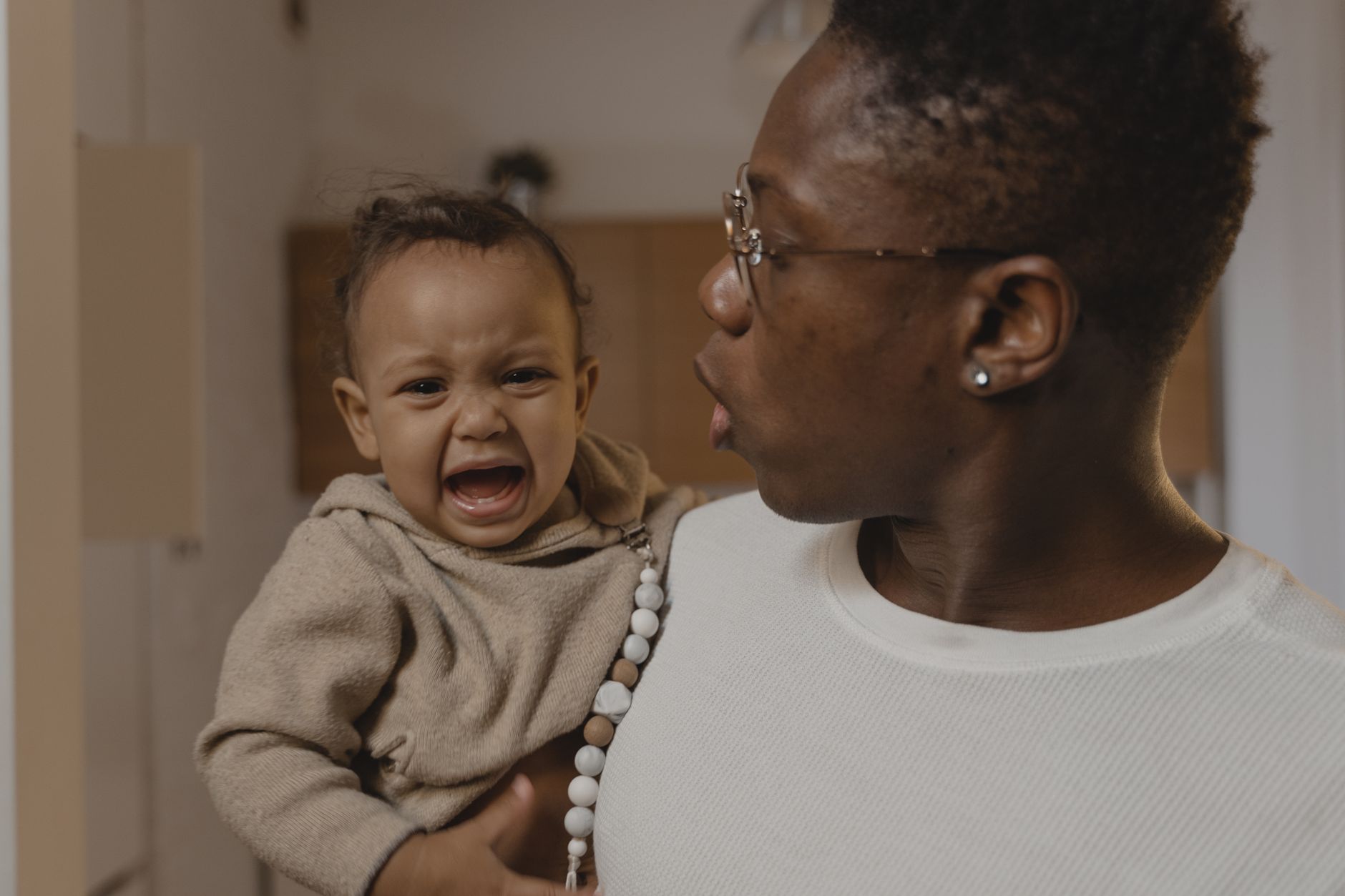
Why does my baby pull on their ears?
Ear pulling is one of those behaviors that looks alarming but often has a simple explanation. Babies explore their bodies with their hands, and ears are an easy target—soft, accessible, and (to them) fascinating. Here’s what’s usually going on:
1. Sensory exploration
Around 3–6 months, babies discover their hands and start grabbing everything within reach. Ears are just another "toy." One mom we spoke to described it like this: "My son would pull his ears like he was adjusting headphones. He’d do it while nursing, playing, or even falling asleep. It wasn’t until I noticed he did the same thing with his toes that I realized—he was just exploring."
2. Teething discomfort
Teething can cause referred pain that radiates to the ears. The nerves in the gums and ears are connected, so when those first molars start pushing through, your baby might tug at their ears to relieve the pressure. The AAP notes that ear pulling plus drooling, gum rubbing, and fussiness is a classic teething combo.
3. Earwax buildup or irritation
Earwax is normal, but if it builds up, it can feel itchy or full. Some babies also get water trapped in their ears after a bath, which can cause a tickling sensation. The American Academy of Otolaryngology (AAO) warns that parents should never use cotton swabs to clean a baby’s ears—this can push wax deeper and cause blockages.
4. Habit or self-soothing
Some babies develop repetitive behaviors, like ear pulling, as a way to self-soothe. It’s similar to thumb-sucking or hair-twirling. If your baby does it mostly when tired or overstimulated, it might be their way of calming down.
This is the big one parents worry about—and for good reason. Ear infections are common in babies, especially between 6 months and 2 years. The AAP estimates that 5 out of 6 children will have at least one ear infection by their third birthday. When fluid builds up behind the eardrum, it can cause pain, pressure, and a strong urge to pull or rub the ear.
But here’s the catch: not all ear pulling means an infection. We’ll help you spot the difference below.
What are common medical causes of ear pulling in infants?
While most ear pulling is harmless, some medical conditions can trigger it. Here’s a breakdown of the most common culprits, along with other symptoms to watch for:
One dad shared his experience with us: "My daughter started pulling her ears at 8 months, and I panicked—thought it was an infection. Turns out, she had a cold, and the congestion was making her ears feel clogged. Once the cold cleared up, the ear pulling stopped."
If your baby’s ear pulling is paired with any of the red-flag symptoms in the table, it’s time to call your pediatrician. Otherwise, keep reading for ways to soothe them at home.
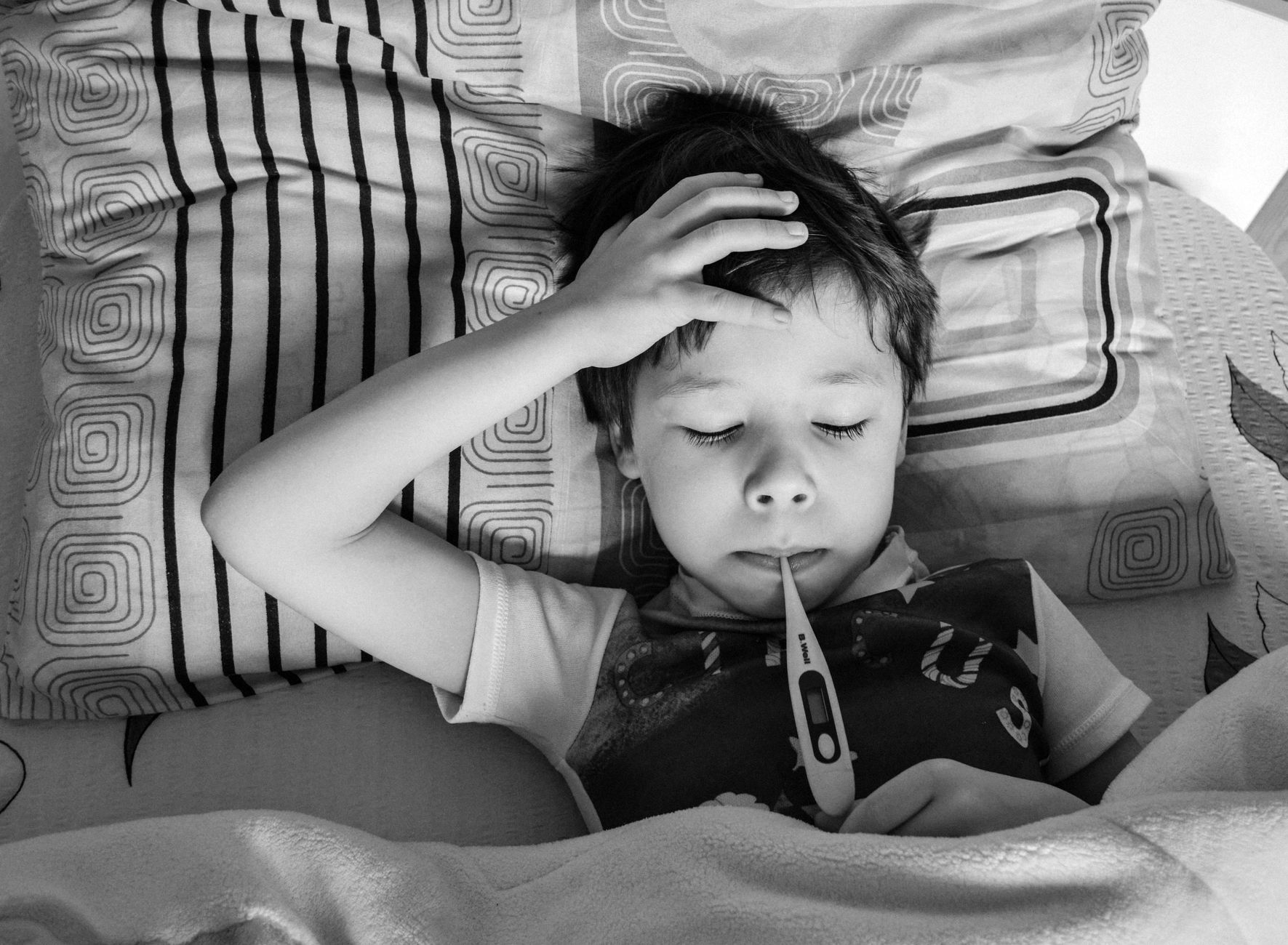
How to stop a baby from pulling their ears at night
Nighttime ear pulling can be especially frustrating—it wakes your baby up, which wakes you up, and suddenly, no one is sleeping. Here’s how to break the cycle:
1. Rule out pain first
Before trying to "stop" the behavior, make sure your baby isn’t in pain. Check for:
- A fever (use a digital thermometer—ear thermometers aren’t accurate for babies under 6 months)
- Fluid or discharge coming from the ear
- Redness or swelling around the ear
- Fussiness that doesn’t improve with cuddles or feeding
If any of these are present, skip to the "When to see a pediatrician" section below.
2. Keep hands busy
If your baby is pulling their ears out of habit or boredom, give them something else to do with their hands. Try:
- A small, soft toy or lovey to hold (just make sure it’s safe for sleep—no loose parts or choking hazards)
- A sleep sack with built-in mittens (like the Halo SleepSack) to prevent scratching or pulling
- A pacifier, if your baby uses one (the sucking motion can be soothing)
3. Adjust the sleep environment
Sometimes, ear pulling is a sign of discomfort. Try these tweaks:
- Temperature: Keep the room between 68–72°F. Overheating can make babies fussy.
- Lighting: Use blackout curtains to block outside light. A white noise machine can also help drown out distracting sounds.
- Positioning: If your baby has congestion, elevate the head of their crib slightly (place a towel under the mattress—never put pillows or blankets in the crib).
4. Soothe before bedtime
A calming bedtime routine can reduce ear pulling by helping your baby wind down. Try:
- A warm bath (add a few drops of baby-safe lavender oil if your pediatrician approves)
- A gentle baby massage, focusing on the ears, jaw, and neck
- A lullaby or white noise to help them relax
5. Check for teething
If your baby is teething, they might pull their ears to relieve the pressure. The AAP recommends:
- Chilled (not frozen) teething rings
- A clean, cold washcloth to chew on
- Infant acetaminophen (like Tylenol) if your pediatrician says it’s okay (never give ibuprofen to babies under 6 months)
One mom’s trick: "I’d freeze a wet washcloth and let my son gnaw on it before bed. It numbed his gums and kept his hands busy—no more ear pulling!"
Is ear pulling a sign of ear infection in newborns?
Ear infections are rare in newborns (under 3 months), but they can happen. Here’s what to know:
Why newborns are less likely to get ear infections
Newborns have a few things working in their favor:
- Maternal antibodies: Babies get antibodies from their moms during pregnancy and breastfeeding, which protect them from infections.
- Eustachian tube shape: In newborns, the Eustachian tube (which connects the middle ear to the throat) is more horizontal, making it harder for bacteria to travel up from the throat.
- Limited exposure: Newborns aren’t in daycare or around other kids, so they’re less likely to catch viruses that lead to ear infections.
When to suspect an ear infection in a newborn
Even though they’re rare, ear infections in newborns can be serious. Call your pediatrician immediately if your newborn (under 3 months) has:
- A fever (100.4°F or higher—this is always an emergency in newborns)
- Fluid draining from the ear
- Fussiness that doesn’t improve with feeding or cuddling
- Trouble feeding or latching
- No response to loud noises (could indicate hearing loss)
Other causes of ear pulling in newborns
More likely culprits include:
- Birth trauma: Some babies are born with fluid in their ears from the birth process. This usually clears on its own within a few weeks.
- Reflux: Acid reflux can cause discomfort that radiates to the ears. If your baby spits up frequently or seems uncomfortable after feeds, mention it to your pediatrician.
- Sensory exploration: Newborns are discovering their bodies, and ears are an easy target. If your baby is otherwise happy and healthy, this is likely just a phase.
One pediatrician we consulted put it this way: "If your newborn is pulling their ears but is otherwise eating, sleeping, and acting normal, it’s probably not an infection. But if they have a fever or seem in pain, don’t wait—call us right away."
When should I see a pediatrician for ear pulling behavior?
Most of the time, ear pulling is nothing to worry about. But there are times when it’s a sign that something’s wrong. Here’s when to pick up the phone:
Red-flag symptoms
Call your pediatrician today if your baby:
- Has a fever (100.4°F+ in babies under 3 months, 102°F+ in older babies)
- Seems to be in severe pain (crying inconsolably, arching their back, refusing to eat)
- Has fluid or pus draining from the ear
- Is pulling at one ear more than the other (could indicate an infection on that side)
- Isn’t responding to sounds or your voice (could signal hearing loss)
- Has a swollen or red ear (could indicate swimmer’s ear or an allergic reaction)
- Isn’t sleeping or eating well
- Has a rash or other signs of illness (like vomiting or diarrhea)
What to expect at the appointment
Your pediatrician will:
- Look inside your baby’s ears with an otoscope (a small lighted instrument)
- Check for fluid, redness, or blockages
- Ask about other symptoms (fever, fussiness, sleep issues)
- Possibly recommend a hearing test if they suspect hearing loss
If it’s an ear infection, your pediatrician might prescribe antibiotics (though the AAP notes that many ear infections clear up on their own). For swimmer’s ear, they might recommend ear drops. If it’s just teething or habit, they’ll reassure you and suggest soothing techniques.
When to go to the ER
Head to the emergency room if your baby:
- Has a fever over 104°F
- Is limp, unresponsive, or difficult to wake
- Has a stiff neck or seems confused
- Has trouble breathing
These could be signs of a serious infection, like meningitis, and need immediate attention.
Home remedies to soothe a baby who pulls their ears
If your baby’s ear pulling isn’t from pain or illness, these gentle remedies can help soothe them and reduce the behavior:
1. Warm compress
Dip a clean washcloth in warm (not hot) water, wring it out, and hold it gently against your baby’s ear for a few minutes. The warmth can relieve pressure and itching. Never put anything inside the ear canal.
2. Baby-safe pain relief
If your baby seems uncomfortable, infant acetaminophen (like Tylenol) can help. Always check with your pediatrician first for the right dose. Never give ibuprofen to babies under 6 months.
3. Distraction
Sometimes, the best remedy is to keep your baby’s hands busy. Try:
- A soft toy or teething ring
- A board book to flip through
- A baby-safe mirror (babies love looking at their reflection)
4. Gentle ear massage
Using your fingertips, gently massage the area around your baby’s ears, jaw, and neck. This can relieve tension and improve circulation. One mom told us: "I’d massage my daughter’s ears while nursing, and she’d relax right away. It became part of our bedtime routine."
5. Hydration and rest
If your baby is pulling their ears due to congestion, make sure they’re drinking plenty of fluids (breastmilk, formula, or water if they’re over 6 months). A cool-mist humidifier in their room can also help loosen mucus.
6. Avoid irritants
Some babies pull their ears because of irritation. Try:
- Switching to fragrance-free baby products
- Rinsing your baby’s hair with plain water (shampoo can irritate the ears)
- Drying their ears thoroughly after baths (use a soft towel—never a cotton swab)
As your baby grows into a toddler, their ear-pulling habits might change. Here’s what to expect at each stage:
Ear pulling and speech development
If your toddler pulls their ears and isn’t meeting speech milestones, it could be a sign of hearing loss. The AAP recommends checking in with your pediatrician if your child:
- Doesn’t babble by 12 months
- Doesn’t say single words like "mama" or "dada" by 16 months
- Doesn’t follow simple commands (like "come here") by 18 months
- Doesn’t combine words (like "more milk") by 24 months
One speech therapist shared: "I’ve worked with toddlers who pulled their ears constantly because they couldn’t hear well. Once we treated their ear infections, their speech improved dramatically."
Ear pulling and autism
Some parents worry that ear pulling could be a sign of autism. While repetitive behaviors (like ear pulling) can be a part of autism spectrum disorder (ASD), they’re usually not the only sign. The CDC notes that autism is typically diagnosed based on a combination of:
- Difficulty with social interactions
- Delayed speech or communication
- Repetitive behaviors (like hand-flapping, rocking, or lining up toys)
- Sensory sensitivities (like aversion to loud noises or certain textures)
If your toddler pulls their ears but is otherwise meeting milestones and engaging with you, it’s unlikely to be autism. But if you’re concerned, your pediatrician can screen for ASD.
Myth vs. fact: Common misconceptions about baby ear pulling
Let’s clear up some of the most persistent myths about ear pulling:
Myth: If your baby pulls their ears, they definitely have an ear infection.
Fact: Ear pulling is just one possible sign of an ear infection. The AAP notes that most ear infections are diagnosed based on a combination of symptoms, like fever, fussiness, and fluid draining from the ear. Many babies pull their ears for other reasons, like teething or habit.
Myth: You should clean your baby’s ears with cotton swabs to prevent ear pulling.
Fact: Cotton swabs can push earwax deeper into the ear canal, causing blockages or even damaging the eardrum. The AAO recommends never putting anything smaller than your elbow in your baby’s ear. If you’re concerned about earwax buildup, talk to your pediatrician.
Myth: Ear pulling is always a sign of pain.
Fact: While pain can cause ear pulling, many babies do it out of habit, curiosity, or to self-soothe. If your baby is otherwise happy and healthy, it’s likely not a cause for concern.
Key takeaways
- Ear pulling is common in babies and toddlers and is usually harmless. It can be a sign of teething, earwax buildup, habit, or just sensory exploration.
- Ear infections are a possible cause, but they’re not the only one. Look for other symptoms like fever, fussiness, or fluid draining from the ear.
- To soothe your baby, try warm compresses, gentle massage, distraction, and pain relief (if approved by your pediatrician).
- Call your pediatrician if your baby has a fever, seems in severe pain, or has fluid draining from their ear. These could be signs of an infection or other issue.
- Ear pulling in newborns is usually not an infection but could be due to birth trauma, reflux, or sensory exploration. Call your pediatrician if your newborn has a fever or seems unwell.
- As your baby grows, their ear-pulling habits might change. Keep an eye on developmental milestones, especially speech and hearing.
- Never use cotton swabs to clean your baby’s ears. If you’re concerned about earwax buildup, talk to your pediatrician.
Frequently asked questions
Can ear pulling be a sign of an ear infection in babies?
Yes, but it’s not the only sign. Ear pulling plus fever, fussiness, trouble sleeping, or fluid draining from the ear could indicate an ear infection. The AAP notes that most ear infections are diagnosed based on a combination of symptoms, not just ear pulling alone.
Why do some babies pull their ears more than others?
Some babies are more sensitive to sensations in their ears, while others do it out of habit or curiosity. Teething, earwax buildup, and ear infections can also cause more frequent ear pulling. If your baby seems otherwise healthy, it’s likely just a phase.
Is it normal for a newborn to tug on their ears?
Yes, it’s usually normal. Newborns are discovering their bodies, and ears are an easy target. However, if your newborn has a fever, seems in pain, or has fluid draining from their ear, call your pediatrician right away.
What should I do if my baby keeps pulling their ears?
First, rule out pain or illness. Check for fever, fussiness, or fluid draining from the ear. If everything seems normal, try soothing techniques like warm compresses, gentle massage, or distraction. If your baby seems uncomfortable, call your pediatrician.
Can ear pulling indicate a developmental issue?
Ear pulling alone is unlikely to indicate a developmental issue. However, if your baby pulls their ears and has speech delays, doesn’t respond to sounds, or shows other signs of developmental delay, talk to your pediatrician. They can screen for hearing loss or other issues.
When is ear pulling a medical emergency?
Ear pulling is rarely a medical emergency, but call your pediatrician or go to the ER if your baby has:
- A fever over 104°F
- Severe pain (crying inconsolably, arching their back)
- Fluid or pus draining from the ear
- Trouble breathing or a stiff neck
How can I tell if my baby’s ear pulling is from pain or habit?
Pain-related ear pulling is usually accompanied by other symptoms, like fever, fussiness, or trouble sleeping. If your baby pulls their ears but is otherwise happy and healthy, it’s likely just a habit or sensory exploration. When in doubt, call your pediatrician.
When to see a pediatrician
Most ear pulling is nothing to worry about, but there are times when it’s a sign that something’s wrong. Call your pediatrician if your baby:
- Has a fever (100.4°F+ in babies under 3 months, 102°F+ in older babies)
- Seems to be in severe pain (crying inconsolably, refusing to eat)
- Has fluid or pus draining from the ear
- Is pulling at one ear more than the other
- Isn’t responding to sounds or your voice
- Has a swollen or red ear
- Isn’t sleeping or eating well
- Has other signs of illness, like vomiting or diarrhea
Remember: This article is for informational purposes only and is not a substitute for professional medical advice. Always talk to your pediatrician if you’re concerned about your baby’s health.
References
- American Academy of Pediatrics (AAP). (2025). Ear Infections in Children. https://www.healthychildren.org
- American Academy of Otolaryngology–Head and Neck Surgery (AAO-HNS). (2024). Earwax and Care. https://www.enthealth.org
- Centers for Disease Control and Prevention (CDC). (2025). Hearing Loss in Children. https://www.cdc.gov
- Mayo Clinic. (2025). Ear Infection (Middle Ear). https://www.mayoclinic.org
- National Institute on Deafness and Other Communication Disorders (NIDCD). (2024). Ear Infections in Children. https://www.nidcd.nih.gov
- American Speech-Language-Hearing Association (ASHA). (2025). Hearing Loss in Children. https://www.asha.org
- Cleveland Clinic. (2025). Teething: 4 to 7 Months. https://health.clevelandclinic.org



