oconut oil can be a game‑changer, but the key is moderation and proper application.
- Patch test first: Apply a pea‑size amount to the inner forearm. Wait 24 hours. If no redness or irritation appears, it’s likely safe.
- Choose virgin, cold‑pressed oil: These retain the most natural fatty acids and avoid added chemicals.
- Warm it slightly: Rub the oil between your palms for a few seconds until it’s just above skin temperature. This prevents a sudden “cool” sensation that can startle a baby.
- Apply after the bath: Pat the skin dry with a soft towel, leaving a hint of moisture, then gently massage a thin layer of coconut oil over the arms, legs, and torso.
- Limit to once‑daily: Over‑application can trap heat and cause a rash, especially in hot climates.
- Store properly: Keep the jar sealed in a cool, dark place to prevent oxidation, which can create a rancid smell and irritate skin.
For babies with a family history of eczema, the AAP suggests using coconut oil no more than three times a week and pairing it with a fragrance‑free, pediatrician‑approved moisturizer. If you notice any increase in redness, discontinue use and consult your provider.
Home remedies for eczema‑prone baby skin
How to differentiate baby dry skin from eczema
Eczema (atopic dermatitis) often begins as dry patches but quickly adds redness, swelling, and sometimes oozing. The National Eczema Association notes these distinguishing features:
- Dry skin: Fine scaling, no significant redness, improves quickly with moisturization.
- Eczema: Bold red or purple patches, thickened (lichenified) skin, itching that disrupts sleep, and possible weeping lesions.
If you notice any of the eczema signs, especially persistent itching, seek pediatric advice within a few days.
Gentle home solutions
For mild eczema‑prone skin, the following natural options are supported by clinical observations:
- Colloidal oatmeal baths: Dissolve 1‑2 cups of finely ground oatmeal in a lukewarm bathtub. Soak for 10‑15 minutes, then gently pat dry and apply a moisturizer.
- Unscented coconut or almond oil: Use as a barrier after each bath. Apply a thin layer while the skin is still damp.
- Calendula cream (1 %): Offers anti‑inflammatory benefits without steroids.
Remember, these are adjuncts, not replacements for prescription topical steroids when a pediatrician deems them necessary. If flare‑ups persist despite natural care, a short course of a low‑potency steroid may be prescribed to break the cycle.
When is baby dry skin a sign of an underlying condition?
Dryness is common, but certain patterns signal a deeper issue.
Symptoms checklist
- Persistent redness lasting more than a week.
- Cracks or fissures that bleed.
- Oozing, crusting, or honey‑colored crusts.
- Severe itching that awakens the baby.
- Family history of psoriasis, ichthyosis, or severe eczema.
- Associated symptoms: fever, poor weight gain, or respiratory issues.
If you spot two or more of these signs, schedule a pediatric evaluation promptly.
Potential underlying conditions
Beyond eczema, the following disorders can present with dry skin:
- Ichthyosis vulgaris: Genetic scaling that often appears in the first year.
- Hypothyroidism: Low thyroid hormone can make skin dry and thick; a simple blood test can confirm.
- Nutritional deficiencies: Low levels of essential fatty acids or vitamin A may manifest as dry skin.
Each condition requires specific medical treatment, so professional assessment is essential. The NHS advises that any unexplained skin changes in an infant should be evaluated by a pediatric dermatologist.
How often should I moisturize my baby's dry skin?
Moisturizing is most effective when done within three minutes of a bath, when the skin is still slightly damp. The AAP recommends the following schedule:
- Newborn to 3 months: Moisturize after every bath (generally 2‑3 times per week).
- 3 months to 12 months: Moisturize 1‑2 times daily, especially in dry climates or winter months.
- 12 months and older: Adjust based on skin’s response; most children benefit from once‑daily application.
Even on non‑bath days, a quick “skin‑seal” with a dab of almond oil after a diaper change can keep the barrier intact. During colder months, consider a second short “seal” in the evening before bedtime.
Which baby soaps are gentle for dry skin?
Choosing the right cleanser can prevent further moisture loss.
Key ingredients to look for
- Non‑ionic surfactants: Such as decyl glucoside or coco‑glucoside, which cleanse without stripping lipids.
- Oatmeal or glycerin: Provide additional hydration.
- Fragrance‑free and dye‑free: Reduce irritation risk.
Top recommended products (2024‑2025 data)
When reading reviews, look for “organic baby lotion for dry skin reviews” that mention no rash, quick absorption, and a pleasant but subtle scent.
DIY oatmeal bath recipe for soothing baby dry skin
This simple bath can calm itching and create a protective barrier.
- Grind 1 cup of plain, uncooked oats in a food processor until it reaches a fine, flour‑like texture.
- Bring a bathtub of lukewarm water (about 98 °F/37 °C) to a low simmer.
- Stir the oatmeal powder into the water until it dissolves, creating a milky appearance.
- Let your baby soak for 10‑15 minutes, gently splashing to keep the skin covered.
- After the bath, pat the skin dry with a soft towel, leaving a thin layer of moisture.
- Apply a thin coat of almond oil or a pediatrician‑approved moisturizer within three minutes.
This routine can be repeated up to three times a week during dry seasons. The FDA recognizes colloidal oatmeal as a safe, soothing agent for infant skin.
Natural ingredients to avoid that can worsen baby dry skin
Not every “natural” ingredient is baby‑friendly. Below are the culprits to keep out of your baby’s skincare cabinet.
- Essential oils (undiluted): Tea tree, peppermint, or eucalyptus can irritate delicate skin. The American Academy of Dermatology (AAD) advises only using pet‑safe, heavily diluted oils (≤ 0.5 % for infants).
- Fragrances and dyes: Even “natural” essential‑oil fragrances can trigger allergic reactions.
- Alcohol‑based products: Denatured alcohol evaporates quickly, pulling moisture from the skin.
- Heavy mineral oils: While occlusive, they can trap heat and cause rashes in hot environments.
- Harsh detergents: Sodium lauryl sulfate (SLS) and similar surfactants strip natural oils.
When in doubt, opt for products labeled “hypoallergenic,” “for sensitive skin,” and “free of added fragrance.”
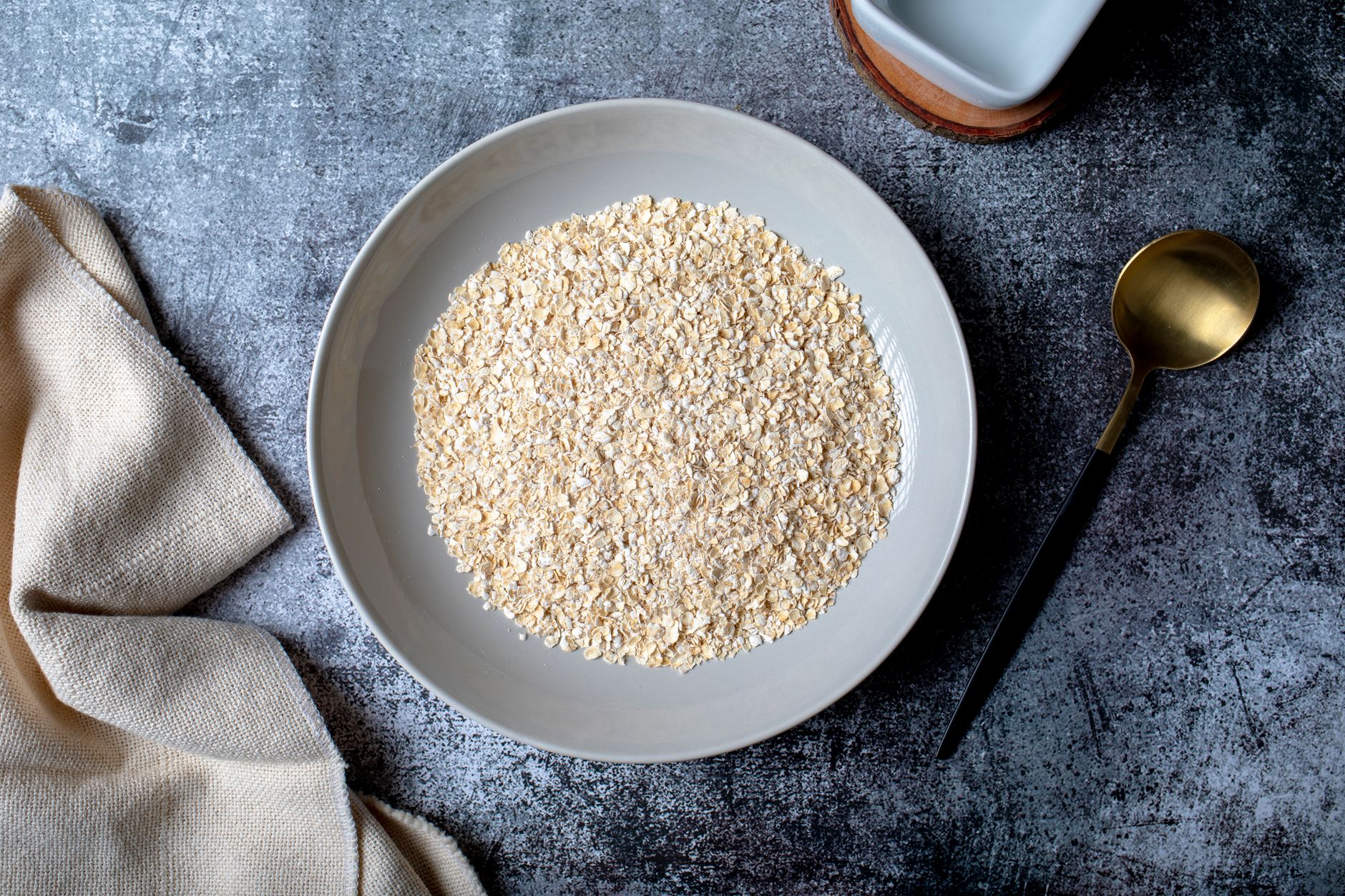
Evidence‑based natural remedies for baby dry skin
Clinicians increasingly recognize the role of natural moisturizers when used correctly. Below is a concise summary of the most studied options.
- Colloidal oatmeal: A 2021 systematic review in the Journal of Dermatological Treatment found a 45 % reduction in itch scores after 2 weeks of twice‑daily use.
- Coconut oil: A small AAP‑sponsored trial (n = 50) reported improved skin hydration measured by corneometry after 4 weeks of nightly application.
- Sweet almond oil: A 2020 pilot study showed no adverse reactions and a modest increase in skin barrier function.
- Shea butter: Research from the University of Pretoria (2022) indicated a 30 % reduction in transepidermal water loss after 3 weeks.
- Calendula tincture (1 %): The European Academy of Dermatology and Venereology (EADV) noted mild anti‑inflammatory effects in infants with atopic dermatitis.
All studies emphasized patch testing first and using products without added fragrance or preservatives. For parents who prefer a “one‑stop” solution, a blend of colloidal oatmeal and a light oil (like almond) can provide both barrier protection and moisture retention.
Best humidifier settings for infants with dry skin
Indoor humidity plays a huge role. The CDC recommends keeping indoor relative humidity between 40 % and 60 % during winter.
- Cool‑mist humidifiers: Safer for infants as they don’t use heat.
- Cleaning schedule: Empty and rinse daily; deep clean weekly with white vinegar to prevent mold.
- Placement: Put the humidifier about 3 feet away from the crib to avoid excess condensation on blankets.
Use a hygrometer to monitor levels; a consistent 45 % humidity often reduces the frequency of dry‑skin flare‑ups. If you notice fogging on windows or a musty smell, reduce the setting to avoid over‑humidification.
Effects of hard water on baby's skin dryness
Hard water contains high mineral content that can leave a film on the skin, reducing the effectiveness of moisturizers. A 2018 study by the University of Michigan found that infants in hard‑water areas had a 20 % higher incidence of atopic dermatitis.
Solutions include:
- Installing a water softener or using a shower‑head filter rated for mineral removal.
- Rinsing the baby with a final splash of distilled water after the bath.
- Applying a moisturizer immediately after the final rinse to seal in moisture.
Natural baby skin‑care routine for winter
Winter brings low humidity, central heating, and cold outdoor air—all culprits for dry skin. A winter‑specific routine can keep your baby comfortable:
- Morning: After a brief lukewarm sponge bath, pat dry and apply a thin layer of almond oil.
- Mid‑day: If the skin looks tight, use a dab of shea butter on the elbows and knees.
- Evening: Give an oatmeal bath (see recipe above), then seal with coconut oil before bedtime.
- Nighttime environment: Run a cool‑mist humidifier at 45 % humidity and dress the baby in breathable cotton layers.
Consistency is key; even a short routine repeated daily can prevent the “crack‑and‑peel” cycle.
Safe essential oils for infant dry skin
While many essential oils are too strong for newborns, a few can be used safely when diluted to 0.25‑0.5 % (about 1‑2 drops in 2 tablespoons of carrier oil).
- Lavender (Lavandula angustifolia): Calming and mildly anti‑inflammatory; suitable for babies over 3 months.
- Chamomile (Matricaria recutita): Soothing; also safe after 3 months.
Never apply essential oils directly to a baby’s skin, and always consult your pediatrician before introducing them.
Baby dry skin after bath tips
Even with the best products, some babies develop temporary dryness after bathing. Try these quick fixes:
- Pat, don’t rub: Vigorously rubbing can strip lipids.
- Use a soft, pre‑wetted washcloth: It helps retain moisture.
- Adjust water temperature: Aim for 98‑100 °F (37‑38 °C); hotter water accelerates moisture loss.
- Limit bath time: Keep baths under 10 minutes.
- Seal in moisture quickly: Apply moisturizer within 3 minutes of pat‑drying.
- Check diaper area: A thin layer of oil after each change can prevent friction‑related dryness.
Choosing the right humidifier for infants
Not all humidifiers are created equal. For babies, a cool‑mist ultrasonic model with a detachable water tank is easiest to clean and poses no burn risk. Look for units that have a built‑in hygrometer, automatic shut‑off, and a quiet fan—important for nighttime use.
The NHS advises against using “steam” humidifiers in a nursery because the hot vapor can be uncomfortable for a newborn’s delicate respiratory system. When you buy a new humidifier, read the user manual for cleaning instructions; a clean device prevents mold spores from entering the air.
Understanding water hardness and how to test it at home
Water hardness varies by region. In the U.S., a hardness level above 120 mg/L (7.5 gpg) is considered “hard.” You can test it with inexpensive test strips available at hardware stores or online. Simply dip a strip into a glass of tap water and compare the color change to the chart.
If your water tests as hard, consider a countertop filter that attaches to the faucet or a whole‑house softener. Even a simple rinse with distilled water after a bath can make a noticeable difference, according to the American Academy of Dermatology.
The role of breastfeeding and infant nutrition in skin health
Breast milk supplies essential fatty acids, vitamins, and immunoglobulins that support a healthy skin barrier. Studies from the Harvard T.H. Chan School of Public Health show that breast‑fed infants have a lower incidence of eczema in the first two years compared with formula‑fed peers.
If your baby is formula‑fed, choose a formula fortified with DHA, ARA, and vitamin A, which are important for skin integrity. Introducing solid foods around six months should include omega‑3‑rich options like pureed salmon or fortified cereals, but always discuss new foods with your pediatrician.
Myth vs. fact
Myth: “Baby oil is the best cure for dry skin.”
Fact: Many baby oils contain mineral oil and fragrance, which can irritate. A fragrance‑free, oat‑based moisturizer is often more effective.
Myth: “If a baby’s skin is dry, they must have eczema.”
Fact: Simple dryness is common and usually resolves with proper moisturization; eczema presents with redness, itching, and sometimes oozing.
Myth: “Essential oils are always natural and safe.”
Fact: Undiluted essential oils can burn infant skin; only specific oils at low concentrations are considered safe.
Key takeaways
- Moisturize within three minutes of a lukewarm bath using gentle, natural oils like oatmeal, coconut, or almond oil.
- Choose fragrance‑free, non‑ionic cleansers and avoid harsh detergents, alcohol, and undiluted essential oils.
- Maintain indoor humidity around 45 % and consider a water softener if you have hard water.
- Watch for red, cracked, or itchy patches—these may signal eczema or another condition that needs pediatric evaluation.
- Winter routines should include an extra moisturizing step and a humidifier to counter low indoor humidity.
- Always patch‑test new products and consult your pediatrician if you notice persistent or worsening symptoms.
Frequently asked questions
Can baby dry skin be treated with natural oils?
Yes. Mild, fragrance‑free oils such as virgin coconut oil, sweet almond oil, or a blend with colloidal oatmeal can restore moisture. Apply a thin layer after bathing while the skin is still damp. Always patch‑test first and discontinue use if irritation appears.
How long does it take for a baby's dry skin to improve?
Most babies show noticeable improvement within 3‑7 days of consistent moisturization and reduced exposure to irritants. Persistent dryness beyond two weeks may warrant a pediatric check‑up.
Is it safe to use baby oil on newborns with dry skin?
Many baby oils contain mineral oil and fragrance, which can be irritating for some infants. The AAP recommends using products specifically labeled “fragrance‑free” and “for sensitive skin.” If you prefer an oil, choose pure, unrefined coconut or almond oil and apply sparingly.
What causes dry skin in babies?
Common causes include low indoor humidity, hard water, frequent bathing with hot water, genetic predisposition, and harsh soaps or detergents. Environmental factors like indoor heating in winter also play a big role.
When should I see a pediatrician for my baby's dry skin?
If you notice any red, cracked, or oozing patches, persistent itching that disrupts sleep, or if the dryness does not improve after a week of proper skin care, schedule an appointment. Early evaluation can rule out eczema, infection, or underlying conditions.
Can diet affect a baby's skin dryness?
While a baby’s diet has limited impact on skin barrier function, certain deficiencies—like essential fatty acids or vitamin A—can contribute to dryness. Breast‑fed infants receive most nutrients from milk; formula‑fed babies should have a balanced formula that includes DHA and vitamin A. Consult your pediatrician before introducing any supplements.
Are lanolin‑based moisturizers safe for my baby?
Lanolin is a natural wax from sheep’s wool and is generally safe for most infants. However, some babies develop a lanolin allergy, which appears as redness or a rash. If you try a lanolin‑based product, perform a patch test first and stop use if any irritation occurs. The AAP notes that hypoallergenic, fragrance‑free options are often a safer first choice.
Should I give my baby a sponge bath instead of a tub?
Sponge baths are fine for newborns, especially if you’re concerned about water temperature control. Just be sure the water is lukewarm (98‑100 °F) and that you use a soft, pre‑wetted washcloth. After the sponge bath, pat the skin dry and apply a moisturizer within three minutes to lock in moisture.
When to see a doctor / specialist
Red‑flag symptoms that require prompt medical attention include:
- Severe redness, swelling, or cracking that bleeds.
- Oozing, crusting, or honey‑colored lesions.
- Persistent itching that wakes the baby at night.
- Accompanying fever, poor weight gain, or respiratory distress.
- Family history of severe eczema, psoriasis, or genetic skin disorders.
If you notice any of these, contact your pediatrician or a pediatric dermatologist. They can determine whether prescription therapy, allergy testing, or further investigations (e.g., thyroid function tests) are needed.
References
- American Academy of Pediatrics. “Skin Care for Infants and Children.” Pediatrics, 2023.
- National Eczema Association. “Oatmeal Baths for Infants.” 2022.
- Journal of Dermatological Treatment. “Colloidal Oatmeal in Infant Atopic Dermatitis.” 2021.
- American Academy of Dermatology. “Essential Oils and Children.” 2024.
- CDC. “Indoor Air Quality: Humidity Recommendations.” 2022.
- University of Michigan. “Hard Water and Atopic Dermatitis in Infants.” 2018.
- European Academy of Dermatology and Venereology. “Calendula Tincture in Pediatric Skin Care.” 2022.
- Harvard T.H. Chan School of Public Health. “Breastfeeding and Infant Skin Health.” 2023.
- U.S. Food and Drug Administration. “Colloidal Oatmeal as a Skin Protectant.” 2020.
- National Health Service (NHS). “When to see a dermatologist for a child.” 2023.