Spotting baby dehydration signs early is crucial. Look for dry mouth, fewer wet diapers, and lethargy. Learn how to spot these key indicators and when to seek medical help for your baby's safety.
By Shubhra Mishra — a mom of two who turned her own confusion during pregnancy into BumpBites, a global mission to make food choices clear, safe, and stress-free for every expecting mother. 💛
Check whether any food is safe during pregnancy with the BumpBites Food Safety Checker.
Quick take: Recognizing baby dehydration signs early is crucial for your child's health. Key indicators include fewer wet diapers, dry mouth, and lethargy. If you suspect your baby is dehydrated, especially if they are under 6 months old or show moderate to severe symptoms, contact your pediatrician immediately. For mild cases, increasing fluid intake through breast milk, formula, or oral rehydration solutions can help.
That moment when your baby isn't quite themselves – maybe they're fussier than usual, unusually sleepy, or just not interested in feeding. As parents, our minds race through a thousand possibilities, and one of the most concerning is dehydration. It's a silent threat, especially for little ones, whose tiny bodies are more susceptible to fluid loss and its serious consequences.
You're not alone in feeling this worry. Many parents find themselves Googling "baby dehydration signs how to spot" at 3 AM, anxious for clear, trustworthy answers. The good news is that with the right knowledge, you can learn to recognize the subtle cues your baby gives you and know exactly when to act. This guide will walk you through everything you need to know, from the earliest warning signs to emergency situations, ensuring you feel confident in protecting your little one.
We'll cover how to identify dehydration symptoms across different age groups, what common causes to look out for, and most importantly, what steps you can take to rehydrate your baby safely at home or when it's time to seek immediate medical help. Our goal is to empower you with the information you need to keep your baby healthy and hydrated, giving you peace of mind.
What are the early signs of dehydration in babies?
Spotting dehydration early in babies can make a significant difference in their recovery and prevent more serious health issues. Babies, especially newborns and infants, have a higher proportion of water in their bodies and a faster metabolism, making them more vulnerable to fluid loss than older children or adults. This means you need to be extra vigilant, as their condition can change rapidly. The signs can sometimes be subtle, so paying close attention to changes in their usual behavior and physical state is key.
One of the first and most reliable indicators of dehydration in babies is a change in their wet diaper count. Typically, a well-hydrated newborn should have at least 6-8 wet diapers in a 24-hour period. As they get a bit older, this might decrease slightly, but any significant reduction – for example, fewer than 3 wet diapers in 24 hours for an infant, or a completely dry diaper for several hours – is a major red flag. When checking diapers, also notice the urine itself. If it’s darker yellow and has a stronger odor than usual, it can indicate concentrated urine, a sign that your baby isn't getting enough fluids.
Beyond diapers, your baby's mouth and tongue can offer important clues. A well-hydrated baby will have moist, pink gums and a wet tongue. If you notice their mouth appears dry or sticky, or their tongue looks parched, it’s a strong indicator of dehydration. You might also notice a lack of tears when they cry. While newborns often don't produce many tears, babies typically start tearing up around 2-3 months of age. If your baby is past this age and cries without tears, it's a significant sign to watch for.
Changes in your baby's energy levels and demeanor are also critical. A dehydrated baby might seem unusually sleepy, lethargic, or less active than usual. They might not be as playful or alert, and their cries might be weak. Conversely, some babies become excessively irritable and fussy, inconsolable despite your best efforts to comfort them. These behavioral shifts, combined with other physical signs, paint a clearer picture of their hydration status. Don't underestimate your intuition – if your baby "just doesn't seem right," it's worth investigating further.
Finally, keep an eye on their skin and eyes. A baby’s eyes might appear sunken, and the soft spot on their head (fontanelle) might also look sunken. This is particularly noticeable in infants whose fontanelles haven't closed yet. The skin might lose some of its elasticity; if you gently pinch a fold of skin on their abdomen or arm and it doesn't spring back quickly, it's a sign of poor skin turgor, a more advanced indicator of dehydration. Remember, these signs often appear together, so observing a cluster of symptoms is more telling than just one in isolation.
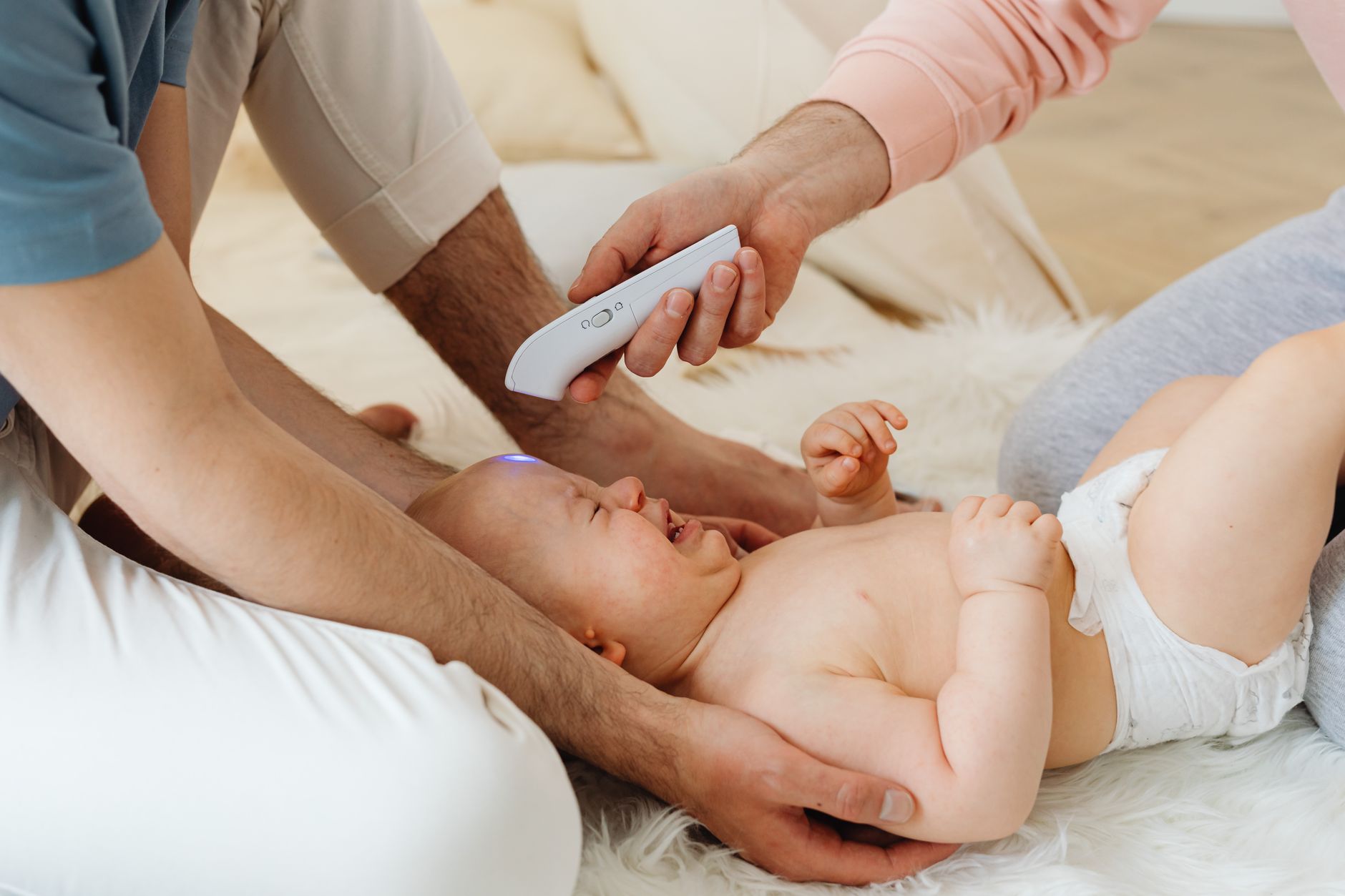
Checking for signs of dehydration often involves gentle observation of your baby's physical state and behavior.
How can you check for dehydration in a newborn baby?
Checking for dehydration in newborns requires a keen eye and a gentle approach, as their tiny bodies are extremely delicate and their symptoms can be less obvious than in older infants or toddlers. Newborns (babies from birth to one month old) are particularly vulnerable because their fluid reserves are smaller, and they rely entirely on breast milk or formula for hydration. Early detection is paramount.
One of the most important things to monitor in a newborn is their wet diaper count. A healthy newborn should have at least 6-8 wet diapers in a 24-hour period after the first few days of life (the first few days might see fewer as colostrum comes in and milk supply establishes). Keep a log if you're worried; it’s easy to lose track. If you notice a significant drop in this number, or if diapers are dry for extended periods (e.g., 6 hours or more), it's a strong indicator that your newborn isn't getting enough fluids.
Next, gently check your newborn's mouth. Their gums and tongue should appear moist and pink. If they look dry, sticky, or parched, it's a sign of dehydration. You can gently run a clean finger across their gums to feel for stickiness. Remember, newborns typically don't produce tears when crying, so this isn't a reliable indicator for this age group. Instead, focus on the texture of their oral mucosa.
Observe your newborn's fontanelle, the soft spot on the top of their head. In a well-hydrated newborn, it should feel soft and flat, perhaps slightly bulging when they cry or strain. If the fontanelle appears noticeably sunken, it can be a sign of dehydration. This is a crucial physical sign that often indicates a more significant fluid deficit, so if you observe this, it’s time to contact your pediatrician.
A newborn’s skin elasticity, or turgor, can also offer clues. While it requires a gentle touch, you can lightly pinch a small fold of skin on their abdomen or the back of their hand. In a hydrated baby, the skin will quickly snap back into place. If it remains "tented" for a moment or returns slowly, it suggests fluid loss. However, this sign is often more apparent in moderate to severe dehydration and should be performed with extreme care due to a newborn's delicate skin.
Finally, pay close attention to their overall behavior and feeding patterns. A dehydrated newborn might be unusually sleepy or listless, not waking for feeds or having difficulty staying awake during them. They might also appear weak, with a decreased suckling reflex. Conversely, some newborns might become unusually irritable and difficult to console, especially if they are feeling unwell. Any significant deviation from their normal feeding routine – such as refusing to feed or having very short, infrequent feeds – should raise concerns. Always trust your parental instincts; if your newborn seems "off," it's best to consult with a healthcare provider.
What causes dehydration in infants and toddlers?
Dehydration in infants and toddlers can stem from various factors, often a combination of increased fluid loss and insufficient fluid intake. Understanding these causes is crucial for both prevention and appropriate intervention. Little ones, particularly those under two years old, are especially susceptible due to their smaller body size, higher metabolic rate, and limited ability to communicate their thirst or seek fluids independently.
One of the most common causes of dehydration in this age group is **illness**, particularly those involving the gastrointestinal tract. **Vomiting and diarrhea** are prime culprits. When a baby experiences frequent vomiting, they lose significant amounts of fluid and electrolytes. Similarly, diarrhea, especially if it’s severe or prolonged, causes rapid fluid loss through watery stools. Conditions like rotavirus or other viral or bacterial gastroenteritis can quickly lead to dehydration. Even a common cold can indirectly contribute if a stuffy nose makes feeding difficult, leading to reduced fluid intake.
**Fever** is another major contributor. When a baby has a fever, their body temperature rises, leading to increased fluid loss through sweating and faster breathing. The higher the fever and the longer it lasts, the greater the risk of dehydration. It’s a vicious cycle: fever can lead to dehydration, which can then make the fever harder to manage, as the body struggles to regulate its temperature.
**Heat exposure** and **excessive sweating** are also significant factors, especially in hot climates or during summer months. Babies have less developed thermoregulation systems than adults. If they are overdressed, left in a hot car, or spending too much time in direct sunlight, they can quickly overheat and lose fluids through sweat. Unlike adults, babies don't always show obvious sweating until they're quite warm, so it's important to dress them appropriately and keep them in cool environments.
**Insufficient fluid intake** is a straightforward yet critical cause. This can happen for several reasons:
**Poor feeding:** A baby might not be feeding enough due to a variety of reasons – latching difficulties for breastfed babies, incorrect formula preparation (too diluted or too concentrated), or simply refusing to drink due to discomfort, teething, or a sore throat.
**Refusal to drink:** Toddlers, especially when sick, might refuse to drink anything, making rehydration challenging. Picky eating habits can also extend to picky drinking.
**Lack of access:** In some cases, babies might not be offered fluids frequently enough, particularly if caregivers are unaware of the increased fluid needs during illness or hot weather.
Less common but still possible causes include certain **medical conditions** like diabetes insipidus, which causes the body to excrete too much urine, or **certain medications** that act as diuretics. In rare instances, severe burns can also lead to significant fluid loss. However, for most infants and toddlers, dehydration is a consequence of common illnesses or environmental factors that increase fluid loss or decrease intake.
When should I worry about baby dehydration and call a doctor?
Knowing when to call a doctor for baby dehydration is perhaps the most critical piece of information for any parent. While mild dehydration can often be managed at home, certain signs indicate that immediate medical attention is necessary. Delaying care in these situations can lead to severe complications for your little one.
You should call your pediatrician or seek urgent care immediately if your baby exhibits any of the following red-flag symptoms, especially if they are under one year old:
Significantly reduced wet diapers: If your baby has not had a wet diaper for 6-8 hours, or fewer than 3 wet diapers in 24 hours, this is a serious concern. For newborns, any period of 4-6 hours without a wet diaper warrants a call.
Lethargy or extreme sleepiness: If your baby is unusually drowsy, difficult to awaken, unresponsive, or seems limp, this is an emergency. They might not be interested in anything around them, including feeding or interaction.
Sunken fontanelle (soft spot): A noticeably sunken soft spot on your baby's head is a strong indicator of moderate to severe dehydration.
Sunken eyes: If your baby’s eyes appear distinctly sunken into their sockets, it suggests significant fluid loss.
No tears when crying: For babies older than 2-3 months, a lack of tears during crying is a key sign of dehydration.
Dry, sticky mouth and tongue: While mild dryness can be an early sign, a very dry, parched, or sticky mouth, especially when combined with other symptoms, is concerning.
Cool, clammy, or mottled skin: If your baby's skin feels cool to the touch, appears pale, blotchy, or mottled, it can indicate poor circulation due to severe dehydration.
Rapid or shallow breathing: Changes in breathing patterns, such as breathing faster or more shallowly than usual, can be a sign of the body struggling with dehydration.
Very fast heartbeat: An unusually rapid heart rate can also indicate the body is trying to compensate for fluid loss.
Refusal to drink or inability to keep fluids down: If your baby is refusing all fluids, or if they are vomiting so frequently that they can't keep any liquids down, they won't be able to rehydrate at home and need medical intervention.
Blood in stool or vomit: While not a direct sign of dehydration, blood in stool or vomit indicates a more serious underlying illness that requires immediate medical evaluation and can exacerbate fluid loss.
Any signs of severe illness: High fever (especially over 102°F or 39°C in infants), severe abdominal pain, or any other symptom that makes you feel your baby is seriously ill should prompt a call to your doctor.
Remember, babies can deteriorate quickly. If you observe even one or two of these severe symptoms, or if your parental instincts tell you something is seriously wrong, don't hesitate. It's always better to be cautious and have your baby checked by a healthcare professional than to wait. Your doctor can accurately assess the level of dehydration and recommend the appropriate course of action, which might include intravenous (IV) fluids in severe cases.
When in doubt, always seek professional medical advice for your baby.
How can you safely rehydrate a baby at home?
Safely rehydrating a baby at home is generally appropriate for cases of mild dehydration. The key is to act quickly and consistently, focusing on replenishing lost fluids and electrolytes. However, it's crucial to first rule out moderate to severe dehydration, which always requires professional medical attention. If you've determined your baby's dehydration is mild and they are otherwise stable, here’s how you can help them recover:
Increase Breastfeeding or Formula Feeding Frequency
For breastfed babies, the best rehydration solution is breast milk itself. It contains the perfect balance of water, electrolytes, and nutrients. Offer your breast more frequently, even every hour or two, for shorter periods if your baby can’t manage longer feeds. Don't worry about "overfeeding" during this time; your baby will take what they need. For formula-fed babies, continue offering their regular formula more often. Ensure the formula is mixed correctly – do not dilute it with extra water, as this can throw off the electrolyte balance and potentially be dangerous for infants.
Offer Oral Rehydration Solutions (ORS)
Oral Rehydration Solutions (ORS) are specifically formulated to replace water and essential electrolytes (like sodium, potassium, and chloride) lost during dehydration, particularly from vomiting and diarrhea. Brands like Pedialyte (US) or Dioralyte (UK) are widely available. These are far more effective and safer than plain water or sugary drinks for rehydrating infants and toddlers. Plain water alone does not contain the necessary electrolytes and can even dilute existing electrolytes in a baby’s system, leading to a condition called hyponatremia, which can be dangerous, especially for babies under six months old.
**How to administer ORS:** Offer small, frequent amounts. For infants, this might mean a teaspoon (5ml) every few minutes. For toddlers, a tablespoon (15ml) every 5-10 minutes. The goal is to slowly introduce fluids without overwhelming their stomach, which can lead to more vomiting.
**Avoid large quantities:** Don't offer a large bottle or cup of ORS all at once, as this is more likely to induce vomiting.
**Duration:** Continue offering ORS until your baby’s hydration status improves (more wet diapers, moist mouth, increased alertness).
Avoid Certain Liquids
While trying to rehydrate, it's important to know what *not* to give.
**Plain water for infants under 6 months:** As mentioned, plain water can be dangerous for young infants as it doesn't provide electrolytes and can dilute the sodium in their blood.
**Fruit juice, soda, or sports drinks:** These beverages are high in sugar and low in electrolytes. The high sugar content can actually worsen diarrhea by drawing more water into the intestines, counteracting rehydration efforts.
**Broth or soup:** While nutritious, these often contain too much sodium and not the correct balance of other electrolytes for a dehydrated baby.
Monitor Closely
While rehydrating at home, continuously monitor your baby for signs of improvement. Look for:
An increase in wet diapers (returning to their usual frequency).
Moist mouth and tongue.
Increased alertness and activity.
Presence of tears when crying (for babies over 2-3 months).
If your baby's condition does not improve within a few hours, or if any signs of moderate to severe dehydration develop, stop home treatment and contact your doctor immediately.
What to do if baby won't drink when dehydrated
This is a common and frustrating challenge.
Persistence with small amounts: Continue offering very small sips of ORS or breast milk/formula with a spoon, dropper, or syringe every few minutes. Sometimes, they'll take it without realizing.
Keep them calm and comfortable: A distressed baby is less likely to drink. Cuddle them, offer a pacifier, or try to distract them gently.
Try different temperatures: Some babies prefer liquids slightly cooler or at room temperature when they're not feeling well.
Don't force it aggressively: Forcing can cause distress or even choking.
Contact your doctor: If your baby consistently refuses fluids for several hours, especially if they are showing other signs of dehydration, it’s time to call your pediatrician. They might suggest alternative methods or an in-office evaluation.
What are the differences between mild, moderate, and severe dehydration in babies?
Understanding the different levels of dehydration is crucial because the required intervention varies significantly depending on the severity. Dehydration is a spectrum, and recognizing where your baby falls on that spectrum will guide your next steps, from home care to immediate medical attention. Healthcare providers typically classify dehydration into mild, moderate, and severe based on a combination of physical signs, symptoms, and estimated fluid loss.
The severity of dehydration is often estimated by the percentage of body weight lost due to fluid deficit. While you won't be able to calculate this precisely at home, observing a cluster of symptoms can help you gauge the level of concern. Here's a breakdown of the key differences:
Symptom/Sign
Mild Dehydration (Approx. 3-5% fluid loss)
Moderate Dehydration (Approx. 6-9% fluid loss)
Severe Dehydration (Approx. 10% or more fluid loss)
General Appearance
Alert, active, may be slightly restless or irritable.
Restless, irritable, sometimes lethargic or drowsy.
Lethargic, unconscious, floppy, or very difficult to rouse.
Wet Diapers (in 24 hours)
Slightly fewer than usual (e.g., 4-5 instead of 6-8). Urine might be slightly darker.
Significantly reduced (e.g., 1-3 wet diapers). Urine is dark yellow/orange, strong odor.
No wet diapers for 6-8+ hours.
Mouth & Tongue
Slightly dry or sticky.
Dry and sticky.
Very dry, parched, cracked lips and tongue.
Tears (if > 2-3 months)
May have fewer tears than usual.
No tears when crying.
No tears when crying.
Eyes
Normal or slightly sunken.
Sunken.
Very sunken.
Fontanelle (soft spot)
Normal or slightly sunken.
Sunken.
Very sunken.
Skin Elasticity (Turgor)
Normal (skin snaps back quickly).
Reduced (skin returns slowly after gentle pinch).
Very poor (skin "tents" and returns very slowly).
Heart Rate
Normal or slightly increased.
Increased (tachycardia).
Rapid and weak pulse.
Breathing
Normal.
Normal or slightly rapid.
Deep and rapid (Kussmaul breathing).
Extremities
Warm and normal color.
Cool to touch, possibly pale.
Cold, clammy, mottled, or bluish.
Recommended Action
Increased oral fluids (breast milk, formula, ORS) at home. Close monitoring.
Immediate medical evaluation. Oral Rehydration Solution (ORS) under medical guidance. May require IV fluids.
Emergency medical attention. Requires immediate intravenous (IV) fluid resuscitation.
It's important to remember that these are general guidelines, and a baby's condition can change rapidly. If you are ever unsure about the severity of your baby's dehydration, it is always safest to contact your pediatrician or seek emergency medical care. Pediatricians use these signs, along with other clinical assessments, to make an accurate diagnosis and recommend the most appropriate treatment plan for your child.
Can a breastfed baby get dehydrated?
This is a common question among breastfeeding parents, and the answer is a definitive yes – a breastfed baby can absolutely get dehydrated. While breast milk is the perfect food and drink for infants, providing all the necessary hydration and nutrients, certain circumstances can still lead to fluid loss that outweighs intake, even for a breastfed baby.
Many new parents assume that if their baby is exclusively breastfed, they are automatically protected from dehydration. While breast milk is incredibly hydrating, it's not a magical shield against all causes of fluid loss. The same factors that can cause dehydration in formula-fed babies or older children can also affect breastfed infants.
Common Reasons a Breastfed Baby Might Get Dehydrated
Insufficient Milk Intake: The most common reason for dehydration in a breastfed baby is simply not getting enough breast milk. This can happen if:
Poor Latch: If the baby isn't latching effectively, they might not be transferring enough milk, even if they're at the breast frequently.
Low Milk Supply: While less common than perceived, genuine low milk supply can lead to insufficient intake.
Sleepy Baby: Newborns, especially, can be very sleepy and may not wake frequently enough to feed, or might fall asleep at the breast before getting a full feed.
Pacifier Use: Excessive pacifier use can sometimes reduce feeding frequency, as the baby satisfies their sucking reflex without actually taking in milk.
Illness: Just like formula-fed babies, breastfed infants can become dehydrated if they are ill.
Vomiting and Diarrhea: These conditions cause rapid fluid and electrolyte loss that even frequent breastfeeding may not keep up with.
Fever: Increased body temperature leads to increased fluid loss through sweating and faster breathing.
Sore Throat/Stuffy Nose: Illness can make it painful or difficult for a baby to swallow or breathe while feeding, leading to reduced intake.
Environmental Factors:
Overheating: Being overdressed or in a very hot environment can cause a breastfed baby to sweat excessively and lose fluids.
Hot Weather: Even without illness, prolonged exposure to heat can increase a baby's fluid needs.
How to Prevent Dehydration in Breastfed Babies
Feed on Demand: Offer the breast whenever your baby shows hunger cues, and don't restrict feeding times.
Monitor Wet Diapers: This is your primary indicator. Ensure your baby is having at least 6-8 wet diapers in 24 hours (after the first few days).
Observe Feeding Effectiveness: Listen for swallowing, and ensure your baby seems satisfied after feeds. Monitor weight gain.
Increase Feeds During Illness/Heat: If your baby is sick or it's hot, offer the breast much more frequently. Breast milk is the best oral rehydration solution for breastfed babies.
Avoid Supplemental Water: For exclusively breastfed babies under 6 months, plain water is generally unnecessary and can even be harmful as it can fill them up, reducing their intake of nutrient-rich breast milk and potentially diluting their electrolytes.
If you suspect your breastfed baby is dehydrated, contact your pediatrician. They can assess your baby's hydration status and offer guidance, which might include increasing breastfeeding frequency, ensuring good latch, or, in some cases, recommending an oral rehydration solution if breast milk intake is insufficient due to severe illness.
How can you prevent dehydration in babies during hot weather or illness?
Prevention is always better than cure, especially when it comes to something as serious as baby dehydration. Proactive measures, particularly during times of increased risk like hot weather or illness, can significantly reduce your baby's chances of becoming dehydrated. The strategies focus on maintaining adequate fluid intake and minimizing excessive fluid loss.
During Hot Weather
Hot weather significantly increases a baby's risk of dehydration due to increased sweating. Babies have less efficient temperature regulation systems, making them more vulnerable to overheating.
Keep Them Cool: Dress your baby in light, loose-fitting clothing made from breathable fabrics like cotton. Avoid overdressing. If indoors, use air conditioning or fans (not directly pointed at the baby) to keep the room cool.
Stay in the Shade: Avoid direct sunlight, especially during the hottest parts of the day (usually 10 AM to 4 PM). Use stroller canopies, umbrellas, or seek shaded areas when outdoors.
Increase Fluid Intake:
Breastfed babies: Offer the breast more frequently, even if your baby isn't showing obvious hunger cues. Breast milk is all they need for hydration.
Formula-fed babies: Offer bottles more frequently than usual. Do NOT dilute formula with extra water; prepare it as directed.
Babies over 6 months: In addition to breast milk or formula, you can offer small amounts of plain water. However, remember that breast milk or formula should still be their primary source of nutrition and hydration.
Toddlers: Offer water frequently throughout the day. Keep a water bottle accessible. Avoid sugary drinks like juice or soda, as these can contribute to dehydration.
Monitor for Overheating Signs: Look for flushed skin, fussiness, rapid breathing, and warm skin. If you notice these, move your baby to a cooler environment and offer fluids.
During Illness (Vomiting, Diarrhea, Fever)
Illnesses, particularly those involving gastrointestinal symptoms or fever, are primary drivers of dehydration in babies. The focus here is on replenishing fluids as they are lost and preventing further loss.
Offer Fluids Frequently:
Breastfed babies: Continue to breastfeed on demand, and offer the breast much more often, even every 30 minutes to an hour, for short periods. Breast milk is the ideal fluid and contains antibodies to help fight the illness.
Formula-fed babies: Offer smaller, more frequent bottles of their regular formula.
Oral Rehydration Solutions (ORS): For babies over 3-6 months (check with your pediatrician for exact age guidance), especially if they are experiencing vomiting or diarrhea, ORS (like Pedialyte or Dioralyte) is highly recommended. Offer small amounts (e.g., a teaspoon every few minutes) to avoid overwhelming their stomach and causing more vomiting. Do not give plain water to infants under 6 months, or in large quantities to any infant, as it lacks electrolytes.
Manage Fever: If your baby has a fever, follow your pediatrician's advice for fever-reducing medication (like infant acetaminophen or ibuprofen for babies over 6 months). Reducing fever can help decrease fluid loss from sweating.
Avoid Solid Foods (Temporarily): If your baby is vomiting or has diarrhea, you might need to temporarily reduce or stop solid foods for a few hours to allow their gut to rest. Focus solely on fluids. Once they can tolerate fluids, gradually reintroduce bland foods.
Monitor Wet Diapers and Symptoms Closely: Continue to track wet diapers. If symptoms worsen, or if your baby shows signs of moderate to severe dehydration (as outlined in the table above), seek medical attention immediately.
Hand Hygiene: Wash hands frequently to prevent the spread of illness to other family members.
By being proactive and vigilant with fluid intake and environmental control, you can significantly protect your baby from the dangers of dehydration, ensuring they stay healthy and happy.
Keeping fluids accessible and offering them frequently is key to preventing dehydration.
Myth vs. Fact: Baby Dehydration
There are many misconceptions about baby dehydration that can sometimes lead to confusion or delayed intervention. Let's clear up some common myths with scientific facts.
Myth: Only sick babies get dehydrated; healthy babies are never at risk.
Fact: While illness (especially with vomiting, diarrhea, or fever) is a major cause, healthy babies can also become dehydrated. Factors like hot weather, being overdressed, or insufficient fluid intake (even if healthy) can lead to dehydration. For instance, a baby left in a hot car, even for a short time, is at high risk of overheating and dehydration, regardless of their health status.
Myth: Giving plain water to a baby is the best way to rehydrate them when they're dehydrated.
Fact: For infants under 6 months, plain water is not recommended for rehydration and can actually be harmful. It lacks necessary electrolytes and can dilute the sodium in their blood, leading to a dangerous condition called hyponatremia. For older infants and toddlers, while some plain water is fine, Oral Rehydration Solutions (ORS) are superior for replacing both water and lost electrolytes when dehydration is due to illness. Breast milk or formula are always the first choice for infants.
Myth: You should stop breastfeeding or formula feeding if your baby is vomiting or has diarrhea to let their stomach "rest."
Fact: This is generally incorrect and can worsen dehydration. The American Academy of Pediatrics (AAP) and other major health organizations recommend continuing breastfeeding or formula feeding during illness. Breast milk and formula provide essential fluids and nutrients. For vomiting, offer smaller, more frequent feeds. For diarrhea, they help maintain hydration and provide comfort. In some cases, a doctor might recommend a temporary switch to an ORS, but breastfeeding/formula usually continues alongside it.
Myth: If my baby's soft spot (fontanelle) looks sunken, it's always a sign of severe dehydration.
Fact: A sunken fontanelle is indeed a significant sign of dehydration and warrants medical attention. However, its degree of sunkenness correlates with the severity. A *very* sunken fontanelle is a sign of severe dehydration, but even a noticeably sunken one indicates moderate dehydration. It's one of several crucial signs to look for, and its appearance, combined with other symptoms, helps assess the overall picture.
Myth: A baby who is crying loudly cannot be dehydrated because they are making noise.
Fact: A dehydrated baby can still cry loudly, especially if they are irritable or uncomfortable. The key isn't the volume of the cry, but whether they produce tears (for babies older than 2-3 months). A loud, tearless cry is a strong indicator of dehydration. Additionally, some dehydrated babies may be too lethargic to cry loudly at all.
Key Takeaways
Recognizing early signs like fewer wet diapers, dry mouth, and lethargy is crucial for preventing severe baby dehydration.
Newborns are particularly vulnerable; monitor their wet diapers (6-8 per 24 hours) and alertness closely.
Common causes include vomiting, diarrhea, fever, and overheating, often leading to rapid fluid loss.
For mild dehydration, home rehydration with frequent breastfeeding, formula, or oral rehydration solutions (ORS) in small, frequent amounts is usually effective.
Always avoid plain water for infants under 6 months and sugary drinks like juice for rehydration, as they can worsen the situation.
Be vigilant for signs of moderate to severe dehydration, such as sunken eyes, very dry mouth, extreme lethargy, or no wet diapers, and seek immediate medical help.
Breastfed babies can get dehydrated if their milk intake is insufficient or during illness; increase feeding frequency.
Prevention involves keeping babies cool in hot weather, dressing them appropriately, and offering increased fluids during illness.
Frequently Asked Questions
What are the 5 signs of dehydration in a baby?
While there are many signs, five key indicators often signal dehydration in babies: significantly fewer wet diapers (or dry for several hours), a dry or sticky mouth and tongue, a lack of tears when crying (for babies over 2-3 months), sunken soft spot (fontanelle) on the head, and unusual lethargy or excessive sleepiness. Observing these signs together provides a clearer picture of your baby's hydration status.
How can I tell if my baby is dehydrated without a doctor?
You can monitor for several key signs at home: count wet diapers (fewer than 3 in 24 hours is concerning), check if their mouth and tongue are dry or sticky, observe if they produce tears when crying (if older than 2-3 months), look for a sunken soft spot or sunken eyes, and note any changes in their alertness or activity levels. If these signs are present, especially in combination, it's a strong indicator of dehydration, and you should contact a doctor.
What do you do if your baby is mildly dehydrated?
For mild dehydration, focus on increasing fluid intake. If breastfeeding, offer the breast more frequently. If formula-feeding, offer smaller, more frequent bottles of properly mixed formula. For babies over 3-6 months, you can also offer small, frequent sips of an Oral Rehydration Solution (ORS) like Pedialyte or Dioralyte. Avoid plain water for infants under 6 months and sugary drinks. Monitor your baby closely for improvement.
How quickly can a baby get dehydrated?
Babies can get dehydrated much faster than adults, sometimes within a matter of hours. Their smaller body size, higher metabolic rate, and limited fluid reserves mean that significant fluid loss from vomiting, diarrhea, or fever can quickly lead to dehydration. This rapid progression is why early recognition of symptoms and prompt action are so critical for infants and toddlers.
What color is a dehydrated baby's pee?
A well-hydrated baby's urine is typically pale yellow or clear. As a baby becomes dehydrated, their urine becomes more concentrated due to less fluid intake and is often darker yellow or even orange. It might also have a stronger odor than usual. Fewer wet diapers and darker urine are key indicators to watch for when assessing hydration.
Can a baby get dehydrated from not eating?
Yes, a baby can get dehydrated from not eating, especially if their food source is also their primary fluid source, like breast milk or formula. If a baby refuses to feed adequately for an extended period, they will not only miss out on vital nutrients but also on the fluids necessary to maintain hydration. This is particularly true for infants who rely entirely on liquids for both nutrition and hydration.
When to See a Doctor or Specialist
While home care can be effective for mild dehydration, it's crucial to know when to seek professional medical help. Always contact your pediatrician immediately if your baby:
Has any signs of moderate to severe dehydration, such as extreme lethargy, sunken eyes, a very dry mouth, or no wet diapers for 6-8 hours (or 4-6 hours for newborns).
Is refusing to drink or cannot keep fluids down due to frequent vomiting.
Has bloody stools or vomit.
Has a high fever (especially over 102°F or 39°C in infants) along with dehydration symptoms.
Seems to be getting worse despite your efforts to rehydrate them at home.
Is under 3 months old and has any signs of dehydration, as newborns are particularly vulnerable.
This article is for informational purposes only and is not a substitute for professional medical advice, diagnosis, or treatment. Always seek the advice of your physician or other qualified health provider with any questions you may have regarding a medical condition.
References
American Academy of Pediatrics (AAP). (2018). Dehydration in Children.
Centers for Disease Control and Prevention (CDC). (2023). Diarrhea and Vomiting: What You Need to Know.
Mayo Clinic. (2023). Infant and toddler health: Dehydration.
World Health Organization (WHO). (2017). Guidelines for the management of acute diarrhoea and vomiting.
Not sure about the label on Baby Dehydration Signs How To Spot products?
Snap the ingredients list and SafeFilter checks every ingredient for your stage — only 3 free scans this month, then you're locked until reset. Unlimited from $7/mo or lock $50/yr through Aug 31 (5 days left).
When Shubhra Mishra was expecting her first child in 2016, she was overwhelmed by conflicting food advice — one site said yes, another said never. By the time her second baby arrived in 2019, she realized millions of mothers face the same confusion.
That sparked a five-year journey through clinical nutrition papers, cultural diets, and expert conversations — all leading to BumpBites: a calm, compassionate space where science meets everyday motherhood.
Her long-term vision is to build a global community ensuring safe, supported, and free deliveriesfor every mother — because no woman should face pregnancy alone or uninformed. 🌿
🌍 Stand with mothers, shape safer guidance
Join a small circle of experts who review BumpBites articles so expecting parents everywhere can decide with confidence.