Quick take: Most babies with a runny nose, mild fever, or sneezing have a cold—not the flu or allergies. The flu usually brings a higher fever, rapid breathing changes, and can be serious in infants under six months. Allergies cause itchy watery eyes, clear mucus, and symptoms that linger for weeks. Watch the pattern, temperature, and breathing; if you’re unsure, call your pediatrician. Safe home care works for colds and mild allergies, but flu in a tiny infant often needs professional treatment.
It’s 3 a.m., the house is quiet, and you hear your baby’s tiny cough echoing from the crib. You glance over, notice a few drops of mucus on the cheek, and wonder: “Is this just a cold, or could it be the flu—or maybe an allergy?” You’re not alone. Parents across the globe stare at the same clues—sniffles, fever, sneezes—and search for clear guidance. In this guide we’ll walk you through the differences, tell you what to look for, and give you practical steps to keep your little one comfortable.
Understanding baby cold vs flu vs allergies is easier when you compare the key signs, know when to seek help, and have a toolbox of safe home remedies. Below you’ll find a side‑by‑side symptom chart, diagnostic tips straight from the American Academy of Pediatrics (AAP) and the Centers for Disease Control and Prevention (CDC), and evidence‑based prevention ideas. Whether you’re battling a season of sniffles or preparing for the next flu surge, this article equips you with the confidence to act.

How can I tell if my baby has a cold or the flu?
Colds and flu share many overlapping signs—runny nose, cough, and sometimes a low‑grade fever. The main clues that point toward the flu are the speed and severity of symptoms. In infants, the flu often appears suddenly, with a temperature of 100.4 °F (38 °C) or higher, accompanied by chills, rapid breathing, irritability, and poor feeding. A cold typically develops more gradually, with a milder fever (if any), a “bunched‑up” nose, and a cough that stays gentle.
Key clinical differences
- Onset: Flu symptoms usually appear within 1–2 days of exposure; colds develop over 2–3 days.
- Fever: Flu > 100.4 °F (often > 102 °F) and may last 3–5 days; cold fever is low‑grade or absent.
- Breathing: Flu can cause rapid breathing or wheezing; cold cough is softer.
- Energy: Flu‑affected babies are unusually lethargic or irritable; cold‑ill babies are still relatively playful.
The AAP advises that any infant under six months with a fever of 100.4 °F (38 °C) or higher should be evaluated promptly, because their immune systems are still developing and complications can arise quickly. If your baby’s temperature spikes, or you notice difficulty breathing, call your pediatrician right away.
Differences between baby cold symptoms and allergy symptoms
Allergies in babies often masquerade as a cold, especially when they’re exposed to pollen, pet dander, or dust mites for the first time. The critical difference lies in the nature of the mucus and associated signs. Allergy‑related nasal discharge is typically clear and watery, while a cold produces thicker, sometimes yellow or green mucus. Allergies also bring itchy, watery eyes and frequent sneezing that can persist for weeks, whereas a cold’s sneezes are brief and resolve within a week.
What to watch for
- Mucus color: Clear and thin → allergy; thick or colored → cold.
- Itchiness: Red, watery eyes and an itchy nose suggest allergies.
- Duration: Symptoms lasting > 10 days without fever favor allergies.
- Seasonality: Symptoms that flare in spring or fall often indicate seasonal allergies.
Allergy testing is rarely performed before age one, but if you suspect a pattern, discuss environmental modifications with your pediatrician. The CDC notes that early identification of allergens can help prevent chronic respiratory issues later in childhood.
What are the signs of flu in infants under 6 months?
Infants younger than six months are at higher risk for severe flu complications, so recognizing the signs early is essential. Besides the classic fever and cough, look for:
- Sudden change in behavior: Extreme fussiness, difficulty soothing, or a marked drop in activity.
- Breathing changes: Rapid breaths (more than 60 per minute), flaring nostrils, or wheezing.
- Feeding issues: Refusal to eat or a noticeable drop in milk intake.
- Vomiting or diarrhea: Gastrointestinal upset can accompany flu in infants.
Because antiviral medications (like oseltamivir) are most effective when started within 48 hours of symptom onset, contact your pediatrician immediately if you spot any of these signs. The AAP and CDC both recommend that infants under six months receive flu prophylaxis if a household member is diagnosed with flu, even though the vaccine itself is not approved for this age group.
When should I take my baby to the doctor for a cold vs flu vs allergies?
Most colds resolve at home, but certain red‑flag symptoms warrant a professional evaluation. Below is a quick reference you can keep on the fridge:
If you notice any of the following, call your pediatrician or go to urgent care:
- Fever in a baby under three months (any temperature).
- Difficulty breathing, bluish lips, or chest retractions.
- Severe irritability or lethargy that doesn’t improve with comforting.
- Fewer than six wet diapers in 24 hours.
- Vomiting that prevents feeding for more than a few hours.
For allergies, you generally don’t need an immediate visit unless your baby shows signs of asthma (wheezing, persistent cough) or severe skin reactions.
Home remedies for baby cold versus flu versus allergies
When symptoms are mild and your baby is otherwise thriving, safe home care can ease discomfort. Here’s what the AAP suggests:
- Humidity: Use a cool‑mist humidifier in the nursery to keep airways moist. Clean it daily to prevent mold.
- Saline drops: A few drops of sterile saline in each nostril, followed by gentle suction with a bulb syringe, can clear congestion.
- Hydration: Offer frequent breast‑milk or formula feeds. For older infants, a small amount of water can help.
- Elevated head: Slightly elevate the head of the crib (by placing a rolled towel under the mattress) to ease breathing.
- Allergy‑specific: Keep windows closed on high‑pollen days, use HEPA filters, and wash bedding in hot water weekly.
Flu‑related home care is limited. If your baby has a fever, a pediatrician‑approved dose of acetaminophen (based on weight) can be used, but only under professional guidance. Aspirin and ibuprofen are not recommended for infants under six months without a doctor’s order.
How long does a baby cold last compared to flu and allergies?
Understanding the typical timeline helps set realistic expectations and reduces anxiety.
Most colds improve after the first three days, while flu can cause a prolonged fatigue phase. Allergies rarely resolve without intervention; they persist as long as the trigger remains present. If symptoms exceed the typical window, revisit the diagnostic checklist to rule out secondary bacterial infection or an emerging allergy.
Can babies get allergies and how do they differ from colds and flu?
Yes—babies can develop allergic sensitivities as early as the first few months of life, especially if there’s a family history of atopy (asthma, eczema, or allergic rhinitis). Early‑onset allergies often present with:
- Recurrent, clear nasal discharge that worsens indoors.
- Frequent sneezing bouts lasting more than a week.
- Itchy, red eyes without accompanying fever.
- Skin rashes (eczema) that flare during the same period.
Unlike colds, allergic symptoms do not improve with fever reduction and may actually intensify after a viral infection resolves—a phenomenon known as “post‑viral allergy exacerbation.” The AAP recommends discussing persistent symptoms with your pediatrician, who may suggest an allergy skin‑prick test once the child is older than 12 months.
Baby fever cold vs flu treatment: what’s safe and effective?
Fever in infants can be unsettling, but the treatment approach varies by cause.
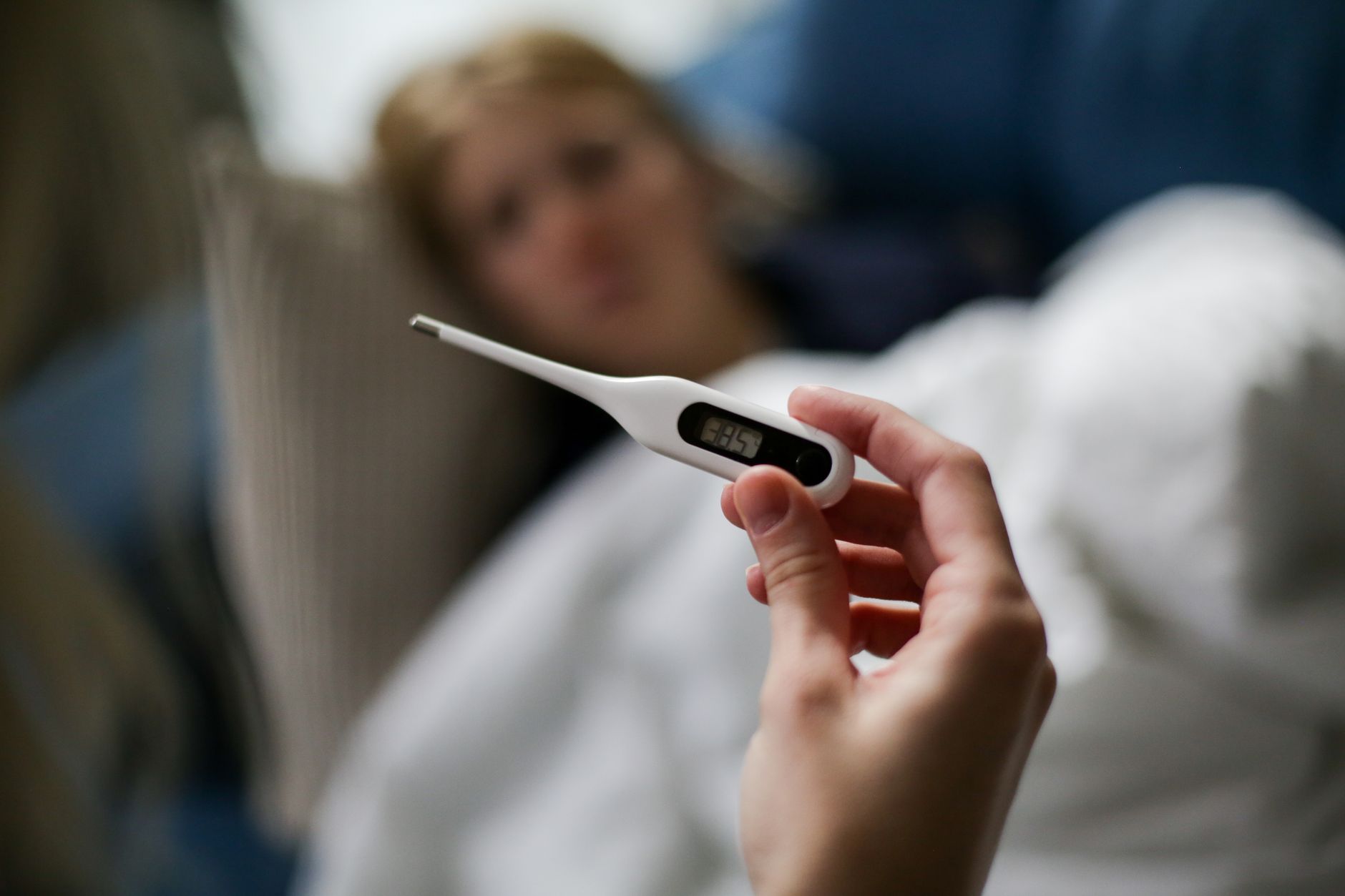
For mild fevers (under 100.4 °F), focus on hydration and comfortable clothing. Acetaminophen can be given if the fever exceeds 100.4 °F, following the pediatrician‑approved dosage chart (usually 10‑15 mg/kg every 4‑6 hours). Avoid alternating medications without guidance.
Because flu can progress quickly, an antiviral prescription (oseltamivir) may be offered for high‑risk infants. This medication must be started within 48 hours of symptom onset and is dosed based on weight. Always confirm the plan with your healthcare provider.
Antihistamines are rarely needed in infants under one year, but a pediatrician may recommend a low‑dose, non‑sedating antihistamine for severe itching. Nasal saline drops remain the first line for congestion.
Regardless of the cause, never give aspirin to a baby, as it raises the risk of Reye’s syndrome—a serious condition linked to viral infections.
Natural remedies for baby cold symptoms
Many parents seek gentle, natural ways to soothe a sniffly infant. Here are evidence‑backed options:
- Breast‑milk drops: A few drops of expressed breast milk into each nostril can act as a natural saline solution and may contain antibodies.
- Warm steam: Sitting with your baby in a steamy bathroom (short, 5‑minute sessions) can loosen mucus. Keep the environment safe—no hot water near the baby.
- Chamomile tea: For babies older than six months, a tiny sip of diluted chamomile tea may calm coughing, but always check with your pediatrician first.
These remedies are supportive; they don’t replace medical treatment when a serious infection is suspected.
How to boost baby immune system during cold season
While you can’t shield your baby from every germ, certain habits strengthen their developing immunity:
- Breast‑feeding: Offers antibodies that protect against respiratory viruses, as highlighted by the CDC.
- Vaccinations: Keep immunizations up‑to‑date, including the flu vaccine for children six months and older.
- Hand hygiene: Wash caregivers’ hands for at least 20 seconds before handling the baby; use alcohol‑based rubs when soap isn’t available.
- Balanced diet: Once solids are introduced, include vitamin‑C‑rich foods like mashed sweet potatoes and pureed peas.
- Adequate sleep: Consistent sleep routines support immune function; aim for 14‑17 hours of sleep for infants.
These practices, combined with a smoke‑free environment, reduce the risk of severe cold or flu episodes.
Myth vs. fact
Myth: A baby’s runny nose always means a cold.
Fact: Clear, watery mucus that persists for weeks, especially with itchy eyes, points more toward allergies.
Myth: Over‑the‑counter cough syrups are safe for infants.
Fact: The FDA warns that cough medicines are not approved for children under two years due to the risk of serious side effects.
Myth: The flu vaccine can give your baby the flu.
Fact: The flu shot contains inactivated virus; it cannot cause flu. It safely prepares the immune system, as confirmed by the CDC.
Key takeaways
- Fever ≥ 100.4 °F in infants under three months warrants a doctor’s visit.
- Flu usually brings a sudden high fever, rapid breathing, and lethargy—different from a gradual cold.
- Allergy symptoms are clear, itchy, and last longer than a typical cold.
- Safe home care includes saline drops, humidified air, and proper hydration.
- Vaccination, hand hygiene, and breastfeeding are the best defenses during cold season.
- Watch for red‑flag signs—trouble breathing, dehydration, or prolonged fever—and seek professional care promptly.
Frequently asked questions
How can I tell if my baby has the flu or a cold?
Look for a rapid onset of high fever (≥ 100.4 °F), chills, and breathing changes. Colds develop slower, often with low‑grade fever or none, and a softer cough. If fever spikes quickly or breathing feels fast, call your pediatrician.
Are allergy symptoms in babies different from cold symptoms?
Yes. Allergies produce clear, watery nasal discharge, frequent sneezing, and itchy watery eyes without fever. Colds usually have thicker mucus, may cause a mild fever, and improve within a week.
When should I call the pediatrician for my baby's cold or flu?
Call immediately if your baby is under three months with any fever, shows rapid breathing, has fewer than six wet diapers in 24 hours, or becomes unusually lethargic. For flu‑suspected infants, seek care within 48 hours for possible antiviral treatment.
Can a baby get the flu vaccine if they are under 6 months?
The flu vaccine is not approved for infants younger than six months. However, the CDC recommends that close contacts—parents, siblings, caregivers—be vaccinated to create a protective “cocoon” around the baby.
What home treatments are safe for a baby with a cold?
Use sterile saline nasal drops, a cool‑mist humidifier, keep the baby well‑hydrated with breast‑milk or formula, and gently suction nasal passages with a bulb syringe. Acetaminophen can be used for fever, but only at the weight‑based dose your doctor approves.
How long does flu typically last in infants?
Flu symptoms usually last 7‑10 days, but fatigue and a lingering cough can continue for up to two weeks. If fever persists beyond five days or you notice new symptoms, contact your pediatrician.
When to see a doctor / specialist
If your baby exhibits any of the following, seek medical care promptly:
- Fever ≥ 100.4 °F (38 °C) in infants under three months.
- Rapid breathing (> 60 breaths per minute), wheezing, or chest retractions.
- Signs of dehydration: dry mouth, fewer than six wet diapers, or sunken fontanelle.
- Persistent vomiting or inability to feed for more than a few hours.
- Severe irritability or lethargy that does not improve with soothing.
- Symptoms lasting longer than 10 days without improvement, suggesting possible bacterial infection or chronic allergy.
This article provides general information and is not a substitute for personalized medical advice. Always consult your pediatrician or a qualified healthcare professional for concerns about your baby’s health.
References
- American Academy of Pediatrics. “Management of Fever in Infants.” AAP Clinical Practice Guideline, 2023.
- Centers for Disease Control and Prevention. “Flu Treatment Guidelines for Children.” CDC, 2024.
- National Institute of Allergy and Infectious Diseases. “Allergic Rhinitis in Children.” NIH, 2022.
- World Health Organization. “Influenza (Seasonal).” WHO Fact Sheet, 2023.
- American Academy of Pediatrics. “Allergy Testing in Infants and Young Children.” AAP, 2022.
- Harvard T.H. Chan School of Public Health. “Hand Hygiene in the Home.” 2024.
- U.S. Food and Drug Administration. “Cough and Cold Medications for Children.” FDA, 2023.
- National Center for Immunization and Respiratory Diseases. “Flu Vaccine Recommendations for Children.” CDC, 2024.
- American College of Obstetricians and Gynecologists. “Maternal Immunization and Infant Protection.” ACOG, 2023.
- Johns Hopkins Medicine. “Managing Infant Respiratory Infections.” Johns Hopkins, 2023.



