When a baby can’t cough, cry, or breathe, the obstruction is likely complete. The immediate goal is to create enough force to expel the object while maintaining airway patency.
- Stay calm. Your breathing pattern helps the baby stay calm, too.
- Check the mouth quickly—if you see a visible object, remove it with a single finger sweep (see the “finger sweep” section). Do not dig blindly.
- Perform five back blows, then five chest thrusts. Continue alternating until the object is expelled or professional help arrives.
- If the baby becomes unresponsive, start infant CPR immediately and call emergency services.
Remember, a baby who cannot cough is in a medical emergency. The response time between the first sign and brain injury can be as short as 4–5 minutes, underscoring the need for swift action.
In addition to the physical steps, keep your voice soothing and your hands steady. A calm caregiver can help keep the baby’s airway more relaxed, which can aid the expulsion of the blockage.
Baby choking first aid steps for infants under 6 months
Infants younger than six months have relatively large heads and weak neck muscles, which changes how you position them for back blows and chest thrusts.
Special considerations for newborns and young infants
- Support the head and neck with one hand while delivering blows with the other, ensuring you do not compress the airway further.
- Use only the heel of the hand for back blows; the force needed is less than for older infants.
- Chest thrusts should be performed using two fingers placed just below the nipple line, pressing down about 1.5 inches (4 cm).
- Never perform a Heimlich maneuver (abdominal thrusts) on a baby under one year—this technique is reserved for children over one year and adults.
Because the airway is proportionally smaller, even a tiny piece of food can cause a blockage. That’s why early detection and the correct baby choking first aid steps are crucial.
ACOG’s Committee on Obstetric Practice emphasizes that parents should be educated on infant choking prevention before discharge from the hospital, reinforcing that knowledge of these steps should start well before the first solid foods are introduced.
When to call emergency services for a choking baby
Time is brain. If a baby shows any of the following, dial 911 (or your local emergency number) without hesitation:
- Unable to cry, cough, or make any sound.
- Skin turning blue or gray, especially around the lips.
- Loss of consciousness.
- Persistent gagging that doesn’t resolve after three cycles of back blows and chest thrusts.
- Severe distress after an attempt to clear the airway.
Even if you think you cleared the obstruction, a brief medical evaluation is advisable. A pediatrician can assess for any lingering airway irritation or aspiration.
The NHS advises that callers should stay on the line and describe the baby’s age, the steps already taken, and any visible objects. This information helps emergency responders arrive prepared with the right equipment.
Difference between choking and gagging in babies
Gagging is a protective reflex that helps keep a baby’s airway clear, while choking is a blockage that prevents air flow. Understanding the distinction helps you respond appropriately.
Key differences
If the baby can still make noise or cough, it’s likely gagging. However, if the baby cannot breathe or the distress escalates, treat it as choking and begin the first aid steps immediately.
Studies from the American Academy of Pediatrics (AAP) show that parents who can differentiate these two signs are more likely to call for help promptly, improving outcomes.
How to clear a baby's airway with a finger sweep
A finger sweep is only for visible obstructions. Blind sweeps can push an object deeper and worsen the blockage.
Safe finger‑sweep protocol
- Open the baby’s mouth with a gentle thumb‑to‑index‑finger grip.
- Look for any object you can see clearly.
- If you spot it, use a single finger (not the thumb) to gently pull it out.
- Do not dig or scrape; stop if you cannot see the object.
After a successful sweep, resume back blows and chest thrusts as needed. If the sweep fails to reveal anything, move straight to the alternating blow‑thrust sequence.
The FDA regulates the safety of infant feeding accessories, recommending that any device used for emergency removal be made of soft, medical‑grade plastic to avoid injury to the delicate oral tissues.
Signs a baby is choking vs normal breathing
Distinguishing choking from normal infant breathing patterns can be tricky, especially when a baby is sleepy or feeding.
Symptoms checklist
- Sudden, high‑pitched sound or silence.
- Clutching at the throat (rare in very young infants).
- Rapid, shallow breathing or complete lack of breath.
- Blue or gray lips, fingertips, or nail beds.
- Drooling or inability to swallow saliva.
- Loss of consciousness or limpness.
If you notice any of these signs, assume choking until proven otherwise. Prompt action saves lives.
According to the CDC, early recognition of these signs is the single most important factor in preventing fatal outcomes from infant choking.
First aid training for baby choking emergencies
Knowing the steps is half the battle; practicing them builds confidence. Here’s how to get trained.
Where to learn
- American Red Cross infant CPR and choking courses (in‑person or virtual).
- Local hospitals or community health centers often host free workshops.
- Online platforms like the American Heart Association offer certified video modules.
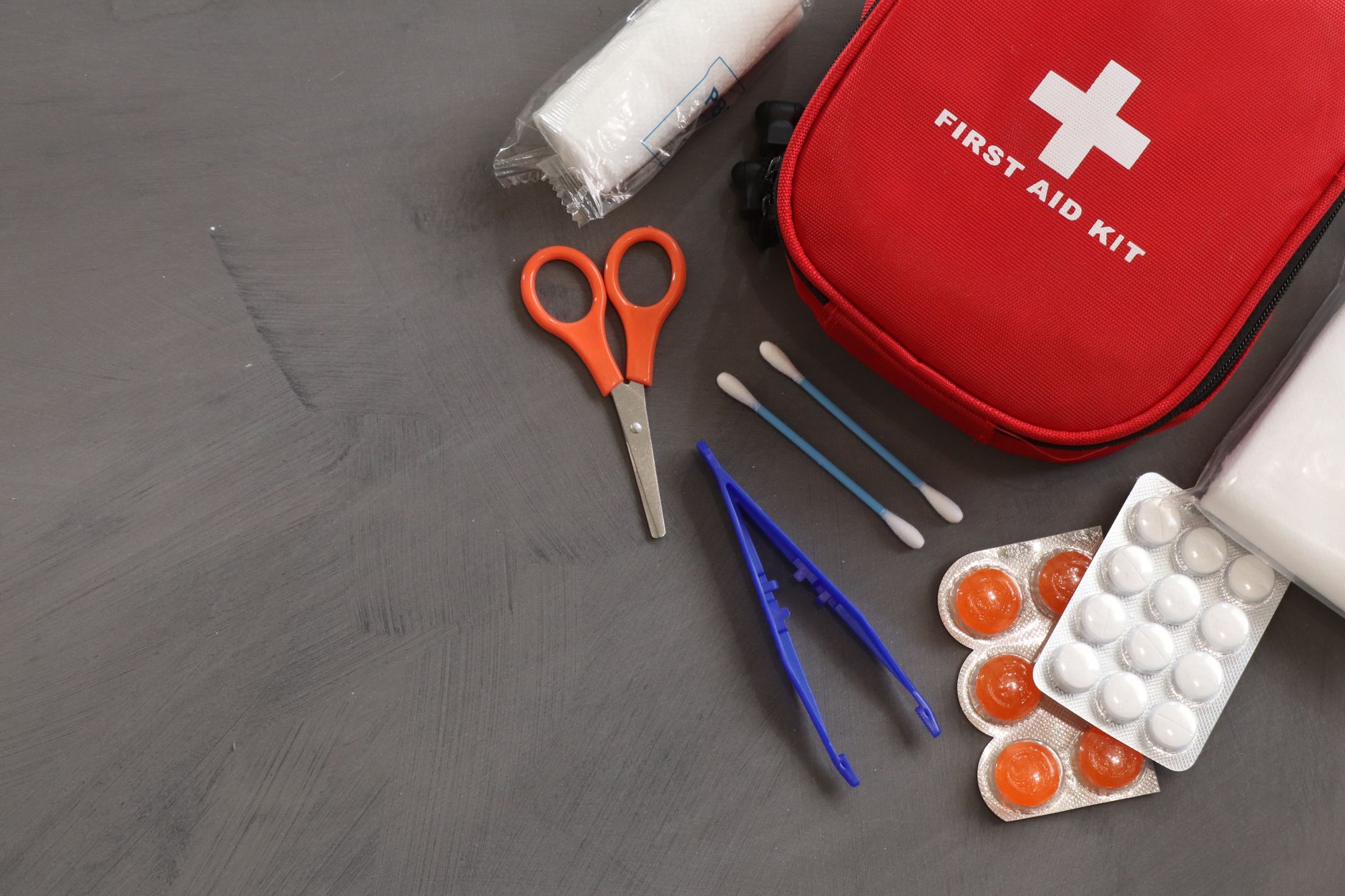
Best baby choking first aid kit for parents
A well‑stocked kit ensures you have the tools you need while you focus on the airway.
Teaching grandparents baby choking first aid
Grandparents often serve as backup caregivers, so include them in your training plan. Offer a short, hands‑on session, provide the printed instruction card, and rehearse the steps together. Emphasize that “blind” finger sweeps are unsafe—only visible objects should be removed.
Video demonstration of baby choking first aid steps
Visual learners benefit from a short, captioned video. The American Heart Association’s official guide includes a 2‑minute animation that walks through back blows, chest thrusts, and the finger sweep. Bookmark it on your phone for quick access.
Common mistakes in baby choking first aid
- Using too much force on chest thrusts—can cause rib injury.
- Performing abdominal thrusts (Heimlich) on infants under one year.
- Blind finger sweeps that push the object deeper.
- Delaying the call to emergency services while attempting repeated blows.
- Not checking the mouth after the obstruction is cleared, missing a second piece.
Recognizing these pitfalls before they happen improves the odds of a successful rescue.
Practice sessions should include a debrief where you discuss what felt comfortable and what felt awkward. This reflection helps you refine technique and reduces hesitation when a real emergency occurs.
Preventing choking with safe feeding practices
Prevention is the most powerful tool you have. The way you introduce foods, choose bottle nipples, and supervise meals can dramatically lower choking risk.
Introducing solids safely
- Wait until your baby shows signs of readiness—good head control, ability to sit up with support, and interest in foods.
- Start with single‑ingredient purees that are smooth and free of lumps. Gradually thicken texture over weeks.
- Never give whole grapes, nuts, popcorn, or hard candy until after age two, as recommended by the NHS.
- Always sit your baby upright during meals; avoid feeding while they are lying down or overly sleepy.
The AAP’s 2022 Feeding Guidelines stress that parents should avoid “choking‑hazard foods” and keep a close eye on the baby’s mouth. A simple rule is the “size‑of‑your‑thumb” test: any piece that can’t fit into your thumb’s tip is too large for an infant.
Choosing bottles and nipples
Fast‑flow nipples can cause a baby to gulp air or aspirate milk. Look for nipples that are labeled “slow flow” for infants under six months. The FDA’s infant feeding device standards require that flow rates be clearly indicated on packaging.
When bottle‑feeding, pause frequently to burp the baby and to ensure they are swallowing rather than choking. If you notice a sudden gag, stop the feed, sit the baby upright, and gently pat the back.
Supervision and environment
Never leave a baby unattended with food or a bottle, even for a few seconds. Keep small objects, toys with detachable parts, and loose jewelry out of reach. A tidy feeding area reduces the chance of an accidental bite of a non‑food item.
Creating a “choking‑free zone” in the kitchen—where only age‑appropriate items are within arm’s reach—can become a habit that protects your child well beyond the infant years.

Choking first aid for babies with special health needs
Some infants have medical conditions that affect swallowing or airway protection, such as prematurity, gastroesophageal reflux disease (GERD), or neuromuscular disorders. These babies may be at higher risk for choking.
Tailoring the response
- For babies with known reflux, keep them upright for at least 30 minutes after feeding and consider a thicker formula if approved by a pediatrician.
- If your child has a diagnosed swallowing disorder, work with a speech‑language pathologist to develop a safe feeding plan that includes appropriate food textures.
- Premature infants often have weaker suck‑swallow‑breathe coordination; they may benefit from specialized feeding equipment and closer monitoring during meals.
When a baby with a special health need begins to choke, you should still follow the standard back‑blow and chest‑thrust sequence, but be prepared to call emergency services sooner. The CDC advises that infants with underlying conditions may desaturate faster, so a lower threshold for calling 911 is prudent.
Consult your pediatrician about creating a personalized emergency action plan. Many hospitals now offer “high‑risk infant” discharge packets that include step‑by‑step choking first aid cards, similar to those used in neonatal intensive care units (NICUs).
How to create a family choking emergency plan
Even if you’re confident in your own ability to respond, a clear, shared plan ensures everyone knows their role when seconds count.
Key components of the plan
- Designate a primary responder. This is the adult who will perform back blows and chest thrusts.
- Assign a call‑out person. Someone else should call 911 immediately and stay on the line.
- Locate the first‑aid kit. Keep it in a known spot—ideally on a high shelf in the nursery.
- Practice drills. Run through the steps once a month with a doll, so muscle memory develops.
- Update contact info. Include the pediatrician’s after‑hours line, local poison control, and the nearest emergency department.
Write the plan on a laminated card and stick it on the fridge. When grandparents or babysitters are caring for your baby, review the plan together before each shift. A simple rehearsal can mean the difference between hesitation and decisive action.
ACOG recommends that all families with infants receive a printed “Emergency Action Sheet” before discharge, reinforcing that preparedness is a shared responsibility.

Myth vs. fact
Clearing a choking baby is surrounded by myths that can delay lifesaving action.
Myth: “If the baby is coughing, you should wait for it to cough out the object.”
Fact: A baby who cannot cough effectively is likely unable to clear the airway on their own. Begin back blows and chest thrusts immediately.
Myth: “The Heimlich maneuver works for all ages.”
Fact: The Heimlich (abdominal thrusts) is only recommended for children older than one year and adults. Infants require back blows and chest thrusts.
Myth: “A blind finger sweep will always help.”
Fact: Blind sweeps can push the object deeper and cause more harm. Only remove objects you can see.
Key takeaways
- Recognize choking signs quickly: silent, high‑pitched sounds, blue lips, or inability to breathe.
- Use up to five back blows followed by five chest thrusts; repeat until the airway clears.
- Never perform a blind finger sweep—only remove visible objects.
- Call 911 immediately if the baby doesn’t breathe, turns blue, or you can’t clear the blockage.
- Practice the steps with a doll and keep a small infant first‑aid kit handy.
- Seek medical follow‑up after any choking event, even if the baby seems fine.
- Develop a family emergency plan and train all caregivers, including grandparents.
- Tailor prevention and response strategies for babies with special health needs.
Frequently asked questions
Can a baby choke on milk?
Yes. While milk is a liquid, a baby can aspirate it if they suck too quickly or have reflux. Aspiration can cause choking‑like symptoms and may lead to pneumonia if the milk enters the lungs. If you suspect milk aspiration, place the baby upright, gently pat the back, and monitor breathing. Call emergency services if the baby shows signs of distress.
How many back blows should I give a choking baby?
Give up to five firm back blows between the shoulder blades. If the object doesn’t dislodge, immediately follow with five chest thrusts. Continue the cycle—five blows, five thrusts—until the airway clears or help arrives.
The Heimlich maneuver (abdominal thrusts) is not recommended for infants under one year. For babies, use back blows and chest thrusts. Only children older than one year and adults receive abdominal thrusts.
What are the signs that a baby is actually choking?
Key signs include a sudden, high‑pitched sound or complete silence, inability to cry or cough, bluish skin or lips, clutching at the throat (rare in very young infants), rapid, shallow breathing, and loss of consciousness. If any appear, treat it as choking.
Is it safe to use a finger sweep on a choking baby?
Only if you can see the object clearly. A blind finger sweep can push the blockage deeper and cause more injury. If you cannot see anything, skip the sweep and continue with back blows and chest thrusts.
How long should I wait before calling 911 for a choking baby?
Do not wait. If the baby cannot breathe, turns blue, or you cannot clear the airway after three cycles of back blows and chest thrusts, call 911 immediately. Early activation of emergency services improves outcomes.
How long can a baby survive choking before brain damage occurs?
Brain cells begin to suffer irreversible damage after about 4–5 minutes without oxygen. This short window makes rapid intervention—back blows, chest thrusts, and emergency calling—critical.
What should I do if the baby vomits during a choking episode?
If a baby vomits while you’re performing back blows or chest thrusts, gently tilt the head forward and clear the mouth with a finger sweep only if you see a visible object. Resume back blows and chest thrusts as soon as the airway is clear. Vomiting can increase the risk of aspiration, so call 911 if breathing does not improve quickly.
Can I use a suction device on a choking infant?
Only after the obstruction is cleared. Suction bulbs are useful for removing excess saliva or mucus, but they should not be used to pull out a lodged object. The FDA advises that suction devices be used only under professional guidance when the airway is already open.
When to see a doctor / specialist
If you’ve cleared the airway but notice any lingering respiratory issues, schedule a pediatric evaluation promptly. A pediatrician or pediatric pulmonologist can assess for aspiration, airway injury, or infection.
Call emergency services (911) right away if the baby shows any of the following red‑flag symptoms:
- Persistent coughing, wheezing, or choking sounds after the incident.
- Blue or gray discoloration that does not resolve quickly.
- Loss of consciousness or unresponsiveness.
- Vomiting repeatedly or refusing to feed.
- Fever or signs of infection within 24 hours.
These signs indicate that professional medical care is needed to prevent complications such as pneumonia, airway scarring, or neurological injury.
References
- American Heart Association. Infant CPR and Choking Guidance. 2023.
- American Red Cross. First Aid and CPR for Infants. 2022.
- American Academy of Pediatrics. Safe Feeding Practices for Infants. Policy Statement, 2021.
- National Institute of Child Health and Human Development. Choking Prevention in Infancy. 2022.
- World Health Organization. Child Safety and Injury Prevention. 2020.
- U.S. Consumer Product Safety Commission. Preventing Choking Hazards in Young Children. 2021.
- Centers for Disease Control and Prevention. Infant Aspiration and Respiratory Emergencies. 2023.
- American College of Obstetricians and Gynecologists. Guidelines for Parental Education on Infant Safety. 2022.
- National Health Service (UK). Choking in Children: First Aid Advice. 2023.
- U.S. Food and Drug Administration. Infant Feeding Device Safety Standards. 2022.