Quick take:
The autism diet for weight loss—often a gluten-free, casein-free (GFCF) or low-FODMAP approach—can help some autistic individuals lose weight by reducing inflammation, improving gut health, and addressing sensory sensitivities. However, it’s not a one-size-fits-all solution, and rapid weight loss carries risks like nutrient deficiencies or metabolic slowdown. Success depends on personalizing the plan with a dietitian, using sensory-friendly strategies, and monitoring progress with visual tools. Always consult a healthcare provider before starting any new diet, especially for nonverbal adults or teens.
Can an autism diet for weight loss actually work for nonverbal autistic adults?
Imagine it’s 2:30 a.m., and your nonverbal autistic adult son is pacing the kitchen, staring at the fridge with a look that says, *"This food is wrong."* You’ve tried everything—bribes, distractions, even hiding the junk food—but nothing sticks. Then you stumble on a parent’s Reddit post: *"My son lost 15 pounds in three months on the autism diet, and he actually asked for dinner instead of screaming."* That’s the moment many caregivers find themselves Googling *"autism diet for weight loss"*—not just for weight, but for peace.
For nonverbal autistic adults, weight management is often a battle fought on two fronts: the physical (digestion, metabolism, inflammation) and the sensory (texture, temperature, smell). The autism diet—rooted in the gluten-free, casein-free (GFCF) or low-FODMAP approaches—isn’t just about calories; it’s about creating a diet that doesn’t trigger meltdowns, constipation, or food refusal. While anecdotal success stories abound, the science is nuanced. Some research suggests that autistic individuals may have higher rates of gastrointestinal issues and metabolic dysregulation, which could make dietary interventions more impactful. But others warn that restrictive diets without guidance can lead to deficiencies or disordered eating patterns.
Here’s the reality: there’s no magic bullet, but for some, the autism diet can work—if tailored carefully. The key lies in addressing both the biological (gut health, inflammation) and the sensory (preference, routine). Below, we’ll break down how to adapt the diet for nonverbal adults, what the latest research says, and how to avoid common pitfalls.
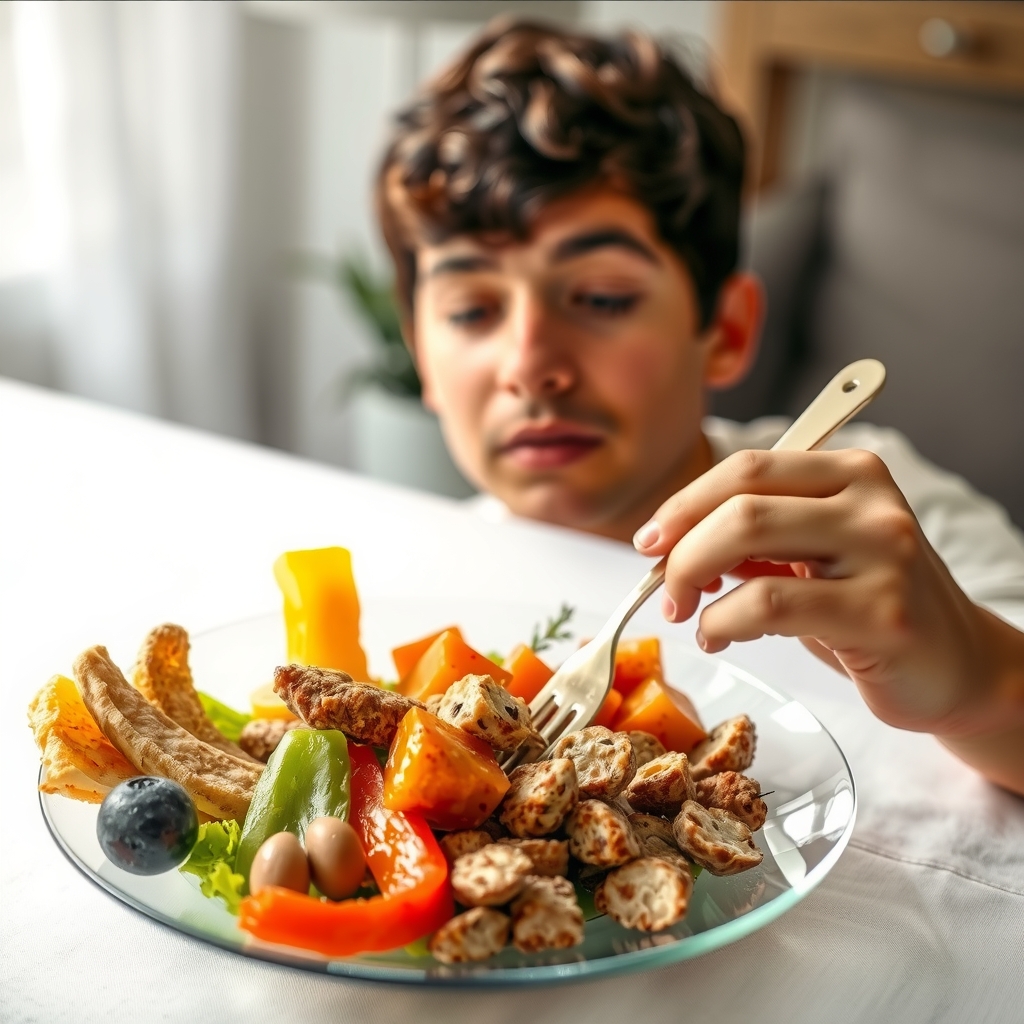
How the autism diet differs for nonverbal vs. verbal autistic individuals
The biggest difference isn’t the food itself, but how it’s introduced. For verbal adults, you might negotiate: *"If you eat the chicken, we’ll watch your favorite show."* For nonverbal individuals, the approach often relies on:
- Visual schedules: A step-by-step picture chart showing *"wash hands → pick food → eat → praise"* can reduce anxiety.
- Sensory accommodations: Silicone utensils, warm (not cold) food, and clear plates with minimal clutter.
- Choice-making tools: A board with two food options (e.g., *"apple or banana"*) to avoid power struggles.
One parent of a nonverbal 22-year-old shared: *"He’d only eat Goldfish crackers until we switched to the autism diet. Now he’ll try roasted chickpeas—same crunch, but no meltdowns."* The trick is to replicate familiar textures while slowly introducing new ones.
What the science says about weight loss on the autism diet
The autism diet isn’t a formalized weight-loss protocol like keto or ADHD-friendly diets, but studies on gluten-free/casein-free diets in autism show mixed results. A 2022 review in Journal of Autism and Developmental Disorders noted that while some autistic children experienced weight loss and improved behavior, others saw no change. The variability suggests that individual gut health and metabolic responses matter more than the diet alone.
For weight loss specifically, the autism diet may help by:
- Reducing inflammation: Gluten and casein are common triggers for gut irritation, which can slow metabolism.
- Improving gut motility: Low-FODMAP foods can ease constipation, a common issue in autism that indirectly affects weight.
- Eliminating hidden calories: Many processed foods (even "healthy" snacks) contain gluten or casein, which can add up in calories.
But be cautious: Rapid weight loss isn’t safe for anyone, especially those with autism who may have irregular eating patterns. The American Academy of Pediatrics advises against diets that restrict more than 1,200 calories/day for adults or 1,000 for teens without medical supervision.
---
What foods should be avoided on an autism diet plan for rapid weight loss?
You’re standing in the grocery store aisle, staring at the gluten-free section, wondering: *"Is this really going to help, or am I just spending more money on overpriced rice cakes?"* The short answer? It depends. The autism diet isn’t a one-size-fits-all elimination plan, but certain foods are frequently flagged for their potential to worsen sensory issues, gut discomfort, or inflammation—all of which can hinder weight loss.
The most commonly avoided foods on an autism diet for weight loss include:
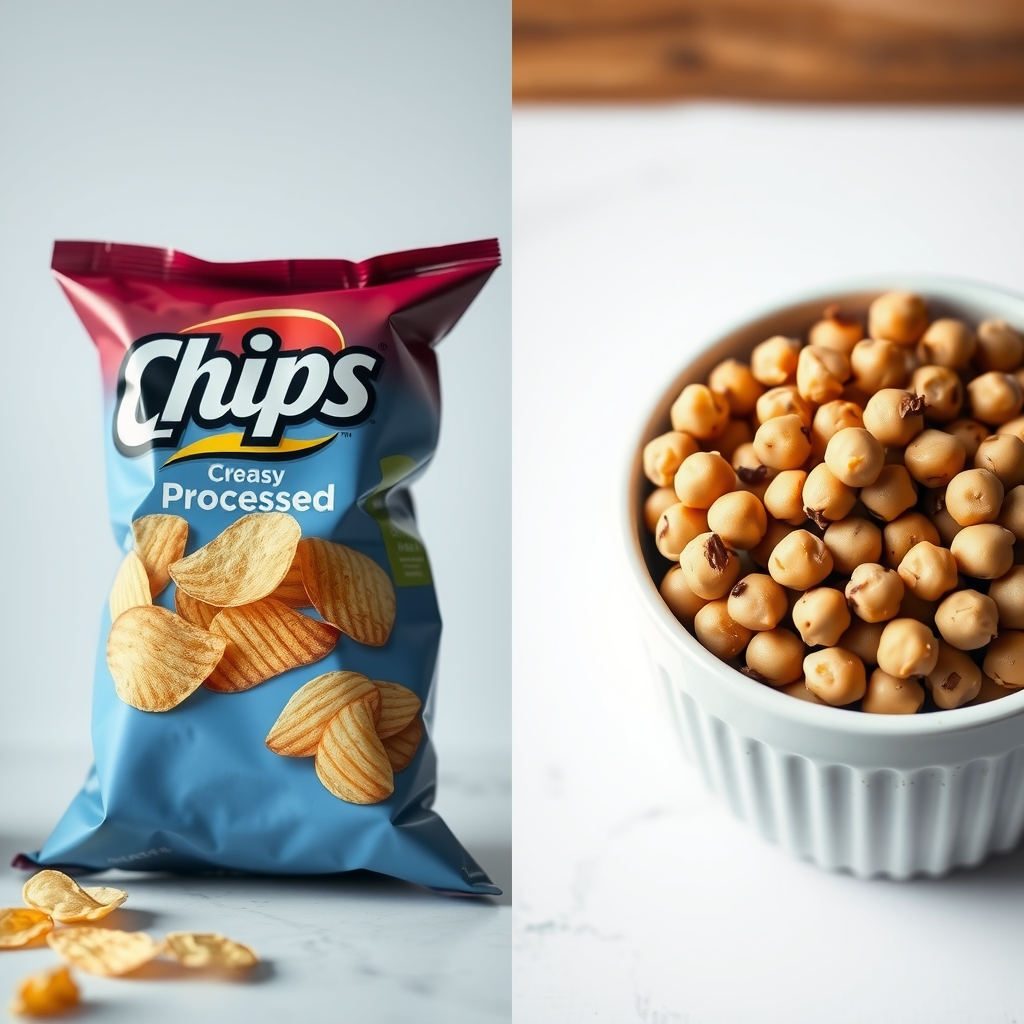
What about "autism-safe" processed foods?
You’ll find gluten-free "autism-friendly" snacks in stores, but beware: many are loaded with sugar or artificial sweeteners. For example, a gluten-free chocolate bar might be casein-free but still spike blood sugar. Prioritize whole foods whenever possible:
- Proteins: Eggs, chicken, turkey, fish, tofu.
- Fats: Avocados, nuts (if tolerated), olive oil, coconut oil.
- Carbs: Rice, quinoa, sweet potatoes, gluten-free oats.
- Veggies: Spinach, zucchini, carrots (low-FODMAP options).
One parent of a picky eater noted: *"We thought gluten-free crackers would be the answer, but they just made him crave sugar more. Now we bake our own with almond flour—same crunch, no meltdowns."*
---
How does the autism diet differ from keto or intermittent fasting for weight management?
You’re scrolling through weight-loss forums and see three diets touted as "perfect for autism": keto, intermittent fasting, and the autism diet. Which one’s right for your family? The answer depends on your goals, your autistic individual’s needs, and how they respond to restrictions. Let’s break down the key differences:
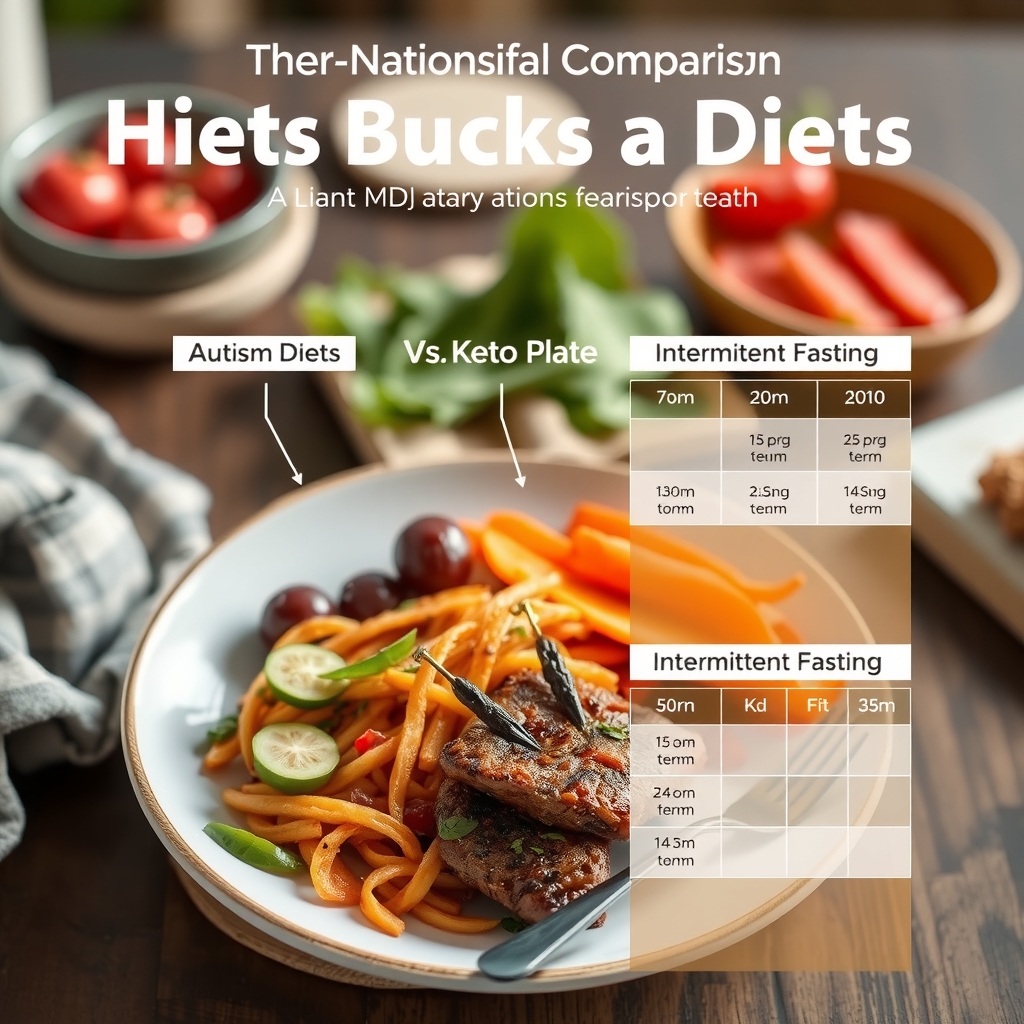
When to choose the autism diet over others
Consider the autism diet if:
- Your autistic individual has gastrointestinal issues (constipation, diarrhea, bloating).
- They’re highly sensitive to textures or smells (e.g., rejects most foods).
- They’ve had behavioral regressions with past dietary changes.
- You want a sustainable, not extreme approach.
Skip it if:
- They’re already gluten-free/casein-free and weight loss stalls.
- You’re dealing with rapid weight loss needs (keto or IF may be faster).
- They have no gut symptoms but still struggle with weight.
For example, a teen with severe constipation might thrive on the autism diet but crash on keto due to electrolyte imbalances. Meanwhile, an adult with ADHD who forgets to eat might do better with intermittent fasting’s structured windows.
---
What are the best meal prep ideas for an autism diet focused on weight loss?
You’re back from work, exhausted, and the question looms: *"What’s for dinner?"* Meal prep is your lifeline, but autistic adults often resist repetitive meals or unfamiliar textures. The goal? Minimize stress for everyone—including you. Here’s how to prep meals that work for the autism diet and your schedule.
Rule 1: Make it visual and predictable. Autistic individuals often do best with:
- Clear containers: Use glass or clear plastic so they can see the food (e.g., portioned quinoa in a jar).
- Familiar flavors: If they love mac and cheese, make it with cauliflower and nutritional yeast.
- Portion control: Pre-portion snacks (e.g., 10 almonds in a small container) to avoid overconsumption.
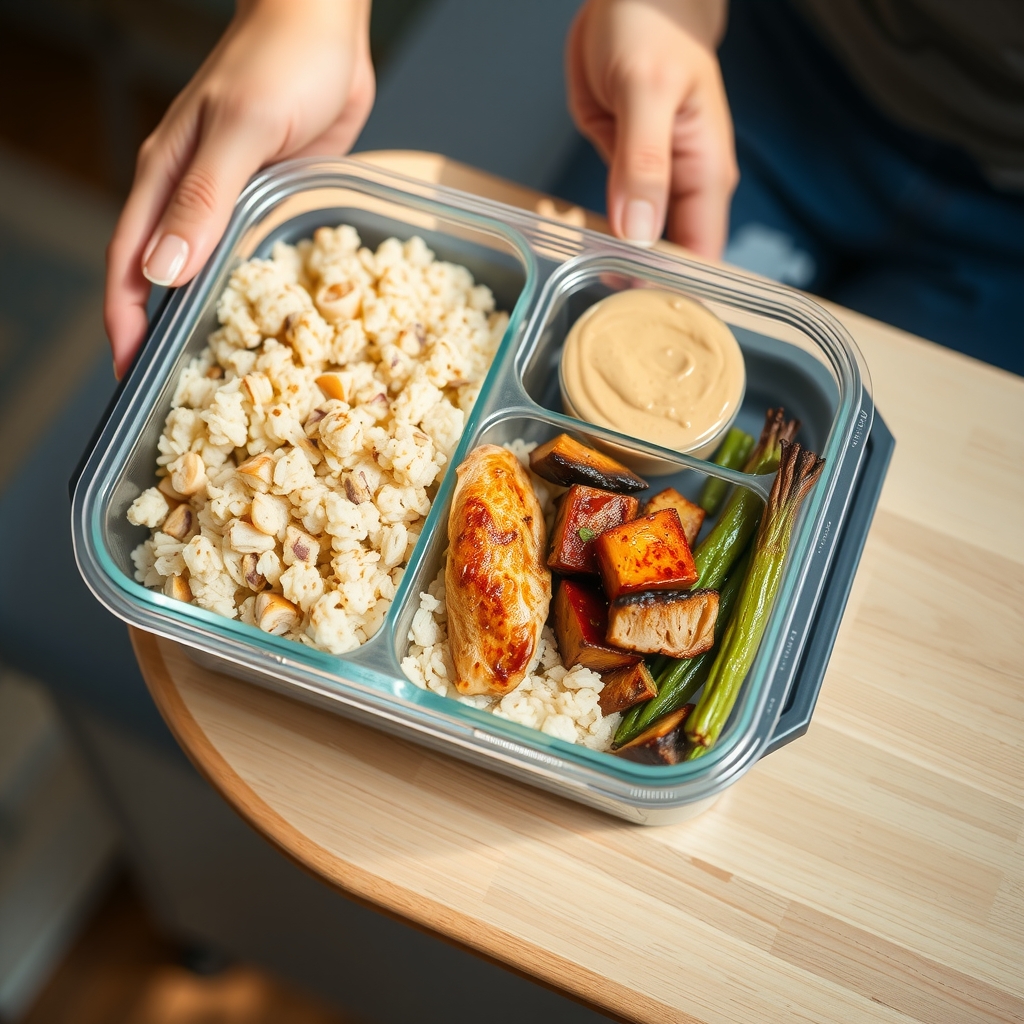
7-Day Autism Diet Meal Plan for Weight Loss
Here’s a sample plan with sensory-friendly swaps:
Autism Diet Grocery List: Foods to Enjoy vs. Limit
Enjoy:
- Proteins: Eggs, chicken, turkey, fish, tofu, lentils.
- Fats: Olive oil, avocado, nuts (if tolerated), coconut oil.
- Carbs: Rice, quinoa, sweet potatoes, gluten-free oats, gluten-free pasta.
- Veggies: Spinach, zucchini, carrots, cucumber, bell peppers.
- Fruits: Berries, bananas, apples (peeled), oranges.
Limit/Avoid:
- Gluten: Wheat, barley, rye, most breads, pasta, beer.
- Dairy: Milk, cheese, yogurt (if casein-sensitive).
- High-FODMAP foods: Onions, garlic, apples, pears, wheat.
- Processed foods: Hot dogs, deli meats, frozen meals.
- Artificial sweeteners: Sucralose, aspartame (may trigger sensory issues).
Common Meal Prep Mistakes (and How to Fix Them)
Mistake: *"I prepped all week, but they only ate one meal."*
Fix: Involve them in the process. Let them pick one meal to help prep (e.g., washing veggies) to build ownership.
Mistake: *"The food looks different, and they refused it."*
Fix: Use the same serving dishes and keep portions identical to their favorite meals.
Mistake: *"I forgot to account for sensory textures."*
Fix: Test new foods one at a time and use the "5-second rule": If they don’t like it after 5 seconds, try again later.
---
Can supplements like omega-3s or probiotics enhance weight loss on an autism diet?
You’re at the pharmacy, staring at the supplement aisle, wondering: *"Do I really need to spend more money on these pills, or is this just another wellness scam?"* For autistic individuals, supplements can play a role in weight loss—if they address specific deficiencies or gut issues. But not all supplements are created equal, and some can even interfere with medications or cause side effects.
Supplements to consider (with caution):

When to avoid supplements
Skip supplements if:
- They cause digestive upset (e.g., probiotics give them gas).
- They’re on medications (e.g., omega-3s and blood thinners).
- You haven’t tested for deficiencies first (e.g., vitamin D blood test).
One parent shared: *"We tried probiotics, and his constipation got worse. Turns out, he needed more fiber—not more bacteria. Now we focus on chia seeds and prunes."* Always introduce supplements one at a time and monitor for changes.
---
What are the potential side effects of an autism diet for weight loss in teens?
You’re scrolling through a Facebook group for parents of autistic teens, and the thread is full of warnings: *"My daughter lost 10 pounds in a month—then her energy crashed."* The autism diet isn’t inherently dangerous, but poorly managed weight loss can be. Teens are still growing, and rapid changes—even dietary ones—can disrupt hormones, metabolism, and mental health. Here’s what to watch for:
Common side effects (usually temporary):
- Fatigue or brain fog: Cutting carbs too quickly can deplete glycogen stores.
- Irritability or mood swings: Blood sugar drops can mimic ADHD symptoms.
- Constipation: Low-fiber diets (if not balanced) can slow digestion.
- Increased anxiety: Restrictive diets can trigger food-related stress.
- Hormonal imbalances: Rapid weight loss may affect thyroid or cortisol levels.
Serious red flags (see a doctor immediately):
- Weight loss > 2 lbs/week without explanation.
- Dizziness, fainting, or irregular heartbeats.
- Extreme fatigue that doesn’t improve with rest.
- Signs of disordered eating (e.g., hiding food, bingeing).
- New onset of depression or suicidal thoughts.

How to support teens through the transition
1. Prioritize protein and healthy fats to prevent muscle loss. Teens need ~0.8–1.2g of protein per kg of body weight daily.
2. Monitor micronutrients. Teens on restrictive diets often miss out on iron, calcium, and vitamin D. Ask your doctor about supplements.
3. Avoid extreme calorie restriction. Teens should aim for ~1,600–2,000 calories/day (adjust based on activity level).
4. Involve them in the process. Let them choose one new food to try per week to build confidence.
5. Watch for sensory overload. If they’re stressed about food, take a break and revisit the plan later.
One teen shared in an online forum: *"At first, I hated the autism diet because I couldn’t have pizza. But now I like the roasted chickpeas—same crunch, no guilt. And I don’t get so tired after school anymore."* The key is gradual changes and positive reinforcement.
---
How does sensory-friendly cooking impact adherence to an autism diet for weight loss?
You’re in the kitchen, chopping carrots, and your autistic child suddenly covers their ears and screams, *"IT’S TOO LOUD!"* Sensory sensitivities aren’t just a nuisance—they’re a major barrier to sticking with any diet, let alone one designed for weight loss. For autistic individuals, cooking (and eating) can feel like a minefield of textures, smells, and sounds. But with the right strategies, you can make the autism diet less stressful—and more successful.
Sensory-friendly cooking tips:

How to introduce sensory-friendly meals without meltdowns
1. Start with one small change. If they love mac and cheese, swap the pasta for cauliflower—same flavor, different texture.
2. Use a "new food" board. Show them a picture of the new food and let them touch it before eating.
3. Involve them in prep. Let them stir, pour, or arrange food to build comfort.
4. Pair new foods with favorites. Serve roasted zucchini alongside their usual chicken nuggets.
5. Give them control. Let them choose the order of meals or which new food to try first.
One parent of a 10-year-old described: *"She hated broccoli until I roasted it with olive oil and parmesan—same flavor as fries, but healthier. Now she asks for it!"* The goal isn’t perfection; it’s progress.
---
What’s the role of gut health in an autism diet for weight loss and autism spectrum disorders?
You’re at a doctor’s appointment, and the pediatrician says, *"Your son’s gut issues might be linked to his weight struggles."* Suddenly, the autism diet isn’t just about food—it’s about healing the gut. Research increasingly links autism to gastrointestinal (GI) disorders, with up to 90% of autistic children experiencing constipation, diarrhea, or food intolerances. For weight loss, gut health matters because:
- Poor digestion reduces nutrient absorption, making weight loss harder.
- Gut inflammation can slow metabolism and increase cravings.
- Constipation can disrupt eating routines, leading to skipped meals.
How the autism diet supports gut health:
- Eliminates common irritants (gluten, casein, high-FODMAP foods).
- Encourages fiber-rich foods (if tolerated) to ease constipation.
- Promotes probiotics (fermented foods or supplements) to balance gut bacteria.
- Reduces bloating by avoiding gas-producing foods.
Signs of gut issues to watch for
Consult a doctor if your autistic individual has:
- Chronic constipation (fewer than 3 bowel movements/week).
- Diarrhea or alternating constipation/diarrhea.
- Abdominal pain, bloating, or excessive gas.
- Refusal to eat due to pain.
- Weight loss despite eating enough food.
Gut-healing strategies for the autism diet
1. Start with elimination. Remove gluten, casein, and high-FODMAP foods for 4–6 weeks to identify triggers.
2. Add probiotics. Strains like Lactobacillus and Bifidobacterium may improve gut motility.
3. Prioritize hydration. Dehydration worsens constipation; aim for 1.5–2L of water daily.
4. Increase soluble fiber (if tolerated). Oats, applesauce, and flaxseeds can ease digestion.
5. Monitor for deficiencies. Low vitamin D or magnesium can worsen gut symptoms.
One parent of a nonverbal child noted: *"After two months on the autism diet, his constipation disappeared. Now he eats more, and his weight loss is steady—without the meltdowns."* Gut health isn’t just about digestion; it’s the foundation for the whole diet.
---
Myth vs. Fact: Autism Diet for Weight Loss
Myth: *"The autism diet is a magic cure for weight loss in autism."*
Fact: While it may help some individuals lose weight by reducing inflammation and improving gut health, it’s not a guaranteed solution. Results vary based on individual metabolism, sensory needs, and adherence. Always consult a dietitian or healthcare provider before starting.
Myth: *"All autistic individuals should avoid gluten and casein."*
Fact




