Quick take: Altitude sickness can affect pregnant travelers, but with careful planning—gradual ascent, good hydration, and monitoring—most can enjoy high‑altitude trips safely. Know the warning signs, stay below recommended altitude limits for each trimester, and talk to your provider before you go.
Imagine you’re standing on a sun‑kissed ridge at 2,500 m, the world stretching out below, and a sudden light‑headedness makes you wonder if the view is worth the risk. You’re not alone. Many expectant mothers dream of mountain getaways or high‑altitude cities, yet the combination of pregnancy and thin air raises unique concerns. This guide explains everything you need to know about altitude sickness during pregnancy, from how your body changes to safe travel limits, prevention tips, and when to call a doctor.
We’ll walk through the most common questions you might type into Google, offering clear, evidence‑based answers. Whether you’re planning a honeymoon in the Rockies, a family visit to the Andes, or a trek during your second trimester, you’ll find practical advice you can act on the night before you pack.
Read on for a definition of altitude sickness, how pregnancy alters oxygen tolerance, symptom checklists, treatment options, medication safety, and a step‑by‑step travel checklist. All recommendations align with guidance from the American College of Obstetricians and Gynecologists (ACOG), the World Health Organization (WHO), and the National Institute of Health (NIH).
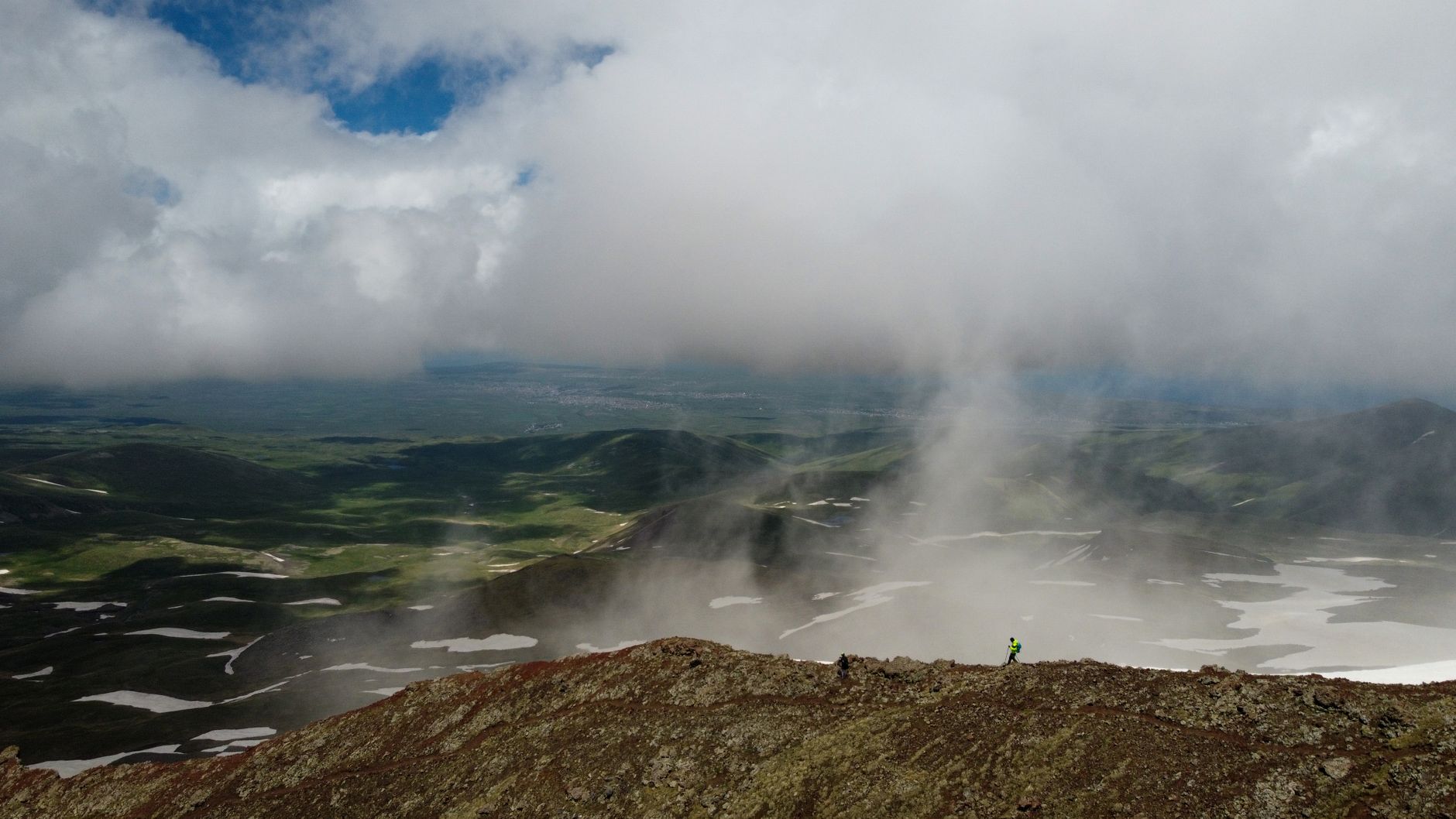
Can pregnant women travel to high altitude destinations safely?
Short answer: Yes, most pregnant women can travel to moderate altitudes (up to about 2,500 m or 8,200 ft) without major risk, provided they follow a few key precautions. The safety of higher elevations—above 3,000 m (9,800 ft)—depends on the trimester, underlying health, and how quickly you ascend.
Altitude sickness risk factors for pregnant women
- Pre‑existing anemia or cardiopulmonary conditions
- Rapid ascent (e.g., flying directly to a high‑altitude city)
- Dehydration or excessive caffeine
- History of prior altitude illness
- Multiple pregnancies (twins or more) which increase oxygen demand
The American College of Obstetricians and Gynecologists notes that pregnancy itself lowers the body’s tolerance for low oxygen because blood volume is already expanded and the placenta demands extra oxygen for the fetus. This means the “usual” altitude threshold for non‑pregnant adults (≈2,500 m) may need to be lowered by a few hundred meters for pregnant travelers.
Pregnancy travel guide for high altitude locations
Before you book, discuss your itinerary with your OB‑GYN. Ask about a pre‑travel oxygen saturation test (pulse oximetry) and consider a baseline hemoglobin check. If your doctor approves, aim for a gradual ascent: spend at least 1–2 days at intermediate elevations before reaching your final destination.
For example, a traveler heading to La Paz (≈3,650 m) might first stay a night in Cochabamba (≈2,500 m) to acclimatize. This “step‑up” approach reduces the chance of severe altitude sickness, which can manifest as headache, nausea, or shortness of breath—symptoms that overlap with typical pregnancy discomforts.
What to pack for high altitude pregnancy travel
- Pulse oximeter (portable fingertip device)
- Hydration bottle with electrolytes
- Compression socks to aid circulation
- Sun protection (broad‑spectrum SPF 30+)
- Light, breathable layers for temperature swings
- Any prescribed prenatal vitamins and a copy of your prenatal chart
Having these items on hand helps you stay comfortable and monitor your health in real time.
What are the symptoms of altitude sickness during pregnancy?
Altitude sickness, also called acute mountain illness (AMI), typically appears within 6–24 hours after a rapid ascent. In pregnancy, the symptom profile can be subtle because many signs mimic common gestational changes.
Symptoms checklist
- Persistent headache that doesn’t improve with usual analgesics
- Unusual shortness of breath at rest (not just with exertion)
- Nausea or vomiting beyond typical morning sickness
- Dizziness or light‑headedness, especially when standing
- Fatigue that feels out of proportion to normal pregnancy tiredness
- Swelling (edema) that rapidly worsens without a clear cause
- Rapid heartbeat (tachycardia) noted on a pulse check
If you notice any of these symptoms, especially a combination, it’s wise to pause your ascent and assess oxygen saturation. A reading below 92 % on a pulse oximeter warrants medical evaluation.
How altitude sickness symptoms differ in pregnant women
Typical altitude headaches may feel more pressure‑like, while pregnancy‑related headaches often stem from hormonal changes. Likewise, nausea can be confused with morning sickness, but altitude‑related nausea often worsens with activity and improves with rest, whereas morning sickness is usually more constant.
Because the placenta relies on oxygen, any drop in maternal oxygen saturation can affect fetal oxygen delivery, making early detection crucial.
How does altitude affect fetal development?
Fetal oxygenation is tightly linked to maternal blood oxygen levels. At higher elevations, the reduced atmospheric pressure means less oxygen per breath, a condition known as hypobaric hypoxia. Most healthy pregnancies adapt through increased red blood cell production, but the adaptation has limits.
Effects of low oxygen on baby during pregnancy
Studies from the National Institutes of Health indicate that sustained maternal hypoxia at altitudes above 3,000 m may be associated with slightly lower birth weights and a modest increase in preterm birth risk. However, these findings are more pronounced in women with pre‑existing anemia or cardiovascular disease.
For most women without risk factors, short‑term exposure (a few days) to moderate altitude (≤2,500 m) does not appear to cause lasting harm to the fetus. The placenta can increase its vascular surface area to compensate, a phenomenon observed in high‑altitude populations such as the Andean and Tibetan peoples.
When altitude sickness can threaten the pregnancy
Severe altitude illness—high‑altitude cerebral edema (HACE) or high‑altitude pulmonary edema (HAPE)—can lead to dangerously low oxygen levels, which may increase the risk of miscarriage or fetal distress. Prompt descent, oxygen therapy, and medical care are essential in these rare but serious cases.
Tips to prevent altitude sickness while pregnant
Prevention is the cornerstone of safe high‑altitude travel. Below are evidence‑based steps you can take before and during your trip.
Acclimatization strategies
- Climb no more than 300–500 m (1,000–1,600 ft) per day once above 2,500 m.
- Include a “rest day” for every 1,000 m (3,280 ft) of gain.
- Use a “sleep‑low, ascend‑high” approach: sleep at a lower elevation while doing brief daytime hikes at higher spots.
- Consider using a portable oxygen concentrator for the first 24–48 hours at altitude.
Hydration and nutrition
Stay ahead of dehydration by drinking 2.5–3 L of water daily. Add electrolytes (sodium, potassium) especially if you’re sweating on a hike. Eat frequent, balanced meals rich in iron (leafy greens, lentils) to support the increased red blood cell production.
Activity modification
Limit strenuous exercise to short, low‑intensity sessions. Opt for gentle walking or yoga rather than high‑intensity cardio. Listen to your body—if you feel unusually winded, pause and rest.
What to pack for high altitude pregnancy travel
In addition to the items listed earlier, include a small first‑aid kit with acetaminophen (safe in pregnancy) for headache relief, and a copy of your prenatal records in case you need to see a local provider.

When to seek medical help for altitude sickness in pregnancy
Knowing when to call for help can protect both you and your baby. Immediate medical attention is warranted if any of the following red‑flag symptoms appear:
- Persistent headache lasting more than 24 hours despite rest and hydration.
- Shortness of breath that worsens at rest or with minimal activity.
- Chest tightness, coughing, or pink‑frothy sputum (signs of HAPE).
- Confusion, loss of coordination, or inability to walk (potential HACE).
- Fetal movement noticeably reduced or absent.
- Oxygen saturation below 92 % on a pulse oximeter, even after rest.
If you experience any of these, descend to a lower elevation (ideally below 2,000 m) and seek emergency care. In remote areas, tele‑medicine services provided by many health systems can connect you with obstetric specialists.
Emergency protocol checklist
- Stop ascending and rest in a shaded, warm area.
- Measure oxygen saturation; note the reading.
- Administer supplemental oxygen if available.
- Contact local emergency services or your obstetrician.
- Prepare to descend if symptoms do not improve within 30 minutes.
Is it safe to take medication for altitude sickness while pregnant?
Medication options are limited because many drugs cross the placenta. The most studied remedy is acetazolamide (Diamox), a carbonic anhydrase inhibitor that speeds acclimatization by causing a mild metabolic acidosis.
Altitude sickness medication safe in pregnancy
The FDA classifies acetazolamide as Category C, meaning risk cannot be ruled out. The American College of Obstetricians and Gynecologists advises that acetazolamide should be avoided unless the benefits clearly outweigh the potential risks, such as in a woman with a history of severe altitude illness who cannot descend.
Other over‑the‑counter options like ibuprofen are contraindicated in pregnancy, especially after the first trimester, due to potential impacts on fetal kidney development. Acetaminophen is considered safe for headache relief, but it does not treat the underlying hypoxia.
Non‑pharmacologic alternatives
Supplemental oxygen (via portable concentrator) is the preferred first‑line treatment for pregnant women with moderate altitude sickness. It raises arterial oxygen without medication and is endorsed by the WHO for high‑altitude travel in pregnancy.
Best altitude levels for pregnant travelers
Evidence‑based guidelines suggest the following altitude limits, adjusted by trimester:
These thresholds are conservative but aim to keep maternal oxygen saturation above 95 %, which is considered safe for fetal oxygen delivery.
Safe hiking altitude for second trimester
During the second trimester, many women feel their “pregnancy glow” and can handle moderate hikes. Stick to trails that stay below 2,200 m, use the “300‑meter per day” rule, and bring a pulse oximeter. A popular route like the “Lake Trail” in the Colorado Rockies (≈1,800 m) is often well tolerated.
How to monitor oxygen levels during pregnancy at high altitude
Monitoring oxygen saturation is a simple, non‑invasive way to gauge how well you and your baby are adapting.
Using a pulse oximeter
- Turn on the device and place the fingertip sensor on a clean, dry finger.
- Wait for the reading; a normal adult value at sea level is 95‑100 %.
- At altitude, a reading of 92‑94 % is often acceptable, but below 92 % warrants rest and possible descent.
- Record the reading in a travel journal along with the time, activity, and how you feel.
Some high‑altitude clinics use a handheld arterial blood gas analyzer for precise oxygen tension, but this is rarely needed for travelers. If you have a chronic condition like asthma, bring your inhaler and a written action plan.
Regularly checking your oxygen level—especially after a climb or a day of increased activity—helps you catch problems early and decide whether to continue ascending or to head back down.
Myth vs. fact
Myth: All pregnant women must avoid any altitude above 1,000 m.
Fact: Most healthy pregnant women can safely travel to moderate altitudes (up to 2,500 m) with proper acclimatization and monitoring.
Myth: Acetazolamide is completely safe for pregnant travelers.
Fact: Acetazolamide is classified as FDA Category C; it should only be used when benefits outweigh risks and under medical supervision.
Myth: If you feel fine, altitude isn’t affecting your baby.
Fact: Even mild hypoxia can subtly affect fetal oxygenation; proactive monitoring is still recommended.
Key takeaways
- Altitude sickness during pregnancy is manageable with gradual ascent, hydration, and oxygen monitoring.
- Symptoms overlap with normal pregnancy signs—use a checklist and pulse oximeter to differentiate.
- Safe altitude limits vary by trimester: ≤2,500 m (first), ≤2,200 m (second), ≤1,800 m (third).
- Acetazolamide is not routinely recommended; supplemental oxygen is the preferred treatment.
- Seek medical help if headaches persist, breathing worsens, or oxygen saturation drops below 92 %.
- Pack a travel health kit with a pulse oximeter, electrolytes, and prenatal records.
Frequently asked questions
Can altitude sickness cause miscarriage?
Severe, untreated altitude sickness that leads to significant hypoxia could increase the risk of miscarriage, especially in early pregnancy. Mild, well‑monitored exposure at moderate altitude is not shown to cause miscarriage in healthy women.
Is it safe to fly during pregnancy at high altitudes?
Commercial airplanes cruise at 10,000–12,000 m, but cabin pressure is maintained at an equivalent of 1,800–2,400 m. For most pregnant travelers, this is safe. However, if you have a history of altitude illness or cardiopulmonary issues, discuss cabin‑pressurization concerns with your provider.
What are the signs of altitude sickness in pregnant women?
Key signs include persistent headache, shortness of breath at rest, nausea that worsens with activity, dizziness, rapid heartbeat, and oxygen saturation below 92 %. Any combination of these warrants a pause and possible descent.
How long should a pregnant woman stay at high altitude?
Short stays (1‑3 days) are generally well tolerated if you ascend gradually and monitor your oxygen levels. Prolonged exposure (weeks) at elevations above 2,500 m should be discussed with your OB‑GYN, as it may increase risks of low birth weight.
Can I take acetazolamide for altitude sickness while pregnant?
Acetazolamide is a Category C medication; it is not routinely recommended during pregnancy. It may be considered only in severe cases where benefits outweigh risks, and only under direct medical supervision.
Do I need a doctor’s clearance to travel to high altitude while pregnant?
Yes. A pre‑travel evaluation allows your provider to assess risk factors, perform baseline oxygen saturation testing, and advise on safe altitude limits and necessary precautions.
How does altitude affect fetal heart rate?
At moderate altitude, fetal heart rate typically remains within normal ranges (110‑160 bpm). However, severe maternal hypoxia can cause transient fetal tachycardia or decelerations, which are detectable on prenatal monitoring.
When to see a doctor / specialist
If you notice any red‑flag symptoms—persistent headache, worsening shortness of breath, oxygen saturation under 92 %, or reduced fetal movement—contact your OB‑GYN or go to the nearest emergency department immediately. In remote areas, a tele‑medicine consultation with a maternal‑fetal medicine specialist can guide you on whether to descend.
Specialists you may need:
- Obstetrician‑gynecologist (primary for most concerns)
- Maternal‑fetal medicine specialist (high‑risk pregnancies or severe altitude illness)
- Pulmonologist (if you have underlying lung disease)
- Travel medicine physician (for pre‑travel planning)
Remember, this article provides general information and is not a substitute for personalized medical advice.
References
- American College of Obstetricians and Gynecologists (ACOG). “Travel During Pregnancy.” 2023 clinical guidance.
- World Health Organization (WHO). “Altitude and Pregnancy.” 2022 health advisory.
- National Institute of Health (NIH). “Maternal Physiological Adaptations to High Altitude.” 2021 review.
- American Academy of Pediatrics (AAP). “Oxygen Saturation Thresholds at Altitude.” 2020 consensus statement.
- Harvard T.H. Chan School of Public Health. “Hydration and Electrolyte Balance in Pregnancy.” 2022 nutrition brief.
- Centers for Disease Control and Prevention (CDC). “Travel Medicine: Pregnancy.” Updated 2023.
- Mayo Clinic. “Altitude Sickness: Symptoms and Treatment.” Accessed July 2024.
- American Thoracic Society. “Management of High‑Altitude Pulmonary Edema.” 2021 clinical practice guideline.



