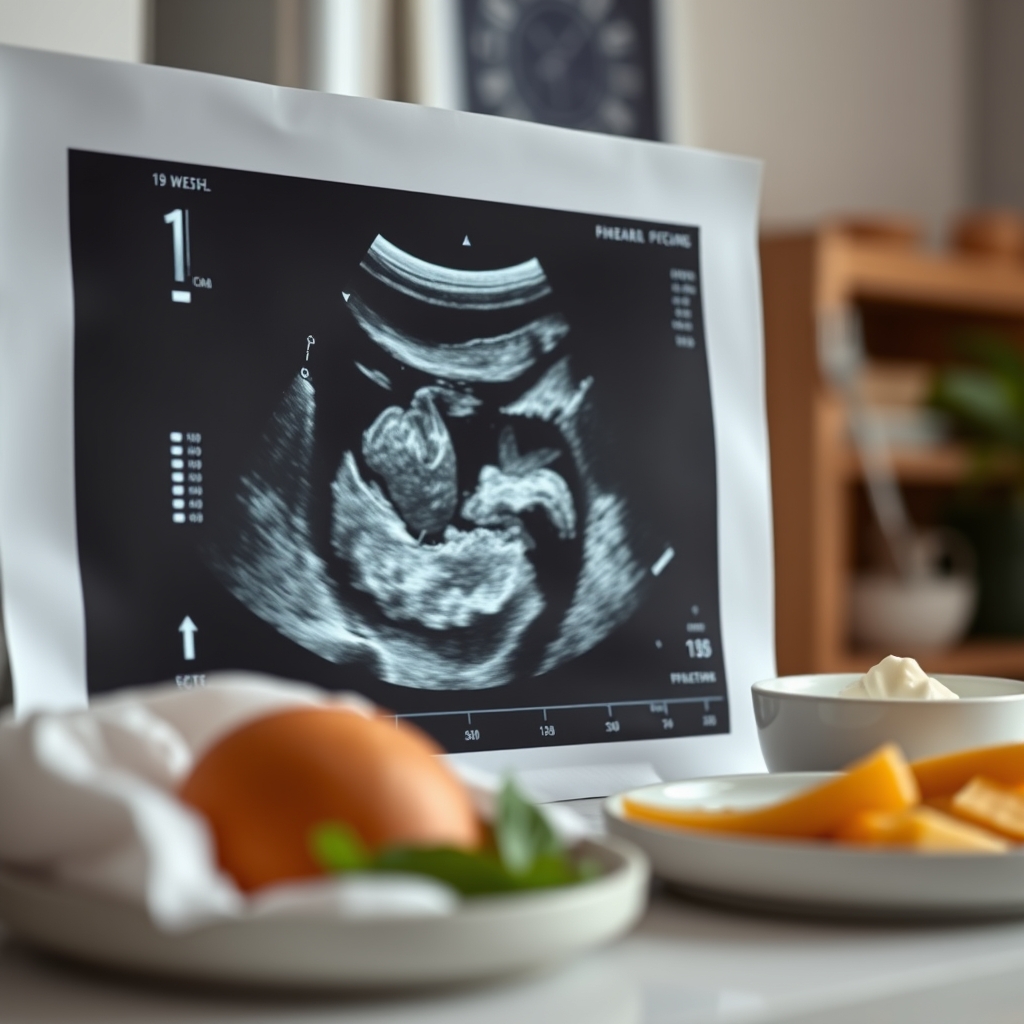
Discover common 9 weeks pregnant symptoms, from nausea to fatigue. Learn what’s normal, when to seek help, and how to manage early pregnancy changes safely.
By Shubhra Mishra — a mom of two who turned her own confusion during pregnancy into BumpBites, a global mission to make food choices clear, safe, and stress-free for every expecting mother. 💛
Check whether any food is safe during pregnancy with the BumpBites Food Safety Checker.
Quick take: At nine weeks pregnant, many women notice a mix of early pregnancy symptoms—nausea, fatigue, and breast tenderness—while the embryo is growing rapidly. Most symptoms are normal, but spotting, severe pain, or sudden swelling should prompt a call to your provider.
It’s 2 a.m., you’ve just gotten up to use the bathroom, and you feel a sudden wave of nausea. You glance at the calendar—nine weeks. “Is this what’s supposed to happen?” you wonder, scrolling through endless articles that all sound the same and yet leave you more confused.
We hear that question a lot. The good news is that the ninth week marks a turning point where many early signs settle into a recognizable pattern, and your baby’s development reaches a milestone that can be visualized on an ultrasound. Below, we walk through every aspect you might be wondering about—what you’ll feel, what’s happening inside, what to eat, what to avoid, and when a symptom means you need to call your provider.
By the end of this guide you’ll have a clear picture of the “nine‑week‑pregnant” experience, a practical checklist for your next prenatal visit, and reassurance that most of what you’re feeling is part of a healthy pregnancy.
What are the common symptoms at 9 weeks pregnant?
By the time you hit the nine‑week mark, the hormonal surge that powered your first trimester is still in full swing. The most frequently reported symptoms include:
Nausea and vomiting (often called “morning sickness” but can occur any time of day).
Fatigue—a lingering tiredness even after a full night’s sleep.
Breast changes such as tenderness, swelling, and darkening of the areolas.
Increased urination due to higher blood volume and progesterone’s effect on the bladder.
Food cravings or aversions, especially to strong smells.
Mood swings driven by fluctuating estrogen and progesterone.
Headaches—often mild but sometimes related to dehydration.
These symptoms usually start to appear between weeks 5 and 8, peak around weeks 9–12, and then gradually ease as the placenta takes over hormone production. For many, the ninth week feels like a “roller‑coaster” of ups and downs, but the intensity often steadies after week 12.
Below is a concise 9‑weeks‑pregnant symptoms list and timeline that many women find helpful:
Week
Typical Symptoms
5‑6
Spotting, mild nausea, breast tenderness
7‑8
Increased nausea, fatigue, frequent urination
9‑10
Peak nausea, breast changes, mood swings, mild cramps
11‑12
Symptoms begin to soften, energy slowly returns
Keep in mind that every pregnancy is unique. Some women may experience only a handful of these, while others feel almost all of them. The key is to monitor the pattern and note any changes that feel out of the ordinary.
Many moms notice a mix of nausea, fatigue, and breast tenderness around nine weeks.
How much weight should I gain at 9 weeks pregnant?
Weight gain in the first trimester is modest. The American College of Obstetricians and Gynecologists (ACOG) and the UK's National Institute for Health and Care Excellence (NICE) both state that a typical gain is 1–5 pounds (0.5–2 kg) by the end of week 12.
Why the range? It depends on your pre‑pregnancy body mass index (BMI). For someone with a BMI in the normal range (18.5–24.9), gaining about 1 pound (0.45 kg) by the ninth week is common. If you started at a higher BMI, a slightly larger gain may be expected, and the reverse for those who were underweight.
To keep weight gain on track, focus on nutrient‑dense foods rather than calorie‑heavy options. A balanced plate—half vegetables, a quarter lean protein, a quarter whole grains—provides the vitamins and minerals needed for both you and the developing embryo.
Rapid weight gain or loss in early pregnancy can be a sign of underlying issues such as hyperemesis gravidarum (severe nausea) or thyroid imbalance. Discuss any concerns with your provider, especially if you notice a sudden shift in your weight trend.
Is spotting normal at 9 weeks pregnancy?
Light spotting—often called “implantation bleeding”—can occur in the first trimester, including at nine weeks. In most cases, spotting that is pink or brown and not accompanied by pain or heavy flow is harmless and resolves within a day or two.
However, there are red‑flag signs that require prompt medical attention:
Bright‑red bleeding that soaks a pad.
Bleeding accompanied by cramping, fever, or dizziness.
Sudden onset of heavy flow after a period of no bleeding.
When spotting is accompanied by any of these symptoms, call your provider right away. A quick ultrasound can confirm that the pregnancy is progressing normally and rule out complications such as a subchorionic hemorrhage.
It’s also useful to track the timing and appearance of any spotting in a simple diary—date, color, amount, and any associated feelings. This record helps your clinician assess whether the spotting is typical or warrants further evaluation.
When will morning sickness start at 9 weeks, and how can I relieve nausea?
Morning sickness often begins around weeks 5–6, peaks between weeks 9–12, and then gradually eases. By nine weeks, many women experience the most intense phase of nausea and vomiting.
Here are evidence‑based strategies to relieve nausea at 9 weeks pregnant:
Eat small, frequent meals. Keep a bland snack—like crackers or plain toast—by your bedside and eat before getting up.
Stay hydrated. Sip water, ginger tea, or electrolyte drinks throughout the day. Cold liquids can be easier to tolerate.
Ginger. Studies cited by the Mayo Clinic show that ginger capsules (250 mg) or fresh ginger tea can reduce nausea in up to 70 % of pregnant women.
Vitamin B6. The CDC notes that 10–25 mg of vitamin B6 daily can lessen morning sickness for many.
Avoid triggers. Strong smells, spicy foods, and greasy meals often worsen nausea.
Acupressure wrist bands. Some women find relief using bands that apply pressure to the P6 point.
If nausea is severe enough to cause weight loss or dehydration, your provider may prescribe medication such as doxylamine‑pyridoxine (commonly known as Diclegis), which is considered safe by the FDA for use in pregnancy.
What prenatal tests are done at 9 weeks and what to expect at the 9‑week prenatal appointment?
The ninth week often coincides with the first comprehensive prenatal visit, especially for those who began prenatal care later in the first trimester. Typical components include:
Medical history review. Your provider will ask about previous pregnancies, chronic conditions, medications, and lifestyle factors.
Physical exam. Blood pressure, weight, and a pelvic exam to assess uterine size and cervical health.
Blood work. Tests for blood type, Rh factor, hemoglobin, iron levels, rubella immunity, hepatitis B, HIV, and a quantitative hCG (human chorionic gonadotropin) level.
Urine analysis. Checks for protein, glucose, and urinary tract infection.
First‑trimester ultrasound. Usually scheduled between weeks 8–12, this scan confirms a viable intrauterine pregnancy, dates the gestation, and may detect the fetal heartbeat (often visible by 9 weeks).
Optional screening. Depending on your risk factors, you might discuss non‑invasive prenatal testing (NIPT) for chromosomal anomalies.
During the appointment, expect a warm, supportive conversation. Your provider will likely reassure you that the symptoms you’re experiencing are normal and answer any questions about diet, activity, and upcoming milestones.
Below is a quick comparison of what you might see at 9 weeks versus 10 weeks during a routine scan:
Feature
9 weeks
10 weeks
Embryo length
≈ 0.6 in (1.5 cm)
≈ 0.8 in (2 cm)
Heart rate
≈ 150 bpm
≈ 165 bpm
Visible structures
Arm buds, facial profile
Fingers, eyelids
Uterus size
Just above pubic bone
Just below belly button
These differences are subtle, but the ultrasound helps confirm that your pregnancy is progressing as expected.
At nine weeks, the embryo’s heartbeat is often visible on a transvaginal ultrasound.
Can I exercise safely at 9 weeks pregnant?
Yes—most women can continue a moderate exercise routine at nine weeks, provided the activity feels comfortable and you have no contraindications. The American College of Obstetricians and Gynecologists (ACOG) recommends at least 150 minutes of moderate‑intensity aerobic activity per week for pregnant individuals without medical complications.
Safe exercise options include:
Walking. A low‑impact way to keep the heart rate up without stressing joints.
Swimming or water aerobics. The buoyancy reduces pressure on the back and hips.
Prenatal yoga. Gentle stretching improves flexibility and can ease nausea.
Stationary cycling. Keeps you moving while maintaining balance.
Things to avoid:
Contact sports (soccer, basketball) that risk abdominal trauma.
Activities with a high risk of falling (horseback riding, downhill skiing).
Exercises that require lying flat on your back after the first trimester, as the uterus can compress the vena cava.
Listen to your body: If you feel dizziness, shortness of breath, chest pain, or any bleeding, stop immediately and contact your provider. Staying hydrated, wearing supportive shoes, and focusing on steady breathing can make workouts more comfortable.
What foods to avoid at 9 weeks pregnancy?
During the first trimester, the placenta is still forming, which means some foods can pose a higher risk of infection or toxin exposure. The CDC and NHS both advise avoiding the following:
Raw or undercooked animal products. This includes sushi with raw fish, rare steak, and soft‑boiled eggs, which can carry listeria or salmonella.
Unpasteurized dairy. Milk, cheese, and yogurts that haven’t been pasteurized may harbor harmful bacteria.
Certain fish. Limit high‑mercury fish such as king mackerel, shark, swordfish, and tilefish.
Deli meats and hot dogs. Unless heated until steaming hot, they can contain listeria.
Caffeine. Keep caffeine under 200 mg per day (about one 12‑oz coffee) as recommended by the FDA.
Alcohol. No safe level has been identified; the WHO advises complete abstinence during pregnancy.
Instead, focus on nutrient‑rich options: leafy greens, fortified cereals, lean proteins, and a variety of fruits. If you’re craving something specific—like a cheese platter—choose pasteurized cheeses such as cheddar, mozzarella, or Swiss.
How does fetal development look at 9 weeks?
At nine weeks, the embryo has transitioned into a fetus—a term that officially begins at week 10, but the anatomical changes are evident. Key milestones include:
Size: About the length of a grape (≈ 0.6 in or 1.5 cm) and weighs roughly 0.07 oz (2 g).
Heart: The tiny heart is beating at 150–160 beats per minute, strong enough to be seen on an ultrasound.
Limbs: Arm and leg buds have formed, and finger pads are beginning to separate.
Facial features: The eyes are positioned more forward, and a faint nasal bridge appears.
Organ development: The liver, kidneys, and lungs are beginning functional differentiation.
From a visual standpoint, an ultrasound at this stage often shows a small, bean‑shaped figure with a distinct silhouette. The fetus’s brain is rapidly developing, and the neural tube—future spinal cord—is closing, reducing the risk of neural tube defects when folic acid intake is adequate.
Because the placenta is still forming, the embryo relies heavily on the mother’s blood supply for oxygen and nutrients, making a balanced diet and prenatal vitamins crucial.
Myth vs. fact
Myth: All pregnancy symptoms must start in the first month.
Fact: Symptoms such as nausea, fatigue, and breast tenderness often become noticeable between weeks 5 and 9, when hormone levels peak.
Myth: Spotting always means a miscarriage.
Fact: Light spotting at nine weeks is common and usually harmless; however, heavy bleeding or pain warrants immediate medical attention.
Myth: You must stop exercising as soon as you find out you’re pregnant.
Fact: Continuing moderate, low‑impact exercise is safe for most pregnancies and can actually reduce discomfort and improve mood.
Key takeaways
Most nine‑week symptoms—nausea, fatigue, breast tenderness—are normal and peak around this time.
Expect a modest weight gain of 1–5 lb (0.5–2 kg) by the end of the first trimester.
Light spotting without pain is usually harmless, but bright‑red heavy bleeding requires a call to your provider.
Stay hydrated, eat small frequent meals, and consider ginger or vitamin B6 to ease nausea.
Safe exercises include walking, swimming, prenatal yoga, and stationary cycling.
Avoid raw fish, unpasteurized dairy, high‑mercury fish, deli meats, excess caffeine, and alcohol.
At nine weeks the fetus is about the size of a grape, with a beating heart and emerging limb buds.
Schedule your first comprehensive prenatal visit for labs, a dating ultrasound, and personalized guidance.
Frequently asked questions
What symptoms are normal at 9 weeks of pregnancy?
Typical symptoms include nausea, frequent urination, breast tenderness, fatigue, and mild cramping; these are usually harmless and stem from hormonal changes.
Can I have spotting at 9 weeks and still be okay?
Yes—light pink or brown spotting without pain is often benign, but any heavy bleeding, bright red flow, or associated cramps should prompt an immediate call to your provider.
How much weight should I gain by the 9th week?
Most women gain about 1–5 pounds (0.5–2 kg) by the end of the first trimester, depending on pre‑pregnancy BMI and overall health.
When does morning sickness typically start?
Morning sickness usually begins between weeks 5 and 6, peaks around weeks 9–12, and then gradually improves for many women.
What can I do to reduce nausea at 9 weeks?
Eat small, frequent meals, stay hydrated, try ginger or vitamin B6 supplements, avoid strong smells, and consider acupressure wrist bands for relief.
Is it safe to exercise during the 9th week of pregnancy?
Yes—moderate activities like walking, swimming, and prenatal yoga are safe for most pregnancies, as long as you avoid high‑impact or contact sports.
When to call your doctor
If you experience any of the following, call your provider right away:
Bright‑red bleeding that soaks a pad.
Severe abdominal pain or cramping.
Fever over 100.4°F (38°C) with chills.
Sudden swelling of the hands, face, or feet.
Persistent vomiting that prevents you from keeping fluids down.
Severe or sudden headache with visual changes.
These signs could indicate a complication that needs prompt evaluation. This article is for informational purposes only and does not replace personalized medical advice.
References
American College of Obstetricians and Gynecologists (ACOG). “Nutrition During Pregnancy.” 2023 clinical guidance.
National Institute for Health and Care Excellence (NICE). “Antenatal care for uncomplicated pregnancies.” Updated 2022.
Centers for Disease Control and Prevention (CDC). “Pregnancy and Listeria.” 2023.
Food and Drug Administration (FDA). “Guidance for Industry: Caffeine Consumption During Pregnancy.” 2022.
Mayo Clinic. “Morning sickness: Tips for relief.” 2023.
World Health Organization (WHO). “Recommendations on Antenatal Care for a Positive Pregnancy Experience.” 2022.
Royal College of Obstetricians and Gynaecologists (RCOG). “Routine Antenatal Scans.” 2023.
National Health Service (NHS). “Foods to avoid when pregnant.” 2023.
Society for Maternal-Fetal Medicine (SMFM). “Exercise in Pregnancy.” 2022.
U.S. Preventive Services Task Force (USPSTF). “Screening for Gestational Diabetes.” 2022.
Not sure about the label on 9 Weeks Pregnant Symptoms products?
Snap the ingredients list and SafeFilter checks every ingredient for your stage — only 3 free scans this month, then you're locked until reset. Unlimited from $7/mo or $50/yr.
When Shubhra Mishra was expecting her first child in 2016, she was overwhelmed by conflicting food advice — one site said yes, another said never. By the time her second baby arrived in 2019, she realized millions of mothers face the same confusion.
That sparked a five-year journey through clinical nutrition papers, cultural diets, and expert conversations — all leading to BumpBites: a calm, compassionate space where science meets everyday motherhood.
Her long-term vision is to build a global community ensuring safe, supported, and free deliveriesfor every mother — because no woman should face pregnancy alone or uninformed. 🌿
🌍 Stand with mothers, shape safer guidance
Join a small circle of experts who review BumpBites articles so expecting parents everywhere can decide with confidence.