At 6 weeks pregnant what to expect includes morning sickness and fatigue, learn what symptoms to expect and how to manage them during this critical period
By Shubhra Mishra — a mom of two who turned her own confusion during pregnancy into BumpBites, a global mission to make food choices clear, safe, and stress-free for every expecting mother. 💛
Check whether any food is safe during pregnancy with the BumpBites Food Safety Checker.
Quick take: At six weeks pregnant you’re entering the early‑stage of the first trimester. Expect mild to moderate nausea, a possible tiny spotting, a rapid rise in pregnancy hormones, and the first ultrasound that may catch a flickering heartbeat. Weight gain is minimal—usually a half‑pound to a pound—while you begin taking prenatal vitamins and adjusting your diet and activity. If you notice heavy bleeding, severe cramping, or fever, contact your provider right away.
It’s 2 a.m., you’re curled up on the couch, and the pregnancy test on the nightstand is still positive. You’ve just learned you’re six weeks along, and a flood of questions rushes in: “Will I feel the baby move? Can I keep jogging? What should I eat?” You’re not alone—most people feel a mix of excitement and nervousness at this point.
In the weeks that follow, your body is quietly reshaping itself for the tiny life growing inside. Hormones surge, your uterus expands, and the embryonic heart begins to beat. Below, we walk through every angle of what 6 weeks pregnant looks like, covering symptoms, nutrition, exercise, medical care, and the red‑flag signs that mean it’s time to call your provider.
We’ll answer the most common questions—like whether spotting is normal, how much weight you should gain, and what the first ultrasound can reveal—while also offering practical tips for managing morning sickness, staying active, and navigating work. Let’s make sense of this early stage together.
What are the symptoms at 6 weeks pregnant?
By the sixth week, many people start noticing the classic early‑pregnancy signs. While every body reacts differently, the most frequent symptoms include:
Common physical symptoms
Nausea and vomiting (often called “morning sickness”)—affects about 70 % of pregnant people.
Fatigue—the surge in progesterone can make you feel sleepy even after a full night’s rest.
Breast tenderness—your breasts may feel fuller, sore, or tingly.
Spotting or light bleeding—usually harmless, but it should be monitored.
Increased urination—the growing uterus puts pressure on the bladder.
Heightened sense of smell—strong odors can trigger nausea.
These symptoms often overlap with pre‑menstrual experiences, which can make it tricky to tell if you’re pregnant. If you’re unsure, a home pregnancy test followed by a blood test at your provider’s office can confirm the diagnosis.
When symptoms differ from week 5
Compared with week 5, nausea may become more pronounced, and the uterus begins to enlarge just enough to cause that occasional light spotting. Hormonal levels—particularly human chorionic gonadotropin (hCG) and progesterone—peak around week 6, which explains the heightened fatigue and breast changes.
Gentle ginger tea can calm nausea without caffeine.
How much weight should I gain at 6 weeks pregnant?
W
eight gain in the first trimester is modest. Most health authorities, including the American College of Obstetricians and Gynecologists (ACOG) and the NHS, suggest a total gain of 0.5 – 2 lb (0.2 – 0.9 kg) by the end of week 12.
Trimester
Recommended total gain
Typical weekly gain
First (weeks 1‑12)
0.5‑2 lb (0.2‑0.9 kg)
≈0.1‑0.2 lb (0.05‑0.1 kg) per week
Second (weeks 13‑27)
0.5‑1 lb (0.2‑0.45 kg) per week
≈1‑2 lb (0.45‑0.9 kg) per month
Third (weeks 28‑40)
0.4‑0.6 lb (0.2‑0.3 kg) per week
≈1‑1.5 lb (0.45‑0.68 kg) per month
At six weeks, many people haven’t yet noticed any change on the scale. Focus instead on balanced nutrition and staying hydrated. If you’re underweight or have a higher pre‑pregnancy BMI, your provider may suggest a slightly different target, so always discuss individualized goals at your first prenatal visit.
Is spotting normal at 6 weeks pregnant?
Light spotting—often described as “implantation bleeding”—occurs in up to 25 % of early pregnancies. It usually appears as pink‑ish or brown discharge and lasts a few hours to a couple of days.
When spotting is considered normal:
It’s light (a few drops on a panty liner).
It’s not accompanied by severe cramping or heavy flow.
It occurs without foul odor or fever.
However, any spotting that is heavy (soaking a pad), painful, or accompanied by fever warrants a prompt call to your provider. According to the Royal College of Obstetricians and Gynaecologists (RCOG), persistent or worsening bleeding in the first trimester can signal a miscarriage or ectopic pregnancy, both of which need medical evaluation.
What does a 6 week ultrasound show?
A six‑week transvaginal ultrasound is often the first imaging study in early pregnancy. It can reveal:
The gestational sac (a small, fluid‑filled structure).
The yolk sac, which provides early nutrients.
A tiny embryonic pole with a flickering heartbeat—usually around 90‑110 beats per minute.
Seeing a heartbeat at six weeks is reassuring, but not every embryo will have a detectable pulse at this exact point. ACOG notes that a heartbeat may be visible as early as five weeks and a half, but a “no‑heartbeat” finding does not automatically mean a problem; a repeat scan in a week is common practice.
Can I exercise safely at 6 weeks pregnant?
Yes—most low‑impact activities are safe when you’re feeling well. The CDC and ACOG recommend continuing any pre‑pregnancy exercise routine, provided you modify intensity to a “talk test” level (you can speak comfortably while moving).
Safe exercise options
Walking—gentle cardio that keeps blood flowing.
Prenatal yoga—focuses on breathing, flexibility, and stress reduction.
Swimming or water aerobics—offers resistance without joint strain.
Stationary cycling—low impact, easy to control intensity.
Avoid high‑impact sports, contact activities, and exercises that involve lying flat on your back for prolonged periods, as these can reduce blood flow to the uterus. If you experience dizziness, shortness of breath, or spotting after exercising, pause and contact your provider.
What foods should I avoid at 6 weeks pregnant?
Early pregnancy is the time to steer clear of foods that can carry harmful bacteria or excess contaminants. The FDA and NHS give clear guidance:
Raw or undercooked eggs and meats (e.g., sushi, rare steak)—risk of Salmonella or Listeria.
Unpasteurized dairy (soft cheeses like Brie, Camembert)—potential Listeria.
High‑mercury fish (shark, swordfish, king mackerel)—excess mercury can affect fetal brain development.
Alcohol—no known safe level; abstaining eliminates risk.
Caffeine—limit to ≤200 mg per day (about one 12‑oz coffee) per ACOG.
Raw sprouts—possible bacterial contamination.
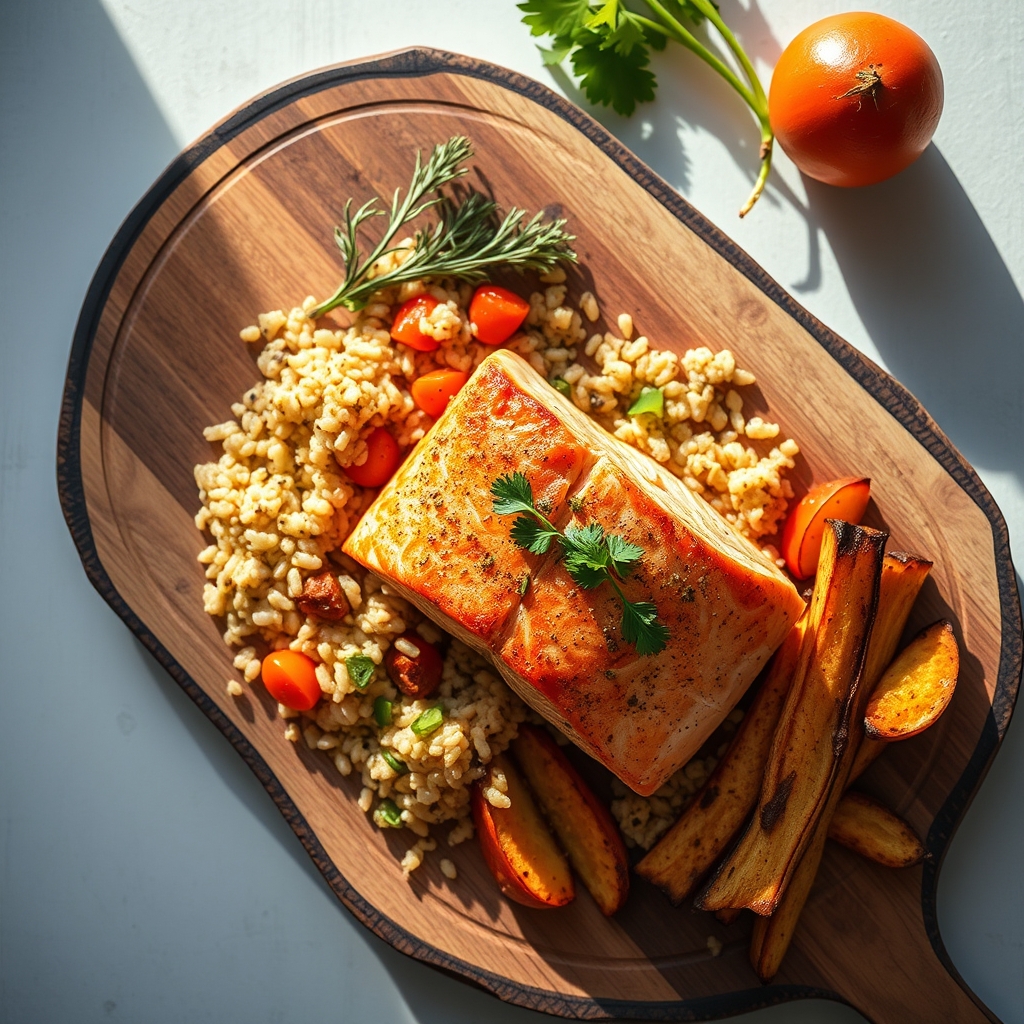
Focus on well‑cooked proteins, pasteurized dairy, low‑mercury fish (like salmon), and plenty of fruits and vegetables. Hydration with water, herbal teas (e.g., rooibos), and milk supports overall health.
Opt for low‑mercury fish like salmon for omega‑3s without the mercury risk.
When will I feel the baby move at 6 weeks pregnant?
Most people don’t sense fetal movement until weeks 18‑22, when the embryo becomes a fetus and its muscles contract more strongly. At six weeks, the embryo is roughly the size of a lentil and too small to generate a sensation.
When movements do begin, they’re often described as “flutters” or “butterflies.” Keep a diary of any sensations once you reach the second trimester; this can help you track healthy development and discuss any concerns with your provider.
What prenatal vitamins are recommended at 6 weeks?
At six weeks, a prenatal vitamin should already be part of your daily routine. Key nutrients, as highlighted by the WHO and ACOG, include:
Folic acid – 400–800 µg: reduces risk of neural‑tube defects.
Iron – 27 mg: supports increased blood volume.
Calcium – 1,000 mg: builds fetal bones and teeth.
Vitamin D – 600 IU: aids calcium absorption.
DHA (Omega‑3): promotes brain and eye development.
If you’re vegan, have a history of anemia, or take other supplements, discuss dosage adjustments with your provider. Some people also benefit from a separate iron supplement after the first trimester, as iron needs rise sharply.
6 weeks pregnant morning sickness remedies
Morning sickness can be relentless, but a few evidence‑based tricks can bring relief:
Ginger—fresh ginger tea or ginger chews; a 2019 Cochrane review found it reduces nausea frequency.
Vitamin B6—400 mg per day, as recommended by the CDC, can lessen nausea.
Acupressure wrist bands—some users report benefit; choose a band that presses on the P6 point.
Hydration—sip water, electrolyte drinks, or clear broths throughout the day.
If nausea is severe (vomiting > 3 times a day) or leads to weight loss, your provider may prescribe ondansetron or another anti‑emetic, but only after a thorough evaluation.
6 weeks pregnant hormone changes
Two hormones dominate early pregnancy:
Human chorionic gonadotropin (hCG)—rises rapidly, peaking around weeks 8‑10. It’s the hormone detected by home pregnancy tests.
Progesterone—produced by the corpus luteum, then the placenta. It relaxes the uterine muscles, reduces the immune response, and contributes to fatigue and breast tenderness.
These hormonal shifts explain why many people feel moodier, more emotional, or unusually sleepy. They also help maintain the uterine lining, which is essential for a healthy implantation.
6 weeks pregnant vs 5 weeks symptoms
Moving from week 5 to week 6 often feels like turning up the volume on early pregnancy signs. At week 5, many experience mild breast tenderness and a faint sense of fatigue. By week 6, the following changes are common:
Increased nausea (often more frequent and intense).
More noticeable spotting due to implantation.
Heightened sense of smell.
Early uterine growth that may cause a slight lower‑abdominal pressure.
The hormonal surge of hCG is at its peak around week 6, which intensifies many of these symptoms. If you notice a sudden drop in symptoms, it doesn’t necessarily mean a problem; hormonal levels can fluctuate daily.
6 weeks pregnant baby development size
At six weeks, the embryo is about 2‑3 mm long—roughly the size of a lentil or a small pea. Though tiny, key structures have already begun forming:
Neural tube—the precursor to the brain and spinal cord.
Heart tube—starts beating by day 22.
Placenta and yolk sac—provide early nutrition.
Arm and leg buds—tiny protrusions that will become limbs.
These early milestones are critical; folic acid and adequate nutrition support the rapid cell division occurring now.
6 weeks pregnant miscarriage signs
Most early miscarriages occur before week 12. While spotting can be normal, certain signs warrant immediate medical attention:
Heavy bleeding (soaking a pad in an hour).
Severe cramping or abdominal pain that doesn’t ease with rest.
Passing tissue or clots.
Fever > 100.4 °F (38 °C) without an obvious cause.
Sudden loss of pregnancy symptoms (e.g., nausea disappearing abruptly).
If you experience any of these, call your provider or go to the nearest emergency department. Early assessment can clarify the situation and, if needed, provide appropriate care.
6 weeks pregnant work accommodations
Many employers are required by law (e.g., the U.S. Pregnancy Discrimination Act and UK Equality Act) to provide reasonable accommodations. Common adjustments for early pregnancy include:
Flexible start/end times to manage fatigue.
Option to work from home if nausea worsens.
Access to a private space for restroom breaks.
Temporary modification of heavy‑lifting duties.
It’s usually best to discuss needs with your manager early, providing a brief note from your provider if you need formal documentation. Open communication helps set realistic expectations and reduces stress.
6 weeks pregnant emotional mood swings
Hormonal fluctuations, sleep changes, and the stress of new responsibilities can combine to create mood swings. ACOG notes that up to 20 % of pregnant people report significant anxiety or depressive symptoms in the first trimester.
Practical strategies to nurture emotional wellbeing:
Practice short mindfulness or breathing exercises each day.
Maintain a support network—talk to a partner, friend, or online community.
Prioritize sleep hygiene: keep a consistent bedtime, limit screens before bed.
Consider counseling or a prenatal mental‑health therapist if mood swings feel overwhelming.
Remember, feeling emotional does not mean something is wrong; it’s a normal physiological response.
6 weeks pregnant doctor appointment schedule
Here’s a typical timeline for prenatal visits during the first trimester, based on ACOG and NHS guidelines:
Visit
Timing
Key focus
Initial prenatal appointment
6‑8 weeks
Confirm dates, review medical history, order labs, start prenatal vitamins.
First ultrasound
6‑10 weeks
Check gestational sac, heartbeat, dating.
Follow‑up labs
8‑10 weeks
Check hemoglobin, blood type, rubella immunity.
Second trimester visit
13‑14 weeks
Screen for gestational diabetes risk, discuss anatomy scan.
During the first visit, you’ll also discuss lifestyle choices, exercise, and any concerns about symptoms. Bring a list of medications, supplements, and any recent test results to make the most of the appointment.
From our medical team: “Six weeks is early, but it’s a pivotal time for both you and your baby. Most symptoms—nausea, light spotting, and fatigue—are normal and tend to improve as your body adapts. Keep your prenatal vitamins, stay hydrated, and listen to your body. If anything feels out of the ordinary—especially heavy bleeding or severe pain—don’t wait. Call your provider right away. You’re building a foundation for a healthy pregnancy, and small, consistent choices now make a big difference later.”
Myth vs. fact
Myth: Spotting always means a miscarriage.
Fact: Light spotting is common in early pregnancy and often harmless; heavy or painful bleeding should be evaluated.
Myth: You can’t exercise once you’re pregnant.
Fact: Moderate, low‑impact exercise is safe for most people at six weeks and can improve mood and stamina.
Myth: You’ll feel the baby move at six weeks.
Fact: Fetal movements typically start between weeks 18‑22; early sensations are usually just gas or maternal bowel activity.
Key takeaways
Typical six‑week symptoms include nausea, fatigue, breast tenderness, and possible light spotting.
Weight gain should be modest—about half a pound to a pound by the end of the first trimester.
Begin a prenatal vitamin with folic acid, iron, calcium, and DHA now.
Gentle exercise (walking, prenatal yoga) is safe; avoid high‑impact or contact sports.
Steer clear of raw/undercooked animal products, unpasteurized dairy, high‑mercury fish, and alcohol.
Call your provider for heavy bleeding, severe cramping, fever, or any sudden loss of pregnancy symptoms.
Frequently asked questions
What can I expect at 6 weeks pregnant?
At six weeks you’ll likely notice mild nausea, fatigue, breast tenderness, and possibly a tiny amount of spotting, while your provider may schedule a transvaginal ultrasound to confirm the heartbeat.
Is it normal to have spotting at 6 weeks?
Light spotting is common and usually harmless, but if it’s heavy, painful, or accompanied by cramping, you should contact your provider immediately.
When will I hear my baby's heartbeat?
Most clinicians can detect a heartbeat by the 6‑week ultrasound, though it’s sometimes visible a little earlier or later depending on positioning.
How much weight should I gain in the first trimester?
Guidelines from ACOG suggest a total gain of 0.5‑2 lb (0.2‑0.9 kg) by the end of the first trimester, with weekly changes typically under 0.2 lb.
Can I continue my regular exercise routine at 6 weeks?
Yes—low‑impact activities like walking, swimming, and prenatal yoga are safe. Avoid high‑impact or contact sports and listen to your body for any warning signs.
What foods should I avoid during early pregnancy?
Skip raw or undercooked eggs, meat, and fish; avoid unpasteurized dairy, high‑mercury fish, alcohol, and limit caffeine to ≤200 mg per day.
When to call your doctor
If you experience any of the following, seek medical attention right away: heavy bleeding (soaking a pad), severe or worsening abdominal cramps, fever over 100.4 °F (38 °C) without a clear cause, passing tissue or clots, sudden loss of pregnancy symptoms, or any concerning change in your wellbeing. This article provides general information and is not a substitute for personalized medical advice.
References
American College of Obstetricians and Gynecologists (ACOG). “Nutrition During Pregnancy.” Clinical Guidance, 2023.
National Health Service (NHS). “Early signs of pregnancy.” Patient Information, 2022.
Centers for Disease Control and Prevention (CDC). “Pregnancy and Prenatal Care.” Guidelines, 2023.
World Health Organization (WHO). “Recommendations on Antenatal Care for a Positive Pregnancy Experience.” 2022.
Royal College of Obstetricians and Gynaecologists (RCOG). “Bleeding in early pregnancy.” Clinical Advice, 2023.
Food and Drug Administration (FDA). “Food Safety and Pregnancy.” Consumer Health Information, 2022.
National Institute for Health and Care Excellence (NICE). “Antenatal care for uncomplicated pregnancies.” NG62, 2022.
Cocharane Database of Systematic Reviews. “Ginger for nausea and vomiting in pregnancy.” Review, 2019.
Mayo Clinic. “First trimester weight gain.” Health Library, 2023.
Harvard Health Publishing. “Exercise during pregnancy.” Medical Review, 2023.
Not sure about the label on 6 Weeks Pregnant What To Expect products?
Snap the ingredients list and SafeFilter checks every ingredient for your stage — only 3 free scans this month, then you're locked until reset. Unlimited from $7/mo or $50/yr.
When Shubhra Mishra was expecting her first child in 2016, she was overwhelmed by conflicting food advice — one site said yes, another said never. By the time her second baby arrived in 2019, she realized millions of mothers face the same confusion.
That sparked a five-year journey through clinical nutrition papers, cultural diets, and expert conversations — all leading to BumpBites: a calm, compassionate space where science meets everyday motherhood.
Her long-term vision is to build a global community ensuring safe, supported, and free deliveriesfor every mother — because no woman should face pregnancy alone or uninformed. 🌿
🌍 Stand with mothers, shape safer guidance
Join a small circle of experts who review BumpBites articles so expecting parents everywhere can decide with confidence.