At 5 weeks pregnant, baby size is about 5-6mm, learn more about your baby's development and growth during this period, 5 weeks pregnant baby size
By Shubhra Mishra — a mom of two who turned her own confusion during pregnancy into BumpBites, a global mission to make food choices clear, safe, and stress-free for every expecting mother. 💛
Check whether any food is safe during pregnancy with the BumpBites Food Safety Checker.
Quick take: At 5 weeks pregnant your baby is roughly the size of a poppy seed—about 2 mm long and weighing less than 0.05 g. The embryo is just beginning to form its brain, spinal cord, and heart, and you may start to see a tiny flicker on a trans‑vaginal ultrasound, though a heartbeat isn’t always audible yet.
It’s 2 a.m., you’re curled up with a warm mug of tea, and a sudden wave of nausea makes you wonder: “How big is this tiny thing inside me?” You’re not alone. The first few weeks of pregnancy feel like a blur of symptoms, appointments, and endless “what‑if” questions. The good news is that by the end of the fifth week, doctors have a clear picture of where the embryo is at—both in size and in its early development.
In this guide we’ll walk you through everything you need to know about a 5‑week‑pregnant baby’s size: the exact measurements, what you might see on an ultrasound, how the tiny embryo relates to the symptoms you’re experiencing, and what changes if you’re carrying twins. We’ll also compare the embryo to everyday objects, explain why a heartbeat may or may not be detectable, and give you a roadmap for your next prenatal visit.
By the end of this article you’ll have a concrete sense of just how small (and how wonderfully complex) your baby is at 5 weeks, and you’ll know which signs merit a call to your provider.
What size is a baby at 5 weeks pregnant?
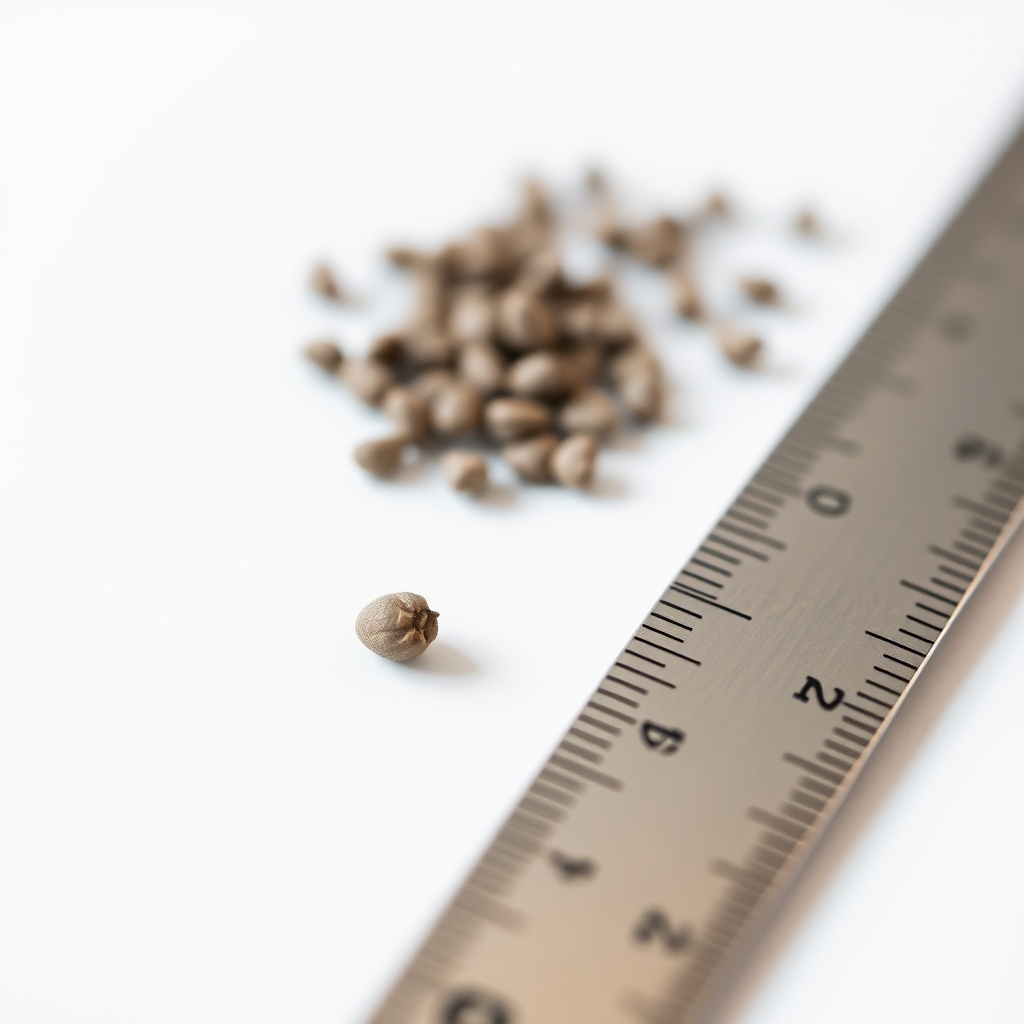
At five weeks gestation—counting from the first day of your last menstrual period—the embryo measures roughly 2 mm (0.07 inches) in length. This is the crown‑rump length (CRL), the standard way clinicians gauge early growth. In everyday terms, the embryo is about the size of a poppy seed, a sesame seed, or the tip of a matchstick.
Because the embryo is still tiny, its weight is essentially negligible, often quoted as less than 0.05 g (about one‑tenth of a grain of rice). The mass is so small that it doesn’t contribute meaningfully to your overall weight gain; most of the early weight you notice comes from fluid retention and breast tissue swelling driven by rising hormone levels.
Even though the dimensions are minuscule, the embryo’s internal structures are rapidly differentiating. The neural tube—a future brain and spinal cord—has just closed, and the beginnings of the heart tube are beginning to beat. By the end of the fifth week, the embryo has begun to form the foundations of the eyes, ears, and limb buds, although these are still just tiny thickenings.
Because the embryo’s size is so small, it’s normal for an ultrasound to show a gestational sac (the fluid‑filled bubble that will house the embryo) before the embryo itself becomes visible. Most clinicians rely on the sac’s diameter—typically about 5 mm at this stage—to confirm a viable pregnancy.
How does a 5‑week embryo develop and grow?
The developmental timeline at five weeks is astonishingly rapid. Below is a quick snapshot of the key milestones:
Day 1–7 after fertilization: The zygote travels down the fallopian tube, undergoing its first few cell divisions.
Day 8–14: The embryo becomes a blastocyst and begins implantation into the uterine lining.
Day 15–21: The inner cell mass begins forming the embryonic disc, and the trophoblast (future placenta) starts producing hCG, the hormone that triggers pregnancy tests.
Day 22–28: The neural tube closes, marking a critical step in brain and spinal cord formation.
Day 29–35 (Week 5): The heart tube starts to pulse, limb buds appear, and the beginnings of the eyes and ears are evident as tiny pits.
At this point the embryo’s body is divided into three layers—ectoderm, mesoderm, and endoderm—each destined to become specific organs and tissues. The ectoderm will become the nervous system and skin; the mesoderm forms the heart, muscles, and bones; the endoderm creates the gut and respiratory tract.
Growth is measured in millimeters, and while a 2 mm embryo might seem static, it can double in size within a few days. This rapid increase is driven by the surge of hormones—especially human chorionic gonadotropin (hCG) and progesterone—that also explain many of the early pregnancy symptoms you’re feeling.
Because the embryo’s structures are still forming, it’s not yet recognizable as a baby. However, the foundation laid in this week sets the stage for organogenesis, the period when most major organs will begin to take shape.
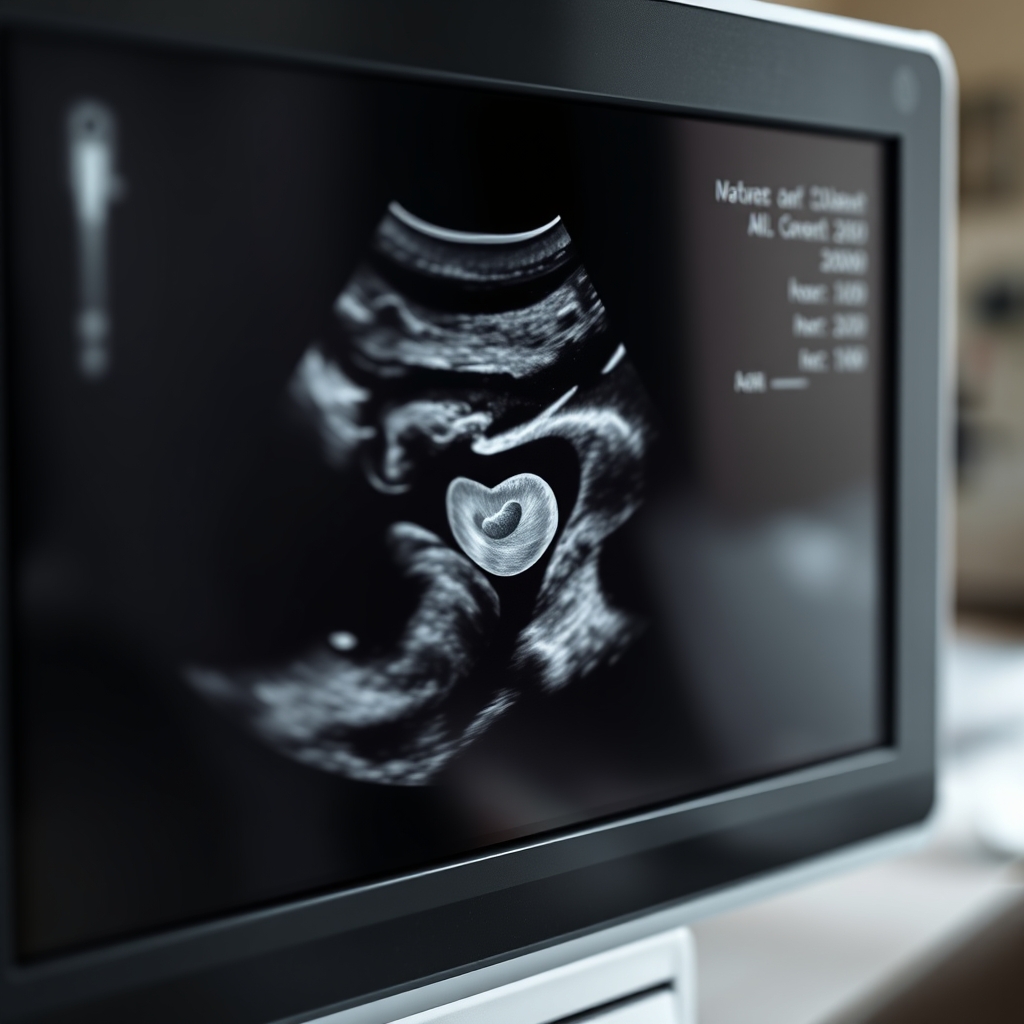
How big is a 5‑week fetus on an ultrasound, and what does it look like?
When you go for a prenatal scan at five weeks, most providers use a trans‑vaginal ultrasound because it offers higher resolution at this early stage. The image will typically show:
Gestational sac: A fluid‑filled sphere about 5 mm across, confirming that implantation has occurred.
Yolk sac: A tiny circular structure inside the sac that supplies nutrients to the early embryo.
Embryo (if visible): A faint, bean‑shaped outline measuring 2–5 mm in crown‑rump length.
In many cases the embryo itself may not be distinctly visible until the end of the fifth week or the beginning of week six. When it does appear, the image looks like a tiny “C” or “U” shape, with the future head at one end and the tail at the other.
Below is a simple comparison table that highlights what you might see on a five‑week scan versus later weeks:
Week
Typical Ultrasound Findings
Embryo Size (CRL)
4
Gestational sac only; no yolk sac
≈ 1 mm
5
Gestational sac + yolk sac; embryo may be visible
2–5 mm
6
Embryo visible; faint heartbeat (≈ 100 bpm)
≈ 5–7 mm
7
Clear embryo; heartbeat audible; limb buds more defined
≈ 8–12 mm
Because the embryo is so tiny, the heartbeat may not be audible with a Doppler device until week six or later. However, a trans‑vaginal scan can sometimes capture a faint flicker as early as five weeks. If you’re eager to see a heartbeat, ask your provider about a trans‑vaginal scan; it offers the best chance of visualizing that early pulse.
A trans‑vaginal ultrasound at five weeks often reveals a tiny gestational sac and, if you’re lucky, the earliest glimpse of the embryo.
How does the baby’s size relate to pregnancy symptoms at 5 weeks?
Many first‑trimester symptoms—nausea, breast tenderness, fatigue, and frequent urination—are driven by hormonal shifts rather than the physical size of the embryo. The rapid rise in hCG, estrogen, and progesterone signals your body to prepare for pregnancy, and these hormones also affect the gastrointestinal tract, causing the classic “morning sickness.”
That said, the embryo’s size does indirectly influence symptoms. As the placenta begins to form (around weeks 5‑6), it starts producing hormones that further amplify the early signs. The tiny embryo itself does not occupy enough space to cause noticeable pressure on the uterus, so you won’t feel any “baby bump” yet.
It’s also common for women to wonder why they feel no difference in how they “feel” despite the embryo already existing. The answer is simple: the embryo is still microscopic. The sensations you experience are your body’s response to the hormonal environment, not the growing baby.
If you’re experiencing severe nausea, vomiting, or spotting, it’s important to differentiate typical early‑pregnancy discomfort from warning signs. While most symptoms are benign, heavy bleeding or intense cramping could indicate a problem, and you should contact your provider promptly.
How does a 5‑week baby compare to fruit or everyday objects?
Visualizing a 2 mm embryo can be challenging, so comparing it to familiar items helps. Here are a few common analogies that most people find helpful:
Poppy seed: Roughly 1–2 mm in diameter; the classic “size of a poppy seed” comparison is widely used in medical literature.
Sesame seed: Slightly larger than a poppy seed, about 2 mm across—another accurate visual.
Grain of rice (short‑grain): About 5 mm long; this is more the size of the embryo at the end of week six, not week five.
Pinhead: The tip of a safety pin is about 1 mm; the embryo sits somewhere between a pinhead and a poppy seed.
These comparisons are useful when you’re trying to explain the size to a partner or family member. They also help set realistic expectations—your baby isn’t a “tiny fetus” you can hold yet, but the foundation is already in place.
Is my baby fully formed at 5 weeks, and can I hear a heartbeat?
“Fully formed” is a term that can be misleading. At five weeks, the embryo has begun the critical process of organogenesis, but most structures are still in their embryonic stage. The heart is a simple tube that will soon begin to contract, the brain is a neural tube, and the limbs are just small buds. By the end of the first trimester, many of these structures will have differentiated into recognizable organs.
A heartbeat can sometimes be seen on a trans‑vaginal ultrasound as a faint flicker, but it is rarely audible with a handheld Doppler device at this stage. Most clinicians report that the heartbeat becomes reliably audible around 6 weeks, and definitely by 7‑8 weeks. If you’re hoping for an early sound, ask about a trans‑vaginal scan; it offers the best chance of catching that first pulse.
Even if you can’t hear a heartbeat yet, the presence of a yolk sac and a gestational sac on ultrasound is considered a reassuring sign of a viable pregnancy. The yolk sac provides the embryo with nutrients until the placenta takes over later in the first trimester.
What should I expect if I’m carrying twins or multiples at 5 weeks?
Twin or multiple pregnancies follow the same developmental timeline as singleton pregnancies, but there are a few nuances to be aware of:
Two gestational sacs: By five weeks, a trans‑vaginal scan can usually detect two separate sacs, each with its own yolk sac.
Embryo size: Each embryo will be roughly the same size (about 2 mm) as a singleton embryo at the same gestational age.
Early symptoms: Hormone levels—particularly hCG and progesterone—tend to be higher in twins, so you may experience more pronounced nausea, breast tenderness, and fatigue.
Monitoring: Your provider will likely schedule an early ultrasound (often around 6‑7 weeks) to confirm that both embryos are developing appropriately and to assess cardiac activity.
Most women carrying twins report feeling “more pregnant” earlier, but the size of each individual embryo remains tiny. The key is early and regular prenatal care to monitor growth and ensure both embryos are thriving.
What are the key measurements and weight averages for a 5‑week baby?
Medical guidelines from ACOG and the NHS use the crown‑rump length (CRL) as the primary metric at this stage. The average CRL at five weeks is ≈ 2–5 mm, with a typical range of 1.5–6 mm. Because the embryo is still composed mostly of fluid and developing tissue, its weight is negligible—often quoted as less than 0.05 g.
Below is a concise summary of the most commonly referenced figures:
Metric
Average at 5 weeks
Typical range
Crown‑rump length (CRL)
2–5 mm
1.5–6 mm
Gestational sac diameter
≈ 5 mm
4–6 mm
Yolk sac diameter
≈ 3 mm
2–4 mm
Estimated weight
< 0.05 g
0.02–0.08 g
These numbers are averages; individual variation is normal. If your ultrasound measurements fall slightly outside these ranges, your provider will usually monitor growth in subsequent scans rather than jump to conclusions.
A poppy seed is about the size of a five‑week embryo—tiny, but already forming the blueprint of life.
From our medical team: “At five weeks, the embryo is still a microscopic cluster of cells, but the heart tube is already beating and the neural tube is closing. If you’re seeing a gestational sac on your scan, that’s a reassuring sign. Keep up with prenatal vitamins, stay hydrated, and use this time to ask your provider any questions about early development or symptoms you’re experiencing.”
Myth vs. fact
Myth: The baby is already the size of a fist at five weeks. Fact: At five weeks the embryo is about 2 mm long—roughly the size of a poppy seed.
Myth: You can always hear the heartbeat at five weeks. Fact: The heartbeat may be visible on a trans‑vaginal ultrasound, but it’s rarely audible with a Doppler device until week six or later.
Myth: Severe morning sickness means something is wrong with the baby’s growth. Fact: Nausea is driven by hormonal changes and isn’t a direct indicator of embryo size or health.
Key takeaways
At five weeks the embryo is about 2 mm long—comparable to a poppy seed.
Early development includes neural tube closure and the first heartbeats.
Trans‑vaginal ultrasound can confirm a gestational sac and may show the embryo.
Symptoms like nausea and fatigue stem from hormone spikes, not embryo size.
Twins will each be the same tiny size; hormone levels may be higher.
Contact your provider if you experience heavy bleeding, severe cramping, or fever.
Frequently asked questions
How big is a baby at 5 weeks pregnant?
At five weeks the embryo measures about 2–5 mm in crown‑rump length, roughly the size of a poppy or sesame seed.
Can you see the baby on an ultrasound at 5 weeks?
A trans‑vaginal ultrasound can usually show the gestational sac and yolk sac; the embryo itself may be visible as a tiny speck, though a clear image isn’t guaranteed until week six.
How much does a baby weigh at 5 weeks pregnant?
The embryo’s weight is negligible—generally less than 0.05 g, which is well under the weight of a single grain of rice.
Is it normal to not feel pregnant at 5 weeks?
Yes. Many women don’t notice physical changes at five weeks because the embryo is microscopic and the uterus is still low in the pelvis.
Can you hear the baby's heartbeat at 5 weeks pregnant?
While a faint heartbeat may be seen on a trans‑vaginal scan, it’s usually not audible with a Doppler device until about six weeks.
What are the chances of miscarriage at 5 weeks pregnant?
Statistically, about 10‑15 % of known pregnancies end in miscarriage, with the highest risk occurring before the end of the first trimester. Early prenatal care and avoiding harmful substances can help reduce risk.
When to call your doctor
If you experience any of the following, contact your provider or go to the nearest emergency department:
Heavy vaginal bleeding (soaking a pad in under an hour).
Severe abdominal or pelvic pain that doesn’t improve with rest.
Fever over 100.4 °F (38 °C) without a known cause.
Persistent dizziness or fainting.
Sudden loss of pregnancy symptoms after previously feeling well.
This article is for informational purposes only and does not replace personalized medical advice. Always discuss any concerns with your obstetrician, midwife, or qualified health professional.
References
American College of Obstetricians and Gynecologists (ACOG). “Ultrasound in Pregnancy.” Clinical Guidance, 2023.
National Health Service (NHS). “Pregnancy week by week.” Guidance for expectant mothers, 2022.
World Health Organization (WHO). “Maternal health and prenatal care.” Global Recommendations, 2021.
Mayo Clinic. “First trimester: What to expect.” Patient education, 2023.
Centers for Disease Control and Prevention (CDC). “Pregnancy and prenatal care.” Fact sheet, 2022.
Royal College of Obstetricians and Gynaecologists (RCOG). “Twin pregnancy: clinical management.” 2023.
National Institute for Health and Care Excellence (NICE). “Early ultrasound in pregnancy.” Clinical guideline NG123, 2022.
Fetal Medicine Foundation. “Embryology and early fetal development.” Educational resource, 2023.
Not sure about the label on 5 Weeks Pregnant Baby Size products?
Snap the ingredients list and SafeFilter checks every ingredient for your stage — only 3 free scans this month, then you're locked until reset. Unlimited from $7/mo or $50/yr.
When Shubhra Mishra was expecting her first child in 2016, she was overwhelmed by conflicting food advice — one site said yes, another said never. By the time her second baby arrived in 2019, she realized millions of mothers face the same confusion.
That sparked a five-year journey through clinical nutrition papers, cultural diets, and expert conversations — all leading to BumpBites: a calm, compassionate space where science meets everyday motherhood.
Her long-term vision is to build a global community ensuring safe, supported, and free deliveriesfor every mother — because no woman should face pregnancy alone or uninformed. 🌿
🌍 Stand with mothers, shape safer guidance
Join a small circle of experts who review BumpBites articles so expecting parents everywhere can decide with confidence.