Quick take: Reaching 42 weeks means your pregnancy is considered overdue, and you’ll likely notice stronger Braxton‑Hicks, a heavier uterus, and more pelvic pressure. Most babies born at 42 weeks are healthy, but doctors monitor closely for signs of reduced placental function. Call your OB‑GYN if you notice a fever, decreased fetal movement, or regular painful contractions, and discuss induction options that are safe for both you and your baby.
Imagine it’s 3 a.m. and you’ve just felt a new, sharper contraction that lingers longer than the “practice” ones you’ve known all month. Your mind races: “Is this the start of labor, or am I just overdue?” If you’re reading this, you’re probably at the 42‑week mark and wondering whether the symptoms you’re experiencing are normal, what risks lie ahead, and how to prepare for delivery.
First, know that a pregnancy that reaches 42 weeks is called a “post‑term” or “overdue” pregnancy. While most babies born at this point are perfectly fine, the extra two weeks can bring new discomforts and increase certain risks for both mom and baby. In the sections below we’ll walk through the typical signs you may notice, the medical checks your care team will perform, safe ways to manage pain, and practical steps to get ready for birth.
We’ll also compare what you might feel at 42 weeks versus the usual 40‑week timeline, explore induction options, and give you a clear checklist of red‑flag symptoms that require immediate medical attention. All information is based on guidance from the American College of Obstetricians and Gynecologists (ACOG), the World Health Organization (WHO), and the UK’s National Health Service (NHS).

What are the signs of being 42 weeks pregnant?
By the time you hit the 42‑week mark, many of the early‑pregnancy sensations have faded, and a new set of signals emerge. Below is a symptoms checklist you can use to track what’s typical versus what warrants a call to your provider.
- Increased Braxton‑Hicks contractions – “practice” cramps that feel like a tightening of the uterus, often irregular and painless.
- More pronounced pelvic pressure – a sense of heaviness or the baby “dropping” lower into the pelvis.
- Frequent urination – the uterus pressing on the bladder.
- Swelling (edema) – especially in the feet, ankles, and hands; mild swelling is common, but sudden rapid swelling can be a warning sign.
- Leaking amniotic fluid – a gush or steady trickle; this usually signals that labor is near.
- Changes in fetal movement – a noticeable decrease in kicks or rolls may indicate the baby needs more oxygen.
- Low‑grade fever – temperature above 100.4 °F (38 °C) without an obvious infection.
- Backache or abdominal pain – especially if it’s persistent or worsening.
- Vaginal discharge – a pinkish or blood‑tinged mucus (bloody show) that can precede labor.
Most of these are normal as your body prepares for birth, but any sudden change—especially a fever, a sharp pain that doesn’t subside, or a notable drop in fetal movement—should prompt an immediate call to your OB‑GYN.
42 weeks pregnant symptoms vs 40 weeks
At 40 weeks, many women still feel relatively comfortable, with occasional Braxton‑Hicks and mild pelvic pressure. By 42 weeks, the uterus is larger, the baby has settled lower, and hormonal shifts can amplify discomfort. You may notice:
- Stronger, more frequent Braxton‑Hicks.
- Increased need to urinate, often hourly.
- Greater swelling in the lower extremities.
- A higher likelihood of “lightening,” where the baby drops and breathing eases but pelvic pressure rises.
Understanding these differences helps you recognize when you’re simply feeling overdue versus when something may be amiss.
Average length of pregnancy 42 weeks
Pregnancy is typically measured in weeks from the first day of your last menstrual period. A full-term pregnancy is 37–40 weeks. When a pregnancy reaches 42 weeks, it’s considered “post‑term.” According to ACOG, only about 5–10 % of pregnancies go beyond 41 weeks, and most are induced by 42 weeks to reduce risks.
What to expect in the last week of pregnancy
The final week can feel like a marathon of bodily signals. Expect:
- More intense Braxton‑Hicks that may become regular.
- Increased vaginal discharge as the cervix softens.
- Possible watery discharge (the “water breaking”) that can happen any time.
- Heightened emotional ups and downs due to hormonal fluctuations.
- More frequent prenatal visits, often weekly, to monitor fetal well‑being.
Can a baby be born at 42 weeks and be healthy?
Yes—most babies born at 42 weeks are healthy. A large, well‑conducted study from the American Pregnancy Association found that infants delivered at 42 weeks had similar Apgar scores and NICU admission rates as those born at 39–40 weeks, provided the mother’s health was stable and the placenta was functioning well.
However, the risk of certain complications does rise modestly after 41 weeks. These include:
- Macrosomia (baby weighing >4,000 g), which can increase delivery complications.
- Decreased amniotic fluid (oligohydramnios), potentially stressing the baby.
- Placental insufficiency, where the placenta no longer supplies enough oxygen.
- Stillbirth, though the absolute risk remains low (approximately 0.5 per 1,000 pregnancies at 42 weeks).
Because of these risks, many clinicians recommend induction between 41 weeks 0 days and 42 weeks 0 days. If you’re approaching 42 weeks, discuss your birth plan and any concerns with your provider.
How can I manage labor pain when I’m 42 weeks pregnant?
Even before active labor begins, the discomfort of an overdue pregnancy can be challenging. Here are evidence‑based strategies to ease pain and promote relaxation:
- Breathing techniques – The “4‑7‑8” method (inhale 4 seconds, hold 7 seconds, exhale 8 seconds) can calm the nervous system and reduce contraction intensity.
- Warm compresses – Applying a warm (not hot) pack to the lower back or abdomen can soothe muscular tension.
- Prenatal yoga – Gentle, pregnancy‑safe poses like Cat‑Cow and Child’s Pose stretch the back and hips, decreasing pressure.
- Hydration and nutrition – Staying well‑hydrated and eating small, protein‑rich snacks can keep energy levels stable, which helps pain tolerance.
- Massage – A partner’s gentle hand massage on the shoulders or lower back can release endorphins.
- Medication options – Over‑the‑counter acetaminophen (Tylenol) is safe for occasional use; discuss any NSAID use with your provider, as they’re generally avoided after 32 weeks.
If labor does begin, discuss epidural or other regional anesthesia options with your care team. Many hospitals have protocols for administering pain relief safely at 42 weeks.
What tests are done at 42 weeks of pregnancy?
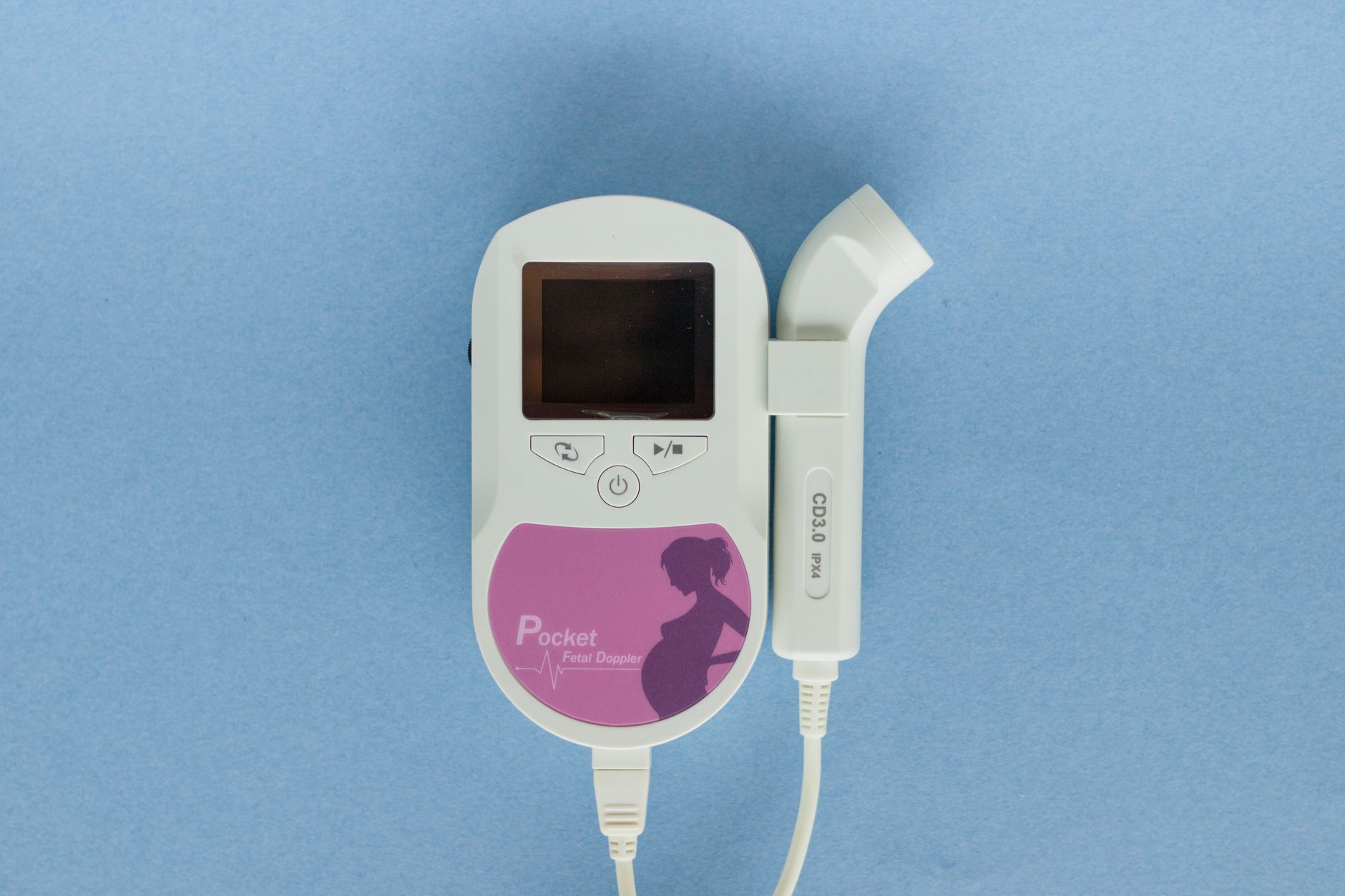
Regular monitoring becomes more frequent as you near 42 weeks. Your provider will likely perform the following assessments to ensure both you and your baby are thriving:
All these tests are non‑invasive and designed to catch potential issues early. If any result falls outside the normal range, your provider may discuss induction or closer monitoring.
When should I call my doctor if I’m 42 weeks pregnant?
Knowing the red‑flag signs can prevent complications. Contact your OB‑GYN—or go to the nearest emergency department—if you experience any of the following:
- Fever of 100.4 °F (38 °C) or higher.
- Regular, painful contractions occurring every 5 minutes or less, lasting more than a minute.
- Sudden decrease in fetal movement (e.g., fewer than 10 kicks in two hours).
- Severe abdominal pain that doesn’t ease with rest.
- Heavy vaginal bleeding (more than spotting).
- Rapid swelling of the hands, face, or sudden weight gain.
- Fluid leaking that looks like clear water (possible premature rupture of membranes).
If you’re unsure whether a symptom is urgent, err on the side of caution and give your provider a quick call. It’s always better to have peace of mind.
Is it safe to be pregnant for 42 weeks?
Overall, a 42‑week pregnancy is safe for most women, especially when closely monitored. ACOG’s Committee Opinion 2022 states that “the majority of post‑term pregnancies result in healthy outcomes when managed with regular fetal surveillance and timely induction.” However, safety hinges on:
- Maternal health (e.g., blood pressure, diabetes control).
- Placental function—assessed via NST or BPP.
- Absence of infection or other complications.
If you have chronic conditions such as hypertension or gestational diabetes, your care team may schedule more frequent visits and consider earlier induction. Always follow the individualized plan your provider creates.
What are the risks of a 42‑week pregnancy?
While many women deliver healthy babies at 42 weeks, the extended gestation does raise certain risks. Below is a concise overview:
These numbers illustrate why many clinicians recommend inducing labor before 42 weeks 0 days. Discuss your personal risk profile with your provider to decide the best timing for delivery.
How should I prepare for delivery at 42 weeks?
Preparation is a blend of practical logistics and emotional readiness. Here’s a step‑by‑step checklist to help you feel confident as you approach labor:
- Pack your hospital bag – Include comfortable clothing, maternity bras, toiletries, phone charger, and any items that bring you comfort (music playlist, pillow). Aim to have it ready by 41 weeks.
- Finalize your birth plan – Outline preferences for pain management, who you want present, and any cultural or religious considerations. Share the plan with your provider.
- Arrange transportation – Ensure a reliable ride to the hospital or birthing center, and have a backup plan in case traffic is heavy.
- Practice breathing and relaxation – Rehearse the breathing pattern you’ll use during contractions; consider a short video guide or a prenatal class.
- Stay hydrated and eat light meals – Aim for small, protein‑rich snacks every 2–3 hours to keep energy steady.
- Check your insurance and paperwork – Verify coverage for delivery, newborn care, and any post‑natal services you may need.
- Discuss induction options – If you haven’t already, talk with your OB‑GYN about prostaglandin gels, Foley catheter, or low‑dose oxytocin, and understand the timeline for each.
Many women find that a short “pre‑birth” routine—like a warm shower, a favorite tea, and a few minutes of journaling—helps transition from pregnancy to labor mode.
How does 42 weeks pregnant differ from 40 weeks?
At 40 weeks, most babies are ready for birth, and many women experience a “lightening” phase where the baby drops into the pelvis. By 42 weeks, the placenta may start to age, and the baby’s growth slows, which can lead to decreased amniotic fluid and a higher chance of macrosomia. Physically, you may notice:
- More intense and frequent uterine contractions.
- Greater pelvic and lower‑back pressure.
- Potential for a “dry” or “wet” rupture of membranes at any time.
- Increased fatigue and possible mood swings due to prolonged hormone exposure.
Understanding these nuances helps you differentiate normal overdue symptoms from warning signs that need medical attention.
How do I induce labor at 42 weeks?
Induction is the process of stimulating uterine contractions when labor hasn’t started on its own. Common, evidence‑based methods include:
- Prostaglandin gel (e.g., dinoprostone) – Applied to the cervix to soften it and trigger contractions. Usually takes 6–12 hours.
- Foley catheter – A small balloon is inserted through the cervix and inflated to mechanically dilate it.
- Low‑dose oxytocin (Pitocin) – Administered intravenously to start or augment contractions once the cervix is favorable.
- Membrane sweeping – The provider gently separates the amniotic sac from the cervix, releasing natural prostaglandins.
Each method has its own timeline and potential side effects, such as stronger contractions or increased risk of needing a C‑section if the cervix doesn’t respond. Your provider will choose the safest option based on your cervical score, baby’s position, and any existing health concerns.
What about diet recommendations for 42 weeks pregnant?
Nutrition remains crucial even in the final weeks. Focus on foods that support energy, hydration, and placental health:
- Complex carbohydrates – Whole grains, sweet potatoes, and quinoa provide steady energy.
- Lean protein – Chicken, fish (low‑mercury), beans, and Greek yogurt help maintain muscle tone.
- Healthy fats – Avocado, nuts, and olive oil aid in fetal brain development.
- Hydration – Aim for 8–10 glasses of water daily; herbal teas (ginger, peppermint) can soothe nausea.
- Fiber – To prevent constipation, include fruits, vegetables, and whole‑grain breads.
Limit large, heavy meals that may cause heartburn. If you have gestational diabetes, follow your provider’s glucose‑monitoring plan closely. Small, frequent meals are often easier on the digestive system during the final weeks.
Myth vs. fact
Myth: “If you’re 42 weeks and haven’t gone into labor, the baby will be too big to deliver safely.”
Fact: While the risk of macrosomia rises, most babies at 42 weeks are within a normal weight range, and many deliver vaginally without complications. Regular monitoring helps identify any size concerns early.
Myth: “You should avoid all movement after 41 weeks to prevent early labor.”
Fact: Gentle activity, such as walking or prenatal yoga, can improve circulation and reduce discomfort. Only high‑impact or strenuous exercise should be limited.
Myth: “Induction always leads to a C‑section.”
Fact: ACOG reports that induction at 42 weeks does not increase C‑section rates when the cervix is favorable. The choice of induction method and cervical readiness are key factors.
Key takeaways
- 42 weeks marks a post‑term pregnancy; most symptoms are normal but should be monitored.
- Common signs include stronger Braxton‑Hicks, pelvic pressure, and possible fluid leakage.
- Regular fetal monitoring (NST, BPP) and weekly check‑ups are standard after 41 weeks.
- Call your OB‑GYN for fever, regular painful contractions, decreased fetal movement, or heavy bleeding.
- Induction options—prostaglandin gel, Foley catheter, low‑dose oxytocin—are safe when medically indicated.
- Stay hydrated, eat balanced small meals, and keep a packed hospital bag ready by 41 weeks.
Frequently asked questions
What are the common symptoms at 42 weeks pregnant?
Most women notice stronger Braxton‑Hicks, increased pelvic pressure, more frequent urination, and occasional light leaking of amniotic fluid. Swelling, mild backache, and a slight dip in fetal movement can also occur. Any sudden fever, severe pain, or dramatic drop in baby kicks should trigger a call to your provider.
Is it normal to feel contractions at 42 weeks?
Yes. At 42 weeks, practice contractions often become more frequent and may feel longer. True labor contractions are regular (every 5 minutes or less), last about a minute, and become progressively stronger. If you’re unsure, time the intervals and note the intensity—then discuss with your OB‑GYN.
When should I go to the hospital if I’m 42 weeks pregnant?
Head to the hospital if you experience regular painful contractions, your water breaks, you have heavy bleeding, a fever over 100.4 °F, or notice a sudden decrease in fetal movement. For any other concerns, a quick phone call to your provider is advisable.
Can a pregnancy last 42 weeks without complications?
Many pregnancies do reach 42 weeks without major issues, especially when the mother is healthy and fetal monitoring remains reassuring. However, the risk of placental insufficiency, macrosomia, and stillbirth modestly increases, which is why clinicians often recommend induction by the end of week 42.
Typical tests include a non‑stress test (NST) to track heart‑rate response, a biophysical profile (BPP) if needed, an amniotic fluid index (AFI) ultrasound, blood pressure checks, and a review of the earlier group B streptococcus (GBS) screen. These help ensure both you and your baby are thriving.
How do I know if my baby is overdue at 42 weeks?
When the estimated due date passes 40 weeks, the pregnancy is considered overdue. Your provider will confirm overdue status through ultrasound measurements and by tracking your last menstrual period. If the baby’s growth and amniotic fluid are normal, you’ll continue weekly monitoring until a decision about induction is made.
What natural remedies have evidence for helping a post‑term pregnancy?
Gentle walking, prenatal yoga, and warm compresses have modest evidence for reducing discomfort and encouraging cervical ripening. Some women find that raspberry leaf tea (under 2 cups a day) can tone uterine muscles, though robust data are limited. Always discuss herbal use with your provider.
When to see a doctor or specialist
If you notice any of the following red‑flag symptoms, seek care right away—either by calling your OB‑GYN or heading to the nearest emergency department:
- Fever of 100.4 °F (38 °C) or higher.
- Regular, painful contractions (every 5 minutes or less).
- Sudden decrease in fetal movement (fewer than 10 kicks in two hours).
- Heavy vaginal bleeding or bright red discharge.
- Severe abdominal pain that doesn’t ease with rest.
- Rapid swelling of the face, hands, or sudden weight gain.
- Clear fluid leaking (possible water breaking) without labor signs.
This article is for informational purposes only and does not replace personalized medical advice. Always discuss your specific situation with a qualified health professional, preferably an obstetrician‑gynecologist (OB‑GYN) or a maternal‑fetal medicine specialist if you have high‑risk factors.
References
- American College of Obstetricians and Gynecologists. “Practice Bulletin No. 215: Management of Post‑term Pregnancy.” ACOG, 2022.
- World Health Organization. “Recommendations for Induction of Labour.” WHO, 2021.
- National Health Service (NHS). “Post‑term Pregnancy.” NHS, updated 2023.
- American Pregnancy Association. “Outcomes of Late‑Term and Post‑Term Births.” APA, 2020.
- Harvard T.H. Chan School of Public Health. “Nutrition During Pregnancy.” Harvard, 2023.
- U.S. National Institutes of Health (NIH). “Non‑stress Test.” NIH, 2022.
- American Academy of Pediatrics. “Birth Weight and Delivery Method.” AAP, 2021.
- International Federation of Gynecology and Obstetrics (FIGO). “Guidelines for Induction of Labour.” FIGO, 2022.



