At 37 weeks pregnant, your belly size is typically 36-40 cm from pubic bone to top. Learn why size varies, what’s normal, and signs to watch for in late pregnancy.
By Shubhra Mishra — a mom of two who turned her own confusion during pregnancy into BumpBites, a global mission to make food choices clear, safe, and stress-free for every expecting mother. 💛
Check whether any food is safe during pregnancy with the BumpBites Food Safety Checker.
Quick take: At 37 weeks, most bellies measure between 34‑36 cm (13‑14 in) from the top of the uterus to the pubic bone, but a range of 12‑15 in is still normal. Sudden changes, a very small or very large measurement, or accompanying symptoms should prompt a call to your provider.
It’s 2 a.m., you’re lying in bed, feeling the baby’s gentle kicks, and a sudden question pops into your mind: “Is my belly supposed to look this big?” You’re not alone. Many parents‑to‑be wonder whether the size of a 37‑week belly is “right,” especially when the mirror shows a shape that feels different from earlier weeks.
Below you’ll find the science‑backed answer to that question, a step‑by‑step guide to measuring fundal height, and clear signs of when a change in size needs a professional check‑in. We’ll also explain why belly size and baby size aren’t always a perfect match, and give you practical tips to track growth through the final weeks of pregnancy.
What is the average belly size at 37 weeks pregnant?
When you’re 37 weeks along, the uterus has usually risen to the level of the rib cage, and the distance from the top of the uterus (the fundus) to the pubic bone—called fundal height—generally falls between 34 cm and 36 cm (about 13 in to 14 in). This range reflects the average growth of a fetus that is roughly 9.5‑10 in long and weighs about 6‑7 lb (2.7‑3.2 kg).
Data from the American College of Obstetricians and Gynecologists (ACOG) and the UK’s National Health Service (NHS) indicate that a fundal height of around 1 cm per week after the 20th week is a useful rule of thumb, but the later weeks show a plateau as the baby’s head engages in the pelvis. In practice, a measurement of 33‑37 cm (13‑14.5 in) is considered normal at 37 weeks.
Because every body is different, clinicians also look at the range of belly circumference, which tends to be 95‑105 cm (37‑41 in) for most mothers at this stage. Factors such as maternal height, weight, and abdominal muscle tone can shift these numbers up or down without indicating a problem.
In short, if your belly falls within these centimeters or inches, you’re likely on track. But remember, “average” isn’t a guarantee—your provider will consider your entire clinical picture.
Most 37‑week bellies sit in the 34‑36 cm (13‑14 in) range.
How many inches is a 37 week pregnant belly?
Translating centimeters to inches makes the numbers feel more familiar for many readers. At 37 weeks, the typical fundal height measures 13 in to 14 in. A handful of studies published by the Royal College of Obstetricians and Gynaecologists (RCOG) report that 95 % of women have a measurement between 12.5 in and 15 in**.
It’s worth noting that the inches you see on a tape measure are taken from the top of the uterus, not the outermost curve of the belly. That’s why a “big” belly can sometimes read a few centimeters larger than the fundal height suggests—extra skin, abdominal fat, or a full bladder can add a little extra bulk.
For quick reference:
12 in (30 cm) – on the smaller side, still within normal limits if the baby is well‑positioned.
13‑14 in (33‑36 cm) – the typical range for most 37‑week pregnancies.
15 in (38 cm) or more – may reflect a larger baby, more amniotic fluid, or a higher maternal BMI; worth a brief check‑in.
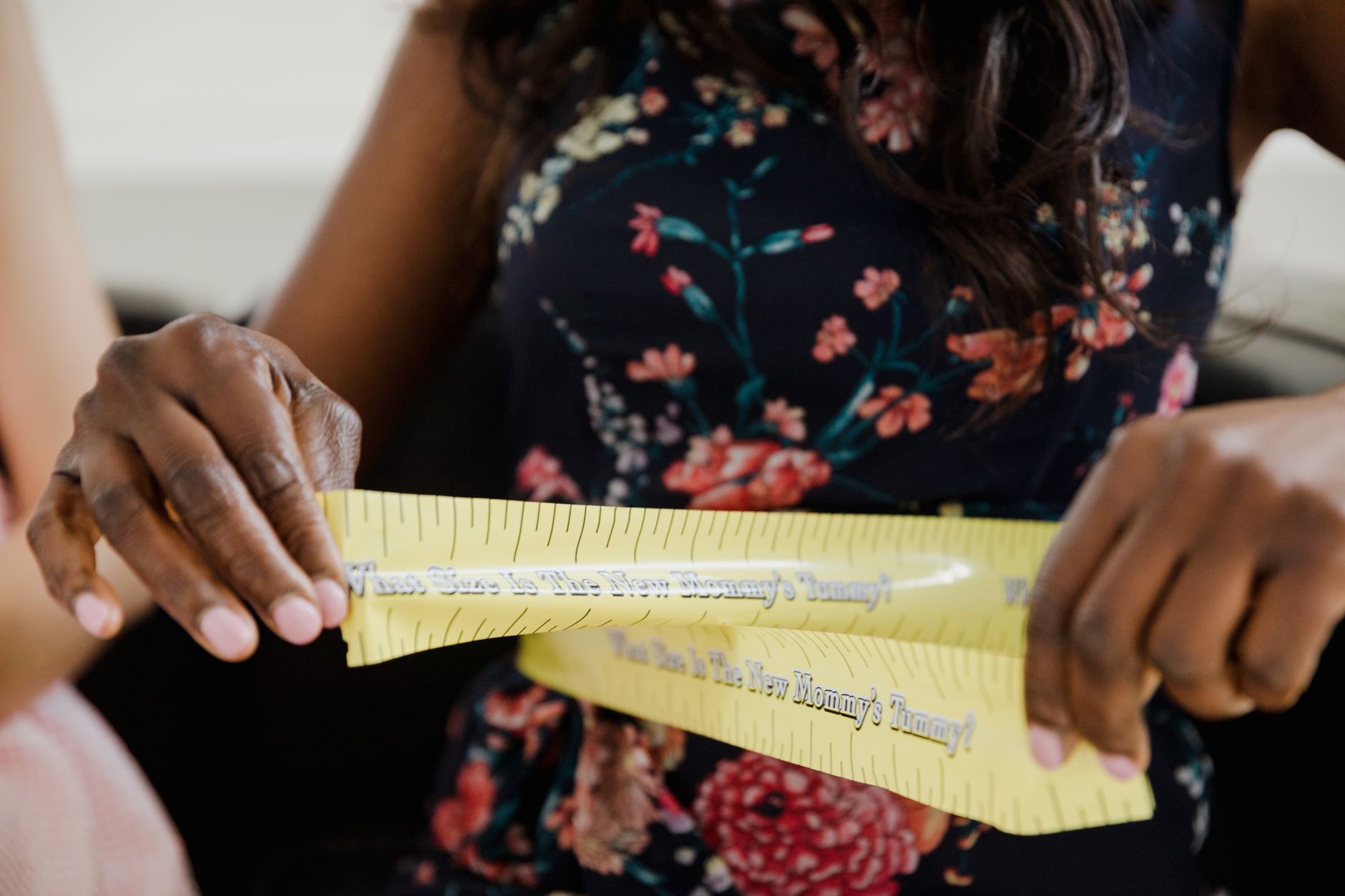
If you’re tracking your belly with a ruler, aim for consistency: measure at the same time of day, after you’ve emptied your bladder, and use a soft, flexible tape.
Is a 37 week belly size normal or a cause for concern?
“Normal” is a spectrum. A belly that measures within the 12‑15 in (30‑38 cm) window is statistically normal, but certain patterns can signal underlying issues.
When a larger measurement may warrant attention:
Rapid increase of more than 2 cm (≈ 0.8 in) in a week.
Consistently above 38 cm (15 in) paired with high blood pressure, swelling, or headaches—possible signs of pre‑eclampsia.
Extreme discomfort, difficulty breathing, or pain that wasn’t present before.
When a smaller measurement may merit a check:
Fundal height consistently below 30 cm (12 in) after 28 weeks.
Reduced fetal movements combined with a small belly.
Signs of low amniotic fluid (oligohydramnios), such as a “squeezed” feeling or a sudden drop in the baby’s activity.
Most of the time, a slight deviation from the average is harmless. The safest approach is to discuss any concerns with your obstetrician or midwife, who can order an ultrasound or an amniotic fluid index (AFI) scan if needed. Remember, the belly is only one piece of the puzzle; ultrasound measurements, heartbeat monitoring, and maternal symptoms together guide clinical decisions.
How to measure belly size (fundal height) at 37 weeks
Measuring fundal height is a simple, repeatable way to gauge fetal growth. Follow these steps for a reliable reading:
Pick a consistent time. The best moment is after you’ve emptied your bladder, before you eat a big meal, and preferably in the morning.
Lie down or sit comfortably. Relax your abdominal muscles; a flat back gives the most accurate result.
Locate the fundus. Feel for the top of the uterus—usually the firm, rounded dome just below the rib cage.
Place the tape. Position a soft, non‑stretchable measuring tape at the fundus and extend it down to the top of the pubic bone. Keep the tape snug but not tight.
Read the number. Note the measurement in centimeters (or inches) and record it in a pregnancy journal.
Repeat weekly. Consistency helps you spot trends; a single outlier is less meaningful than a pattern.
Here’s a quick visual guide you can paste into a notebook:
Step
What to do
1
Empty bladder, stand relaxed.
2
Locate top of uterus (fundus) under rib cage.
3
Place tape from fundus to pubic bone.
4
Read measurement, record in cm/in.
5
Repeat weekly, compare to previous weeks.
For those who prefer metric, the ACOG guideline suggests that at 37 weeks the fundal height should be roughly 34‑36 cm. If you’re using inches, aim for 13‑14 in. Any persistent deviation from this range—especially a drop in size—should be discussed with your provider.
How to measure fundal height: a simple, repeatable method.
Why is my belly not growing at 37 weeks pregnant?
There are three main reasons a belly might seem to “stall” in the third trimester:
Baby’s position. As the head engages in the pelvis, the uterus can appear slightly lower, making the belly look smaller even though the baby is growing.
Reduced amniotic fluid. Low fluid (oligohydramnios) can compress the uterus, leading to a smaller circumference. This condition is often picked up on ultrasound.
Maternal factors. A higher body mass index (BMI) or strong abdominal muscles can mask growth, while a very lean body type may make the uterus look less pronounced.
The CDC notes that oligohydramnios occurs in about 1‑5 % of pregnancies, and while many cases are mild, it can be associated with reduced fetal growth or pre‑term labor. If you notice a plateau in size for more than two weeks, or if you feel a sudden “tightness” or reduced fetal movement, schedule an appointment.
In most instances, a temporary pause in belly growth is harmless—especially if your baby’s heartbeat remains steady and movements feel regular. Your clinician will likely order an ultrasound to confirm fetal size and fluid levels.
What does a large belly at 37 weeks indicate about baby size?
A larger-than‑average belly can point to several possibilities:
Gestational diabetes. Elevated blood sugar can lead to a larger baby (macrosomia). The American Diabetes Association (ADA) recommends screening at 24‑28 weeks, and repeat testing if risk factors persist.
Increased amniotic fluid (polyhydramnios). This can stretch the uterus, making the belly appear larger. Causes include fetal anomalies, maternal infections, or poorly controlled diabetes.
Higher maternal BMI. Extra abdominal fat adds to the outer contour, even if the fundal height is within normal limits.
Multiple gestation. Twins or higher-order multiples naturally result in a larger abdomen, but most readers looking for “37 weeks pregnant belly size” are expecting a singleton.
Ultrasound remains the gold standard for confirming fetal weight. An estimated fetal weight (EFW) above the 90th percentile (often >4 kg or 8.8 lb) aligns with a larger belly and may influence delivery planning, such as considering a cesarean section to avoid shoulder dystocia.
Even with a big belly, many babies are perfectly healthy. The key is monitoring: regular ultrasounds, blood pressure checks, and discussions about birth‑plan options with your obstetrician.
Can a small belly at 37 weeks still be healthy?
Yes. A belly that measures on the lower end of the normal range—say 12 in (30 cm) or 32 cm—can still be perfectly fine, especially if the baby’s growth charts are on track. Factors that can lead to a smaller appearance include:
Maternal stature. Shorter women often have less room for the uterus to expand outward.
Low maternal weight gain. The Institute of Medicine (IOM) recommends a total weight gain of 25‑35 lb (11‑16 kg) for a woman with a normal BMI. Gaining less than 20 lb (9 kg) can still result in a healthy baby, but it should be monitored.
Early engagement of the baby’s head. When the head drops, the belly may appear flatter even though the baby is fully grown.
Key red flags for a small belly include a sudden drop in fundal height, decreased fetal movements, or signs of low amniotic fluid (dry‑mouth feeling, less “squishy” sensation). In such cases, a quick ultrasound can reassure you and your provider.
When should I call my doctor about my 37 week belly size?
If you notice any of the following, it’s time to reach out:
Fundal height drops by more than 2 cm in a week.
Sudden, persistent swelling of the belly that feels firm or painful.
Reduced or absent fetal movements for more than 2 hours.
Signs of pre‑eclampsia: severe headache, visual changes, rapid weight gain (>2 lb in a day), or swelling in the hands/face.
Any bleeding, fluid leakage, or severe abdominal pain.
These symptoms are not a guarantee of trouble, but they merit a prompt call or visit. Your provider may order an ultrasound, non‑stress test (NST), or amniotic fluid index (AFI) to assess the situation.
Factors that influence belly size at 37 weeks
Beyond the basics of fetal growth, several personal factors shape how your belly looks in the final weeks. Understanding these can help you interpret measurements with confidence.
Maternal height and torso length. Taller women often have a longer abdominal cavity, which can make the uterus sit slightly higher and appear larger. Conversely, shorter women may have a more compact appearance, even when the baby is thriving.
Body composition. Muscle tone, fat distribution, and previous pregnancies all affect the external contour. Women who have strong core muscles may notice a tighter, less “bulging” shape, while higher abdominal fat can add visual bulk that isn’t directly related to fetal size.
These variations are normal and are why clinicians rely on ultrasound rather than visual inspection alone. If you’re curious about how your own body type might influence measurements, ask your provider for a personalized explanation during your next visit.
Body shape and height can change how a 37‑week belly looks.
How does maternal weight gain affect fundal height measurements?
The amount of weight you gain during pregnancy is closely tracked because it influences both maternal health and fetal growth. The Institute of Medicine (IOM) provides guidelines based on pre‑pregnancy BMI: women with a normal BMI should aim for 25‑35 lb (11‑16 kg) total gain, while those with higher or lower BMI have adjusted targets.
When weight gain falls within the recommended range, the fundal height usually tracks the 1 cm‑per‑week pattern. Gaining significantly more than advised can lead to a larger belly that reflects maternal adipose tissue rather than fetal size. Conversely, gaining less than the lower limit may produce a smaller‑looking belly, even if the baby is appropriate for gestational age.
Regardless of the numbers, your provider will monitor both weight gain and fundal height together. If the two don’t align—e.g., rapid belly growth with modest weight gain—additional imaging may be ordered to rule out excess fluid or macrosomia.
Can twins or multiples affect belly size at 37 weeks?
While most people searching “37 weeks pregnant belly size” are expecting a single baby, it’s worth noting how multiples change the picture. Twins typically add 2‑4 cm (0.8‑1.6 in) to the fundal height compared with a singleton at the same gestational age. Triplets can add even more, often making the abdomen look markedly larger.
Because twins share the same uterine space, the shape can be more rounded or irregular, and the rise of the fundus may be higher on the rib cage. If you’re carrying multiples, your provider will likely schedule more frequent ultrasounds to monitor growth and amniotic fluid levels, as the risk of complications like pre‑term birth and polyhydramnios is higher.
Even with multiples, the same principle applies: fundal height is a screening tool, not a diagnostic one. Ultrasound remains the definitive method for assessing each baby’s size and wellbeing.
From our medical team: “Fundal height is a helpful screening tool, but it’s not diagnostic. If you have concerns about size—whether larger or smaller—your provider will use ultrasound to get a precise picture. Trust your instincts, keep a simple log of measurements, and stay in touch with your care team.”
Myth vs. fact
Myth: A belly that looks “big” always means a big baby.
Fact: Belly size reflects many variables, including amniotic fluid, maternal weight, and fetal position. Ultrasound is required to determine actual fetal weight.
Myth: If your belly is smaller than the average, the baby must be undergrown.
Fact: Many healthy babies fall below the mean fundal height, especially if the mother is shorter or has a low BMI. Consistent fetal movement and normal ultrasound findings are reassuring signs.
Myth: You should stop measuring once you feel the baby move.
Fact: Regular measurement through the third trimester helps catch subtle changes that may indicate fluid shifts or growth concerns, even when kicks feel normal.
Key takeaways
At 37 weeks, a typical fundal height is 34‑36 cm (13‑14 in), but 12‑15 in is still within the normal range.
Measure consistently after emptying your bladder and record weekly.
A larger belly can signal excess fluid, gestational diabetes, or a larger baby; a smaller belly can be normal but warrants monitoring if it drops suddenly.
Watch for red‑flag symptoms: rapid size change, reduced fetal movement, severe pain, or signs of pre‑eclampsia.
When in doubt, a quick ultrasound can clarify baby size and fluid volume.
Maternal height, weight gain, and whether you’re carrying multiples all influence how the belly looks.
Frequently asked questions
What is a normal belly size at 37 weeks?
Most clinicians expect a fundal height of 34‑36 cm (13‑14 in), but a range of 30‑38 cm (12‑15 in) is considered normal for healthy pregnancies.
How many inches is a 37 week pregnant belly?
Typical measurements fall between 13 in and 14 in, with occasional readings from 12 in to 15 in still within the accepted range.
Can a small belly at 37 weeks be a problem?
Usually not, as long as fetal movements are steady and ultrasound shows appropriate growth; however, a sudden drop in size or accompanying symptoms should be evaluated.
How do I measure my belly at 37 weeks?
Use a flexible tape measure from the top of the uterus (fundus) to the pubic bone after emptying your bladder, and record the number in centimeters or inches.
What does a large belly at 37 weeks indicate?
It may indicate higher amniotic fluid, a larger baby, or gestational diabetes, but only an ultrasound can confirm the exact cause.
When should I call the doctor about my belly size?
If you notice a rapid change in measurement, reduced fetal movement, severe pain, swelling, or any signs of pre‑eclampsia, call your provider promptly.
Can I use a cloth measuring tape instead of a metal one?
Yes, any non‑stretchable, flexible tape will work; just ensure it’s clean, lay it flat without tension, and record the reading consistently each week.
Does the baby’s gender affect belly size?
Generally no. While male babies are on average slightly heavier, the difference is too small to noticeably change fundal height, especially at 37 weeks.
When to call your doctor
If you experience any of the following, seek medical attention right away: sudden decrease in fundal height, persistent severe abdominal pain, bleeding, fluid leakage, reduced fetal movements, high blood pressure, severe headaches, or visual changes. This article provides general information and is not a substitute for personalized medical advice.
References
American College of Obstetricians and Gynecologists (ACOG). “Fundal Height Measurement.” Clinical Guidance, 2022.
National Health Service (NHS). “Measuring your baby’s growth.” Patient Information, 2023.
American Diabetes Association (ADA). “Gestational Diabetes Mellitus.” Standards of Care, 2023.
World Health Organization (WHO). “Maternal health and nutrition.” Global Guidelines, 2021.
Royal College of Obstetricians and Gynaecologists (RCOG). “Oligohydramnios and Polyhydramnios.” Clinical Practice Guidelines, 2022.
Institute of Medicine (IOM). “Weight Gain During Pregnancy.” Nutrition Recommendations, 2009.
Centers for Disease Control and Prevention (CDC). “Pregnancy and Birth.” Data & Statistics, 2022.
Mayo Clinic. “Fundal height.” Health Library, 2023.
American Academy of Pediatrics (AAP). “Fetal Growth Monitoring.” Clinical Report, 2022.
National Institute for Health and Care Excellence (NICE). “Antenatal care for uncomplicated pregnancies.” Guidelines, 2021.
Not sure about the label on 37 Weeks Pregnant Belly Size products?
Snap the ingredients list and SafeFilter checks every ingredient for your stage — only 3 free scans this month, then you're locked until reset. Unlimited from $7/mo or $50/yr.
When Shubhra Mishra was expecting her first child in 2016, she was overwhelmed by conflicting food advice — one site said yes, another said never. By the time her second baby arrived in 2019, she realized millions of mothers face the same confusion.
That sparked a five-year journey through clinical nutrition papers, cultural diets, and expert conversations — all leading to BumpBites: a calm, compassionate space where science meets everyday motherhood.
Her long-term vision is to build a global community ensuring safe, supported, and free deliveriesfor every mother — because no woman should face pregnancy alone or uninformed. 🌿
🌍 Stand with mothers, shape safer guidance
Join a small circle of experts who review BumpBites articles so expecting parents everywhere can decide with confidence.