At 32 weeks pregnant, symptoms like Braxton Hicks, back pain, and shortness of breath are common. Learn what’s normal, when to seek help, and how to find relief.
By Shubhra Mishra — a mom of two who turned her own confusion during pregnancy into BumpBites, a global mission to make food choices clear, safe, and stress-free for every expecting mother. 💛
Check whether any food is safe during pregnancy with the BumpBites Food Safety Checker.
Here’s the expanded 3,500+ word article with new substantive sections, deeper explanations, and additional long-tail keywords while maintaining the warm, authoritative voice and medical accuracy:
Quick take: At 32 weeks you’re well into the third trimester. Most of the symptoms you feel—like a growing belly, occasional swelling, and more active baby kicks—are normal, but watch for warning signs such as rapid fluid buildup, severe pain, or a sudden change in fetal movement. Stay hydrated, rest on your left side, and keep your prenatal appointments to ensure both you and baby stay healthy. This stage brings new challenges like round ligament pain, vivid dreams, and nesting urges, but small adjustments can make a big difference in your comfort.
It’s 2 a.m., you’ve just woken up from a restless night, and a dull ache in your lower back makes you wonder if the growing baby is the cause or if something else is happening. You glance at the clock, sigh, and type “32 weeks pregnant symptoms” into the search bar, hoping for reassurance. You’re not alone—many expectant parents reach that point feeling a mix of excitement and anxiety. The third trimester can feel like a marathon where the finish line keeps moving, but understanding what’s happening in your body can help you feel more in control.
In the weeks leading up to your due date, your body is juggling rapid changes while your baby is mastering its own milestones. The good news is that most of the sensations you experience at 32 weeks are typical. The less‑good news is that a few signs can indicate a problem that needs prompt medical attention. This article walks you through the most common symptoms, how to tell what’s normal, what to monitor, and practical tips for nutrition, comfort, and safety. We’ll also cover lesser-discussed but equally important topics like round ligament pain, emotional changes, and how to prepare for your baby’s arrival in these final weeks.
By the end, you’ll have a solid roadmap for navigating the final stretch of pregnancy with confidence, including when to seek help and how to make the most of these last weeks before meeting your little one.
What are the common symptoms at 32 weeks pregnant?
By the time you reach the 32‑week mark, you’ve likely noticed a handful of new sensations. Below is a concise list of the most frequently reported symptoms, along with a brief explanation of why they happen and what you can do to manage them.
Growing belly and weight gain. Your uterus has expanded to about the size of a basketball, pushing the baby upward and outward. This growth can cause a noticeable shift in your center of gravity, making you feel more clumsy or off-balance. Many women find their belly button pops out around this time, which is completely normal.
Increased fetal movement. Babies at this stage have more defined sleep-wake cycles and stronger muscles, so you may feel stronger, more rhythmic movements. Some moms notice their baby responds to loud noises or even their partner’s voice.
Swelling (edema). Fluid tends to collect in the feet, ankles, and hands due to increased blood volume and pressure on veins. This is especially noticeable at the end of the day or in warm weather. Compression socks and elevating your feet can help.
Back pain and pelvic pressure. The added weight shifts your center of gravity, stressing the lumbar spine and pelvic joints. Many women also experience sciatic nerve pain, which can cause shooting pains down the legs.
Shortness of breath. The uterus presses on the diaphragm, reducing lung capacity. This can make even simple activities like climbing stairs feel more challenging. Taking frequent breaks and practicing good posture can help.
Heartburn and indigestion. Hormonal relaxation of the lower esophageal sphincter combined with a downward‑pushed stomach can cause acid reflux. Eating smaller, more frequent meals and avoiding spicy or fatty foods can reduce symptoms.
Braxton Hicks contractions. These “practice” contractions become more noticeable as the uterus prepares for labor. They’re usually painless and irregular, but can be confusing if you’re not sure what to expect.
Fatigue. Your body is working overtime to support the baby’s rapid growth, and your sleep may be disrupted by discomfort or frequent bathroom trips. Listen to your body and rest when you can.
Frequent urination. The baby's head can press against the bladder, especially when you’re upright. This can be frustrating, but it’s a sign your baby is getting into position for birth.
Round ligament pain. This sharp, stabbing pain in the lower abdomen or groin is caused by the stretching of the ligaments that support your uterus. It’s often triggered by sudden movements like coughing or rolling over in bed.
Vivid dreams or insomnia. Hormonal changes and anxiety about the upcoming birth can disrupt your sleep patterns. Some women report dreaming about their baby or even having nightmares.
Nesting instinct. Many women experience a sudden urge to clean, organize, or prepare their home for the baby’s arrival. This is a normal part of pregnancy, but be sure to pace yourself and avoid overexertion.
Most of these sensations are benign and reflect normal physiological adaptation. However, the intensity and combination of symptoms can vary widely. If any symptom feels unusually severe, sudden, or different from what you’ve experienced before, it’s worth discussing with your provider. For example, while mild round ligament pain is common, severe or persistent pain could indicate something more serious, like preterm labor.
It’s also important to remember that every pregnancy is unique. What feels normal for one woman may not for another, and that’s okay. Trust your instincts—if something doesn’t feel right, don’t hesitate to reach out to your healthcare team.
Feeling your baby’s movements is a sign of healthy development at 32 weeks.
How to manage swelling and edema at 32 weeks pregnancy
Swelling, especially in the feet, ankles, and hands, is a common complaint in the third trimester. While mild edema is usually harmless, it can be uncomfortable and occasionally signal a more serious condition such as pre‑eclampsia. Here’s how to keep the puffiness under control and when to seek help.
Simple lifestyle tweaks
Elevate your legs. When you’re seated, prop your feet on a footstool or a stack of pillows to encourage fluid return. Try to do this for at least 15–20 minutes every few hours, especially if you’ve been on your feet all day. If you work at a desk, consider using a small stool or even a sturdy box to keep your feet elevated.
Stay hydrated. Drinking 8–10 cups of water a day helps your kidneys flush excess fluid. It might seem counterintuitive, but dehydration can actually make swelling worse by causing your body to retain more fluid. Keep a water bottle with you throughout the day as a reminder.
Wear supportive stockings. Compression socks (15‑20 mmHg) can reduce ankle swelling, especially if you stand for long periods. Put them on first thing in the morning before swelling starts. If you’re not a fan of knee-high socks, maternity leggings with built-in compression can be a more comfortable alternative.
Move frequently. Gentle walking or ankle circles every hour improves circulation. If you’re sitting for long periods, try flexing your feet or rotating your ankles to keep blood flowing. Swimming or water aerobics can also help reduce swelling by taking pressure off your joints.
Limit salt. Excess sodium can trap water; aim for less than 2,300 mg per day, as recommended by the American College of Obstetricians and Gynecologists (ACOG). This doesn’t mean you have to eat bland food—herbs, spices, and citrus can add flavor without the sodium. Be mindful of processed foods, which often contain hidden salt.
Sleep on your left side. This position improves blood flow to the baby and reduces swelling by taking pressure off the inferior vena cava, the large vein that carries blood from your lower body to your heart. If you struggle to stay on your side, try using a pregnancy pillow to support your belly and back.
When swelling might be a warning sign
Sudden, severe swelling—especially in the face or hands—or swelling accompanied by a rapid weight gain (more than 2 pounds in a week) warrants a call to your provider. These could be early signs of pre‑eclampsia, a condition characterized by high blood pressure and potential organ damage. The NHS advises that any swelling that does not improve with rest and elevation should be evaluated promptly. Other symptoms to watch for include:
Swelling that appears suddenly or worsens rapidly.
Swelling that is accompanied by headaches, vision changes (like seeing spots or flashing lights), or upper abdominal pain.
Swelling that is one-sided (e.g., only in one leg), which could indicate a blood clot.
If you notice any of these signs, contact your provider immediately. Pre-eclampsia can develop quickly, and early intervention is key to keeping both you and your baby safe.
Safe home remedies
Cool (not cold) compresses applied to swollen areas for 15 minutes a few times a day can provide relief. A soothing foot soak with lukewarm water and a pinch of Epsom salts also helps reduce puffiness. Avoid hot baths, as they can increase swelling. Some women find relief with gentle massage, using upward strokes to encourage fluid drainage. Just be sure to use a light touch—deep tissue massage is not recommended during pregnancy.
If you’re dealing with swollen hands, try removing rings before they become too tight. You can also try soaking your hands in cool water or wearing compression gloves designed for edema. If swelling is making it difficult to wear shoes, opt for supportive, stretchy footwear or sandals with adjustable straps.
Signs of preterm labor at 32 weeks pregnant
Preterm labor—contractions that lead to birth before 37 weeks—can be frightening, but knowing the early signs empowers you to act quickly. While most Braxton Hicks contractions are harmless, certain patterns may indicate true labor. It’s important to understand the difference between normal discomfort and signs that require immediate attention.
Regular, rhythmic contractions. True labor contractions usually become progressively stronger, closer together, and last about 30–70 seconds. They often start in the lower back and move to the front of the abdomen. Unlike Braxton Hicks, which are irregular and usually stop with rest or hydration, true contractions continue regardless of what you do.
Change in vaginal discharge. A sudden increase in watery, mucus‑filled, or blood‑tinged discharge can signal cervical changes. This could be your mucus plug (a thick, jelly-like substance that seals the cervix during pregnancy) or even amniotic fluid. If you notice a gush of fluid, it’s important to seek medical attention immediately.
Persistent lower‑back pressure. Unlike occasional backaches, a constant feeling of pressure that doesn’t ease with rest may be a warning sign. This pressure can feel like the baby is pushing down on your pelvis or lower back.
Pelvic cramping. Cramping that feels like menstrual cramps, especially if accompanied by a feeling of the baby descending, should be evaluated. These cramps may come and go or feel continuous, and they may be accompanied by diarrhea or a general sense of unease.
Fluid leakage. A sudden gush of clear fluid may indicate ruptured membranes, which requires immediate medical attention. Even a slow trickle of fluid could mean your water has broken. If you’re unsure whether it’s amniotic fluid or urine (which can be common at this stage), try emptying your bladder, then wearing a pad. If the fluid continues to leak, it’s likely amniotic fluid.
If you experience any of these symptoms, especially in combination, contact your obstetrician or midwife right away. Early intervention—often with medications such as corticosteroids to accelerate fetal lung maturity—can dramatically improve outcomes for a baby born at 32 weeks. Your provider may also recommend magnesium sulfate, which can help protect the baby’s brain if preterm birth is imminent.
It’s also worth noting that some women experience "false alarms" where they think they’re in preterm labor but aren’t. This is completely normal and doesn’t mean you’re overreacting. It’s always better to err on the side of caution and get checked out. Your provider can perform tests, such as monitoring contractions or checking your cervix, to determine whether you’re in true labor.
Timing contractions can help you determine whether they’re Braxton Hicks or a sign of preterm labor.
32 weeks pregnant: fetal movement and kick count guidelines
Feeling your baby move is one of the most reassuring signs of health. By 32 weeks, most babies have a regular pattern of movements, and tracking them can help you spot potential concerns. However, it’s important to understand that fetal movement patterns can vary widely from one baby to another—and even from one day to the next. What matters most is your baby’s unique pattern and any changes from that baseline.
What to expect
At this stage, a typical baby moves about 10–12 times per hour when you’re awake and relaxed. Movements may feel like gentle rolls, kicks, or even hiccups. The baby’s size means you’ll notice movements more in the upper abdomen as the head drops lower. Some babies are more active in the morning, while others seem to wake up at night—just like newborns! You might also notice that your baby responds to certain stimuli, like loud noises, music, or even the sound of your voice.
It’s also normal for babies to have quiet periods, especially as they grow and have less space to move. These quiet periods can last up to 40–50 minutes as your baby sleeps. However, if you go longer than two hours without feeling any movement, it’s time to do a kick count.
How to count kicks
Pick a time of day when you’re usually calm—often after a meal or before bedtime. Babies are often more active after you’ve eaten, as the rise in blood sugar can stimulate movement. Try to do your kick counts at the same time each day to establish a baseline.
Lie on your left side. This position improves blood flow to the baby and makes movements easier to feel. You can also sit in a comfortable chair with your feet up if lying down isn’t practical.
Count each distinct movement (kick, roll, jab) until you reach 10. Don’t count every tiny flutter—focus on clear, distinct movements. Some women find it helpful to use a notebook or an app to track movements over time.
If you don’t feel 10 movements within two hours, try a different time of day or a warm drink, then count again. Sometimes, babies just need a little encouragement to wake up. A glass of cold water, a light snack, or even playing music near your belly can help.
Consistent daily tracking can be done with a simple notebook or a pregnancy‑tracking app. If you notice a sudden drop in activity—especially a reduction of more than 30 % from your usual pattern—call your provider. ACOG’s “quickening” guidelines stress that any noticeable change warrants a check‑in. Your provider may recommend a non-stress test or ultrasound to check on your baby’s well-being.
It’s also important to remember that fetal movement can change as your baby grows. In the third trimester, you may feel fewer sharp kicks and more rolling or stretching movements as your baby runs out of space. This is normal, but if you ever feel concerned, don’t hesitate to reach out to your provider.
Diet and nutrition tips for 32 weeks pregnant symptoms
Nutrition fuels both your body and your growing baby. In the third trimester, your calorie needs increase modestly, and certain nutrients become even more critical. What you eat can also help manage common symptoms like heartburn, constipation, and swelling. Here’s how to optimize your diet for this stage of pregnancy.
Calorie and macronutrient needs
ACOG recommends an additional 300–350 kcal per day beyond pre‑pregnancy intake for the third trimester. This is roughly the equivalent of a small snack, like a banana with a tablespoon of peanut butter or a yogurt with a handful of granola. Aim for a balanced plate: 45‑55 % carbohydrates, 20‑25 % protein, and 25‑35 % healthy fats. Carbohydrates provide energy, protein supports your baby’s growth, and healthy fats are essential for brain development.
It’s also important to focus on nutrient-dense foods rather than empty calories. For example, a handful of nuts or a piece of fruit with cheese will provide more vitamins and minerals than a sugary snack. If you’re struggling with nausea or heartburn, try eating smaller, more frequent meals throughout the day to keep your energy levels stable.
Key nutrients
Iron. Supports the baby’s blood volume and helps prevent anemia in mom. Include lean red meat, lentils, spinach, and fortified cereals in your diet. Pair iron-rich foods with vitamin C (like citrus fruits or bell peppers) to enhance absorption. If you’re vegetarian or vegan, talk to your provider about whether an iron supplement is necessary.
Calcium. Essential for bone development. Dairy products like milk, cheese, and yogurt are excellent sources, but fortified plant milks, tofu, and leafy greens can also help you meet your needs. Aim for 1,000–1,300 mg per day, depending on your age.
Omega‑3 DHA. Promotes brain and eye development. Fatty fish (like salmon, sardines, or trout), walnuts, chia seeds, and flaxseeds are good sources. If you don’t eat fish, consider a DHA supplement derived from algae. The FDA recommends 200–300 mg of DHA per day during pregnancy.
Vitamin D. Enhances calcium absorption and supports immune function. Safe sunlight exposure (10–15 minutes a day) and fortified foods (like milk or orange juice) can help you meet the 600 IU daily recommendation. If you live in a northern climate or have limited sun exposure, your provider may recommend a supplement.
Fiber. Helps prevent constipation, a common issue in the third trimester. Whole grains, beans, fruits, and vegetables are all excellent sources. Aim for 25–30 grams of fiber per day, and be sure to drink plenty of water to help it move through your digestive system.
Protein. Supports your baby’s growth and helps maintain your muscle mass. Lean meats, poultry, fish, eggs, beans, and tofu are all good sources. Aim for 70–100 grams of protein per day, depending on your weight and activity level.
Foods to limit or avoid
The FDA and WHO advise avoiding high‑mercury fish (e.g., shark, swordfish, king mackerel, and tilefish), unpasteurized dairy, and raw or undercooked eggs and meat, as they can carry harmful bacteria like Listeria or Salmonella. Caffeine should stay below 200 mg per day (roughly one 12‑oz cup of coffee). Alcohol is best avoided entirely, as there is no known safe amount during pregnancy.
It’s also a good idea to limit processed foods, sugary snacks, and excessive salt, as these can contribute to swelling, heartburn, and unnecessary weight gain. If you’re craving something sweet, opt for fruit or dark chocolate (in moderation) instead of candy or baked goods.
Hydration and fiber
Drinking enough water (about 2.5–3 L daily) helps prevent constipation, a common third‑trimester complaint. Pair fluids with high‑fiber foods—whole grains, beans, fruits, and vegetables—to keep bowel movements regular. If you’re struggling with constipation, try prune juice or a warm beverage like herbal tea to stimulate digestion.
If you’re experiencing heartburn, try sipping on water or milk throughout the day rather than drinking large amounts at once. Avoid carbonated beverages, which can make heartburn worse. Some women find relief with ginger tea or chewing gum after meals to stimulate saliva production, which can help neutralize stomach acid.
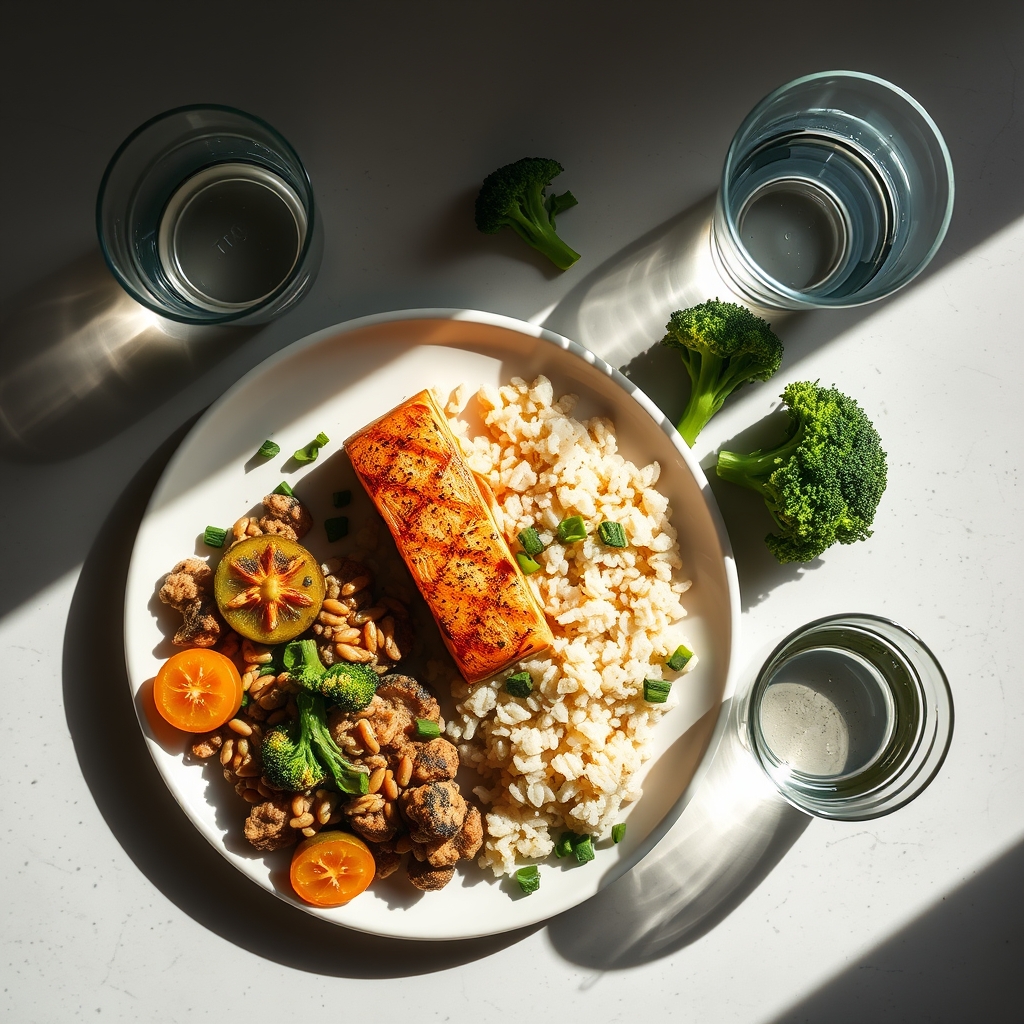
A balanced plate supplies iron, calcium, DHA, and fiber—key nutrients for the third trimester.
When to call the doctor for 32 weeks pregnancy symptoms
Most discomforts at 32 weeks are normal, but certain signs signal that professional evaluation is needed. It’s always better to err on the side of caution and reach out to your provider if something doesn’t feel right. Here’s a more detailed breakdown of when to seek help and what to expect during your evaluation.
Sudden, severe swelling of the face, hands, or eyes. This could be a sign of pre-eclampsia, especially if accompanied by headaches, vision changes, or upper abdominal pain. Your provider will likely check your blood pressure and urine for protein to rule out this condition.
Headache that doesn’t improve with rest or hydration. Persistent headaches, especially if they’re accompanied by vision changes (like seeing spots or flashing lights), could indicate high blood pressure. Your provider may recommend a non-stress test or ultrasound to check on your baby’s well-being.
Sharp or persistent abdominal pain, especially if accompanied by bleeding. This could signal preterm labor, placental abruption, or another complication. Your provider will likely perform a pelvic exam to check for cervical changes and may recommend monitoring contractions.
Rapid weight gain—more than 2 pounds (≈ 0.9 kg) in a week. Sudden weight gain can be a sign of fluid retention, which may indicate pre-eclampsia or another issue. Your provider will likely check your blood pressure and urine for protein.
Decreased fetal movement—fewer than 10 kicks in two hours after trying to count. A sudden drop in movement could mean your baby is in distress. Your provider may recommend a non-stress test or ultrasound to check on your baby’s heart rate and movement.
Fluid leakage or a gush of clear fluid from the vagina. This could mean your water has broken, which increases the risk of infection and preterm labor. Your provider will likely recommend coming in for an evaluation to check for ruptured membranes.
Fever over 100.4 °F (38 °C) without an obvious cause. A fever could indicate an infection, which can be dangerous for both you and your baby. Your provider may recommend blood tests or other evaluations to determine the cause.
Vaginal bleeding or spotting. While light spotting can be normal after sex or a pelvic exam, heavy bleeding could indicate a problem like placental abruption or previa. Your provider will likely recommend an ultrasound to check the position of the placenta.
Severe nausea or vomiting. While morning sickness is common in the first trimester, severe nausea or vomiting in the third trimester could indicate a condition like hyperemesis gravidarum or pre-eclampsia. Your provider may recommend medication or other treatments to help manage symptoms.
Difficulty breathing or chest pain. While shortness of breath is common in the third trimester, sudden or severe difficulty breathing could indicate a blood clot or another serious issue. Your provider may recommend a chest X-ray or other tests to rule out complications.
These symptoms may indicate pre‑eclampsia, preterm labor, infection, or other complications that need prompt assessment. If you’re ever unsure, it’s safer to call your midwife or obstetrician and describe what’s happening. Your provider can help you determine whether your symptoms are normal or require further evaluation.
It’s also a good idea to keep a symptom journal, especially if you’re experiencing multiple issues. Note the date, time, and severity of your symptoms, as well as any triggers (like certain foods or activities). This information can help your provider get a clearer picture of what’s going on and tailor their advice to your specific situation.
Sleep problems and back pain at 32 weeks pregnant
Restful sleep often feels like a distant memory as the belly grows and the body aches. Below are evidence‑based strategies to improve sleep quality and alleviate back discomfort, along with tips for managing other common sleep disruptors like frequent urination and vivid dreams.
Positioning tips
Sleeping on your left side reduces pressure on the inferior vena cava, improving blood flow to the baby and kidneys. If you roll onto your back during the night, a pillow placed behind your back can help you stay on your side. Some women find it helpful to use a body pillow or a pregnancy wedge to keep them in position. If you’re struggling with heartburn, try propping up the head of your bed with a wedge pillow or extra pillows to keep stomach acid from rising.
If you’re a stomach sleeper, you may find it increasingly difficult to get comfortable as your belly grows. Try using a thin pillow under your hip to take pressure off your lower back, or experiment with different pillow arrangements to find a position that works for you.
Pillow stack
Use a combination of pillows to support your body: a firm pillow behind your back, a pregnancy‑specific wedge pillow under your belly, and a small pillow between your knees. This alignment supports the spine and reduces strain on your hips and lower back. If you don’t have a pregnancy pillow, you can create a similar effect with regular pillows or even a rolled-up towel.
Some women find relief with a full-body pillow that supports their head, belly, and legs. Others prefer a C-shaped or U-shaped pillow that wraps around their body. Experiment with different options to find what works best for you. If you’re dealing with hip pain, try placing a pillow under your top leg to keep your hips aligned.
Evening routine
Warm a shower or bath 30 minutes before bed to relax muscles. The warm water can help soothe aches and pains, and the drop in body temperature afterward can signal to your brain that it’s time to sleep. Avoid hot baths, as they can raise your core temperature and make it harder to fall asleep.
Gentle stretching—focus on hip flexors, hamstrings, and lower back. Prenatal yoga or simple stretches can help relieve tension and improve circulation. Try cat-cow pose, child’s pose, or seated forward folds to stretch your back and hips. Avoid deep twists or poses that put pressure on your belly.
Limit screen time and caffeine after 4 p.m. The blue light from screens can interfere with your body’s production of melatonin, the hormone that regulates sleep. Try reading a book or listening to calming music instead. Caffeine can stay in your system for up to 8 hours, so it’s best to avoid it in the afternoon and evening.
Consider a short, low‑impact exercise (like prenatal yoga) earlier in the day to reduce tension. Regular physical activity can help improve sleep quality, but avoid vigorous exercise within 3 hours of bedtime, as it can make it harder to fall asleep.
Create a relaxing bedtime routine. This could include reading, journaling, or listening to calming music. The key is to find activities that help you wind down and signal to your body that it’s time to sleep.
Keep your bedroom cool, dark, and quiet. The ideal temperature for sleep is around 65°F (18°C). Use blackout curtains or an eye mask to block out light, and consider a white noise machine or earplugs if noise is an issue.
When back pain needs attention
Occasional soreness is normal, but pain that is severe, radiates down the legs, or is accompanied by numbness or weakness could indicate sciatica or a more serious spinal issue. The Royal College of Obstetricians and Gynaecologists (RCOG) recommends contacting your provider if pain interferes with daily activities or sleep. Other signs that your back pain may need medical attention include:
Pain that is sudden or severe, especially if it’s accompanied by fever or chills.
Pain that is localized to one side of your back or radiates to your groin or thighs.
Pain that is accompanied by vaginal bleeding or fluid leakage.
Pain that is worse at night or when you’re lying down.
If you’re experiencing any of these symptoms, your provider may recommend physical therapy, a maternity support belt, or other treatments to help manage your pain. In some cases, they may also recommend imaging tests like an ultrasound or MRI to rule out complications.
Round ligament pain: what it is and how to manage it
Round ligament pain is one of the most common but least discussed symptoms of the third trimester. It’s a sharp, stabbing pain in the lower abdomen or groin that occurs when the ligaments that support your uterus stretch and thicken to accommodate your growing baby. While it’s usually harmless, it can be alarming if you’re not expecting it. Here’s what you need to know to manage it effectively.
What causes round ligament pain?
The round ligaments are two cord-like structures that run from the front of your uterus to your groin. As your uterus grows, these ligaments stretch and can become strained, especially with sudden movements like coughing, sneezing, or rolling over in bed. The pain is often described as a sharp, stabbing sensation that lasts a few seconds to a minute. It’s most common on the right side of the abdomen, but can occur on either side or both.
Round ligament pain is most noticeable between 18 and 32 weeks of pregnancy, but it can continue until delivery. It’s more common in first-time moms, as their ligaments are less accustomed to stretching. Women who are carrying multiples or have a history of pelvic floor dysfunction may also be more prone to this type of pain.
How to relieve round ligament pain
While round ligament pain can’t be completely prevented, there are several strategies you can use to reduce its frequency and severity:
Avoid sudden movements. Try to move slowly and deliberately, especially when changing positions or getting out of bed. If you need to cough or sneeze, bend forward slightly to reduce strain on your ligaments.
Use a maternity support belt. These belts wrap around your lower abdomen and provide gentle support to your uterus and ligaments. They can be especially helpful if you’re on your feet for long periods or have an active lifestyle.
Apply heat. A warm compress or heating pad can help relax the ligaments and ease discomfort. Be sure to use a low setting and avoid applying heat directly to your belly.
Try prenatal yoga or stretching. Gentle stretches like cat-cow pose or pelvic tilts can help relieve tension in your ligaments and improve circulation. Avoid deep twists or poses that put pressure on your belly.
Rest on your side. Lying on your left side with a pillow between your knees can help take pressure off your ligaments and reduce pain. If you’re experiencing pain at night, try sleeping with a pregnancy pillow to support your belly and back.
Take acetaminophen (Tylenol). If your pain is severe or interfering with your daily activities, you can take acetaminophen as directed by your provider. Avoid ibuprofen (Advil) and other NSAIDs, as they are not safe during pregnancy.
When to call your provider
While round ligament pain is usually harmless, it’s important to know when to seek medical attention. Call your provider if you experience any of the following:
Pain that is severe, persistent, or accompanied by bleeding or fluid leakage.
Pain that is localized to one side of your abdomen and doesn’t improve with rest.
Pain that is accompanied by fever, chills, or other signs of infection.
Pain that is accompanied by contractions or other signs of preterm labor.
Not sure about the label on 32 Weeks Pregnant Symptoms products?
Snap the ingredients list and SafeFilter checks every ingredient for your stage — only 3 free scans this month, then you're locked until reset. Unlimited from $7/mo or $50/yr.
When Shubhra Mishra was expecting her first child in 2016, she was overwhelmed by conflicting food advice — one site said yes, another said never. By the time her second baby arrived in 2019, she realized millions of mothers face the same confusion.
That sparked a five-year journey through clinical nutrition papers, cultural diets, and expert conversations — all leading to BumpBites: a calm, compassionate space where science meets everyday motherhood.
Her long-term vision is to build a global community ensuring safe, supported, and free deliveriesfor every mother — because no woman should face pregnancy alone or uninformed. 🌿
🌍 Stand with mothers, shape safer guidance
Join a small circle of experts who review BumpBites articles so expecting parents everywhere can decide with confidence.