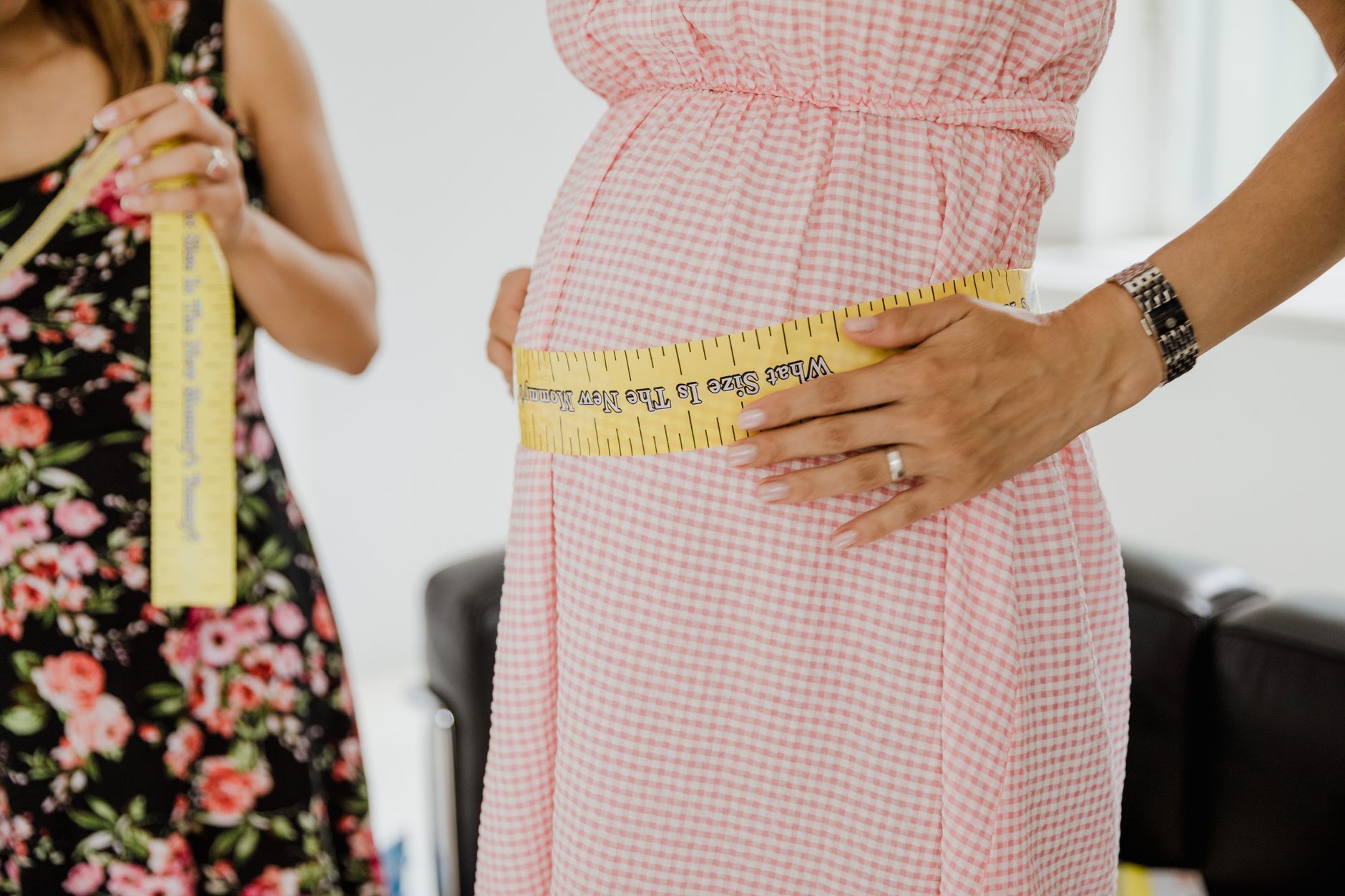
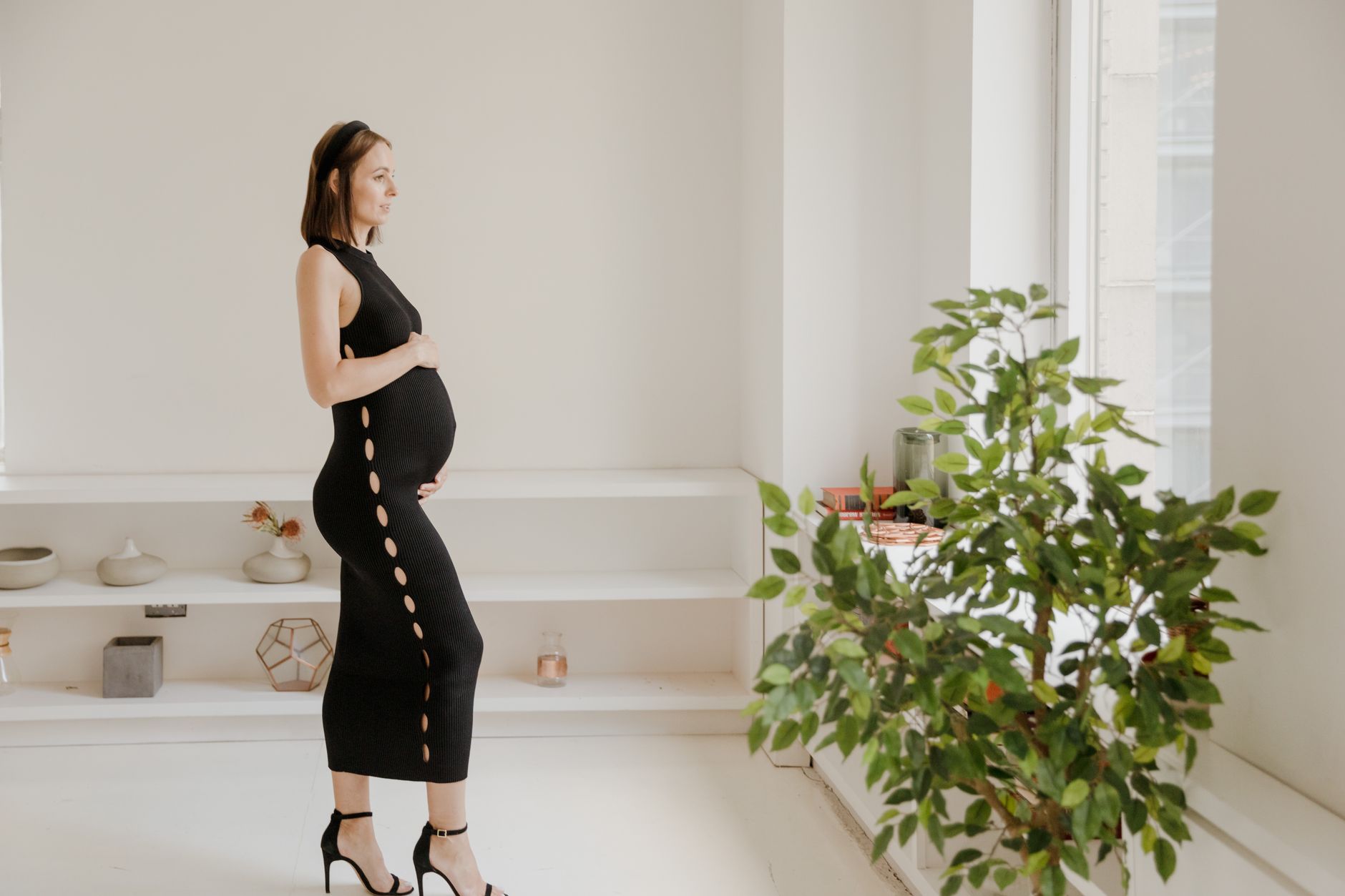
At 32 weeks pregnant, the belly typically measures about 35‑38 inches (89‑96 cm) around, though size varies with baby position and body type. Learn what’s normal, how it compares to earlier weeks, and tips for comfort.
By Shubhra Mishra — a mom of two who turned her own confusion during pregnancy into BumpBites, a global mission to make food choices clear, safe, and stress-free for every expecting mother. 💛
Check whether any food is safe during pregnancy with the BumpBites Food Safety Checker.
Quick take: At 32 weeks pregnant, most bellies measure about 36‑38 inches (91‑97 cm) around the belly button. Size can vary widely—baby size, fluid levels, and your own body shape all play a role. If your belly feels unusually large or small, or if growth speeds up suddenly, it’s worth checking in with your provider.
It’s 2 a.m., your baby kicks a little harder than usual, and you glance at the clock, wondering whether the growing curve of your belly is “normal.” You’re not alone—many expectant parents reach for their phones at odd hours, looking for reassurance about the size of that 32‑week bump.
In this guide we’ll break down what “32 weeks pregnant belly size” really means, how to measure it accurately, what the numbers typically look like, and when a change might signal something that needs a professional eye. We’ll also share practical tips for choosing comfortable clothes, tracking growth week by week, and understanding the many factors that shape your belly.
By the end you’ll have a clear picture of what to expect, how to measure, and what signs call for a quick call to your doctor or midwife.
What is the average belly size at 32 weeks pregnant?
When we talk about “belly size” during pregnancy we’re usually referring to the circumference measured around the belly button (the fundal height measurement is a separate, clinical gauge). At 32 weeks, the average circumference falls between 36 and 38 inches (91‑97 cm). This range captures more than 80 % of pregnant people, according to data compiled by the American College of Obstetricians and Gynecologists (ACOG) and the UK’s National Institute for Health and Care Excellence (NICE).
Why the range? Every pregnancy is unique. Some people carry a larger baby, some have more amniotic fluid, and others may have a tighter uterine wall or extra abdominal fat. All of these elements shift the measurement slightly.
Below is a quick reference table that many clinicians use during prenatal visits:
Gestational week
Average belly circumference (inches)
Average belly circumference (centimeters)
30
34‑36
86‑91
32
36‑38
91‑97
34
38‑40
97‑102
Remember, these are averages—not hard rules. If your measurement is a few centimeters above or below, it’s still likely within the normal spectrum. In practice, clinicians combine this simple tape measure with ultrasounds and fetal heart monitoring to get a full picture of growth.
Recent ACOG guidance emphasizes that a single measurement should never be interpreted in isolation; trends over time are far more informative. So, even if you’re a little above the average this week, a steady, gradual increase is usually reassuring.
Measuring your belly at home is simple—just follow the step‑by‑step guide below.
How many inches is a 32 week pregnant belly?
Most people report a circumference of 36‑38 inches at 32 weeks. If you prefer the metric system, that translates to roughly 91‑97 cm. The exact number can shift by an inch (2.5 cm) depending on the day’s fluid level, your posture, and whether you’ve just eaten a large meal.
It’s helpful to track your own numbers over time. Take a measurement once a week, preferably at the same time of day, and write it down in a journal or a pregnancy tracking app. Seeing the gradual increase—often about 1 inch (2.5 cm) every two weeks—can give you confidence that your baby’s growth is on track.
Clinicians often use the measurement as a quick screening tool. If your circumference follows the expected upward trend, it reassures both you and your provider that the uterus is expanding appropriately.
In the United Kingdom, the NHS advises that a deviation of more than 2 cm from your personal baseline should prompt a discussion at your next prenatal visit, especially if accompanied by other symptoms.
32 weeks pregnant belly size vs baby size
The size of the baby (often called “fetal size”) does influence belly size, but it’s only one piece of the puzzle. By 32 weeks the average fetal weight is about 3.75 lb (1.7 kg) and the head circumference measures around 12 cm (4.7 in). A larger baby can add an inch or two to your circumference, while a smaller baby might keep the measurement on the lower end of the range.
Other contributors include:
Amniotic fluid volume: More fluid stretches the uterus, increasing belly size.
Maternal weight gain: Extra body fat or muscle can add to the measurement.
Uterine tone: A tighter uterus may make the belly appear smaller despite a healthy baby.
Because these factors interact, a direct one‑to‑one correlation between baby size and belly circumference is rare. That’s why clinicians focus on a combination of measurements, ultrasounds, and fetal heart rate monitoring to assess growth.
When an ultrasound is performed, the sonographer can estimate fetal weight and compare it to the mother's belly measurement, helping to identify any discrepancies early. The ACOG recommends a growth scan if the difference exceeds 10 % between estimated fetal weight and maternal abdominal circumference.
Is a 32 week pregnant belly size normal if it's larger than expected?
Seeing a number that feels “big” can be unsettling, especially if friends or family describe a smaller bump. In most cases, a larger‑than‑average belly at 32 weeks is still normal. Common reasons include:
Genetic factors that influence how the uterus expands.
If your belly is significantly larger—more than 2 inches (5 cm) above the typical range—or if you experience sudden swelling, severe pain, or decreased fetal movement, it’s wise to contact your provider. They might order an ultrasound to check fluid levels and fetal size.
Guidelines from the NHS suggest that polyhydramnios is evaluated when the amniotic fluid index exceeds 24 cm, and management often involves close monitoring rather than immediate intervention. In the United States, the ACOG notes that polyhydramnios occurs in about 1‑2 % of pregnancies and usually resolves with careful observation.
How to measure your belly at 32 weeks pregnant
Measuring your belly accurately at home is easy and only takes a minute. Follow these steps:
Gather a flexible measuring tape. Cloth or soft plastic tapes work best.
Pick a consistent time. Many people measure after waking up and using the bathroom, before eating.
Stand relaxed. Place your feet hip‑width apart, shoulders relaxed, and gently exhale.
Locate your belly button. Wrap the tape snugly around the navel, making sure it’s level all the way around.
Read the number. Record the measurement to the nearest half‑inch (or centimeter). Avoid pulling the tape too tight; it should feel comfortable.
Repeat twice. Take two readings and average them for the most reliable result.
For extra precision, you can measure at the same spot each week by marking the tape with a tiny, non‑permanent dot where it meets the navel. This eliminates slight shifts that could skew the data.
The ACOG advises that home measurements are a useful adjunct to clinic visits, but they should never replace professional assessment if you notice any concerning changes.
What factors affect belly size at 32 weeks pregnant
Beyond the baby’s size, several variables shape the belly you see in the mirror.
Amniotic fluid volume
Amniotic fluid cushions the baby and allows for movement. Normal fluid volume is about 800‑1000 ml. If levels rise (polyhydramnios), the belly can expand noticeably. Conversely, low fluid (oligohydramnios) may make the belly feel smaller.
Maternal weight gain
The Institute of Medicine (IOM) recommends a total pregnancy weight gain of 25‑35 lb (11‑16 kg) for a person with a normal BMI. By week 32, many have reached about 70‑80 % of that goal. Extra fat stores, especially around the abdomen, add to the circumference.
Uterine tone and muscle strength
A well‑toned abdominal wall can hold the uterus tighter, producing a flatter appearance. Regular prenatal yoga or gentle core work (approved by your provider) can influence this, though the effect is modest.
Baby’s position
If the baby’s head is tucked toward the spine (a “head‑down” position), the belly may look smaller. A breech or transverse presentation can push the bump outward, making it appear larger.
Digestive changes
Pregnancy hormones slow digestion, leading to bloating. A particularly gassy day can temporarily increase belly size by an inch or more.
Genetics and body shape
People with a naturally larger torso or higher waist‑to‑hip ratio may see a bigger bump, even with a similar baby size. Conversely, a slender frame can keep the bump more compact.
All of these factors are discussed in the NHS’s “Pregnancy weight gain” guidance, which emphasizes that size alone is not a reliable indicator of fetal health.
When should I be concerned about rapid belly growth at 32 weeks?
Sudden or rapid increases in belly size—more than 2 inches (5 cm) over a few days—should prompt a call to your provider. Possible concerns include:
Polyhydramnios (excess fluid) that can lead to preterm labor.
Gestational diabetes, which can cause increased fluid and fetal growth.
Pre‑eclampsia, where swelling may accompany high blood pressure.
Accompanying symptoms that merit immediate attention are:
Severe abdominal pain or cramping.
Sudden shortness of breath or difficulty breathing.
Rapid weight gain (>2 lb in a week) combined with swelling in hands or face.
Reduced fetal movement.
When any of these red flags appear, schedule a prenatal visit or call the on‑call line right away. Early evaluation can catch issues before they become emergencies.
Difference between belly size at 32 weeks and 30 weeks
From week 30 to week 32, most people see an increase of about 1‑2 inches (2.5‑5 cm) in belly circumference. This reflects the baby’s accelerated growth in the third trimester, as well as the gradual rise in amniotic fluid volume.
Here’s a quick snapshot:
Week 30 average: 34‑36 inches (86‑91 cm).
Week 32 average: 36‑38 inches (91‑97 cm).
Typical weekly gain: ~0.5 inch (1.25 cm).
Because the growth curve is fairly steady, a sudden jump of more than an inch over a short period is usually the signal to check in with your clinician.
Additional questions you might have
What is the 32 weeks pregnant belly circumference in centimeters?
The average range translates to 91‑97 cm. If you’re tracking in centimeters, aim for a weekly increase of about 1‑2 cm.
Average waist measurement at 32 weeks gestation
Waist measurement and belly circumference often overlap, but a “waist” taken at the narrowest point (above the belly button) typically reads 2‑4 inches (5‑10 cm) smaller than the full belly circumference.
How much weight gain corresponds to belly size at 32 weeks?
By week 32, many have gained roughly 20‑25 lb (9‑11 kg). Roughly half of the increase is due to the growing fetus and fluid; the rest comes from maternal tissue and blood volume.
Does the baby's position affect belly size at 32 weeks?
Yes. A head‑down (vertex) presentation often tucks the bump slightly, while a breech or transverse position can push the belly outward, making it look larger.
Can a small belly at 32 weeks indicate problems?
A consistently small measurement—well below 34 inches (86 cm)—might suggest low amniotic fluid, growth restriction, or inaccurate dating. If your provider notices a discrepancy, they’ll likely order an ultrasound to assess fetal growth.
How to track belly growth week by week
Maintain a simple log: record the date, measurement (inches and centimeters), and any notes about fluid intake, meals, or notable symptoms. Some apps allow you to plot the trend, showing you whether you’re staying within the expected growth curve.
What clothing fits for 32 weeks pregnant belly size?
At 32 weeks many find maternity leggings, stretchy maxi dresses, and wrap tops most comfortable. Look for fabrics with a bit of stretch (spandex or elastane) and adjustable waistbands. Layering a loose cardigan over a fitted top can accommodate a growing bump while keeping you cool.
Stretchy dresses and adjustable waistbands adapt to the bump’s growth.
From our medical team: A gradual increase of 0.5‑1 inch (1‑2.5 cm) per week is typical in the third trimester. If you notice a rapid jump, especially with swelling or pain, call your provider. They’ll assess fluid levels and fetal growth with an ultrasound. Remember, every body is different—your personal baseline is the best guide.
Myth vs. fact
Myth: A belly larger than the average means the baby is too big.
Fact: Belly size reflects many factors, including fluid, maternal weight, and uterine tone. A larger bump does not automatically indicate an oversized baby.
Myth: If your belly feels small, the baby must be underweight.
Fact: A smaller‑looking bump can result from a low‑lying uterus, firm abdominal muscles, or low amniotic fluid—not necessarily fetal growth restriction.
Myth: You can predict baby weight just by measuring your belly.
Fact: Accurate fetal weight estimation requires ultrasound. Belly circumference is a helpful screening tool but not a precise predictor.
Key takeaways
Average 32‑week belly circumference is 36‑38 inches (91‑97 cm).
Measure at the same time each week, using a soft tape around the belly button.
Growth of 0.5‑1 inch (1‑2.5 cm) per week is normal; faster changes may need medical review.
Factors like amniotic fluid, maternal weight, and baby position all influence size.
Call your provider if you notice rapid growth, pain, swelling, or reduced fetal movement.
Frequently asked questions
What is the typical belly size at 32 weeks pregnant?
The typical circumference is 36‑38 inches (91‑97 cm), though a range of 34‑40 inches can still be normal.
How many inches around is a 32 week pregnant belly?
Most expectant people measure about 36‑38 inches, with a gradual increase of roughly 0.5 inch every two weeks after week 30.
Can a larger belly at 32 weeks be a sign of a problem?
Usually not—larger size often reflects normal variations in fluid or maternal weight. However, sudden rapid growth or accompanying pain should be evaluated by a clinician.
How do I measure my belly size during pregnancy?
Wrap a flexible measuring tape snugly around the belly button while standing relaxed, record the number, and repeat twice for accuracy.
Does the baby's size affect the mother's belly measurement?
Yes, a larger baby can add an inch or two to the circumference, but fluid volume and maternal factors also play significant roles.
When should I be concerned about rapid belly growth?
If your belly expands more than 2 inches (5 cm) over a few days, or you experience pain, swelling, or decreased fetal movement, contact your provider promptly.
Can wearing a belly support belt affect my measurement?
Support belts compress the abdomen slightly, which can reduce the measured circumference by up to half an inch. For consistency, measure without a belt and record the result as your baseline.
Is it safe to get a belly ultrasound at 32 weeks?
Yes. Ultrasound imaging at 32 weeks is routinely used to assess fetal growth, amniotic fluid volume, and placental position. The procedure is non‑invasive and follows established safety guidelines from the FDA and ACOG.
How does carrying twins change belly size at 32 weeks?
Twins typically add 2‑4 inches (5‑10 cm) to the maternal abdominal circumference compared with a singleton pregnancy. The increase reflects both the second fetus and the greater amniotic fluid volume. Regular growth scans are especially important to monitor each baby's development.
What should I expect for belly size changes after 36 weeks?
From 36 weeks onward, the belly often grows more slowly because the baby’s head descends into the pelvis. You may notice a slight plateau in circumference, but the feeling of pressure and occasional “pop” sensations become common as the baby engages.
When to call your doctor
If you notice any of the following, seek medical advice right away: sudden increase of >2 inches (5 cm) in belly size, severe abdominal pain, swelling in hands or face, rapid weight gain (>2 lb in a week), or a noticeable drop in fetal movements. This article provides general information and is not a substitute for personalized medical care.
How diet and hydration affect belly size at 32 weeks
What you eat and drink can subtly influence your bump’s appearance. High‑sodium meals promote water retention, which may add a temporary inch to your circumference. Conversely, staying well‑hydrated helps maintain amniotic fluid balance and can prevent the uncomfortable bloating that sometimes mimics rapid growth.
Nutrition guidelines from the NHS recommend limiting processed salty foods and focusing on lean proteins, whole grains, and plenty of fruit and vegetables. A daily fluid intake of about 2.5 L (roughly 10 cups) is usually sufficient, but individual needs may vary, especially if you have gestational diabetes or are advised to limit fluids for other reasons.
Safe exercises to support a growing belly in the third trimester
Gentle movement can improve circulation, reduce swelling, and help maintain muscle tone, all of which influence how your belly feels and looks. The ACOG endorses low‑impact activities such as prenatal yoga, walking, and swimming once you’ve cleared them with your provider.
Focus on exercises that keep the core engaged without compressing the abdomen. Pelvic tilts, cat‑cow stretches, and seated side‑bends are excellent choices. Aim for 150 minutes of moderate‑intensity activity per week, split into shorter sessions if that feels more comfortable.
How belly size differs for twins vs. singletons at 32 weeks
Carrying twins adds both a second fetus and extra amniotic fluid, typically increasing abdominal circumference by 2‑4 inches (5‑10 cm) compared with a singleton pregnancy. The uterus expands more rapidly, and you may notice a quicker rise in measurements during the early third trimester.
Because twin pregnancies carry higher risks of preterm labor and gestational hypertension, clinicians often schedule growth ultrasounds every four weeks after 28 weeks. The ACOG advises close monitoring of both fetal growth and maternal blood pressure when the bump is larger than expected for a singleton.
Choosing maternity wear based on your 32‑week belly measurement
Knowing your exact circumference helps you pick clothing that fits comfortably without sacrificing style. Look for tops with adjustable side seams or wrap designs that can accommodate a few centimeters of growth each week. Bottoms with elasticized waistbands or drawstrings are especially forgiving.
Fabric matters too: blends with a touch of spandex retain shape while allowing stretch. Darker colors can be flattering if you’re self‑conscious about size fluctuations, while patterned prints draw the eye away from the belly area. Layering a lightweight cardigan over a fitted tee gives you the flexibility to add or remove layers as your bump expands.
References
American College of Obstetricians and Gynecologists (ACOG). “Weight Gain During Pregnancy.” Clinical Guidance, 2023.
National Institute for Health and Care Excellence (NICE). “Antenatal Care for Healthy Women and Their Babies.” NG194, 2022.
World Health Organization (WHO). “Recommendations on Antenatal Care for a Positive Pregnancy Experience.” 2021.
Mayo Clinic. “Pregnancy belly size: What’s normal?” Patient Education, 2024.
Royal College of Obstetricians and Gynaecologists (RCOG). “Polyhydramnios and Oligohydramnios.” Green‑top Guideline No. 46, 2022.
Centers for Disease Control and Prevention (CDC). “Pregnancy Weight Gain Charts.” 2023.
National Health Service (NHS). “Pregnancy weight gain and diet.” Updated 2023.
U.S. Food and Drug Administration (FDA). “Ultrasound safety in pregnancy.” 2022.
Institute of Medicine (IOM). “Weight Gain During Pregnancy: Reexamining the Guidelines.” 2020.
American College of Obstetricians and Gynecologists (ACOG). “Routine Ultrasound Use in Pregnancy.” Committee Opinion, 2021.
Not sure about the label on 32 Weeks Pregnant Belly Size products?
Snap the ingredients list and SafeFilter checks every ingredient for your stage — only 3 free scans this month, then you're locked until reset. Unlimited from $7/mo or $50/yr.
When Shubhra Mishra was expecting her first child in 2016, she was overwhelmed by conflicting food advice — one site said yes, another said never. By the time her second baby arrived in 2019, she realized millions of mothers face the same confusion.
That sparked a five-year journey through clinical nutrition papers, cultural diets, and expert conversations — all leading to BumpBites: a calm, compassionate space where science meets everyday motherhood.
Her long-term vision is to build a global community ensuring safe, supported, and free deliveriesfor every mother — because no woman should face pregnancy alone or uninformed. 🌿
🌍 Stand with mothers, shape safer guidance
Join a small circle of experts who review BumpBites articles so expecting parents everywhere can decide with confidence.