At 32 weeks pregnant, expect rapid baby growth, Braxton Hicks contractions, and nesting instincts. Learn about symptoms, baby development, and tips for this stage.
By Shubhra Mishra — a mom of two who turned her own confusion during pregnancy into BumpBites, a global mission to make food choices clear, safe, and stress-free for every expecting mother. 💛
Check whether any food is safe during pregnancy with the BumpBites Food Safety Checker.
Quick take: At 32 weeks you’re in the final stretch of pregnancy. Your baby is about the size of a cauliflower, weighing roughly 3½ – 4 lb, and is fine‑tuning its lungs and brain. Expect common third‑trimester symptoms like back aches, Braxton‑Hicks contractions, and restless nights, but most are manageable with simple lifestyle tweaks. Prenatal visits, a few key screenings, and a solid birth‑plan checklist keep you on track, and knowing the warning signs of preterm labor helps you act fast if needed.
It’s 2 a.m., you’ve just shuffled into the kitchen for a glass of water, and a tiny flutter in your belly makes you wonder, “Is the baby moving enough?” You’re not alone—many moms‑to‑be hit the 32‑week mark feeling a mix of excitement and anxiety. The good news is that by now you have a fairly clear picture of what’s happening inside, and there are plenty of practical steps you can take to stay comfortable and prepared.
In this guide we’ll walk through everything you might be asking yourself: the baby’s size, the symptoms you’re likely to notice, the tests that are coming up, nutrition and exercise tips, travel considerations, and how to get ready for labor. We’ll also flag the red‑alert signs that mean it’s time to call your provider. All of the information is drawn from reputable sources such as the American College of Obstetricians and Gynecologists (ACOG), the NHS, and the World Health Organization (WHO).
Whether you’re scrolling on a phone during a work break or snuggled on the couch after a long day, this article is organized so you can skim the bits that matter most and dive deeper into the sections that answer your specific questions.
What is the baby's size and development at 32 weeks pregnant?
At 32 weeks gestation the baby—often called a “late‑term fetus”—is roughly 16.7 inches (42 cm) long from crown to heel and weighs about 3 ½ – 4 lb (1,500–1,800 g). That’s about the size of a medium cauliflower or a small pumpkin. While the exact weight can vary by a few hundred grams, the average falls within this range according to ACOG data.
Developmentally, the lungs are the most critical organ still maturing. The tiny air sacs, called alveoli, are forming, and the baby is producing surfactant—a substance that helps the lungs stay open after birth. The brain is also rapidly expanding, with more than 1,000 neural connections forming each minute. By now the baby’s eyes can open and close, and it may respond to light changes in the womb.
Movement patterns become more coordinated, so you might feel kicks that feel like gentle punches or rolling waves. The baby’s skin, once reddish‑pink, is becoming smoother as fat layers thicken, giving a more “plump” appearance.
Because the baby’s size is approaching that of a newborn, the uterus is stretching to its limits, which explains many of the discomforts you’ll notice in the coming weeks. Your own weight gain at this stage typically totals an additional 1–2 lb per week, so regular growth checks help ensure both you and the baby stay on a healthy trajectory.
At 32 weeks the baby is about the size of a medium cauliflower.
What common symptoms occur at 32 weeks pregnancy and how can I manage them?
Third‑trimester symptoms often feel like a mixed bag of “new” and “old” sensations. The most frequently reported issues at 32 weeks include:
Back pain: The added weight of the baby and the forward tilt of the pelvis place extra strain on the lumbar spine.
Braxton Hicks contractions: These “practice” contractions may start feeling more regular, especially after meals or a full bladder.
Sleep disturbances: Restless legs, the need to urinate frequently, and the baby’s kicks can interrupt sleep.
Heartburn and indigestion: Hormonal changes relax the lower esophageal sphincter, letting stomach acid rise.
Swelling (edema): Feet, ankles, and hands may puff up due to fluid retention.
Here are practical ways to ease each symptom:
Back pain relief: Use a firm pillow behind your lower back while sitting, and a pregnancy pillow for side‑sleeping. Gentle stretching—like a seated cat‑cow pose—helps keep the spine mobile. A warm compress (not hot) applied for 15‑minutes can soothe sore muscles.
Managing Braxton Hicks: Stay well‑hydrated and avoid large, heavy meals that can trigger stronger uterine activity. If a contraction lasts longer than 30 seconds or becomes painful, change position or walk a short distance; most will subside on their own.
Improving sleep: Elevate your legs with a pillow to reduce swelling, and keep a glass of water at the bedside to limit nighttime bathroom trips. Try a light snack of protein (e.g., a small handful of nuts) before bed to keep blood sugar stable.
Heartburn tips: Eat smaller meals more frequently, avoid lying down within three hours of eating, and wear loose‑fitting clothing. A teaspoon of apple cider vinegar diluted in water can neutralize acid for some women, but check with your provider first.
Reducing swelling: Wear supportive compression socks, elevate your feet whenever possible, and move around every hour to keep circulation flowing.
These discomforts are largely driven by the surge of progesterone and relaxin, hormones that soften ligaments and relax smooth muscle. While they’re normal, sudden or severe pain, a rapid increase in swelling, or a fever should prompt a call to your provider.
What prenatal tests and screenings are scheduled at 32 weeks?
By week 32, most routine prenatal appointments shift to a monthly cadence, but a few key assessments are still on the calendar.
Growth ultrasound (optional): Some clinicians order a targeted scan to confirm that the baby’s size matches the gestational age and to assess amniotic fluid volume.
Fetal heart rate monitoring: A handheld Doppler will be used to listen to the heart rate, which typically ranges from 110 to 160 beats per minute at this stage.
Blood pressure and urine protein check: This screening helps catch preeclampsia early. Your provider will look for higher-than‑normal blood pressure (≥140/90 mm Hg) and protein in the urine.
Group B Streptococcus (GBS) screening: Usually performed between 35‑37 weeks, but some clinics start at 32 weeks if you’re at higher risk.
If you have a history of gestational diabetes, your provider may continue weekly glucose checks and a final oral glucose tolerance test (OGTT) if not already completed. Additionally, many providers will verify your blood type and Rh factor at this visit, ensuring that any necessary Rh immunoglobulin (RhIg) can be administered before delivery if you’re Rh‑negative.
All of these tests are non‑invasive, quick, and designed to ensure both your health and the baby’s well‑being as you approach term.
How to prepare for labor and delivery during the 32nd week of pregnancy?
Preparation at 32 weeks is less about packing and more about planning and mental rehearsal.
Hospital bag essentials can be assembled now so you’re not scrambling later. Include:
Comfortable, loose‑fitting clothing (e.g., a front‑opening nightgown).
Personal toiletries and a hairbrush.
Phone charger and a list of emergency contacts.
Insurance card and a copy of your birth plan.
Snacks for your support person (hospital meals are often limited).
Consider these logistical steps:
Finalize your birth plan: Discuss pain‑management preferences, who you want present, and any cultural or religious considerations with your provider.
Tour the birth facility: If you haven’t already, schedule a walkthrough to familiarize yourself with the labor rooms, postpartum unit, and parking.
Arrange childcare for older siblings: Even if you have no other children, having a backup plan for pets or family visits can reduce stress.
Plan your route to the hospital: Note traffic patterns, public‑transport schedules, and the fastest way to get there in case of an early labor.
Mentally, practice relaxation techniques such as paced breathing, visualization, or guided meditation. Many parents find that rehearsing a “labor narrative”—a short story of how they’ll get to the hospital, who will be with them, and what they’ll say to the medical team—helps reduce anxiety when the real moment arrives. It’s also a good time to think about postpartum support: who will bring meals, help with household chores, or care for a newborn while you rest.
What foods should I avoid and what nutrition tips are best for week 32 of pregnancy?
Nutrition remains a cornerstone of a healthy third trimester. At 32 weeks you need extra calories (about 300 kcal per day above pre‑pregnancy needs) and a focus on nutrients that support fetal brain and lung development.
Foods to limit or avoid:
Unpasteurized dairy and soft cheeses: Risk of Listeria—opt for pasteurized options.
Raw or undercooked eggs and meat: Prevent salmonella and toxoplasma.
High‑mercury fish: Skip shark, swordfish, king mackerel; choose lower‑mercury options like salmon or sardines.
Caffeine: Keep intake under 200 mg per day (about one 12‑oz cup of coffee).
Alcohol: No safe level has been established; abstaining is recommended.
Key nutrition highlights for week 32:
Nutrient
Why it matters
Top food sources
Iron (27 mg/day)
Prevents anemia, supports oxygen transport
Lean red meat, lentils, fortified cereals
Calcium (1,000 mg)
Builds baby’s bones, protects mom’s density
Low‑fat dairy, fortified plant milks, kale
Omega‑3 DHA
Brain & eye development
Wild salmon, chia seeds, algae oil
Vitamin D (600 IU)
Calcium absorption, immune health
Egg yolk, fortified orange juice, sunlight
Folate (600 µg)
Prevents neural‑tube defects
Leafy greens, beans, citrus fruits
Calcium‑rich snacks—like a yogurt parfait with berries and a sprinkle of almonds—can help you meet your daily target without feeling overly full. Pairing iron‑rich foods with vitamin C (e.g., orange slices with lentils) boosts absorption, a tip often highlighted by the NHS.
Hydration is also crucial. Aim for at least 10 cups (2.4 L) of water daily; dehydration can worsen Braxton Hicks and increase the risk of preterm labor. If you’re struggling with plain water, add a splash of citrus or sip herbal teas that are caffeine‑free and pregnancy‑safe (e.g., ginger or rooibos).
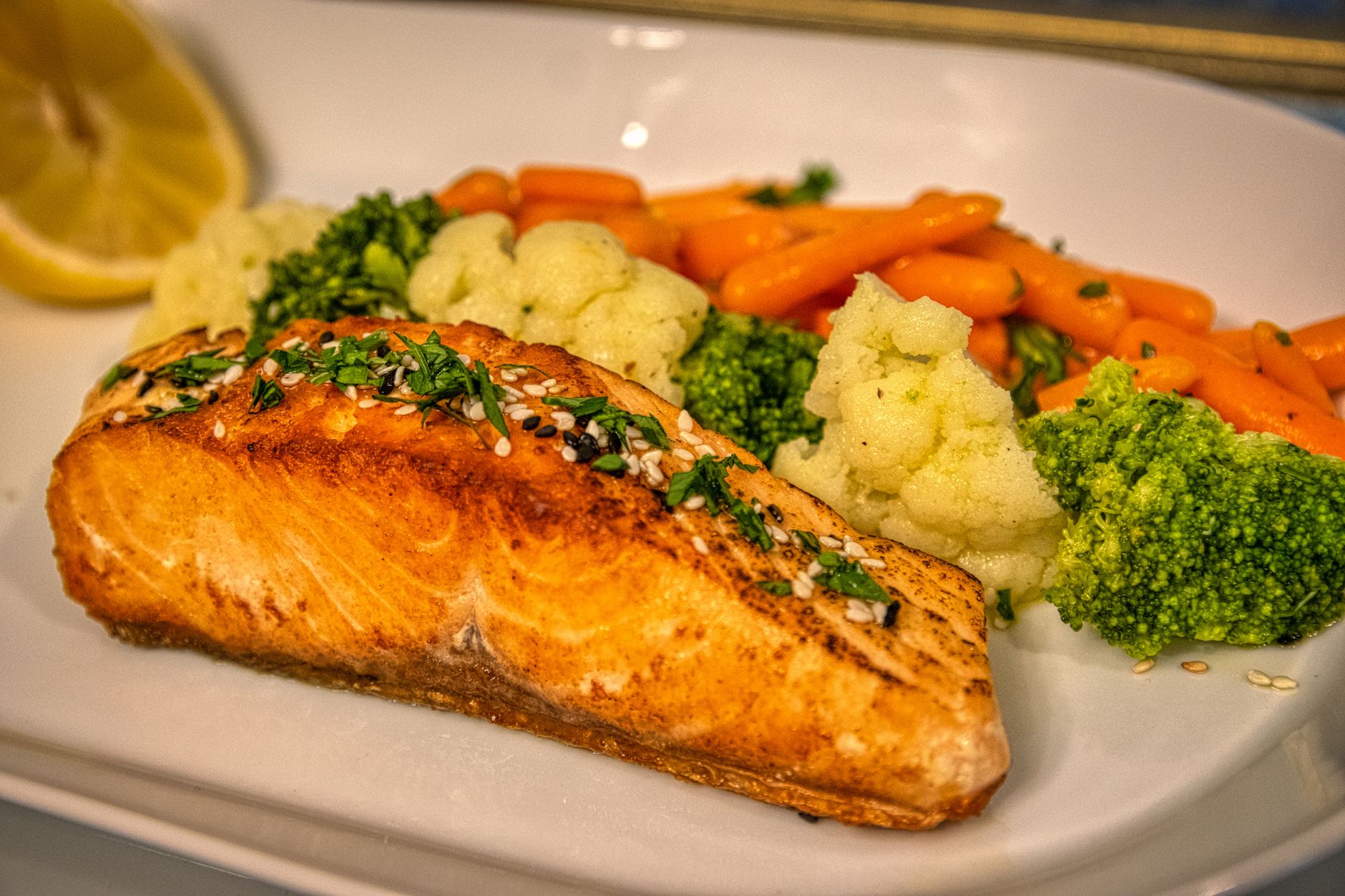
A balanced meal supplies iron, omega‑3s, and calcium for week 32.
What exercises are safe and recommended at 32 weeks pregnant?
Staying active in the third trimester supports circulation, reduces back pain, and may shorten labor. The American College of Obstetricians and Gynecologists (ACOG) endorses low‑impact aerobic activity and strength training, provided you have medical clearance.
Safe options include:
Walking: A brisk 30‑minute walk most days keeps heart rate in a safe zone (under 140 bpm).
Prenatal yoga: Focuses on gentle stretches, breathing, and pelvic floor strengthening.
Swimming or water aerobics: The water’s buoyancy eases joint stress and can relieve back pain.
Stationary cycling: Low impact and easy to control intensity.
A few guidelines to keep in mind:
Maintain a “talk test” – you should be able to speak comfortably while exercising.
Avoid supine positions after the first trimester; lying flat on your back can compress the vena cava and reduce blood flow.
Steer clear of high‑impact sports, contact drills, or activities with a high fall risk (e.g., downhill skiing, horseback riding).
Warm‑up for 5‑10 minutes and cool down with gentle stretching to protect muscles.
In addition to cardio, gentle pelvic‑floor (Kegel) exercises become especially valuable now. Strengthening these muscles can help prevent urinary leakage during labor and aid postpartum recovery, a recommendation highlighted by ACOG and the Royal College of Obstetricians and Gynaecologists (RCOG).
If you experience dizziness, shortness of breath, uterine contractions, or vaginal bleeding during exercise, stop immediately and contact your provider.
What signs of preterm labor should I watch for at 32 weeks?
Preterm labor—delivery before 37 weeks—requires prompt medical attention. While many Braxton Hicks contractions are harmless, certain warning signs warrant an urgent call:
Regular contractions occurring every 5‑10 minutes, lasting 30–60 seconds, and not easing with rest or position change.
Sudden increase in vaginal discharge that is watery, mucus‑filled, or tinged with blood.
Persistent lower‑back or pelvic pressure that does not improve with a change in position.
Rupture of membranes (a gush or steady trickle of fluid from the vagina).
Fever over 100.4 °F (38 °C) accompanied by chills.
If you notice any of these symptoms, call your obstetrician, midwife, or go to the nearest emergency department right away. Early intervention—often with corticosteroids to accelerate fetal lung maturity—can dramatically improve outcomes. Keeping a simple contraction log (time, frequency, and duration) can help your provider assess whether what you’re experiencing is labor‑related or just Braxton Hicks.
Additional concerns: travel, work, and other third‑trimester questions
How many weeks until due date from week 32 pregnancy? Most pregnancies last about 40 weeks, so you have roughly eight weeks (56 days) left. If you’re tracking with a standard 40‑week calendar, your estimated due date (EDD) is about eight weeks away.
Can I travel internationally at 32 weeks pregnant? Many airlines allow travel up to 36 weeks for domestic flights and 32–34 weeks for international trips, but policies vary. Check the carrier’s specific guidelines, carry a copy of your prenatal records, and ensure you have travel insurance that covers pregnancy‑related care. Keep movement frequent—stand up and walk every hour—to reduce clot risk.
Is back pain normal at 32 weeks pregnancy? Yes, it’s common due to the shifting center of gravity and hormonal ligament laxity. The strategies listed earlier (support pillows, gentle stretches, warm compresses) are effective. If pain is severe, radiates down one leg, or is accompanied by numbness, seek medical evaluation for possible sciatica or other complications.
What is the fetal heartbeat rate at 32 weeks gestation? The normal range remains 110–160 bpm. Your provider will listen with a Doppler during the prenatal visit; a rate outside this window may prompt further monitoring.
When do Braxton Hicks contractions start at 32 weeks? They often begin as early as the second trimester, but they become more noticeable and frequent around 30–34 weeks. They are usually irregular, mild, and do not increase in intensity over time.
What are placenta previa symptoms at 32 weeks? Placenta previa—where the placenta covers part of the cervix—can cause painless bright red vaginal bleeding. If you notice any bleeding, contact your provider immediately. An ultrasound will confirm placenta location, and a care plan will be made to keep you and the baby safe.
How to support your mental health at 32 weeks pregnant
The third trimester can feel like an emotional rollercoaster. Hormonal shifts, physical discomfort, and the anticipation of birth often heighten anxiety. Research from the NHS and the American Psychological Association (APA) shows that regular stress‑reduction practices—such as mindfulness meditation, journaling, or brief daily breathing exercises—can lower cortisol levels and improve sleep quality.
Consider joining a local or virtual pregnancy support group; sharing experiences with peers can normalize worries and provide practical tips. If you find anxiety interfering with daily life, talk to your provider about counseling options or safe prenatal‑compatible supplements like omega‑3 DHA, which have modest mood‑supporting benefits (per ACOG guidance). Remember, seeking help is a sign of strength, not a weakness.
Pelvic floor and urinary health at 32 weeks
As the baby drops lower into the pelvis, pressure on the bladder and urethra often increases, leading to more frequent urges to urinate and, occasionally, mild leakage. The pelvic floor—a hammock of muscles supporting pelvic organs—can become stretched. Strengthening these muscles with regular Kegel exercises (three sets of 10 squeezes, held for five seconds each) can help maintain control.
In addition to Kegels, staying hydrated (yes, even if you’re urinating more often) and avoiding bladder irritants like caffeine and artificial sweeteners can reduce urgency. If leakage becomes bothersome or you experience pain, discuss it with your provider; pelvic‑floor physical therapy is a safe, evidence‑based option endorsed by ACOG.
Preparing older siblings and family for the new baby
When you’re at 32 weeks, the reality of a new family member is sinking in. Involving older children in the preparation process can ease the transition. Simple activities—like letting them help pack a small “welcome” bag, reading picture books about babies, or choosing a special “big‑kid” gift—give them a sense of inclusion.
The American Academy of Pediatrics (AAP) recommends maintaining routines for older siblings as much as possible, as consistency helps reduce feelings of jealousy. If you have pets, start introducing them to baby scents (e.g., a blanket that will be used for the newborn) and reinforce gentle behavior. Clear communication with the whole family about upcoming changes can lower anxiety for everyone.
From our medical team: “Week 32 is a time to focus on comfort, nutrition, and preparation. Most of the symptoms you’re experiencing are normal, but always trust your instincts. If something feels off, a quick call to your provider can give you peace of mind and keep you and your baby healthy.”
Myth vs. fact
Myth: You must stay in bed after 32 weeks to avoid preterm labor. Fact: Light activity and gentle exercise actually help maintain circulation and reduce the risk of complications. Only bed rest prescribed by a doctor for specific medical reasons is necessary.
Myth: All babies at 32 weeks are the same size. Fact: While average measurements exist, individual babies can vary by several ounces and inches, and a range of normal is expected.
Myth: You can’t travel at all after the third trimester starts. Fact: Travel is generally safe up to 36 weeks for domestic flights and 32–34 weeks for international trips, provided you have provider clearance and follow safety precautions.
Key takeaways
Your baby is about the size of a cauliflower and weighs 3½‑4 lb, fine‑tuning lungs and brain.
Common symptoms—back pain, Braxton Hicks, sleep issues—are manageable with pillows, hydration, and gentle stretches.
Week‑32 prenatal visits focus on blood pressure, urine protein, fetal heart monitoring, and possibly a growth scan.
Eat nutrient‑dense foods, avoid unpasteurized dairy, raw meats, high‑mercury fish, and limit caffeine.
Safe exercises include walking, prenatal yoga, swimming, and stationary cycling—always with medical clearance.
Know the warning signs of preterm labor (regular contractions, fluid leak, bleeding) and call your provider immediately.
Start packing your hospital bag, finalize a birth plan, and check travel policies if you’re planning a trip.
Support mental well‑being with mindfulness, support groups, and open communication with loved ones.
Frequently asked questions
How big is my baby at 32 weeks?
The baby measures about 16.7 inches (42 cm) long and weighs roughly 3½ – 4 lb, similar to a medium cauliflower.
What are the common symptoms at 32 weeks pregnant?
Backaches, Braxton Hicks contractions, restless sleep, heartburn, and swelling are typical; most can be relieved with proper posture, hydration, and gentle movement.
Can I exercise at 32 weeks of pregnancy?
Yes—low‑impact activities like walking, prenatal yoga, swimming, and stationary cycling are safe with medical clearance and should keep your heart rate under 140 bpm.
When will I have my next prenatal appointment?
Most providers schedule a visit every four weeks until 36 weeks; after that, appointments typically become biweekly and then weekly as you approach delivery.
Is it safe to travel by plane at 32 weeks?
Domestic flights are usually allowed up to 36 weeks, while many airlines restrict international travel after 32‑34 weeks; always verify airline policy and carry your prenatal records.
What should I pack in my hospital bag at 32 weeks?
Include comfortable clothing, toiletries, insurance information, a copy of your birth plan, snacks for your support person, and any items that will make you feel comfortable (e.g., a pillow or music playlist).
Can I get a flu shot at 32 weeks?
Yes—the CDC and NHS both recommend that pregnant people receive the seasonal influenza vaccine at any stage of pregnancy; it protects both you and the baby from severe flu complications.
Is it normal to have varicose veins in the third trimester?
Varicose veins and spider veins are common due to increased blood volume and pressure on pelvic veins; gentle compression stockings and elevation can help, but tell your provider if they become painful or ulcerated.
When to call your doctor
Contact your obstetrician, midwife, or go to the nearest emergency department if you experience any of the following: regular painful contractions, vaginal bleeding, fluid leakage, sudden severe abdominal pain, fever over 100.4 °F, or a rapid increase in swelling of the hands or face. This information is for educational purposes only and does not replace personalized medical advice from your health care provider.
References
American College of Obstetricians and Gynecologists (ACOG). “Practice Bulletin: Fetal Growth Restriction.” 2022.
National Health Service (NHS). “Pregnancy week by week – 32 weeks.” Updated 2023.
World Health Organization (WHO). “Guidelines for the management of pregnancy complications.” 2021.
Mayo Clinic. “Third-trimester symptoms and when to call the doctor.” 2022.
Centers for Disease Control and Prevention (CDC). “Travel health during pregnancy.” 2023.
Royal College of Obstetricians and Gynaecologists (RCOG). “Placenta previa.” 2022.
American Pregnancy Association. “Nutrition in the third trimester.” 2022.
U.S. Food and Drug Administration (FDA). “Caffeine in pregnancy.” 2023.
American Psychological Association (APA). “Stress and pregnancy: Managing anxiety.” 2021.
American Academy of Pediatrics (AAP). “Preparing siblings for a new baby.” 2022.
National Institutes of Health (NIH). “Pelvic floor muscle training during pregnancy.” 2023.
Not sure about the label on 32 Pregnancy Weeks What To Expect At This Stage products?
Snap the ingredients list and SafeFilter checks every ingredient for your stage — only 3 free scans this month, then you're locked until reset. Unlimited from $7/mo or lock $50/yr through Aug 31 (5 days left).
When Shubhra Mishra was expecting her first child in 2016, she was overwhelmed by conflicting food advice — one site said yes, another said never. By the time her second baby arrived in 2019, she realized millions of mothers face the same confusion.
That sparked a five-year journey through clinical nutrition papers, cultural diets, and expert conversations — all leading to BumpBites: a calm, compassionate space where science meets everyday motherhood.
Her long-term vision is to build a global community ensuring safe, supported, and free deliveriesfor every mother — because no woman should face pregnancy alone or uninformed. 🌿
🌍 Stand with mothers, shape safer guidance
Join a small circle of experts who review BumpBites articles so expecting parents everywhere can decide with confidence.