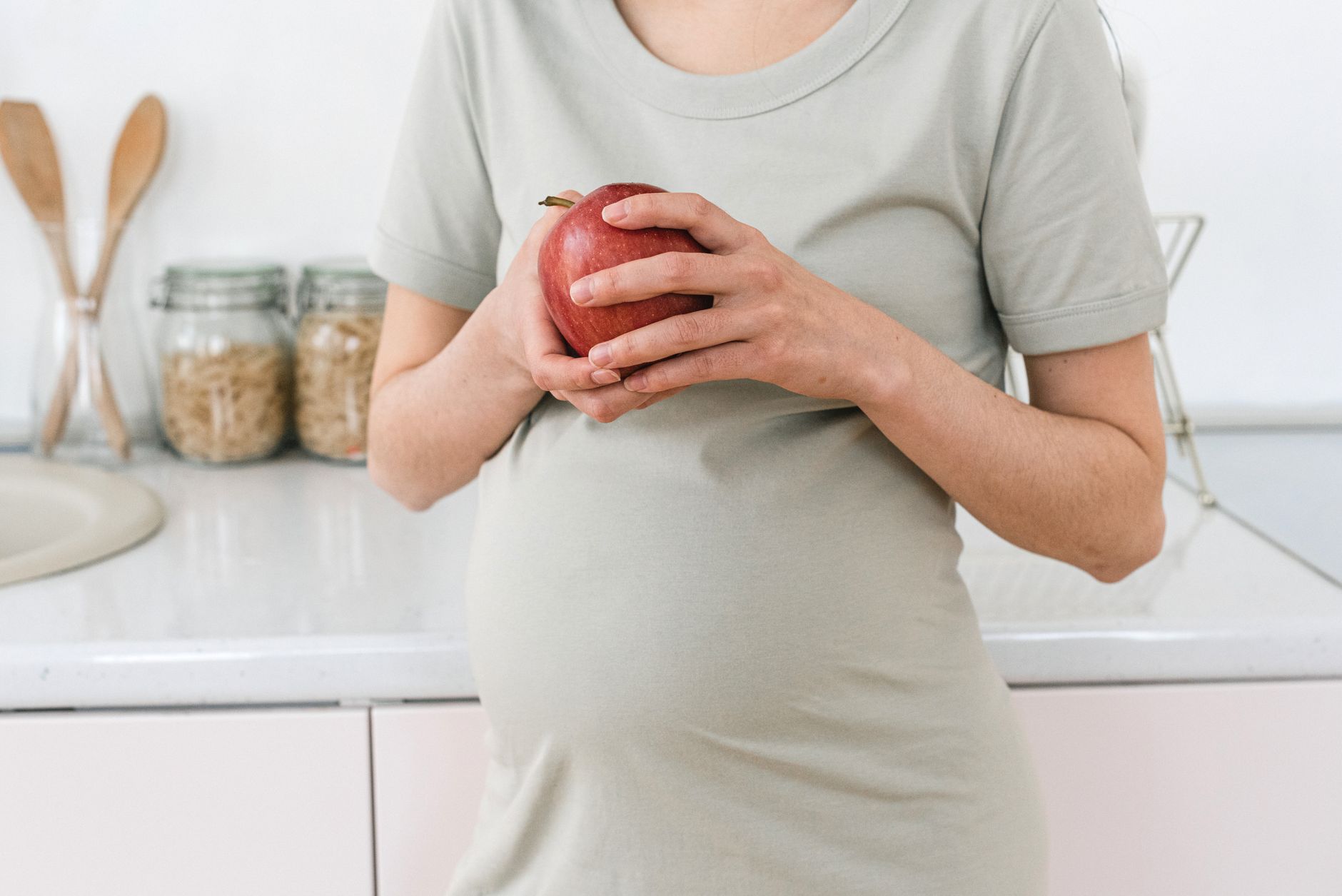
At 31 weeks, your baby is roughly the size of a large cabbage, weighing about 3 pounds (1.4 kg) and measuring 16 inches (41 cm) from head to heel. The lungs are forming tiny air sacs called alveoli, and the brain is sprouting billions of neural connections. These milestones create specific sensations for you.
Lung maturation means the baby is practicing breathing movements, which can increase your own shortness of breath because the uterus pushes up against the diaphragm.
Brain growth leads to a larger head, adding pressure on your pelvis and sometimes causing that “pelvic heaviness” many women describe.
Fat accumulation in the baby’s body stores energy for birth, and the extra weight can intensify back pain and joint strain.
One mom‑to‑be shared, “When I learned my baby’s brain was doubling in size, I finally understood why my thoughts felt scattered and why I was so emotional.” Knowing the cause can turn a confusing symptom into a reassuring sign of growth.
Difference between Braxton Hicks and true contractions at 31 weeks
Braxton Hicks are “practice” contractions that feel like a tightening that comes and goes, usually irregular and painless. True labor contractions are regular, become stronger over time, and often intensify with activity. At 31 weeks, true labor is rare, but if you feel:
- Contractions every 5–10 minutes, lasting 30–60 seconds
- Increasing intensity despite changing position
- Accompanied by vaginal bleeding or fluid loss
Call your OB‑GYN immediately.
It’s also worth noting that dehydration, a full bladder, or an over‑full bladder can mimic Braxton Hicks. Staying well‑hydrated and emptying your bladder regularly can reduce false alarms.
Is swelling in my feet normal at 31 weeks pregnant?
Swelling, or edema, is one of the most common complaints at 31 weeks pregnant. The growing uterus compresses the inferior vena cava—a large vein that returns blood from the lower body—causing fluid to pool in the legs and feet.
Most swelling is harmless, especially if it:
- Improves after you rest and elevate your feet
- Is not accompanied by sudden weight gain or shortness of breath
- Appears symmetrically on both sides
However, watch for red‑flag signs that require prompt medical attention (see the “When to see a doctor” section).
What foods should I avoid at 31 weeks pregnant?
Nutrition remains crucial in the third trimester. While most foods are safe, avoid:
- Unpasteurized dairy (soft cheeses, raw milk) – risk of Listeria
- Raw or undercooked eggs and meat – risk of Salmonella
- High‑mercury fish (shark, swordfish, king mackerel) – mercury can affect fetal neurodevelopment
- Unwashed produce – potential for Toxoplasma
- Excess caffeine (>200 mg/day) – may reduce iron absorption
Instead, focus on lean proteins, whole grains, leafy greens, and calcium‑rich foods like fortified plant milks. Hydration—about 2.7 L of fluids daily—helps reduce swelling.
For a quick reference, the CDC’s food safety guide for pregnant women offers an easy‑to‑print list of safe and unsafe foods.
How much weight should I gain by 31 weeks pregnant?
The recommended total weight gain depends on your pre‑pregnancy BMI. For a woman with a normal BMI (18.5–24.9), the Institute of Medicine (IOM) suggests a total gain of 25–35 lb (11.5–16 kg). By 31 weeks, most women should have gained roughly 70–80 % of that total—about 18–28 lb (8–13 kg).
Below is a weight‑gain trajectory table to help you gauge progress. Remember, individual variation is normal; the goal is a steady, healthy increase.
Maintain a balanced diet with adequate protein (≈1 g per lb of target fetal weight), calcium, iron, and DHA. If you’re unsure about your weight trajectory, discuss it at your next prenatal visit.
Can I still exercise at 31 weeks pregnant symptoms?
Exercise remains safe and beneficial for most women at 31 weeks pregnant, provided you follow a few guidelines from the American College of Obstetricians and Gynecologists (ACOG):
- Avoid activities with a high risk of falling (e.g., downhill skiing, contact sports)
- Stop if you feel dizziness, chest pain, or uterine contractions
- Stay hydrated and avoid overheating
- Limit intensity to a “talk test” level—if you can hold a conversation, you’re at a safe intensity
Recommended activities include walking, swimming, stationary cycling, and prenatal yoga. Aim for at least 150 minutes of moderate‑intensity aerobic activity per week, broken into 30‑minute sessions.
One mom‑to‑be wrote, “I swapped my evening jog for a gentle water aerobics class after reading about joint strain. My back pain eased, and I still felt energized.” Adjusting the type of activity can keep you moving without aggravating symptoms.
Sleep disturbances at 31 weeks pregnant
Finding a comfortable sleeping position becomes harder as the belly grows. Common issues include:
- Frequent waking to urinate
- Heartburn when lying flat
- Leg cramps or restless‑leg sensations
Tips for better rest:
- Sleep on your left side with a pillow between your knees.
- Use a wedge pillow to elevate your upper body slightly.
- Keep a glass of water nearby but limit fluids an hour before bed.
- Practice a short relaxation routine—deep breathing (4‑7‑8 method) or gentle stretching.
If insomnia persists, discuss it with your provider; sometimes a mild, pregnancy‑safe sleep aid is appropriate.
When should I call the doctor for symptoms at 31 weeks?
Most symptoms at 31 weeks pregnant are benign, but certain red‑flag signs require immediate medical attention. Below is a concise red‑flag checklist:
- Sudden, severe abdominal pain or persistent back pain that doesn’t improve with rest
- Regular contractions (every 5–10 minutes) lasting >60 seconds
- Vaginal bleeding, spotting, or fluid leakage
- Rapid swelling in one leg only, especially if warm or painful (possible DVT)
- High fever (>100.4 °F / 38 °C) or chills
- Severe headaches, vision changes, or sudden swelling of the face
- Decreased fetal movement (fewer than 10 kicks in 2 hours)
If any of these occur, call your OB‑GYN or go to the nearest emergency department. For non‑urgent concerns (e.g., mild swelling, occasional cramps), schedule a prenatal appointment within the next few days.
Urinary frequency symptoms at 31 weeks
The uterus presses on the bladder, leading to more trips to the bathroom—often up to 8‑10 times a day. To manage:
- Limit caffeine and large fluid intake before bedtime.
- Practice pelvic floor (Kegel) exercises to improve bladder control.
- Empty your bladder completely each time—lean forward slightly to help empty fully.
If you notice burning, blood, or a sudden change in the pattern, contact your provider; it could signal a urinary tract infection.
Back pain causes at 31 weeks pregnant
Low‑back pain is common due to:
- Hormonal relaxation of ligaments (relaxin) causing the pelvis to shift
- Added weight pulling the spine forward
- Muscle fatigue from supporting the growing belly
Supportive measures include a maternity belt, prenatal massage, and gentle core‑strengthening exercises (e.g., pelvic tilts). If pain is sharp, constant, or accompanied by fever, seek care.
Emotional mood swings at 31 weeks pregnancy
Hormonal fluctuations, sleep loss, and the anticipation of birth all contribute to mood variability. It’s normal to feel a mix of excitement, anxiety, and occasional sadness.
Strategies for emotional balance:
- Maintain a short daily gratitude journal.
- Connect with a trusted friend or support group—sharing experiences reduces isolation.
- Consider brief, guided mindfulness sessions (5‑10 minutes) to calm racing thoughts.
- If feelings of hopelessness or persistent anxiety interfere with daily life, reach out to a mental‑health professional. The American Psychological Association (APA) recommends early intervention.
What to expect during the 31st week prenatal checkup
During your 31‑week visit, your provider will typically:
- Measure blood pressure and weight.
- Check the baby’s heartbeat and position via Doppler.
- Possibly perform a fundal height measurement to confirm growth.
- Discuss any new symptoms, including swelling, contractions, or mood changes.
- Review your birth plan and answer any lingering questions.
Bring a list of any new symptoms, a record of fetal movements, and any questions about nutrition or exercise. This appointment is a great opportunity to voice concerns and receive personalized reassurance.

Managing heartburn and indigestion at 31 weeks pregnant
Heartburn affects up to 70 % of women in the third trimester. The growing uterus pushes the stomach upward, allowing stomach acid to flow back into the esophagus. This can feel like a burning sensation behind the breastbone, especially after a big meal.
Simple lifestyle tweaks often provide relief:
- Eat smaller, more frequent meals instead of three large ones.
- Avoid trigger foods such as spicy dishes, citrus, chocolate, and carbonated drinks.
- Stay upright for at least an hour after eating; a gentle walk can help.
- Elevate the head of your bed by 6‑8 inches using a wedge pillow.
If lifestyle changes aren’t enough, discuss antacids with your provider. Calcium‑based antacids (e.g., Tums) are generally safe in pregnancy and also supply needed calcium.
Remember, persistent heartburn that interferes with sleep or nutrition should be discussed with your OB‑GYN.
Preparing for labor: Hospital bag checklist for 31‑week moms
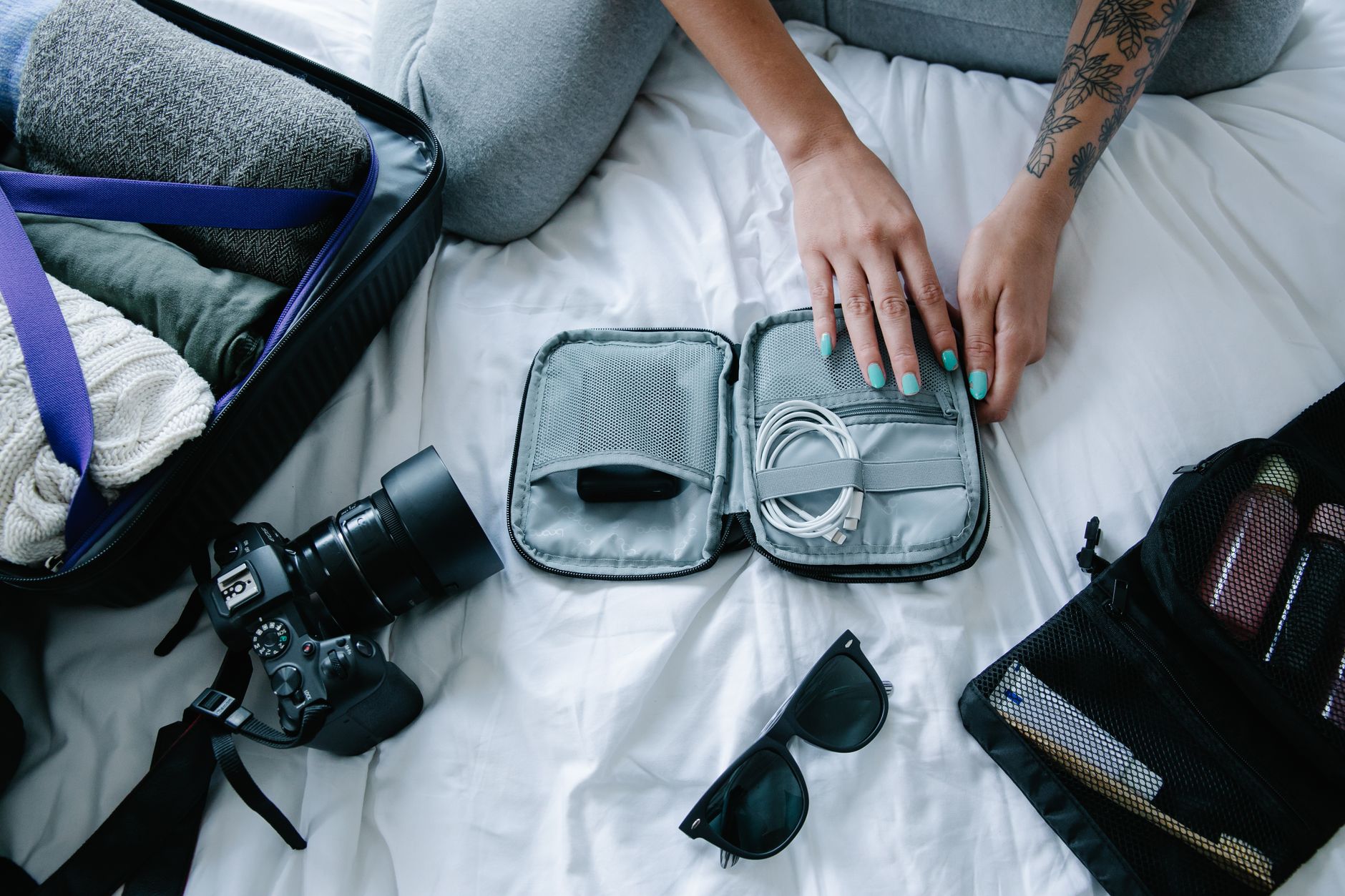
Even though you still have a few weeks before labor, having a bag ready reduces last‑minute stress. Pack the following items in a sturdy, easy‑to‑carry tote:
- Comfortable, loose‑fitting clothing (e.g., a nightgown with a front‑open design)
- Non‑slip socks or slippers
- Personal hygiene items—toothbrush, toothpaste, gentle soap, and a hairbrush
- Insurance card, ID, and a list of emergency contacts
- Any pregnancy‑related medical records (ultrasound images, blood‑type info)
- Snacks that are easy on the stomach (granola bars, crackers, fruit)
- Phone charger and a book or music for relaxation
- Optional: a pillow from home (most hospitals provide basic bedding)
Having these essentials ready means you can focus on breathing, your birth partner, and the miracle of meeting your baby.
Partner and support network: Navigating the third trimester together
Third‑trimester symptoms can affect not only you but also the people around you. Partners often wonder how they can help when you’re short‑of‑breath or experiencing mood swings.
Here are a few practical ways to stay supportive:
- Listen without trying to fix. Sometimes you just need to be heard.
- Help with household tasks. Light chores, grocery trips, and meal prep can relieve physical strain.
- Attend appointments. Having a familiar voice at the office makes you feel less alone.
- Practice relaxation together. Simple breathing exercises or a short walk can calm both of you.
- Stay informed. Knowing the “31 weeks pregnant symptoms” list helps partners recognize what’s normal and when to call a doctor.
When partners feel overwhelmed, encourage them to seek their own support—whether it’s a friend, a counselor, or an online community for expectant dads.
Myth vs. fact
Myth: Swelling at 31 weeks always means preeclampsia.
Fact: Mild, symmetrical swelling is common and usually harmless, but sudden, painful swelling in one leg or accompanied by high blood pressure warrants evaluation.
Myth: You must stop all exercise after the third trimester begins.
Fact: Moderate, low‑impact exercise remains safe and can reduce back pain, improve mood, and help prepare the body for labor—provided you have provider clearance.
Myth: All cravings mean you’re not getting enough nutrients.
Fact: Cravings are often hormonal; while a balanced diet is essential, occasional cravings for sweets or salty foods are normal and not a sign of deficiency.
Key takeaways
- Most 31 weeks pregnant symptoms—like swelling, back pain, and sleep changes—are normal and linked to fetal growth and hormonal shifts.
- Watch for red‑flag signs such as regular strong contractions, vaginal bleeding, sudden one‑leg swelling, or decreased fetal movement.
- Maintain a balanced diet, avoid high‑risk foods, and stay hydrated to support both you and your baby.
- Gentle, approved exercise (walking, swimming, prenatal yoga) is safe and can ease many discomforts.
- Regular prenatal visits at 31 weeks help monitor baby development, weight gain, and your overall health.
- Emotional ups and downs are typical; reaching out for support is a sign of strength, not weakness.
- Preparing practical items—like a hospital bag and a supportive partner plan—can reduce anxiety as you approach labor.
Frequently asked questions
What are the most common symptoms at 31 weeks pregnant?
Typical signs include swelling in the feet and ankles, lower‑back pain, shortness of breath, frequent urination, heartburn, leg cramps, and mood swings. Most women experience a combination of these, and they usually improve with rest, hydration, and supportive measures.
Is swelling in my ankles normal at 31 weeks?
Yes, mild, bilateral swelling is common due to increased fluid volume and pressure on pelvic veins. It’s normal if it eases after you rest and elevate your feet. Sudden, painful swelling in one leg, especially with redness, should be evaluated promptly for possible blood clot.
How much weight should I have gained by 31 weeks?
For a woman with a normal pre‑pregnancy BMI, the recommended total gain is 25–35 lb (11.5–16 kg). By 31 weeks, most should have added about 18–28 lb (8–13 kg). Your provider will track your individual trajectory and advise if adjustments are needed.
Can I still exercise safely at 31 weeks?
Absolutely—provided your OB‑GYN approves. Low‑impact activities like walking, swimming, stationary cycling, and prenatal yoga are ideal. Avoid high‑risk sports, stay hydrated, and stop if you feel dizziness, chest pain, or strong contractions.
When should I be concerned about contractions at 31 weeks?
Regular, painful contractions that occur every 5–10 minutes and last longer than a minute may signal preterm labor and require immediate medical attention. Braxton Hicks are usually irregular, milder, and not progressively stronger.
What foods should I avoid in the third trimester?
Avoid unpasteurized dairy, raw or undercooked eggs and meats, high‑mercury fish (shark, swordfish, king mackerel), unwashed produce, and excessive caffeine (>200 mg/day). These precautions reduce the risk of infections and mercury exposure.
How can I improve my sleep at 31 weeks pregnant?
Try sleeping on your left side with a pillow between your knees, use a wedge pillow to elevate your upper body, limit fluids before bedtime, and incorporate a short relaxation routine such as deep breathing or gentle stretching.
Can I travel by air at 31 weeks pregnant?
Air travel is generally safe up to 36 weeks if you have an uncomplicated pregnancy. Stay hydrated, move your legs every hour, and wear a compression stocking if you’re prone to swelling. Always check with your provider before booking a flight.
Is it safe to get a dental cleaning in the third trimester?
Yes. Routine dental cleanings are safe and recommended throughout pregnancy. Good oral health can reduce the risk of gum disease, which is linked to preterm birth. Inform your dentist that you’re 31 weeks pregnant so they can position you comfortably.
When to see a doctor / specialist
While many symptoms are part of the normal third‑trimester journey, certain warning signs demand prompt evaluation by an OB‑GYN or, if indicated, a maternal‑fetal medicine specialist.
- Severe, persistent abdominal or back pain – could indicate preterm labor or placental issues.
- Regular strong contractions (every 5–10 minutes, lasting >60 seconds) – possible preterm labor.
- Vaginal bleeding, spotting, or fluid loss – may signal placenta previa or premature rupture of membranes.
- Sudden, one‑sided swelling with warmth or redness – risk of deep vein thrombosis.
- High fever, chills, or severe headache – could be infection or preeclampsia.
- Reduced fetal movement – fewer than 10 kicks in 2 hours.
- Persistent shortness of breath or chest pain – evaluate for pulmonary issues.
If you experience any of these, call your provider or go to the nearest emergency department. For non‑urgent concerns, schedule a prenatal visit within the next 48–72 hours.
References
- American College of Obstetricians and Gynecologists (ACOG). “Physical Activity and Exercise During Pregnancy and the Postpartum Period.” 2023.
- Institute of Medicine (IOM). “Weight Gain During Pregnancy: Reexamining the Guidelines.” 2022.
- Centers for Disease Control and Prevention (CDC). “Pregnancy Nutrition.” Updated 2023.
- American Psychological Association (APA). “Perinatal Mood and Anxiety Disorders.” 2022.
- World Health Organization (WHO). “Guidelines for Safe Food Consumption During Pregnancy.” 2021.
- National Institute of Child Health and Human Development (NICHD). “Fetal Development: The Third Trimester.” 2023.
- American Academy of Pediatrics (AAP). “Infant Nutrition: DHA and Pregnancy.” 2023.
- Royal College of Obstetricians and Gynaecologists (RCOG). “Management of Preterm Labor.” 2022.
- Food and Drug Administration (FDA). “Pregnancy and Lactation Labeling Rule (PLLR).” 2020.
- National Institute for Health and Care Excellence (NICE). “Maternal and Child Health: Antenatal Care.” 2021.