Quick take: Most 23‑month‑old toddlers hit a range of language, motor, and social milestones, but certain signs—like fewer than 20 words, persistent “no‑walk” after 24 months, or limited eye contact—can indicate a red flag. If you notice several of these concerns, talk to your pediatrician or a developmental specialist promptly.
It’s 3 a.m., the house is quiet, and you’re watching your little one stare at a stack of blocks, seeming frustrated. You wonder, “Is this just a phase, or should I be worried?” You’re not alone. Many parents of 23‑month-old toddlers ask the same question, especially when they notice a few “off‑track” behaviors. This guide walks you through the typical milestones for a 23‑month‑old, the red‑flag indicators that merit a closer look, and practical steps you can take at home while you decide whether to seek professional evaluation.
In the next sections we’ll break down the most common concerns—speech, motor, social‑emotional, potty‑training, nutrition, growth, sleep, and screen time—using the exact language people type into search engines. You’ll find a concise symptoms checklist, a comparison table of screening tools, evidence‑based home‑support ideas, and clear guidance on when to call a doctor. All of it is grounded in the latest recommendations from the American Academy of Pediatrics (AAP), the Centers for Disease Control and Prevention (CDC), the National Health Service (NHS), and other leading health bodies.

What are the red flag milestones for a 23 month old toddler?
At 23 months, most children can walk confidently, use around 50 words, combine two words, and engage in simple pretend play. However, a handful of red‑flag milestones may signal a developmental delay. Below is a quick reference:
- Language: Fewer than 20 words, no use of gestures (pointing, waving), or lack of response to name.
- Motor: Inability to walk independently, frequent falls, or difficulty climbing a single step.
- Social‑emotional: Limited eye contact, no interest in playing with peers, or extreme distress when routines change.
- Potty training: No interest in bathroom routine after 24 months, or persistent accidents despite showing readiness cues.
- Growth: Weight or height below the 3rd percentile, or a sudden drop in growth curve.
These red flags don’t automatically mean a disorder, but they do merit a conversation with your pediatrician. Early identification allows for interventions that can dramatically improve outcomes. The CDC notes that early detection and intervention can reduce the need for more intensive services later in childhood (CDC, 2022).
How common are red‑flag milestones?
According to the CDC’s developmental surveillance data, about 12‑15 % of children under two years show one or more red‑flag signs that prompt further evaluation. The AAP emphasizes that any single concern should be assessed, especially when it persists for more than a month. In practice, pediatricians often see a combination of mild delays that resolve with targeted support, underscoring the value of early screening.
What is a typical milestones checklist for a 23‑month‑old?
- Walks up and down stairs with alternating feet (may need hand‑hold).
- Stacks three to four blocks.
- Uses 50 + words, points to name‑identified objects.
- Combines two words (e.g., “more juice”).
- Shows interest in other children’s play.
- Begins to understand “no” and simple instructions.
- Shows signs of readiness for potty training (stays dry for 2 hours).
- Gains about 2‑3 cm in height and 0.5‑1 kg in weight per month.
These benchmarks are meant as a guide, not a strict rule. Some children may excel in one domain while lagging slightly in another, and that can still be within the normal range.
How to tell if my 23 month old is delayed in speech development?
Speech delays are among the most common concerns parents raise at the 23‑month mark. While language acquisition varies widely, there are concrete benchmarks you can use to gauge progress.
How many words should a 23 month old know?
The AAP notes that a typical 23‑month‑old knows roughly 50‑75 words and can say at least two‑word phrases. If your child uses fewer than 20 words, does not point to request items, or seems uninterested in vocal interaction, it may be a red flag. Research from the American Speech‑Language‑Hearing Association (ASHA) shows that early vocabulary size is a strong predictor of later reading skills (ASHA, 2023).
23 month old language milestones vs 24 month
By 24 months, children usually combine two‑word sentences consistently, identify at least three body parts, and follow two‑step commands. The transition from 23 to 24 months is often subtle, but if a child is still struggling with single‑word utterances at 23 months, the gap may widen. Parents can encourage growth by narrating daily activities and expanding on whatever words the child uses.
Early signs of autism in 23 month old children
Autism spectrum disorder (ASD) can manifest as speech delays, but it also includes limited joint attention, lack of shared enjoyment, and repetitive behaviors. The CDC’s “Learn the Signs. Act Early.” program highlights that reduced eye contact, not responding to their name, and a preference for solitary play are early autism indicators. Early diagnosis—often before 30 months—allows families to access intensive early‑intervention services that improve long‑term outcomes (CDC, 2022).
Natural ways to support speech at home
- Read a picture book each day, pointing to and naming objects.
- Use “expand and model”—if your child says “ball,” respond “yes, the red ball.”
- Sing simple songs with repetitive phrases (e.g., “Twinkle, twinkle”).
- Limit screen time to under 30 minutes per day to encourage interactive language.
- Encourage “talking” during daily routines, such as naming foods while you prepare a snack.
If you notice persistent delays, consider a referral to a speech‑language pathologist (SLP). Early SLP intervention, especially before age three, has been shown to improve expressive language outcomes.
Signs of motor skill concerns in a 23 month old child
Motor milestones are easy to observe, making them a frequent source of parental anxiety. While many toddlers are running, climbing, and tossing balls around, some struggle with basic movements.
Late walking signs in 23 month old toddlers
If your child still relies heavily on a caregiver for support while walking, or has not taken independent steps by 24 months, this could indicate a motor delay. The AAP recommends that children should be walking without assistance by 18 months; persistent delay warrants assessment. A pediatric physical therapist can evaluate muscle tone, balance, and coordination to pinpoint any underlying issues.
How to differentiate normal variation from concerning delays
Short‑term setbacks—like a brief period of clumsiness after a minor illness—are often normal. Red flags include:
- Unable to walk up a single step unaided by 24 months.
- Frequent falls that result in injuries.
- Difficulty grasping small objects (e.g., crayons) with a pincer grip.
- Asymmetrical use of hands (preferring one side for all tasks).
These signs may suggest underlying neuromuscular or sensory integration concerns that benefit from early PT involvement.
Practical home activities to boost motor development
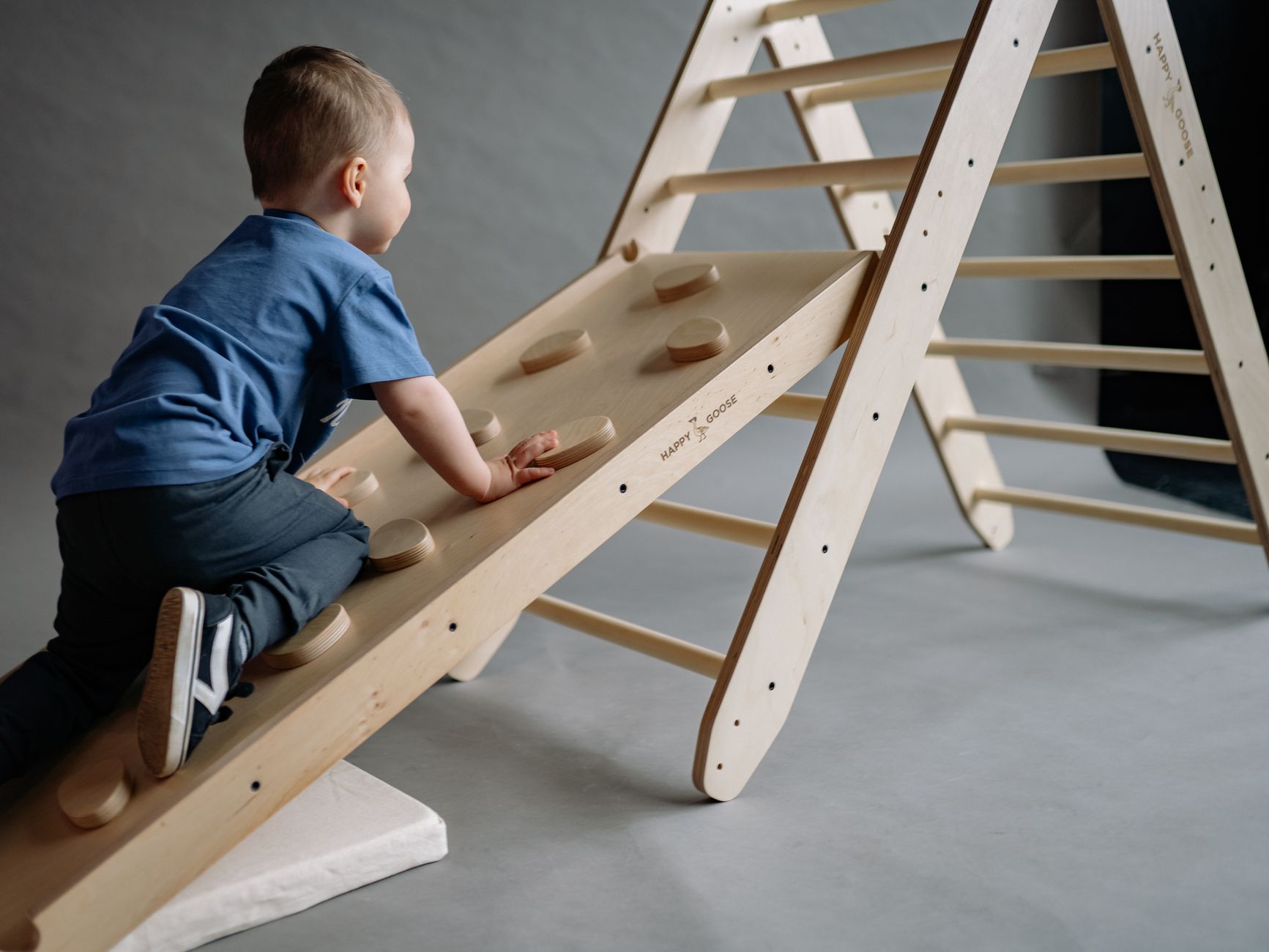
- Set up a safe “obstacle course” with cushions to encourage crawling and climbing.
- Play “ball toss” games to improve hand‑eye coordination.
- Offer crayons, tweezers, and play‑dough to refine fine‑motor skills.
- Encourage “big‑muscle” activities like dancing to music, which builds coordination and stamina.
If motor concerns persist, a pediatric physical therapist can provide targeted strategies and, when needed, refer for further evaluation (e.g., a developmental pediatrician).
Social and emotional red flags for a 23 month old baby
Social‑emotional development at 23 months involves emerging empathy, pretend play, and the ability to regulate emotions with adult support. Red flags in this domain often overlap with early signs of ASD or anxiety.
Typical social‑emotional milestones
Most toddlers enjoy parallel play, show affection for familiar adults, and can follow simple routines (e.g., “brush teeth”). They also begin to express a range of emotions, from joy to frustration, and start to use simple words to label feelings.
Red‑flag indicators
- Very limited eye contact and lack of facial expression.
- Little to no interest in playing with peers or siblings.
- Extreme resistance to routine changes, leading to meltdowns that are disproportionate to the situation.
- Absence of shared joy (e.g., not smiling when you smile).
- Repetitive play with the same object for extended periods.
Supporting social‑emotional growth
- Engage in “peek‑a‑boo” and “copy‑me” games that encourage turn‑taking.
- Model emotions by naming them (“You seem sad”) and offering comfort.
- Schedule regular playdates with one other child to foster peer interaction.
- Read books about feelings and discuss the characters’ emotions.
If you notice several red‑flag signs, a referral to a child psychologist or developmental pediatrician can help determine whether early intervention services, such as play therapy, are appropriate.
When should I worry about my 23 month old's potty training progress?
Potty training typically begins between 18 and 24 months, but each child’s timeline is unique. However, certain patterns should raise concern.
Readiness cues to watch for
- Stays dry for at least two consecutive hours.
- Shows interest in bathroom routines (e.g., pulling down pants).
- Can follow simple directions (“go to the bathroom”).
- Expresses discomfort when a diaper is wet.
Red‑flag signs
If by 24 months your child shows no interest, continues frequent accidents despite consistent attempts, or experiences constipation or painful urination, these are warning signs that merit a pediatric evaluation. The NHS recommends checking for urinary tract infections if pain or urgency is present (NHS, 2023).
Practical tips to encourage potty training
- Use a child‑friendly potty chair placed in a consistent location.
- Celebrate successes with praise, not punishment.
- Offer a small “reward” (e.g., a sticker) for each successful attempt.
- Maintain a fluid intake schedule to promote regular bathroom visits.
- Read a short “potty book” together to make the process fun.
When red‑flag signs appear, your pediatrician may assess for underlying medical issues (e.g., urinary tract infection) and advise on behavioral strategies or refer to a pediatric urologist if needed.
Nutrition and growth red flags for a 23 month old toddler
Nutrition underpins every aspect of a toddler’s development. While picky eating is common, certain patterns can signal nutritional deficiencies or growth concerns.
What is normal height and weight for a 23 month old?
According to CDC and NHS growth charts, the average height for a 23‑month‑old boy is about 86 cm (33.9 in) and for a girl about 84 cm (33.1 in). Average weight is roughly 11.8 kg (26 lb) for boys and 11.2 kg (24.7 lb) for girls. Children falling below the 3rd percentile or dropping more than two percentile lines on the growth curve should be evaluated (CDC, 2022; NHS, 2023).
Red‑flag nutrition signs
- Consistently refusing solids after 12 months.
- Failure to gain weight or height over two consecutive months.
- Signs of iron‑deficiency anemia (pale skin, fatigue).
- Excessive reliance on juice or sugary snacks.
- Frequent vomiting or chronic diarrhea.
Supporting healthy nutrition
- Offer a variety of textures—soft cooked veggies, shredded cheese, and small pieces of fruit.
- Model balanced meals; toddlers often mimic adult eating habits.
- Limit juice to 4 oz per day and avoid added sugars.
- Include iron‑rich foods (e.g., fortified cereals, pureed meats) and discuss supplementation with your pediatrician if needed.
- Create a relaxed mealtime environment—no pressure, no screens, and plenty of time to explore foods.
If growth concerns persist, a referral to a pediatric nutritionist or a developmental pediatrician can help identify underlying causes, such as gastroesophageal reflux or sensory feeding issues.
Sleep patterns and red flags for a 23 month old
Good sleep is essential for brain development, mood regulation, and physical growth. While many 23‑month‑olds nap once a day and sleep 11‑14 hours total, certain sleep‑related signs can indicate underlying concerns.
Typical sleep milestones at 23 months
- One daytime nap lasting 1‑2 hours.
- Nighttime sleep of 10‑12 hours, often with one or two brief awakenings.
- Ability to fall asleep independently after a consistent bedtime routine.
Red‑flag sleep signs
- Frequent night waking (more than three times per night) that persists despite a consistent routine.
- Daytime sleepiness or difficulty staying awake during meals or play.
- Snoring, gasping, or observed pauses in breathing during sleep.
- Resistance to bedtime that escalates into severe meltdowns.
Persistent sleep problems may signal sleep‑disordered breathing, anemia, or developmental anxiety. The AAP advises that ongoing sleep disturbances warrant a pediatric evaluation, and, if breathing issues are suspected, a referral to a pediatric sleep specialist or ENT (American Academy of Pediatrics, 2023).
Practical sleep‑support strategies
- Establish a calming bedtime routine—bath, book, and a lullaby—lasting 20‑30 minutes.
- Keep the bedroom dark, cool (around 68‑70°F), and free of screens.
- Offer a “comfort object” such as a soft blanket if it helps the child self‑soothe.
- Limit daytime naps to no later than 3 p.m. to avoid interfering with nighttime sleep.
Screen time and developmental impact for a 23 month old
Digital devices are everywhere, and many parents wonder how much screen exposure is safe for a toddler. The AAP recommends that children under two years have no screen time, except for video chatting with family members (AAP, 2022).
Why limits matter
Research shows that excessive screen time can displace interactive play, which is crucial for language, motor, and social‑emotional development. A study published in JAMA Pediatrics found that each additional hour of daily screen time at 24 months was associated with lower language scores at 36 months (Radesky et al., 2021).
Practical guidelines
- Keep screen exposure under 30 minutes per day for educational content, and make it a shared activity.
- Choose high‑quality, age‑appropriate programs that encourage interaction (e.g., sing‑along songs).
- Always sit with your child while they watch, pausing to talk about what they see.
- Designate “screen‑free” zones—meals, bedtime, and play areas—to encourage hands‑on play.
If you notice that your child is unusually irritable after screen use, has difficulty transitioning to non‑screen activities, or shows reduced eye contact, consider reducing screen time and observing changes in behavior.
Developmental screening tests for 23 month olds
Systematic screening helps catch subtle delays before they widen. The AAP recommends that all children receive developmental screening at 9, 18, and 30 months, with a flexible window that includes 23 months.
These tools are designed to flag areas that need further assessment. A high‑risk score on any screening should prompt a more detailed evaluation, often involving a developmental pediatrician, SLP, PT, or psychologist.
How to use the ASQ‑3 at home
Download the printable version (search “23 month old milestones checklist PDF”) and complete it with your child. The questionnaire asks simple questions like “Does your child point to things they want?” and “Can your child walk up and down stairs?” Scoring is straightforward; a total below the cutoff indicates the need for professional follow‑up.
When to schedule a developmental screening
If your child exhibits any red‑flag signs discussed above, or if you have concerns about language, motor, or social development, request a screening at your next well‑child visit. The AAP advises that screening should not be delayed beyond 30 months for any reason.
Documenting and communicating concerns to your pediatrician
Preparing for a pediatric appointment can feel overwhelming, especially when you’re worried about red flags. A concise, organized approach helps your provider understand the full picture quickly.
What to bring to the appointment
- A written list of observed concerns (e.g., “Uses 15 words, no pointing”).
- Samples of recent growth data (growth‑chart printout from the clinic).
- Any completed screening tools (ASQ‑3, M‑CHAT‑R/F).
- A short video clip (30‑seconds) of your child attempting a skill that worries you (e.g., climbing stairs).
How to describe concerns effectively
Use concrete examples and time frames: “Over the past month, I’ve noticed my child refuses to walk up the single step at the front porch, even with a hand‑hold.” Avoid vague statements like “he’s not developing.” Clear, specific descriptions enable the clinician to decide on next steps promptly.
Questions to ask your pediatrician
- “Do you recommend a formal developmental screening now?”
- “What early‑intervention services are available in our area?”
- “Should we see a speech‑language pathologist or a physical therapist first?”
- “What signs would indicate an urgent referral to a specialist?”
Having these questions ready shows you’re proactive and helps the appointment stay focused.

Myth vs. fact
Myth: “All toddlers develop at the same speed—if yours is slower, something is wrong.”
Fact: Development varies widely; however, persistent delays across multiple domains are a legitimate reason for evaluation.
Myth: “If my child isn’t walking by 23 months, they’ll never catch up.”
Fact: Many children who walk later still achieve typical motor milestones with appropriate therapy and support.
Myth: “Potty training must happen before preschool starts.”
Fact: Readiness cues, not age alone, determine successful potty training; forcing it can cause anxiety and setbacks.
Key takeaways
- Watch for red‑flag signs in language, motor, social‑emotional, potty, sleep, and growth domains.
- Typical 23‑month milestones include ~50 words, independent walking, and simple two‑word phrases.
- Early screening tools—ASQ‑3, M‑CHAT‑R/F, Denver—can identify concerns before they widen.
- Home‑based activities (reading, obstacle courses, peer play, bedtime routines) support development across domains.
- Persistent red flags merit a referral to a pediatrician, SLP, PT, or developmental specialist.
- Nutrition, sleep, limited screen time, and consistent routines are foundational for healthy growth.
Frequently asked questions
What are the warning signs of developmental delay in a 23‑month‑old?
Key warning signs include fewer than 20 words, no gestures, difficulty walking or climbing stairs, limited eye contact, lack of interest in other children, and growth falling below the 3rd percentile. If you notice two or more of these, schedule a pediatric evaluation.
How many words should a 23‑month‑old be able to say?
Most children at 23 months use 50‑75 words and can combine two words into simple phrases like “more juice.” Anything under 20 words may indicate a speech delay.
Is it normal for a 23‑month‑old to have trouble walking up stairs?
Occasional difficulty is common, but consistent inability to navigate a single step by 24 months is a red flag. Encourage practice with a hand‑hold and consult a pediatric physical therapist if progress stalls.
When should I schedule a developmental screening for my 23‑month‑old?
Any red‑flag sign—speech delay, motor difficulty, social disengagement—should prompt a screening. The AAP recommends a formal assessment at the 24‑month well‑child visit, but earlier screening is fine if concerns arise.
Can a 23‑month‑old be diagnosed with autism?
Yes. While a definitive diagnosis often occurs after 24 months, early signs such as limited eye contact, lack of joint attention, and repetitive behaviors can be identified at 23 months using tools like the M‑CHAT‑R/F. Early diagnosis leads to early intervention, which improves outcomes.
What should I do if my 23‑month‑old isn’t potty training?
First, look for readiness cues (dry periods, interest in bathroom). If none appear by 24 months, discuss with your pediatrician to rule out medical issues and receive guidance on age‑appropriate strategies.
Where can I find a printable 23‑month‑old milestones checklist PDF?
Many reputable sites, including the CDC and AAP, offer free downloadable PDFs. Search “23 month old milestones checklist PDF” to locate a version that matches the ASQ‑3 format and use it during your next well‑child visit.
How much screen time is safe for a 23‑month‑old?
The AAP recommends no screen time for children under two, except for video chatting. If you do use screens, keep exposure under 30 minutes per day, choose interactive content, and always co‑view to reinforce learning.
What are the best bedtime routine steps for a 23‑month‑old?
Start with a warm bath, followed by a short story, then a lullaby or soft music. Keep the routine consistent each night, dim the lights, and aim for a bedtime between 7‑8 p.m. This predictability helps signal the body that it’s time to wind down.
When to see a doctor / specialist
If you notice any of the following red‑flag symptoms, call your pediatrician promptly. For persistent concerns, a referral to the appropriate specialist is recommended.
- Speech: fewer than 20 words, no gestures, no response to name.
- Motor: inability to walk independently, frequent falls, difficulty climbing stairs.
- Social‑emotional: limited eye contact, no interest in peers, extreme distress with routine changes.
- Potty: no interest or progress by 24 months, painful urination, constipation.
- Growth: weight or height below the 3rd percentile, sudden drop on growth curve.
- Sleep: frequent night waking, daytime fatigue, or observed breathing pauses.
- Screen time: excessive use leading to reduced interactive play or irritability.
Specialist referrals may include:
- Speech‑language pathologist (SLP) for language delays.
- Pediatric physical therapist (PT) for motor concerns.
- Developmental pediatrician or child psychologist for social‑emotional or autism concerns.
- Pediatric gastroenterologist or nutritionist for feeding and growth issues.
- Pediatric urologist for persistent potty‑training problems.
- Pediatric sleep specialist or ENT for suspected sleep‑disordered breathing.
This article is for informational purposes only and does not replace personalized medical advice. Always consult your health care provider for concerns about your child’s development.
References
- American Academy of Pediatrics. “Developmental Surveillance and Screening of Infants and Young Children.” AAP Policy Statement, 2023.
- Centers for Disease Control and Prevention. “Learn the Signs. Act Early.” CDC, 2022.
- World Health Organization. “Child Growth Standards.” WHO, 2021.
- American Speech‑Language‑Hearing Association. “Speech and Language Development Milestones.” ASHA, 2023.
- National Institute of Child Health and Human Development. “Early Intervention for Children with Developmental Delays.” NICHD, 2022.
- Harvard T.H. Chan School of Public Health. “Nutrition for Toddlers.” Harvard, 2023.
- U.S. Department of Health & Human Services. “Early Childhood Development.” HHS, 2022.
- National Health Service (NHS). “Growth charts for children.” NHS, 2023.
- American Academy of Pediatrics. “Media Use in School-Aged Children and Adolescents.” Pediatrics, 2022.
- Radesky, J. et al. “Association of Early Media Exposure with Later Language Development.” JAMA Pediatrics, 2021.



