At 20 weeks, you’re at the halfway point of pregnancy, and key milestones include a growing uterus, fetal movements, and a visible baby bump. Growing belly.
By Shubhra Mishra — a mom of two who turned her own confusion during pregnancy into BumpBites, a global mission to make food choices clear, safe, and stress-free for every expecting mother. 💛
Check whether any food is safe during pregnancy with the BumpBites Food Safety Checker.
Quick take: At 20 weeks you’re halfway through pregnancy, and both you and your baby are hitting major milestones. The baby is about the size of a banana, its organs are maturing, and you may start feeling gentle kicks. You’ll gain roughly 1–2 kg (2–4 lb) by this point, and your next big appointment will be the anatomy ultrasound. Most symptoms are normal, but watch for any sudden pain, bleeding, or severe headaches and call your provider right away.
It’s a quiet evening. You’re curled up on the couch, a half‑finished novel in one hand and a glass of water in the other, when you feel a soft flutter deep in your belly. A quick Google search later, you’re wondering: “Is this the right time for baby movements? How big is my little one now? Should I be worried about the weight I’ve gained?” You’re not alone—many expectant parents hit the 20‑week mark with the same mix of excitement and anxiety.
At the 20‑week point, you’re officially at the halfway line. Your baby’s development is moving from a “building phase” to a “fine‑tuning phase,” while your body is adjusting to the growing uterus, hormonal shifts, and the routine of prenatal visits. In this guide we’ll walk through every question you might have—fetal milestones, weight‑gain targets, common symptoms, upcoming tests, nutrition tips, and the anatomy scan preparation—so you can feel confident and prepared for the rest of your pregnancy journey.
What are the fetal development milestones at 20 weeks pregnant?
By week 20 the embryo has become a fetus, and its size is roughly 16 cm (6 in) long—from crown to heel—about the length of a banana. The head‑to‑heel measurement is called the crown‑rump length (CRL) and is used by clinicians to track growth. In centimeters, that’s about 16 cm, which translates to 6.3 in.
The baby’s major organs are now functional:
Heart: Beats about 140–160 times per minute, a range considered normal for a 20‑week fetus.
Lungs: Although not yet breathing air, the bronchi and alveoli are forming, and the fetus begins to practice “breathing” movements by inhaling amniotic fluid.
Digestive system: The intestines are moving into the abdominal cavity, and the liver starts producing bile.
Nervous system: Nerve cells are connecting, allowing the baby to respond to sounds; you may already notice a startle reflex.
Senses: Eyes can open and close, and the retina is developing. The baby can sense light through the uterine wall and may turn toward a bright flashlight.
Skin: It’s covered in a thin, translucent layer called vernix, which protects against amniotic fluid.
Facial features become more distinct—eyebrows, eyelashes, and even tiny hair (lanugo) appear on the head. The baby’s limbs are proportionate, and the hands can grasp, though the fingers are still too small to wrap around a finger.
Movement is a key milestone. Around this time many mothers feel the first “quickening”—the subtle, rhythmic flutters that signal the baby is getting active. These can feel like bubbles, butterflies, or gentle nudges. It’s a normal sign of a healthy nervous system.
Beyond the basics, the 20‑week stage marks the start of coordinated reflexes. The baby can now suck its thumb, and the swallowing reflex is solidifying, preparing the gastrointestinal tract for post‑birth feeding. These subtle changes are why the anatomy scan can capture such detail.
How much weight should I gain by week 20 of pregnancy?
Weight‑gain recommendations vary by pre‑pregnancy body mass index (BMI). The American College of Obstetricians and Gynecologists (ACOG) suggests the following total gains by the end of pregnancy:
Pre‑pregnancy BMI
Total recommended gain
Weight gain by 20 weeks
Underweight (BMI < 18.5)
12.5–18 kg (28–40 lb)
≈ 6–8 kg (13–18 lb)
Normal weight (BMI 18.5–24.9)
11.5–16 kg (25–35 lb)
≈ 5–6 kg (11–13 lb)
Overweight (BMI 25–29.9)
7–11.5 kg (15–25 lb)
≈ 4–5 kg (9–11 lb)
Obese (BMI ≥ 30)
5–9 kg (11–20 lb)
≈ 3–4 kg (7–9 lb)
On average, most women gain about 0.5 kg (1 lb) per week after the first trimester. By week 20, many have added roughly 5–7 kg (11–15 lb) in total. This includes the weight of the growing baby, placenta, amniotic fluid, increased blood volume, and uterine expansion.
Rapid weight gain—more than 2 kg (4.5 lb) in a week—or a sudden loss of appetite accompanied by nausea may signal an underlying issue and should be discussed with your provider. Tracking weight with a weekly log, staying active with low‑impact exercise, and focusing on nutrient‑dense foods can help you stay within the recommended range.
What common symptoms occur at the 20‑week mark?
Hormonal fluctuations and the expanding uterus bring a familiar set of symptoms. Here’s a quick rundown of what many experience around week 20:
Back pain: The uterus’s weight shifts your center of gravity, straining the lower back. You may feel a dull ache or sharp twinges, especially after standing or sitting for long periods.
Leg cramps and swelling: Fluid retention (edema) often appears in the ankles and feet, sometimes extending up to the calves.
Heartburn and indigestion: The growing uterus pushes the stomach upward, allowing acid to escape into the esophagus.
Increased vaginal discharge: A thin, milky white discharge is normal, as long as it isn’t foul‑smelling or accompanied by itching.
Frequent urination: The uterus presses on the bladder, reducing its capacity.
Skin changes: Darkening of the linea nigra (the line down the belly) and possible “mask of pregnancy” (melasma) on the face.
Many women also notice Braxton Hicks contractions—the “practice” contractions that feel like a tightening of the abdomen. They’re irregular, usually painless, and become more noticeable as the uterus grows.
Sleep disturbances can arise from discomfort, frequent bathroom trips, or anxiety about upcoming tests. A supportive pillow, sleeping on your left side, and a bedtime routine can help. If any symptom feels severe or sudden, it’s worth a quick call to your care team.
What prenatal tests are scheduled around 20 weeks?
The 20‑week visit is a cornerstone of prenatal care. You’ll typically have:
Anatomy ultrasound (mid‑pregnancy scan): A detailed scan to check the baby’s organs, spine, heart, and growth. It also determines the placenta’s position and estimates fetal weight.
Glucose screening (oral glucose tolerance test, OGTT): Performed between 24–28 weeks, but many clinics schedule it at the 20‑week visit to get a baseline. It screens for gestational diabetes.
Maternal blood work: Hemoglobin, iron levels, and sometimes a repeat of the first‑trimester screening (e.g., PAPP‑A, hCG) if indicated.
Blood pressure check and urine analysis: To monitor for pre‑eclampsia signs.
Discussion of genetic screening options: If you haven’t yet, your provider may talk about non‑invasive prenatal testing (NIPT) or amniocentesis if indicated.
The anatomy scan is often the most anticipated test. It confirms that the baby’s heart is beating, measures the head circumference, abdominal circumference, and femur length, and looks for structural anomalies. The sonographer may also capture a short video of your baby’s movements, which you can keep as a keepsake.
Preparing for the glucose screen involves fasting for 8–12 hours and then drinking a sugary solution; the test measures how quickly your body processes glucose. Results that are higher than normal may indicate gestational diabetes, prompting dietary counseling or medication under your provider’s guidance.
How does baby size change at 20 weeks gestation?
At 20 weeks, the baby measures about 16 cm (6 in) long and weighs roughly 300 g (10 oz). To help you visualize:
Length: Approximately the size of a banana or a small mango.
Weight: About the weight of a large apple.
Head circumference: About 17 cm (6.7 in), similar to a small orange.
The uterus has risen above the belly button for most women at this point, making the abdomen more pronounced. This “bump” is a visible sign that the baby is growing rapidly, and it can also be a source of self‑consciousness for some expectant mothers.
Because the baby’s body is gaining proportion, the head‑to‑body ratio starts to balance out. The limbs lengthen, and the baby’s torso becomes more defined. You’ll notice the baby’s kicks becoming stronger as the muscles develop.
How to prepare for the anatomy scan at 20 weeks?
The anatomy scan is a milestone you’ll want to feel ready for. Here are practical steps to get the most out of it:
Schedule early: Book the appointment as soon as you’re offered a slot, as scanners can fill up quickly.
Stay hydrated: A full bladder helps lift the uterus for a clearer view. Aim for 8–10 oz of water 30 minutes before the scan.
Wear comfortable clothing: A loose‑fitting top and a bra that’s easy to remove will make the process smoother.
Bring a list of questions: Common queries include “Is my baby’s heart rate normal?” and “What does the placenta location mean for delivery?”
Consider a support person: Partners often love seeing the video; having them there can be a bonding moment.
Relax and breathe: The technician will guide you through positioning; staying calm helps keep the baby still.
During the scan, the sonographer will measure the baby’s head circumference (HC), abdominal circumference (AC), and femur length (FL). These numbers help estimate fetal weight and track growth trends. If any concerns arise, they’ll discuss next steps—often a follow‑up scan later in the third trimester.
Emotionally, many parents feel a mix of excitement and nervousness. It can help to practice a brief mindfulness exercise before the appointment: close your eyes, inhale for four counts, exhale for six, and picture the tiny heartbeat you’ll hear.
What warning signs should I watch for at 20 weeks pregnant?
Most symptoms at 20 weeks are harmless, but certain signs warrant immediate medical attention. Call your provider—or go to the nearest emergency department—if you experience any of the following:
Severe or persistent abdominal pain, especially if it’s sharp or radiates to the back.
Vaginal bleeding or spotting that is more than just light spotting.
Sudden swelling of the face or hands, or rapid weight gain (more than 2 kg in a week).
Severe headaches, visual changes (flashing lights, blurred vision), or dizziness.
Fever over 38°C (100.4°F) without a clear source.
Decreased fetal movement after you’ve felt kicks for a few days.
Fluid leaking from the vagina (possible rupture of membranes).
These red‑flag symptoms could signal complications such as pre‑eclampsia, placental abruption, or preterm labor. Prompt evaluation can protect both you and your baby.
Keeping a simple symptom diary—date, time, description, and any triggers—can make it easier to convey the pattern to your provider, especially if you need to seek urgent care.
What diet and nutrition tips are recommended for week 20?
Nutrition continues to be a cornerstone of a healthy pregnancy. At 20 weeks, your baby’s rapid organ development calls for a balanced intake of protein, iron, calcium, and folic‑acid‑rich foods.
Protein: Aim for 70–100 g per day—lean meats, poultry, fish (low‑mercury), beans, lentils, and Greek yogurt.
Iron: Include iron‑rich foods like spinach, fortified cereals, and red meat; pair with vitamin C (citrus, bell peppers) to boost absorption.
Calcium: Dairy or fortified plant milks, cheese, and leafy greens keep the baby’s bones strong.
Omega‑3 fatty acids: Low‑mercury fish (salmon, sardines) and flaxseed support brain development.
Folate: Continue a prenatal vitamin with 400 µg of folic acid; also eat leafy greens, oranges, and beans.
Fiber and fluids: To combat constipation, aim for 25–30 g of fiber and 2–3 L of water daily.
Limit caffeine to under 200 mg per day (about one 12‑oz coffee) and avoid raw or undercooked eggs, unpasteurized dairy, and high‑mercury fish such as king mackerel. Moderation is key—treat yourself to a favorite snack, but keep portion sizes reasonable.
Below is a sample day of meals that hits key nutrients while staying delicious:
Breakfast: Whole‑grain toast with avocado and a poached egg, plus a glass of fortified orange juice.
Snack: Greek yogurt with fresh berries and a sprinkle of chia seeds.
Lunch: Grilled salmon salad with mixed greens, cherry tomatoes, and a lemon‑olive‑oil dressing.
Snack: Apple slices with almond butter.
Dinner: Lentil stew with carrots, spinach, and brown rice.
Evening snack (if needed): A small bowl of oatmeal topped with sliced banana.
Staying hydrated, eating small frequent meals, and listening to your body’s hunger cues will help you maintain energy and avoid the “food‑coma” that sometimes follows heavy meals.
Take a moment each day to relax—hydration and a calm mind support both you and your growing baby.
How to relieve back pain at 20 weeks pregnant
Back pain is one of the most common discomforts at the halfway point. Here are evidence‑based strategies you can try at home:
Supportive posture: Stand tall with shoulders back. Use a small pillow or rolled‑up towel behind the lower back when sitting.
Pregnancy‑safe exercises: Gentle pelvic tilts, cat‑cow stretches, and swimming can strengthen the core without straining the back.
Heat therapy: A warm (not hot) compress for 15 minutes can ease muscle tension. Avoid prolonged heat to prevent overheating.
Massage: A licensed prenatal massage therapist can target the lumbar area safely.
Footwear: Wear low‑heeled, supportive shoes; avoid high heels that shift weight forward.
Sleep positioning: Place a pillow between your knees while lying on your side to keep the spine aligned.
If back pain is sharp, constant, or accompanied by fever, urinary symptoms, or leg weakness, seek medical attention promptly as it could indicate a more serious condition.
Physical therapy that specializes in prenatal care can also teach you targeted stretches and ergonomic tips for daily tasks such as lifting groceries or getting into a car.
What to expect during the 20‑week prenatal visit
The 20‑week prenatal appointment is a comprehensive check‑in. Typically, you’ll experience:
Vitals check: Blood pressure, heart rate, and weight measurement.
Physical exam: Listening to the baby’s heartbeat with a Doppler, checking the uterus’s size, and feeling for any tenderness.
Urine test: Screening for protein, glucose, and signs of infection.
Blood work: If needed, a repeat hemoglobin test or a check for infections (e.g., hepatitis B, HIV) may be ordered.
Discussion of anatomy scan: The provider will explain what the scan will assess and answer any concerns.
Lifestyle counseling: Guidance on nutrition, exercise, sleep, and managing common symptoms like heartburn and swelling.
Emotional support: A chance to voice any anxieties—whether about the baby’s health, your body changes, or upcoming maternity leave plans.
Most visits last about 30–45 minutes, giving ample time for both clinical assessment and personal questions. It’s a good opportunity to bring a partner or support person to share in the experience.
During this appointment, ask about any new symptoms you’ve noticed, and be ready to discuss your birth plan preferences. Clear communication helps your care team tailor recommendations to your unique situation.
From our medical team: The second trimester is often called the “honeymoon period” because many uncomfortable first‑trimester symptoms subside. However, it’s also a time of rapid fetal growth, so staying on top of nutrition, moderate activity, and routine prenatal visits is crucial. If anything feels off—persistent pain, unusual discharge, or a sudden change in fetal movement—don’t wait. A brief phone call can catch issues early and keep your pregnancy on track.
Managing heartburn and indigestion at 20 weeks
Heartburn affects up to 70 % of pregnant people in the second trimester, as the expanding uterus presses the stomach upward, allowing acid to escape into the esophagus. Simple lifestyle tweaks can make a big difference.
Eat smaller, more frequent meals rather than three large ones.
Avoid trigger foods such as spicy dishes, citrus, chocolate, and carbonated drinks.
Stay upright for at least an hour after eating; a gentle walk can aid digestion.
Prop up the head of your bed by 10–15 cm (using pillows or a wedge) to reduce nighttime reflux.
Chew sugar‑free gum after meals to increase saliva, which neutralizes acid.
If lifestyle changes aren’t enough, your provider may recommend antacids that are safe in pregnancy, such as calcium carbonate (Tums) or a low‑dose H2 blocker. Always check with your clinician before adding any medication.
Understanding Braxton Hicks contractions: what’s normal and when to be concerned
Braxton Hicks contractions—often called “practice” contractions—are irregular tightening of the uterine muscle that can start as early as the second trimester. They’re usually painless, last 15–30 seconds, and don’t become more frequent over time.
Typical triggers include a full bladder, dehydration, or a sudden change in activity. Staying well‑hydrated and moving gently (e.g., walking) can reduce their occurrence. However, if contractions become rhythmic, painful, or are accompanied by vaginal bleeding or fluid leakage, contact your provider immediately as these could signal preterm labor.
Tips for healthy sleep and positioning in the second trimester
Good sleep supports both maternal health and fetal development. By week 20, many find sleeping on the left side most comfortable because it improves blood flow to the placenta.
Use a firm pillow between your knees to keep hips aligned.
Consider a full‑body pregnancy pillow to support the belly and back.
Keep the bedroom cool (around 18–20 °C) and limit screen time before bed.
Practice a short breathing exercise—inhale for four counts, exhale for six—to calm the nervous system.
If you’re waking frequently to use the bathroom, keep a night‑light on the hallway to avoid sudden bright light, which can disrupt melatonin production.
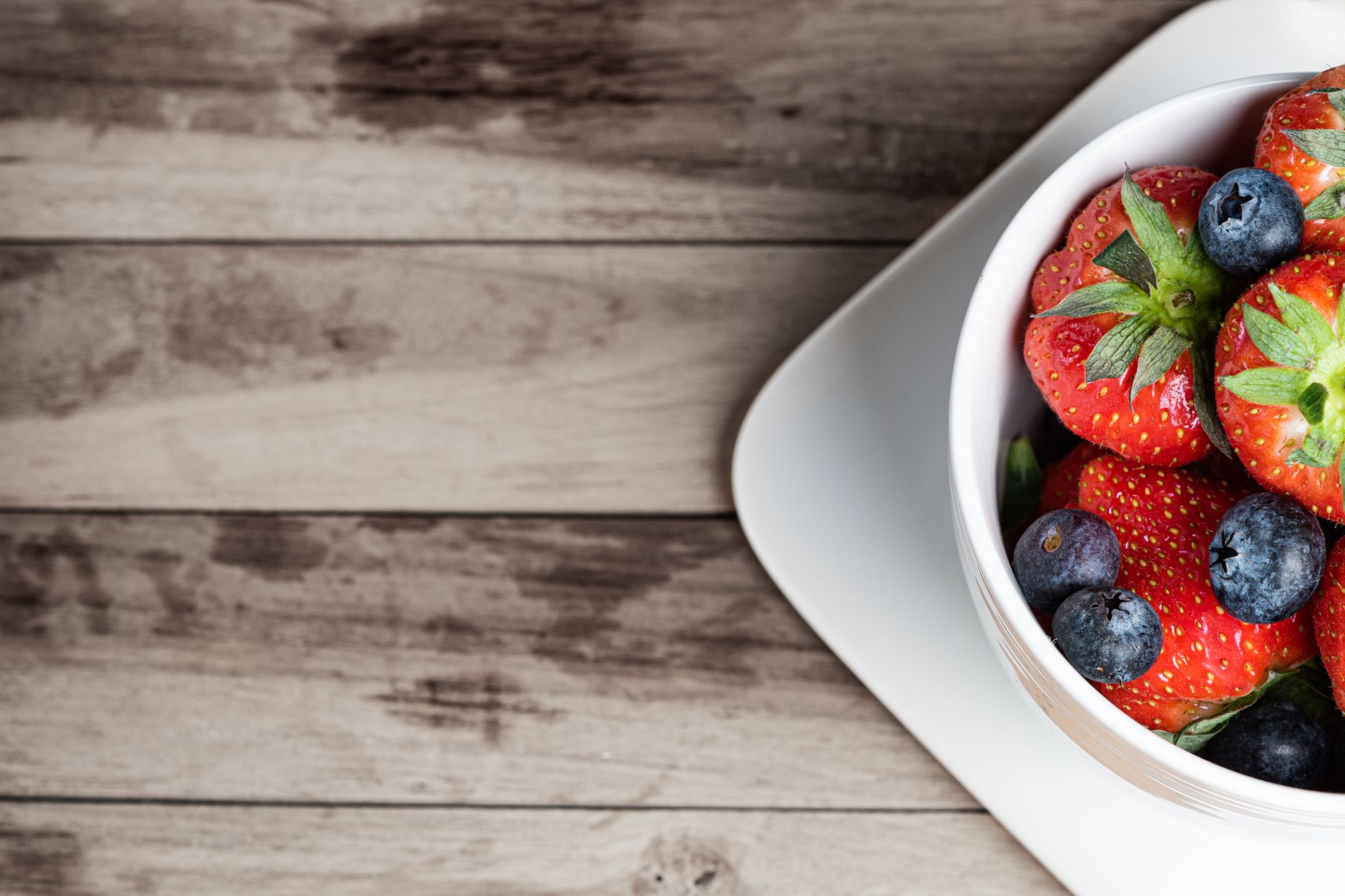
Enjoy nutrient‑rich foods like fresh fruit salads to support your baby’s growth at 20 weeks.
Myth vs. fact
Myth: You must avoid all caffeine after the first trimester.
Fact: Moderate caffeine (up to 200 mg per day) is considered safe by the FDA and ACOG, though individual tolerance varies.
Myth: Feeling the baby move at 20 weeks means the baby is already fully formed.
Fact: While movements are a good sign of a functioning nervous system, many organs—including lungs and brain pathways—continue maturing throughout the second and third trimesters.
Myth: You can’t exercise after the first trimester.
Fact: Light‑to‑moderate exercise, such as walking, prenatal yoga, or swimming, is recommended by the ACOG and can reduce back pain and improve mood.
Key takeaways
At 20 weeks the baby is about 16 cm long, weighs ~300 g, and its organs are functional; you may feel gentle kicks.
Aim for a total weight gain of 5–6 kg (11–13 lb) if you started at a normal BMI; roughly 0.5 kg per week after the first trimester.
Common symptoms include back pain, leg cramps, heartburn, and Braxton Hicks contractions—most are normal but monitor severity.
The anatomy ultrasound is the major test at this stage; prepare by staying hydrated and wearing comfortable clothing.
Watch for red‑flag signs like severe abdominal pain, bleeding, sudden swelling, or decreased fetal movement and call your provider immediately.
Focus on a balanced diet rich in protein, iron, calcium, and omega‑3s, and keep caffeine under 200 mg per day.
Manage heartburn with small meals, upright positioning, and safe antacids if needed; stay hydrated to lessen Braxton Hicks.
Prioritize left‑side sleep, supportive pillows, and a calming bedtime routine for better rest.
Frequently asked questions
What can I expect at 20 weeks of pregnancy?
You’ll be halfway through your pregnancy, with a baby the size of a banana, a noticeable bump, and likely the first feeling of fetal movements. Your provider will schedule an anatomy ultrasound, and you may experience back pain, heartburn, and Braxton Hicks contractions.
How big is my baby at 20 weeks?
The baby measures about 16 cm (6 in) from crown to heel and weighs around 300 g (10 oz), roughly the size of a banana or a small mango. The head circumference is about 17 cm, similar to a small orange.
Is it normal to feel the baby move at 20 weeks?
Yes. Most women start to notice gentle flutters, often described as bubbles or butterflies, between 18–20 weeks. These movements indicate a healthy nervous system and are a reassuring sign of development.
What tests are done at the 20‑week prenatal appointment?
The main test is the anatomy scan, which evaluates the baby’s organs, spine, and growth. You’ll also have blood pressure and urine checks, a possible repeat blood panel, and a discussion of glucose screening and any needed genetic testing.
How much weight should I have gained by 20 weeks?
Most women with a normal pre‑pregnancy BMI aim for about 5–6 kg (11–13 lb) total gain by the halfway point, which averages to roughly 0.5 kg (1 lb) per week after the first trimester.
Can I still exercise at 20 weeks of pregnancy?
Yes—light‑to‑moderate activities like walking, swimming, or prenatal yoga are safe and recommended by ACOG. Exercise can help reduce back pain, improve sleep, and boost mood, as long as you avoid high‑impact or contact sports.
Can I travel by air at 20 weeks?
Air travel is generally safe in the second trimester. Most airlines allow pregnant passengers up to 36 weeks, but it’s wise to bring your prenatal records, stay hydrated, and move around the cabin every hour to reduce clot risk.
Is it safe to get a dental cleaning during the second trimester?
Yes. Routine dental cleanings are recommended throughout pregnancy because gum disease can increase the risk of pre‑eclampsia. Your dentist should use a lead apron and avoid X‑rays unless absolutely necessary.
When to call your doctor
Contact your provider immediately if you experience any of the following: severe abdominal or back pain, vaginal bleeding or spotting, sudden swelling of the face or hands, persistent headaches or vision changes, fever over 38 °C, decreased fetal movement after you’ve felt kicks, fluid leaking from the vagina, or any rapid weight gain (> 2 kg in a week). This information is for educational purposes only and does not replace personalized medical advice.
References
American College of Obstetricians and Gynecologists (ACOG). “Weight Gain During Pregnancy.” 2023 clinical guidance.
Food and Drug Administration (FDA). “Caffeine Consumption During Pregnancy.” 2022 safety update.
National Health Service (NHS). “Mid‑pregnancy scan (anomaly scan).” 2023 patient information.
World Health Organization (WHO). “Recommendations on Antenatal Care for a Positive Pregnancy Experience.” 2022.
Centers for Disease Control and Prevention (CDC). “Gestational Diabetes.” 2023 fact sheet.
Royal College of Obstetricians and Gynaecologists (RCOG). “Management of Back Pain in Pregnancy.” 2022 guideline.
American Academy of Pediatrics (AAP). “Nutrition During Pregnancy.” 2023 recommendations.
International Federation of Gynecology and Obstetrics (FIGO). “Physical Activity in Pregnancy.” 2022 consensus.
American College of Obstetricians and Gynecologists (ACOG). “Practice Bulletin: Low Back Pain in Pregnancy.” 2021.
National Institute for Health and Care Excellence (NICE). “Antenatal Care for Healthy Women and Their Babies.” 2022 guidance.
Not sure about the label on 20 Pregnancy Weeks Halfway Point Milestones products?
Snap the ingredients list and SafeFilter checks every ingredient for your stage — only 3 free scans this month, then you're locked until reset. Unlimited from $7/mo or lock $50/yr through Aug 31 (5 days left).
When Shubhra Mishra was expecting her first child in 2016, she was overwhelmed by conflicting food advice — one site said yes, another said never. By the time her second baby arrived in 2019, she realized millions of mothers face the same confusion.
That sparked a five-year journey through clinical nutrition papers, cultural diets, and expert conversations — all leading to BumpBites: a calm, compassionate space where science meets everyday motherhood.
Her long-term vision is to build a global community ensuring safe, supported, and free deliveriesfor every mother — because no woman should face pregnancy alone or uninformed. 🌿
🌍 Stand with mothers, shape safer guidance
Join a small circle of experts who review BumpBites articles so expecting parents everywhere can decide with confidence.