

Quick take: At 19 weeks pregnant, you’re well into the second trimester. The baby is about the size of a mango, weighs roughly 300 g, and its heartbeat is clearly audible. You may notice common mid-pregnancy symptoms like quickening, heartburn, and backaches, but most routine tests are already done. Focus on a balanced diet, gentle exercise, and staying connected with your provider for a smooth journey ahead.
It’s 2 a.m., you’ve just felt a subtle flutter in your lower belly, and the question “Is this normal at 19 weeks?” is buzzing in your mind as you scroll through articles. You’re not alone—many expectant parents reach this exact moment, balancing excitement with a pinch of anxiety. The second trimester often brings relief from early pregnancy nausea, but new questions arise: How much should my belly have grown by now? What’s happening with my baby’s brain? Can I still enjoy my morning coffee?
In the weeks leading up to the 19-week mark, you’ve probably learned the basics of prenatal care, but now you need the specifics: how big is your baby, what symptoms are typical, which foods to steer clear of, and how to keep moving safely. Below, we break down everything you’re likely wondering about, with practical tips you can apply tonight—whether you’re planning your next prenatal visit, meal prepping for the week, or just trying to get comfortable on the couch.
From fetal development milestones to nutrition tweaks, from safe exercise to travel tips, we’ve gathered the most common questions and answered them in plain language. All recommendations reflect guidance from the American College of Obstetricians and Gynecologists (ACOG), the UK’s National Health Service (NHS), the World Health Organization (WHO), and other respected bodies. Our goal? To give you the confidence to navigate this stage with less guesswork and more ease.
What is the baby’s size and development at 19 weeks pregnant?
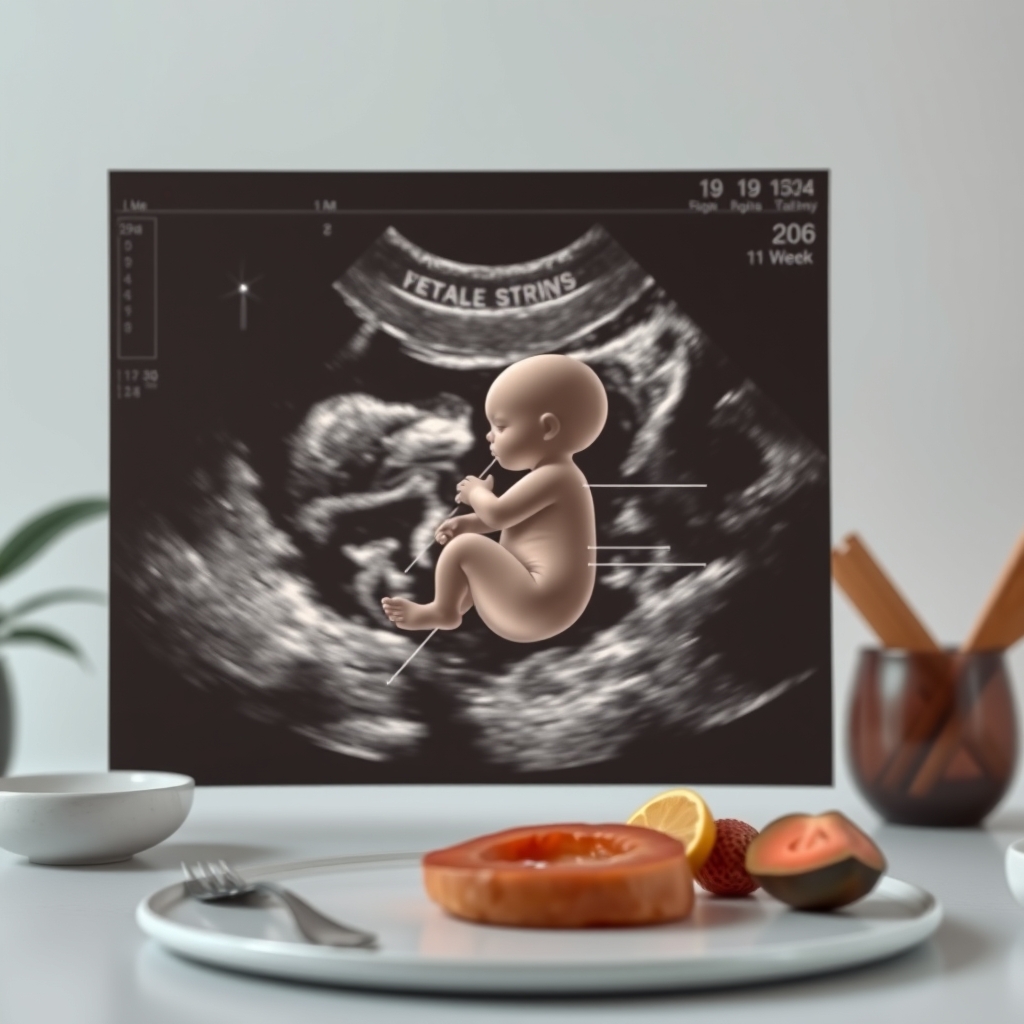
At 19 weeks gestation, the fetus measures roughly 15 cm (6 in) from crown to rump—about the length of a mango—and weighs approximately 300 g (≈ 0.66 lb). To put that in perspective, if you held a mango in your hand right now, you’d get a sense of your baby’s current size. But unlike a mango, your baby is far from static. This week marks a period of rapid refinement in both structure and function.
The baby’s facial features are becoming more distinct. Eyebrows and eyelashes are forming, and the tiny ear cartilage is now visible on an ultrasound. While the eyes remain fused shut, the retinas are developing, and the baby can already sense light—if you shone a bright flashlight on your belly, they might turn away. The brain is undergoing one of its most critical growth spurts; the cerebral cortex, responsible for future thinking, memory, and sensory processing, is thickening, and neural pathways are forming at a staggering rate. By 19 weeks, the baby’s nervous system is sophisticated enough to control basic movements, which you may feel as gentle flutters or “quickening.”
Muscle development is also in full swing. The baby can now make coordinated movements—stretching, kicking, and even sucking its thumb. These movements aren’t just random; they’re helping to strengthen muscles and joints in preparation for life outside the womb. The heart, which began beating just six weeks into pregnancy, is now pumping about 25 quarts of blood per day. A Doppler device at your provider’s office will pick up the heartbeat clearly, typically between 120–160 beats per minute—a reassuring sign of cardiovascular health.
The anatomy scan, usually scheduled between 18–22 weeks, offers a detailed look at your baby’s development. This ultrasound checks the spine, limbs, heart, brain, and other organs for any structural anomalies. It’s also the moment many parents choose to learn the baby’s sex, if they wish. While you can’t predict the exact birth weight yet, the growth trajectory at this stage sets the foundation for a healthy full-term baby. If your provider notes any concerns about size or development, they may recommend additional monitoring or follow-up scans.
One lesser-known milestone at 19 weeks is the development of vernix caseosa, a white, waxy coating that covers the baby’s skin. This protective layer shields the delicate skin from the amniotic fluid and helps regulate body temperature. You might even see traces of it at birth, especially if your baby arrives a little early.
What symptoms can I expect at 19 weeks pregnant?
Here’s a closer look at the most common symptoms at 19 weeks, along with what’s happening in your body:
- Quickening (baby movements): Many women feel their first fetal movements between 18–22 weeks, often described as a “flutter,” “bubble,” or even a gentle tap. If this is your first pregnancy, you might not recognize the sensation right away—it can feel like gas or hunger pangs. Second-time moms often notice it earlier. By 19 weeks, these movements become more frequent and pronounced, though they’re still subtle. If you haven’t felt anything by 22 weeks, let your provider know.
- Heartburn and indigestion: The hormone progesterone relaxes the valve between your stomach and esophagus, allowing stomach acid to creep up. Meanwhile, your growing uterus pushes the stomach upward, exacerbating the issue. Eating smaller, more frequent meals and avoiding spicy or greasy foods can help.
- Fatigue: While the second trimester is often called the “honeymoon phase” of pregnancy, fatigue can still linger. Your body is working overtime to support the baby’s growth, and your blood volume has increased by nearly 50%. This can leave you feeling drained, especially in the afternoon. Short naps, hydration, and iron-rich foods (like spinach or lean red meat) can help combat tiredness.
- Backaches: As your belly grows, your center of gravity shifts forward, putting extra strain on your lower back. The hormone relaxin, which loosens ligaments in preparation for childbirth, can also contribute to back pain. Gentle stretches, a supportive pillow between your knees while sleeping, and wearing low-heeled shoes can provide relief.
- Leg cramps and swelling: Fluid retention, or edema, is common in pregnancy, especially in the feet and ankles. It’s usually harmless but can be uncomfortable. Leg cramps, often striking at night, may be linked to dehydration or low magnesium levels. Stretching your calves before bed, staying hydrated, and eating magnesium-rich foods (like bananas, nuts, or dark chocolate) can help.
- Increased vaginal discharge: A thin, milky discharge called leukorrhea is normal during pregnancy. It’s your body’s way of protecting the birth canal from infection. However, if the discharge becomes thick, yellow, green, or foul-smelling, or if it’s accompanied by itching or burning, it could signal an infection like bacterial vaginosis or a yeast infection. Let your provider know if you notice these changes.
- Round ligament pain: As your uterus expands, the round ligaments that support it stretch and thicken. This can cause sharp, stabbing pains on one or both sides of your lower abdomen, especially when you change positions quickly. While uncomfortable, round ligament pain is usually brief and harmless. Gentle movement, warm compresses, and avoiding sudden twists can help.
- Skin changes: Hormonal shifts can lead to a variety of skin changes, including darkening of the nipples, a linea nigra (a dark line running from your belly button to your pubic bone), and melasma (dark patches on the face). These changes are temporary and usually fade after delivery. Wearing sunscreen and avoiding excessive sun exposure can help prevent melasma from worsening.
Most of these symptoms are benign and manageable with lifestyle tweaks. However, some signs warrant a call to your provider. If you experience severe abdominal pain, heavy vaginal bleeding, sudden swelling of the face or hands, a fever above 38°C (100.4°F), or a significant decrease in fetal movements, seek medical attention promptly. Trust your instincts—if something feels “off,” it’s always better to check in.
How can I manage common discomforts at 19 weeks pregnant?
Finding relief from mid-pregnancy discomforts often involves simple, low-risk strategies you can start tonight. The key is to listen to your body and make small, sustainable adjustments to your routine. Here’s a deeper dive into managing the most common symptoms:
- Nausea and heartburn:
- Eat small, frequent meals: Aim for 5–6 smaller meals throughout the day instead of 3 large ones. This keeps your stomach from becoming too empty or too full, both of which can trigger nausea or heartburn. Keep a stash of plain crackers, dry cereal, or ginger chews in your bag for on-the-go snacks.
- Stay hydrated: Sip water throughout the day, but avoid drinking large amounts with meals, as this can distend your stomach and worsen heartburn. If plain water is unappealing, try infusing it with lemon, cucumber, or mint for flavor.
- Ginger and peppermint: Ginger has been shown in studies to reduce nausea in pregnancy. Try ginger tea, ginger ale (made with real ginger), or ginger candies. Peppermint tea can also help settle your stomach, but avoid it if you’re prone to heartburn, as it can relax the lower esophageal sphincter.
- Avoid trigger foods: Common culprits for heartburn include spicy foods, citrus, tomato-based sauces, chocolate, and fried or greasy foods. Keep a food diary to identify your personal triggers.
- Back pain and round ligament pain:
- Supportive footwear: Swap high heels or unsupportive flats for shoes with good arch support and a low heel. This helps distribute your weight more evenly and reduces strain on your back.
- Prenatal yoga or stretching: Gentle yoga poses like Cat-Cow or Child’s Pose can relieve tension in your lower back. Pelvic tilts—rocking your pelvis forward and backward while on your hands and knees—can also help. If you’re new to yoga, look for a prenatal class or follow along with a reputable online video.
- Heat or cold therapy: A warm bath, heating pad, or cold pack can soothe sore muscles. Apply heat for 15–20 minutes at a time, or use a cold pack for 10 minutes if you’re experiencing inflammation.
- Sleep position: If you’re a back sleeper, try shifting to your side with a pillow between your knees. This aligns your spine and reduces pressure on your lower back. A pregnancy pillow can provide additional support.
- Leg cramps and swelling:
- Hydration: Dehydration can worsen leg cramps, so aim for at least 8–10 cups of water daily. If you’re active or live in a hot climate, you may need even more.
- Magnesium-rich foods: Magnesium helps relax muscles and may reduce cramps. Incorporate foods like bananas, almonds, spinach, avocados, and dark chocolate into your diet. If you’re struggling to get enough magnesium from food, ask your provider about a supplement.
- Compression socks: If swelling is bothering you, compression socks can improve circulation and reduce fluid buildup in your legs. Wear them during the day, especially if you’re on your feet for long periods.
- Elevate your feet: When sitting or lying down, prop your feet up on a stool or pillow to encourage blood flow back to your heart. Avoid crossing your legs, as this can restrict circulation.
- Fatigue:
- Prioritize sleep: Aim for 7–9 hours of sleep per night, and don’t hesitate to take short naps during the day if you need them. If heartburn or back pain is keeping you awake, experiment with different sleep positions or use extra pillows for support.
- Iron-rich foods: Fatigue can be a sign of iron deficiency, which is common in pregnancy. Include iron-rich foods like lean red meat, lentils, spinach, and fortified cereals in your diet. Pair them with vitamin C (e.g., orange juice or bell peppers) to boost absorption.
- Gentle exercise: While it might seem counterintuitive, light physical activity can actually boost your energy levels. A 10–15 minute walk or a prenatal yoga session can help combat fatigue by improving circulation and releasing endorphins.
- Delegate tasks: Now is the time to ask for help. Whether it’s grocery shopping, cleaning, or meal prep, don’t hesitate to lean on your partner, family, or friends. Even small breaks can make a big difference in how you feel.
Many expectant parents find that a short, 10-minute walk after meals helps settle the stomach and reduces reflux. If symptoms persist despite these measures, discuss them with your provider. Sometimes, a safe, over-the-counter remedy—like antacids for heartburn or acetaminophen for pain—can be recommended. Always check with your provider before taking any medication during pregnancy, even those labeled “safe.”

What prenatal tests are recommended at 19 weeks pregnant?
By 19 weeks, most major screening tests have been completed, but a few key evaluations remain. This is a critical time for monitoring your baby’s development and ensuring your own health is on track. Here’s a detailed look at the tests and screenings you can expect around this time:
- Anatomy (mid-trimester) ultrasound:
This is the most comprehensive ultrasound of your pregnancy, typically performed between 18–22 weeks. It’s often called the “anatomy scan” or “20-week scan,” though it can happen a week or two earlier. The goal is to assess your baby’s growth, check for structural anomalies, and confirm the position of the placenta. Here’s what the ultrasound technician will look for:
- Head and brain: The technician will measure the head circumference and check the brain’s structure for any abnormalities, such as fluid buildup or malformations.
- Spine: The spine is examined for proper alignment and closure. Conditions like spina bifida can sometimes be detected at this stage.
- Heart: The four chambers of the heart are checked for size and function. The technician will also look at the major blood vessels to ensure they’re properly connected.
- Limbs: The arms, legs, hands, and feet are measured to confirm they’re developing normally. The technician will count fingers and toes and check for any limb abnormalities.
- Abdomen and organs: The stomach, kidneys, bladder, and other abdominal organs are assessed for size and position. The technician will also check for any signs of fluid buildup or blockages.
- Placenta and amniotic fluid: The placenta’s position is noted, especially if it’s low-lying (a condition called placenta previa). The amount of amniotic fluid is also measured to ensure it’s within a healthy range.
- Gender: If you want to know, the technician can often determine the baby’s sex at this scan. However, it’s not always possible—some babies are in positions that make it difficult to see.
The anatomy scan is a detailed and lengthy procedure, often taking 30–45 minutes. You’ll likely receive printed images of your baby to take home, which can be a special keepsake. If the technician notices anything unusual, they may refer you to a maternal-fetal medicine specialist for a more detailed evaluation.
- Blood tests for anemia and blood type:
A complete blood count (CBC) is typically done around this time to check for anemia, which is common in pregnancy due to increased blood volume. Anemia can cause fatigue, dizziness, and shortness of breath, so it’s important to catch and treat it early. Your provider will also confirm your blood type and Rh factor. If you’re Rh-negative and your baby is Rh-positive, you’ll need a shot of Rh immune globulin (RhoGAM) to prevent your body from developing antibodies that could harm the baby in future pregnancies.
- Infection screening:
Testing for infections like hepatitis B, syphilis, HIV, and gonorrhea is standard during pregnancy to protect both you and your baby. These infections can be passed to the baby during delivery, so early detection and treatment are crucial. If you test positive for any of these infections, your provider will discuss treatment options and next steps.
- Genetic screening (if not done earlier):
If you didn’t opt for genetic screening in the first trimester, you may still have the option to do so now. Non-invasive prenatal testing (NIPT) is a blood test that screens for chromosomal anomalies like Down syndrome, trisomy 18, and trisomy 13. It can also reveal the baby’s sex. NIPT is highly accurate and poses no risk to the baby, but it’s not a diagnostic test—if the results are abnormal, your provider may recommend further testing, such as an amniocentesis or chorionic villus sampling (CVS).
- Glucose screening (optional at this stage):
While the glucose challenge test (GCT) is typically done between 24–28 weeks to screen for gestational diabetes, some providers offer it earlier for women at higher risk. Risk factors include a family history of diabetes, obesity, or a previous pregnancy with gestational diabetes. If your provider recommends this test at 19 weeks, it involves drinking a sugary solution and having your blood drawn an hour later to measure your blood sugar levels.
Most providers will schedule a follow-up appointment after the anatomy scan to discuss the results and any further recommendations. If you have a high-risk pregnancy—due to pre-existing conditions like diabetes or hypertension, a history of miscarriage, or advanced maternal age—your provider may recommend additional monitoring, such as more frequent ultrasounds or non-stress tests (NSTs).
It’s natural to feel anxious while waiting for test results, but remember that most pregnancies progress without complications. If your provider does identify a concern, they’ll work with you to develop a plan for monitoring and managing it. Don’t hesitate to ask questions or request a second opinion if you’re unsure about the next steps.
What foods should I avoid at 19 weeks pregnant?
Nutrition remains a cornerstone of a healthy pregnancy, and at 19 weeks, your baby’s growth is accelerating. While you’re encouraged to enjoy a wide variety of foods, certain items should be limited or eliminated to reduce the risk of foodborne illness or exposure to harmful substances. Here’s a detailed breakdown of what to avoid and why, along with safer alternatives:
- Raw or undercooked animal products:
Foods like sushi with raw fish, rare steak, soft-boiled eggs, and unpasteurized cheese (e.g., brie, camembert, feta, or blue cheese) can harbor harmful bacteria or parasites, including Listeria, Salmonella, and Toxoplasma. These infections can lead to miscarriage, stillbirth, or severe illness in newborns. To stay safe:
- Avoid raw or undercooked meat, poultry, and seafood. Cook meat to an internal temperature of 145°F (63°C) for whole cuts, 160°F (71°C) for ground meat, and 165°F (74°C) for poultry.
- Skip sushi made with raw fish, but opt for cooked sushi rolls (e.g., shrimp tempura or California rolls) or vegetarian sushi.
- Choose hard cheeses like cheddar or parmesan, which are made from pasteurized milk. If you’re unsure whether a cheese is pasteurized, check the label or ask the manufacturer.
- Avoid raw or undercooked eggs, including homemade mayonnaise, Caesar dressing, or cookie dough. Use pasteurized eggs if you’re making dishes that call for raw eggs.
- Unpasteurized dairy and juices:
Unpasteurized milk, cheese, and juices can contain Listeria, a bacterium that can cross the placenta and harm the baby. Pasteurization kills harmful bacteria without affecting the nutritional value of the food. To stay safe:
- Always check the label to ensure dairy products are pasteurized. Most store-bought milk, yogurt, and cheese in the U.S. and UK are pasteurized, but it’s best to confirm.
- Avoid fresh-squeezed juices from juice bars or farmers' markets unless they’re labeled as pasteurized. Store-bought juices are typically pasteurized.
- Skip soft cheeses made from unpasteurized milk, such as queso fresco, queso blanco, and some imported brie or camembert.
- High-mercury fish:
Mercury is a heavy metal that can harm a developing baby’s nervous system. While fish is an excellent source of protein and omega-3 fatty acids, some varieties contain high levels of mercury. The FDA and EPA recommend avoiding the following fish during pregnancy:
- Shark
- Swordfish
- King mackerel
- Tilefish
- Bigeye tuna (limit albacore tuna to 6 oz per week)
Instead, opt for low-mercury fish like salmon, sardines, trout, and canned light tuna. Aim for 2–3 servings (8–12 oz) of low-mercury fish per week to support your baby’s brain development. If you’re unsure about a specific type of fish, check the FDA’s advice on eating fish.
- Alcohol:
No amount of alcohol has been proven safe during pregnancy. Drinking alcohol can increase the risk of miscarriage, stillbirth, and fetal alcohol spectrum disorders (FASDs), which can cause lifelong physical, behavioral, and intellectual disabilities. If you’re struggling to avoid alcohol, talk to your provider about resources and support.
- Caffeine:
While moderate caffeine intake is generally considered safe during pregnancy, high levels may increase the risk of miscarriage or low birth weight. The ACOG and NHS recommend limiting caffeine to 200 mg per day—about one 12-oz cup of coffee. Keep in mind that caffeine is also found in tea, chocolate, energy drinks, and some sodas. Here’s a quick guide to caffeine content in common foods and drinks:
Food/Drink Serving Size Caffeine (mg) Brewed coffee 8 oz (240 mL) 95–200 Espresso 1 oz (30 mL) 63 Black tea 8 oz (240 mL) 40–70 Green tea 8 oz (240 mL) 20–45 Dark chocolate 1 oz (28 g) 12–25 Energy drinks 8 oz (240 mL) 70–100 Soda (cola) 12 oz (355 mL) 30–40 If you’re sensitive to caffeine or struggling to cut back, try switching to decaf coffee or herbal teas like chamomile, peppermint, or rooibos. Be cautious with herbal teas, though—some, like licorice root or black cohosh, are not safe during pregnancy.
- Processed deli meats and hot dogs:
Deli meats, hot dogs, and other processed meats can be contaminated with Listeria, which can cross the placenta and harm the baby. If you crave these foods, heat them to an internal temperature of 165°F (74°C) before eating. This kills any bacteria that may be present. Alternatively, opt for freshly cooked meats or vegetarian sandwich fillings like hummus, avocado, or grilled vegetables.
- Excessive vitamin A:
While vitamin A is essential for your baby’s development, too much can cause birth defects. Avoid supplements containing retinol or retinoids (a form of vitamin A found in some skincare products and medications). Instead, get your vitamin A from beta-carotene-rich foods like sweet potatoes, carrots, and leafy greens, which your body converts to vitamin A as needed.
- Unwashed fruits and vegetables:
Produce can carry Toxoplasma or other harmful bacteria if not washed properly. To reduce your risk:
- Rinse all fruits and vegetables under running water, even if you plan to peel them.
- Scrub firm produce like melons or cucumbers with a clean brush.
- Avoid pre-cut fruits and vegetables unless they’re labeled as pre-washed.
- Store produce separately from raw meat, poultry, and seafood to prevent cross-contamination.
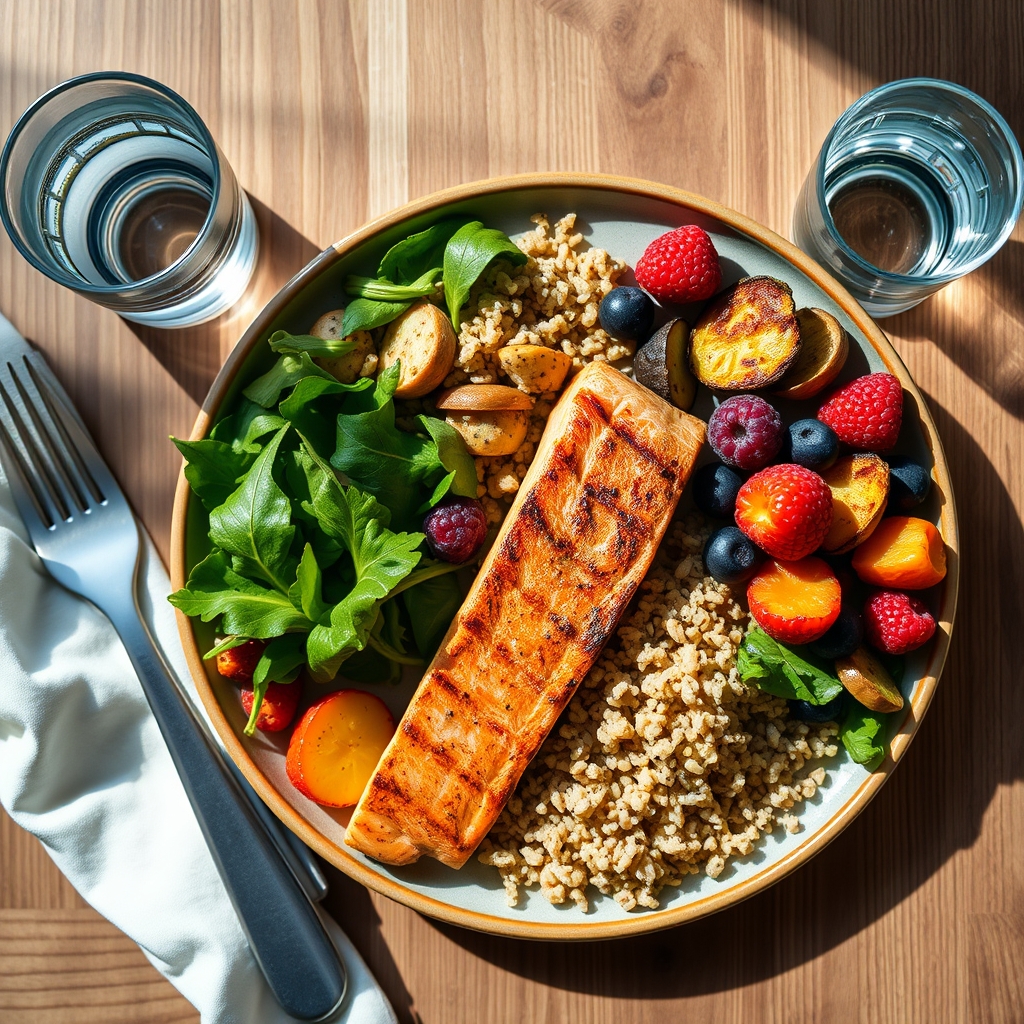
A balanced 19-week diet plan emphasizes nutrient-dense foods that support your baby’s growth and your own energy levels. Here’s a sample daily meal plan to give you an idea of what to aim for:
- Breakfast: Greek yogurt with berries, a sprinkle of granola, and a drizzle of honey. Pair it with a slice of whole-grain toast topped with avocado and a hard-boiled egg.
- Morning snack: A handful of almonds and an apple, or a small smoothie made with spinach, banana, and almond milk.
- Lunch: Grilled chicken salad with mixed greens, cherry tomatoes, cucumber, avocado, and a vinaigrette dressing. Add a side of whole-grain crackers or a small whole-wheat pita.
- Afternoon snack: Carrot sticks with hummus, or a small bowl of cottage cheese with pineapple.
- Dinner: Baked salmon with quinoa and roasted Brussels sprouts. For dessert, enjoy a small bowl of mixed fruit or a square of dark chocolate.
- Evening snack (if needed): A warm cup of milk with a teaspoon of honey, or a small handful of trail mix.
Hydration is just as important as nutrition. Aim for at least 8–10 cups of water daily, and more if you’re active or live in a hot climate. If you’re struggling to drink enough water, try infusing it with fruit or herbs for flavor, or set reminders on your phone to sip throughout the day.
How much weight should I gain by 19 weeks pregnant?
Weight gain during pregnancy is a natural and necessary part of supporting your baby’s growth and preparing your body for childbirth. However, gaining too much or too little weight can increase the risk of complications, such as gestational diabetes, preeclampsia, or a low-birth-weight baby. The amount of weight you should gain depends on your pre-pregnancy body mass index (BMI), which is calculated using your height and weight before pregnancy.
The general goal for a healthy-weight mother (BMI 18.5–24.9) is a total gain of 25–35 lb (11–16 kg) by delivery. By 19 weeks—roughly halfway through the second trimester—most providers expect you to have gained about 10–12 lb (4.5–5.5 kg). Below is a quick reference guide to recommended weight gain based on pre-pregnancy BMI:
| Pre-pregnancy BMI | Total recommended gain | Typical gain by 19 weeks | Weekly gain in 2nd/3rd trimesters |
|---|---|---|---|
| Underweight (<18.5) | 28–40 lb (13–18 kg) | 12–14 lb (5–6 kg) | 1–1.3 lb (0.45–0.6 kg) |
| Normal (18.5–24.9) | 25–35 lb (11–16 kg) | 10–12 lb (4.5–5.5 kg) | 0.8–1 lb (0.35–0.45 kg) |
| Overweight (25–29.9) | 15–25 lb (7–11 kg) | 8–10 lb (3.5–4.5 kg) | 0.5–0.7 lb (0.2–0.3 kg) |
| Obese (≥30) | 11–20 lb (5–9 kg) | 6–8 lb (2.5–3.5 kg) | 0.4–0.6 lb (0.2–0.25 kg) |

