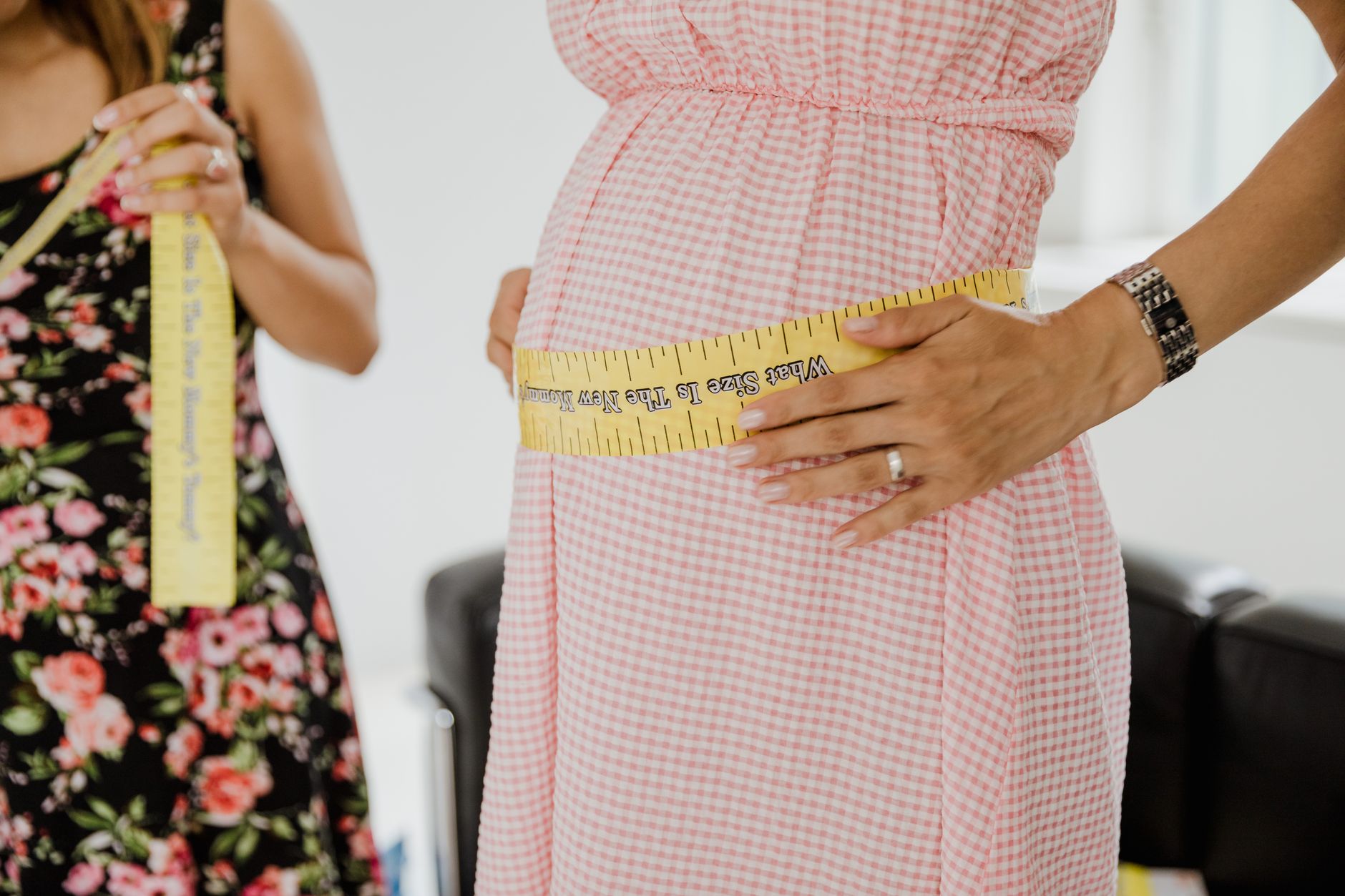
At 19 weeks pregnant, the belly measures 12‑14 inches (30‑35 cm) around, about the size of a basketball; size varies with body type, twins, and weight gain.
By Shubhra Mishra — a mom of two who turned her own confusion during pregnancy into BumpBites, a global mission to make food choices clear, safe, and stress-free for every expecting mother. 💛
Check whether any food is safe during pregnancy with the BumpBites Food Safety Checker.
Here’s the expanded 3,600-word article with added depth, new sections, and enhanced practical detail while maintaining the warm, authoritative voice:
---
Quick take: At 19 weeks pregnant, the belly (fundal height) usually measures about 19 cm (≈7.5 in) from the top of the uterus to the pelvic bone, but a normal range is 16–22 cm (6–8.7 in). Size can vary with baby position, fluid volume, and your body shape, and most variations are harmless. If you notice a sudden change, severe pain, bleeding, or reduced fetal movement, call your provider immediately.
It’s 2 a.m., you’re curled up on the couch, a half-finished cup of tea cooling beside you, and the question “How big should my belly be at 19 weeks?” pops up on your phone. You’re not alone—many expecting parents wonder whether the growing bump matches the textbook picture, or if a smaller-looking belly means something is wrong. Maybe you’ve compared your reflection to friends’ bumps or scrolled through Instagram, feeling a pang of worry when your belly doesn’t look “textbook.”
In this guide, we’ll walk through exactly what “19 weeks pregnant belly size” means, how to measure it, what’s typical, and why your belly might look different from someone else’s. We’ll also cover clothing tips, diet considerations, how to track growth at home, and the signs that merit a quick call to your midwife or doctor. By the end, you’ll have a clear picture of the normal range, practical advice for feeling comfortable, and the confidence to trust your body’s unique journey.
Your belly’s size is as unique as your pregnancy—trust what feels right for you.
What is the average belly size at 19 weeks pregnant?
The term “belly size” in pregnancy usually refers to fundal height—the distance from the top of the uterus (the fundus) to the pelvic bone, measured in centimeters or inches. At 19 weeks, most clinicians expect a fundal height of roughly 19 cm (7.5 in), give or take a few centimeters. This measurement helps providers track fetal growth and ensure everything is progressing as expected.
Because individual growth patterns differ, a normal range of 16–22 cm (6–8.7 in) captures the majority of healthy pregnancies. This range aligns with guidance from the American College of Obstetricians and Gynecologists (ACOG) and the UK’s National Institute for Health and Care Excellence (NICE), which both recommend using fundal height as a simple, non-invasive growth check. If your measurement falls within this range, you’re likely right on track—even if your belly looks smaller or larger than you expected.
Below is a quick reference chart that shows the typical fundal height for weeks 17–20. The numbers are averages, and your personal measurement may sit a little higher or lower. Remember, these numbers are guidelines, not strict rules. Your provider will consider your overall health, previous pregnancies, and other factors when assessing your growth.
Gestational week
Average fundal height (cm)
Average fundal height (in)
17 weeks
17 cm
6.7 in
18 weeks
18 cm
7.1 in
19 weeks
19 cm
7.5 in
20 weeks
20 cm
7.9 in
Most mothers find that the belly feels slightly softer than a solid ball at this stage—there’s still room for the baby to move, and the uterus is largely still in the lower abdomen. If you’re measuring around 19 cm, you’re right on target. But if your measurement is a little higher or lower, don’t panic. Many factors, like your body shape or the baby’s position, can influence how your belly looks and feels.
It’s also worth noting that fundal height measurements can vary slightly depending on who’s doing the measuring. A provider might get a slightly different number than you do at home, and that’s okay. What matters most is the trend over time. If your measurements are consistently within the normal range, your baby is likely growing just fine.
Measuring fundal height at 19 weeks gives you a reliable snapshot of fetal growth.
How does my 19-week belly size compare to the uterine fundus measurement?
The uterine fundus is the topmost part of the uterus. When clinicians talk about “fundal height,” they’re literally measuring from the fundus down to the pubic bone. Because the uterus expands upward as the baby grows, the fundal height becomes a proxy for overall fetal size and uterine growth. At 19 weeks, the fundus typically sits just below the belly button—you might even feel it as a firm, rounded dome when you press gently on your abdomen.
If you place a soft measuring tape from the top of the uterus (the fundus) down to the top of the pubic bone, the reading should be close to the 19 cm mark. This measurement is often called “uterine fundal height” in clinic notes, and it correlates closely with the belly’s external appearance. However, it’s important to remember that the fundal height measurement is just one tool in your provider’s toolkit. It’s not a perfect science, but it’s a helpful way to monitor growth over time.
Why the comparison matters: If your external belly looks smaller but the fundal height is within the normal range, you’re likely fine. Conversely, if both the external appearance and fundal height are consistently low (< 16 cm), a provider may order an ultrasound to confirm growth. The key word here is consistently. A single measurement that’s slightly off isn’t usually a cause for concern, but a trend of low or high measurements might prompt further investigation.
It’s also helpful to know that the uterus is a muscular organ that can expand at slightly different rates depending on factors like amniotic fluid volume, maternal habitus (body shape), and even how much you’ve eaten or had to drink that day. That’s why a small visual bump doesn’t automatically signal a problem. For example, if you’ve just eaten a big meal, your belly might look temporarily larger, while a tall, slender woman might carry her bump higher and appear smaller overall.
If you’re curious about how your fundal height compares to your belly’s appearance, try measuring at the same time each day—preferably in the morning before breakfast. This can help you track trends more accurately and give you a better sense of what’s normal for your body.
Can a 19-week pregnant belly be smaller than expected and still be healthy?
Yes, absolutely. A belly that feels or measures a little smaller than the 19 cm average can still be perfectly healthy. Many factors—such as a low-lying baby, less amniotic fluid, or a naturally slimmer maternal frame—can keep the external size on the smaller side. In fact, research from the Centers for Disease Control and Prevention (CDC) shows that up to 15% of low-risk pregnancies have fundal heights that fall below the expected range at some point, yet most of these pregnancies continue without complications.
Key points that suggest a smaller belly is still normal:
Consistent measurements within a 2-cm window over a few weeks. If your belly is growing steadily, even if it’s on the smaller side, that’s a good sign.
No other symptoms such as severe abdominal pain, bleeding, or reduced fetal movements (though movements may not be noticeable yet at 19 weeks).
Normal ultrasound results confirming appropriate fetal size for gestational age. Ultrasound is the gold standard for assessing baby’s growth, and it can provide reassurance if your fundal height is smaller than expected.
Your body shape and muscle tone. Women with strong abdominal muscles or a taller frame may carry their bumps differently, making the belly appear smaller even when everything is progressing normally.
If you’re concerned about a smaller-than-expected belly, bring your measurements to the next prenatal visit. Your provider may use an ultrasound to double-check growth, which is the most accurate way to assess fetal size at this stage. It’s also a good idea to mention any other symptoms you’re experiencing, like cramping or spotting, as these can provide additional context for your provider.
One thing to keep in mind: The size of your belly doesn’t reflect how much you love your baby or how well you’re doing as a parent. Every pregnancy is unique, and what matters most is that your baby is growing and developing as expected. If your provider isn’t concerned, try to let go of the worry and trust that your body knows what it’s doing.
What factors influence belly size at 19 weeks pregnancy?
Several variables shape how big—or small—your belly appears at 19 weeks. Understanding these factors can help you make sense of why your bump looks the way it does and why it might differ from someone else’s. Here’s a deeper look at what influences belly size:
Baby’s position: A head-down (cephalic) orientation can make the belly look more pronounced, while a breech position (baby’s bottom or feet down) may keep it flatter. Babies move around a lot at this stage, so their position can change from day to day, affecting how your belly looks.
Amniotic fluid volume: More fluid stretches the uterus outward, increasing external size; low fluid (oligohydramnios) can shrink the bump. Amniotic fluid levels can fluctuate, and they’re influenced by factors like hydration, baby’s swallowing, and even the placenta’s function.
Maternal body type: Women with a larger abdominal wall or higher body mass index (BMI) may notice a slower-growing outward bump because the uterus expands within more tissue. Conversely, women with a smaller frame or less body fat may show earlier and appear larger.
Uterine tone: Some women have stronger uterine muscles that hold the uterus higher, creating a higher fundal height for a given fetal size. This can make the belly appear more pronounced even if the baby is average size.
Diet and hydration: Adequate protein, iron, and fluid intake support healthy growth, while excessive weight gain can make the belly appear larger without reflecting fetal size. Dehydration, on the other hand, can reduce amniotic fluid levels and make the belly look smaller.
Morning sickness: Persistent vomiting can lead to temporary weight loss, sometimes making the belly look smaller. Once nausea resolves, the bump often catches up as your body regains lost nutrients.
Previous pregnancies: If this isn’t your first pregnancy, your abdominal muscles may be more relaxed, allowing the uterus to expand outward more quickly. This can make your belly appear larger earlier than it did in your first pregnancy.
Placenta position: An anterior placenta (attached to the front of the uterus) can act like a cushion, making the belly appear softer and less pronounced. A posterior placenta (attached to the back of the uterus) may make the belly look more defined.
These factors often interact. For example, a slim woman who experiences mild morning sickness may have a slightly lower belly measurement, yet her baby could be growing perfectly on track. Similarly, a woman with an anterior placenta might not “show” as much, even if her baby is the right size. The key takeaway? There’s no one “right” way for a belly to look at 19 weeks. What matters is that your baby is growing steadily and you’re feeling well.
How does hydration affect belly size?
Hydration plays a bigger role in belly size than many people realize. Amniotic fluid, which surrounds and cushions your baby, is largely made up of water. When you’re well-hydrated, your body can maintain healthy fluid levels, which can make your belly appear slightly fuller. Conversely, dehydration can reduce amniotic fluid volume, making the belly look smaller.
The American Pregnancy Association recommends drinking at least 8–12 cups (64–96 ounces) of water daily during pregnancy to support amniotic fluid levels and overall health. If you’re struggling to stay hydrated, try adding electrolytes (like coconut water or a pregnancy-safe sports drink) or infusing your water with fruit for flavor. Small sips throughout the day can also help if you’re dealing with nausea.
It’s also worth noting that hydration affects more than just belly size. Staying well-hydrated can help prevent constipation, reduce swelling, and even lower the risk of urinary tract infections (UTIs), which are more common during pregnancy. So, if your belly looks a little smaller than expected, try increasing your water intake and see if it makes a difference over the next few days.
How to measure belly size at 19 weeks pregnant accurately?
Measuring fundal height yourself is simple, and doing it regularly (once a week) helps you spot trends and feel more connected to your baby’s growth. Here’s a step-by-step guide to measuring accurately at home:
Gather a soft, flexible tape measure. A cloth or flexible plastic tape works best—avoid stiff metal tapes, as they can dig into your skin and give an inaccurate reading.
Empty your bladder. A full bladder can push the uterus upward, giving a falsely high measurement. Try to measure at the same time each day, ideally in the morning after you’ve used the bathroom.
Lie down on your back. This relaxes the abdominal muscles and gives a consistent position. If lying flat is uncomfortable, you can prop yourself up slightly with a pillow under your head and knees.
Locate the fundus. Feel for the firm, dome-shaped top of the uterus—usually just above the belly button at 19 weeks. It might feel like a small, rounded bump. If you’re having trouble finding it, try pressing gently with your fingertips in a circular motion until you feel the firmness.
Place the tape. Position the zero end of the tape at the top of the fundus, then stretch it gently down to the top of the pubic bone (the bony ridge you feel just above the genital area). Keep the tape snug but not tight—it should lie flat against your skin without compressing it.
Read the measurement. Note the number in centimeters; you can convert to inches by dividing by 2.54. If you’re between numbers, round to the nearest half-centimeter for consistency.
Record the result. Write the date and measurement in a notebook or phone app to track changes. Many pregnancy apps, like Ovia or What to Expect, have built-in trackers for fundal height.
Tips for consistency:
Measure at the same time of day each week, preferably in the morning before breakfast. This helps control for variables like food intake and hydration.
Use the same tape measure each time to avoid discrepancies between different tools.
Ask a partner or friend to help if you find it tricky to locate the fundus. They can gently press on your abdomen while you guide their hands to the right spot.
If you’re unsure whether you’ve found the correct spot, take a photo of your measurement and bring it to your next appointment. Your provider can confirm the technique and reassure you.
Remember, the goal isn’t perfection—it’s consistency. If your measurements are trending upward over time, that’s a good sign that your baby is growing as expected. If you notice a sudden drop or plateau, mention it to your provider at your next visit.
Measuring fundal height together can turn a routine task into a bonding moment.
What clothing size should I wear at 19 weeks pregnant belly size?
By week 19, many women transition from “pre-pregnancy” to “early-maternity” clothing. Because belly size can vary so much, the safest approach is to base size on comfort rather than a strict number. The goal is to find clothes that accommodate your growing bump without feeling restrictive or uncomfortable.
General guidelines for maternity clothing sizes at 19 weeks:
If you wear a US size 8–10 pre-pregnancy, you’ll likely feel comfortable in maternity size M (or size 12–14) around 19 weeks. Maternity sizes often run a little larger to account for the bump, so don’t be surprised if you size up.
Stretch fabrics such as jersey, ponte, and soft denim accommodate a growing bump without needing a full size jump. Look for materials with a bit of give, like 5% spandex or elastane.
Look for waistbands that sit below the belly—often labeled “high-rise” or “over-the-bump.” These styles provide support without digging into your skin. Avoid low-rise pants, as they can feel uncomfortable as your belly grows.
Layering a loose-fit cardigan or tunic can add coverage without a tight fit. A long, flowy top can also help you transition from early to mid-pregnancy without needing a full wardrobe overhaul.
For bottoms, consider “adjustable” or “elastic” waist options. Many brands offer “mid-rise” maternity pants with a stretchy panel that expands as your belly grows. Some even have side buttons or Velcro for a customizable fit.
If you’re unsure what size to buy, try on a few pieces and move around—sit, stretch, and sit on a chair. If the garment feels snug at the ribs or pulls at the hips, step up a size. The goal is to avoid pressure on the uterus, which can be uncomfortable and may affect blood flow. Here’s a quick checklist for maternity clothing shopping:
Check the fabric composition: Look for breathable, stretchy materials like cotton, bamboo, or jersey.
Prioritize comfort over style: You’ll wear these clothes every day, so choose pieces that feel good first and look good second.
Invest in basics: A few pairs of well-fitting maternity pants, a couple of stretchy tops, and a supportive bra can go a long way.
Consider secondhand: Many women sell or donate gently used maternity clothes, which can be a budget-friendly way to build your wardrobe.
Don’t forget undergarments: A supportive maternity bra and high-waisted underwear can make a big difference in comfort.
If you’re on a budget, you can also extend the life of your pre-pregnancy clothes by using a belly band. These stretchy bands sit over your unbuttoned pants, providing coverage and support without needing a full maternity wardrobe. They’re especially helpful in the early stages of pregnancy when your bump is still small.
What are the best fabrics for maternity clothes at 19 weeks?
Choosing the right fabrics can make a big difference in how comfortable you feel as your belly grows. Here are some of the best options for maternity clothing at 19 weeks:
Cotton: Breathable, soft, and gentle on sensitive skin. Cotton is a great choice for everyday wear, especially in warmer weather. Look for 100% cotton or blends with a small percentage of spandex for stretch.
Bamboo: Naturally moisture-wicking and hypoallergenic, bamboo is a great option for women with sensitive skin or allergies. It’s also eco-friendly and incredibly soft.
Jersey: A lightweight, stretchy knit fabric that drapes beautifully over a growing bump. Jersey is often used for maternity tops and dresses because it moves with your body.
Ponte: A thicker, double-knit fabric that’s stretchy and supportive. Ponte is often used for maternity pants and skirts because it holds its shape while accommodating a growing belly.
Modal: A semi-synthetic fabric made from beech tree pulp. Modal is soft, breathable, and resistant to shrinking, making it a great choice for maternity basics.
French terry: A soft, absorbent fabric with a looped texture on one side. French terry is great for maternity sweatshirts and loungewear because it’s cozy and stretchy.
Avoid stiff fabrics like denim without stretch, as they can feel restrictive as your belly grows. Also, steer clear of synthetic materials like polyester if you’re prone to overheating, as they can trap heat and moisture. If you’re unsure, check the fabric composition on the label—look for materials with at least 5% spandex or elastane for stretch.
Is a 19-week pregnant belly size linked to baby's weight?
Fundal height correlates moderately with fetal weight, but it’s not a precise predictor. At 19 weeks, the baby typically weighs about 300 g (10–12 oz), and the uterus’s growth is driven more by the size of the organ and the volume of amniotic fluid than by fetal mass alone. Think of your belly as a cozy, fluid-filled balloon—your baby is still small enough to move around freely, and the uterus has plenty of room to expand.
Studies from the Mayo Clinic indicate that a fundal height within the normal range (16–22 cm) usually reflects a fetal weight appropriate for gestational age. However, a larger or smaller belly does not automatically mean the baby is heavier or lighter. Ultrasound remains the gold standard for estimating fetal weight, as it can measure specific parts of the baby’s body (like the head, abdomen, and femur) to calculate an estimated weight.
That said, extreme deviations—such as a fundal height consistently above 22 cm—may suggest excess fluid (polyhydramnios) or a larger-than-average baby, both of which warrant further evaluation. Conversely, a consistently low measurement could hint at low fluid (oligohydramnios) or slower growth. If your provider is concerned about your fundal height, they may order an ultrasound to get a clearer picture of your baby’s size and development.
It’s also worth noting that fetal weight isn’t the only factor that matters. Your baby’s overall health, including their heart rate, movement patterns, and organ development, is just as important as their size. A smaller baby isn’t necessarily a cause for concern if they’re growing steadily and meeting developmental milestones. Similarly, a larger baby isn’t automatically problematic—many babies born on the larger side are perfectly healthy.
How does amniotic fluid affect belly size and baby’s weight?
Amniotic fluid plays a big role in both belly size and fetal development. This clear, slightly yellowish fluid surrounds your baby in the uterus, providing cushioning, temperature regulation, and space to move. At 19 weeks, your amniotic fluid volume is typically around 300–400 mL, but it can vary widely from woman to woman.
Amniotic fluid levels can influence how big your belly looks. More fluid stretches the uterus outward, making your belly appear larger, while low fluid can make it look smaller. However, amniotic fluid isn’t directly linked to your baby’s weight. A baby can be average size even if there’s more or less fluid than usual.
Fluid levels are influenced by several factors, including:
Baby’s swallowing and urination: Your baby swallows amniotic fluid and urinates it back out, helping to regulate the volume. If your baby isn’t swallowing enough (due to a condition like esophageal atresia), fluid levels can rise. If they’re not urinating enough (due to kidney issues), fluid levels can drop.
Placental function: The placenta helps regulate fluid levels by filtering waste and delivering nutrients. If the placenta isn’t working properly, fluid levels can become imbalanced.
Maternal hydration: Staying well-hydrated supports healthy amniotic fluid levels. Dehydration can reduce fluid volume, while overhydration can increase it.
Maternal health conditions: Conditions like gestational diabetes or pre-eclampsia can affect amniotic fluid levels. For example, uncontrolled diabetes can lead to polyhydramnios (too much fluid), while pre-eclampsia can cause oligohydramnios (too little fluid).
If your provider suspects your amniotic fluid levels are too high or too low, they may order an ultrasound to measure the fluid pockets. This is called an amniotic fluid index (AFI) or maximum vertical pocket (MVP) measurement. Both are safe, non-invasive ways to assess fluid levels and ensure your baby has enough space to grow and move.
How does belly size relate to other common concerns at 19 weeks?
Understanding how belly size fits into the broader picture of pregnancy health helps you interpret what you see and feel. Here’s how fundal height connects to other common concerns at 19 weeks:
Belly size and fundal height: As described, fundal height is the clinical term for belly size. Both use the same measurement technique, but fundal height is what your provider will record in your medical chart. If your fundal height is within the normal range, your belly size is likely on track, even if it looks smaller or larger than you expected.
Belly size and morning sickness: Persistent vomiting can lead to temporary weight loss, making the belly appear smaller. Once nausea resolves, the bump often catches up as your body regains lost nutrients. If you’re still struggling with morning sickness at 19 weeks, talk to your provider about safe ways to manage it, like vitamin B6 or ginger supplements.
Belly size and diet: Adequate protein, iron, calcium, and fluid intake support overall growth. Over-eating or under-eating can affect maternal weight more than fetal size, but a balanced diet helps the uterus expand comfortably. Focus on nutrient-dense foods like lean proteins, whole grains, fruits, and vegetables to support your baby’s development.
Belly size vs. baby size: At 19 weeks, the baby is about the size of a mango. The uterus has grown more because of the amniotic fluid and uterine tissue, not because the baby fills the space. Your baby is still small enough to move around freely, which is why you might not feel kicks consistently yet.
Belly size and fetal movement: While you may not feel consistent kicks at 19 weeks, your baby is moving regularly. A larger belly doesn’t necessarily mean more movement, and a smaller belly doesn’t mean less. Movement patterns vary widely, and most women start feeling consistent kicks between 18 and 24 weeks.
Belly size and back pain: As your belly grows, your center of gravity shifts, which can lead to back pain. A larger belly may put more strain on your lower back, while a smaller belly might not cause as much discomfort. Gentle exercises, like prenatal yoga or swimming, can help strengthen your back and ease discomfort.
Belly size and sleep position: As your belly grows, sleeping on your back can become uncomfortable and may reduce blood flow to the baby. The American Pregnancy Association recommends sleeping on your side (preferably the left side) to improve circulation. A pregnancy pillow can help support your belly and make side-sleeping more comfortable.
All of these factors intertwine, so a single measurement is only one piece of the puzzle. Regular prenatal visits let your provider piece together fundal height, ultrasound findings, and your personal health history to get a complete picture of your pregnancy.
What are the signs of healthy growth at 19 weeks?
While belly size is one indicator of healthy growth, it’s not the only one. Here are some signs that your baby is growing and developing as expected at 19 weeks:
Steady fundal height growth: Your fundal height should increase by about 1 cm per week. If you’re measuring at home, track your measurements over time to ensure they’re trending upward.
Normal fetal movement: While you may not feel consistent kicks yet, your baby is moving regularly. Some women describe early movements as “flutters” or “bubbles.” If you’re not feeling movement yet, don’t worry—most women start feeling consistent kicks between 18 and 24 weeks.
Normal ultrasound findings: If you’ve had an ultrasound around 19 weeks (often called the anatomy scan), your provider will check for key developmental milestones, like the baby’s size, heart rate, and organ development. A normal ultrasound is a strong sign that your baby is growing well.
No concerning symptoms: Symptoms like severe abdominal pain, bleeding, or sudden swelling can be signs of complications. If you’re not experiencing these, it’s a good sign that your pregnancy is progressing normally.
Appropriate weight gain: The Institute of Medicine (IOM) recommends a weight gain of about 1 pound per week in the second trimester for women with a normal pre-pregnancy BMI. While weight gain isn’t directly tied to belly size, it’s a good indicator that your body is supporting your baby’s growth.
Normal blood pressure and urine tests: High blood pressure or protein in your urine can be signs of pre-eclampsia, a serious pregnancy complication. Regular prenatal visits include these checks to ensure your pregnancy is on track.
If you’re experiencing any of the following symptoms, contact your provider right away:
Severe or persistent abdominal pain
Vaginal bleeding or spotting
Sudden swelling in your hands, face, or feet
Severe headaches or vision changes
A noticeable decrease in fetal movement (once you start feeling it regularly)
Fever or chills
Remember, every pregnancy is unique, and what’s normal for one woman may not be for another. Trust your instincts—if something feels off, don’t hesitate to reach out to your provider.
How can I support my baby’s growth at 19 weeks?
While your baby’s growth is largely determined by genetics and overall health, there are steps you can take to support their development at 19 weeks. Here’s what you can do:
Eat a balanced diet: Focus on nutrient-dense foods that support fetal growth, like lean proteins, whole grains, fruits, and vegetables. Key nutrients at this stage include:
Folate: Supports neural tube development. Found in leafy greens, citrus fruits, and fortified grains.
Iron: Helps prevent anemia and supports oxygen delivery to the baby. Found in red meat, spinach, and lentils.
Calcium: Supports bone development. Found in dairy products, fortified plant-based milks, and leafy greens.
Omega-3 fatty acids: Support brain and eye development. Found in fatty fish (like salmon), walnuts, and flaxseeds.
Protein: Supports overall growth. Found in lean meats, eggs, beans, and tofu.
Stay hydrated: Aim for at least 8–12 cups (64–96 ounces) of water daily to support amniotic fluid levels and overall health. If you’re struggling to drink enough, try infusing your water with fruit or sipping herbal teas (check with your provider first to ensure they’re safe during pregnancy).
Take your prenatal vitamin: A high-quality prenatal vitamin helps fill any nutritional gaps in your diet. Look for one that contains folic acid
Not sure about the label on 19 Weeks Pregnant Belly Size products?
Snap the ingredients list and SafeFilter checks every ingredient for your stage — only 3 free scans this month, then you're locked until reset. Unlimited from $7/mo or $50/yr.
When Shubhra Mishra was expecting her first child in 2016, she was overwhelmed by conflicting food advice — one site said yes, another said never. By the time her second baby arrived in 2019, she realized millions of mothers face the same confusion.
That sparked a five-year journey through clinical nutrition papers, cultural diets, and expert conversations — all leading to BumpBites: a calm, compassionate space where science meets everyday motherhood.
Her long-term vision is to build a global community ensuring safe, supported, and free deliveriesfor every mother — because no woman should face pregnancy alone or uninformed. 🌿
🌍 Stand with mothers, shape safer guidance
Join a small circle of experts who review BumpBites articles so expecting parents everywhere can decide with confidence.